


 Claim Ownership
Byted Size News
Subscribed: 1Played: 48
Subscribe

© Copyright 2025-2025 voieech.com
Description
Bringing you the latest updates on technology, one byte at a time.
195 Episodes
Reverse
Introduction:
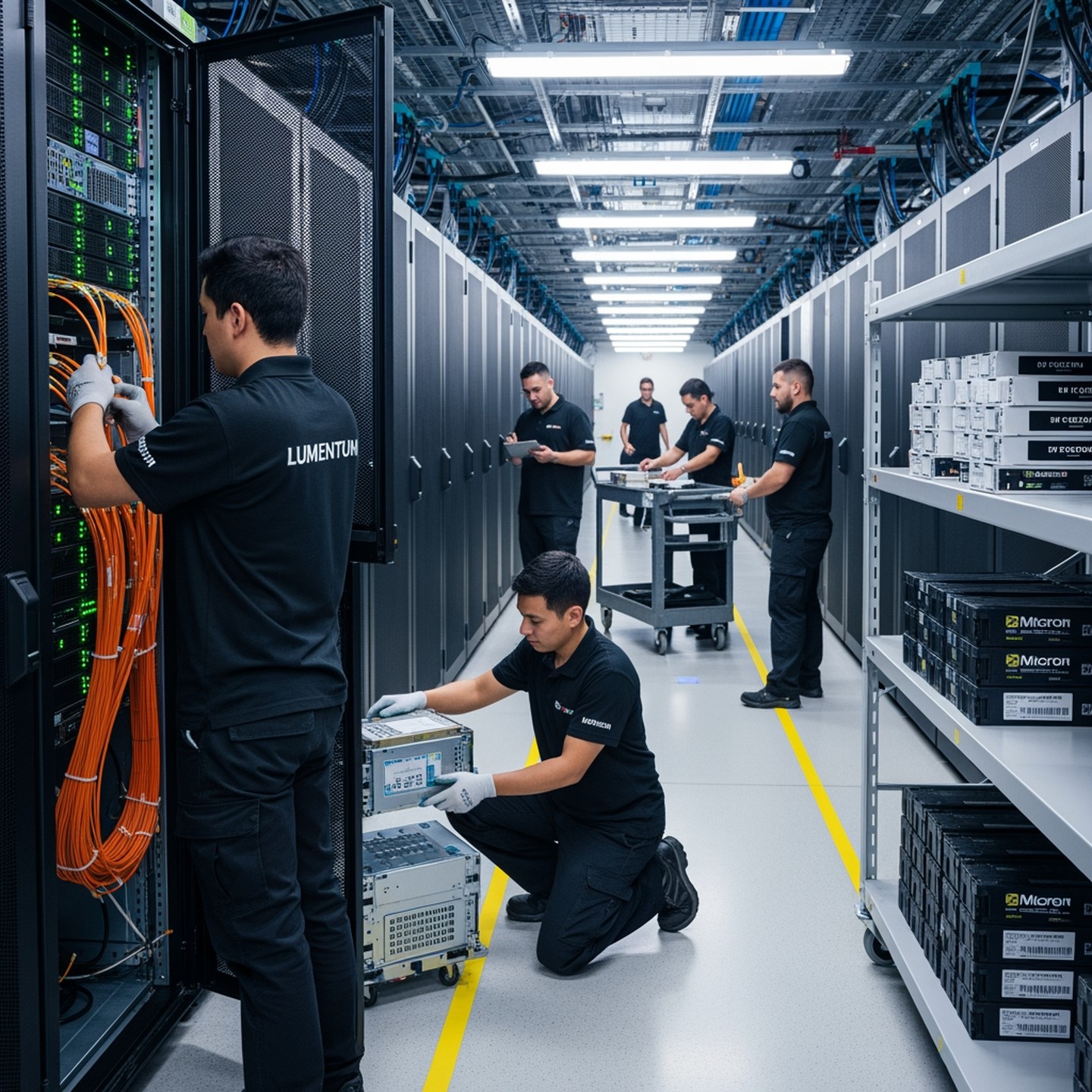
In today’s episode, we dive deep into the often-overlooked beneficiaries of the AI boom. While Nvidia dominates headlines, we unveil five lesser-known infrastructure companies whose stocks have more than tripled this year, driven by soaring demand for AI data center components. We explore how this $380 billion surge in data center spending is reshaping the tech supply chain and creating new hardware leaders. Next, we test Google Gemini’s AI ad claims against real-world results, revealing surprising inconsistencies and raising important questions about AI’s role in shaping consumer trust. We then analyze a pivotal ruling blocking Texas’s app store age-verification law, a case that highlights the shifting legal battleground over platform liability and could influence tech regulation nationwide. Following that, we discuss the U.S. decision to delay tariffs on Chinese semiconductor imports until 2027—a strategic move tightly linked to broader geopolitical tensions and the future of global chip supply chains. Lastly, we examine Novo Nordisk’s breakthrough FDA approval for its oral weight-loss pill, an innovation poised to disrupt the multi-billion-dollar injectable drug market and transform chronic disease treatment.
Content and Timestamp:
00:00:54 Beyond Nvidia: Uncovering the AI Infrastructure Stocks Tripling in Value
00:06:30 Google Gemini Ad: A Reality Check with a Stuffed Animal
00:11:02 Federal Judge Blocks Texas App Store Age Verification Law
00:15:12 US Delays New Tariffs on Chinese Chips Until 2027 in Bid to Cool Trade Tensions
00:19:23 Market Movers: Novo Nordisk's Oral Weight Loss Drug, Tech Acquisitions, Mining Boom, and Regulatory Impact on Drones
Powered by voieech.com, producing personalized content just for you.

Introduction:
In today’s episode, we unpack the seismic shifts reshaping the AI and tech landscape. First, we dive into Nvidia’s $20 billion acquisition of Groq, a rival AI chip startup whose technology accelerates AI inference by tenfold. This bold, premium deal not only signals a major consolidation in the AI chip market but also raises pressing questions about antitrust scrutiny in the US and Europe. Next, we explore how the booming AI demand is pushing data centers to adopt cutting-edge liquid cooling technologies, balancing performance gains against environmental and infrastructure challenges. Then, we analyze Tubi’s breakthrough as a free streaming service surpassing major players by capturing the Gen Z audience with a savvy ad-supported model. We also examine the geopolitical fallout from US visa sanctions targeting UK and EU anti-disinformation researchers, igniting a heated debate on digital sovereignty and free speech. Finally, we reveal how Bitcoin’s unconventional lobbying strategy unfolds through a new crypto-themed dive bar in Washington D.C., blending grassroots culture with high-level policymaking. Stay tuned for a comprehensive look at these pivotal stories shaping the future of technology and society.
Content and Timestamp:
00:00:53 Nvidia to Acquire AI Chip Startup Groq for Record $20 Billion
00:05:52 The 'Spa Treatment' for Overheating Data Centers: Liquid Cooling Innovations
00:10:43 Tubi's Unstoppable Rise: How the Free Streamer is Beating Big Players and Winning Over Young Audiences
00:14:25 US Visa Ban on UK Anti-Disinformation Campaigners Sparks Free Speech Row
00:17:51 Bitcoin Bar 'Pubkey' Opens in DC, Aims for Crypto Diplomacy
Powered by voieech.com, producing personalized content just for you.
Introduction:
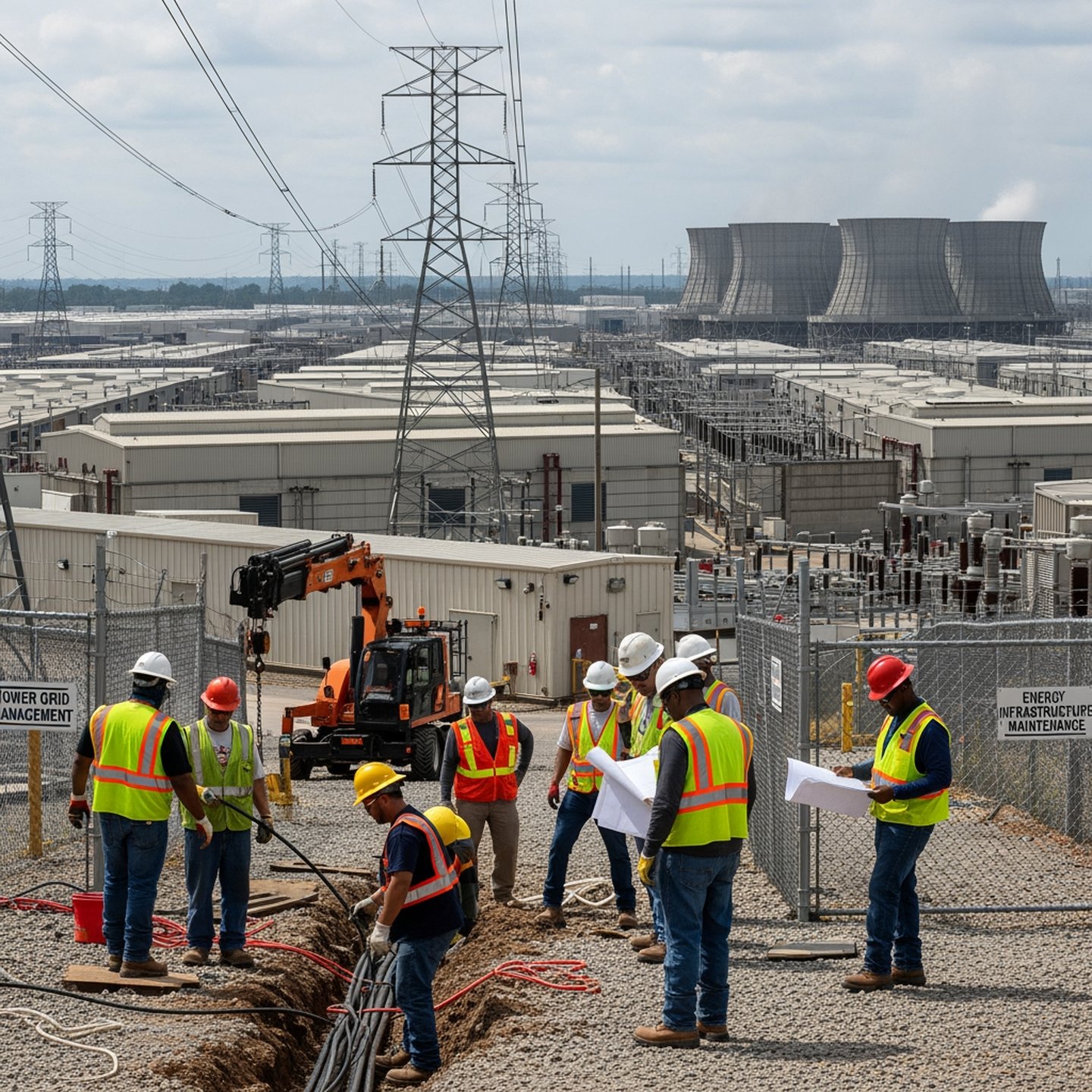
In today’s episode, we dive deep into the evolving challenges and opportunities shaping the tech landscape. The AI industry faces a critical turning point as soaring energy demands ignite an efficiency war—pitting Silicon Valley’s “bigger is better” approach against China’s low-cost, open-source models that may disrupt global AI dynamics. Meanwhile, regulatory pressure forces Apple to open its App Store in Brazil to third-party alternatives, albeit accompanied by a new 5% “Core Technology Commission” that blurs true choice for developers—a development that could reshape Apple’s dominance worldwide. On the retail front, TikTok Shop’s explosive success in the UK, despite a hefty 9% commission fee, signals a new era of “shoppertainment” retail that could shield it from bans in other markets. We also examine fleet-tech company Motive’s bold IPO move amid heavy losses and a fierce legal battle, reflecting the broader AI hype and unprofitable tech IPO trends. Finally, Samsung stuns the gaming world with breakthrough 6K, glasses-free 3D displays and record-setting 1,040Hz monitors—signaling exciting horizons for specialized, high-end gaming hardware.
Content and Timestamp:
00:00:54 AI's Next Frontier: Efficiency and Cost-Cutting Amidst Power Concerns
00:06:08 Apple to Allow Third-Party App Stores and External Payments in Brazil After Regulatory Settlement
00:10:49 TikTok Shop Transforms UK Retail: 200,000 Small Businesses Join E-commerce Boom
00:15:02 Alphabet-Backed Motive Files for IPO, Joins 2026 Tech IPO Wave
00:20:31 Samsung Unveils 2026 Gaming Monitors: 6K, Glasses-Free 3D, and 1,040Hz Refresh Rates
Powered by voieech.com, producing personalized content just for you.

Introduction:
In today’s episode, we dive into five compelling stories shaping the future of tech and innovation. First, we explore the intriguing life of Pavel Durov, Telegram’s founder, whose ultra-libertarian vision and recent legal troubles create a unique “Libertarian Dictator Paradox” impacting the platform’s stability and its billion-strong user base. Next, Tesla’s European sales plummet amid a surge from Chinese automakers and a revived hybrid car market, reshaping the continent’s EV landscape. We then examine Google’s bold $4.75 billion acquisition of Intersect, which aims to accelerate data center expansion and give the company an edge in the AI race. Our spotlight turns to the recent crackdown on H-1B visas, where new social media screenings and policy changes disrupt tech hiring, pushing firms to consider Canadian R&D hubs. Finally, a San Francisco power outage exposed critical weaknesses in Waymo’s robotaxi fleet, highlighting challenges autonomous vehicles face when city infrastructure fails.
Content and Timestamp:
00:00:48 Unveiling Pavel Durov: Biography Explores the Enigmatic Telegram Founder's Ultra-Libertarian Worldview and Controversies
00:04:18 Tesla's EU Sales Plunge as Chinese Rivals Dominate and Musk's Political Forays Draw Scrutiny
00:07:12 Alphabet Acquires Intersect for $4.75 Billion to Boost Data Center and AI Capacity
00:10:03 H-1B Visa Crackdown: New Rules and Social Media Checks Create Hurdles for Applicants
00:12:56 San Francisco Power Outage Stalls Waymo Robotaxis, Exposing Autonomous Vehicle Vulnerabilities
Powered by voieech.com, producing personalized content just for you.

Introduction:
In today’s episode, we explore major shifts and controversies shaping the tech landscape. First, we’ll examine Xbox’s dramatic decline in hardware sales as Microsoft pivots towards a cloud-first, subscription-based gaming model—what this means for the global cloud gaming race and console wars. Next, we investigate serious accusations against Snap and Meta for obstructing crucial criminal investigations involving child abuse and drug incidents, highlighting outdated legal loopholes that impede justice. We’ll then discuss the viral video scandal exposing risks tied to the growing trend of CEOs trying to build influence on social media, and what this means for corporate communications. After that, discover 25 surprising and practical hidden features your smartphone has—turning your device into a multifunctional tool that enhances health, safety, and productivity. Finally, we’ll cover the partnership between Uber, Lyft, and China’s Baidu to launch robotaxi trials in London, discussing how new regulations position the UK as a global testing ground for autonomous mobility.
Content and Timestamp:
00:00:53 Xbox's Great Gaming Pivot: Losing the Console War, Winning the Cloud?
00:05:02 Tech Giants Accused of Hindering Child Abuse and Drug Investigations
00:09:25 The Double-Edged Sword of CEO Social Media: Influence or Cringe?
00:13:22 25 Unexpected Ways Your Smartphone Can Simplify Your Life
00:17:09 Baidu, Uber, and Lyft Join Forces to Launch Robotaxi Trials in London by 2026
Powered by voieech.com, producing personalized content just for you.
Introduction:
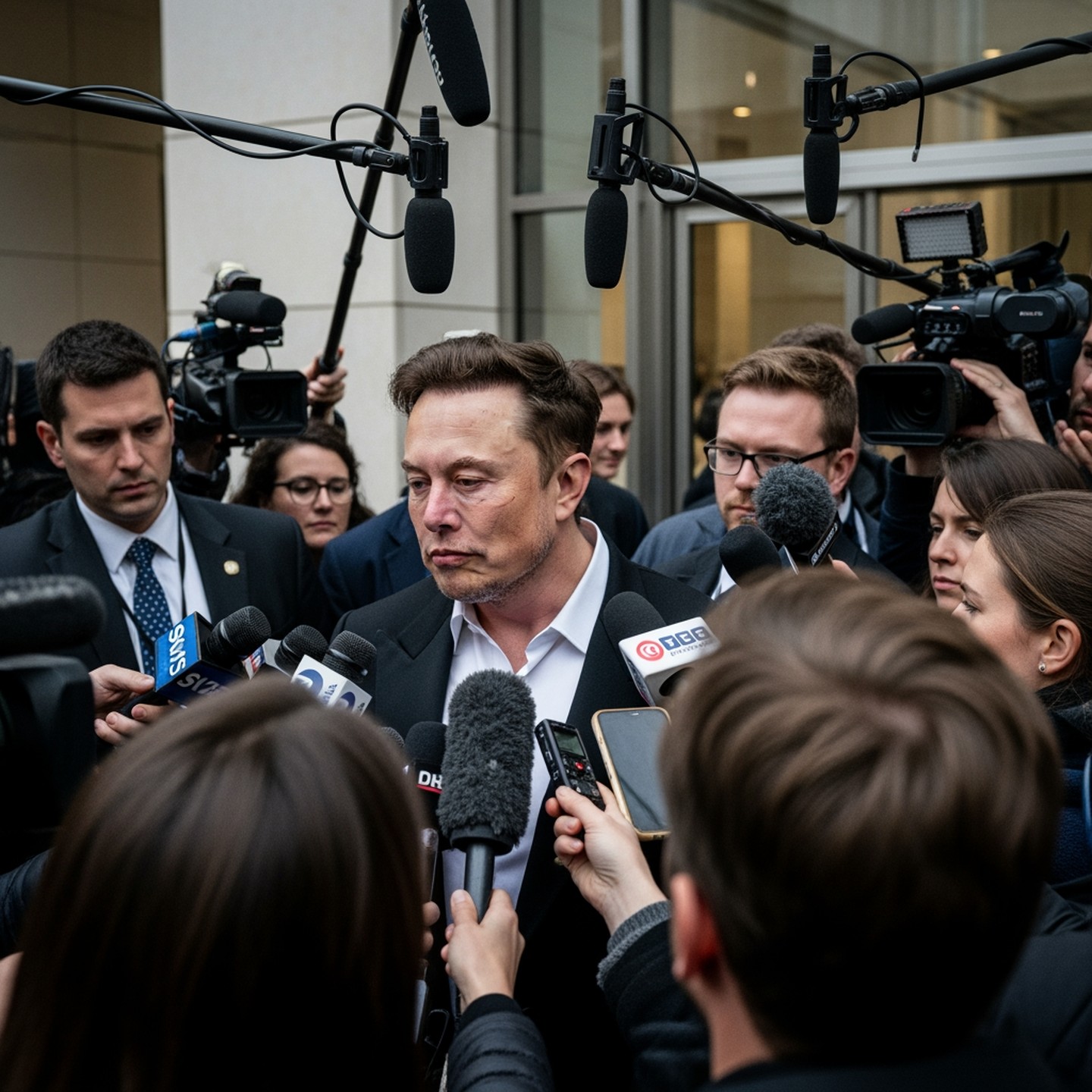
Today’s episode covers five major stories shaping the crossroads of technology, finance, and regulation. First, we dive into the Delaware Supreme Court’s decision to restore Elon Musk’s $56 billion Tesla pay package. Despite ruling the compensation plan unfair, the court reversed a lower court’s rescission, marking a pivotal precedent for founder-led tech firms and raising profound questions about corporate governance and the growing trend of tech executives exiting public markets. Next, we examine Lucid Motors’ financial challenges, as the company continues to lose $338,000 per vehicle despite leading-edge electric vehicle technology. We’ll analyze how this cash burn impacts Lucid’s strategy and its ambitious plans fueled by Saudi investment. Then, we explore Google’s new AI verification tool, SynthID, which embeds an “imperceptible” watermark in AI-generated videos, offering a potential solution in the fight against deepfakes and signaling a brewing battle over AI content standards. Following that, we discuss a surprising shift in Wall Street’s M&A environment in 2025, spotlighting Verizon’s $20 billion deal—its success partly credited to dropping diversity, equity, and inclusion (DEI) policies to secure regulatory approval—and what this means for market competition and financial risk. Finally, we look at Valve’s discontinuation of its $399 LCD Steam Deck model amid rising hardware costs driven by AI memory demands, and the implications for affordable PC gaming.
Content and Timestamp:
00:00:53 Delaware Supreme Court Reinstates Elon Musk's $56 Billion Tesla Pay Package
00:04:23 Lucid's Gravity SUV: High Hopes, High Stakes, and the Road to Profitability
00:07:51 Google Gemini Now Verifies AI-Generated Videos with 'Imperceptible' Watermark
00:13:40 Trump's Second Term: Wall Street's M&A Expectations vs. Reality in 2025
00:17:16 RIP LCD Steam Deck: Valve Discontinues Entry-Level Model, Raising Price of Entry
Powered by voieech.com, producing personalized content just for you.
Introduction:
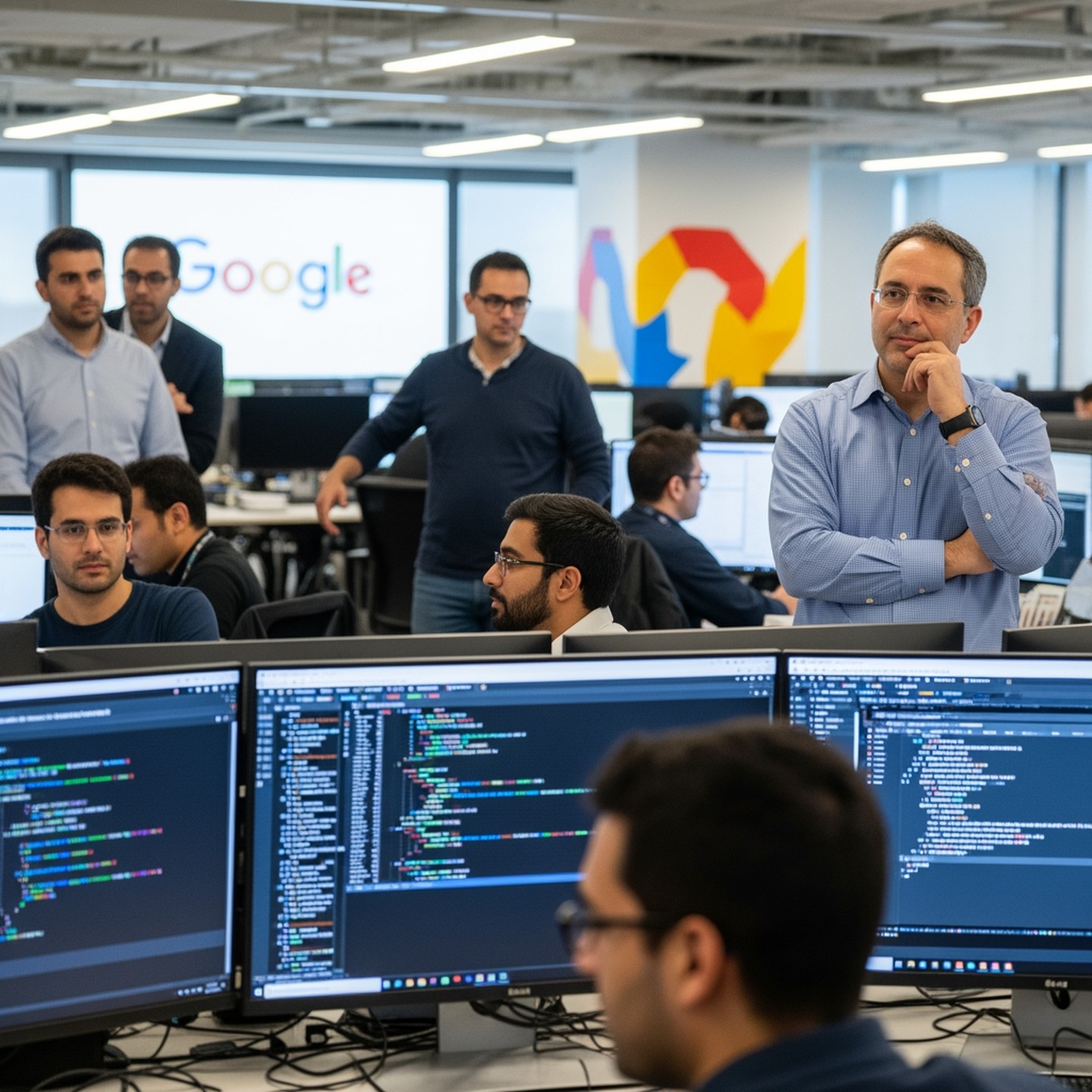
In today’s episode, we dive into the escalating AI talent war where Google is rehiring former employees—’boomerang hires’—to secure a competitive edge, encompassing 20% of its 2025 AI hires supported by a $2.7 billion ‘soft acqui-hire’ approach. We’ll explore how this bold hiring strategy reshapes the AI landscape and affects the valuation of elite engineering talent. Next, we examine the AI infrastructure boom, spotlighting new winners like CoreWeave as soaring energy demands—so intense they even revive diesel generators—introduce supply bottlenecks and create fresh opportunities beyond the traditional chip manufacturers. Then, we shed light on the alarming rise of ‘ghost jobs’—up to 34% of online listings—that distort economic data and pose challenges for job seekers, triggering a government overstatement of nearly 900,000 jobs. We also cover Netflix’s exclusive acquisition of the FIFA video game franchise, marking a dramatic shift from EA’s $1.6 billion model to a free, mobile-first strategy aimed at casual gamers. Finally, we analyze Instagram’s new policy capping posts at five hashtags, a move to curb engagement hacking and refocus on genuine organic reach, signaling broader changes in Meta’s platform strategy.
Content and Timestamp:
00:00:50 Google's AI Talent Play: Rehiring Former Employees to Win the AI Race
00:06:21 Pre-Market Movers: Oracle, CoreWeave Surge; Nike Stumbles on China Sales
00:11:57 The Rise of 'Ghost Jobs': Why Employers Advertise Vacancies That Don't Exist
00:16:01 Fifa Video Game Resurfaces on Netflix After Split with EA
00:19:48 Instagram to Cap Hashtags at Five Per Post to Combat Spam
Powered by voieech.com, producing personalized content just for you.

Introduction:
In today’s episode, we explore the rapidly evolving landscape shaped by AI and digital transformation. First, we examine the $182 billion surge in debt-fueled data center investments as US hyperscalers accelerate AI infrastructure buildout, creating a significant competitive gap with Europe and turning critical infrastructure into a speculative asset. Next, we break down the finalized TikTok US sale, where ByteDance retains a 19.9% stake, establishing a new model for a fragmented global internet and potentially setting a precedent for other countries. Then, we dive into Hollywood’s bold move into the $7 billion microdrama market—short, mobile-first video series that leverage a freemium approach to revitalize storytelling after vertical video flops. Following that, we highlight SolidSafe’s innovative semi-solid state power banks designed to double longevity and dramatically reduce fire risks, serving as a potential testbed for electric vehicle battery safety standards. Finally, we analyze the recent explosion of a SpaceX Starlink satellite in low Earth orbit, intensifying concerns over Kessler Syndrome and the future stability of space-based internet services.
Content and Timestamp:
00:00:51 Data Center Deals Soar to Record $61 Billion Amid AI Boom, Despite Investor Jitters
00:04:58 TikTok US Sale Finalized: New Joint Venture to Split Ownership and Control
00:10:08 Hollywood Bets Big on Bite-Sized 'Microdramas' as a Billion-Dollar Industry
00:14:33 BMX Launches 'Semi-Solid State' MagSafe Power Banks: Safer, Longer-Lasting, But Not Fully Solid
00:17:45 Starlink Satellite Explodes in Orbit, Raising Debris Concerns
Powered by voieech.com, producing personalized content just for you.

Introduction:
In this episode, we dive into the evolving landscape of artificial intelligence and technology. First, we explore why major tech leaders, including Microsoft and Meta, are abandoning the term "Artificial General Intelligence" (AGI) in favor of new, more precise terminology — a strategic rebranding with deep implications for AI regulation and the global race for technological dominance. Next, we analyze the breakthrough in TV brightness technology sparked by 5,000-nit screens and LG’s innovative OLED panels, and why fresh EU regulations and health concerns may bring this emerging brightness war to a halt. Then, we cover Trump Media’s surprising pivot to nuclear fusion through a $6 billion merger with TAE Technologies, connecting this move to AI’s massive energy needs and the future of high-stakes tech investments. We also examine Apple’s controversial approach in Japan, where new fees on third-party app stores are stirring backlash from developers amid regulatory changes. Finally, we highlight OpenAI’s launch of the ChatGPT App Directory—an ambitious move to build a dominant AI platform that challenges Apple and Google, reshaping developer economics and the future of operating systems and interfaces.
Content and Timestamp:
00:00:50 The Great AGI Rebrand: Tech Giants Ditch 'Artificial General Intelligence' for New Terms
00:05:13 The TV Brightness War: Has 2025 Marked the Beginning of the End?
00:08:17 From Truth Social to Fusion Power: Trump Media's Unexpected Merger
00:11:22 Apple Bows to Japanese Law, Opens iOS to Third-Party App Stores with New Fees
00:13:47 OpenAI Launches ChatGPT App Store and SDK, Expanding Bot's Capabilities
Powered by voieech.com, producing personalized content just for you.
Introduction:
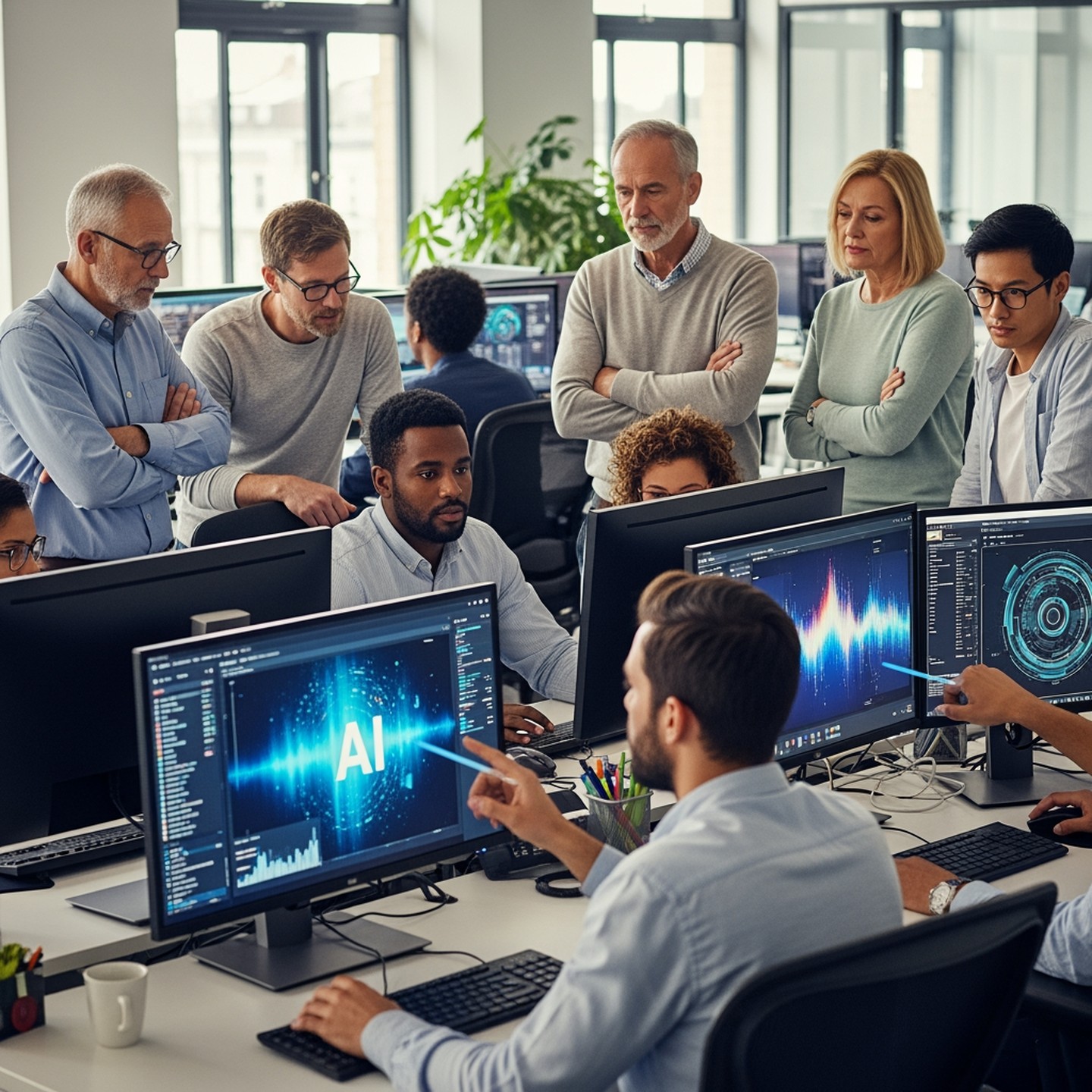
Today's episode dives into groundbreaking insights from a Harvard study revealing that AI significantly boosts the performance of low-skilled workers by 43%, yet this creates a widening productivity gap and threatens junior roles. We will explore why this so-called productivity paradox marks a watershed moment, demanding a complete overhaul of corporate training and innovation strategies.
Next, we examine the 2025 surge in AI wearables, with Meta and Google rebranding smart glasses as "AI glasses," igniting a race in AI form factors—featuring not only glasses but pins and rings designed for constant on-body AI interaction and data gathering.
We then turn to Apple’s major challenge as it delays the launch of its next-generation, more personal Siri to 2026, while partnering with former iPhone designer Jony Ive and OpenAI to develop competitive AI hardware. This setback raises profound questions about Apple’s future in the AI arms race and the smartphone ecosystem.
On the geopolitical front, the U.S. threatens new tech trade actions against European firms like Spotify and Mistral AI in response to regulatory disputes, signaling a deeper ‘Sovereign AI’ cold war shaping the future of global tech competition.
Finally, we highlight the meteoric rise of Swedish AI startup Lovable, now valued at $6.6 billion, driven by its innovative "vibe coding" platform—though its rapid growth comes with significant security challenges.
Content and Timestamp:
00:00:56 Harvard Research Reveals AI's True Impact on White-Collar Work: Beyond Individual Productivity to Collaborative Advantage
00:06:07 2025: The Year Wearables Became AI's New Frontier
00:12:59 Apple's Critical AI Comeback: Siri's Make-or-Break 2026 Launch
00:16:42 US Threatens Retaliation Against EU Over Tech Regulation Targeting American Companies
00:22:22 AI 'Vibe Coding' Startup Lovable Soars to $6.6 Billion Valuation in Latest Funding Round
Powered by voieech.com, producing personalized content just for you.

Introduction:
In today’s episode, we cover five compelling stories shaping technology and innovation. First, a €200 million German river heat pump project ignites a European race between monolithic and modular designs, potentially revolutionizing green infrastructure and the future of urban development. Next, the US government teams up with tech powerhouses like Google and OpenAI to launch the U.S. Tech Force, a bold initiative recruiting 1,000 AI engineers to strengthen America’s competitive edge in artificial intelligence, with implications for government vendor relationships and tech policy. We then examine how Zillow’s stock plunged by $1.6 billion as Google tests a new real estate feature challenging the online giant’s business model, analyzing the broader antitrust questions this move raises. Following that, Fitbit’s co-founders depart amid Google layoffs and user backlash, a shift tied to Google’s AI health coach ambitions and user data privacy concerns. Finally, we highlight a groundbreaking AR headset enabled by a private 5G network that allowed a visually impaired football fan to experience his team in extraordinary detail, illustrating how niche assistive tech can accelerate consumer AR innovation.
Content and Timestamp:
00:00:48 Giant Heat Pumps: The Future of District Heating is Here
00:04:33 Trump Administration Launches 'U.S. Tech Force' to Boost AI and Tech Projects
00:09:02 Google's Real Estate Foray Crushes Zillow Shares Amid Competition Fears
00:11:38 Fitbit's Future Under Google: Navigating Changes and Top Product Picks
00:15:09 Visually-Impaired Fan Sees Favorite Football Team for the First Time with Hi-Tech Headset
Powered by voieech.com, producing personalized content just for you.

Introduction:
In today’s episode, we dive deep into the rapidly evolving AI landscape, where job anxiety looms but new opportunities arise. We begin by examining Mercor’s meteoric rise to a $10 billion valuation, highlighting an emerging gold rush in AI data annotation. However, this boom comes with significant risk due to the market’s heavy dependence on a small number of clients, which could reshape the AI supply chain and impact elite gig work. Next, we explore the soaring copper prices driven by U.S. stockpiles totaling 750,000 tons, which is causing a global shortage that threatens data center expansion and the broader energy transition. We also unpack the U.S. Supreme Court’s decision to uphold a TikTok ban, revealing the legal paradox that has created an executive kill switch for the platform and what it means for free speech and internet fragmentation worldwide. Then, we analyze the dramatic fall of iRobot’s value and its acquisition by a Chinese supplier after the EU blocked its Amazon deal, discussing the implications for smart home privacy under Chinese national security laws. Finally, we spotlight Grand Theft Auto co-creator Dan Houser’s bold new studio venture into AI-powered interactive gaming, marking a potential turning point in the industry’s dominant live-service model.
Content and Timestamp:
00:00:52 The AI Gold Rush: How Data Annotation Companies Are Cashing In on the AI Boom
00:07:12 Copper Prices Soar: U.S. Hoarding and Tariff Fears Drive Metal to 'Stratospheric New Highs'
00:10:13 US Supreme Court's TikTok Ban Ruling: A National Security 'Scandal' and Free Speech Affront
00:13:43 Roomba Maker iRobot Files for Bankruptcy, Acquired by Chinese Supplier Picea Robotics
00:17:44 Grand Theft Auto Co-Creator Dan Houser Unveils Post-Rockstar Ventures
Powered by voieech.com, producing personalized content just for you.

Introduction:
In this episode, we explore the rapidly evolving landscape of AI and the anxieties it generates—from sophisticated fake images to the real-world impacts of AI chatbots and beyond. You'll learn how AI image generators are now deliberately adding imperfections to produce more convincing fakes, complicating the challenge of distinguishing reality from synthetic content. We delve into New York’s landmark AI safety bill, weighing the fierce opposition from major tech players against the urgent calls from concerned parents seeking stronger AI safeguards. We also examine the controversial Posha robot chef, highlighting the risks and realities of the “Hardware as a Service” model. Then, we break down Fortnite’s significant legal victory as it returns to the Google Play Store, challenging established app store economics. Finally, we reveal how the Nex Playground console is sparking a motion gaming comeback, outselling Xbox and signaling shifting consumer trends. Tune in to understand the key issues fueling AI anxiety and discover practical ways we can push back to ensure a safer, smarter technological future.
Content and Timestamp:
00:00:54 The Art of Imperfection: How AI Image Generators Are Getting 'Worse' to Be More Realistic
00:04:49 Parents Urge NY Governor to Sign Landmark AI Safety Bill Amid Tech Company Opposition
00:09:43 Posha Robot Chef: Your $1,500 Personal Cook, But With Caveats
00:13:52 Fortnite Returns to Google Play Store in the US After Five-Year Absence
00:17:12 Nex Playground: The 'Kinect for Kids' Console Outselling Xbox This Holiday Season
Powered by voieech.com, producing personalized content just for you.

Introduction:
In this episode, we explore critical developments shaping the future of artificial intelligence and its impact on society. Time Magazine has named the collective 'Architects of AI' as Person of the Year 2025, highlighting a significant shift as Silicon Valley’s unrelenting AI race concentrates power. We discuss why the movement from democratized AI tools toward centralized control is a pivotal moment for innovation.
We then analyze the sobering prediction from Anthropic’s CEO that AI could eliminate 50% of entry-level jobs, and investigate how emerging 'pro-worker' AI models offer an alternative vision for enterprises and the workforce. The episode also covers former President Trump’s new AI executive order, which aims to override state regulations in a bid to enhance U.S. competitiveness against China, setting the stage for a major legal confrontation over federal versus state authority on AI governance.
Further, we examine Netflix’s unconventional release strategy for the final season of 'Stranger Things,' which challenged streaming norms by incorporating a cinema rollout, signaling an evolving entertainment landscape. Finally, we delve into Amazon’s recent withdrawal of AI-generated recaps for its show 'Fallout' following fan criticism, underscoring the persistent challenges AI faces in content accuracy and creative industries.
Content and Timestamp:
00:00:53 Time Magazine Names 'Architects of AI' Person of the Year 2025
00:05:45 Beyond the AI Bubble: The Real Fear of Mass Layoffs and Widening Inequality
00:10:52 Trump's AI Executive Order Sparks Legal Challenges and Political Backlash
00:16:55 How 'Stranger Things' Transformed Netflix into a Cultural Powerhouse
00:20:42 Amazon Pulls Flawed AI-Generated 'Fallout' Recaps After Fan Backlash
Powered by voieech.com, producing personalized content just for you.
Introduction:
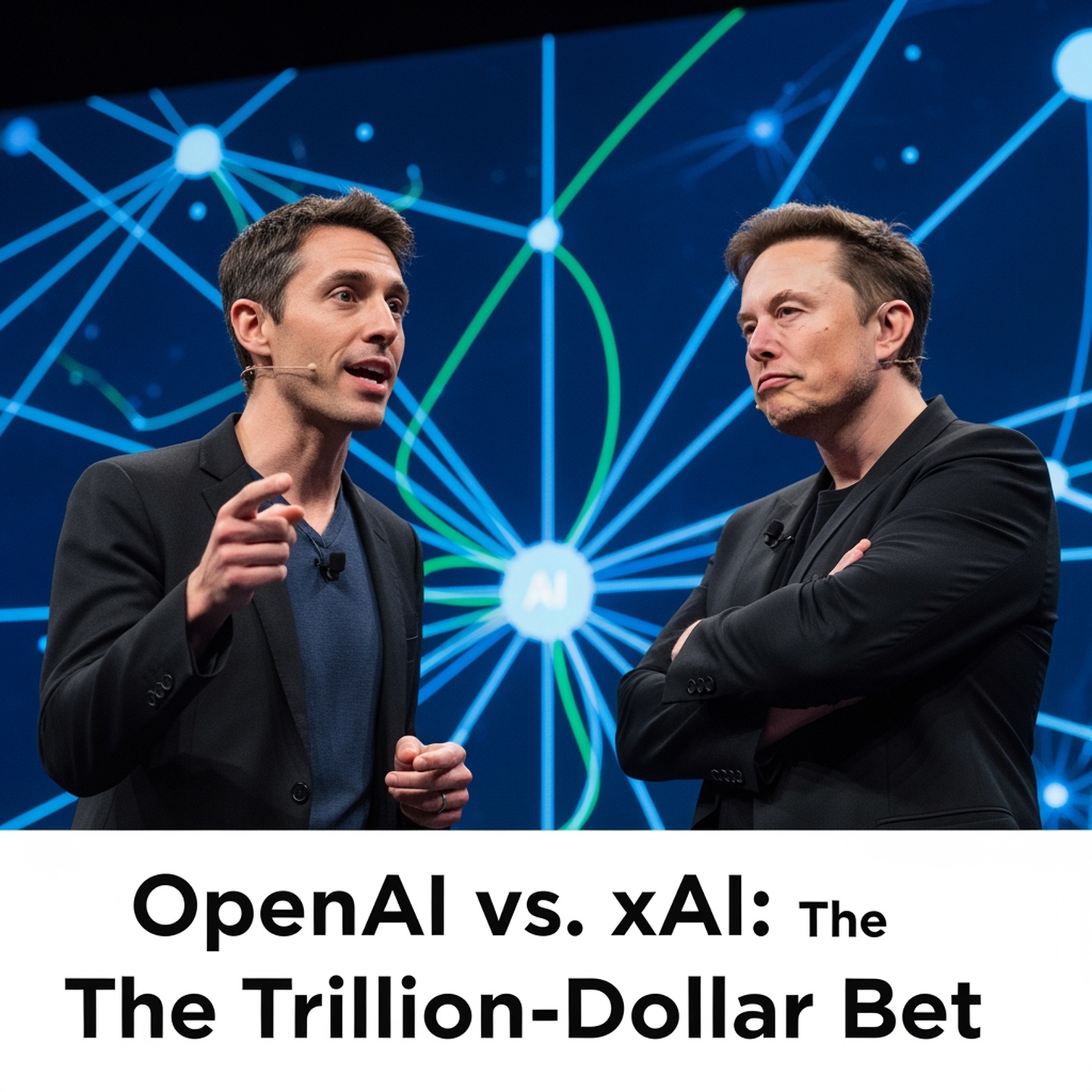
In today’s episode, we dive into the high-stakes world of AI development and its ripple effects across technology and geopolitics. We begin by exploring OpenAI’s transformation from a $1 billion nonprofit into a commercial titan valued at $500 billion, fueling a fierce rivalry with Elon Musk’s xAI. Next, we examine OpenAI’s urgent “code red” launch of GPT-5.2 amidst fierce competition from companies like Anthropic, highlighting the battle over AI performance benchmarks. Then, we uncover how Anthropic’s massive $21 billion order for Google’s Tensor Processing Units threatens Nvidia’s dominance in next-gen AI chips. We’ll also discuss the controversy ignited by Nvidia’s decision to sell advanced H200 chips to China under a controversial “toll road” policy, drawing sharp congressional criticism over national security concerns. Finally, we analyze the global supply bottleneck created by Cadmium Zinc Telluride (CZT), a critical “wonder material” essential to medical imaging, space exploration, and major scientific projects, revealing how strategic materials underpin future technologies.
Content and Timestamp:
00:00:56 From Nonprofit Dream to Trillion-Dollar Rivalry: The OpenAI-Musk Saga Unfolds
00:06:22 OpenAI Unveils GPT-5.2, Aims to Exit 'Code Red' Amid Fierce AI Competition
00:11:42 Broadcom's $10 Billion Mystery Customer Revealed as AI Lab Anthropic
00:16:44 Senator Warren Slams Trump's Nvidia-China Chip Deal as National Security Sell-Out
00:22:57 Cadmium Zinc Telluride: The 'Wonder Material' Revolutionizing Imaging and Beyond
Powered by voieech.com, producing personalized content just for you.
Introduction:
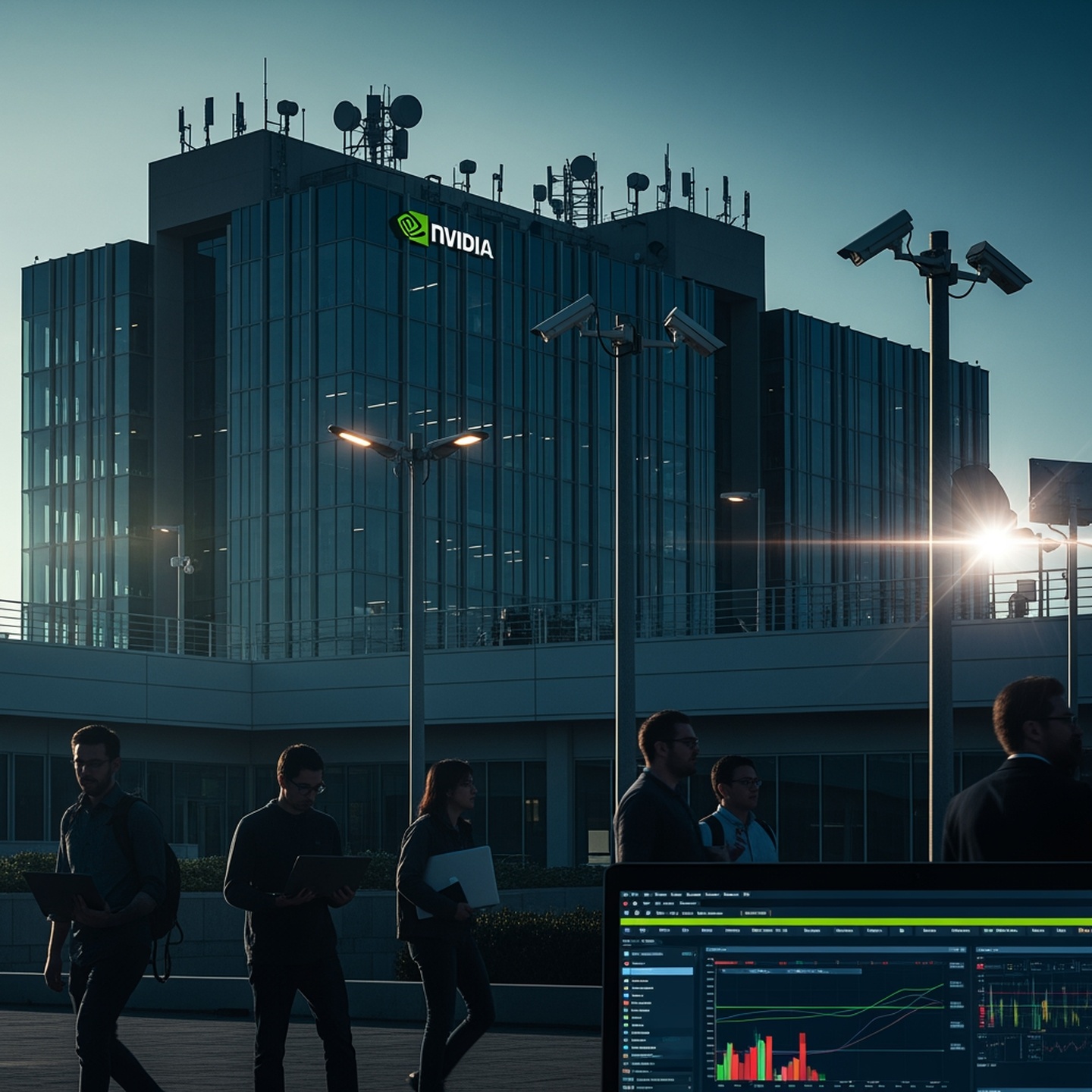
In today’s episode, we dive deep into five pivotal stories shaping the future of technology, healthcare, and education. First, we explore Nvidia’s introduction of new geofencing software for its AI chips, a bold move intensifying the US-China tech war and accelerating a global race for sovereign AI control. Next, we examine SK Hynix’s plans for a U.S. stock listing, aimed at overcoming valuation disparities and reinforcing its critical role in the AI hardware supply chain. Then, we highlight Google DeepMind’s launch of its first automated AI lab in the UK, embarking on a quest to develop groundbreaking superconductors as part of a massive $40 billion investment in U.S. tech innovation. Our fourth story uncovers Eli Lilly’s breakthrough obesity drug that achieved unprecedented weight loss and pain relief in late-stage trials, marking a new milestone in the $100 billion pharmaceutical arms race. Finally, we focus on UK schools experimenting with AI deepfake teachers and remote education technologies, sparking teacher strikes and a fierce debate about the future of classrooms. This episode explores why these developments are turning points in their respective fields and what they reveal about the accelerating technological landscape worldwide.
Content and Timestamp:
00:00:51 Nvidia's New Chip Tracking Software: A Solution to Export Control Dilemmas?
00:06:21 SK Hynix Explores US Listing Amid AI Boom and Soaring Valuation
00:10:52 Google DeepMind to Open First Automated AI Research Lab in UK, Focus on Superconductors
00:14:14 Eli Lilly's New Obesity Drug Retatrutide Shows Record Weight Loss and Knee Pain Relief in Late-Stage Trial
00:18:11 AI and Remote Teachers: The Future of UK Classrooms or a Step Too Far?
Powered by voieech.com, producing personalized content just for you.

Introduction:
In today’s episode, we delve into five major developments shaping the global AI and tech landscape. First, Amazon and Microsoft’s combined $52.5 billion investment in India marks a critical escalation in the worldwide AI arms race, turning India into a new battleground for hyperscaler dominance and redefining competitive dynamics among US cloud giants. Next, we examine Instacart’s AI-driven pricing engine, which creates up to $1,200 in annual cost differences for users and has sparked regulatory concerns around digital redlining and consumer protection in e-commerce. Then, we explore the American Federation of Teachers’ sharp opposition to a new crypto bill, warning that it threatens to dismantle SEC safeguards and pave the way for financial instability. Our fourth story highlights OpenAI’s strategic hire of Slack’s former CEO Denise Dresser to lead its enterprise and revenue growth, signaling a Salesforce-style approach in the enterprise AI wars against Microsoft. Finally, we analyze Europe’s paradoxical supply chain “great escape” from China as Chinese firms lead the charge in “friendshoring” to Mexico and Vietnam, a turning point with wide-reaching implications for global tech manufacturing and risk management.
Content and Timestamp:
00:00:54 Tech Giants Pour Billions into India's AI and Cloud Future
00:06:25 Instacart's AI Pricing Tools Lead to Variable Grocery Costs, Study Reveals
00:10:45 Teachers' Union AFT Slams Crypto Bill, Warns of 'Profound Risks' to Retirement Plans
00:15:34 OpenAI Taps Slack CEO Denise Dresser to Spearhead Global Revenue Growth
00:21:00 EU Chamber: Supply Chain Diversification from China Moving from Talk to Action
Powered by voieech.com, producing personalized content just for you.

Introduction:
In this episode, we explore five pivotal developments shaping the AI landscape and global tech competition. First, Meta’s dramatic $70 billion pivot from its open-source Llama models to a proprietary AI system code-named ‘Avocado’ has sparked internal turmoil and executive departures, raising questions about its future in the AI race. Next, the U.S. government’s approval for Nvidia to sell its advanced H200 AI chips to China—albeit with a 25% tariff—signals a complex shift in semiconductor policy amid Beijing’s push for self-reliance. We then highlight Waymo’s rising dominance with 450,000 weekly paid robotaxi rides and 100 million driverless miles, positioning it far ahead of Tesla in autonomous driving. The episode also covers the European Union’s investigation into Google’s use of YouTube and publisher data to train its AI, scrutinizing whether this creates an unfair “data moat” that disadvantages competitors and content creators. Finally, we examine how AI-powered chatbots are transforming the holiday shopping season, expected to drive $263 billion in sales and redefine online retail through “agentic commerce.” Join us as we analyze these breaking stories and their implications for the future of technology, regulation, and market dynamics.
Content and Timestamp:
00:00:52 Meta's AI Strategy Shift: From Open Llama to Proprietary Avocado Amidst Internal Turmoil
00:04:06 Nvidia's H200 AI Chip: A Green Light for China, But Will Beijing Buy?
00:08:59 Waymo's Robotaxi Dominance: 450,000 Weekly Rides and Growing Lead Over Tesla
00:12:38 EU Investigates Google's AI Content Use: Fair Play or Unfair Advantage?
00:16:25 AI Chatbots Revolutionize Christmas Shopping, Driving Billions in Sales
Powered by voieech.com, producing personalized content just for you.
Introduction:
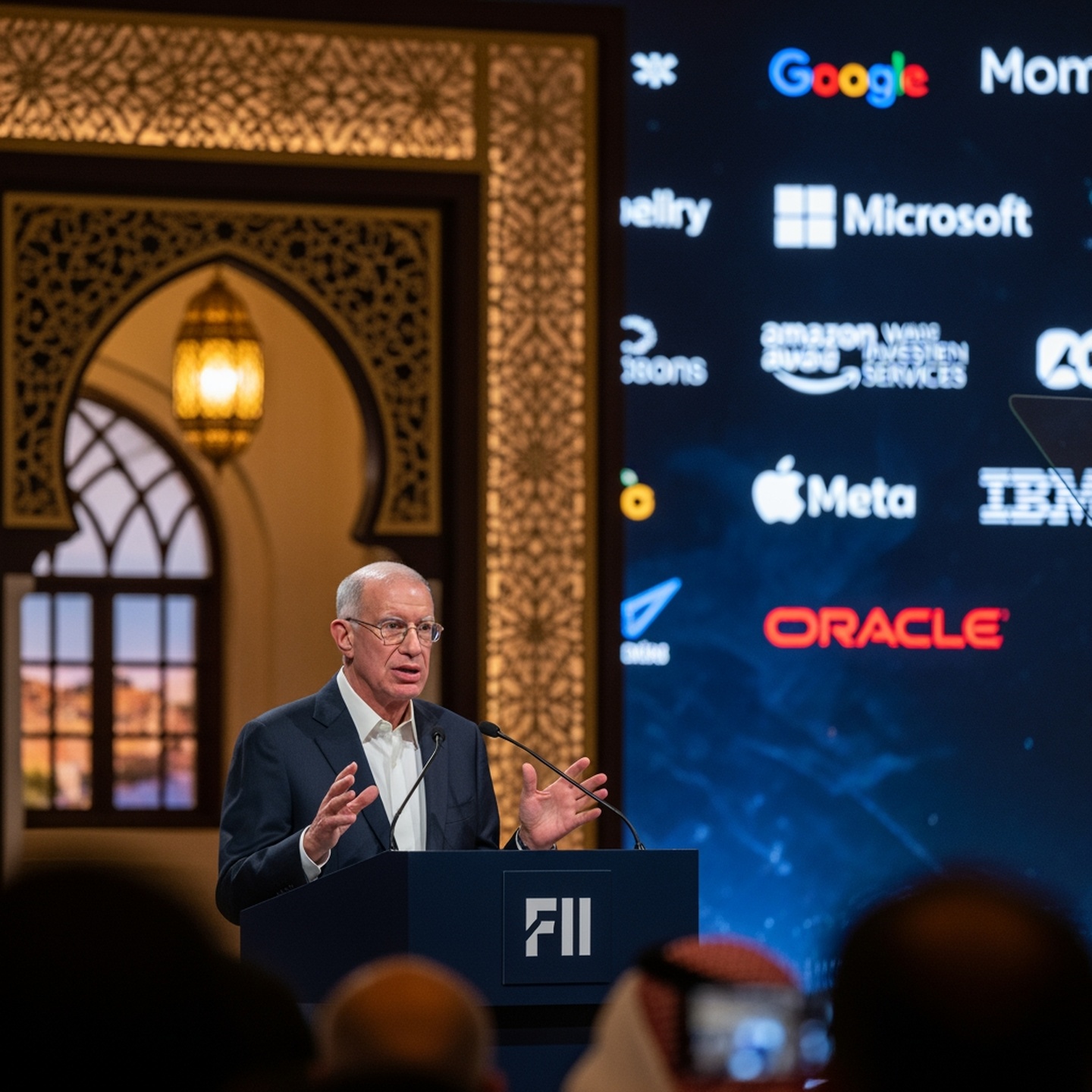
In today’s episode, we explore five compelling stories shaping the future of technology, society, and the economy. First, Ray Dalio highlights the Middle East’s rapid emergence as a powerful AI hub, driven by massive investments and landmark projects involving OpenAI, Nvidia, and others, even as global economic uncertainties and an AI bubble looms. Second, Japan confronts a daunting dementia crisis with nearly 30% of its population aged 65 and over. The government is turning to advanced technology — from AI-powered early detection systems to sophisticated caregiving robots — as it navigates the urgent need to balance innovation with the irreplaceable value of human care. Third, Australia has enacted a nationwide social media ban for users under 16, a bold regulatory experiment fraught with technological challenges and heated debate. Fourth, environmental groups in the U.S. demand a moratorium on new data centers amid soaring electricity consumption driven by AI infrastructure growth, making power costs a key political issue. Finally, as millennials hit prime divorce years, a new breed of forensic experts is emerging to track hidden crypto assets, uncovering complex challenges in family law and digital asset division.
Content and Timestamp:
00:00:56 Ray Dalio: Middle East Becoming 'Silicon Valley of Capitalists' Amid Global Economic Peril
00:04:33 Japan's Dementia Crisis: Tech Solutions and Human Connection
00:08:04 Australia's Under-16 Social Media Ban: A Deep Dive into its Genesis and Implementation
00:11:46 Environmental Groups Demand Halt to US Data Centers Amid Soaring Energy Costs and AI Boom
00:16:58 Crypto Divorce Cliff: Millennials Face Hidden Digital Assets in Marital Splits
Powered by voieech.com, producing personalized content just for you.

Introduction:
In today’s episode, we delve into five critical stories shaping the intersection of technology, security, and creativity. First, Senator Mark Warner raises alarms about Chinese genomics firm BGI’s massive global DNA data collection, warning it poses a national security threat surpassing that of Huawei, and fueling a biotech arms race. We’ll explore the implications of this genetic data accumulation for geopolitical power and U.S.-China technological competition. Next, we examine the seismic impact of AI on creative industries, where artists and writers face disruption, commissions decline, and new roles emerge as human-in-the-loop AI economies evolve. Third, Bitcoin’s dramatic 35% crash in 2025 challenges its reputation as ‘digital gold,’ behaving more like a volatile tech stock—prompting us to reassess its investment role compared to traditional assets like gold. Then, Taiwan’s one-year ban of Chinese social media app RedNote follows widespread fraud and significant financial losses, highlighting global tensions around digital sovereignty and platform competition. Finally, we analyze Salesforce’s Agentforce AI platform achieving 330% revenue growth, demonstrating how legacy software companies can successfully harness AI and heralding new possibilities for AI pricing models. Stay tuned for these insightful discussions and more.
Content and Timestamp:
00:00:50 US Senator Warns of 'Terrifying' Chinese Biotech Threat from BGI, Dwarfing Huawei Concerns
00:05:54 Creative Industries Grapple with AI's Impact on Jobs and Livelihoods
00:10:00 Bitcoin's 'Digital Gold' Claim Tested by 2025 Volatility
00:14:53 Taiwan Bans Chinese App RedNote Amid Soaring Fraud Concerns
00:19:11 Salesforce Soars on Strong Earnings, AI Strategy Ignites Investor Optimism
Powered by voieech.com, producing personalized content just for you.

Comments

Download from Google Play

Download from App Store
 United States