


 Claim Ownership
C-Suite Intelligence
Subscribed: 32Played: 261
Subscribe

© The Miles Group
Description
CEOs running the world’s top companies don’t start out that way – they pull ahead of their peers with behaviors and practices that make them the “best of the best.” Stephen Miles and the team at TMG coach some of the world’s most successful executives, helping them continuously up their game even as business conditions grow more complex every day. Learn the secrets of the highest performers, and use this intelligence to power your career.
95 Episodes
Reverse
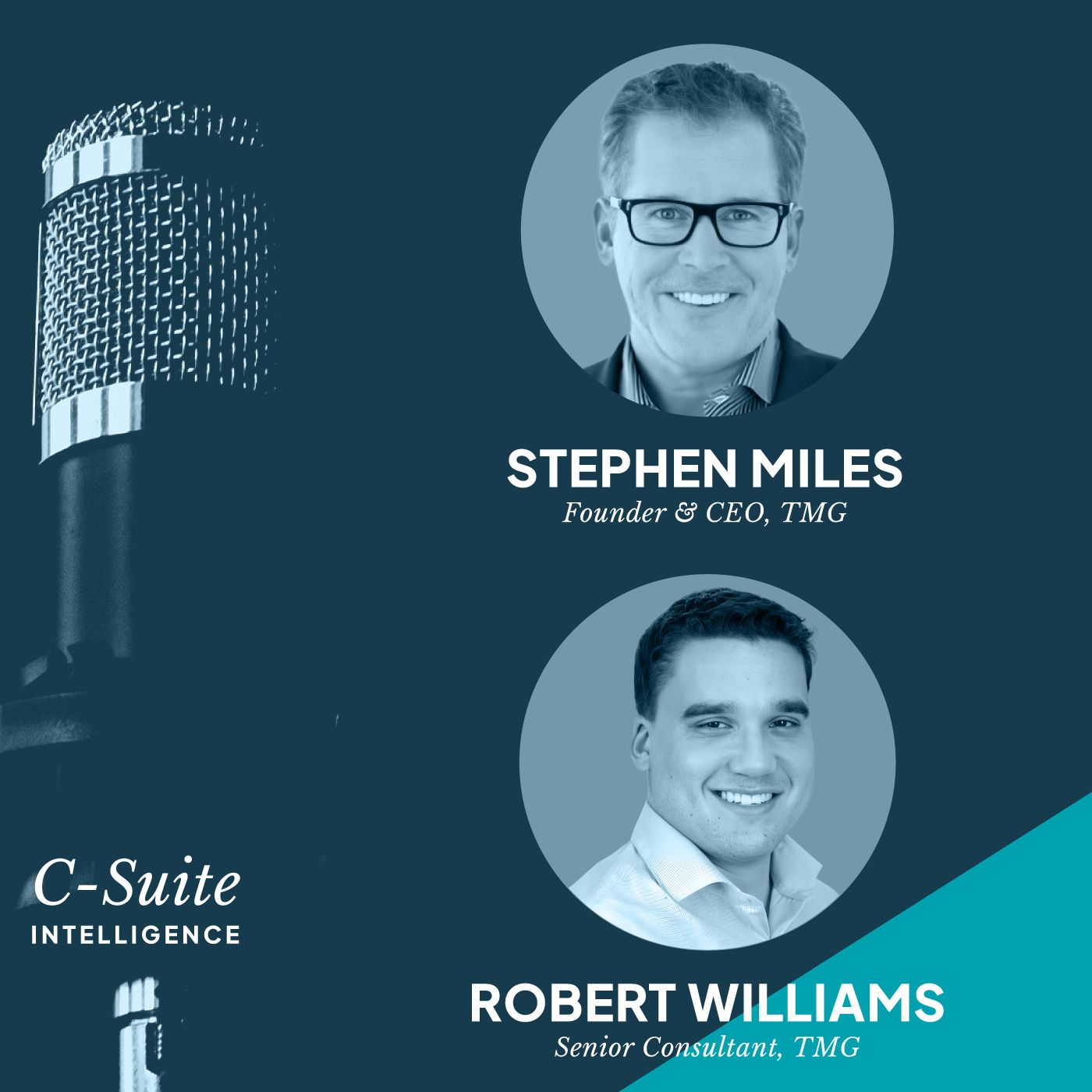
As AI speeds up analysis and compresses timelines, many organizations expect decisions to move faster. But decision-making still depends on alignment, accountability, and shared ownership.In this episode, we sit down with TMG’s CEO Stephen Miles to discuss his latest Forbes article on contextual intelligence and leadership in the AI era. Stephen makes the case that success now depends on the ability to frame problems, ask better questions of AI, and translate insights into real outcomes. We also explore why human leadership capability is now the primary constraint and how leaders are rethinking growth and team performance in an AI-enabled environment.In this episode, we discuss:Why faster analysis doesn’t automatically lead to faster decisionsWhat it means to outgrow your company and your toolsWhat contextual intelligence looks like in practiceHow teams can move from experimentation to repeatable AI use cases
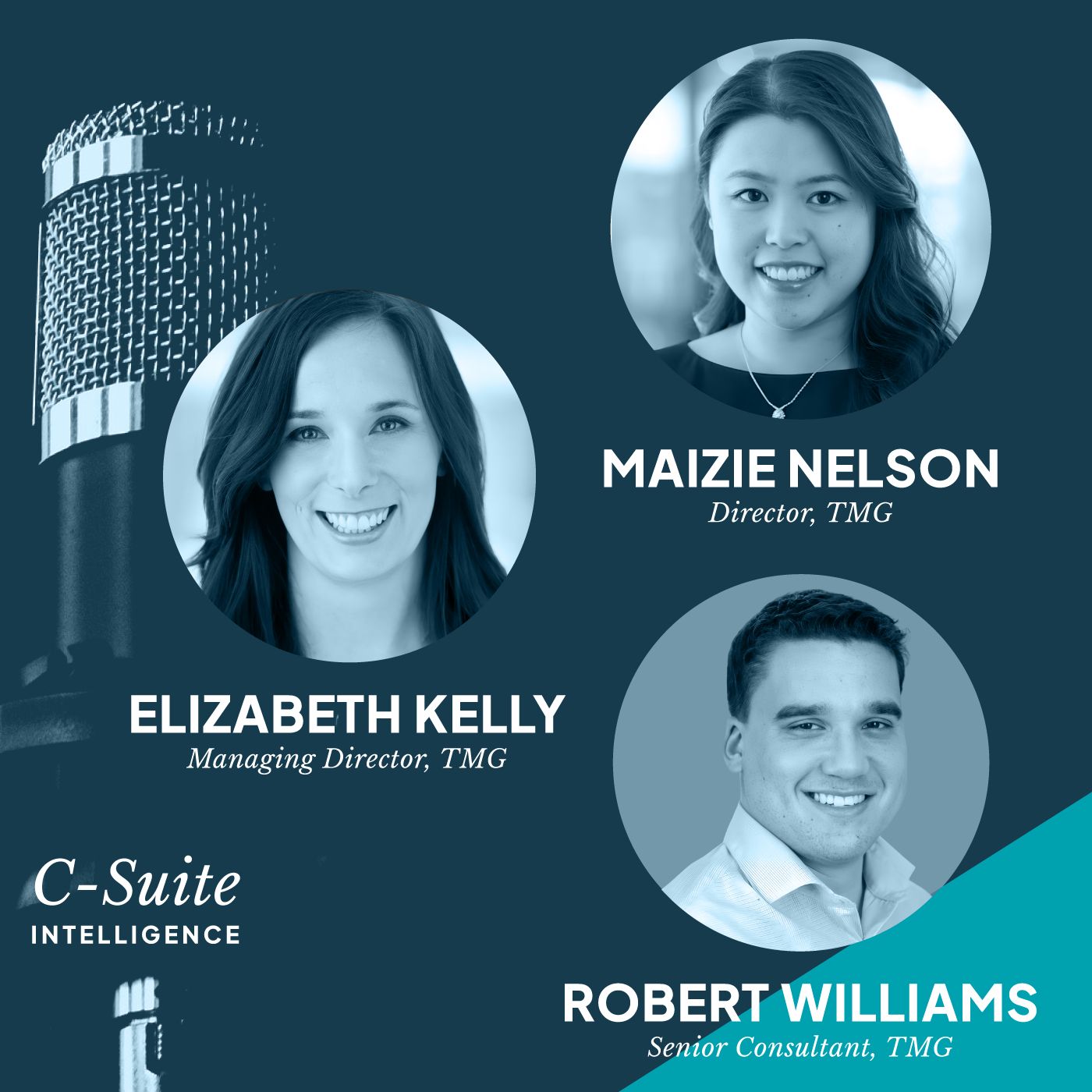
Leaders often communicate well in formal settings but can sometimes struggle in informal, in-the-moment interactions. When they revert to their “base case” habits, speaking quickly, shifting context, or sounding abrupt, it creates confusion, misinterpretation, and gaps in understanding across teams.In this episode, host Robert Williams is joined by TMG Managing Director Liz Kelly and Director Maizie Nelson to explore why communication breaks down in these everyday moments and how leaders can improve clarity. They share practical strategies like “going to manual,” setting context quickly, and focusing on a single takeaway to ensure messages land effectively.In this episode, we discuss:Why leaders default to communication habits that create misalignmentThe importance of setting context and landing one clear takeawayWhy tone, repetition, and channel choice matter more in times of uncertaintyHow to adapt communication styles for different people without changing the core message
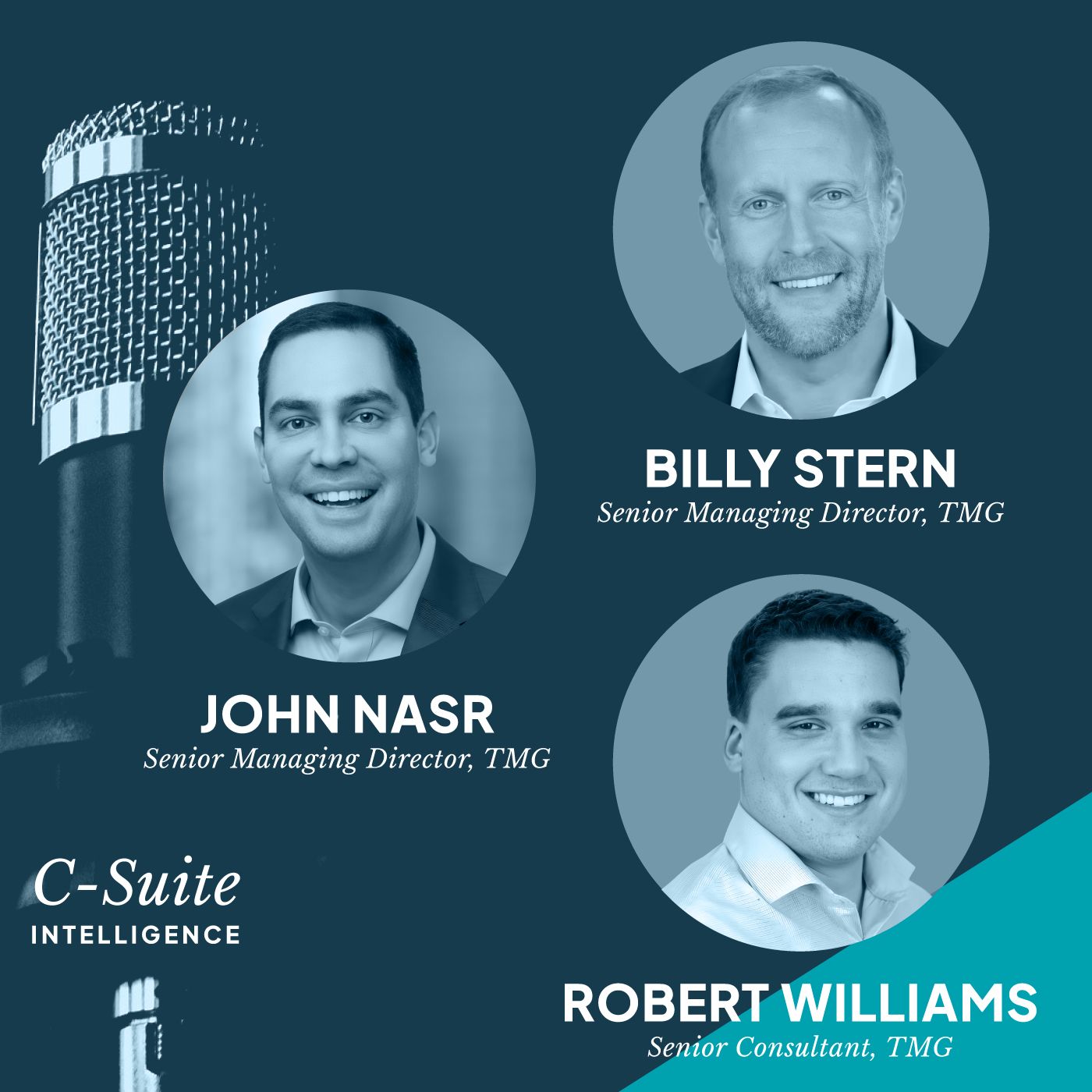
The move from individual contributor to talent leader operating with an enterprise mindset is one of the most significant shifts leaders make. It’s not just about taking on more responsibility, but about changing how you create impact. Leaders are no longer driving results merely as individuals; they’re delivering outcomes through others while navigating complexity and competing priorities.In this episode, host Robert Williams sits down with TMG Senior Managing Directors John Nasr and Managing Director Billy Stern to explore what it really takes to make that transition successfully. They discuss what it looks like to inherit an existing management system, how to align with team expectations, and why developing “leadership range” is essential for long-term effectiveness.In this episode, we discuss:Making the transition from individual contributor to talent leaderHow to operate effectively in a matrix organizationBuilding influence through empathy, preparation, and stakeholder alignmentDelegating reversible “field general” decisions while holding onto irreversible “Pentagon general” choices Developing talent and reading the broader organizational field before acting
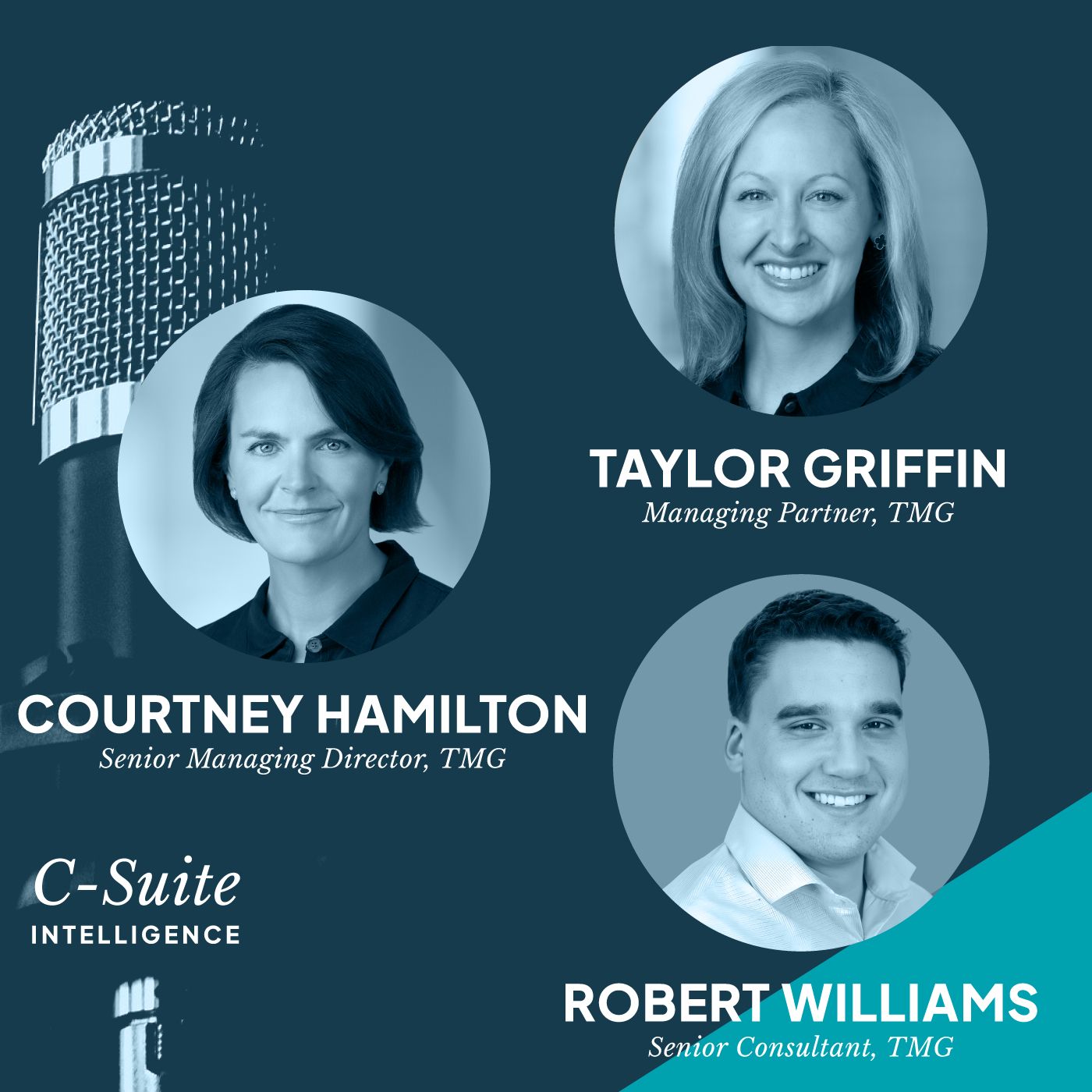
Performance reviews often fall short because they’re treated as a single conversation rather than the outcome of a year-long management process. When expectations aren’t clearly defined, and feedback isn’t captured along the way, reviews can become vague, shaped by recency bias, or less useful than they should be.In this episode, host Bobby Williams is joined by Taylor Griffin and Courtney Hamilton to discuss how leaders can run reviews that actually drive results. The conversation covers how to define clear standards, stay close to performance throughout the year, and turn the review itself into a forward-looking discussion about what comes next.In this episode, we discuss:Why reviews are often vague or overly influenced by recent eventsHow defining the “gold star” improves accountabilityThe “captain’s log” method for capturing performance examples throughout the yearHow to deliver feedback in a way that reduces defensiveness and drives change
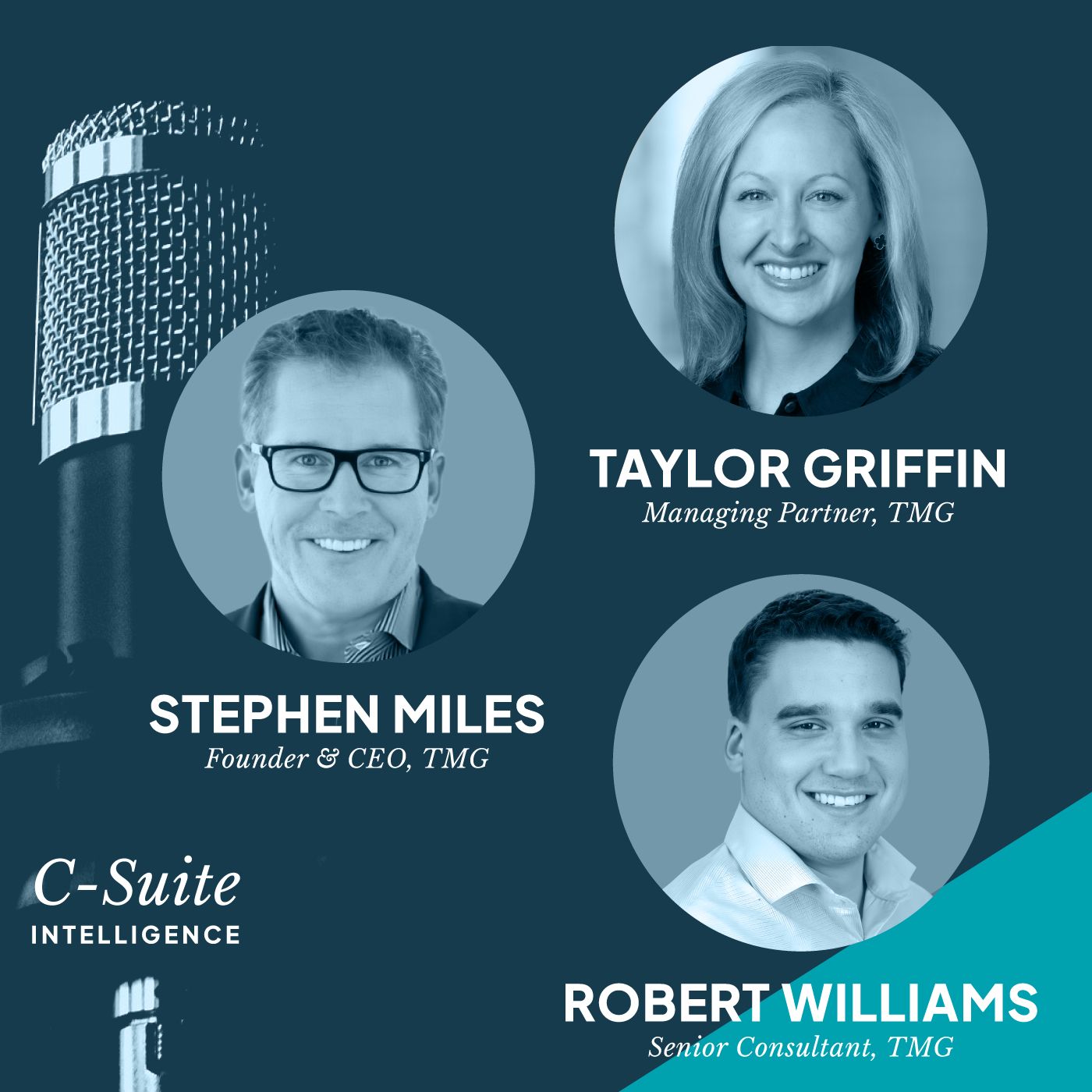
AI may be transforming how work gets done, but the fundamentals of leadership haven’t changed. Sound judgment, clear direction, and trust remain the true differentiators.In this episode, host Robert Williams sits down with Stephen Miles, Founder & CEO of TMG, and Taylor Griffin, Managing Partner, to explore how AI is reshaping work, leadership, and employee value. As intelligence shifts from a scarce resource to an abundant one, leaders are faced with a new challenge: redefining self-worth, productivity, and performance in an AI-enabled workplace.They discuss:How AI can elevate human capability by eliminating low-value workWhy judgment (not activity) will become the new measure of performanceThe organizational shifts required in an AI-enabled workplaceBreaking down silos between HR, technology, and leadership

Comments

Download from Google Play

Download from App Store
 United States