


 Claim Ownership
California Sun Podcast
Subscribed: 47Played: 1,000
Subscribe

Description
The California Sun presents conversations with the people that are shaping and observing the Golden State
306 Episodes
Reverse
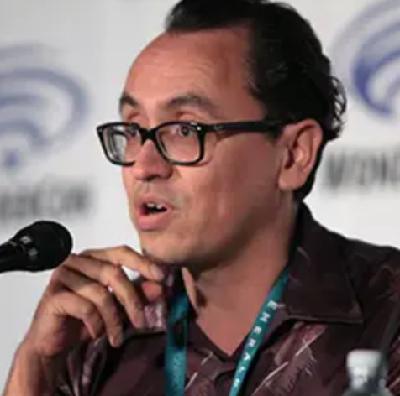
Gustavo Arellano reports from California's ground zero of President Trump's deportation crackdown. The Los Angeles Times columnist explains why many Latino voters who supported Trump now feel betrayed, how Southern California's "suburban apathy" toward immigration raids contrasts with Chicago's whistle-led resistance, and how the dynamics of 1994's the anti-immigrant Proposition 187 — which radicalized a generation of California Latinos — have echoed in current debates over immigration.
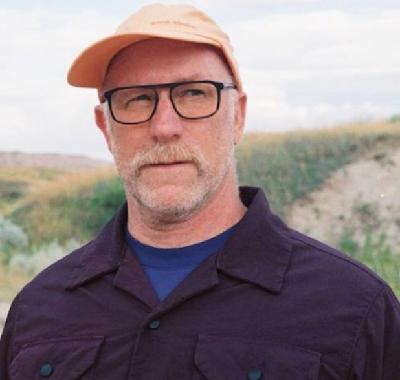
Roddy Bottum, a founder of the alternative metal band Faith No More, chronicles 1980s and '90s San Francisco — a dark, overlooked era between the Summer of Love and the tech boom. His memoir, "The Royal We" recalls a vanished city of bicycle messengers and punk rock in the shadow of the AIDS crisis. It's a poetic testament to community, loss, and the creative rebellion that defined pre-tech San Francisco.
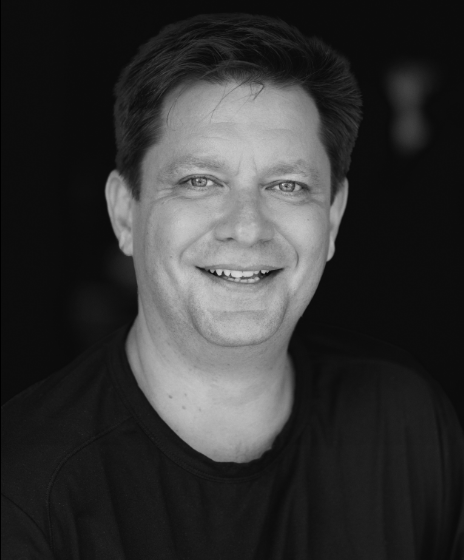
Ashlee Vance reports from San Francisco's underground robot fight clubs, where humanoid machines controlled by virtual reality pilots battle in steel cages before roaring crowds. China dominates the hardware, America provides the spectacle, and artificial intelligence makes the robots increasingly lethal. The technology is advancing at breakneck speed — raising questions about entertainment, military applications, and what happens when these machines become truly intelligent.
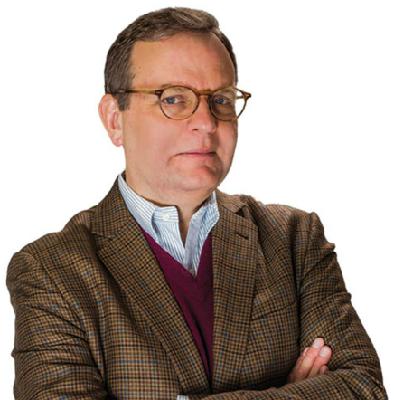
Todd S. Purdum, veteran journalist and author of the new book "Desi Arnaz: The Man Who Invented Television," explains how a Cuban refugee revolutionized Hollywood from his adopted home in Los Angeles. Though underappreciated as a showbiz entrepreneur, Arnaz pioneered the three-camera sitcom format, shifted television production from New York to Los Angeles, and created the business model that would sustain the industry and TV production for seven decades.
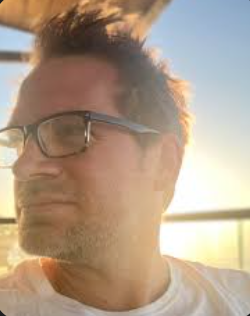
John Freeman, author of "California Rewritten: A Journey Through the Golden State's New Literature," talks about how California has become America's new literary center, challenging New York's dominance. He discusses the pandemic book club that sparked his journey, the state's evolving mythology, and how diverse voices are redefining what it means to imagine America's future.
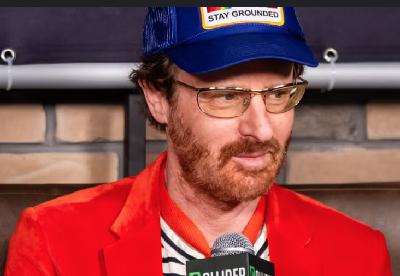
Filmmaker Ari Gold turns the camera on his own family in "Brother Verses Brother," an ambitious one-shot musical that follows him and his identical twin brother searching for meaning through the streets of San Francisco's North Beach, alongside their 99-year-old novelist father, Herb. Gold explains how this experimental work, executive produced by Francis Ford Coppola and generating serious buzz on the festival circuit, blurs the line between documentary and fiction, asking uncomfortable questions about art, family, and what we're willing to expose in pursuit of truth.
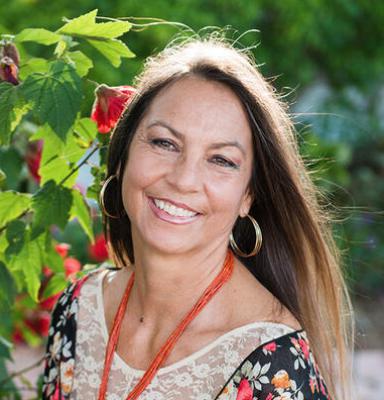
Dina Gilio-Whitaker, author of the new book "Who Gets to Be Indian?" explores how California became ground zero for Native American identity fraud — from Hollywood's early film lots to today's casino capitalism and tribal disenrollment crisis. The state's confluence of entertainment industry, counterculture movements, federal relocation programs, and gaming wealth created perfect conditions for "Indianness" to become commodified, challenging authentic tribal sovereignty and belonging across the nation.
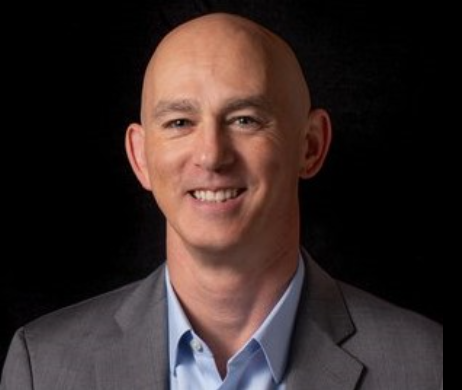
Mike Magee is the president of Minerva University, which has earned the No. 1 ranking in the World University Rankings for Innovation for four consecutive years. Founded in San Francisco in 2012, Minerva reimagined higher education — eliminating campuses, lectures, and tenure while sending students to live and study across seven global cities. Magee discusses how Minerva, with only a 4% acceptance rate and students from more than 100 countries, is preparing the next generation of leaders for an interconnected world.
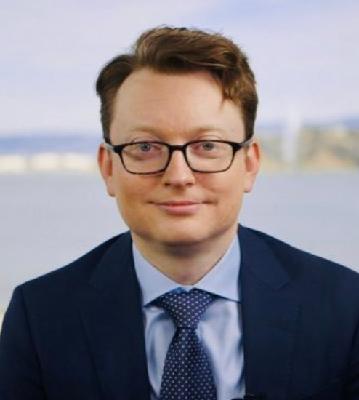
Tim Higgins discusses his new book "iWar," examining how one of California's corporate crown jewels, Apple, faces an unprecedented rebellion. Tech leaders such as Spotify's Daniel Ek and Epic's Tim Sweeney are waging a legal war over what they have portrayed as a shakedown operation — the 30% App Store cut that generates massive profits for Apple while stifling competition. As this battle imperils Apple's hold on the mobile world, the rise of artificial intelligence is threatening to potentially displace the smartphone era altogether.
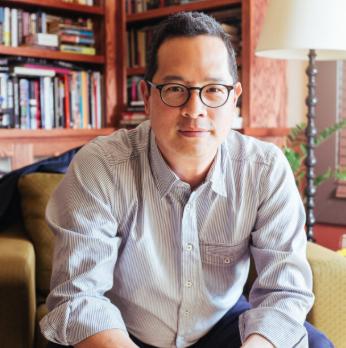
Jeff Chang, in his new biography "Water Mirror Echo," explores how the short of life of Bruce Lee helped make Asian America. Born in San Francisco's Chinatown, Lee was denied the lead role in Warner Bros.'s 1970s TV series "Kung Fu," which was given instead to David Carradine in yellowface. Lee's collision with Hollywood rejection became a catalyst for his rise at a time of emergent Asian American political consciousness. Chang discusses how Lee became a global symbol of Asian American dignity, and how his legend has only grown in the decades since his death.
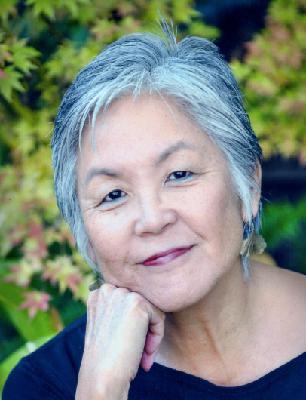
Satsuki Ina was born behind barbed wire at Tule Lake, where she became one of roughly 120,000 Japanese Americans incarcerated during World War II. Her parents, both U.S. citizens, lost their freedom and faith in America, leaving a legacy of silence and trauma. Today, as immigrant families are again separated and detained, Ina's memoir "The Poet and the Silk Girl" chronicles her family's journey through California's network of assembly centers and permanent camps. It's a reminder, she says, that what happened then is not just history — it's a warning about how easily such chapters of fear and racism repeat themselves.
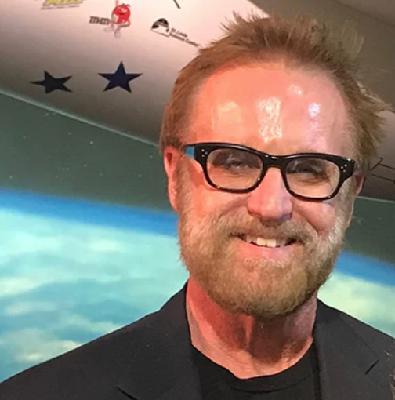
Peter Jones turned his camera on his former classmates from the Harvard School for Boys, a former military academy for boys in Los Angeles, for his new documentary "Fortunate Sons," chronicling the lives of the 1974 graduating class through their 50th reunion. What started as pandemic Zoom calls became surprisingly honest conversations about addiction, suicide, and the pressure of living up to successful fathers. Jones discovered that wealth can't shield against every hardship, and that the men now in their 60s were finally ready to drop the macho act and talk about what really happened.
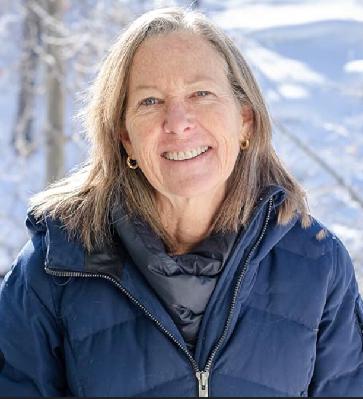
Eve Quesnel, author of the new book "Snow Fleas and Chickadees: Everyday Observations in the Sierra," joins us from her home in Truckee. For more than two decades, she's been paying close attention to the Sierra Nevada, finding evidence that "nature will show up" everywhere — even in urban cracks and sidewalks. Quesnel discusses making a conscious effort to step outside our digital distractions, the importance of knowing your neighborhood ecosystem, and how simple daily walks can transform our understanding of the natural world around us.
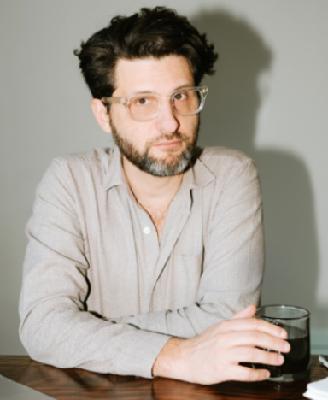
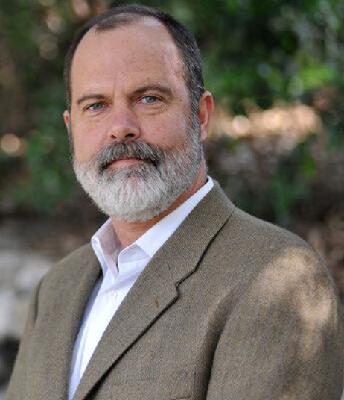
Jim Newton joins us to discuss his new book "Here Beside the Rising Tide," exploring how Jerry Garcia and the Grateful Dead emerged from 1960s California to become unlikely architects of America's counterculture. Newton reveals Garcia as a reluctant icon who feared leadership yet created a multigenerational community that thrives decades after his death. We explore the Dead's anti-commercial ethos, their role as cultural catalysts rather than political activists, and how their California values of freedom and authenticity continue to influence everything from music to tech culture.
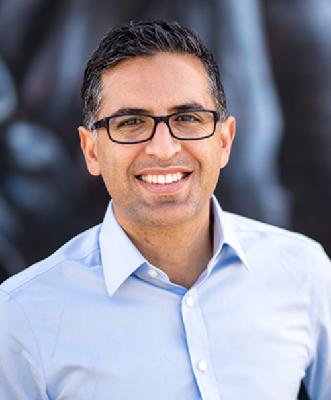
Sam Yebri, a young Yale-educated labor attorney and board president of the civic organization Thrive LA, offers a stark assessment of Los Angeles's decline. Yerbi arrived as a refugee from Iran to L.A., where he has embodied the American dream in a city that has served as a beacon for immigrants and dreamers. But he paints a not-so hopeful picture of crime, homelessness, and corruption overwhelming the city. Yebri believes change is possible but requires new leadership and greater civic engagement.
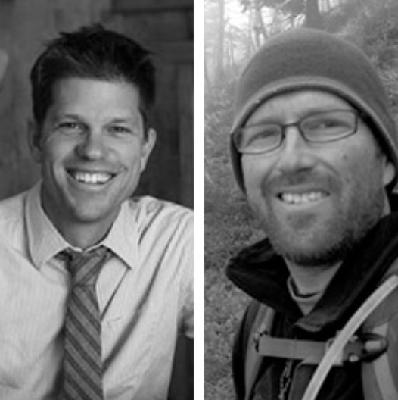
Matt Ritter, a botany professor at Cal Poly San Luis Obispo, and Michael Kauffmann, a research plant ecologist, have written a new definitive guide to California's 95 native tree species, "California Trees." The authors discuss their field work across the state, from the rare conifers of the Klamath Mountains to the Joshua trees of the Southern California desert. They reveal how citizen science and new mapping techniques are documenting biodiversity hotspots, and how climate change and wildfires are rapidly reshaping California's forests.
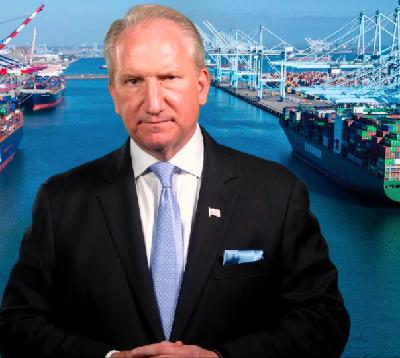
Gene Seroka, executive director of the Port of Los Angeles, oversees a gateway that handles 20% of America's incoming cargo and powers one in nine jobs in Southern California. In this conversation, he reveals how the 7,500-acre complex serves as an economic bellwether, highlighting trends months before consumers feel them. From automation debates to tariff-induced cargo swings, Seroka explains how what happens at the port ripples through California's economy and shapes global trade.
Christopher Beam, in a recent New York Times investigation, reveals how a group of brilliant minds from Google, NASA, and the rationalist movement in Berkeley became part of a murderous cult-like group known as the "Zizians." He story recounts six deaths, from a blood-soaked Vallejo property to a fatal Vermont shootout. Unlike Charles Manson's dropouts, these tech elites weaponized artificial intelligence fears and rational thinking into deadly extremism, which was enabled by California's tolerance for radical ideas.
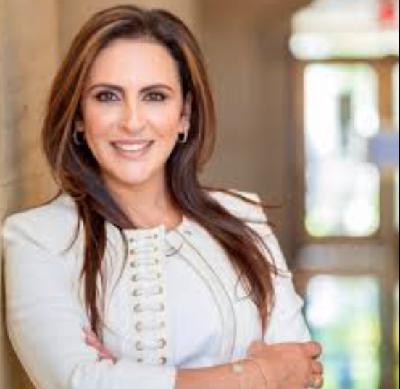
Beverly Hills Mayor Sharona Nazarian fled Iran with her family during the revolution to escape religious persecution, learning English as her third language before building a career in clinical psychology. Now the first Iranian American woman to lead the city, she governs a diverse community where roughly 20% of the population trace its roots to Iran. As war unfolds in the Middle East, she's tells us how she's become the de facto voice of a diaspora caught between American dreams and a longing for peace in their homeland.

Comments

Download from Google Play

Download from App Store
 United States