


 Claim Ownership
Careers & Character Podcast
Subscribed: 0Played: 1
Subscribe

© John Nicholas
Description
Careers & Character is about people with fascinating careers, bold ideas and strong values.
www.careersandcharacter.com
www.careersandcharacter.com
27 Episodes
Reverse

From working and studying simultaneously from the age of 17, to helping build IKEA Mexico as employee number 51, and now graduating as the class speaker of the IMD MBA Class of 2025, this is the story of Alfonso “Poncho” Martínez.In this episode, we sit down with Poncho to explore what it means to build a life anchored in relationships, humility, and courage. We talk about learning to “care and dare,” why networking only works when it’s not transactional, how becoming a father shifted his identity forever, and how to stay true to your strengths while still confronting your past with honesty.Key Takeaways & Highlights1. Connection Is Energy. Poncho is fuelled by people. He doesn’t network to extract opportunity; he connects because it gives him energy and expands his world. His earliest influences, parents and grandparents, shaped an instinct to approach others with curiosity, generosity, and joy.2. Add Value First. His career breakthroughs all began with offering something of value with no expectation in return: a cycling buddy for a country manager, an invitation to lunch for an executive who always wanted to visit IMD, a book recommendation, an introduction, a kindness. “You plant the seed and you never know when it grows.”3. Secure-Base Leadership: 100% Care, 100% Dare. Poncho discovered that while he excelled at caring, he often fell short on daring: pushing people, holding boundaries, or asking for tough feedback. Learning that both are required to unlock potential (in others and himself) was a transformative insight of the MBA year.4. Parenting as the Ultimate Leadership Role. From device-free “family board meetings” to the radical importance of presence, Poncho sees parenthood as a daily mirror: your child absorbs everything you do. And the biggest lesson? “Once you are a father, you will always be a father.”5. Scars Don’t Have to Close You Off. A failed business partnership hurt him deeply, but instead of turning cynical, he reflected on what he could have done better: diligence, boundaries, structure. The insight: you can still trust people, but with different levels of trust for different contexts. Not everyone is meant for business, but they can still be a friend.6. Humility, Stability, and the Simple Life. His grandfather, who lived to 102, modelled a life of high aspirations, moderate expectations, and low needs. A few white shirts, a few shoes, strong values. It shaped Poncho’s definition of success: fulfilment over accumulation.What We LearnedJohn: The secret to networking (and to life) is generosity. Poncho never approaches people to get. He approaches to give, and somehow, opportunity finds him anyway. He is proof that nice guys do finish first.Konsti: That connection doesn’t have to be binary. You don’t need to limit who you engage with; every person can be a future story, a future lesson, a future friend. And Poncho shows what it looks like to approach people without fear of “too many relationships.”Poncho: To trust himself more. To keep being who he is. And to continue caring and daring, with friends, classmates, colleagues, and his family. “The life is now.” This is a public episode. If you would like to discuss this with other subscribers or get access to bonus episodes, visit www.careersandcharacter.com

From completing a PhD in pharmacology and toxicology to consulting across industries and ultimately teaching leaders on three continents, this is the story of Katharina Lange, IMD Professor of Leadership, whose work blends strategy, psychology, and character.In this episode, we sit down with Katharina to explore what true leadership demands of us: courage, humility, self-awareness, and the discipline to make choices that honour the person we want to become. We discuss why vulnerability only works when grounded in competence (with a dash of humour), why hard work has no substitutes, and why “a good life” is really about creating stories worth telling when you’re 80.Key Takeaways & Highlights1. Leadership Begins With Self-Honesty. “You can pull the wool over somebody’s eyes for a while. Don’t pull it over your own.” Ask for honest feedback. Invite people who love you enough to tell you the truth. And don’t wait until it’s too late to look in the mirror.2. Excellence Over Perfection. Perfection doesn’t exist, not in leadership, not in organisations, not even in ourselves. But excellence sets a dynamic direction: trying to be better tomorrow than you were yesterday.3. Hard Work Always Pays Off… Eventually We live in a culture of instant gratification, yet leadership is slow-cooked. “Hard work always pays off — sooner or later. Usually later,” she laughs. There are no shortcuts, and if you think you’ve found one, you probably haven’t. But the work is worth it, because mastery builds conviction, and conviction builds character.4. Parenting Is the Hardest Leadership Laboratory Boundaries. Standards. Humility. Consistency. Many of the lessons Katharina teaches in the classroom began at home.And one of her strongest convictions is this: “parents shouldn’t try to be friends with their children.”5. Careers Are Not Ladders — They’re Portfolios. Katharina challenges the upward-only obsession of “career.” Real careers are collections of experiences: some paid, some unpaid, all meaningful if you extract the learning. Eventually, leadership roles find those who are ready, not those who chase.6. Lead Your Life Future-Back. One of Katharina’s most profound ideas: Think from your 80th birthday backwards. Who is in the room? What stories do you tell? What choices did you make that allowed you to live a full life?What We LearnedKonsti: That the real substance of leadership doesn’t come from frameworks or corporate templates, it comes from stories, humour, art, failure, courage, and lived experience.John: That serving others, not chasing titles, is what leads to meaningful careers. And that the challenges we face today are not unique - it has always been hard.Katharina: That I love doing this. And that I need to think more about the truths I hold that others might not share. This is a public episode. If you would like to discuss this with other subscribers or get access to bonus episodes, visit www.careersandcharacter.com

From building a successful career in investment banking in London and Italy to helping deep-tech founders turn groundbreaking science into world-changing companies, this is the story of Kevin Martelli - investor, advisor, and founder behind Delta Plus Ventures.In this episode, John and Konsti sit down with Kevin to explore how character and conviction shape great ventures, why trust compounds faster than capital, and what makes a founder truly exceptional. They unpack lessons Kevin has picked up from over 500 conversations with founders, discuss how to build skills that give you optionality in your career, and how to build a life that keeps your curiosity alive.Key Takeaways and Highlights1. Character Over Plans. Kevin never pays much attention to business plans – he focuses on people. “Staring at numbers on Excel for too long can easily fool you into believing projections. Observing the character of a founder can be more insightful when assessing the chances of success of a bold dream.”2. Conviction and Curiosity. The best founders hold strong beliefs combined with an unusual ability to listen. “You need both conviction and humility to learn in the same person – that’s rare.”3. Care Deeply and Outlast Indifference. The job of a founder is to care deeply about the challenge/solution they are focusing on and to outlast others' initial indifference to their view of the world.4. Trust Compounds Faster Than Capital. Kevin’s work is built on trust-based relationships: “I might be the first to believe in you, and the last to stop believing.”5. Build Your Tribe Early. Build Your Tribe Early. Careers are shaped by mentors, not titles. Be intentional about the people you surround yourself with and how you build your “personal board of directors”.6. Delta Plus Philosophy. Named after Sergio Marchionne’s quote: “What matters at the end of the day is to have made a positive difference.” In your interactions with others, it is both important and challenging to add real value and find win-win situations.What We LearnedKonsti: Good careers are built by following energy – talking to people who make you want to do more.John: Filtering is everything. The quality of your life = the quality of the people you choose to believe in.Kevin: Your career and character are interlinked. You are the average of the founders and friends you spend time with – so choose wisely. This is a public episode. If you would like to discuss this with other subscribers or get access to bonus episodes, visit www.careersandcharacter.com

From leading Unilever’s ice cream brands across Latin America to leading with calm and purpose in the IMD MBA, this is the story of marketer, musician, and father of twin daughters, Rodrigo Sarzosa.In this episode, John and Konsti sit down with Rod to explore what it means to stay true to yourself while serving others, to balance “caring and daring,” and to find humour and lightness even in 12-hour power outages. They discuss the lessons of fatherhood, the purpose of brands, the beauty of Hermann Hesse’s writing, and why good leadership sometimes means being the third to speak.Key Takeaways and Highlights* Be True and Be Kind: Rod describes his life philosophy simply: “Be true to yourself and be kind to others.” That means not postponing dreams, following passions like music and photography, and remembering that the real purpose of leadership is service.* The Calm Leader:In high-pressure settings, Rod’s leadership is defined by humour and composure. “Stressed spelled backwards is ‘desserts,’” he laughs. “Whenever you feel stressed, just get an ice cream.” His greatest impact comes from empathy, calmness, and creating confidence in others.* Tough Love: Rod believes growth requires honesty wrapped in compassion. “You have to teach your kids to do dangerous things carefully,” he says. The same principle applies to feedback and leadership: challenge people, but from a place of care.* Speak Third: His favourite feedback he received this year: “Try to be the third person to speak.” Not the first to rush into action, nor the last to fade away, but the thoughtful voice that connects others’ ideas.* Brands, Brains, and Bees: A childhood story about a bee sting and his mother’s comforting ice cream shaped his love for brands. For Rod, the best brands (and the best people) create emotional memory. “Brands compete for real estate in your brain,” he says, “but the great ones live in your heart.”* Music and Meaning: To Rod, music is the “language of the soul.” He and the IMD band went on to win gold at the MBA Olympics, an experience he calls a masterclass in teamwork, humility, and joy.What We LearnedKonsti: The best leaders don’t always go first - sometimes leadership means listening, connecting, and letting others shine.John: Many of the achievements you achieve in life are thanks to other people who enabled you.Rod: “You can’t separate career and character. Your career shapes your character, and your character shapes your career.” This is a public episode. If you would like to discuss this with other subscribers or get access to bonus episodes, visit www.careersandcharacter.com

From landing in startups accidentally to scaling companies and leading 120+ teams, to now pursuing an MBA at IMD, this is the story of Jens Marczinski.In this episode, John and Konsti sit down with Jens to explore his path from accidental entry into the startup world to becoming a leader who thrives in chaos. They discuss his philosophy on meaningful work, the lessons of managing fast-growing teams, why gut feeling is underrated, and how he is now channelling his energy into building digital health ventures.Key Takeaways and Highlights* Accidental Entrepreneur: Jens never planned a startup career; consulting was the goal. But one internship turned into seven years, multiple ventures, and eventually leading over 100 people: “All of a sudden I was Managing Director… and there’s no big training for it. You just grow with the chaos.”* Living a Life Your Kids Respect: Inspired by his parents and grandparents, Jens frames integrity simply: “Do work and take actions your children can be proud of.”* On Meaningful Work: Jens measures purpose by impact: “If I didn’t do this job, would society be poorer for it?” Even in cosmetic dentistry, handwritten letters from patients who smiled again gave him the conviction that impact comes in unexpected forms.* Sport as a Teacher: Triathlon legend Jan Frodeno inspires Jens: “You can’t fake performance in sport. Business you can b******t, sport you can’t. Jan’s determination to just do the schedule every single day, without knowing the outcome, that’s what endurance really is.”* Hiring and Character: Jens is clear about team culture: “A star who destroys the team is always out. Character and humility beat flashy CVs. Look at how people treat the receptionist—it tells you a lot.”* Lessons from IMD: Beyond frameworks, IMD gave Jens the value of explicit agreements: “Norming early matters. Write things down in smooth waters so you can survive the storm.” He also emphasises the role of honest feedback and learning from peers’ different approaches.What We Learned* Konsti: Entrepreneurship is chaos, but in chaos lies the adventure. The key is to find energy and joy in the constant change.* John: Jens reminded me that character is what you do when no one is watching.* Jens: Surround yourself with smart, driven people. Their energy and ideas are the best way to keep growing.Enjoy the show! This is a public episode. If you would like to discuss this with other subscribers or get access to bonus episodes, visit www.careersandcharacter.com

From running track and designing sustainable buildings as an engineer in Canada to pursuing an MBA and pitching a decarbonization venture in Switzerland, this is the story of Somerset Jarvis.In this episode, John and Konsti sit down with Somerset to explore how sports shaped her approach to business, why she believes positivity is practical (not naïve), and how she’s tackling the challenge of decarbonising infrastructure. They discuss leadership in moments of setback, the role of community in building confidence, and why bringing your A-game every day matters more than you think.Key Takeaways and Highlights* Bring Your A-Game: Somerset credits her family with teaching her to show up fully: “You never know what opportunities the day has in store for you. Always bring your A-game.”* Managing Energy, Not Time: Inspired by IMD’s leadership classes and Professor Katharina Lange, she reframes recovery: “You don’t need to manage your time, you need to manage your energy.” Short resets, like journaling or connecting with breath, help her sustain high performance.* Sports and Resilience: Running and tennis taught her that setbacks are inevitable, but resilience is a choice: “It’s not whether you’ll get knocked down, but how quickly you come back.”* Leadership Beyond Ego: As captain of her university track team, she learned more in the years she couldn’t compete: “Leadership isn’t about winning medals. It’s about motivating the team, even when you’re not the one on the line.”* Community and Belonging: A highlight of her MBA year was finishing a 10K run at MBAT with classmates running beside her: “It showed me you can do anything with an amazing support network.”* Making a Ripple: From a waste-free challenge in university to pursuing systemic change in infrastructure, Somerset believes small actions add up: “If I can inspire even one person to change, that’s worth it.”What We LearnedKonsti: Positivity and energy aren’t superficial; they shape trust, leadership, and opportunity.John: Managing energy can matter more than managing time.Somerset: The magic happens when you create trust and connection, similar to what happened during the show. This encourages people to share more than they planned.Enjoy the show!BonusA week after the recording, we learned that Somerset won IMD’s Venture Award for her brilliant startup idea! Well done Somerset. Listen to the show to hear all about it. This is a public episode. If you would like to discuss this with other subscribers or get access to bonus episodes, visit www.careersandcharacter.com

This season felt different. In Season One, we mostly spoke with close friends, people who thought and worked in ways familiar to us. Season Two took us further afield… professors, entrepreneurs, classmates from other corners of the world. Conversations stretched from rugby pitches to boardrooms, from Kuwait to Singapore, from AI to originality.If Season One was about discipline, Season Two was about ideas. Instead of validating what we already knew, we explored what we didn’t. We asked questions about purpose, authenticity, chaos, and character. And we came away with lessons we’ll carry well beyond the MBA.Key Takeaways and Highlights From Each Show#11 Be an Outlier (Professor José Parra Moyano)We began with Professor José Parra Moyano, who helped us make sense of the noise around AI. In a world of hype and fear, he reminded us that what truly sets us apart is not code or algorithms, but the human connections we build and our originality. “All my heroes are outliers… Be Bertrand Russell. Be different.”#12 Passion Makes Work Feel Like Play (Auni Mirabrishami)From there, Auni showed us the energy that comes when passion and purpose collide. Watching her speak about cricket (and how quickly she wove herself into Singapore’s sporting community) was a reminder that it is never too late to start something new, and that “nice guys don’t have to finish last.”#13 Diplomacy With Edge (Abdulaziz Akbar)Aziz brought a different kind of lesson: you can respect others deeply without backing down from your principles. In that hour together, we discovered more about him than in months of classes — a reminder that listening deeply creates bonds that last. “He was super prepared, super honest… a leader for the future.”#14 From Judging to Exploring (Fang Yuan)With Fang, the conversation turned both joyful and profound. During a goosebumps moment, he spoke of nearly dying, realizing in that moment that “humans deserve to be loved,” and of choosing to live by that truth. For us, it was a shift from judging others to exploring them. “Speaking to Fang changed me: listen first, judge second.”#15 Purpose Over Titles (Professor Omar Toulan)Our Dean, Professor Omar Toulan, reframed the MBA as a one-time pivot card: a chance to reinvent yourself and move beyond titles. His conviction that “leadership isn’t about titles” resonated especially as we began to test new roles and identities during our internships. “My purpose in life is to help people reach their full potential.”#16 Ask Better Questions (Cliff Go)In Singapore, we met Cliff, who demonstrated the power of asking better questions. Watching him persist with tough but kind follow-ups was a revelation. He reminded us that asking challenging questions isn’t about making someone uncomfortable; it’s about opening space for truth. “The quality of your questions determines the quality of the conversation.”#17 Purpose Over Profit (Arthur Goldberg)Arthur pushed us toward action. He spoke of empathy as a superpower in business, of knowing when your boat is “in the water,” and of the humility that keeps success grounded. His line “books don’t run the race” echoed long after — knowledge only matters when it’s applied.#18 Control the controllables (Curtis Bradford)Then came Curtis, who, as a rugby coach, lives the principles of leadership every day. His approach to “training the chaos” taught us to prepare for uncertainty by focusing on what we can influence.“Training the chaos prepares you for the game. Problem-solving, communication, resilience — that’s leadership.”#19 Embrace Chaos and Tension (Professor Mark Greeven)We closed the season with Professor Mark Greeven, who spoke calmly of chaos, tension, and growth. Once shy and timid, he turned weakness into strength, becoming a professor known for his words and ideas. He reminded us to welcome discomfort: “When you get nervous, it means something interesting is about to happen.”Beyond the Guests: What’s On Our MindsOne thing we don’t often do is turn the mic on ourselves. In this recap, we asked each other what’s top of mind.For Konsti, it’s about wrapping up the MBA year, carrying forward the lessons of connection and direction, and remembering to zoom in and out — from the balcony to the dance floor.For John, it’s the career search and discovering joy in unexpected places (yes, even accounting). More philosophically, it’s wrestling with the idea of doing good work without needing recognition. A line from Marcus Aurelius — “Stop looking for the third thing” — stuck: if you’ve done something good and someone benefited, you don’t need the credit too.Together we landed on a shared question: What do you do with your one wild and precious life? The podcast has been one way to explore that — by asking better questions, connecting with remarkable people, and reflecting on the journey as it unfolds.Enjoy the show! This is a public episode. If you would like to discuss this with other subscribers or get access to bonus episodes, visit www.careersandcharacter.com

From growing up in the Netherlands as a shy student to becoming one of the world’s leading voices on business ecosystems, and now serving as Dean of Asia and Professor of Management Innovation at IMD, this is the story of Professor Mark Greeven.In this episode, John and Konsti sit down with Mark to explore his journey from reluctant public speaker to world-renowned teacher and management thinker. They dive into his philosophy of teaching, the East-West tensions that shape global business, the power of ecosystems, and why embracing tension and complexity is the real path to growth.Key Takeaways and Highlights* From Shyness to Teacher: Mark describes himself simply as “a teacher,” though it wasn’t always obvious: “I was probably the shyest kid in class… but joining a debating club and speaking in front of 500 students pushed me over the edge. I realised, hey, I can actually do this, and I enjoy it.”* Polite Conversations, Polite Results: Mark explains why genuine debate and constructive conflict are vital for growth: “Polite organisations get polite results.Tension isn’t something to avoid, but the space where development happens.”* East Meets West – Similarities and Misperceptions: After two decades in Asia, Mark sees both deep similarities and nuanced differences: “I expected Asia to feel completely different. But the real differences crawl under the skin, they take years to see. And yet, at the core, our dreams and needs are very similar.” Living abroad also gave him a renewed appreciation for his Dutch roots.* Innovation and Government in China: Dispelling myths about subsidies, Mark highlights the true drivers of Chinese innovation: “It’s not about direct subsidies. It’s about creating the right conditions, like low-cost, stable electricity, that enable fierce competition. The government helps set the stage, but it’s still a brutal economic war.”* Ecosystems and the Glue: Mark outlines why ecosystems are central to modern business: “An ecosystem is not designed. It develops organically. Your role is to set the rules for it to grow. The ‘glue’, whether payments like Alipay, wellness programs like Discovery Vitality, or communities around brands, creates stickiness and new innovation beyond the core product.”* Advice for Young People: Mark urges curiosity and range over linearity: “Read... not summaries, not AI outputs, but real books. Science fiction, poetry, things that stretch your imagination. And don’t build a linear career. Anchor in something, but then move sideways. The time of linear careers is over.”What We Learned* Konsti: You can’t force success: ecosystems, careers, and businesses must grow organically. The key is to embrace the cues life gives you and pivot courageously.* John: Weaknesses can become strengths, and sometimes leaving home is what allows you to truly appreciate it.* Mark: Good questions trigger deep reflection, and conversations like this remind us how rich (and messy) life is meant to be.Enjoy the show! This is a public episode. If you would like to discuss this with other subscribers or get access to bonus episodes, visit www.careersandcharacter.com

From growing up playing rugby in Wales, to coaching across Europe and Australia, to now leading the German women’s national Sevens team, this is the story of Curtis Bradford.In this episode, John and Konsti sit down with Curtis to explore his journey from a self-proclaimed ‘average’ player to an internationally respected coach. They dive into the philosophy that has guided him through highs and lows: balancing ambition with perspective, controlling what you can control, and proving that kindness and daring are not opposites but complements in leadership.Key Takeaways and Highlights* Control What You Can Control: Curtis explains why his “game day” isn’t Saturday but Tuesday morning training: “I’m way more nervous for a Tuesday training session than a Saturday game. That’s my game time. What happens on the pitch on Saturday is out of my control.” By focusing on preparation and things in his control, pressure on outcomes naturally decreases.* Balance Ambition with Perspective: Despite historic wins (like the German women’s team’s first-ever victory over France), Curtis credits his life and relationships with keeping him grounded: “I told my fiancée we won. She asked, is that good then?” Winning matters, but life outside the field puts results in perspective.* Training as Chaos, Not Repetition: Curtis designs training sessions that constantly challenge players instead of relying on rote drills: “I don’t want us to be 100% successful in training. I want training to be hard, so that the game feels easier.” This philosophy mirrors business: true growth comes from getting out of your comfort zone and solving new problems, not repeating old ones.* Alignment and Storytelling: Whether coaching in Graz, Neuenheim, or with Germany, Curtis always seeks to create a shared story that players believe in: “People don’t want a PowerPoint presentation. Instead, I like to create stories. I call it ‘theming’, like going North for battle, with Game of Thrones music playing in the background, so players feel part of the story.”* Care and Dare: Curtis embraces tough decisions, like benching close friends for the good of the team, with transparency and empathy: “The hardest thing you do as a coach is team selection. But if you care deeply and explain your reasoning, players buy into your decision.” His philosophy mirrors the Care to Dare leadership model: 100% caring, 100% daring.* Future-Back Thinking: Curtis applies long-term visioning, like working backwards from Olympic qualification in 2028: “People don’t want to get on a bus if they don’t know where it’s going. You need a clear destination and then reverse-engineer how to get there.”Enjoy the show! This is a public episode. If you would like to discuss this with other subscribers or get access to bonus episodes, visit www.careersandcharacter.com

From starting work at age 12 in a car radio shop in Johannesburg, to building and backing insurance ventures in London, to now advising CEOs across Europe, this is the story of Arthur Goldberg.In this episode, John and Konsti sit down with Arthur to explore how early lessons in hard work and resourcefulness shaped his outlook, why empathy and curiosity remain at the heart of good leadership, and what it really takes to leave corporate security, put your canoe in the water, and start paddling.Key Takeaways and Highlights:* Hard Work Creates Luck: Growing up with little, Arthur started working in a car radio shop and mowing lawns around the neighbourhood at age 12. “If you wanted to be paid, you had to work. No excuses.” By doing this, he discovered the joy of building something people actually want. As he puts it: “Nothing beats the feeling of selling something — you know you were right, the market wants your product, and it starts to move.” * Entrepreneurship Isn’t for Everyone: Arthur draws on the parable of a Greek fisherman to highlight that not everyone is wired for risk. Many people genuinely prefer the stability of corporate life — and that’s not a flaw. As he puts it, “Some people just want to fish. And thank God, because those people keep most things going.”* Know When to Jump (and When to Quit): After realising he “just couldn’t do it anymore”, Arthur left the corporate world behind and co-founded his own company. His advice to young people: “If your canoe’s not in the water, you can’t paddle. But when you know it’s time, get out — don’t throw good money after bad.”* Empathy as a Superpower: Whether in sales or leadership, connection starts with putting yourself in the customer’s shoes. “You can’t succeed without empathy. It’s the only way to truly connect.”* Values Above All: For Arthur, honesty, transparency, and curiosity are non-negotiable. “Your white lie might be someone else’s black. If you don’t lie, you don’t have to remember.” He believes the same applies to companies: “When businesses become dishonest about their purpose, that’s when they go off the rails.”* Books Don’t Run the Race: Arthur shares the story of meeting a Paralympic marathoner whose only race fuel was Coke and water. For him, it’s a lesson that no amount of theory replaces practice. “You can learn all the books in the world, but at the end of the day, you still have to run the race.”Enjoy the show! This is a public episode. If you would like to discuss this with other subscribers or get access to bonus episodes, visit www.careersandcharacter.com
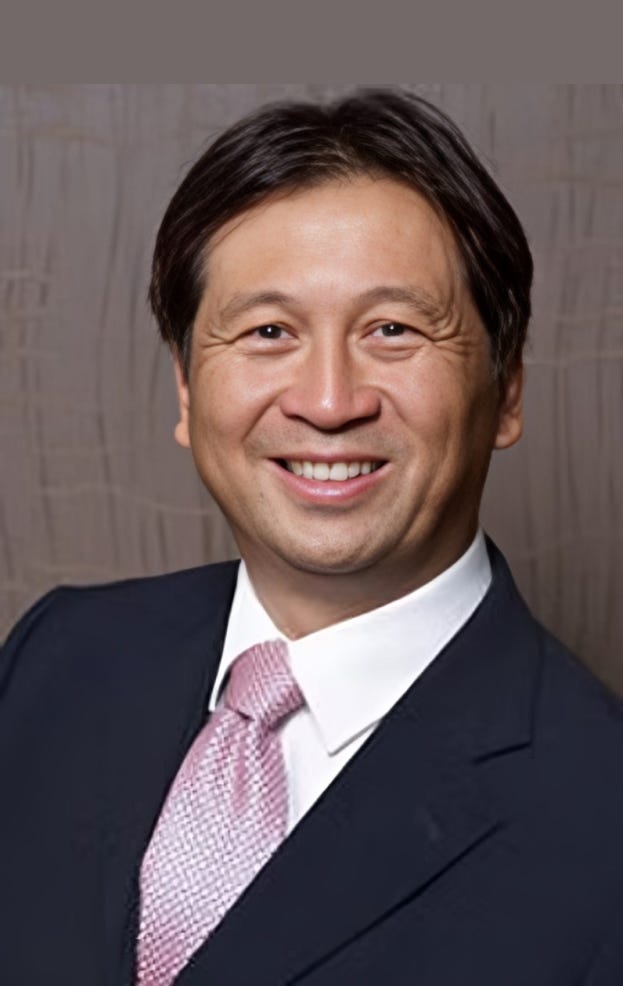
From growing up in the Netherlands and building a global food brand with his brothers, to teaching at INSEAD and mentoring future leaders across continents, this is the story of Cliff Go.In this episode, John and Konsti sit down with Cliff to explore his family's entrepreneurial journey — from a small Indonesian kitchen in 1950s Holland to a thriving European-Asian business. With humility and clarity, Cliff reflects on legacy, leadership, and letting go, offering candid lessons from 40 years in family business, private equity, and education. A believer in tough questions and warm relationships, he shares why taste still matters, what it means to truly connect, and why the next generation must forge their own path.Key Takeaways and Highlights:* Legacy Without Entitlement: Cliff’s father arrived in the Netherlands with little money and a Dutch passport and built a business from scratch. “He didn’t finish his studies, but through grit and hard work, he made it work. And now the third generation benefits from that foundation.” Cliff honors this legacy not by holding on, but by making space for what’s next.* Unity Over Ego in Family Business: Despite 40 years of shared leadership, Cliff and his two brothers have avoided conflict by prioritizing harmony. “There’s only one CEO title, but we’ve always made decisions unanimously. No egos, no jealousy.” For Cliff, family business works when relationships come first.* Succession with Honesty, Not Pressure: Unlike many families, Cliff’s doesn’t force the next generation into the business. “They have a privileged situation, but they must use that as a springboard. We’ll support them, not spoon-feed them.” Cliff advocates for choices grounded in self-awareness and earned responsibility.* Patient Growth, Strong Values and Human Capital: From buy-and-build strategy to conservative financing, Cliff’s approach blends patience with excellence. “We don’t compromise on taste. And we grow within our means, not with borrowed money, but with loyalty and trust.” They also focus on human capital, with the average tenure of their team spanning decades.* Teaching as a Form of Impact: After selling a business, Cliff turned to teaching at INSEAD. “I realized I could make a bigger difference by influencing future influencers.” His advice to students? “Nobody has a unique idea. But if you have the right team and enough budget for two years, you give yourself a chance.”* Ask Better Questions: What is Cliff's most contrarian idea? “Develop the skill of asking good questions. Don’t aim to impress — aim to connect. That’s how you spark meaningful conversations.”Enjoy the show! This is a public episode. If you would like to discuss this with other subscribers or get access to bonus episodes, visit www.careersandcharacter.com

From advising at the White House and consulting at McKinsey, to teaching for two decades at McGill and now mentoring students as Dean of the MBA and Professor of Strategy and International Management at IMD Business School, this is the story of Professor Omar Toulan.In this episode, John and Konsti sit down with Omar to explore a career dedicated to helping others realise their potential — from reforming MBA education in the age of AI, to redefining what leadership, learning, and humility mean today. Born in Egypt, raised in the U.S., and influenced by Argentine and Egyptian roots, Omar shares how his upbringing taught him the power of tolerance, the value of hard work, and the importance of paying attention to small details.Key Takeaways and Highlights:* Leadership Is About Serving Others: Omar’s philosophy is clear yet impactful: “Leadership is not an opportunity for self-aggrandisement — it’s a call to service.” For him, genuine leadership involves supporting others, listening intently, and remembering that “small gestures matter.”* Respect as a Foundation: Whether guiding a classroom or managing an institution, Omar emphasises the importance of mutual respect, particularly across differences. His parents belonged to different religions, yet they had 50 years of marriage built on respect. “The only thing I can’t tolerate is intolerance.”* The MBA is a “Pivot Card”: An MBA offers a rare chance to reflect deeply and recalibrate. “The MBA is a pivot card—you only get to use it once. Ask yourself the tough questions now,” Omar advises, “because once you graduate, the pivot window starts to close.”* Hard Work + Luck = Success: “Hard work matters, but luck plays a role too, and we should always be thankful,” says Omar. His honest take on success reminds us to stay grateful and grounded, especially those privileged enough to pursue an MBA.* AI Is a Tool to Enhance Human Skills, Not Replace Them: Omar is at the forefront of integrating AI into business education, but he’s clear on its limits. “AI will help you evaluate options, but don’t outsource the decision. That’s what leaders are for.” He also calls for young professionals to double down on their storytelling and presentation skills: “Beautiful PowerPoints won’t be a differentiator anymore, human skills will.”* Bringing a Personal Touch to the MBA: Whether he’s redesigning the IMD curriculum or cheering from the sidelines at the MBAT, Omar leads with warmth, presence, and intention. “I get a lot of satisfaction from helping others achieve their potential,” he says, and it shows. He’s known not just for setting direction, but for noticing the small things, encouraging students by name, and showing up when it matters. As one student put it: “Omar will always have your back—but don’t mess with him.”Enjoy the show!Bonus link: Omar’s favourite book - The Idea of a University by John Henry Newman This is a public episode. If you would like to discuss this with other subscribers or get access to bonus episodes, visit www.careersandcharacter.com

From a small village in China to quality management across multiple industries, and now fatherhood and an MBA in Switzerland, this is the story of Fang Yuan.In this episode, John and Konsti sit down with Fang to explore the quiet strength behind his curiosity, how quality control taught him honesty and resilience, why humour became a tool for leadership and connection, and how he’s striving to raise his daughter with both tradition and openness. Along the way, Fang shares a deeply personal moment from his childhood that has shaped his belief in human dignity and his determination to never give up.Key Takeaways and Highlights:* Leadership Starts with Listening: Fang describes leadership not as commanding the room but as learning from it. “Before I saw myself as a good leader, I saw myself as a good team player,” he says. His style? Quiet honesty, careful analysis, and supporting others, especially when it’s difficult.* Data is Boring (and Beautiful): As a quality manager, Fang worked with the “boring data” that others ignored. “It’s not sexy,” he admits, “but it tells the truth.” His respect for facts, even when unpopular, helped him champion long-term value over short-term results.* Fatherhood as a Lesson in Leadership: A traditional upbringing taught Fang to suppress emotion. Now, he’s choosing a different path with his daughter Moran: “By understanding myself more, I can give her more room to develop her personality.” His goal? A home of honesty, softness, and shared growth.* Humour as Hidden Leadership: In both factory floors and MBA classrooms, Fang’s quick wit disarms tension. “Sometimes being honest is already funny,” he reflects. His ability to “liberate the room” with laughter became an unexpected but powerful form of influence.* The Moment That Changed Everything: At age two, Fang nearly died. His memory? His father held him all night. “That was a religious moment,” he says. “I trust that humans deserve to be loved.” That deep belief, part faith, part fire, drives everything he does today.Enjoy the show! This is a public episode. If you would like to discuss this with other subscribers or get access to bonus episodes, visit www.careersandcharacter.com
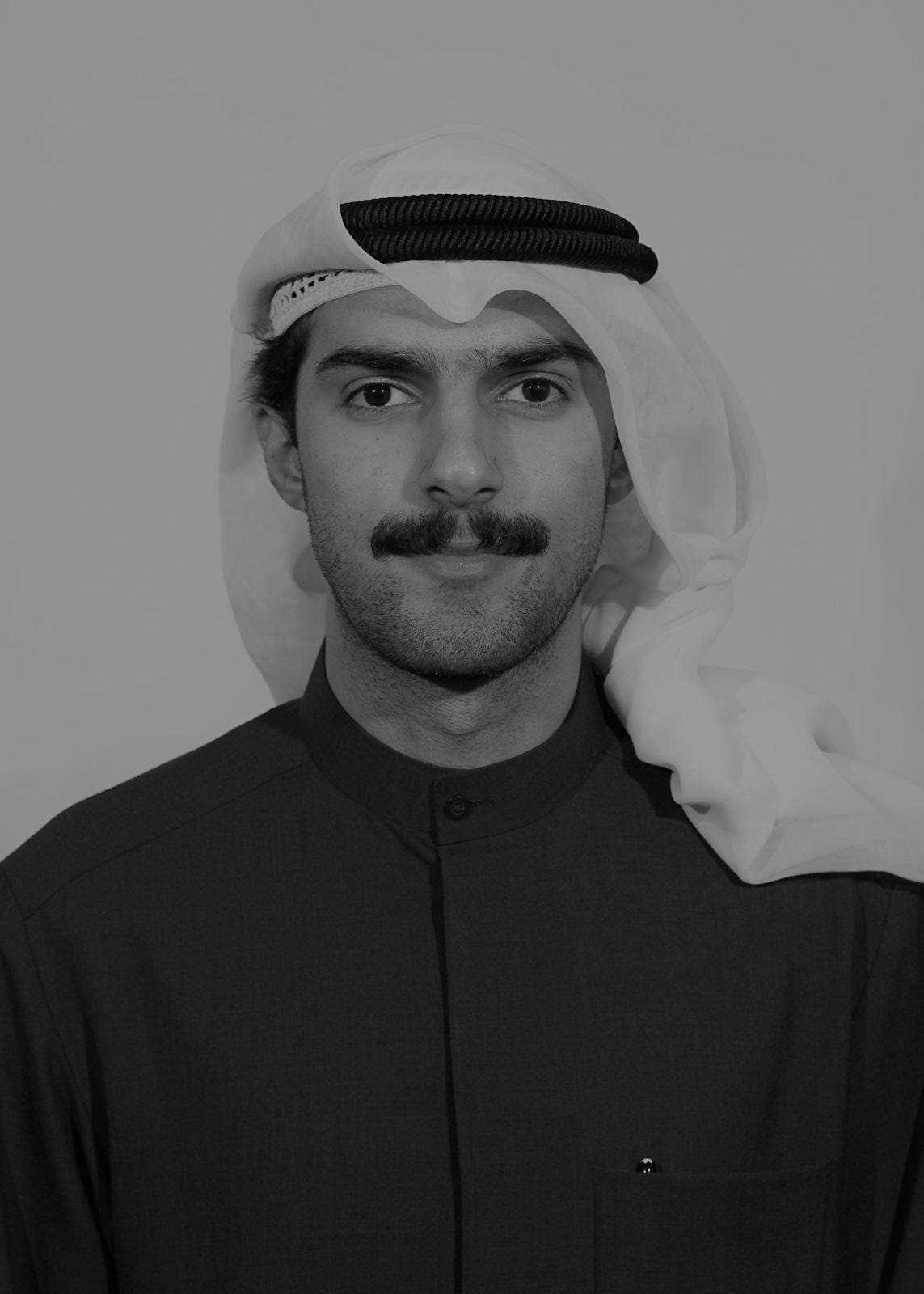
From growing up in Kuwait and studying petroleum engineering in Colorado to managing institutional portfolios and now pursuing an MBA in Switzerland, this is the story of Abdulaziz “Aziz” Akbar.In this episode, John and Konsti sit down with Aziz to explore how his family roots and Kuwait’s merchant history shaped his values, the pivotal lessons he’s learned from investing and teamwork, why trust is built not on brilliance but consistency, and how he plans to carry forward the legacy of his culture and character through the next generation.Key Takeaways and Highlights:* Focus and Opportunity Cost: Aziz lives by the motto “You can’t kiss all the girls”, serving as a metaphor for prioritising what matters and recognising trade-offs in life and investing.* Kuwaiti Heritage and Vision: Aziz reflects on Kuwait’s evolution from a pearl-diving trade hub to a forward-looking financial center, highlighting how this journey forged a national character rooted in resilience, ambition, and shared prosperity. That same spirit shapes his own philosophy: “I’m a builder, whether through people, portfolios, or an entrepreneurial mindset.”* Education as Leverage: A recurring theme in Aziz’s journey, from engineering and finance to an MBA, has been utilising education as a tool for personal and national development. “Education is the tool we used to prosper, not oil.”* Trust Built on Character, Not Credentials: For Aziz, technical brilliance matters less than the more important qualities, such as discipline, reliability, and integrity, attributes that develop over time and lead to long-term success. As he says, “Trust is not about talent or technical skill — it’s about discipline, humility, and pattern recognition.”* Legacy Thinking: Beyond career ambitions, Aziz’s long-term aspiration is to build a large family, pass on values through example (not instruction), and lead with honesty, vulnerability, and purpose. “The most important thing I want to pass down is not advice but a foundation of values.”Enjoy the show!Bonus link to one of Aziz’s favourite novels: If on a Winter's Night a Traveler. This is a public episode. If you would like to discuss this with other subscribers or get access to bonus episodes, visit www.careersandcharacter.com
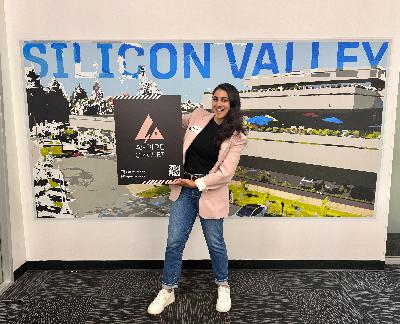
From discovering cricket through a Netflix documentary and playing in her San Francisco backyard to co-founding a nonprofit that is building women’s sports pathways and now pursuing an MBA in Switzerland, this is the story of Auni Mirabrishami.In this episode, John and Konsti sit down with Auni to explore how her multicultural upbringing and move from Silicon Valley to Lausanne fueled her love of new challenges, the moment she caught “cricket fever” mid-COVID, how she built Aspire Cricket, the real-time leadership lessons she learned captaining cricket teams, and her vision for the future of women’s sports.Key Takeaways and Highlights:* Late Discovery, Rapid Mastery: Auni first encountered cricket after watching Netflix’s Cricket Fever, then taught herself the rules through YouTube, built a batting cage in her backyard, trained for hours each day, and within three years found herself playing alongside players from the U.S. women’s national team.* Building Aspire Cricket: Inspired one evening over a glass of Pinot Noir, Auni and three co-founders, ranging from grassroots enthusiasts to former World Cup winners, launched Aspire Cricket to establish comprehensive development pathways for girls and women looking to play cricket, from school outreach to high-performance camps.* Coaching Mindset on and off the Field: Drawing on coaching principles, Auni treats both teammates and colleagues as capable decision-makers. “If I can provide them the environment to feel safe, comfortable, happy — because sport is supposed to be enjoyable — then I know that they will perform to the best of their ability with what they have at that time.”* Embracing Discomfort for Growth: From moving across continents to managing a Deloitte career, an MBA, non-profit leadership, and weekend training, she intentionally creates challenging environments, believing that discomfort speeds up learning and uncovers core strengths.* Vision for Women’s Sports: Auni outlines how media and broadcasting rights, ticketing, merchandise, and private-equity investment can transform women’s leagues into viable business ventures, arguing that greater media equity and role-model visibility will drive both social impact and financial returns.* Core Belief: Auni’s unique perspective? “You can be successful by being kind. I know people say ‘good guys finish last’ — I disagree. When you choose to live with goodness and pure intentions, there’s a different kind of success that follows.”Enjoy the show! This is a public episode. If you would like to discuss this with other subscribers or get access to bonus episodes, visit www.careersandcharacter.com

From exploring his curiosity as a self-described “kid at heart” to earning a PhD and later founding his own startup, this is the story of José Parra Moyano, Professor of Digital Strategy at IMD Business School. José is a passionate and award-winning teacher who has been listed as a member of the Thinkers50 Radar List, a Forbes 30 under 30, and a Global Shaper by the World Economic Forum.In this episode, John and Konsti sit down with José to explore how his early passion for discovery led him into academia, the rapid evolution of generative AI, why the future belongs to humans who combine hardcore technical skills with soft-skill mastery, the enduring value of relationships, and how living by an internal “magna carta” of core values (and trusting one’s gut) can guide both personal and professional decisions.Key Takeaways and Highlights:* Curiosity as a Career Catalyst: José’s journey began as a curious child, always asking “what’s beyond the next mountain?”, a trait he still carries into the classroom, where he learns as much from his students as they do from him. One of his heroes, the Spanish neuroscientist and Nobel laureate Santiago Ramón y Cajal, also embodied that “kid-at-heart” sense of wonder, which fueled groundbreaking discoveries and revealed the neuron as the brain’s fundamental unit.* Stand Out by Combining Hard and Soft Skills: Today’s competitive edge arises from blending “hardcore” analytical capabilities enabled by AI with empathy, stage presence, and authentic communication (skills that AI can’t replicate but can enhance).* Why Relationships Are More Important Than Ever: Drawing on a 1930s economic model explaining why firms exist (internal vs. external costs and asset specificity), José explains that firms internalise activities when they can perform them more cheaply and efficiently than the market. This illustrates why highly specific assets, such as deep client relationships that take years to establish, will become relevant than ever in the age of AI.* Living by Your Own “Magna Carta”: José lives by three core principles: “Don’t hurt people,” “Be an outlier, not a crowd follower,” and “Family above all”. He warns that ignoring your gut when a decision feels off is the surest way to lose both time and integrity, and he urges everyone to be more like his hero, Bertrand Russell, a truly unique thinker who went against the mainstream.* Honest Feedback for Real Growth: Beyond mere polite praise, genuine psychological safety (or type 2 psychological safety, as José refers to it) enables peers and mentors to provide direct, constructive criticism, allowing you to improve collectively without the fear of straining relationships.Enjoy the show! This is a public episode. If you would like to discuss this with other subscribers or get access to bonus episodes, visit www.careersandcharacter.com

From Idea to Impact: Our First Season of Careers & CharacterWhat started as a fun experiment, a simple idea to record interesting conversations, has turned into a meaningful project for us. In one month, we’ve sat down with nine remarkable guests: Olympians, hostage negotiators, investors, military officers, performers, and more. Each shared a piece of themselves that challenged, inspired, and taught us something new.In this review episode, we reflect on the common threads that surfaced again and again. Here are our ten favourite lessons from Season One.Key Takeaways and Highlights* 𝗢𝘄𝗻𝗲𝗿𝘀𝗵𝗶𝗽 𝗜𝘀 𝗧𝗵𝗲 𝗙𝗶𝗿𝘀𝘁 𝗦𝘁𝗲𝗽: “The best day of your life is the one where you realize your problems are your own.” That quote, by cognitive-behavioral therapist Albert Ellis, became a refrain. From Anton leaving law, to Katinka creating her own role, to Kilian inventing a job that didn’t exist, each guest took radical responsibility for their path.* 𝗙𝗮𝗹𝗹 𝗶𝗻 𝗟𝗼𝘃𝗲 𝗪𝗶𝘁𝗵 𝘁𝗵𝗲 𝗣𝗿𝗼𝗰𝗲𝘀𝘀: Fabian’s turning point came when he stopped chasing medals and started enjoying the grind. “When I fell back in love with the process, the results followed.” From controlling the controllables to doing the basics well, our guests reminded us: it’s the day-to-day discipline that makes the difference. “The score takes care of itself.”* 𝗗𝗶𝘀𝗰𝗼𝗺𝗳𝗼𝗿𝘁 𝗗𝗿𝗶𝘃𝗲𝘀 𝗚𝗿𝗼𝘄𝘁𝗵: George V. overcame a childhood stutter by throwing himself into the deep end in the military. Olli gave up elite swimming at 20 to start a completely new sport and went on to win Olympic gold. As John reflected, “You don’t get the reward unless you take the risk.” Whether it was a career pivot or a major life change, growth lived just outside the comfort zone.* 𝗦𝘂𝗰𝗰𝗲𝘀𝘀 𝗜𝘀 𝗮 𝗧𝗲𝗮𝗺 𝗦𝗽𝗼𝗿𝘁: “We become the average of the five people we spend time with.” Connor brewed coffee for his neighbours in class. George Vind pushed classmates with tactful questions. Professor George Kohlrieser taught us that real leadership is “100% caring and 100% daring” and that bonds must come before boldness. “Create the psychological safety first, then dare to challenge.”* 𝗠𝗲𝗻𝘁𝗮𝗹 𝗛𝘆𝗴𝗶𝗲𝗻𝗲 𝗜𝘀 𝗗𝗮𝗶𝗹𝘆 𝗠𝗮𝗶𝗻𝘁𝗲𝗻𝗮𝗻𝗰𝗲: “Therapy is not for fixing something broken. It’s like brushing your teeth,” according to Konsti. Connor uses long runs to think. Katinka journals. Ollie worked with a psychologist after Olympic disappointment. This season reminded us that taking care of your mind is not a sign of weakness, but a foundational strength.* 𝗢𝗳𝗳𝗲𝗿 𝗖𝗵𝗼𝗶𝗰𝗲, 𝗡𝗼𝘁 𝗖𝗼𝗺𝗺𝗮𝗻𝗱𝘀: Whether negotiating hostages or handling group projects, the lesson is the same: people respond to agency. “Start a dialogue. End every sentence with a question,” as Prof Kohlrieser said. From difficult conversations to team feedback, creating options (not dictating solutions) leads to better outcomes.* 𝗧𝗮𝗹𝗲𝗻𝘁 𝗜𝘀 𝗢𝘃𝗲𝗿𝗿𝗮𝘁𝗲𝗱: Mozart, Nadal, Hirscher—none of them were born great. They were coached, trained, and refined. “95% of skills are learnable,” as George Lauritsen pointed out. Even the most “gifted” people we interviewed succeeded through practice, coaching, and grit.* 𝗖𝘂𝗿𝗶𝗼𝘀𝗶𝘁𝘆 𝗘𝘅𝗽𝗮𝗻𝗱𝘀 𝗬𝗼𝘂𝗿 𝗦𝘂𝗿𝗳𝗮𝗰𝗲 𝗔𝗿𝗲𝗮 𝗼𝗳 𝗟𝘂𝗰𝗸: As George Vind’s grandmother said,“If you look closely enough, everything can be interesting.” That curiosity led us down new paths each episode. “We’ve learned lessons from our guests’ teachers—people we may never meet—because they shared them with us.” Podcasting, we discovered, increases your surface area of wisdom.* 𝗣𝗼𝗱𝗰𝗮𝘀𝘁𝗶𝗻𝗴 𝗧𝗲𝗮𝗰𝗵𝗲𝘀 𝗙𝗼𝗰𝘂𝘀: “In a world that’s fast and loud, podcasting has been single-tasking at its best,” said Konsti. “Laser focus. One hour. No phone. No distractions.” In an age of multitasking and noise, we learned to slow down, listen, and embrace the silence between words.* 𝗧𝗵𝗲 𝗝𝗼𝘂𝗿𝗻𝗲𝘆 𝗠𝗮𝘁𝘁𝗲𝗿𝘀 𝗠𝗼𝗿𝗲 𝗧𝗵𝗮𝗻 𝗧𝗵𝗲 𝗣𝗲𝗿𝗳𝗲𝗰𝘁𝗶𝗼𝗻: “No one’s ever asked us to make it longer,” we laughed. And yet, every episode brought joy. Each guest arrived nervous, and left proud. “It’s funny how often we learn more on the second listen than the first.” The real gift? As Konsti says, “My favorite episode is always the next one.”Season 1 Episode ListThank you for listening, sharing, and supporting Careers & Character. We’re excited for the next chapter, with more inspiring guests, deeper conversations, and new lessons. Got feedback or ideas? We’d love to hear from you! Drop us a note or leave a comment below. This is a public episode. If you would like to discuss this with other subscribers or get access to bonus episodes, visit www.careersandcharacter.com

From directing school musicals as an “acting director” to structuring deals and executing strategies in private equity, and ultimately discovering her transferable skills in communication, stage presence, and coaching during her MBA, this is the story of Katinka Wodschow.In this episode, John and Konsti sit down with “Kat” to explore what her early theatrical experiences taught her about the world of business and orchestrating different teams, the unconventional way she broke into private equity by applying for a full-time position even though the company sought a half-time student, how her cross-cultural exchanges in Hong Kong, U.S and Hawaii sharpened her curiosity and adaptability, and her vision for helping business leaders conduct cross-functional strategies by communicating with impact and authenticity.Key Takeaways and Highlights:1. The Similarities Between Acting and Business: Directing her classmates in annual school plays taught Kat how to engage different personalities, manage budgets and deadlines, and align everyone around a shared storyline. All skills she now applies to team projects and presentations.2. A Non-Traditional Path into PE: Rather than wait for the “right” role, Kat suggested that the PE fund hire her full-time instead of two half-time student assistants, demonstrating her commitment and freeing up the firm’s budget. This approach fast-tracked her responsibilities despite a non-traditional CV path.3. Coaching as Leadership: Through IMD’s individual and group coaching, Katinka recognised that asking reflective questions, mirroring people’s emotions, and summarising discussions are not just tools, they define her leadership “sweet spot” between caring and daring, unlocking people and teams’ full potential.4. Balancing Learning and Performance: Being used to aiming for top performance in terms of grades, Kat is now at IMD, aiming for top learning. By choosing to invest time in non-graded challenges, such as the Venture Award, IMD’s Venture Capital program, and external pitch competitions, she prioritised deep learning over purely grade-driven work, underlining her view that true growth often occurs off the exam grid. 5. Handwritten Reflection for Retention: By using pen-and-paper notes with a two-column approach (lecture notes on one side and personal “Kat’s Reflections” on the other), she deepens understanding and ensures long-term memory of key insights.6. Invisible, Impactful Leadership: Embracing the “invisible hand” style, Katinka steps in just enough to steer her teams through conflict and lets members shine, praising their successes while shouldering responsibility when things falter, a model she calls both motivating and effective.Enjoy the show! This is a public episode. If you would like to discuss this with other subscribers or get access to bonus episodes, visit www.careersandcharacter.com

From pursuing handball at a high level to leading teams and board meetings at McKinsey and, ultimately, finding his niche as a family office advisor & investor, this is the story of Kilian Graulich. In this episode, John and Konsti sit down with Kilian to explore how his athletic upbringing instilled resilience and a learning mindset, the unconventional CV strategy that earned him a coveted role at McKinsey despite “average” grades, how he leveraged free, value-adding advice to build credibility in the opaque world of family offices, and his vision for scaling both his investment business and a community of family offices.Key Takeaways and highlights:* Athletic Resilience as a Foundation for Business: Kilian’s early ambition to play professional handball taught him how to rebound from setbacks, collaborate under pressure, and stay grounded when facing high-stakes moments. These are all skills that have helped him progress in his professional career.* Standing Out Beyond Grades: Rather than chasing perfect grades, Kilian focused on the other two components that management consulting firms value highly, extracurricular activities and hands-on internships. By excelling in student consulting projects and serving on sports committees, he crafted a compelling story that secured a full-time offer at McKinsey, despite not having the best grades.* Navigating McKinsey’s “Invisible” Gatekeepers: Early on in his career, Kilian realized that high performance alone wasn’t enough. He also needed senior partners’ sponsorship to increase his “luck surface area”. By showcasing his project results in the right forums and demonstrating how he added value, he accelerated his promotion track.* Building a Trust-Based Network with a “Give First” Mindset: Kilian mapped his target group (single-family offices), identified key opinion leaders, and consistently introduced value, whether through investment insights or peer connections. He believes in “giving first”, insisting on only being paid if he actually delivers value.* Character Traits That Matter: Kilian values authenticity above all. His ability to “call it like he sees it” makes even complex family-office discussions feel grounded and collaborative.* Balancing Ambition with Reflection: While it’s important to have high ambitions, relentless forward focus can blind you to how far you’ve come. By periodically pausing to acknowledge his achievements, Kilian regains perspective and avoids burnout — a valuable reminder for anyone chasing big goals.Enjoy the show! This is a public episode. If you would like to discuss this with other subscribers or get access to bonus episodes, visit www.careersandcharacter.com

From being a top-10 German swimmer to winning gold in the Men’s Singles Sculls at the 2024 Olympic Games to embarking on a new journey in business school, this is the story of Oliver Zeidler.In this episode, John and Konsti speak with Oliver about the strategic mindset that propelled him from rowing world titles in 2019, 2022 and 2023 to Olympic gold in Paris, the mental resilience that helped him overcome the trauma of a seventh-place finish in Tokyo in 2021, his transition into IMD’s MBA cohort, and his evolving vision for a career that leaves a lasting impact beyond sport.Key takeaways and highlights from the show:* Translating the athlete mindset: Oliver contrasts the clear “gold-medal” North Star of sport with the diverse motivations in an MBA cohort, emphasizing the importance of aligning individual goals through respect and honest dialogue.* It’s a marathon, not a sprint: Drawing on his deep understanding of training to reach peak performance, Oliver argues that striving for 100% effort every day leads to burnout. Instead, he champions an “85% rule”, pushing hard but not too hard, to maintain high performance over the long term, whether in training or in leading teams.* Process setbacks deliberately to grow stronger: After Tokyo’s disappointment, Oliver treated his seventh-place finish as a trauma: he worked with a sports psychologist, and consciously moved through the full grieving cycle. This intentional reset enabled him to “let go” of past failures and return to peak performance in Paris.* Rowing as a metaphor for life: When you’re in a rowing boat, you face backwards, so you see clearly where you’ve been (the past) and what’s right in front of you (the present), but you’re “blind” to the future coming up behind you. By consciously reflecting on your wins and weaknesses (making sense of your past), you can translate those lessons into stronger decisions today, which will help you going forward, even if the road ahead is unclear.* Savor the moment before chasing the next summit: Having habitually been “three steps ahead,” Oliver practiced pausing to fully enjoy each win. Consciously focusing on the present, rather than immediately plotting the next goal, gave him renewed energy and gratitude.* Understand individual drivers to align teams: Oliver continually steps out of his comfort zone to learn what motivates each teammate, aligning their personal “why” with shared goals. He believes that taking the time to connect on purpose is as critical in boardrooms as it is in boats.Enjoy the show! This is a public episode. If you would like to discuss this with other subscribers or get access to bonus episodes, visit www.careersandcharacter.com

Comments

Download from Google Play

Download from App Store
 United States