DiscoverCatching North Stars
Catching North Stars
Claim Ownership

Catching North Stars

Author: Alexis Halkovic

Subscribed: 0Played: 0
Share

Description

I created this podcast with the vision of engaging in meaningful conversation with individuals who have identified their core values and have created successful business and/or careers that are rooted firmly in those values. As a consultant and executive and leadership coach and a social psychologist, my mission is to help organizations and people align their values with both their careers and their lives. As such, Catching North Stars is a way for me to identify folks who are creating meaningful work and to share their journeys and successes with others.  My goals for the podcast are: 1) to learn and share with others how deep purpose can be transformed into meaningful work; 2) to shine a light on the work of inspirational individuals; 3) to use an Organizational Psychology lens to focus on areas addressing work and workplace issues; and 4) to engage in questions about the meaning of the work and its potential impact on society.  I hope the journeys of my guests will inspire you as much as they inspire me! 

With great respect, Alexis Halkovic, PhD


Hosted on Acast. See acast.com/privacy for more information.
34 Episodes
Reverse
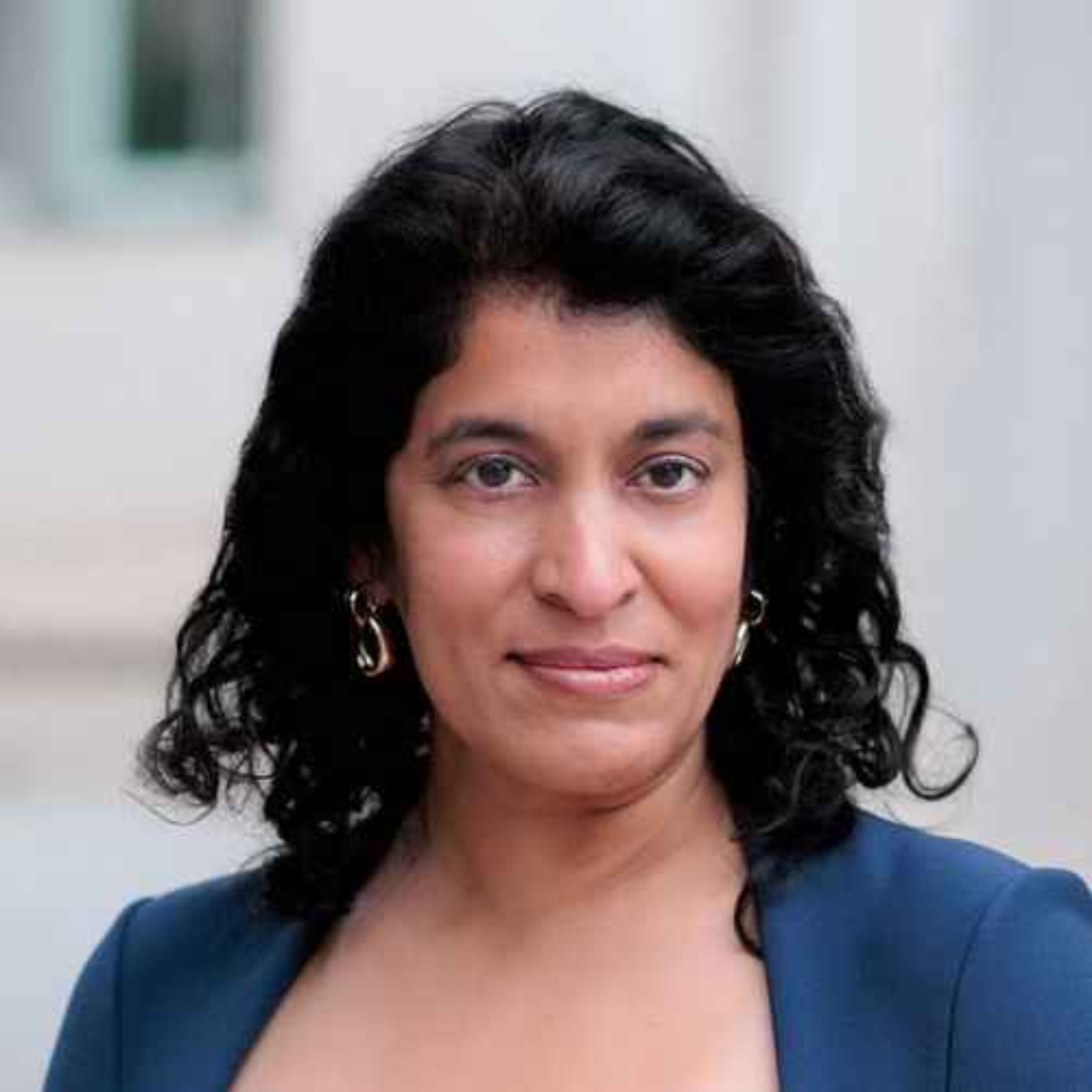
Sheila Warren is a lawyer who has been at the cutting edge of technology governance throughout her career - from Crypto to AI. She compares tech billionaires rewriting their own histories to a TV show retconning its first season, and they are not doing a convincing job of it. I met Sheila at the Conference on World Affairs in April, where she shared some of her thoughts about friction that I found incredibly intriguing. She has worked across civic tech, crypto, and AI governance, and she now chairs the Advanced AI Society, which works on ways to verify what AI systems do. We talk about why the real AI risks are process failures and not Skynet. We also talk about what happens to responsibility when we start treating AI agents like people. Then we get to friction, and Sheila makes the case that the struggles we automate away, from tying shoelaces to fighting it out in a boardroom, are how we essential for us to learn and to stay human. I tried to convince her of the joys of adaptive cruise control, and I'm still not sure where that argument ends. Hosted on Acast. See acast.com/privacy for more information.
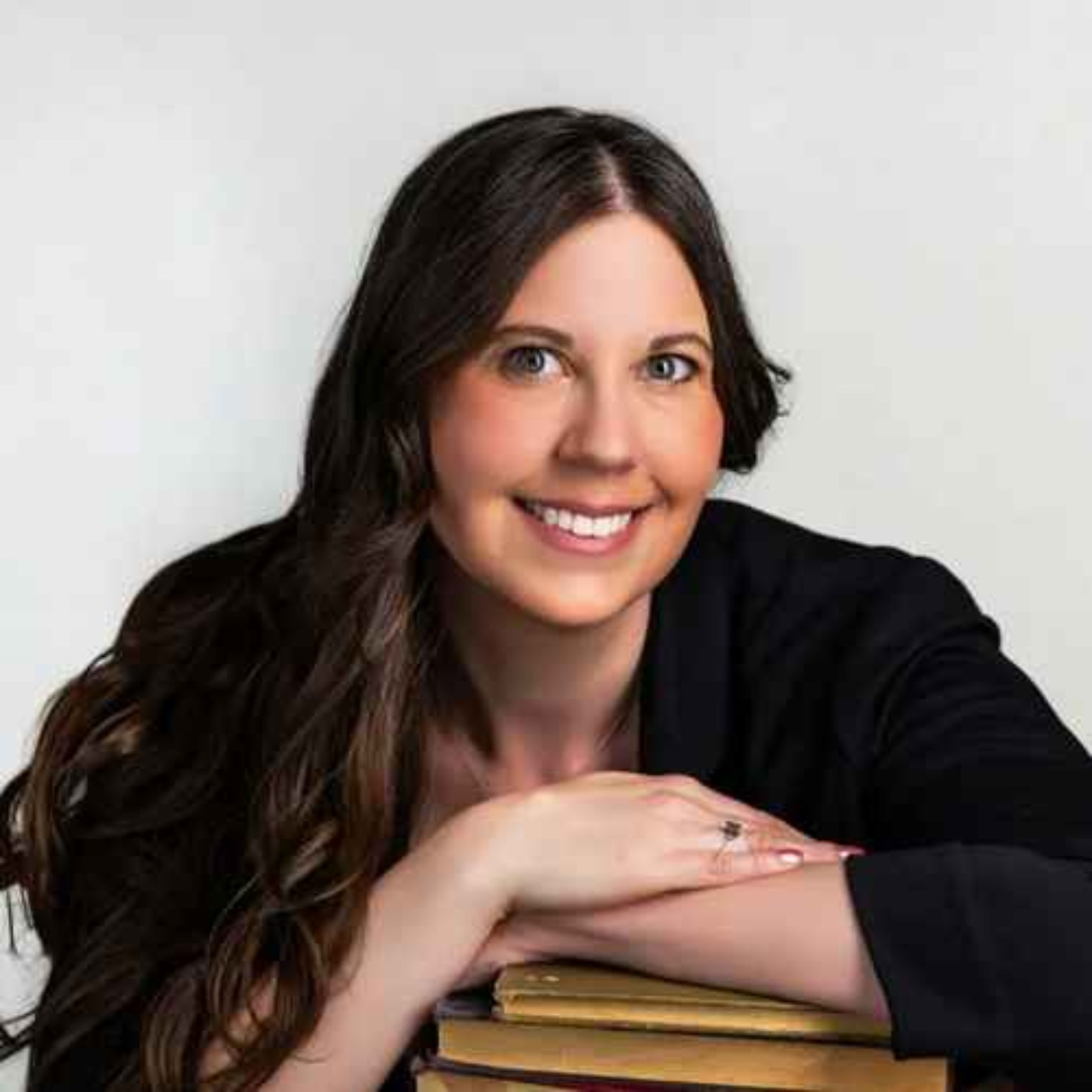
Krista Hanley got out of Columbine High School quickly. She didn't see the worst of it, and she wasn't close friends with anyone who died. For years, she took that as proof she had no story to tell - of course, that was never the truth. I met Krista during a self-defense class I signed up for, and later I volunteered with her as an assistant instructor for many years. So, I've known her in the space of being both adrenalized and intensely vulnerable. I've known that she was a Columbine survivor for a long time, but we've never talked about it in detail. I waited a long time to read her memoir, How to Survive a Mass Shooting: A Columbine Memoir. I found it to be incredibly powerful, providing insight to the insidious ways trauma takes over the life of a teenage girl - while she struggles with the intensity of survivors' guilt and still being a teen needing to navigate her life and future.We talk about the writing group that convinced her that her story was important to tell and that she did, indeed, have a book. We also talk about the padded-suit self-defense classes where, she says, she wasn't replaying her trauma but fighting "the silence and the hurt and the guilt and the grief and the shame." Then we get into the harder questions. How does picking up a gun change a person? Why do we keep asking survivors, including the Parkland students, to fix what adults won't? There's so much in this conversation that I haven't finished thinking about it. Hosted on Acast. See acast.com/privacy for more information.
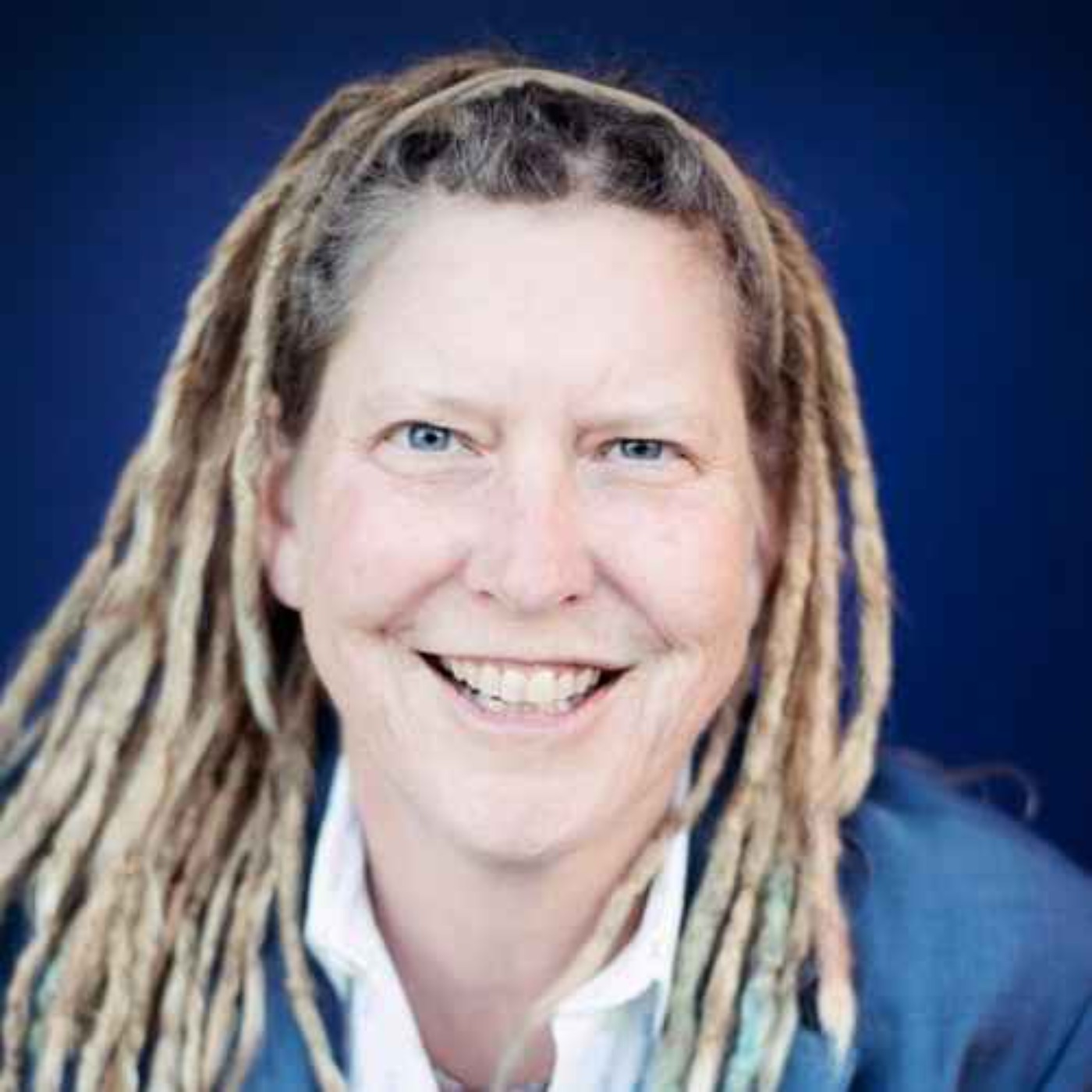
Ronica Roth has elephants all over her house now, and after this conversation I have them running through my head. Ronica co-wrote Practice Makes Culture with Christine Hudson, and has spent 25 years helping leaders change culture, often sneaking it in under the label of agile adoption because culture wasn’t what anyone wanted to buy. We talked about the elephants organizations refuse to see: the system nobody sees whole, the emotions we pretend we left at home, and the stories everyone knows and no one speaks. I thought about the elephant sanctuary I visited in South India, and the mahouts who never take the animal’s size for granted - much as we cannot take our emotional elephants for granted. Ronica argues that culture shifts through small practiced behaviors, like having an accountabili-buddy or a leader who agrees to stay quiet in his own meeting, and not through the all-hands announcement. Then we got to AI and the stress it brings, where she calls herself curious and terrified. Humans sit at the center of every change, and telling people about a change is not the same as making room for them to engage with it. I keep thinking about her point that learning prompts is easier than caring for the elephants, and I wonder why so many organizations will choose the easier one. Hosted on Acast. See acast.com/privacy for more information.
Timothy Cook teaches third grade in Amman, Jordan, and has taught in five countries so far. His knowledge of childhood development is grounded in working directly with 9-year-olds in the classroom as well as collecting stories from colleagues who teach children of various ages. In our conversation, Tim shares some of the activities he uses to understand how kids are affected by the various technologies that are at their disposal now. For example, he ran a boat-building experiment with his students in 2013 and again last year, providing real insight into what children do when left to figure something out for themselves. We also talk about cognitive foreclosure — when a child misses the key developmental windows for building skills because AI cuts the learning process short. We also get into whether it matters if harm comes from actual bad actors or is due to a lack of consideration of factors that disrupt young people's development. We talk about cognitive privacy, the surveillance problem in schools, and why the question of what assessment is for has become suddenly urgent. Finally, Tim shares some ways to use AI that keep children thinking and trying. Timothy's book Built to Think is forthcoming from MIT Press, and this conversation is a good early look at why it matters. Hosted on Acast. See acast.com/privacy for more information.
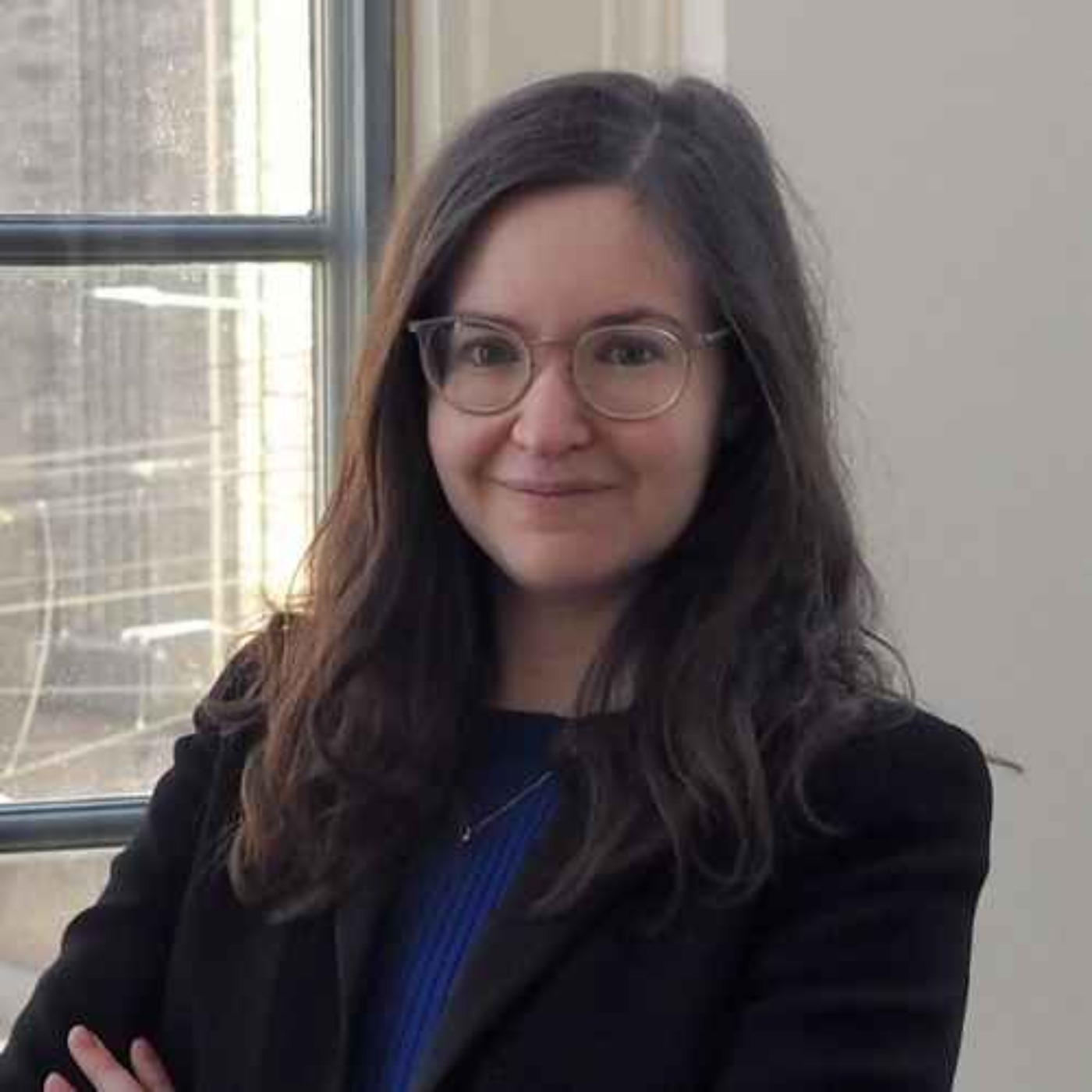
Sofia Romansky studies AI ethics in the military domain, which sounds like a narrow specialty until she explains what that actually covers: not just autonomous weapons, but every decision-support system informing every level of a military command structure. She asks important questions about human accountability when the judgment call has been pre-digested by a large language model before it reaches the person responsible for making decisions. I met Sofia at the Conference on World Affairs in Boulder, and I've been wanting to have this conversation ever since. We discuss automation bias, the war-bias how the dominant language of AI (English) has a bias towards going to war, and Responsibility by Design (noting responsibility has to be part of the design and cannot be assumed). Sofia is not an AI pessimist, she says, but she has healthy doubts — and her reasons have less to do with the technology than with what she's watching us do with it. Hosted on Acast. See acast.com/privacy for more information.
loading
Comments