


 Claim Ownership
Chung Huong Institute Podcast
Subscribed: 0Played: 0
Subscribe

© Chung Huong Institute ®
Description
Chung Huong Institute (CHI) is a 501(c)3 nonprofit foundation with a mission to forge a transformative bridge between the ancient wisdom of Buddhism and the empirical insights of psychology and neuroscience. CHI is dedicated to empowering individuals and communities through mindful education and compassionate practices, informed by scientific understanding. CHI's inclusive approach invites a global dialogue, fostering personal growth and a deeper collective consciousness.
33 Episodes
Reverse
0:04 Introduction to Communication12:05 The Role of AI in Communication31:40 The Importance of Preparation42:28 Engaging Your Audience46:13 Where to Find Dr. ChurchillIn this episode, we speak with Dr. Andrew Churchill, a communication expert, about effective speaking in academia. We explore his journey from a challenging graduate instructor experience to developing a passion for transformative communication. Dr. Churchill emphasizes the impact of technology and AI on our communication skills and discusses his audience-centric approach to presentations, focusing on crafting a core message and employing innovative visual aids. We also touch on building confidence through practice and the importance of engaging the public for academic support. Listeners are encouraged to visit presentbetter.org for more resources on effective communication.Since 2014, Dr. Churchill’s work has been focused on helping academics present and entrepreneurs present and pitch more effectively. This work has included running workshops and coaching both researchers and research-based start-ups. He helps presenters identify the most important aspects of their message, figure out how to wrap that message in a story that will connect, and learn to deliver it with a credibility-inspiring clarity. His formal education includes a PhD in curriculum development from McGill University, an MBA from the University of New Hampshire and a BA in psychology from Cornell University. He has been the speaker coach for over 200 events, delivered over 1,000 workshops, and worked with over 10,000 researchers.
0:07 Journey to Purpose0:11 Finding Direction in Life0:59 Introduction 3:14 Embracing Continuous Learning4:03 Navigating Toxicity in Academia5:23 The Power of Compassion7:23 Understanding the 'Why'8:07 The Theme of Light9:33 Evolving Aspirations10:43 Inspiring Greatness in Others12:20 Challenging Authority in Academia16:21 Balancing Science and Self-Care18:34 The Price of Ambition22:55 Quality Over Quantity in Relationships24:22 The Art of Focus27:30 Meditation as a Tool for Success31:05 Overcoming Fear and Imposter Syndrome34:11 The Power of Recognition36:56 Breaking the Chains of Perfectionism38:27 Upskilling for the Future40:36 Bridging Academia and Industry41:12 Inspiring the Next Generation43:31 Questions as the New Answers46:36 Following Your Passion49:14 Text Mining Insights51:12 Connection OpportunitiesJoin us for a powerful conversation with Prof. Samira Hosseini, a leader in modern science, educator, and mentor whose journey through physics, biomedical engineering, and the social sciences has shaped a unique and inspiring perspective on purpose, growth, and life in academia and beyond.In this episode, we explore:✨ The power of utilizing the strategy of a “theme” instead of a dream✨ How to stay aligned with your purpose in competitive academic environments✨ The importance of emotional well-being and mentorship in research✨ Why humility and openness fuel true collaboration and innovation✨ The evolving landscape of education—and why asking better questions matters more than ever✨ How adaptability, financial literacy, and cross-sector collaboration can empower the next generation of researchers, thinkers, and overall humans.Prof. Hosseini’s honesty and insight make this episode a must-listen for students, academics, and anyone seeking a more intentional approach to personal and professional growth. Her story is a reminder that pursuing a meaningful life is within reach for anyone willing to embrace curiosity, uncertainty, and purpose.🎧 Tune in and let yourself be inspired.Prof. Samira Hosseini holds a BSc in Applied Physics, an MSc in Polymer Chemistry, and a PhD in Biomedical Engineering. She completed her postdoctoral training at the Research Laboratory of Electronics (RLE) at the Massachusetts Institute of Technology (MIT) in the United States.Prof. Hosseini served as Director of the Writing Lab at the Institute for the Future of Education at Tecnológico de Monterrey, where she led initiatives in educational research, faculty development, and publication strategy. She also held a Research Professor appointment at the School of Engineering and Sciences at Tecnológico de Monterrey. She is currently a Visiting Professor at Universidad de Huelva in Spain.She is a Senior Member of the Institute of Electrical and Electronics Engineers (IEEE) and a member of the IEEE Education Society. Her research team has received multiple recognitions, including the Best Invention of the Year award from the Convocatoria Programa Jalisciense de Fomento a la Propiedad Intelectual, granted by the government of Guadalajara, Mexico. She was also the recipient of the Hero of the Year award for her outstanding contributions to scientific production and faculty training.FIND PROF. SAMIRA HOSSEINI TODAY:Life-changing Program: https://samirahosseini.com/home/Meet In-Person: https://samyrad.com/

0:06 A Journey of Hope and Resilience7:20 Embracing the Struggle13:59 Finding Peace Amidst Chaos15:19 Overcoming Fear18:26 The Weight of Friendship22:53 Letting Go of Toxicity28:29 Living and Dying33:25 Advice for Future Generations35:51 Cultivating Compassion In this powerful episode, we delve into a poignant conversation with Maria Kelley, a resilient mother and cancer survivor, reflecting on her journey since being diagnosed with stage four lung cancer eight years ago. Maria shares the profound impact of her experience, expressing that despite the challenges, she found a renewed appreciation for life—embracing small moments and everyday beauty that often go unnoticed. She highlights how this journey has shifted her perspective, guiding her to focus on self-awareness, empathy, and emotional intelligence. Maria discusses the role of purpose in her healing process, emphasizing that finding and nurturing one’s purpose can be a significant part of coping with chronic illness. She recalls her initial rebellious phase post-diagnosis, where she grappled with her identity and purpose beyond being a mother. Ultimately, she made the courageous decision to pursue graduate school, a choice that reignited her passion and gave her the motivation to keep moving forward despite her struggles. Addressing the loneliness that often accompanies terminal illnesses, Maria sheds light on the importance of spreading hope and awareness about the realities of living with late-stage cancer. She candidly acknowledges the common misconception that people with chronic illnesses are always visibly sick, which can lead to feelings of isolation. Maria reflects on the need for connection and support, particularly in a society that can often overlook the emotional toll of long-term illness. Maria discusses the significance of solitude in her life, recognizing it as an influential teacher that has prepared her for the emotional landscapes shaped by her diagnosis. Maria shares her insights on how to confront fear, asserting that acknowledging and accepting life’s uncertainties can lead to a deeper understanding of joy and living authentically.Through her narrative, Maria delivers a heartfelt message about living life without regrets, urging you to embrace your time here fully, and to approach each day as a chance to create meaningful experiences. She emphasizes the wisdom found in acknowledging both the beauty and fragility of life, concluding with a reminder to prioritize connection, presence, and kindness as we navigate our human experiences. This conversation serves as an inspiring testament to the power of resilience and the importance of living each moment intentionally.Who is Maria? Maria Kelley was born in France before moving to California, where she lives today. The West Coast's energetic atmosphere and French cultural heritage have shaped Maria Kelley into a woman who embodies both strength, elegance, and warmth.Maria has fought stage 4 lung cancer for the past eight years. She meets each day with unyielding bravery and complete commitment to experience life to its fullest, despite the overwhelming challenges she faces. Her courageous spirit continues to motivate those who know her while she proves the odds wrong through her remarkable journey of strength and determination.Maria Kelley holds the belief that people should focus on the present moment. She welcomes life with complete acceptance through her activities, which include spending time with family and friends, discovering new interests, and watching sunsets at the ocean. Her life story demonstrates how people can overcome challenges through their inner strength and maintain hope, proving the remarkable capabilities of human beings.
0:02 How to Practice Well1:00 The Core of Buddha's Teaching4:57 Five Domains of Practice7:34 The Dangers of Diverse Practices11:04 Understanding Siddhis and Power13:13 Ethical Conduct in Practice15:24 Balancing Compassion and Joy17:52 Finding Hope in Action 23:28 Maintaining a Beginner's Mind25:24 The Importance of the Ordained Sangha30:16 Reflections on Old Age and Death40:18 Advice for Monastics on the PathIn this episode, we engage with the Most Venerable Bhikkhu Bodhi, who offers deep insights into Buddhist practice within today's complex spiritual climate. He highlights that true practice transcends mere meditation, focusing instead on five essential domains: faith, ethical conduct, generosity, learning, and wisdom. Ven. Bhikkhu Bodhi emphasizes the need for devotion towards the Triple Gem and the importance of ethical living through precepts. He discusses how generosity and the pursuit of knowledge contribute to rigorous practice, while cautioning against the pitfalls of mixing multiple meditation styles. Addressing the challenge of maintaining compassion in a chaotic world, he offers strategies for cultivating loving-kindness and shares ways to engage meaningfully with efforts like Buddhist Global Relief (https://buddhistglobalrelief.org). This conversation illustrates a holistic approach to Buddhism that encourages continuous growth rooted in community and humility.
0:07 What are some other stories that aren't being told? 5:19 What's an exceptional experience?8:59 How did you get into parapsychology?11:04 Can parapsychology promote healing?12:53 Science and ideology in parapsychology.16:32 Rethinking disciplinary boundaries.26:10 The power of mindfulness practice.30:49 Dealing with academic pushback.In this episode, Professor Jacob Glazier, an expert in psychology and parapsychology, discusses the concept of PSI and the importance of recognizing exceptional human experiences as valid phenomena. He shares his journey into parapsychology and emphasizes the need for an inclusive approach within the discipline, integrating various psychological paradigms. We explore mindfulness in education, its potential for personal growth, and the challenges faced by researchers in fringe fields. Ultimately, Professor Glazier advocates for a reevaluation of how we understand exceptional experiences, encouraging a more holistic and compassionate perspective on human well-being.Who is Dr. Jacob W. Glazier? In addition to being a research faculty member here at Chung Huong Institute's Mind-Brain Contemplative Lab, let's learn about Dr. Glazier. Dr. Jacob W. Glazier, PhD, LPC, NCC, has a doctoral degree in Psychology: Consciousness and Society from the University of West Georgia. He has his Master of Science in Education in Clinical Mental Health Counseling degree from Western Illinois University and a Bachelor of Arts in Philosophy and Psychology degree from Augustana College. Dr. Glazier is an Assistant Professor of Psychology in the School of Social Sciences at the University of West Georgia.His research revolves around critical theory, subjectivity, and exceptional experiences. He also practices psychotherapy. Dr. Glazier’s work has been published in academic journals that include Psychoanalysis, Culture & Society, Subjectivity, Mortality, Critical Horizons, Rhizomes, Journal for Cultural Research, and others. He is the author of Arts of Subjectivity (2020) and editor of the PA Book Award-winning Paranormal Ruptures (2023). He is currently working on his next book for the series, Concepts for Critical Psychology: Disciplinary Boundaries Re-thought for Routledge. In addition, Dr. Glazier is the Lead Editor of Mindfield: The Bulletin of the Parapsychological Association. He is also the co-coordinator of the annual Bill Roll Lecture at the University of West Georgia.
00:07 Expertise in Emotion and Compassion2:59 Career Path to Facial Expression5:24 Blending Science with Mindfulness7:23 Defining Mindfulness8:32 Personal Impact of Emotional Study17:03 Navigating Emotional Reactivity20:43 The Importance of Common Humanity25:49 The Role of Community in Connection25:57 Understanding Feelings vs. Emotions35:04 The Value of Emotional Intelligence41:07 Parenting Through Disturbing EmotionsIn this episode, we speak with Dr. Erica Rosenberg about the interplay between facial expressions, emotions, and compassionate communication. Drawing on insights from my poker background, we explore how emotional awareness enhances interpersonal connections. Dr. Rosenberg shares her journey in health psychology and neuroscience, emphasizing common humanity and the importance of mindfulness in today's polarized society. We discuss the impact of social media on emotional intelligence, particularly among younger generations, and she offers practical guidance for navigating difficult emotions with kindness and compassion.Erika Rosenberg, Ph.D. is a scientist, author, and educator who seeks to help people understand themselves and one another better, connect with one another, find peace and joy in life, and suffer less. Erika is a co-creator of the Compassion Cultivation Training (CCT) program at Stanford University, with lead author Thupten Jinpa, Founding Faculty at The Compassion Institute, and faculty at The NyingmaInstitute, Berkeley. Erika has taught at places as diverse as Google, Inc., Lerab LingMonastery, LucasFilm, Upaya Zen Center, Esalen Institute, and Burning Man. Erikais also experienced in psychedelic harm reduction and psychedelic integrationthrough such programs as the Zendo Project and the Psychedelic Sangha, NYC.Dr. Rosenberg’s academic work focuses on the study of emotion, emotionexpression and contemplative science. At the Center for Mind and Brain at UC Davis, Erika Rosenberg is a member of the Saron Lab, which conducts multi-disciplinary, pathbreaking research in contemplative science. Erika is an expert in human facial expressions and the Facial Action Coding System, with clients in academia, industry, and the arts, worldwide. Her books include What the FaceReveals (with Paul Ekman, now in its 3rd edition) and the widely used IntroductoryPsychology text, Psychology: Perspectives & Connections, now in its 6th edition). Dr.Rosenberg’s published scientific work on facial expression span basic affectivescience on research on emotional processes, social psychological research onfacial expression recognition, studies of the effects of meditation on emotionalbehavior, and health psychological risk factors for heart disease.
Tired of the same story repeating without end? What if it is the story of trauma gone wild? Have you heard of intergenerational trauma? Kini Chang is the Department Chair and Associate Professor of the Master's in Counseling Psychology, Community Mental Health at the California Institute of Integral Studies in San Francisco. She is a practicing licensed psychotherapist with a private practice in Oakland, CA. In addition, she is pursuing a Doctorate in Philosophy and Transformative Studies. Her expertise is in liberation psychology, working with the trauma associated with intergenerational and multigenerational impacts, immigrants and children of immigrants, decolonial practices and Indigenous justice, confronting systemic oppression and social inequity, addressing community violence, education on juvenile justice reformation, and healing abuse, attachment, and traumatic grief and loss.Her roles as educator, activist, and healer are guiding principles in her work in the community. She advocates for integrating holistic and nontraditional wellness and medicine into healthcare to offer alternative and culturally accommodating services. Kini's friends and colleagues describe her as warm, caring, and has the best laugh. Her favorite hobbies are traveling, taking in the sounds of nature, trying new foods, dancing, creating art, and spending time with her two little fur babies.
In this episode, we sit down with Dr. Andrew Holecek and examine the relationship between meditation, non-duality, and their transformative potential. Andrew Holecek introduces reverse meditation, which encourages confronting discomfort to reveal deeper truths and accelerate spiritual growth. We clarify the accessibility of non-duality through present experiences, emphasizing intention in meditation while cautioning against seeking validation from external teachers. Andrew shares a perspective of the three Buddhist wisdom tools—hearing, contemplating, and meditating—to facilitate genuine understanding and stresses that authentic learning requires integration of personal experience. Andrew emphasizes the significance of community in spiritual journeys, encouraging listeners to engage in shared experiences for a deeper connection and greater insight.2:11 Understanding Reverse Meditation6:29 The Nature of Non-Duality9:25 The Art of Contemplation14:04 The Essence of Spiritual Practice25:01 Navigating Teacher Relationships32:28 Projecting Our Shadows38:29 The Balance of Love and Wisdom52:13 Rituals and Teacher Insights55:22 Steps to Dream Yoga58:00 Closing Thoughts and Resources
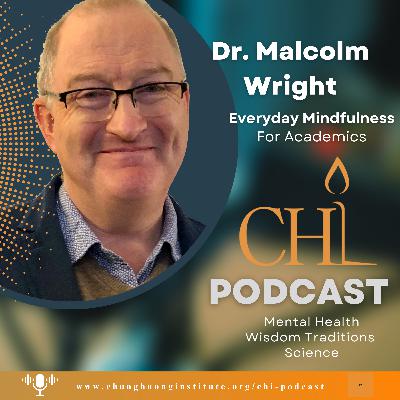
In this episode, we engage with Professor Malcolm Wright, an expert in marketing and mindful research, as he shares insights from his diverse career in cognitive science and mindfulness research. We explore the impact of trauma on behavior, emphasizing the need to confront rather than mask emotional triggers. Malcolm discusses how mindfulness can disrupt unproductive clinging behaviors, enhancing personal growth and decision-making processes. He highlights the importance of mindful data collection in marketing and warns of the complexities surrounding the integration of mindfulness into education, stressing the potential mental health implications. Throughout our conversation, Malcolm encourages a balance of academic rigor and innovative thought, providing resources for further exploration of his work at the nexus of marketing, mindfulness, and cognitive science.
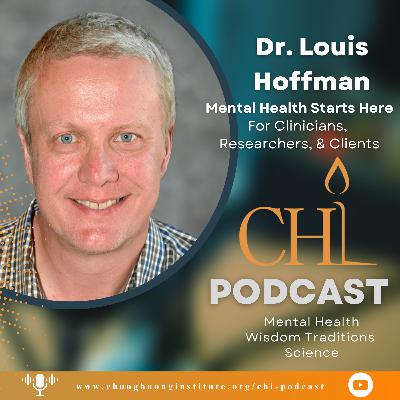
In this episode, we speak with Dr. Louis Hoffman, Executive Director of the Rocky Mountain Humanistic Counseling and Psychological Association. We explore the complexities of mental health, emphasizing the importance of confronting suffering as a means of personal growth. Hoffman discusses the balance between humanistic ideals and existential challenges, highlighting self-awareness, community support, and the issue of therapist burnout. He advocates for integrating evidence-based practices in existential humanistic therapy and shares insights from his recent publications, inviting listeners to engage further in fostering personal and collective healing. This is a must-listen for the psychotherapist, psychologist, clinical counselor, or anyone seeking mental wellbeing. 0:07 Introduction to Mental Health Perspectives0:14 The Role of Humanistic Psychology5:55 Facing Pain and Suffering8:05 Finding Hope in Community9:57 Understanding Existential Crises19:22 The Power of Hope in Therapy23:39 Trusting Clients and Their Potential35:27 Integrating Evidence-Based Practices40:31 Rethinking Rigorous Research in Psychology42:04 How to find Dr. Louis HoffmanWho is Dr. Louis Hoffman? Louis Hoffman, PhD, is the Executive Director of the Rocky Mountain Humanistic Counseling and Psychological Association and a psychologist in private practice. An avid writer, he authored/edited 28 books and over 100 journal articles and book chapters. His books include Case Formulation in Existential-Humanistic Therapy, The Evidence-Based Foundations of Existential-Humansitic Therapy, Becoming an Existential-Humanistic Therapist, Eros & Psyche: Existential Perspectives on Sexuality, and the forthcoming two volumes, the APA Handbook of Humanistic and Existential Psychology. He has been recognized as a Fellow of the American Psychological Association and 6 of its divisions (1, 10, 32, 36, 48, 52) for his contributions to professional psychology. In 2021, he received the Rollo May Award from the Society for Humanistic Psychology. Dr. Hoffman is the co-chair of the Fourth World Congress of Existential Therapy, which will be held in Denver/Aurora, Colorado June 3-6, 2026. Outside of his professional work, he enjoys bicycle riding, hiding, spending time with his dogs, poetry, and deep conversations with friends.
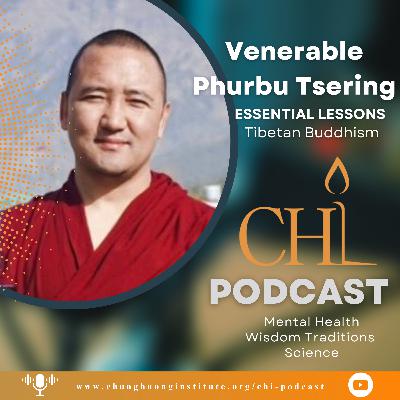
In this episode, Ven. Tsering shares his experiences and insights as a Venerable monk, reflecting on the profound journey of monastic life and the motivations behind his ordination. Ven. Tsering explores the essential duality of wisdom and compassion in Buddhist teachings, emphasizing their importance in Tibetan Buddhist practice. The conversation explores the practical application of these principles in everyday life, encouraging listeners to cultivate awareness and acceptance in the face of challenges. Venerable clarifies the essence of karma as rooted in intention, and I provide an overview of the four main traditions of Tibetan Buddhism while connecting his practice to the Sakya lineage. He discusses the transformative process of deity visualization and addresses misconceptions about spiritual titles. The talk concludes with a commitment to foster enlightenment, highlighting that spiritual growth is an ongoing journey relevant to all.WHO IS OUR SPEAKER?Ven. Phurbu Tsering is a fully ordained Tibetan Buddhist monk, senior lecturer, and accomplished scholar of Buddhist philosophy. Born in Spiti Valley, he began monastic life at fifteen. He completed over a decade of rigorous study at Dzongsar Khyentse Chökyi Lodrö Institute in India—one of the most prestigious Buddhist universities—earning the Lopon (Teacher) degree, equivalent to a Ph.D.For over a decade, Tsering has taught core subjects, including Madhyamika, epistemology, logic, and Abhidharma. He has lectured widely, guided group meditation retreats, and held a two-year visiting scholar position at Naropa University in Colorado. Currently, he teaches young monks and nuns in Spiti Valley.Tsering is committed to preserving the ancient wisdom of Tibetan Buddhism through modern approaches: training monastic teachers, reforming curricula, and participating in translation projects such as Dzongsar Khyentse Rinpoche’s 84000 initiative. Fluent in Tibetan, Hindi, and English, he has translated teachings for revered Rinpoches in India, Singapore, and Brazil, and presented research in multiple languages at seminars.Deeply rooted in practice, he has received the Kalachakra empowerment seven times, the complete Kangyur transmission, and in-depth Vajrayana teachings. His vision is to bridge traditional wisdom with contemporary needs, offering guidance to both Eastern and Western students on the path of authentic Buddhadharma and meditation.Tsering’s work embodies his deep aspiration to alleviate suffering, foster spiritual understanding, and preserve the living heritage of Tibetan Buddhism for future generations.
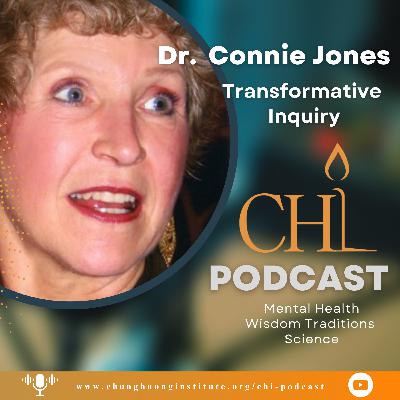
In this episode, Connie, an experienced educator and sociologist, shares her profound insights into self-inquiry and transformative learning. We explore her extensive teaching career, highlighting the importance of authentic connections and presence in the classroom. Connie discusses her philosophical journey from Western religious studies to Eastern thought, emphasizing self-observation as a critical tool for personal growth. As the conversation unfolds, she addresses the impact of modern culture on consciousness, advocating for mindfulness and active engagement to combat passive perception. Connie offers practical advice for nurturing compassion and empathy in academic settings and introduces the idea of "consciousness salons" for collective explorations of personal growth. This episode serves as an invitation for listeners to embark on a transformative journey guided by Connie's rich experiences in education and spirituality.0:04 Introduction to Self-Inquiry0:40 The Journey of Teaching7:41 Discovering Spiritual Paths12:35 The Importance of Self-Inquiry16:46 Understanding the Ego18:40 Embracing the Truth20:27 The Challenge of Silence23:34 Changing Perspectives on Conditioning27:03 Breaking Free from Conditioning30:23 From Reaction to Response33:03 Exploring Gurdjieff's Teachings36:40 Bridging Science and Spirituality39:17 The Power of Dialogue43:49 Finding Compassion in Academia48:13 Meeting the Teacher54:19 Continuation of LearningConstance A. Jones, Ph.D., is a sociologist of religion who does research on spiritual teachers as well as Hindu and Buddhist movements around the world. Beginning with her doctoral dissertation on the caste system in India, she has pursued a long interest in the cultures and religions of the East, including the adoption of Hindu and Buddhist beliefs and practices in the West.Throughout her career in higher education, she has helped establish women’s studies departments and curricula in several colleges and universities and has published research on women’s status in India and feminist methods.She has been a member of a multidisciplinary team of scholars that investigates new religious movements around the world and has published articles on several movements that are based on Hindu and Buddhist beliefs and practices. Her work includes several scholarly positions, including Assistant Editor of Melton’s Encyclopedia of American Religions for Eighth through Tenth editions; International Advisory Board, Gurdjieff Institute for the Harmonious Development of Man (2017- present) Tbilisi, GEORGIA; Publications Committee, Krishnamurti Foundation of America (2018-present), Ojai, CA.
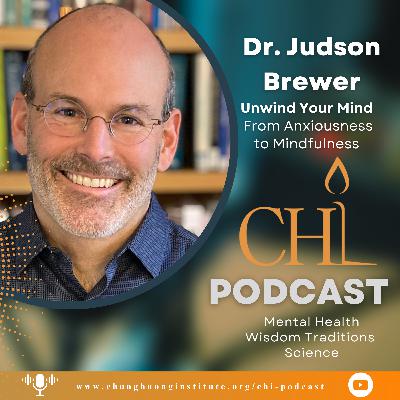
Anxiety, Craving, Clinging, Mindfulness...and way more... get inspired with @DrJud !Jud Brewer, MD, PhD (“Dr. Jud”), is a New York Times best-selling author and a leading authority on habit change and the science of self-mastery. With over 25 years of mindfulness training combined with scientific research, he serves as the Director of Research and Innovation at the Mindfulness Center and as a professor at Brown University. An internationally recognized psychiatrist specializing in mindfulness for addiction, Dr. Jud has developed innovative mindfulness programs—both in-person and app-based—for smoking cessation, emotional eating, and anxiety. He has investigated the neural mechanisms of mindfulness using standard and real-time fMRI and EEG neurofeedback. He has trained U.S. Olympic athletes, coaches, and foreign government ministers. His work has been featured on “60 Minutes,” TED (one of the most-viewed talks of 2016 with over 20 million views), The New York Times, Time magazine, Forbes, BBC, NPR, Al Jazeera, Businessweek, and more. Dr. Jud founded MindSciences—now part of Sharecare Inc.—to bring his discoveries directly to consumers. He also co-founded Mindshift Recovery, a nonprofit aiding those suffering from addiction. He is the author of The Craving Mind (Yale University Press, 2017), the New York Times bestseller Unwinding Anxiety (Avery/Penguin Random House, 2021), and The Hunger Habit (Avery/Penguin Random House, 2024). For more information, visit www.drjud.com.#motivation #inspirationalstory #cravingcontrol #unwindinganxiety
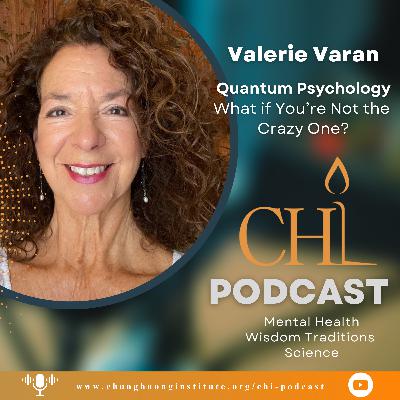
Quantum psychology meets transpersonal psychology, Eurocentric psychology, and modern life. Let’s wake up to this! Valerie Varan is a Colorado Licensed Professional Counselor and National Certified Counselor. As a lifelong spiritual experiencer and quantum psychology pioneer, she is bridging the latest in quantum/information science with psychology and spirituality. She is author of the self-help book, Living in a Quantum Reality: Using Quantum Physics and Psychology to Embrace Your Higher Consciousness, and is co-author on a new book with quantum engineer Doug Matzke, PhD. Currently, Valerie is residing in Florida, where she offers holistic coaching and specializes in helping others integrate their transpersonal experiences.
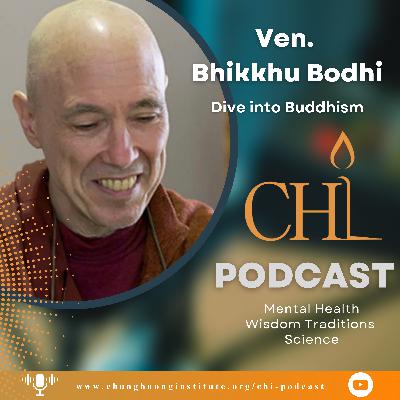
The Most Venerable Bhikkhu Bodhi shares his journey into Buddhism, beginning with encounters that led him to practice and eventually ordain as a monk. We had a chance to discuss his work translating Buddhist texts and his interpretation of key teachings like dependent origination, while sharing personal experiences with managing chronic pain through equanimity and mindfulness and much more. Take a peak!Ven. Bhikkhu Bodhi is an American Buddhist monk originally from New York City. He holds a PhD in philosophy from Claremont Graduate University (1972). After completing his university studies he traveled to Sri Lanka, where he received novice ordination in 1972 and full ordination in 1973, both under Most Ven. Balangoda Ananda Maitreya Maha Nayaka Thera. From 1984 until 2002 he was the editor for the Buddhist Publication Society in Kandy, and its president from 1988 until 2010. Ven. Bodhi has many important publications to his credit, either as author, translator, or editor. His most recent publication is Noble Truths, Noble Path: The Heart-Essence of the Buddha’s Original Teachings (2022). Ven. Bodhi lives and teaches at Chuang Yen Monastery in upstate New York. In 2008, together with several of his students, he founded Buddhist Global Relief, a nonprofit supporting hunger and poverty relief for poor communities around the world.
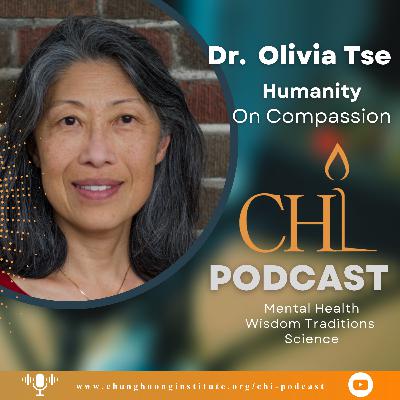
In this episode, we delve into the transformative power of compassion in healthcare with Olivia, who previously served as the Assistant Dean of Resident Affairs and co-director of a pediatrics program at the Montreal Children's Hospital. After stepping away from these roles, Olivia has dedicated herself to studying compassion practice and embodiment training. Her mission is to reinvigorate healthcare by integrating these essential practices back into clinical settings, particularly for the benefit of both providers and patients.Olivia discusses her journey, highlighting the challenge of being fully present amidst the demands of medical responsibilities. She emphasizes the pressing need for an awareness of compassion in the healthcare environment, noting common misconceptions about what compassion truly entails. With plans to introduce a session for hospital leaders focused on the importance and science of compassion, Olivia aims to foster a deeper understanding among physicians and healthcare professionals about the benefits of compassionate care for patient outcomes and provider wellbeing.We explore the concept of compassion as a multifaceted process that includes emotional and cognitive dimensions. Olivia clarifies what differentiates wise compassion from ignorance, emphasizing the importance of awareness and true listening. She introduces the term "empathy fatigue," a critical distinction made in the context of compassion fatigue, led by insights from neuroimaging studies. These studies show that engaging in compassionate responses can activate positive emotions, providing a buffer against the negative emotional toll often associated with empathic resonance.Throughout our conversation, Olivia explains the complexity of empathy, both in its emotional and cognitive forms, and how these contribute to our understanding of suffering. She articulates the ways in which compassion training can alleviate burnout among healthcare professionals by fostering deeper connections with patients and enhancing emotional resilience against the rigors of medical practice.Olivia also discusses the principle of common humanity, emphasizing our shared aspirations as individuals to find happiness and avoid suffering, despite external differences. This notion is particularly pertinent in today's divisive climate, where she encourages listeners to adopt a "just-like-me" practice to cultivate empathy and understanding for others.0:07 Introduction to Compassion3:13 Defining Compassion5:09 Wise vs. Ignorant Compassion6:50 Understanding Compassion Fatigue9:34 The Role of Empathy12:01 Preventing Burnout with Compassion16:51 The Concept of Common Humanity19:30 Personal Transformations Through Compassion28:29 Advocating for Compassion in Oppressive Systems32:12 Embodying Compassion for TransformationDr. Olivia Tse, a pediatrician trained at McGill University, has worked to provide care for children both in Montreal and in First Nations and Inuit communities of northern Quebec. She has also educated and mentored physicians-in-training for over 20 years. As a Director of the Pediatrics Residency Training Program and then as Assistant Dean of Resident Affairs in the Faculty of Medicine and Health Sciences at McGill University, she has taught the skills of mindfulness and compassion to medical and surgical trainees. Olivia has also facilitated seminars for practicing physicians and is a certified teacher of both Compassion Cultivation Training© and Mindful Practice® in Medicine. She is currently focused on teaching CCT to individuals while concurrently advocating for a top-down approach to compassion education within healthcare organizations.She travels extensively to learn about the natural world and different cultures, and maintains a love of singing, contributing at fundraisers and special events. #oliviatse #mcgilluniversity #compassioninaction
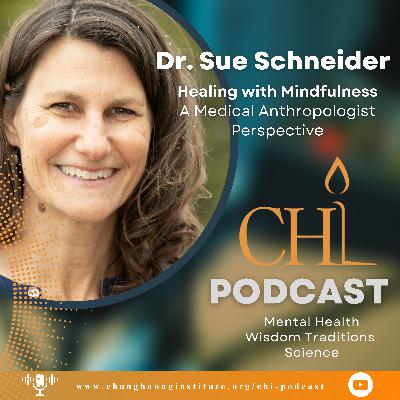
This interview features medical anthropologist, Dr. Sue Schneider, discussing the intersection of mindfulness, community health, and cultural healing practices. The speaker emphasizes the importance of intrinsic motivation and meditation in awakening inner wisdom and compassion. They share experiences from their research in Mexico and their long-term commitment to mindfulness practices, addressing common barriers such as societal distractions.The conversation explores the integration of mindfulness into public health initiatives in academic settings and examines the relationship between Western medicine and alternative healing traditions. The speaker advocates for a holistic approach to health that transcends symptom relief and highlights the transformative power of mindfulness in fostering self-awareness. The discussion concludes with reflections on the role of anthropology in understanding diverse cultural practices and the significance of internal observation for personal healing....0:05 Health and Healing Perspectives2:50 Personal Journey into Mindfulness5:41 Integrating Mindfulness and Community Health9:18 Overcoming Hurdles to Meditation12:51 Implementing Mindfulness Programs17:09 Understanding Healing Beyond the Physical18:53 Grounding Practices for Self-Awareness23:25 The Role of Medical Anthropology26:39 Trusting Instincts in Modern Culture30:04 Mindfulness in University Systems34:26 Healing in the Dying Process36:41 Anthropology's Broader Impact...Who is Sue?Sue Schneider, Ph.D., is a medical anthropologist, integrative health coach, certified meditation instructor, and author with a passion for supporting individuals and communities in their pursuit of health and healing. She leads community health and wellness initiatives across Colorado as an Extension Professor and Sate Health Specialist with Colorado State University’s Office of Engagement and Extension. Sue has taught mindfulness meditation to thousands of students in university and community settings over the last 12 years and she is the author of Meeting the Moment with Kindness: How Mindfulness Can Help Us Find Calm, Stability, and an Open Heart published by Collective Ink. Sue lives in Fort Collins, Colorado with her husband, teenage son, and two dogs.
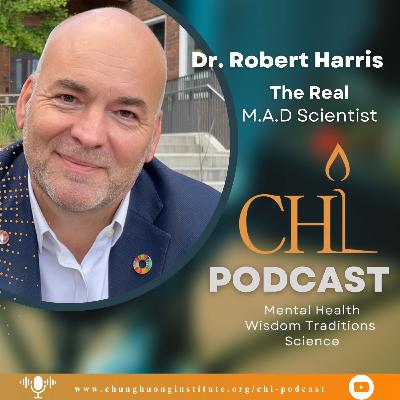
Ever wondered what makes one a real #madscientist or a real #madman ?!You might be surprised to find out it’s part of you. 👀Professor Robert Harris has been Academic Vice President for Doctoral Education since 2019 at Karolinska Institutet (KI). Prof. Harris completed his undergraduate training at Portsmouth Polytechnic (UK) in 1987, his postgraduate training at University College London (UK) in 1991 and was named Professor of Immunotherapy in Neurological Diseases at KI in 2013. Harris has previously served as Central Director of doctoral education at KI (2008-2018), working specifically with developing quality control for KI doctoral education through a variety of teaching and organisational activities, and also teaches widely at national and international institutions. He has also served as Director of doctoral education for the Department of Clinical Neuroscience (2005-2018). He was and Chairperson of the International Advisory Council at KI from 2019-2023. In 2014 he was one of two recipients of the KI pedagogy prize, the first to receive it for a contribution to doctoral education. Prof. Harris was also President of ORPHEUS (2015-2022; Vice-President 2013-2015), The Organisation for PhD Education in Biomedicine and Health Sciences in the European System, which aims to stimulate quality assurance of PhD research and education and to strengthen career opportunities for PhD graduates. In 2024, he was named the inaugural recipient of the FEBS Education award (Federation of European Biochemical Societies). Within ORPHEUS and FEBS, he has conducted workshops in PhD supervision training and leadership development at universities and research organizations all over the world Prof. Harris leads the research group Applied Immunology and Immunotherapy at the Centre for Molecular Medicine, a designated translational medicine centre at Karolinska Institutet. They conduct a strongly interconnected research programme aimed at using knowledge gained from projects in basic science to applications in a clinical setting, with focus on understanding why chronic inflammatory diseases of the nervous system occur, and then devise ways to prevent or treat them. Current focus is on Amyotrophic Lateral Sclerosis and Multiple Sclerosis. Prof. Harris has served as consultant to the Swedish biotechnology company Dia amyd Medical AB with whom he has numerous patents and developed a vaccine for treatment of Type 1 diabetes to Phase III clinical trials.
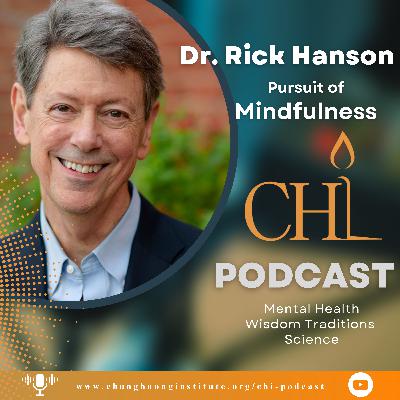
Dr. Rick Hanson sheds light into his own practice, the influence it’s had on himself, and teaches you what it means to live in a state of peace with wholesome means. Rick Hanson, Ph.D. is a #psychologist, Senior Fellow at @UCBerkeley ‘s Greater Good Science Center, and New York Times best-selling author. His seven books have been published in 33 languages, and include Making Great Relationships, Neurodharma, Resilient, Hardwiring Happiness, Just One Thing, Buddha’s Brain, and Mother Nurture – with over a million copies in English alone. He's the founder of the Global Compassion Coalition and the Wellspring Institute for Neuroscience and Contemplative Wisdom, as well as the co-host of the Being Well Podcast – which has been downloaded over 15 million times. His free newsletters have over 260,000 subscribers and his online programs have scholarships available for those in need. He’s lectured at NASA, Google, Oxford, and Harvard. An expert on positive #neuroplasticity , his work has been featured on CBS, NPR, the BBC, and other major media. He began meditating in 1974 and has taught in meditation centers worldwide. He and his wife live in Northern California and have two adult children. He loves the wilderness and taking a break from emails.
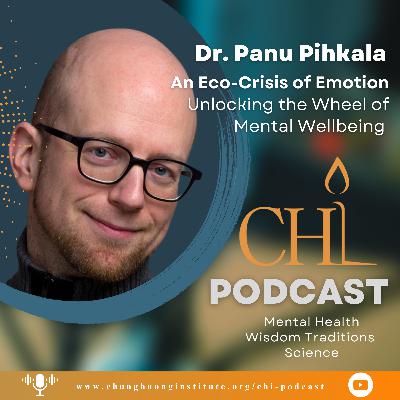
Panu Pihkala takes us on a rollercoaster through the waves of emotion in an ecological crisis. Panu is an adjunct professor (Title of Docent) of environmental theology at the Faculty of Theology in the University of Helsinki, Finland. Pihkala is the leading Finnish scholar in eco-anxiety research, and he is known internationally as an expert in interdisciplinary eco-emotion studies. Many of his research articles from the 2020s have over 40000 views and several hundred citations each. Pihkala has published two books in Finnish about eco-emotions and he was awarded several prizes for them, including the National Prize for Adult Education (Sivistyspalkinto) in 2018 by The Finnish Lifelong Learning Foundation (Kansanvalistusseura) and a national environmental education award in 2019 by FEE. Pihkala’s dissertation from 2014 focused on Religion and Ecology, and he has worked on the intersections of spirituality and environmental matters. Pihkala is a sought-after keynote speaker and often gives interviews to various media. He serves as an advisor in many projects, including the Finnish national eco-anxiety project for social and health sectors (2020-) and Climate Mental Health Network, with whom he worked on the popular Climate Emotions Wheel. Pihkala hosts the international podcast Climate Change and Happiness together with leading environmental psychologist Dr. Thomas Doherty (https://climatechangeandhappiness.com/). He lives in Helsinki with his family.

Comments

Download from Google Play

Download from App Store
 United States