


 Claim Ownership
Clean Integration
Subscribed: 12Played: 100
Subscribe

© 2018-2022 Soluna Holdings, Inc.
Description
Bitcoin, crypto, and batchable computing – could they be the keys to scaling the renewables sector?
John Belizaire, CEO at Soluna Computing, sits down with experts to discuss the path to making renewables the primary, most affordable energy source.
Soluna (Nasdaq: SLNH) develops integrated, utility-scale projects that combine renewable energy power plants with high-performance computing facilities–turning curtailed or wasted energy into profits.
John Belizaire, CEO at Soluna Computing, sits down with experts to discuss the path to making renewables the primary, most affordable energy source.
Soluna (Nasdaq: SLNH) develops integrated, utility-scale projects that combine renewable energy power plants with high-performance computing facilities–turning curtailed or wasted energy into profits.
49 Episodes
Reverse
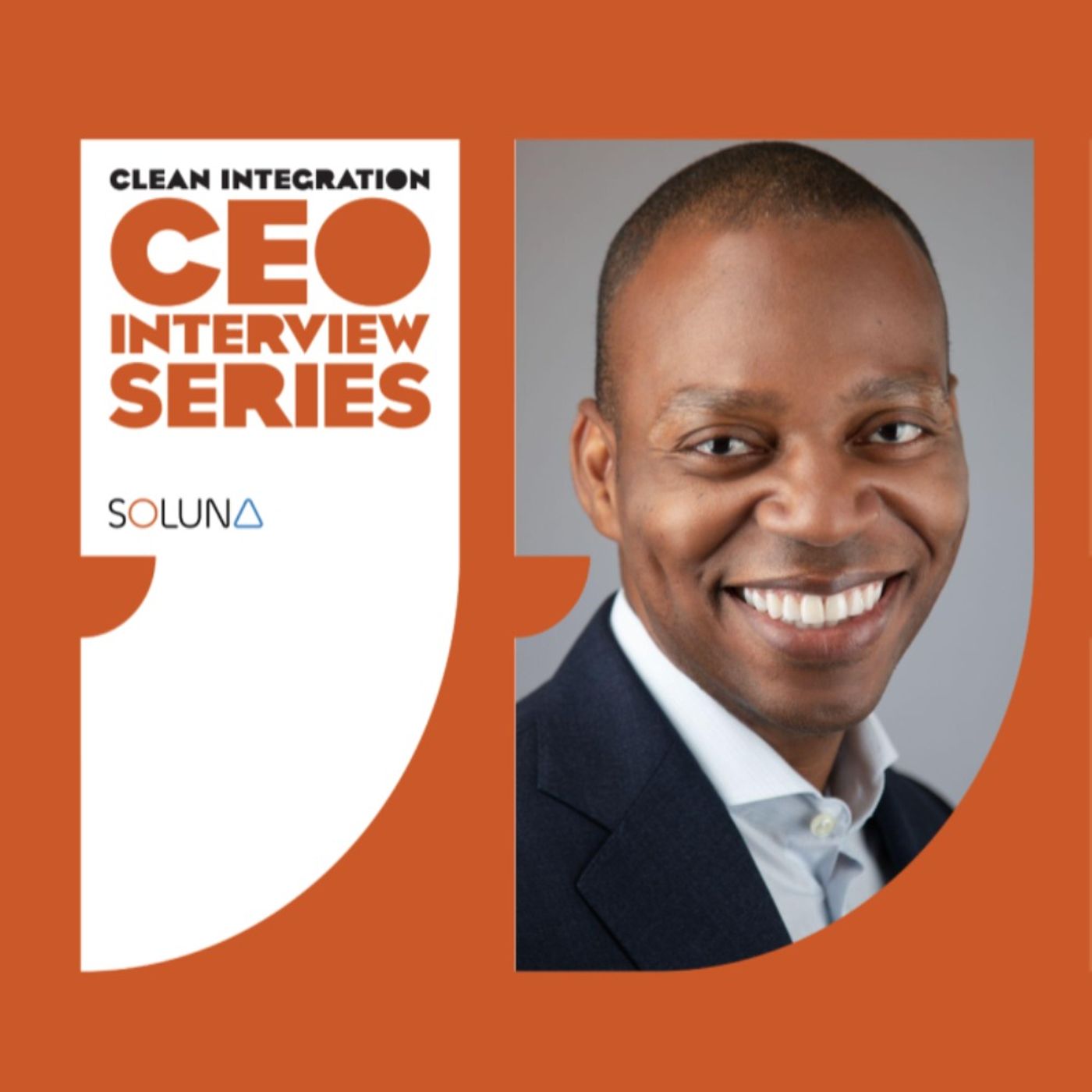
Every major computing shift starts as a software story.
But it quickly becomes an infrastructure story.
The internet wasn’t just websites. It required fiber, routers, data centers, and entirely new industries.
Bitcoin wasn’t just digital money. It required massive energy consumption and resilient computing environments.
Now, AI is no longer just a chat interface. It’s becoming an industrial-scale intelligence utility, and it’s pushing the energy grid to its limits.
In this conversation, Soluna's CEO, John Belizaire, reflects on:
His first experience with the internet during the Mosaic browser era
What the dot-com boom taught us about infrastructure bottlenecks
Why AI is driving demand at a pace the grid was never designed to handle
How energy, not chips, has become the real constraint
Why Soluna started with Bitcoin intentionally
How operating energy-intensive computing at scale prepared Soluna for AI
What worries him about the current AI capital cycle
Why this wave will trigger a global infrastructure upgrade
The key insight: Power drives every economic boom in history. And AI is no exception.
Soluna was built at the intersection of renewable energy and computing to solve a very specific problem — stranded renewable power. Bitcoin was the first workload that made the model viable. AI may be the largest.
As John puts it, the primary product AI companies are buying today isn’t just compute.
It’s speed to power.
Did you enjoy this episode? This is only the start! Follow along in this series, where we’ll explore why AI behaves more like an industrial system than a software product, and what that means for infrastructure, grid design, and the future of renewable-powered computing.
Learn More
To explore how Soluna is building renewable-powered infrastructure for Bitcoin and AI, visit:https://solunacomputing.com
Read our latest blog, The AI Energy Wall and the End of Invisible Infrastructure, for a deeper look at why electricity is becoming the defining constraint of the AI era — and Soluna’s Renewable Computing solution.
Join the conversation on LinkedIn and X @SolunaHoldings.
Host and VP of Corporate Development at Soluna Phil Ng sits down with Soluna CEO John Belizaire and Generate Capital Principal Ryan Miller to unpack what their recent $100M milestone means for the future of Renewable Computing. Together, they discuss how this partnership came to life, why it matters for the clean energy transition, and what it signals for the next era of sustainable, high-performance data centers powering AI, Bitcoin, and beyond.Episode Highlights: How Soluna and Generate Capital are partnering to scale green data centers that turn wasted renewable energy into computing power.Why Project Kati — a 166 MW wind-powered site in Texas — represents Soluna’s largest and most ambitious development to date.How this $100M facility will accelerate Soluna’s 1 GW+ pipeline of renewable computing projects.The importance of aligning financial innovation with sustainable infrastructure.Why renewable energy is essential to meeting the growing demand for AI and high-performance computing.Join the Conversation:Have questions about Soluna or Renewable Computing? Ask us anything: bit.ly/asksolunaConnect with us: LinkedInTwitterYoutubeResourcesFor Investors
In this episode of Clean Integration, Soluna CEO John Belizaire sits down with Ethan Vera (CEO, Luxor Technologies), Christopher Gleeson (Customer Success Lead, Soluna), and Phil Ng (VP of Corporate Development, Soluna) to unpack a real-world case study that shows what’s possible when the right partners come together.We explore how Soluna and Luxor joined forces to help a capital-savvy miner scale their hashrate quickly, efficiently, and with minimal risk, delivering a truly turnkey solution that covered everything from ASIC procurement and financing to infrastructure, optimization, and operations.You’ll hear about:Why miners underestimate operational uptime and risk, and how to fix it.The role of Luxor’s hash rate forward sales in enabling rapid, non-dilutive expansion.How LuxOS firmware optimization delivered ~10% more efficiency.The power of aligning infrastructure, financing, and software into one cohesive strategy.Lessons for new and scaling miners on avoiding costly deployment mistakes.Predictions for 2030: decentralization, grid integration, and the rise of “intelligent mining.”Whether you’re a miner, investor, or just curious about where Bitcoin hosting is headed, this conversation is packed with insights on collaboration, execution, and scaling smarter.🔗 Read the full case study: https://www.solunacomputing.com/research/luxor-bitmine/Connect with Us:💡 Learn more: solunacomputing.com📧 Contact: hosting@solunacomputing.com🔗 Follow Soluna on LinkedIn and X
CEO John Belizaire is joined by Soluna’s VP of Corporate Development, Phil Ng, and Customer Success Lead, Christopher Gleeson, to unpack the impact of the 2024 Bitcoin Halving, rising energy demand, and why miners are rethinking infrastructure. They discuss:✔ How top miners are scaling smarter and consolidating✔ Why power access is now a competitive advantage✔ The rise of hybrid strategies blending self-owned and hosted infrastructure✔ How Soluna’s ‘Relentless Stewardship’ delivers uptime, transparency, and trust✔ What’s ahead for Bitcoin infrastructure in 2026Whether you’re a miner, investor, or just Bitcoin-curious, this episode offers an insider look at the strategies driving the next wave of growth.Connect with Us:💡 Learn more: solunacomputing.com📧 Contact: hosting@solunacomputing.com🔗 Follow Soluna on LinkedIn and X
In this episode of Clean Integration, host John Belizaire (CEO, Soluna) is joined by Dip Patel (CTO, Soluna) and Brian Cochrane (Head of Sales, Soluna Cloud) for a deep dive into the evolving landscape of AI compute infrastructure.Together, they unpack Soluna’s new AI Market Map—an ecosystem-level view of the players, opportunities, and bottlenecks shaping the future of AI compute. From the explosive growth of “neo clouds” to the challenges of energy demand and the looming threat of GPU scarcity, this conversation maps out where the industry is headed—and what it will take to build AI sustainably.Episode Highlights: What Soluna's AI Market Map reveals about the industry's structureThe rise of brokers, aggregators, and neo clouds—and why they matterHow legacy crypto infrastructure is powering the AI boomWhat AI customers really want—and where hyperscalers fall shortPredictions about consolidation, specialization, and masked complexityWhy renewable energy isn’t just part of the AI future—it is the AI futureLinks & Resources:View Soluna's AI Market Map here.Learn more about Soluna Cloud here.Join the Conversation:Have questions about Soluna Cloud or renewable computing? Ask us anything: bit.ly/asksolunaConnect with us: LinkedInTwitterYoutubeResourcesFor InvestorsFor AI Enterprises
In this episode of Clean Integration, Soluna CEO John Belizaire and CTO Dip Patel sit down with Professor Shaolei Ren from the University of California, Riverside, to discuss one of the most pressing challenges of AI today—its environmental footprint. Professor Ren’s research sits at the intersection of AI, sustainability, and environmental justice, exploring the hidden costs of AI’s water usage, energy consumption, and air pollution.With AI models growing exponentially in size, and data centers consuming unprecedented amounts of energy, this conversation dives into the tangible impact of AI on the environment, policy efforts to regulate AI’s resource consumption, and how innovative solutions—like co-located renewable-powered data centers—can help create a more sustainable future.Episode Highlights: The Rise of AI’s Energy and Water Demands: How AI's rapid adoption is driving massive increases in energy and water consumption.Policy & Regulation Updates: The latest legislative efforts to hold data centers accountable for their environmental impact.Hidden Costs of AI Growth: How AI-driven data centers contribute to regional air pollution and environmental inequities.The Case for Renewable Computing: Why co-locating AI infrastructure with renewable power plants is a crucial step toward sustainability.Health & Environmental Impacts: New research on how energy choices for AI computing affect human health and carbon emissions.The Future of AI & Sustainability: Why efficiency alone won’t be enough and what’s needed to align AI growth with global sustainability goals.Guest Speaker:Professor Shaolei Ren – Associate Professor, Electrical & Computer Engineering, UC RiversideLinks & Resources:Listent to Professor Ren’s first episode on Clean Integration here. Read Professor Ren’s latest research here. Join the Conversation:Have questions about Soluna Cloud or renewable computing? Ask us anything: bit.ly/asksolunaConnect with us: LinkedInTwitterYoutubeResourcesFor InvestorsFor AI Enterprises
Soluna CEO John Belizaire sits down with Dan Golding, Chief Technology Officer at Appleby Strategy Group and a key member of Soluna’s Advisory Board. With decades of experience scaling data centers for hyperscalers like AOL and Google, Dan shares his insights on how AI and cloud infrastructure are evolving to meet the demands of a sustainable, high-performance future.Episode Highlights: The Evolution of Hyperscale Infrastructure: How data centers have transformed from 15MW to 500MW+ campuses over the last two decades.AI’s Energy Demand & Data Center Design: Why AI’s rapid expansion requires a rethink in power density, cooling, and network infrastructure.The Donut Model of Interconnection: Dan’s groundbreaking approach to bypassing traditional internet hierarchies and reshaping network structures.The Role of Renewable Energy in AI Infrastructure: How renewables must scale alongside data centers to meet future energy demands.The Resurgence of Nuclear Power: Why small modular reactors (SMRs) are gaining traction as a critical solution for zero-carbon energy.The Future of AI & Cloud: How enterprises are shifting toward on-premise AI deployments for security and control, and what this means for the industry.Guest Speaker:Dan Golding – CTO, Appleby Strategy Group & Soluna Advisory Board MemberLinks & Resources:Read Dan Golding’s insights on AI and energy: https://www.solunacomputing.com/blog/deepseek/Learn more about Soluna’s approach to renewable-powered computing: solunacomputing.comJoin our AMA series to engage with Soluna’s leadership: bit.ly/asksoluna
In this episode, host and CEO John Belizaire sits down with Soluna’s VP of Energy, Larbi Loudiyi, to discuss a groundbreaking approach to powering AI workloads—co-locating data centers with renewable energy sources. They explore how this strategy enhances efficiency, reduces costs, and drives sustainability for enterprise AI.Larbi shares his journey in renewable energy, from developing wind farms in Morocco to pioneering the behind-the-meter (BTM) approach at Soluna. Together, they break down the misconceptions about colocation, the benefits of integrating data centers with renewables, and how this model is reshaping the industry.Episode Highlights: What Co-Location Really Means – Differentiating traditional data center colocation from Soluna’s unique approach of placing data centers directly within wind and solar farms.Solving Grid Congestion & Curtailment – How co-locating data centers with renewables reduces energy waste and optimizes power consumption.Cost & Efficiency Benefits – Why leveraging existing power infrastructure results in lower costs, fewer transmission losses, and a smaller carbon footprint.Renewable Energy for AI Workloads – Addressing skepticism about the reliability of wind and solar for high-performance computing (HPC).Flexible Load & Demand Response – How Soluna’s data centers dynamically adjust power consumption to support grid stability and sustainability.The Future of AI & Energy – Trends in vertical integration, direct current power distribution, and the role of waste heat recovery in data centers.Guest Speaker:Larbi Loudiyi – VP of Energy, SolunaJohn Belizaire – CEO, SolunaLinks & Resources:Explore Soluna’s Investor Center for the latest updates and resources.Learn more about Soluna Cloud’s sustainable approach to AI: Renewable ComputingJoin the Conversation:Have questions about Soluna Cloud or renewable computing? Ask us anything: bit.ly/asksolunaConnect with us: LinkedInTwitterYoutubeResourcesFor InvestorsFor AI Enterprises
In this episode, CEO and host John Belizaire sits down with Mary O'Reilly, Chief People Officer at Soluna, to discuss how we're fostering a culture of innovation, inclusion, and sustainability. Mary shares insights on how the company attracts and develops talent, supports rural job creation, and aligns its workforce strategy with the demands of AI and Renewable Computing.Episode Highlights: Rural Job Creation: Soluna’s efforts in building job opportunities in rural Texas, including partnerships with local schools and colleges.Veteran Recruitment: Programs like the Veterans Affairs Skill Bridge help veterans transition into renewable energy and tech sectors.AI Training & Development: The Soluna Learning Lab and enterprise AI tools equip employees to stay ahead of the curve in this fast-evolving industry.Diversity & Inclusion: Soluna's focus on creating a workforce that reflects diverse perspectives to drive innovation.Guest Speakers:Mary O'Reilly– Chief People Officer, SolunaJohn Belizaire – CEO, SolunaLinks & Resources:Join our team! Explore opportunities on our Careers page. Learn more about Soluna Cloud’s sustainable approach to AI: Renewable ComputingJoin the Conversation:Have questions about Soluna Cloud or renewable computing? Ask us anything: bit.ly/asksolunaConnect with us: LinkedInTwitterYoutubeResourcesFor InvestorsFor AI EnterprisesNext Episode:Stay tuned for Episode 5, where we’ll learn more about the energy and sustainability at Soluna.
Soluna CEO John Belizaire sits down with CFO John Tunison to discuss the financial strategy behind scaling Soluna Cloud. Together, they explore the unique opportunities of running sustainable data centers, balancing profitability with renewable energy goals, and how recent financing wins are propelling Soluna forward.Episode Highlights:A Financial Foundation for AI: How Soluna’s innovative model balances cost efficiency with sustainability.Recent Wins: The impact of financing deals like the $25M equity purchase agreement.Future Projects: Updates on expansions like Project Kati and Rosa, aligned with Soluna’s mission for clean computing.Guest Speaker:John Tunison – CFO, SolunaJohn Belizaire – CEO, SolunaLinks & Resources:Explore Soluna’s Investor Center for the latest updates and resources. Learn more about Soluna Cloud’s sustainable approach to AI: Renewable ComputingJoin the Conversation:Have questions about Soluna Cloud or renewable computing? Ask us anything: bit.ly/asksolunaConnect with us: LinkedInTwitterYoutubeResourcesFor InvestorsFor AI EnterprisesNext Episode:Stay tuned for Episode 4, where we’ll dive deeper into the people and culture at Soluna.
We're introducing Soluna Cloud and its groundbreaking approach to integrating AI with renewable computing. Soluna’s CTO, Dip Patel, and CEO, John Belizaire explore Soluna's novel solution to the increased demands for Renewable Computing in the enterprise space. Episode Highlights:Purpose-Built Infrastructure for AI: Explore how Soluna’s Helix data centers are designed from the ground up for AI and batch computing, optimizing for scalability, efficiency, and sustainability.Co-Location with Renewable Energy: Learn how Soluna’s data centers are strategically located at green energy sites, minimizing energy loss and maximizing efficiency by connecting directly to wind farms.Novel Cooling Systems: Discover how Soluna utilizes advanced direct liquid cooling (DLC) technology to manage heat from high-power GPUs while eliminating the need for freshwater, a game-changer in data center sustainability.High-Power Density Design: Dive into the technical details of Helix’s high-density racks, delivering up to 50 times more power than traditional data centers while enabling seamless scalability.Batch Computing Benefits: Understand the advantages of batch workloads in AI, from handling intermittent renewable energy to enabling large-scale processing far from population centers.Integrated AI Lifecycle Platform: Get insights into Soluna’s full-service AI platform, designed to simplify AI training, modeling, and deployment for enterprises, startups, and AI labs through partnerships with HPE.Upcoming Projects: Learn about Project Ada and Project Grace, two cutting-edge deployments offering scalable AI cloud experiences co-located with renewable energy sources.Sustainability at the Core: Hear how Soluna is redefining data center operations by integrating renewable energy, reducing water dependence, and lowering carbon emissions.Guest Speakers:Dip Patel – CTO, SolunaJohn Belizaire – CEO, SolunaLinks & Resources:Watch our latest webinar with HPE: “Creating Sustainable AI Practices for the Future”Explore our Investor Center for the latest updates, resources, and AMAs: Soluna Investor CenterLearn more about Soluna Cloud’s sustainable approach to AI: Renewable ComputingJoin the Conversation:Have questions about Soluna Cloud or renewable computing? Ask us anything: bit.ly/asksolunaConnect with us: LinkedInTwitterYoutubeResourcesFor InvestorsFor AI EnterprisesNext Episode:Stay tuned for Episode 3, where we’ll dive deeper into the financing of Soluna’s sustainable cloud solutions.
We're introducing Soluna Cloud and its groundbreaking approach to integrating AI with renewable computing. Soluna’s CTO, Dip Patel, and CEO, John Belizaire explore the intersection of sustainable energy and high-performance computing, the strategic goals for Soluna Cloud, and what’s ahead this season.Episode Highlights:Renewable Computing’s Role in AI: Soluna leverages wasted renewable energy to power high-performance computing, addressing the energy challenges of AI’s rapid growth.Sustainability Innovations: Soluna’s facilities are 18% cleaner than most high-performance computing setups, thanks to green power, zero water dependence, and advanced cooling technologies.Customer-Centric Solutions: Soluna Cloud bridges gaps in traditional AI environments by providing reserved GPUs, empowering smaller data science teams, and accelerating AI deployment.Vision for the Future: Projects like Grace, Kati, and Rosa underscore Soluna’s commitment to scaling renewable computing to new heights.Guest Speakers:Dip Patel – CTO, Soluna John Belizaire – CEO, SolunaLinks & Resources:Watch our latest webinar with HPE: “Creating Sustainable AI Practices for the Future”Explore our Investor Center for the latest updates, resources, and AMAs: Soluna Investor CenterLearn more about Soluna Cloud’s sustainable approach to AI: Renewable ComputingJoin the Conversation:Have questions about Soluna Cloud or renewable computing? Ask us anything: bit.ly/asksolunaConnect with us: LinkedInTwitterYoutubeResourcesFor InvestorsFor AI EnterprisesNext Episode:Stay tuned for Episode 2, where we’ll dive deeper into the engineering innovations behind Soluna’s sustainable cloud solutions.

You won’t be surprised to hear that the data to cure diseases is probably already out there. But, the data required for medical innovation is hard to capture and process. This makes progress and success in finding those cures slow and risky. That’s where Plex Research comes in. Plex has created a novel technology that allows scientists to answer complex drug discovery questions by identifying convergences in far-flung, disparate experimental data. We’ll learn more about this technology with our guest today, Doug Selinger, Chief Executive Officer & Founder of Plex Research. To learn more about Plex Research, visit: https://www.plexresearch.com/

In 2022, the US Department of Energy reported that, “The United States is a resource-rich country with abundant renewable energy... Every region of the country has access to multiple [clean energy] resources. The available renewable resource is 100 times that of the Nation’s annual electricity need.” So, why do renewable resources account for only 20% of the nation’s power today?What’s getting in the way of the mass adoption of renewable energy?If you’ve been tuning in for a while, you’ve heard me discuss the wasted energy problem with industry experts. I’m excited to continue this conversation:In this episode, Soluna CEO John Belizaire talks to John Breckenridge, Senior Advisor (and former CEO) of Arevon Energy.John has more than 20 years of direct private equity investing experience, preceded by more than 18 years of operations management. We’ll learn from John’s expertise in renewables, infrastructure, and sustainability, and dig into the challenges of clean energy development and integration.

In Spring 2023, Soluna proudly announced a new investment partner at Project Dorothy – Navitas Global.Navitas Global is a private data center development company that leverages years of experience and deep relationships in the Bitcoin mining industry to provide attractive returns for investors. In this episode, CEO John Belizaire talks to Chad Roach, Managing Partner at Navitas, about Project Dorothy.They discuss what’s happening at the nexus of renewable energy development, Bitcoin mining, investment, and more. LEARN more about Soluna by visiting our website.WATCH our latest updates and insights on YouTube.FOLLOW us on Twitter and LinkedIn to continue the conversation.SUBSCRIBE to our weekly newsletter.
In this episode, we’re taking a deep dive into the use of water in AI computing in traditional data center models, and some of the looming questions concerning AI’s sustainability. Our guest is Shaolei Ren, Associate Professor of Electrical and Computer Engineering at the University of California, Riverside.Professor Ren’s research broadly focuses on AI + Sustainability and pushes forward the boundaries of the field by uncovering and addressing water sustainability and environmental equity in networked AI/computing systems.LEARN more about Soluna by visiting our website.WATCH our latest updates and insights on YouTube.FOLLOW us on Twitter and LinkedIn to continue the conversation.SUBSCRIBE to our weekly newsletter.

In this episode, we're digging into Soluna's carbon emissions. An independent study has found that Project Dorothy, our Texas flagship data center, emits 18% less carbon annually than its data center counterparts and the ERCOT West territory. John Belizaire, CEO of Soluna Computing and host of Clean Integration, is joined by Soluna’s VP of Corporate Development, Phillip Ng.Our guest today is Rob Day, a friend of the show and co-founder and partner at Spring Lane Capital. (If you didn't catch our first conversation with Rob, listen here.)Spring Lane Capital is a private equity firm focused on investments for sustainable solutions in the energy, water, food, and waste sectors. Their investment in data center projects is part of their strategy focused on hybrid project capital for sustainable solutions in the energy industry.

If you've read the news lately or even quickly skimmed the headlines, you've seen the madness concerning FTX and the growing skepticism of the crypto industry at large.The collapse of FTX and other firms this year bolstered by concerns of crypto mining strain on the world's resources, there have been many misunderstandings, it seems. Especially as it relates to Bitcoin.Recently, you may have heard CEO John Belizaire say, "Bitcoin is not crypto," and he is not alone in this thought. Many thought leaders and Bitcoiners have taken to Twitter and op-eds to expand on this:Bitcoin is not crypto. (At least not the version of Crypto FTX was built on.)"And what does that mean?" You're probably thinking.In this episode, John Belizaire is joined today by colleagues, Dip Patel, CTO of Soluna, and Phillip Ng, Vice President of Corporate Development at Soluna.They discuss what's going on in the market, and try to clarify a few things to help you, our listeners, understand how and why Bitcoin is not crypto.Notable Moments: [02:15] First things first, what the heck happened? We woke up one day and there were suspicious Twitter threads, drama, and finally a collapse. How would you explain the FTX situation to a novice?[12:00] What’s the next market going to look like? What should people expect? And what do you say to them that should be learned here?[24:50] Briefly, can you explain why Bitcoin is so energy intensive?[28:10] What’s your pitch to renewable energy developers, and power plant owners? How do you position building a bitcoin data center co-located with their facilities and how it addresses their issues?[31:20] What prediction for the coming year would you like to see, would you love to see, I would say? And it could be anything, but what would you like to see, particularly around this whole crypto space and Bitcoin space?To read the transcript of this episode, visit: https://www.solunacomputing.com/podcast/ftx-recap/
Nino Lazariia, a consultant at Cleantech Group, works with a particular focus on digital solutions to climate change. She has worked in multiple countries on issues ranging from smart cities, the internet of things, AI, digital resilience, and emerging technologies.Cleantech Group is a research and consulting company that tracks innovation for sustainability across the agriculture, energy, chemical, transportation, and environmental sectors.Notable Moments: [3:05] How would you define Cleantech?[4:40] What do you see as the major upcoming trends in cleantech, particularly around the growth of the sector and new industries leaning into cleantech? [7:21] What's your take on the EV market and its impact on the climate change problem we're facing?[9:05] One of your clients is UNIDO. Can you tell us a bit about your work for them? [12:13] Do you think crypto, AI, IoT, and other digital solutions have a role to play in social good?[14:09] How do you manage bringing different stakeholders to the metaphorical table? – whether that’s execs, investors, legislators, scientists, etc.?[15:19] You received dual masters in public affairs and environmental science - how do you think that has shaped your work at Cleantech Group? [16:43] You mentioned having a particular passion for smart cities. Can you talk more about what that is for our listeners? [18:08] What types of considerations do smart cities take for building or reforming the electrical grid? [19:10] How do you stay motivated and/or inspired in the hard fight against climate change?Links: Cleantech Group Quarterly Investment Monitor Insight, Q3 2022: https://s3.amazonaws.com/i3.cleantech/uploads/investment_monitor_resource/79651/108012_Quarterly_Investment_Monitor_Q3_2022_-_Slides.pdf2022 Global Cleantech 100 Report: https://s3.amazonaws.com/i3.cleantech/uploads/additional_resources_pdf/60/260/Cleantech_Global_100_2022_Report.pdfNino Lazariia on LinkedIn: https://www.linkedin.com/in/lazarianino/
The Inflation Reduction Act is at its core a climate bill. While it does lower prescription drug costs, make healthcare more affordable, and enable the IRS to do their job, the bill is really the single greatest investment — $369 billion — in climate change in U.S. history.It was signed into law on August 16 of this year and has been great news to the clean energy industry, particularly the electric vehicle market. But we may not have enough battery manufacturing capacity or lithium supply to fulfill these EVs or storage provisions. Much of our global lithium refining takes place in China, creating an unnecessarily expensive and time-intensive process. We are excited to talk to Max Hickey of Li-Cycle in this episode. Max is the Business Development Manager at Li-Cycle. Li-Cycle has several battery recycling facilities in North America, helping to open a new market and increase our domestic supply of lithium. John and Max discuss: The current battery manufacturing market and how the IRA may impact itHow lithium recycling help grow the lithium supply in North America and generally outside of ChinaHow we make the battery manufacturing process — and the industries that use them — more sustainable

Comments

Download from Google Play

Download from App Store
 United States