


 Claim Ownership
Critter Chat
Subscribed: 0Played: 5
Subscribe

© 2026 Critter Chat
Description
Lifelong friends Susan Brandt & Marney Blair talk with experts about the amazing wild critters that live in the Sierra Nevada mountains and foothills.
27 Episodes
Reverse
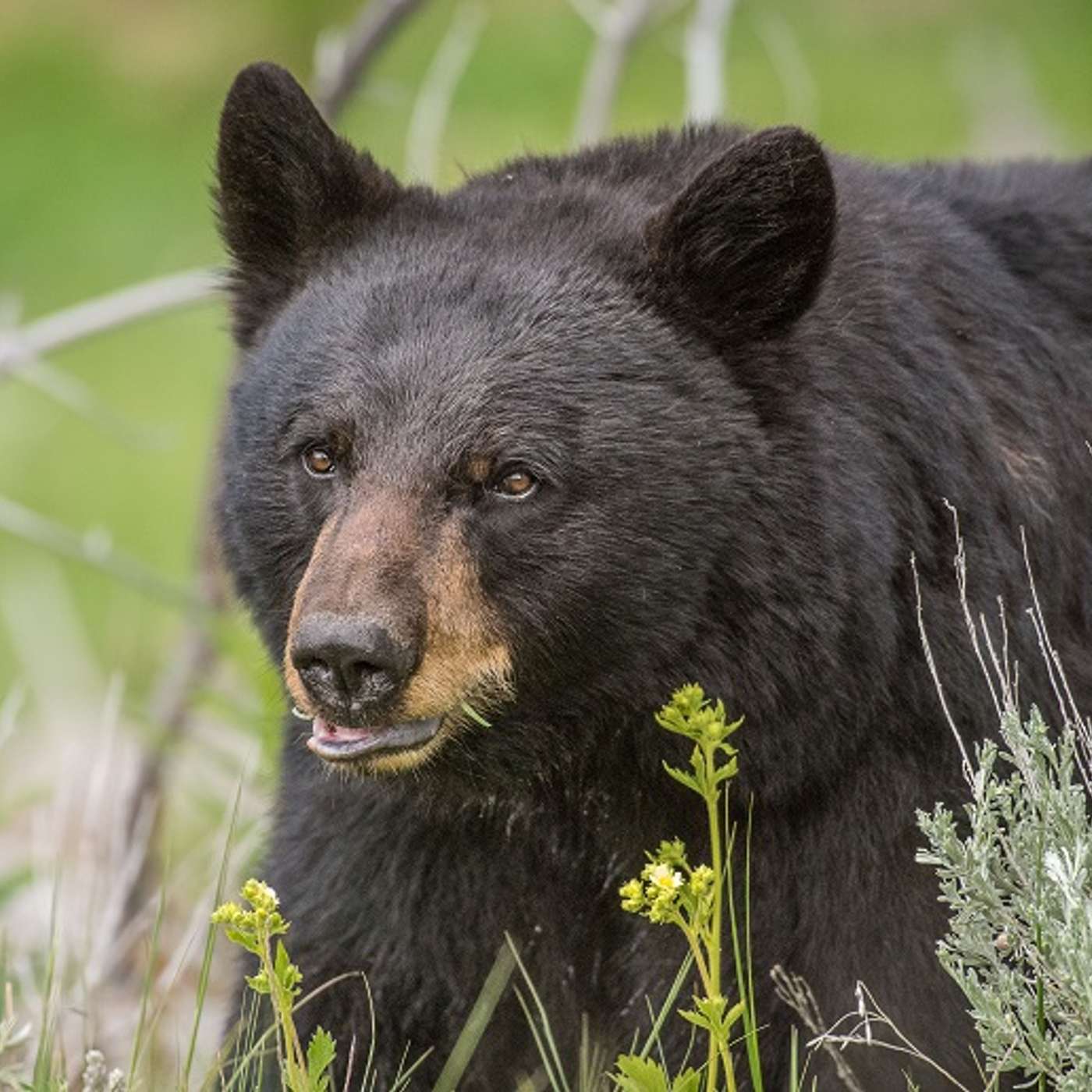
Over centuries, humans followed mammals like bear and caribou from Siberia into North America and back again to Asia and Europe several times. Our ancient myths cast bears as our teachers in understanding survival and spirituality. Ursa Major and Ursa Minor are the great bears in the sky serving as magnificent pointers, celestial guides and symbolizing renewal of the seasons.With an expressive face, curious nature and flexible habitat, American Black Bears (Ursus americanus) are adaptable, intelligent and share some uncanny characteristics with humans. Is it any wonder we include the bear so deeply in our ancient myths and childhood fairytales? In this episode of Critter Chat, hosts Marney Blair and Susan Brandt bear witness to the omnipresence of the bear in our culture with a chat about the American Black Bear, and specifically the population living in the Sierra Nevada, with Arjun Dheer, the Statewide Black Bear Coordinator for the California Department of Fish and Wildlife. To delve into a sliver of our ancient history together, we’ll hear some astronomical wisdom from Al Stahler, the host of KVMR’s award-winning series Soundings, about the big bear constellations in the sky that have served as our navigational tools and forecasters for centuries. Schoolteachers are encouraged to use Critter Chat in their classes with vocabulary words that include hyperphagia and rut. Critter Chat tells stories of Sierra Nevada wildlife featuring interviews with experts in the field. Critter Chat is locally produced in Grass Valley and is a project of Rational Animal, rational-animal.orgImage: American Black Bear © Photo California Department of Fish and Wildlife. For more information, see critterchat.org or Instagram: critterchat1
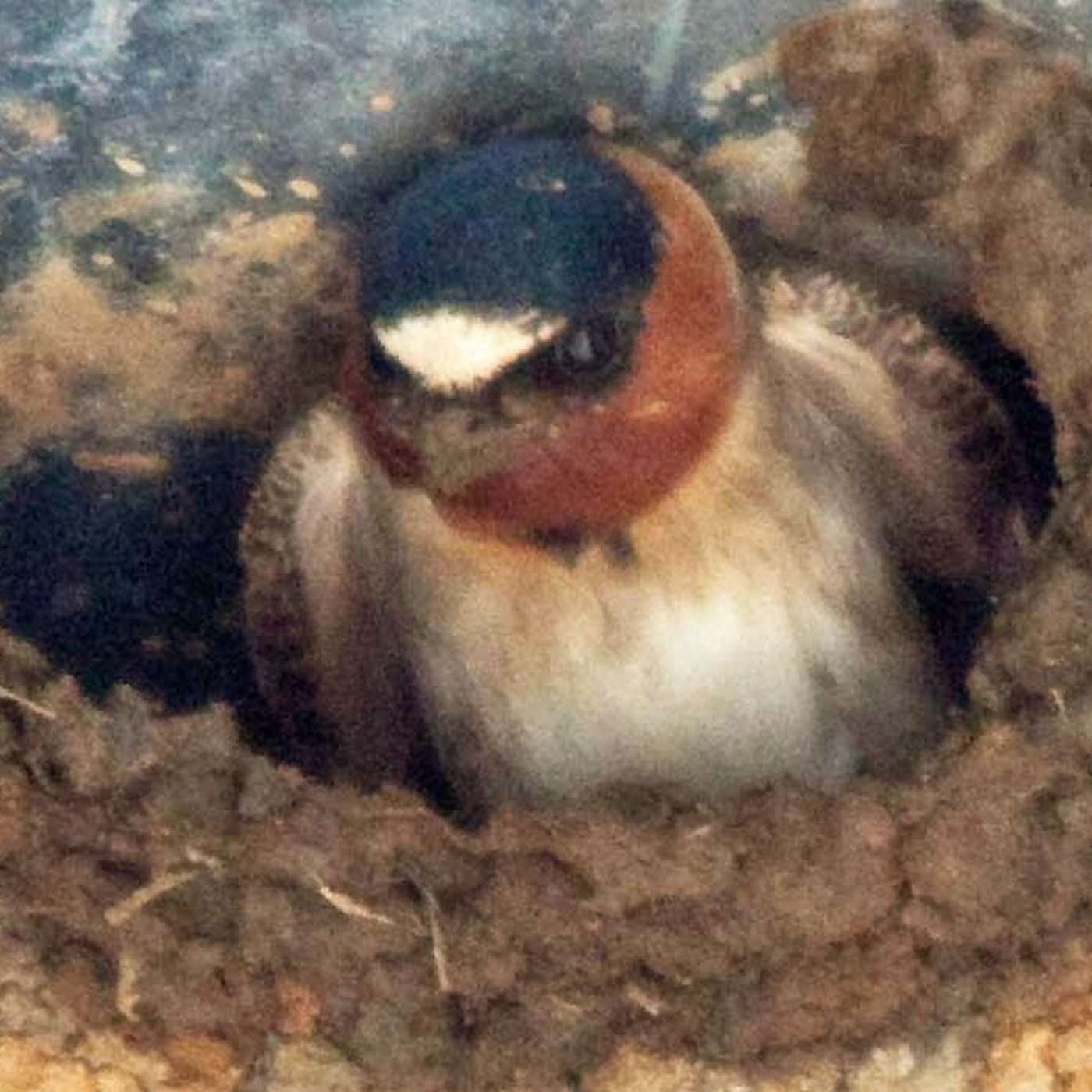
As one of the first North American birds to be described in our history books, the Cliff Swallow has something to teach us about adaptability and resilience. Migrating to and from South America every year, their long journey back to California in the springtime is celebrated by many. In the Sierra Nevada foothills, they seek horizontal cliff-like structures —man-made bridges and some buildings work just fine for many — as long as mud and water are nearby. A Cliff Swallow must take approximately 900-1200 trips with beak-fulls of mud to form one little nest. Raising their young together in colonies, these quick flying birds have wide mouths to gather as many insects as possible to feed their nestlings. In this episode of Critter Chat, we ponder the Cliff Swallow nests at Walgreens with biologist Emma Cox with The Institute for Bird Populations and take a field trip to Lake Wildwood spillway with Rudy Darling, president of the Sierra Foothills Audubon Society. Our special guest, Paule Castro of KVMR’s ZenTech weighs in with his observations as a part of the newly formed Critter Corps. School teachers are encouraged to use Critter Chat in their classes with vocabulary words that include colonial, adaptability and migration. Critter Chat tells stories of Sierra Nevada wildlife featuring interviews with experts in the field. Critter Chat is locally produced in Grass Valley and is a project of Rational Animal, rational-animal.orgImage: Cliff Swallow © Photo by Rudy Darling
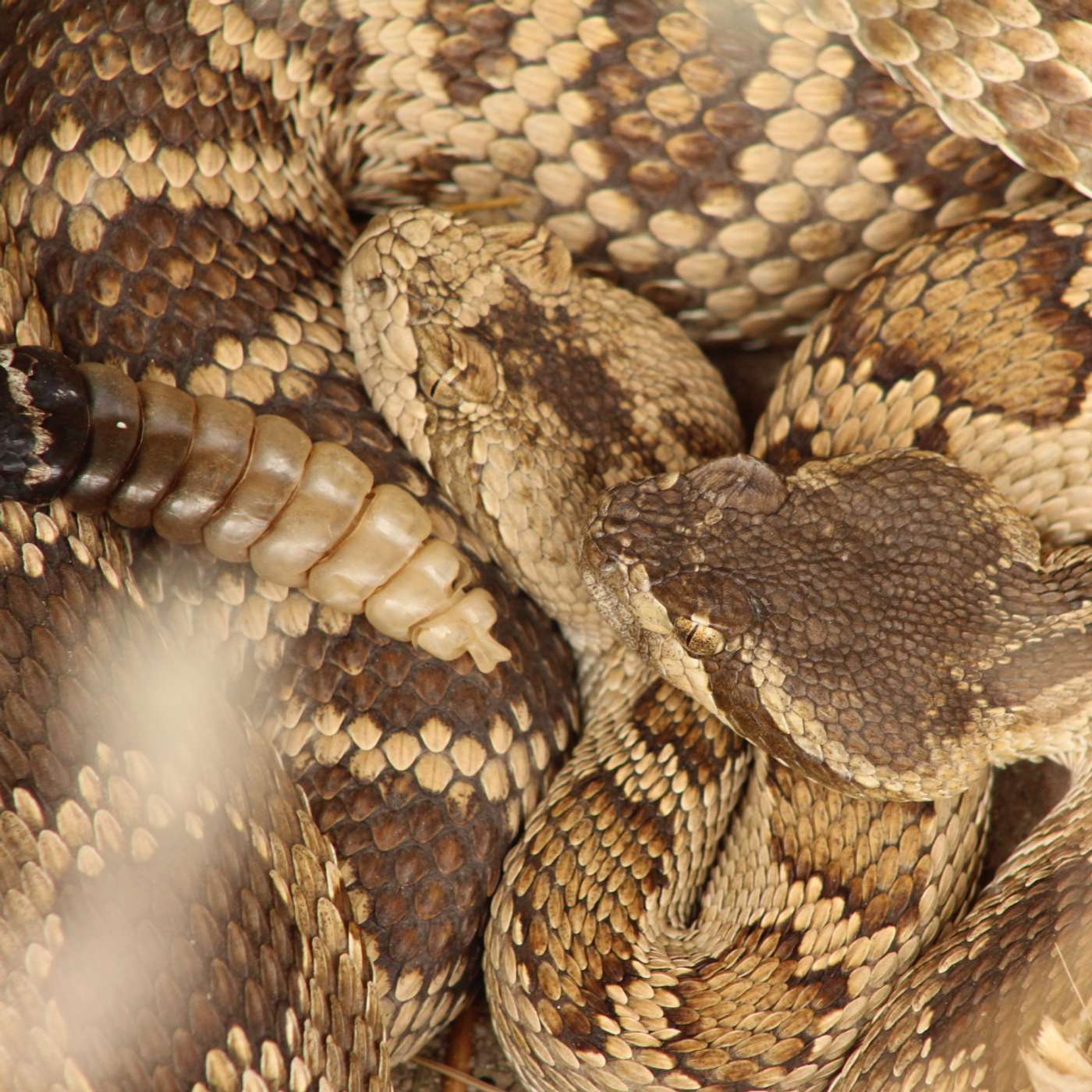
Humans have evolved alongside snakes since our earliest existence. From then to Eve’s story and countless myths, snakes have created mystery, fear and folklore within our minds. Now in this modern age equipped with the latest scientific data about rattlesnakes, our awareness is changing towards a more peaceful co-existence.Rattlesnakes bite primarily to capture their main meals, small animals like rodents, rabbits and frogs. It is believed that millions of years ago, the ground-dwelling rattlesnake evolved their natural rattle to avoid being stepped on by heavy hooved animals. Could we consider their warning “Don’t tread on me!” - a courtesy?In this episode of Critter Chat, we talk with Roy Arthur Blodgett, program manager of the Venomous Snake Training courses at Save the Snakes. Roy is also the Poet Laureate of Lake County, and in our interview he eloquently shares facts and poetry about the rattlesnake found in the Sierra Nevada, the Northern Pacific Rattlesnake, and in general, the nine species of rattlesnakes found in California. Hear some life-saving tips on how to detect rattlesnakes, and what to do in the unusual case of being bitten and perspectives on aversion training and vaccines for our canine friends. Schoolteachers are encouraged to use Critter Chat in their classes with vocabulary words that include pit viper, venom and anti-venom. Image: Northern Pacific Rattlesnakes, San Luis Obispo County © Photo by Roy Arthur Blodgett @roy_arthur
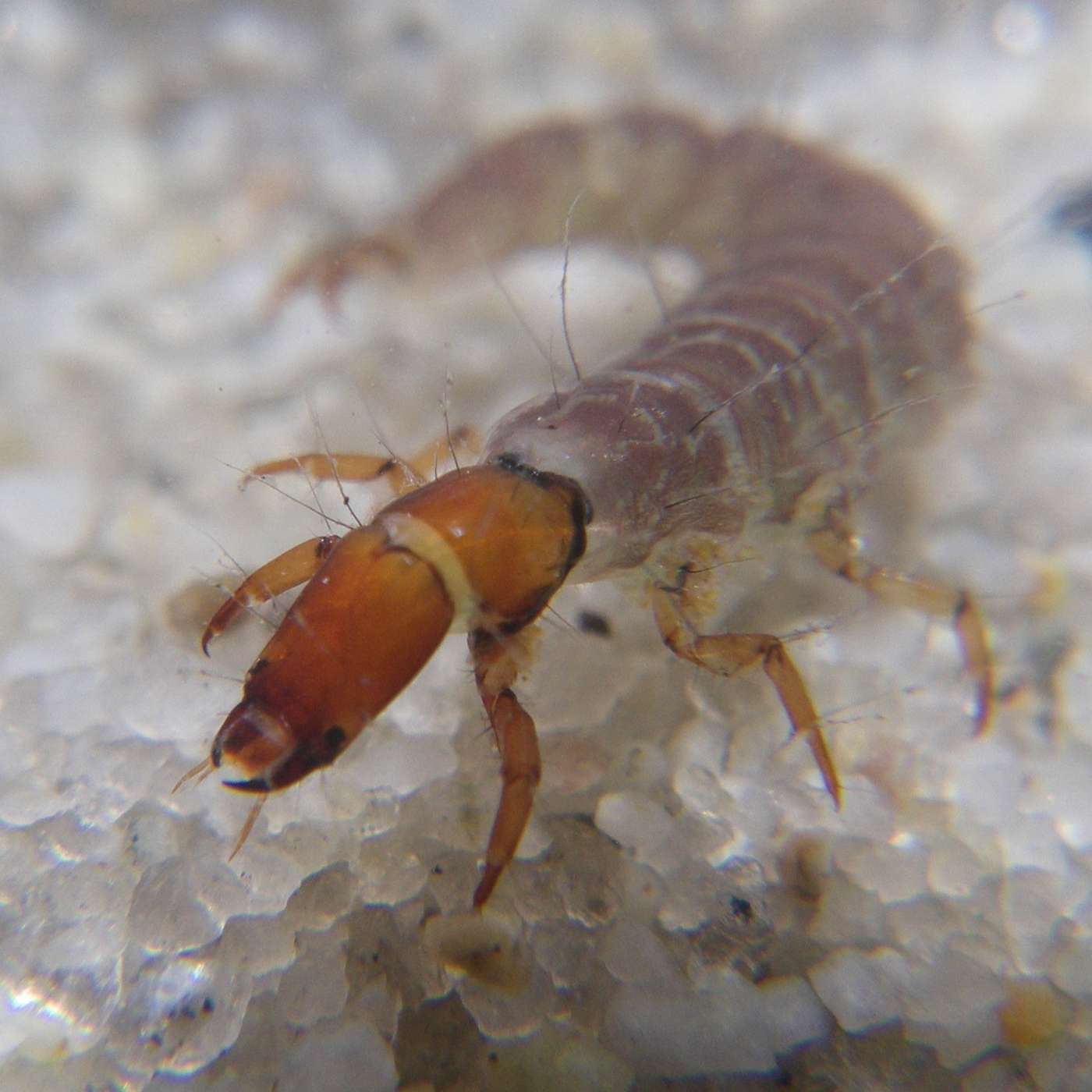
Why is the Caddisfly a favorite of some nature lovers? Is it their clever engineering of silk? Their essential role as stream garbage cleaners? Maybe it’s the artistic houses they create using stream artifacts, or their role as a favorite fish snack? So many reasons to appreciate this incredible millions-of-years-old native. Critter Chat hosts Susan Brandt and Marney Blair take a field trip to Little Deer Creek, Nevada City, California with biologist Dr. Dave Herbst of Sierra Streams Institute to discuss these profound critters of our streams.

With Spring comes wildlife emergencies anew. Unfortunately, it's us humans who are often the cause of these emergencies. In this episode, we are pleased to welcome two guests to Critter Chat to help us think carefully about living around wildlife as they have their offspring. Wildlife rescue expert Christy Berger of Gold Country Wildlife Rescue tells us about the challenges this critical non-profit organization faces during this busy season, the animals in their care and what people can do to help. Then we speak with Nora Kirk, manager of Wild Birds Unlimited in Grass Valley, who outlines three important elements around our living spaces that we can address in order to best help Spring babies in the wild. Photo: Black bear cubs by Maya Khosla

Comments

Download from Google Play

Download from App Store
 United States