


 Claim Ownership
Cultural Fluency Makers: Unlocking Business Growth Through Cultural Intelligence
Subscribed: 1Played: 14
Subscribe
© 2025 Collage Group
Description
Cultural Fluency Makers: Unlocking Business Growth Through Cultural Intelligence
27 Episodes
Reverse
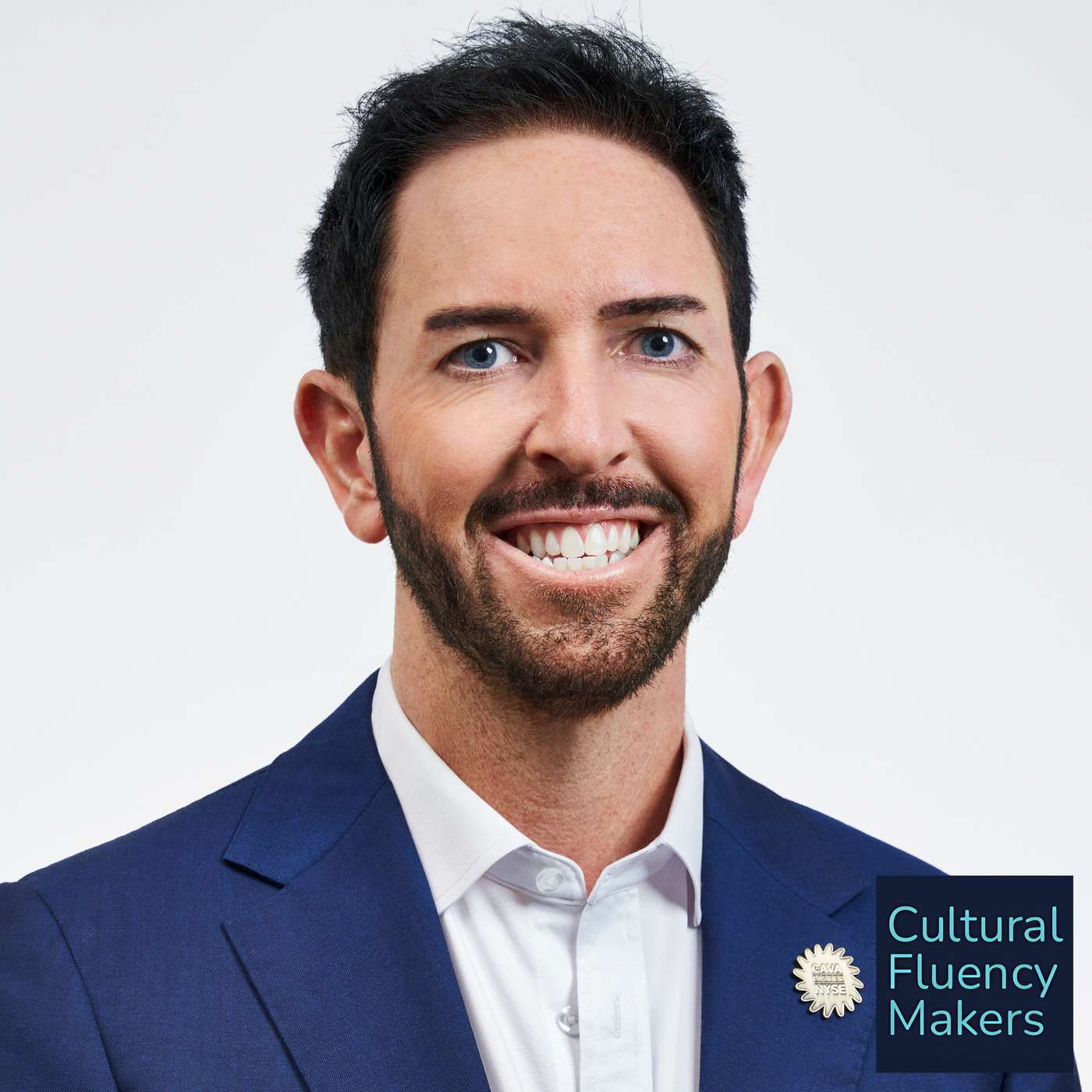
Andy Rebhun, the Chief Marketing and Experience Officer at Cava, a fast-growing restaurant group with over 370 units, draws on his executive experience from brands like Ford and McDonald's to discuss the vital role of cultural insights in the current fragmented consumer landscape. Andy emphasizes that Cava adapts to cultural shifts by blending its bold Mediterranean flavors with "playful, culturally relevant experiences," showing that food is more than nourishment; it's about joy, identity, and connection. He highlights the need for intentionality, choosing to engage in conversations that align with the brand's essence. An example of this strategy was the August launch of a Hot Harissa meal and collectible plushies, which tapped into an emerging unboxing trend. In its hyper-growth stage, Cava has a dual mission: to educate people on its goal of bringing "heart health and humanity to food" and to help customers understand Mediterranean ingredients and flavors. Andy notes that Cava's authentic, adventurous flavors resonate strongly with Gen Z and Gen Alpha, many of whom identify as ethnically diverse and prefer value-driven brands that align with their identity and culture.Andy defines cultural relevance as identifying consumer needs and wants and securing "a seat at the table" in that conversation. He explains that Cava's tiered loyalty program and intentional social media strategy are key to building personal relationships and converting followers into fans. Looking forward, Andy states that Cava views technology, including AI, as something that will "enhance, not replace the human experience and the human interaction". Ultimately, Andy is motivated by Cava's team and the brand's ability to serve as a center point of community connection.Takeaways:Make Culture a Core Brand Pillar: Cava focuses on adapting to cultural shifts by blending its bold Mediterranean flavors with playful, culturally relevant experiences, positioning food as joy, identity, and connection.Be Intentional in Cultural Conversations: Rather than trying to be part of every trend, a hyper-growth brand should exercise restraint and only inject itself into conversations that make sense for its core brand essence.Balance Art and Science in Trend Monitoring: Identifying emerging cultural trends requires a blend of both artistic intuition and scientific monitoring, including following fashion, spending, and subscribing to newsletters to stay on the pulse of what's happening.Prioritize the Consumer and Team Member Experience: A core insight that holds true regardless of industry scale is to always make the consumer the "nucleus," while also considering the implications of every marketing decision on the team member's ability to deliver the brand experience.Use Loyalty and Social Media to Build Personal Relationships: Cultural relevance involves having a personal relationship with guests; Cava uses a tiered loyalty program and intentional social media to rapidly convert followers into fans by giving the team "creative license".View Technology as an Enhancer: In a fast-casual environment, AI and technology should be used to enhance and streamline the team member and guest experience, not to replace the human interaction and hospitality that is central to the brand.Embrace Patience and Persistence for Career Growth: Andy Rebhun advises his younger self to "be patient and be intentional" and to not let the word "no" deter your drive, as the path is not always linear and the “yes” will feel that much better after persistent effort.Quote of the Show:"Food can be more than nourishment. It's joy, identity, and connection."Links:LinkedIn: https://www.linkedin.com/in/andrew-rebhun/ Website: https://investor.cava.com/

Kevin Sherlock, Vice President of Marketing/General Manager, Laundry (ARM & HAMMER, OxiClean & Xtra) at Church & Dwight, to discuss the rapidly evolving landscape of brand management. With over 26 years of experience, Kevin shares his perspective on why cultural intelligence has shifted from a luxury to an absolute necessity for brands hoping to survive in today's fragmented and polarized marketplace. He dives deep into the challenges of allocating marketing dollars across diverse demographics and channels, explaining why brands must prioritize their "biggest bets" rather than trying to be everything to everyone.The conversation also explores the tension between data-driven decision-making and creative intuition, particularly regarding the rise of the creator economy and the declining relevance of rigid brand style guides. Kevin provides a pragmatic look at how AI is transitioning from a "shiny object" to the foundational infrastructure of modern marketing—speeding up innovation and creative output. Finally, Kevin offers candid career advice for the next generation of professionals, emphasizing the value of diverse internships and the lost art of face-to-face networking.Takeaways:Prioritize Cultural Intelligence: Treat cultural fluency as a "must-have" business imperative, not an optional add-on. In a diverse market, authenticity and trust are the only ways to win.Apply the 80/20 Rule to Media Spend: You cannot reach every fragmented audience segment. Focus your resources on the top 80% of your target demographic—the "biggest bets"—to avoid drowning in complexity.Relinquish Control to Creators: The days of strict adherence to brand guides are fading. To achieve authenticity, leaders must trust influencers and creators to speak in their own voices, even if it feels uncomfortable for traditional marketers.Balance the Art and Science: While data is abundant, you must rely on the "art" of marketing—intuition and trust in your team—to interpret that data correctly. Don't let analysis paralysis stifle creativity.View AI as Infrastructure: Stop viewing AI as just a content generator and start treating it as the backbone of your marketing operations. Use it to synthesize historical research for better insights and to rapidly iterate on creative concepts.Diversify Your Experience Early: For young professionals, one internship isn't enough. Aim for a different internship every year of college to test different industries and roles before committing to a career path."Keep Your Head Up": Don't just bury yourself in work. Building a career requires getting away from your desk, having lunch with colleagues, and building genuine relationships at the "water cooler."Quote of the Show:"I think AI is gonna be the foundation of all modern marketing moving forward."Links:LinkedIn: https://www.linkedin.com/in/kevin-sherlock-397b05/ Website: https://www.churchdwight.com/
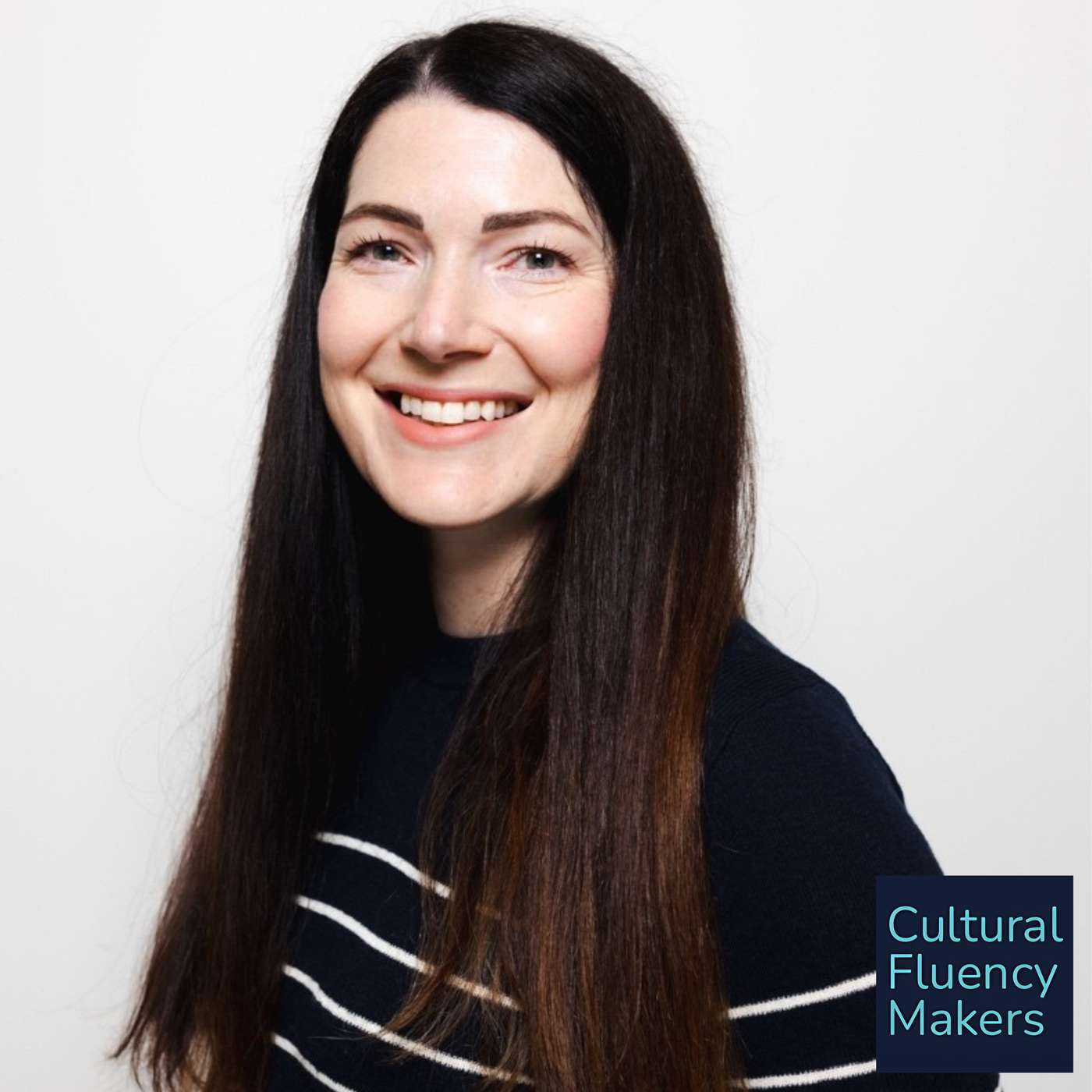
Sally Barton, the US Marketing Excellence Lead at Mondelez International, explores the critical role of cultural intelligence in today’s fragmented consumer landscape. Sally discusses why understanding culture goes far beyond simple demographics, especially for heritage brands like Oreo and Cadbury. She emphasizes that the primary challenge for marketers today is "speed," the ability to understand, respond, and participate in culture authentically before a trend passes and the brand becomes "irrelevant."Sally also shares her perspective on the practical application of AI, viewing it as a powerful tool for productivity but cautioning that it cannot replace the "human touch" needed to maintain consumer trust. Drawing on her diverse career spanning various categories (from functional dishwasher tablets to emotional chocolate) and geographies (from the UK to global markets), she explains the importance of balancing a consistent global brand purpose with a coherent, locally relevant execution. The conversation wraps with Sally’s powerful personal advice for career growth: have clarity on what you want and "go and make the things happen." Takeaways:Look Beyond Demographics: True cultural insight isn't just who your consumer is, but what they value, their passion points, their frustrations, and where your brand authentically fits into their lives.Prioritize Speed (and Empower Partners): The biggest challenge in culture is speed. To stay relevant, empower your partners (like social listening teams) with the brand's voice and the authority to act in the moment, rather than getting stuck in lengthy approval processes.Cultural Relevance is Built on Trust: Lasting cultural relevance, like Cadbury's, isn't just about hopping on trends. It's about building long-term trust, consistency, and "memory structures" by showing up meaningfully in consumers' lives.Use AI for Efficiency, Not for Heart: Embrace AI as a tool to automate manual tasks, improve productivity, and accelerate processes (like concept ideation). However, always protect the "human touch" and creative authenticity, as this is the core of consumer trust.Distinguish Functional vs. Emotional Benefits: Understand your category. A dishwasher tablet sells on a functional "reason to believe" (science, effectiveness), while chocolate sells on an emotional, nurturing feeling. Your insights approach must adapt.Balance Global Consistency with Local Coherence: For global brands, keep the core brand purpose consistent everywhere. But, the execution must be coherent and relevant to the local market, respecting that consumers in different regions often feel the brand is "their own."Ask for What You Want: In your career, don't wait for things to happen to you. Get clarity on your goals and "go and make the things happen" by unapologetically asking for the opportunities you want.Quote of the Show: "Trust is one of the most important things that we need to continue to build with our brands...Creativity is gonna stay there. The human touch is gonna stay there.”Links:LinkedIn: https://www.linkedin.com/in/sallybarton1/ Website: https://www.mondelezinternational.com/
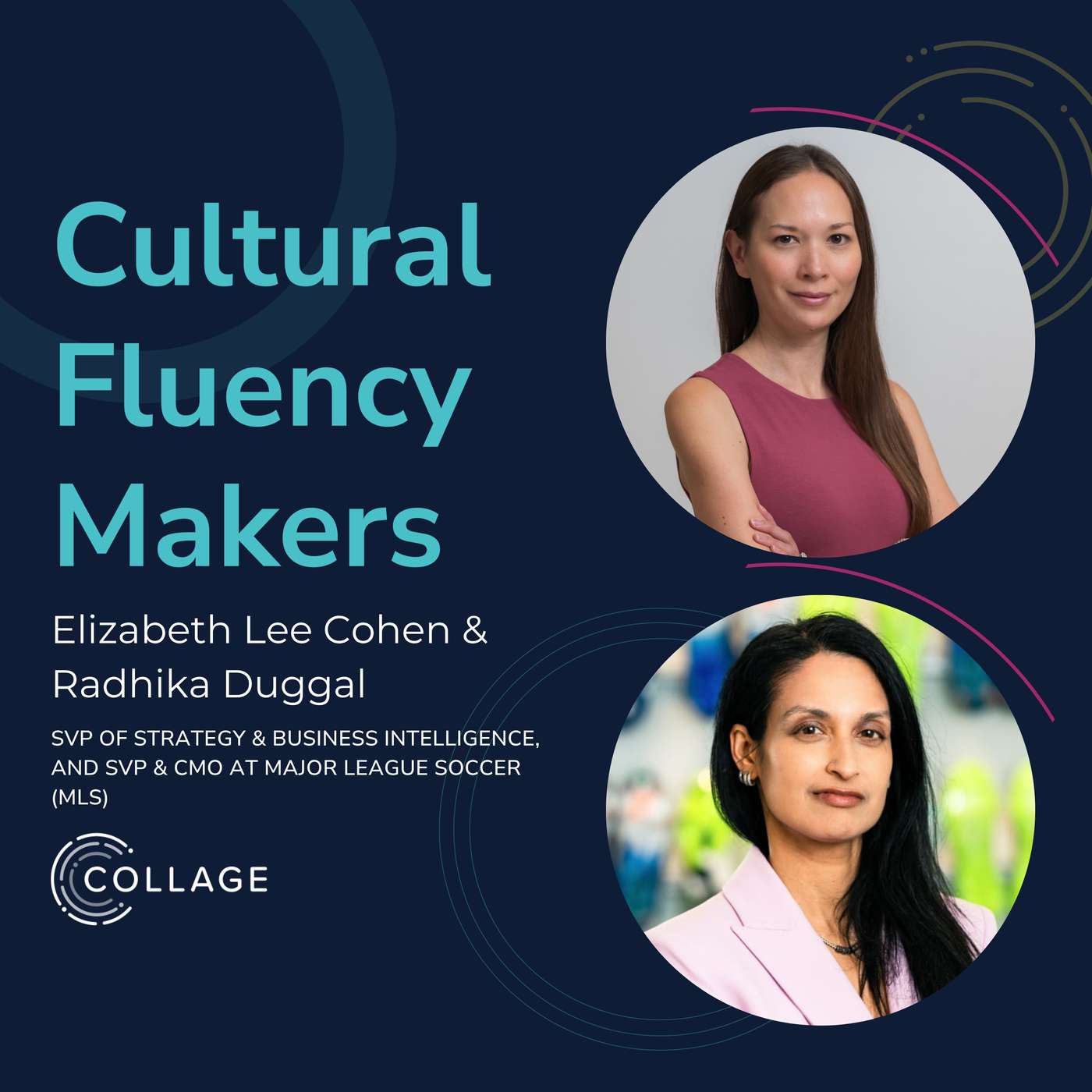
Lizzie Cohen, Senior Vice President of Strategy and Business Intelligence, and Radhika Duggal, Senior Vice President and Chief Marketing Officer at Major League Soccer (MLS) unpack how cultural intelligence is shaping the league’s growth strategy, both on and off the pitch.The conversation explores how MLS balances hyper-local cultural fluency with national and global ambitions, how data-driven insights inform marketing, and why authentic community connections are the true growth engine of the league. Lizzie and Radhika discuss the critical partnership between analytics and marketing, the evolving role of AI in personalizing fan experiences, and how MLS plans to seize the moment as the 2026 World Cup approaches.The episode also delves into leadership and purpose, as both guests share personal reflections on what drives them professionally and the importance of hard work, curiosity, and clarity in charting a meaningful career path.Takeaways:Cultural intelligence isn’t optional—it’s the growth strategy: Understanding fans’ identities and communities deeply enables authentic engagement and long-term loyalty.Balance national reach with local relevance: MLS’s success lies in allowing each club to reflect the culture of its city while aligning with a unified league strategy.Use data and cultural insight hand-in-hand: The strongest marketing strategies emerge from a partnership between creative intuition and robust analytics.AI should enhance, not replace, human connection: MLS leverages AI for personalization, efficiency, and smarter fan experiences, while keeping emotional connection at the core.Empower creativity through technology: Automation can free teams from repetitive work, giving space for strategic thinking and innovative storytelling.Anchor campaigns in authentic cultural moments: Collaborations with artists, influencers, and communities that share the game’s spirit help MLS connect beyond traditional sports marketing.Think long-term: build for the World Cup and beyond: The 2026 World Cup is a generational opportunity for MLS to turn global attention into sustained growth in fan interest and viewership.Quotes of the Show:“Our clubs are literal love letters to their communities — they embody the spirit, food, and culture of the people who live there.” — Radhika Duggal“Cultural fluency requires humility, the willingness to say we don’t know everything all the time, but we’re learning.” — Lizzie CohenLinks:Radhika DuggalLinkedIn: https://www.linkedin.com/in/radhikaduggal/ Website: https://www.mlssoccer.com/ Elizabeth Lee CohenLinkedIn: https://www.linkedin.com/in/elizabeth-lee-cohen/

Lance Hill, Global Head of Insights, Analytics, and Measurement at HP, discusses the intersection of culture, data, and the future of work. Lance explores how the cultural meaning of “work” has transformed over the past few years, and why only 20% of workers today report a healthy relationship with it. He shares how HP’s insights team studies the evolving “work relationship” and uses those learnings to build trust, design meaningful technology, and foster a culture where data empowers creativity. From the role of AI in uncovering deeper motivations to redefining what it means to be culturally fluent, Lance makes a powerful case for blending art and science in every business decision.Takeaways:Understand the culture of work, not just your customers. Every organization—and every role within it—has its own microculture. Understanding those dynamics leads to more authentic insights and stronger trust.Shift from selling to educating. Brands that focus on teaching and inspiring, rather than purely selling, build deeper and longer-lasting relationships.Look beyond surface data. The first answer is rarely the real insight. Ask what motivates a behavior, not just what drives it.Use AI for context, not shortcuts. AI can uncover the deeper “why” behind data, but it works best as a partner to human curiosity—not a replacement.Earn cultural relevance by contributing to culture. Don’t just buy your way into a community; create real value within it through shared understanding and participation.Make insights actionable by knowing the business rhythm. Timing and empathy for decision-makers are as important as the data itself.Balance art and science. Data informs decisions, but storytelling and creativity ensure those insights are remembered, trusted, and acted upon.Quote of the Show:“True creativity in insights isn’t the presentation, it’s what happens after, when you help the organization act on it.”Links:LinkedIn: https://www.linkedin.com/in/lance-h-9631a77/ Website: https://www.hp.com/us-en/home.html

Nicole Moreo, Head of Customer Insights for North America at LinkedIn, deconstructs the complexities of modern marketing in both B2C and B2B landscapes. Nicole explains that the primary role of insights is to close the gap between what brands think their audience wants and what they actually care about. The conversation explores the pitfalls of data overload, the diminishing returns of hyper-segmentation, and why chasing clicks is a flawed strategy.Nicole introduces the powerful concept of "mental availability"—the idea that a brand's relevance is defined by its ability to create a lasting memory and be on a customer's "day one" list when a need arises. She shares insights from LinkedIn's research, including the "95/5 rule," which reveals that most marketing budgets are spent on the tiny fraction of the audience that's actively buying, while ignoring the massive opportunity to build trust with the other 95%. From the human side of B2B sales to the agentic future of AI, this conversation provides a masterclass in using data to drive meaningful impact and build a truly resonant brand.Takeaways:Re-evaluate your audience segmentation. Data from LinkedIn shows that hyper-segmenting your audience can actually hurt your brand's reach and effectiveness. Instead of narrowing your focus too much, consider the full audience you're trying to influence.Stop optimizing for clicks and start optimizing for memory. There is no correlation between a click and key brand effectiveness metrics like ad recall or purchase intent. A click is not a memory; focus on creative that builds brand recall and familiarity.Market to the 95% of people who aren't buying yet. At any given time, only about 5% of your audience is in-market for your product. To ensure future growth, you must build trust and brand recognition with the other 95% so that you're on their short list when they are ready to buy.Remember B2B marketing is still human-to-human. Don't forget you are interacting with people, not just companies or job titles. Understanding the whole person—their interests, behaviors, and motivations outside of work—is critical to making a genuine connection.Ask "why" before you trust the data. In a world with endless data and dashboards, it’s easy to make snap decisions. The most crucial role for marketers and analysts is to ask the right questions and connect the data back to the ultimate business goal you're trying to achieve.Quote of the Show:“The biggest place for insights to play is connecting the dots between a lot of times what brands think their audience cares about versus what they actually care about."Links:LinkedIn: https://www.linkedin.com/in/nicolemoreo/ Website: https://premium.linkedin.com/

Scott Weisenthal, the Global Head of Marketing and Insights at Comcast Advertising and a transformational leader with decades of experience at world-renowned brands like Marriott and Major League Baseball, dives deep into why cultural intelligence is the non-negotiable foundation for modern marketing, explaining how understanding consumer values is crucial for both B2C and B2B organizations. He shares his "people first" leadership philosophy, inspired by mentors like the late Arne Sorenson, arguing that a culture of kindness and collaboration is not a balance against innovation but a direct driver of it. The conversation also explores the massive impact of AI on the industry, with Scott offering his perspective on how it enables marketers to create campaigns that are simultaneously fast, cheap, and good while cautioning that authenticity must always remain the priority. Takeaways:Make cultural relevance your starting point. It directly leads to brand relevance. Use cultural intelligence to understand people's values, interests, and communication styles to effectively target the right consumers.Practice active listening to unlock cultural insights. Scott notes that the hardest part of leveraging cultural intelligence is that "people don't like to listen". He shares how former Marriott CEO Arne Sorenson would walk the halls asking employees at all levels, "What do you think?" to gather diverse perspectives before making decisions.Connect brand love to business outcomes. While brand love is the goal, measure it with metrics your CFO cares about, such as retention rates, share of wallet, and customer lifetime value.Prioritize a "people first" culture to drive revenue. A culture of kindness, collaboration, and recognition makes employees enjoy their work more, care more about the product, and become more productive, which ultimately leads to big ideas and increased revenue.Use AI to be fast, cheap, and good—but stay authentic. AI allows marketers to achieve all three pillars of a successful project, which was previously impossible. However, its use must be authentic and aimed at solving a real client or business problem, not just to win awards or seem trendy.Turn clients into advocates through exceptional partnership. Go beyond being a service provider and become a strategic partner who solves business problems and makes clients' lives easier. This builds advocacy and generates word-of-mouth, the most authentic form of marketing.Quote of the Show:“Honestly, I think the hardest thing about this area is that people think they have all the answers. People are set in their ways. People don't like to listen. And cultural intelligence is all about listening."Links:LinkedIn: https://www.linkedin.com/in/scottweisenthal/ Website: https://comcastadvertising.com/
In this special compilation episode of Cultural Fluency Makers, we are highlighting 5 marketing leaders who explore why inclusive marketing is essential for survival and growth. The guests agree that America's demographic shift isn't a future trend, but the current reality, especially among younger generations who are already "majority minority". This requires a fundamental change from broad segmentation to deep, data-driven intimacy that makes customers feel recognized. Modern consumers reject being put in a box; they are intersectional and demand a personal, 24/7 relationship with brands that meets them wherever they are. If this trust is broken, younger consumers will quickly "turn that data signal off" and disappear.To navigate this new landscape, the leaders present innovative strategies. One compelling approach is "passion-based" segmentation, which unites diverse audiences through universal interests like music, sports, or culinary arts. In an increasingly polarized society, another key strategy is to define an authentic brand role that unifies rather than divides, such as focusing on making people "healthy and happy". While internal challenges like risk aversion can lead to ineffective, "watered down message[s]," the experts argue that playing it safe is now the "riskiest move" a brand can make. Ultimately, the episode positions cultural fluency as the non-negotiable cornerstone of modern marketing and business growthTakeaways:Redefine Your Core Market: Shift your mindset to recognize that for younger audiences, diversity is the mainstream, not a niche segment. Your core strategy must be built on this foundation, rather than treating multicultural marketing as a separate, tactical add-on.Earn Your Data Through Value: Younger consumers will grant you access to their data, but they expect a clear value exchange. Use this data to create genuinely personalized and intimate experiences that add value to their lives. If you fail to demonstrate understanding or abuse their trust, they will revoke access and walk away.Explore Passion-Based Segmentation: While demographic and cultural nuances are critical, consider a strategy that unites consumers around shared passions like music, gaming, food, or travel. This approach allows you to build broad platforms for connection that can then be activated with culturally specific and relevant executions.Define Your Brand’s Role in a Polarized World: Not every brand needs to be an activist. Take the time to determine your authentic role and purpose. In a divided world, a brand that focuses on a unifying mission, such as bringing people joy, health, or connection, can be incredibly powerful and culturally relevant.Embrace Calculated Risk Over Playing it Safe: In the current climate, bland, watered-down messaging is a bigger threat than taking a stance. The riskiest move is to try and please everyone, which results in connecting with no one. Build your organization's "cultural intelligence" to make informed, confident decisions that are authentic to your brand and respectful to your audience.Engage 24/7, Don't Just Advertise: Today's consumers don't want to be advertised to; they want a continuous, two-way relationship with brands. Your brand must be prepared to engage with them where they are—on social, digital, and experiential platforms—in a way that is genuine and always-on.Acknowledge and Prepare for Complexity: True inclusive marketing requires more work than traditional mass marketing. It involves understanding intersectionality, managing multiple nuanced messages, and achieving alignment across complex organizations. Acknowledge this complexity and invest in the talent and resources needed to manage it effectively.Links:Tariq HassanLinkedIn: https://www.linkedin.com/in/tariqhassan1/ Website: https://www.zerotoone.ai/ Marissa SolisLinkedIn: https://www.linkedin.com/in/marissa-solis-2566a3b/ Website: https://www.nfl.com/ Cheryl GuerinLinkedIn: https://www.linkedin.com/in/cheryl-guerin-a2121410/ Website: https://www.mastercard.com/us/en.html Alvaro LuqueLinkedIn: https://www.linkedin.com/in/alvaro-luque-9512031a/ Website: https://avocadosfrommexico.com/ Monica DregerLinkedIn: https://www.linkedin.com/in/monicadreger/ Website: https://www.airbnb.com/
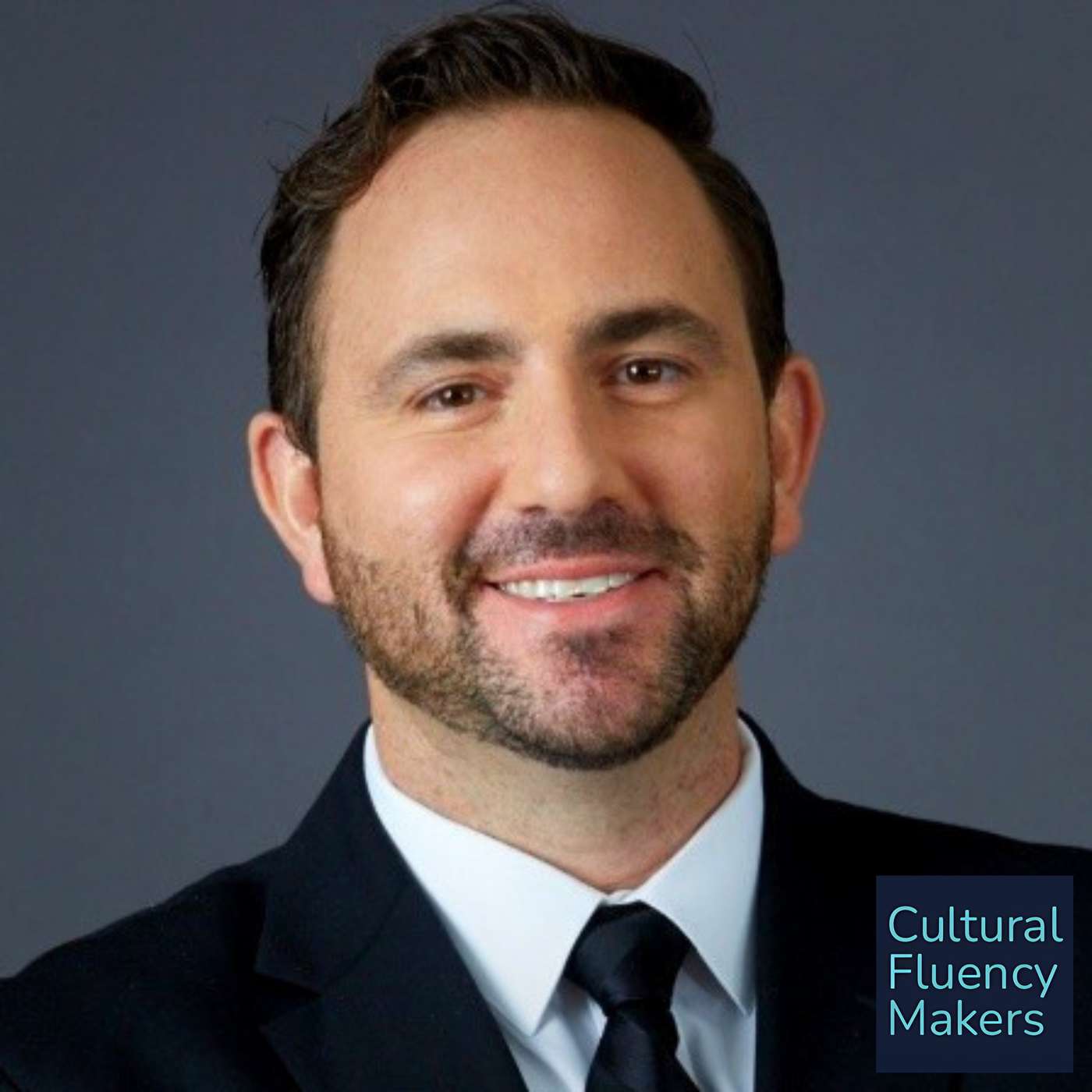
Kevin Moeller, Head of Consumer Insights for Sparkling Brands at PepsiCo, discusses the essential role of cultural intelligence in a world of demographic shifts and data revolution. Moeller explains how connecting with diverse consumer groups requires a deep understanding of cultural nuance to build "brand love" and drive strategy. He delves into the importance of empathy, cutting through the noise of fads to find lasting trends, and leveraging a full spectrum of data, from qualitative to AI, to understand what truly motivates consumers. Using Mountain Dew's recent brand transformation as a case study, Moeller provides a masterclass in how uncovering surprising consumer insights can lead to a tangible and successful new marketing strategy.Takeaways:Embrace Empathy to Understand Your Consumer: Go beyond the data and put yourself in your consumer's shoes. Experience shopping and media consumption from their perspective to build the empathy needed to develop truly resonant insights.Find Your Brand's "True North": Use insights to identify "nuggets of tension" or barriers in your consumers' lives that your brand can authentically solve. Establishing this clear strategic direction makes product development, communications, and commercial planning much easier.Distinguish Lasting Trends from Fleeting Fads: In a world saturated with noise, it's critical to analyze what is a sticky trend versus something that is "popping up today and gone tomorrow." Focus on the "why" behind a trend to determine its longevity and potential for brand innovation.Use Cultural Nuance to Have a Conversation: Don't paint all consumers with the same brush; what resonates with one person or group may not resonate with another. Understanding nuance allows your brand to have a relevant conversation with consumers rather than just "screaming at them."Leverage AI for Efficiency in Insights: Utilize AI to accelerate the analysis of qualitative data, such as summarizing video ethnographies to find common threads and trends in consumer feedback. This allows your team to put results into action more quickly and effectively.Democratize Your Data: Powerful data sets are useless if they are not accessible to your key stakeholders. Ensure your data is connected and available through user-friendly interfaces so it can live up to its full potential and inform business decisions.Embrace and Lean Into Change: The marketing and data landscape is in a constant state of transformation. To stay relevant, you must be curious, question the status quo, and proactively learn how to leverage new technologies and capabilities for your company's benefit. Quote of the Show:“Experiencing life through someone else’s eyes, by stepping into their shoes, is a powerful way to build the empathy needed to develop meaningful insights — and ultimately, empathy is what this game is all about.”Links:LinkedIn: https://www.linkedin.com/in/kevin-moeller-1ab78318/ Website: https://www.pepsico.com/
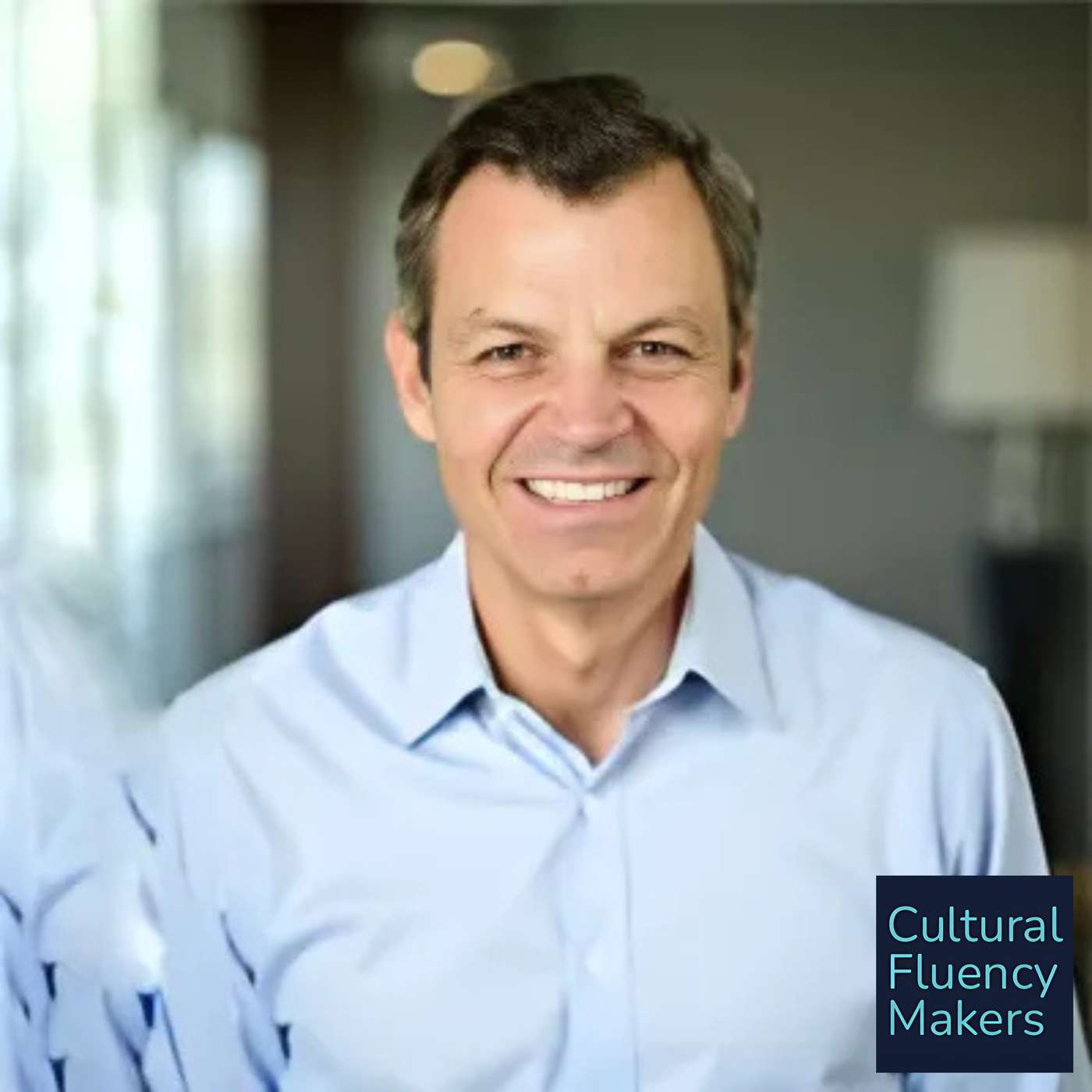
This episode features Carlos Madrazo, a dynamic leader celebrated for his passion for creating value, a keen eye for opportunity, and an unwavering commitment to a bold vision. His background includes leading Investor Relations and corporate planning for multi‑billion‑dollar companies such as Panera Brands and Grupo Televisa, driving cross‑border M&A at Chase Manhattan Bank, and launching the groundbreaking Univision‑Televisa joint venture.Carlos now channels this extensive experience into his role as Country Manager USA for Grupo Jumex. He is currently spearheading the major Mexican beverage company's ambitious expansion into the United States, a complex task that involves building a powerhouse team from the ground up. This crucial initiative is focused on unlocking new opportunities and navigating one of the world's most competitive markets. In the discussion, Madrazo shares his insights on this journey, focusing on how Jumex is leveraging brand, culture, and connection to build its presence in the U.S. Takeaways:Cultural Intelligence is Vital: Ensure your company deeply understands cultural nuances, not just acknowledging different cultural segments but understanding and leveraging the finer details within these groups for more effective engagement.Tailor Communications to Diverse Audiences: Recognize and adjust your marketing and communications depending on the cultural background and regional differences of your audience to create authentic connections.Embrace and Adapt to Audience Shifts: Be ready to evolve with your audience. As customer demographics shift, adapt your brand to stay relevant while appealing to a broader market without losing your core identity.Balance Tradition and Innovation: Find the right mix between maintaining your heritage and innovating. Understand what traditional values and aspects are crucial to retain while being open to change and modern adaptation.Focus on Quality and Authenticity: Prioritize delivering high-quality products and ensuring authenticity in your branding. This means staying true to original flavors or core values while presenting them in a way that appeals to both existing and new customers.Listen and Respond to Customers: Actively listen to your customers' feedback and behaviors. Use these insights to guide product development and marketing strategies to meet real customer needs and preferences.Foster a Culture of Innovation and Change: Encourage a mindset within your company that values innovation and is willing to take risks. Be prepared to enter new markets and categories by leveraging your core strengths and adapting to new challenges.Quote of the Show:"While you want to stay true to your heritage, if you do not evolve, you risk becoming a museum piece; therefore, the hard part is knowing what to hold onto and what to adapt."Links:LinkedIn: https://www.linkedin.com/in/carlosmadrazo/ Website: https://www.grupojumex.mx/ Ways to Tune In:Spotify: https://open.spotify.com/show/6zWYQ3jHAH2t7Fp1IGKnex Apple Podcasts: https://podcastsconnect.apple.com/my-podcasts/show/cultural-fluency-makers-unlocking-business-growth-through-cultural-intelligence/19aa6ec3-7bd8-47d2-92f3-dd77a6296383/episodes Amazon Music: https://music.amazon.com/podcasts/1940eb19-acfb-45c1-bd1e-a4620ca9256e Podchaser: https://www.podchaser.com/podcasts/cultural-fluency-makers-unlock-5790367 Transistor: https://culturalfluencymakers.com/ YouTube: https://youtu.be/G-UeFDiQGyc

In a discussion on the critical role of cultural intelligence in modern marketing, Monica Dreger, Global Head of Research and Innovation at Airbnb, emphasizes that a deep and continuous understanding of consumers within their cultural context is the cornerstone of brand relevance and growth. She argues that in a fragmented and polarized world, brands can no longer afford to "play it safe," as younger generations expect them to take a stance. Dreger explains that achieving true cultural fluency is challenging due to internal complexities like risk aversion and the difficulty of navigating nuanced consumer communities, which can lead to watered-down or stereotypical messaging. To overcome this, she advocates for a consistent, "always on" approach to understanding cultural shifts, rather than isolated, project-based studies.Drawing from her experience with iconic brands, Dreger illustrates the power of unearthing a "cultural reckoning," a profound human insight that resonates across diverse communities. She cites the transformative Dove "Campaign for Real Beauty," which stemmed from the startling insight that only 2% of women considered themselves beautiful, fundamentally redefining beauty marketing. Dreger also details her innovative approach to building research teams, blending experts like anthropologists and neuroscientists to gain a multi-dimensional view of the consumer. Looking forward, she sees AI revolutionizing the insights industry by handling initial research stages, such as concept screening and trend simulations, while acknowledging that understanding human unpredictability will remain a vital human endeavor. Takeaways:Stop "Playing it Safe" to Mitigate Risk. In today's market, avoiding a stance is riskier than taking one. Younger generations, in particular, expect brands to stand for something, and failing to do so means becoming irrelevant and forgotten.Adopt an "Always-On" Approach to Consumer Insights. Instead of conducting periodic studies, brands must continuously monitor cultural shifts and consumer values to maintain relevance. This requires a fluid understanding of your communities, making it an ongoing part of your operational rhythm rather than a one-off project.Seek Transformative Insights by Asking Broader Human Questions. To uncover a true "cultural reckoning," move beyond narrow, product-focused research. As demonstrated by the Dove "Real Beauty" campaign, the most powerful insights come from exploring fundamental human truths, such as how consumers feel about a larger concept like beauty, not just their opinion on soap.Build Multi-Disciplinary "Superpower" Teams. Create a research and insights function that includes diverse experts like anthropologists, economists, and neuroscientists. This provides a multi-dimensional understanding of complex consumer behavior that no single discipline can decode on its own.Mandate and Structure Cross-Disciplinary Collaboration. To unify diverse teams and avoid chaos, enforce a collaborative framework. Ensure every significant project involves a partnership between different disciplines. This process should be built around a shared strategic question and collaborative synthesis to create a single, richer "4D version of the same truth" rather than four different truths.Leverage AI for Early-Stage Research. Begin integrating AI to handle the initial phases of the insights process. Use AI-driven and synthetic methods for early-stage concept screening, initial segmentation, or trend simulations to increase efficiency. This allows human researchers to focus on the unpredictable and nuanced aspects of innovation that AI cannot yet grasp.Prioritize Building a Personal Brand. For professionals, especially those early in their careers, the number one piece of advice is to actively build your own personal brand. This involves understanding and defining what you stand for, what excites you, and where you want to go, which provides a guiding framework for your career trajectory.Quote of the Show:"A cultural reckoning is bigger than an 'aha' moment. It's this understanding that you've tapped on a human insight that describes both very nuanced communities and micro communities, but also speaks to a larger human emotion that other people can understand or want to understand."Links:LinkedIn: https://www.linkedin.com/in/monicadreger/ Website: https://www.airbnb.com/ Ways to Tune In:Spotify: https://open.spotify.com/show/6zWYQ3jHAH2t7Fp1IGKnex Apple Podcasts: https://podcastsconnect.apple.com/my-podcasts/show/cultural-fluency-makers-unlocking-business-growth-through-cultural-intelligence/19aa6ec3-7bd8-47d2-92f3-dd77a6296383/episodes Amazon Music: https://music.amazon.com/podcasts/1940eb19-acfb-45c1-bd1e-a4620ca9256e Podchaser: https://www.podchaser.com/podcasts/cultural-fluency-makers-unlock-5790367 Transistor: https://culturalfluencymakers.com/ YouTube: https://youtu.be/c6Aytx_rYZ4

Alvaro Luque, the President and CEO of Avocados From Mexico, is credited with transforming a brandless commodity into a cultural icon and the leading avocado brand in the U.S. The discussion delves into Alvaro's journey and the innovative strategies he employed, such as taking a CPG (Consumer Packaged Goods) approach to marketing fresh produce and making Avocados From Mexico the first fresh brand to advertise in the Super Bowl. He explores the critical role of cultural intelligence and inclusive marketing in today's diverse and often polarized consumer landscape, and he emphasizes the importance of a brand understanding its unique role and purpose – for Avocados From Mexico, it's about making people "healthy and happy" regardless of their background.The conversation also touches upon how to achieve cultural relevance authentically by ensuring it's grounded in the company's core strategy, rather than chasing fleeting trends. Alvaro shares insights into the decision-making process behind their groundbreaking Super Bowl campaigns, which were pivotal in building brand narrative and digital presence, ultimately racking up over 62 billion impressions. Furthermore, he discusses the evolving impact of AI in marketing and insights, and he provides examples of how Avocados From Mexico is leveraging AI for pretesting marketing assets and creating unique, personalized brand experiences. The dialogue also offers a glimpse into Alvaro's personal inspirations and advice for aspiring professionals. Takeaways:Integrate Cultural Events in Marketing: Use significant cultural events like the Super Bowl, Cinco de Mayo, and New Year's Eve to align your brand with moments of high cultural importance and inclusivity.Adopt a CPG Mentality: Implement Consumer Packaged Goods (CPG) strategies even for non-CPG products. Hiring talent from the CPG industry can help foster a branding mindset that can transform a commodity into a recognizable brand.Use Bold, Unconventional Strategies: Don't be afraid to take big risks, such as running ads in the Super Bowl. These bold moves can significantly amplify brand awareness and set your brand apart from competitors.Strategic Use of AI: Employ AI tools to enhance different facets of business, such as pretesting marketing messages for both brand connection and purchase intention, as well as creating engaging customer experiences.Create Authentically Cultural Content: Ensure your marketing campaigns are relevant to both your brand's identity and the cultural narratives of your target audience. Authenticity can significantly boost cultural relevance and brand loyalty.Understand the Role of Your Brand: Clearly define your brand’s reason for existing and its role in consumers' lives. This helps in determining whether your brand should take social or political stands, and how it can contribute positively to your audience.Leverage Insights and Data: Constantly use data and insights to drive marketing strategies. Data-driven decisions can unlock new market opportunities and significantly improve marketing effectiveness.Quote of the Show:"We are the brand police. Everything has to be branded. If it’s not branded, it doesn’t go out. We’re not just selling avocados; we’re building a brand, and that’s a big difference."Links:LinkedIn: https://www.linkedin.com/in/alvaro-luque-9512031a/ Website: https://avocadosfrommexico.com/ Ways to Tune In:Spotify: https://open.spotify.com/show/6zWYQ3jHAH2t7Fp1IGKnex Apple Podcasts: https://podcastsconnect.apple.com/my-podcasts/show/cultural-fluency-makers-unlocking-business-growth-through-cultural-intelligence/19aa6ec3-7bd8-47d2-92f3-dd77a6296383/episodes Amazon Music: https://music.amazon.com/podcasts/1940eb19-acfb-45c1-bd1e-a4620ca9256e Podchaser: https://www.podchaser.com/podcasts/cultural-fluency-makers-unlock-5790367 Transistor: https://culturalfluencymakers.com/YouTube: https://youtu.be/eiJClamSnx0
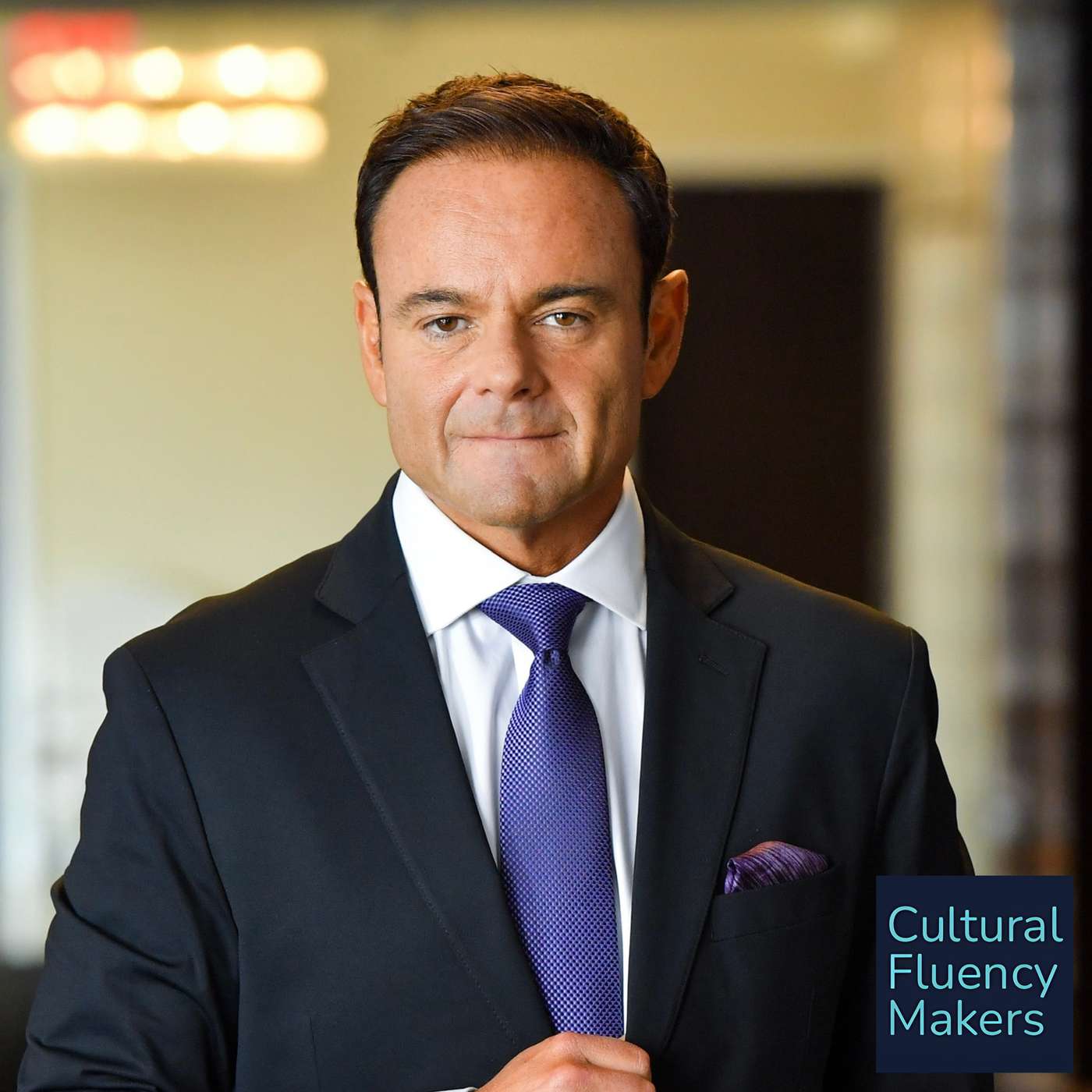
Doug Zarkin, an award-winning brand transformation expert known for his work with Victoria’s Secret PINK and Pearle Vision, shares insights on the evolving role of brands in today’s consumer-driven world. The conversation explores the importance of cultural intelligence, emphasizing the need for brands to remain culturally relevant while navigating a divisive social landscape. Doug highlights the value of treating customers as individuals, leading with humility, and prioritizing long-term loyalty over short-term acquisition. He also discusses the challenges of addressing cultural issues, the growing impact of AI in marketing, and offers personal reflections on leadership and motivation. The session wraps with Doug’s perspective on how brands can meaningfully engage with culture and his experiences in the marketing industry.Takeaways:Think Human: Treat every customer as if they are the only one. Personalize their experience to ensure high satisfaction and loyalty.Focus on Retention: It's five to 25 times more expensive to acquire a new customer than to retain an existing one. Prioritize maintaining and nurturing your current customer relationships.Revamp Customer Service: The term 'customer service' should be replaced with 'customer experience'. Ensure that your staff starts every interaction with empathy, understanding the customer's issue as a brand problem, not an inconvenience.Humility in Leadership: Have the humility to listen to both sides of the conversation, even if they conflict with your own views. This openness can help brands better navigate cultural fluency.Willingness to Sacrifice: Be prepared to handle the fallout from taking firm stands on cultural or social issues. If you've committed, be ready to double down and show that you're consistent and genuine in your stance.Leverage AI Responsibly: While AI can improve efficiency and offer new perspectives, it should never replace human connection. Use it to support your strategy, not dictate it.Empower Your Associates: Train and enable your staff to be ambassadors for your brand. Give them the authority and guidelines to handle customer interactions in ways that enhance the customer experience.Quote of the Show:“It is not a science at all for what it means to be culturally fluent. It is an art form, and the way you practice this art starts with humility. Be open-minded. Be willing to listen to both sides of the conversation, even if it doesn't make any sense to you.” Links:LinkedIn: https://www.linkedin.com/in/dougzarkin/ Website: https://www.dougzarkin.com/ Book Link: https://a.co/d/iBdTDNK Ways to Tune In:Spotify: https://open.spotify.com/show/6zWYQ3jHAH2t7Fp1IGKnex Apple Podcasts: https://podcastsconnect.apple.com/my-podcasts/show/cultural-fluency-makers-unlocking-business-growth-through-cultural-intelligence/19aa6ec3-7bd8-47d2-92f3-dd77a6296383/episodes Amazon Music: https://music.amazon.com/podcasts/1940eb19-acfb-45c1-bd1e-a4620ca9256e Podchaser: https://www.podchaser.com/podcasts/cultural-fluency-makers-unlock-5790367 Transistor: https://culturalfluencymakers.com/ YouTube: https://youtu.be/db5XCXFG0S8
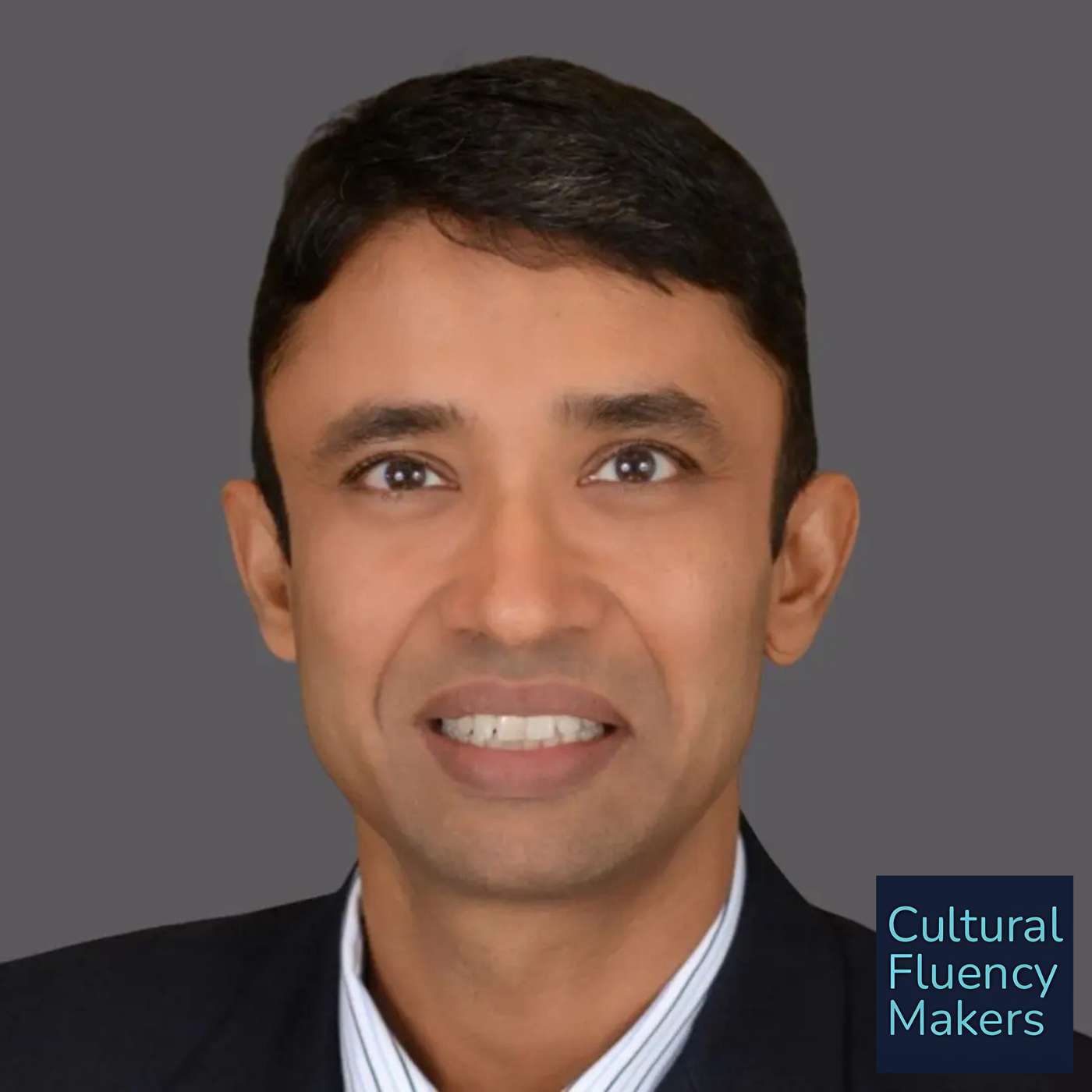
Can a Brand Truly Grow Without Understanding the Culture Around It?In this episode of Cultural Fluency Makers, host David Wellisch and Pavi Gupta dive deep into the critical role of cultural intelligence in today's rapidly changing consumer landscape. Discover why Pavi believes "insights is where it all begins" and how understanding consumers at a "deep human level" can provide a massive competitive advantage. The conversation explores how brands can authentically connect with diverse audiences without falling into the trap of inauthenticity, with Pavi discussing the importance of segmentation and understanding the "deeper drivers" rooted in culture. Viewers will go beyond mere relevance to understand what true "cultural fluency" looks like and how it should appear seamless and effortless for brands. Pavi shares his unique framework for categorizing insights—Validatory, Incremental, and Game-Changing —and offers a compelling real-world example of uncovering an insight that shifted brand strategy. The discussion also covers Pavi's perspective on the "grief cycle" the industry is experiencing with AI and how to embrace this technology to enhance human understanding. Finally, Pavi shares personal reflections on what inspires his curiosity and the advice he'd give his younger self to "enjoy the journey".Takeaways:Put the Consumer at the Center: Always ensure that the consumer is at the heart of your business strategy. Understanding and truly connecting at a deep human level with your target audience will help in creating a significant impact.Understand Consumer Feelings: In times of demographic and cultural shifts, it becomes crucial to understand what the consumer is truly feeling. This helps in navigating market polarization and ensuring you're addressing genuine consumer needs.Acknowledge Cultural Nuance: Recognize the importance of cultural nuances when segmenting your market. Cultural markers, demographics, geography, and consumption habits can all play significant roles in how you connect with different segments of your audience.Maintain Brand Authenticity: Strive for a balance between responding to cultural trends and staying true to your brand's authenticity. Overextending to appeal to all cultural voices can risk your brand coming across as inauthentic.Generate Game-Changing Insights: Utilize a framework that categorizes insights from known to unknown and intuitive to counterintuitive. Aim to move beyond atory and incremental insights to uncover game-changing insights that can significantly impact your business strategy.Embrace AI in Insights and Analytics: Accept and integrate AI technologies to improve your processes. AI can handle data insights, freeing up resources to focus on more significant, transformative insights.Foster Curiosity and Continuous Learning: Maintain a sense of curiosity like that of a child. Continual learning and adaptability are crucial in navigating changing landscapes and leveraging new technologies for business growth.Quote of the Show: "It's about finding balance — having a clear purpose, understanding where society is headed and what people are feeling, without being inauthentic. The challenge is making it all work together."Links:LinkedIn: https://www.linkedin.com/in/pavigupta/ Ways to Tune In:Spotify: https://open.spotify.com/show/6zWYQ3jHAH2t7Fp1IGKnex Apple Podcasts: https://podcastsconnect.apple.com/my-podcasts/show/cultural-fluency-makers-unlocking-business-growth-through-cultural-intelligence/19aa6ec3-7bd8-47d2-92f3-dd77a6296383/episodes Amazon Music: https://music.amazon.com/podcasts/1940eb19-acfb-45c1-bd1e-a4620ca9256e Podchaser: https://www.podchaser.com/podcasts/cultural-fluency-makers-unlock-5790367 YouTube: https://youtu.be/TqysknJNGoU

How crucial are cultural insights in today's data-driven world? Join host David Wellisch on this episode of Cultural Fluency Makers as he sits down with Jiaxi Zhu, Head of Analytics and Insights for Small and Medium Businesses at Google. Discover how Jiaxi leverages data and cultural intelligence to connect with diverse global audiences and tailor strategies for millions of small businesses worldwide. He also shares his perspective on The evolution of cultural insights beyond traditional demographics to "microcultures". Why understanding cultural nuances is vital for brand relevance and respect. How advanced analytics and personalization are transforming customer engagement. Navigating the complexities of customer journeys across online and offline touchpoints. The role of AI in customer engagement – its potential, limitations, and how to use it effectively as an enabler. The importance of combining quantitative data with qualitative human insights. Gain valuable insights into harnessing data for smarter, faster decisions and learn why cultural fluency is key to winning the hearts and minds of consumers in a constantly shifting global landscape. Takeaways:Embrace Microcultures & Personalization: Move beyond broad demographic segments. Recognize that each customer is different based on personal experiences and preferences. Optimize data and strategies around personalization to deliver tailored experiences and products. Integrate Cultural Insights into Strategy: Understand that cultural differences significantly impact customer needs, purchasing behaviors, and preferred communication styles. Develop go-to-market strategies that account for these local nuances, including timing (e.g., holidays) and communication methods (e.g., email vs. chat apps). Prioritize Data Quality & Bias Mitigation: While data is crucial for scaling customer understanding, be aware of potential biases (e.g., historical lending practices reflected in zip code data). Actively work to identify and mitigate these biases to ensure fair and accurate customer views. Combine Online & Offline Data for a 360° View: Recognize that customer journeys are complex and span multiple online platforms and offline interactions (like in-store visits or conversations with friends). Build infrastructure to capture and integrate data from all touchpoints to understand the customer's stage and true needs. Develop Real-Time Responsiveness: Cultural signals and trends can change rapidly, especially with social media. Implement systems that combine real-time data (like customer interactions) with analytics to stay responsive, adapt strategies quickly, and capture nuanced insights. Use AI as an Augmentation Tool: Leverage AI strategically, particularly where it can enhance human capabilities rather than fully replace them in customer engagement. Consider using AI to provide real-time recommendations or research support to sales/service teams, adding a layer of human judgment. Balance Data with Qualitative Insights: Don't rely solely on quantitative data, as it can be noisy or become outdated quickly. Combine data analysis with qualitative insights gathered from direct, on-the-ground customer interactions for a more nuanced and reliable understanding. Quote of the Show:“Cultural fluency is really understanding your customers at a personal level and building a very personalized experience and customer journey around that. Brands should achieve that by utilizing real-time data."Links:LinkedIn: https://www.linkedin.com/in/jiaxi-zhu/ Website: https://www.google.com/about/careers/applications/?src=Online%2FLinkedIn%2Flinkedin_page Ways to Tune In:Spotify: https://open.spotify.com/show/6zWYQ3jHAH2t7Fp1IGKnex Apple Podcasts: https://podcastsconnect.apple.com/my-podcasts/show/cultural-fluency-makers-unlocking-business-growth-through-cultural-intelligence/19aa6ec3-7bd8-47d2-92f3-dd77a6296383/episodes Amazon Music: https://music.amazon.com/podcasts/1940eb19-acfb-45c1-bd1e-a4620ca9256e Podchaser: https://www.podchaser.com/podcasts/cultural-fluency-makers-unlock-5790367 Transistor: https://culturalfluencymakers.com/ YouTube: https://youtu.be/JXUmOTyYPjo

What does it take to build inclusive, culturally relevant marketing in a rapidly changing world?Tariq Hassan, a veteran marketing executive with over 20 years of experience, most recently as Chief Marketing Experience Officer at McDonald’s discusses the evolving role of inclusive marketing in today’s shifting cultural and demographic landscape, the balance between data-driven insights and human intuition, and the unique challenges of connecting with youth and diverse audiences. Tariq highlights the need to personalize through data while preserving human connection and trust. He emphasizes cultural relevance in both targeted and holistic campaigns, discusses the impact of DEI amid today’s political climate, and explores how AI is reshaping marketing and operations. Takeaways:Importance of Inclusive Marketing: Focus on understanding and addressing the needs of diverse cultural and demographic groups to stay relevant. As cultural and demographic landscapes shift, inclusive marketing becomes increasingly essential.Connectivity and Intimacy with Customers: Maintain a deep understanding of your audience to foster genuine connection and intimacy. Use data intelligently to enhance personalization and value—misuse can erode trust.Human Quotient and Creativity: Despite advancements in AI, the human element remains vital. Let data inform decisions, but rely on human insight and creativity to guide them, avoiding a purely data-driven approach.Balancing Targeted Advertising vs. Holistic Campaigns: Don’t fall into an either-or mindset. Combine targeted efforts with broader campaigns, using insights and agile testing to optimize impact and resource allocation.Cultural Relevance: Engage authentically with cultural trends and communities. Understand how culture shapes consumer behavior and integrate these insights meaningfully into your marketing.Cultural Fluency: Develop a systematic approach to embedding cultural insights across your strategy. This includes recognizing preferences, understanding fan relationships, and using data to connect with diverse cultural segments.Role of AI: View AI as a catalyst for innovation and collaboration, not just efficiency. Use it to solve problems creatively while preserving the irreplaceable value of human experience.Quote of the Show:“I don’t think we spend nearly enough time truly asking what problem we’re trying to solve and digging into it, compared to how quickly we rush toward finding an answer.” Links:LinkedIn: https://www.linkedin.com/in/tariqhassan1/ Ways to Tune In:Spotify: https://open.spotify.com/show/6zWYQ3jHAH2t7Fp1IGKnex Apple Podcasts: https://podcastsconnect.apple.com/my-podcasts/show/cultural-fluency-makers-unlocking-business-growth-through-cultural-intelligence/19aa6ec3-7bd8-47d2-92f3-dd77a6296383/episodes Amazon Music: https://music.amazon.com/podcasts/1940eb19-acfb-45c1-bd1e-a4620ca9256e Podchaser: https://www.podchaser.com/podcasts/cultural-fluency-makers-unlock-5790367 Transistor: https://culturalfluencymakers.com/ YouTube: https://youtu.be/TcbgIuEaOR8
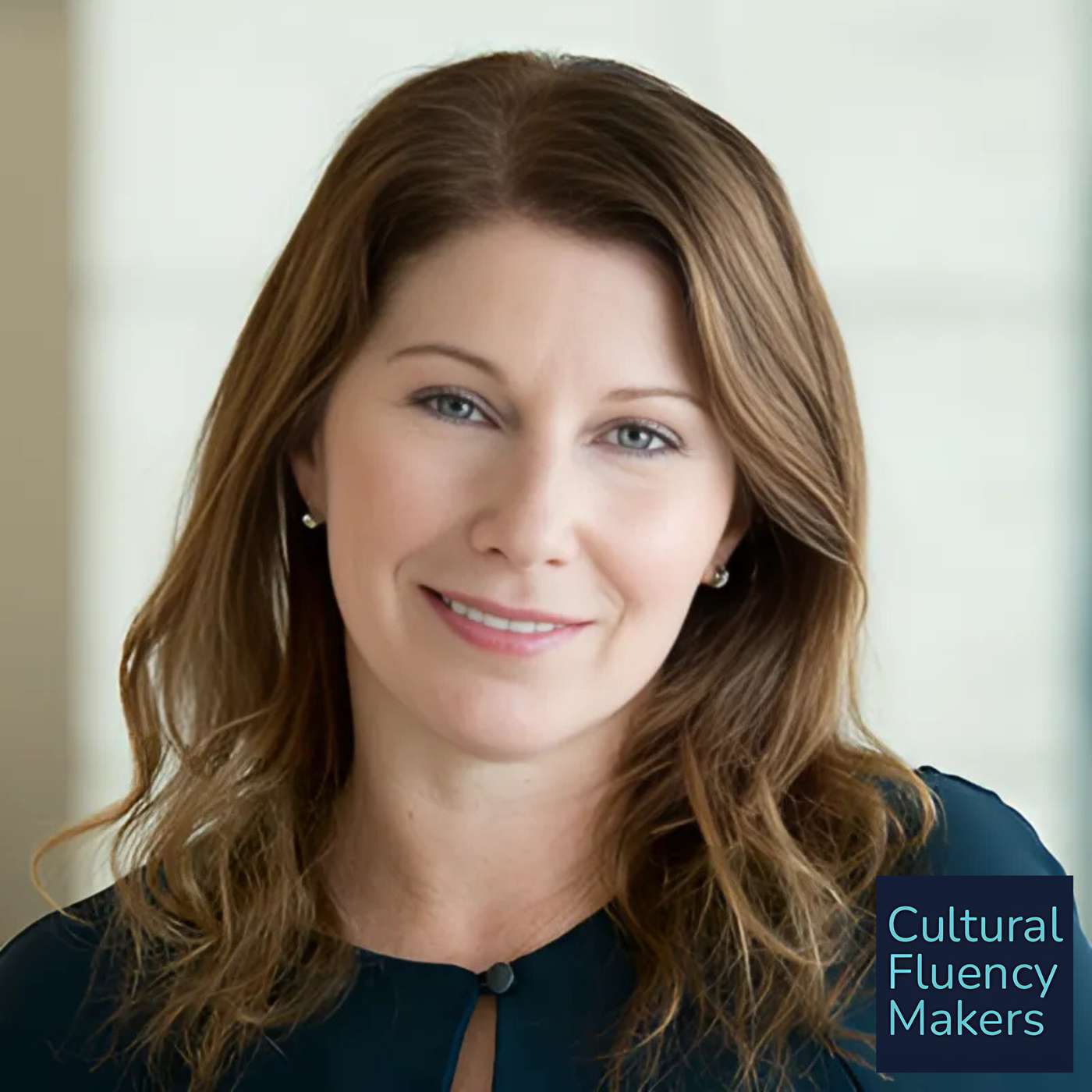
What does it take to build a global brand that connects with people on a deeply personal level?Award-winning marketing leader Cheryl Guerin, Executive Vice President of Global Brand Strategy and Innovation at MasterCard, shares how the company creates emotional resonance by focusing on what consumers truly care about—like music, sports, and travel. From major partnerships with the GRAMMYs to immersive experiences with Live Nation, Cheryl breaks down how passion-based segmentation drives deeper engagement.She also dives into the transformative role of AI in modern marketing, including tools for real-time insights, mentorship for small businesses, and hyper-targeted campaigns. Throughout the conversation, Cheryl reflects on the importance of cultural relevance, the balance between broad and niche messaging, and what it means to lead with both innovation and heart. Takeaways:Embrace Passion-Based Segmentation: Focus on consumer passions like music, sports, and travel to create deeper emotional connections. This strategy moves beyond traditional demographics, allowing brands to speak directly to what inspires and excites their audiences.Leverage Technological Shifts: Stay ahead by embracing emerging platforms like audio and building assets like a Sonic brand. Recognizing and acting on these shifts early can differentiate a brand and keep it culturally and technologically relevant.Curate Assets for Diverse Segments: Tailor marketing content to reflect cultural diversity and specific audience interests. By combining broad appeal with targeted outreach, brands can authentically connect with a wider range of consumers.Be Meaningful and Authentic: Prioritize genuine, culturally relevant messaging that adds value to consumers' lives. Audiences are more likely to engage with brands that feel human and align with their values and lifestyles.Learn by Doing: Encourage experimentation and innovation to discover what resonates and drives success. A test-and-learn mindset fosters agility, helping teams pivot quickly and confidently in a dynamic market.Utilize AI for Efficiency: Use AI to streamline research, campaigns, and decision-making processes. From automating routine tasks to uncovering insights faster, AI empowers marketers to focus on creativity and strategy.Continuous Evolution: Regularly update strategies to stay relevant in an ever-changing market landscape. What worked yesterday may not work tomorrow, so embracing change is key to long-term brand growth and relevance.Quote of the Show:“If you're really gonna create an emotional connection with people, it has to be culturally relevant. You have to be engaged in an authentic, genuine way. And that's why I believe this passion strategy works.” Links:LinkedIn: https://www.linkedin.com/in/cheryl-guerin-a2121410/ Website: https://www.mastercard.us/en-us.html Ways to Tune In:Spotify: https://open.spotify.com/show/6zWYQ3jHAH2t7Fp1IGKnex Apple Podcasts: https://podcastsconnect.apple.com/my-podcasts/show/cultural-fluency-makers-unlocking-business-growth-through-cultural-intelligence/19aa6ec3-7bd8-47d2-92f3-dd77a6296383/episodes Amazon Music: https://music.amazon.com/podcasts/1940eb19-acfb-45c1-bd1e-a4620ca9256e Podchaser: https://www.podchaser.com/podcasts/cultural-fluency-makers-unlock-5790367 Transistor: https://culturalfluencymakers.com/ YouTube: https://youtu.be/XPEuYgu9v2o
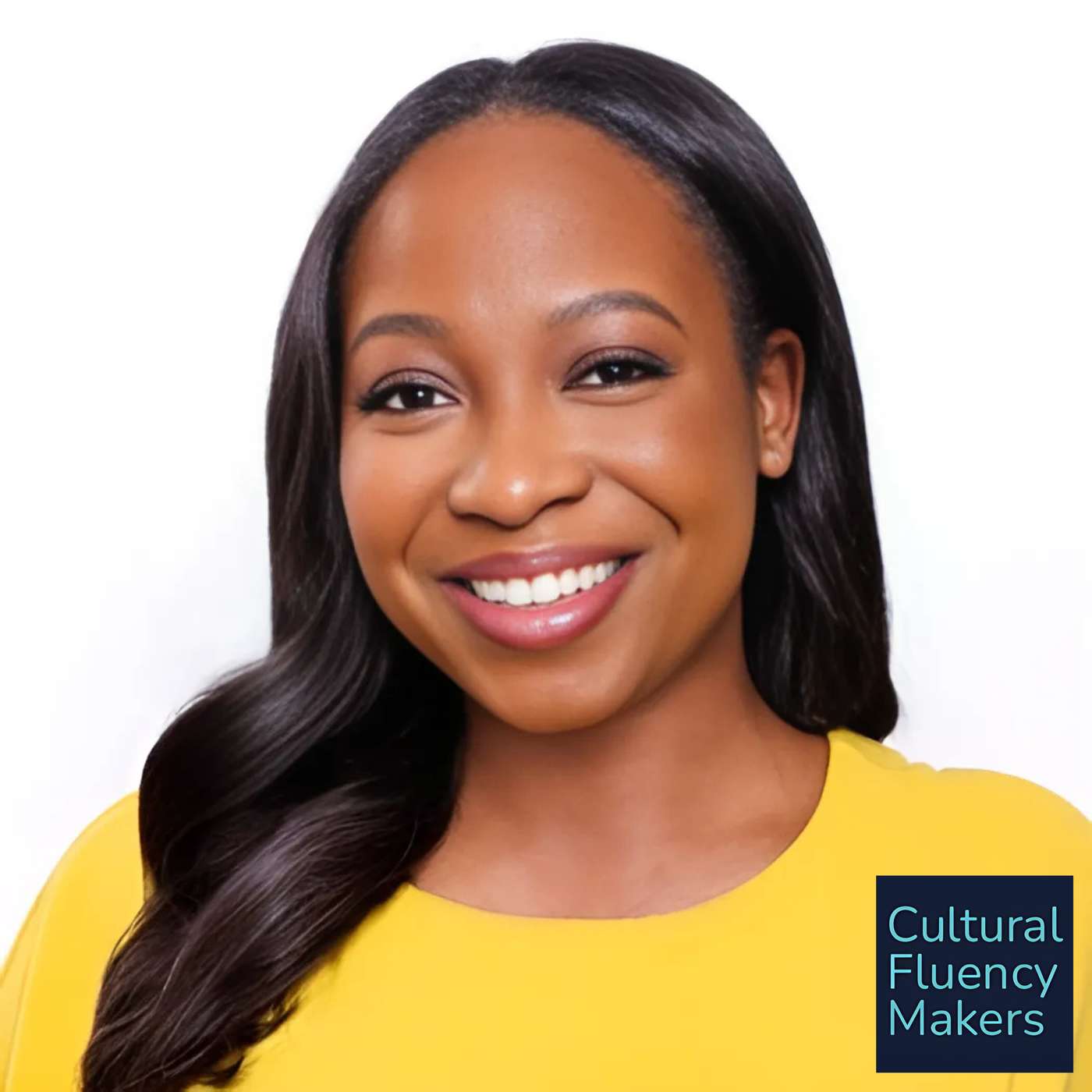
Lauren Flanigan, the head of Global Brands Refreshment Categories at Mondelez International, talks about the critical role of inclusive marketing in today's diverse and dynamic cultural landscape. Lauren emphasizes that inclusive marketing is vital, not just as a token gesture, but as a core business strategy that drives strong results and authentic connections with consumers. Using examples from brands like Nike and Oreo, she underscores the importance of authenticity, consistency, and leadership buy-in to effectively implement inclusive marketing. The conversation also covers the intersection of DEI (Diversity, Equity, and Inclusion) strategies with broader business objectives, the role of AI in enhancing consumer insights and marketing efficiencies, and the essential nature of cultural relevance for brand love and competitive advantage. Takeaways:Embrace Inclusive Marketing as a Necessity: Inclusive marketing is essential in today’s diverse market. Ensure your strategies genuinely reflect and connect with all consumer segments.Build Authentic Relationships with Communities: Avoid opportunistic marketing. Foster long-term relationships, like Oreo’s ongoing support for Pride events.Ensure Consistency in Inclusive Efforts: Maintain consistency in messaging and inclusivity, even through leadership changes or strategy shifts.Obtain Leadership Buy-In: Secure leadership support by presenting data and examples that highlight the business benefits of diversity and inclusion.Use Data-Driven Insights: Leverage consumer data to inform marketing strategies, ensuring relevance and effectiveness.Engage with Cultural Relevance and Fluency: Understand and respect cultural nuances, actively participating in cultural conversations to enhance brand connection.Utilize AI Responsibly in Marketing: Use AI for research, data synthesis, and content generation while ensuring it does not perpetuate harmful stereotypes and maintains a human touch.Quote of the Show:“Enter conversations with intentionality and an intent to commit so that it lands with authenticity.” Links:LinkedIn: https://www.linkedin.com/in/lauren-flanigan-81b0775b/ Website: https://www.mondelezinternational.com/ Ways to Tune In:Spotify: https://open.spotify.com/show/6zWYQ3jHAH2t7Fp1IGKnex Apple Podcasts: https://podcastsconnect.apple.com/my-podcasts/show/cultural-fluency-makers-unlocking-business-growth-through-cultural-intelligence/19aa6ec3-7bd8-47d2-92f3-dd77a6296383/episodes Amazon Music: https://music.amazon.com/podcasts/1940eb19-acfb-45c1-bd1e-a4620ca9256e Podchaser: https://www.podchaser.com/podcasts/cultural-fluency-makers-unlock-5790367 YouTube: https://youtu.be/l4fxp3XdmMw
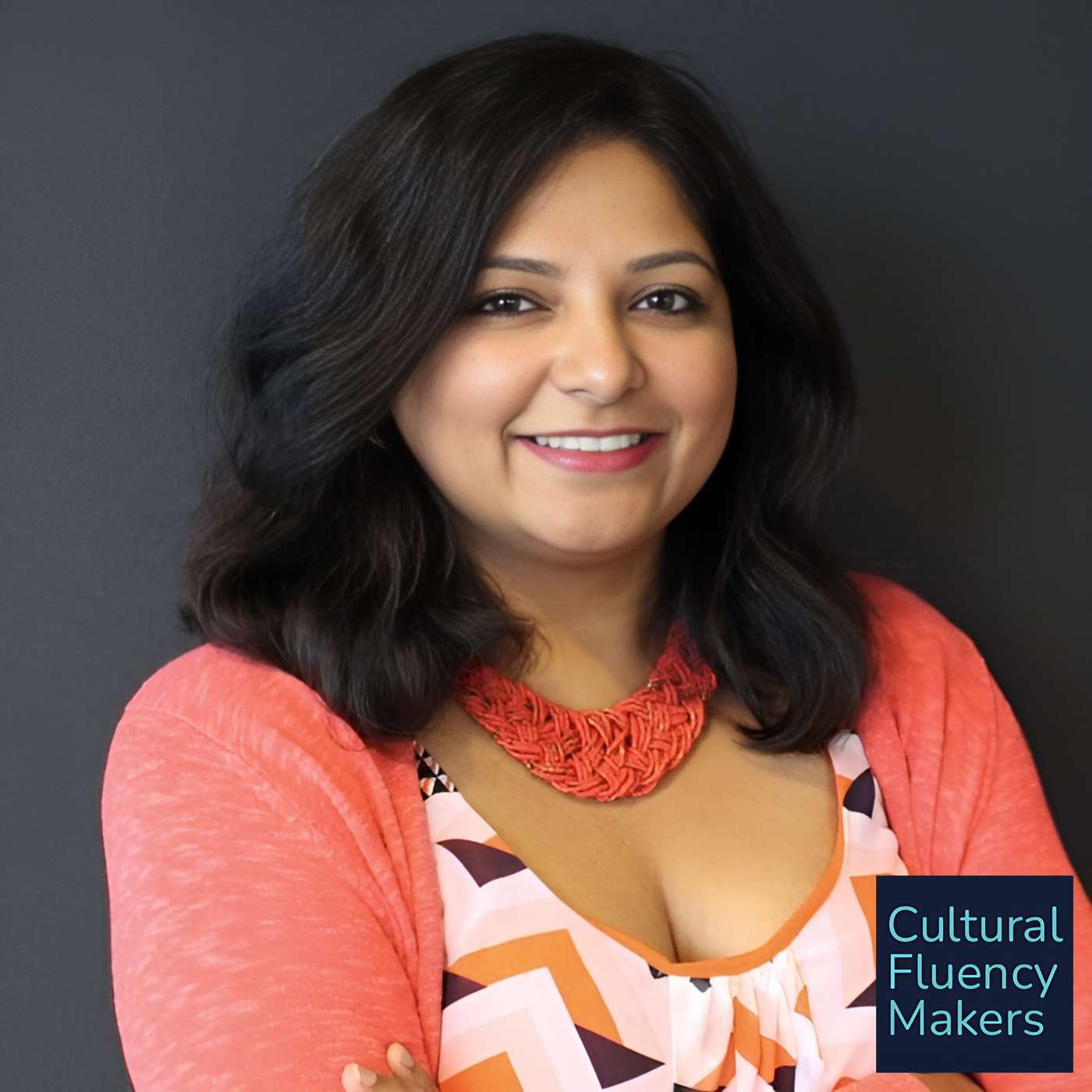
How can brands achieve true authenticity in an increasingly diverse world? Aarti Bhaskaran, Global Head of Research and Insights at Snap discusses her extensive experience and perspectives on inclusive marketing in today’s evolving cultural and demographic landscape. Aarti critiques the term "inclusive marketing" and advocates for putting the consumer at the center of marketing strategies, rather than simply checking demographic boxes.Aarti highlights the increasing diversity across generations and emphasizes the importance of authenticity in brand messaging. She shares insights into Snap’s commitment to diversity, equity, and inclusion (DEI) through initiatives like the annual DEI innovation summit and the 523 school, which empowers underrepresented creators.The conversation also explores the challenges brands face in achieving cultural relevance, stressing the need for values-driven marketing that adapts to cultural shifts. Aarti also provides valuable perspectives on Snap's use of AI, its role in shaping both the platform and the research industry, and the potential limitations of AI in consumer insights.Takeaways:Brand Authenticity: Brands need to maintain authenticity and avoid tokenistic gestures. Genuine understanding and representation of cultural and demographic diversity are crucial.Communication Platforms: Platforms like Snap have succeeded by providing safe spaces for genuine communication, fostering inclusivity and authenticity amongst diverse user bases.Importance of Values: Understanding and promoting core values that resonate with consumers creates a more authentic connection. This includes understanding the deeper cultural significance behind consumer behaviors and celebrations.Challenges in Modern Marketing: The increasingly complex and diverse consumer landscape presents significant challenges. Marketers must balance revenue with authentic brand building, navigate changing demographics, and address varied consumer interests and values.Role of AI: AI is transforming marketing and research processes by improving efficiency and personalization. However, it’s essential to maintain human storytelling and insights to understand and connect with consumers genuinely.Continual Learning and Adaptation: Successful brands and marketers prioritize continual learning, staying updated with evolving cultural contexts, consumer behaviors, and leveraging new technologies for deeper engagement and relevance.Quote of the Show:"Constantly updating who you are is key. It’s about maintaining core values that don’t change while finding new ways to express those values as you grow."Links:LinkedIn: https://www.linkedin.com/in/aarti-bhaskaran-b1658414/ Website: https://www.snap.com/?lang=en-US Ways to Tune In:Spotify: https://open.spotify.com/show/6zWYQ3jHAH2t7Fp1IGKnex Apple Podcasts: https://podcastsconnect.apple.com/my-podcasts/show/cultural-fluency-makers-unlocking-business-growth-through-cultural-intelligence/19aa6ec3-7bd8-47d2-92f3-dd77a6296383/episodes Amazon Music: https://music.amazon.com/podcasts/1940eb19-acfb-45c1-bd1e-a4620ca9256e Podchaser: https://www.podchaser.com/podcasts/cultural-fluency-makers-unlock-5790367 Transistor: https://culturalfluencymakers.com/ YouTube: https://youtu.be/avYfqG4dd3U
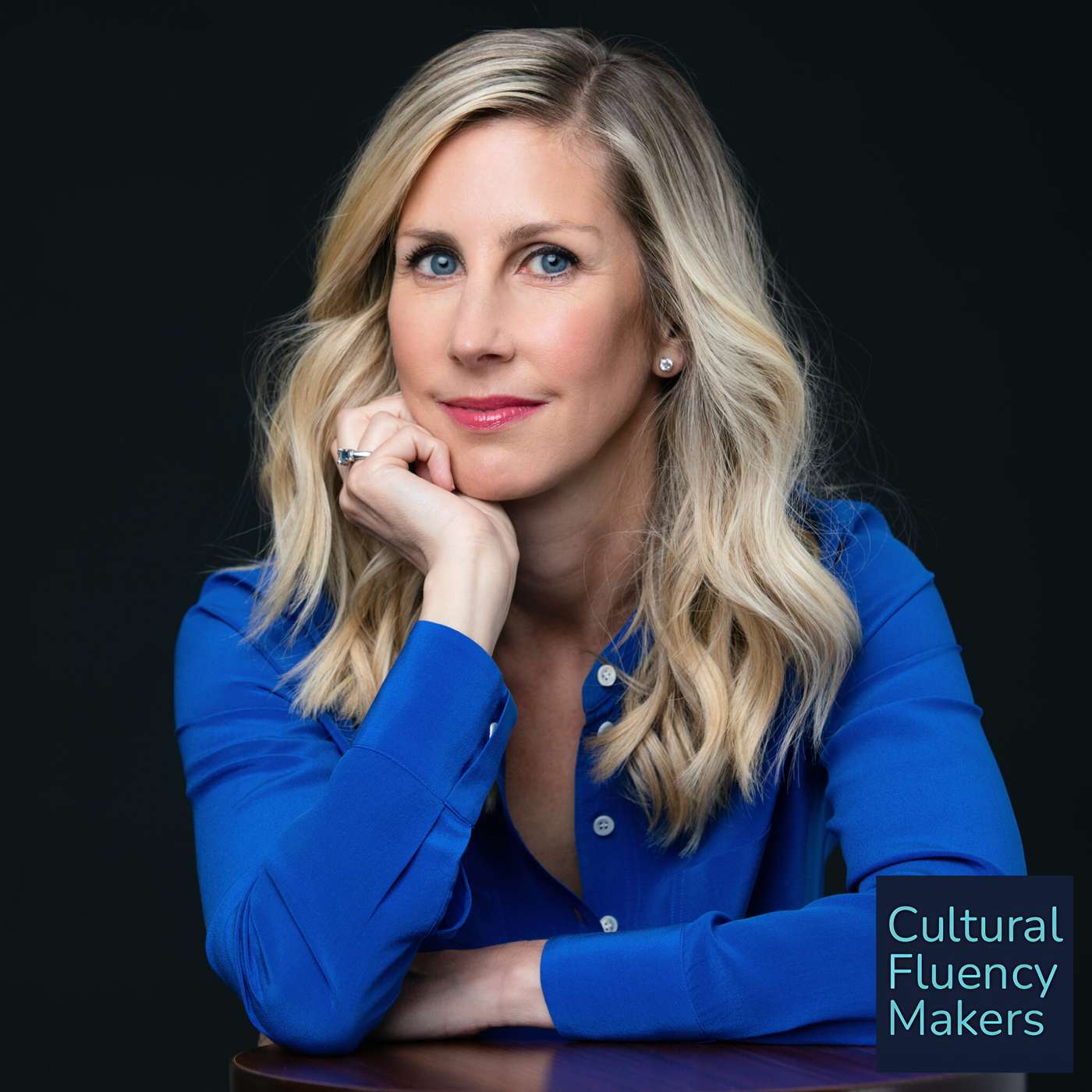
Linda Bethea, Chief Marketing Officer at Danone, explores the complexities of inclusive marketing. She highlights the importance of integrating inclusivity into all marketing strategies, rather than treating it as a standalone initiative. She discusses how America's diverse cultural and demographic landscape calls for this approach to effectively engage with newer, more diverse generations.The conversation touches on challenges such as educating internal stakeholders and expanding reach through diverse media platforms. Linda also shares valuable insights into the role of AI in marketing and creative processes, as well as the critical importance of cultural relevance.Takeaways:Inclusive Marketing is Core to All Marketing: Shift your mindset from treating multicultural and inclusive marketing as separate strategies. Integrate inclusivity into every aspect of your marketing efforts.Effective Campaign Targeting: Base your campaigns on diverse insights to connect with the broadest possible audience. Tailor your approach to ensure inclusivity from the start.Ongoing Stakeholder Education: Continuously educate stakeholders, leadership teams, and marketing professionals about the importance of inclusive marketing to drive growth and success.Consumer-Centric Focus: Keep the consumer at the center of your strategy, using consumer insights and cultural trends to inform your marketing and product development.Leverage AI for Insights: Use AI to gain insights into creative performance and speed up the creative process. Let AI enhance creativity, while complementing deep creative thinking.Create Resonant, Culturally Relevant Content: Ensure your creative strategies and content resonate with diverse audiences by understanding cultural trends and producing authentic content.Engage Younger Audiences: Study younger consumers' media habits and cultural interests. Use platforms like TikTok and culturally relevant content to attract this demographic.Quote of the Show:“ As marketers, we need to shift our mindset from thinking about multicultural and inclusive marketing as a separate strategy or a separate pillar to embedding it in everything we do. Inclusive marketing is marketing.”Links:LinkedIn: https://www.linkedin.com/in/linda-bethea-12b7a1/ Website: https://www.danone.com/ Ways to Tune In:Spotify: https://open.spotify.com/show/6zWYQ3jHAH2t7Fp1IGKnex Apple Podcasts: https://podcastsconnect.apple.com/my-podcasts/show/cultural-fluency-makers-unlocking-business-growth-through-cultural-intelligence/19aa6ec3-7bd8-47d2-92f3-dd77a6296383/episodes Amazon Music: https://music.amazon.com/podcasts/1940eb19-acfb-45c1-bd1e-a4620ca9256e Podchaser: https://www.podchaser.com/podcasts/cultural-fluency-makers-unlock-5790367 Transistor: https://culturalfluencymakers.com/ YouTube: https://youtu.be/QHV_YXLbjyY

Comments

Download from Google Play

Download from App Store
 United States