


 Claim Ownership
Devpolicy Talks
Subscribed: 450Played: 1,811
Subscribe

© All rights reserved
Description
Devpolicy Talks brings you interviews, event recordings and in-depth documentary features relating to the topics we research at the Development Policy Centre. The Centre, part of the Australian National University’s Crawford School of Public Policy, works on Australian aid, development in Papua New Guinea and the Pacific, and regional and global development issues. It is host to the Devpolicy Blog (devpolicy.org) and a range of public events including the annual PNG Update, the Pacific Update and the Australasian Aid and International Development Conference.
361 Episodes
Reverse
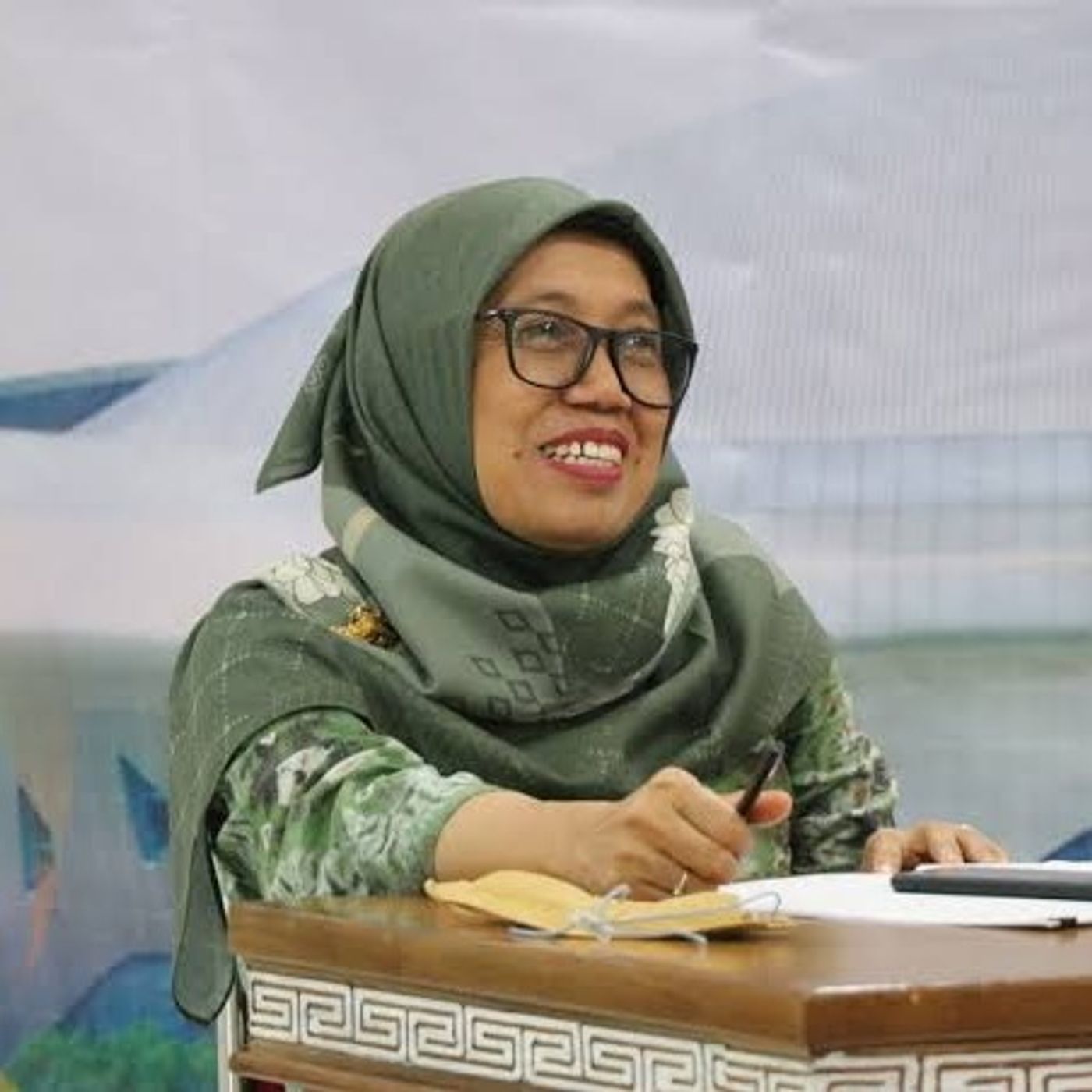
Robin Davies speaks with Dr Tri Hastuti Nur Rochimah, Secretary General of the Central Board of 'Aisyiyah and a lecturer in communication studies at Universitas Muhammadiyah Yogyakarta, about one of the world's largest women's organisations. Founded in 1917 as the women's wing of Muhammadiyah, 'Aisyiyah today counts around 25 million members and sympathisers across all 38 Indonesian provinces and 465 districts, and has established special branches in Australia, Japan, Malaysia, Egypt and elsewhere. Tri Hastuti sets out the organisation's identity as a faith-based women's movement whose service delivery — grounded in the Al-Ma'un theology of care for the poor — spans education, health, law, economic empowerment and social welfare.The conversation maps the sheer scale of 'Aisyiyah's operations: more than 20,000 kindergartens, hundreds of primary and secondary schools, ten universities, 21 hospitals, 55 clinics, around 500 credit unions and some 6,000 community economic groups. Tri Hastuti explains how 'Aisyiyah operates as a "special autonomous" body within Muhammadiyah, sharing religious values and referring to Muhammadiyah policy — including its fatwas, to which 'Aisyiyah contributes a gender perspective — while retaining its own authority to own and manage enterprises. She describes how a hierarchy running from national to village level, supported by regular meetings, WhatsApp groups and Zoom, links Jakarta-based leadership with grassroots members, and how the organisation is funded through a combination of member donations, social enterprise revenue, government partnerships and international donor support.Tri Hastuti reflects on 'Aisyiyah's relationships with government at every level, with Nahdlatul Ulama's women's wing Fatayat NU on shared concerns such as child marriage, and with international donors including through the MAMPU and INKLUSI programs supported by the Australian government. She argues there is no conflict between 'Aisyiyah's religious values and donors' secular frameworks: donor funding accelerates delivery and helps pilot models — for example on disability inclusion, husbands' roles in preventing domestic violence, and reproductive health — that 'Aisyiyah can then scale across its own networks.The discussion turns to some of the most difficult issues facing Indonesian women and girls. Tri Hastuti outlines 'Aisyiyah's comprehensive response to child marriage, working with religious leaders, local government, young people and survivors, including through non-formal education for those who have dropped out of school. On female genital mutilation, she describes how Muhammadiyah's fatwa is used to counter cultural justifications, alongside engagement with midwives, nurses and local leaders. On domestic violence, she notes that 'Aisyiyah runs 109 pro bono law firms serving poor women.Later in the conversation, Tri Hastuti discusses 'Aisyiyah's work with male religious leaders, its growing advocacy on climate change, its perspective on President Prabowo's MBG school-feeding program and the case for more locally led implementation, and how the organisation is harnessing young Indonesians' enthusiasm for social media as it looks to the decade ahead.
Devpolicy Talks is the podcast of the Australian National University's Development Policy Centre. Read and subscribe to our daily blogs at devpolicy.org.Learn more about our research and join our public events at devpolicy.anu.edu.au.Follow us on Facebook, LinkedIn, Instagram and X for updates on blog posts, publications and events.You can send feedback, and ideas for episodes too, to [email protected].
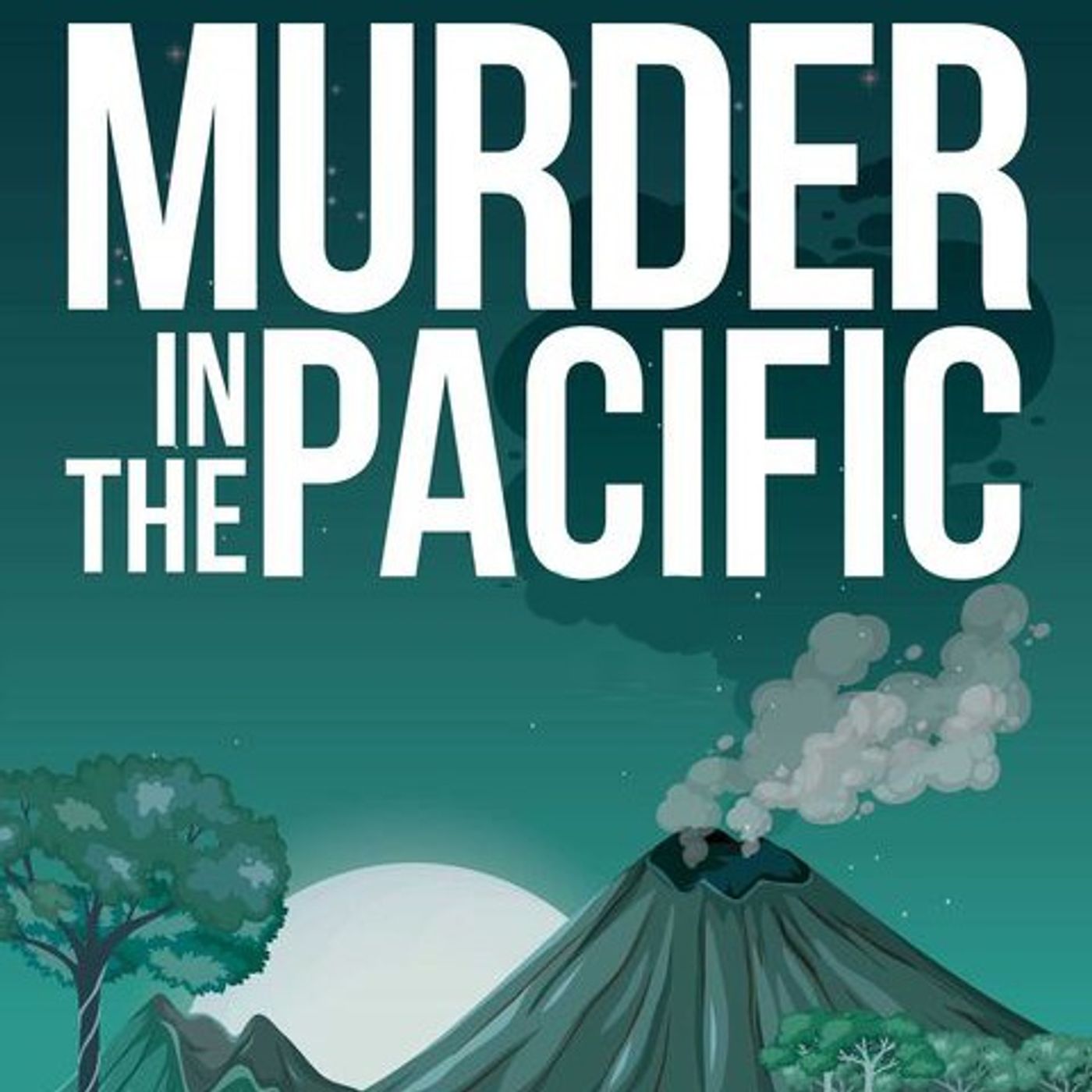
In this episode, Gordon Peake speaks with the pseudonymous crime writer Matt Francis about the Murder in the Pacific series, four novels set across the provinces of Vanuatu and featuring Sergeant George Long, a Ni-Vanuatu police officer of mixed Chinese and Ni-Vanuatu heritage, and his partner Constable Jaylene Olly. Francis explains that the idea took shape during a rainstorm outside the Australian High Commission in Port Vila, when a description he jotted down grew into a plan to write one book for each of Vanuatu's six provinces. Four have been published, a fifth set on Ambrym against the backdrop of a Mount Benbow eruption is drafted, and a sixth is planned for Torba and the Torres Islands.
Francis describes the books as love letters to a country he adores, but ones that do not shy away from its absurdities or from the frictions of the aid industry. He and Peake discuss the gentle lampooning of donor programming that runs through the series: the banners, the certificates of participation, the photo opportunities, and the constant cycle of training courses that pull police officers away from their duties. Francis draws on three decades of experience, beginning with an international NGO in the mid-1990s using AusAID funds on HIV and AIDS care and prevention in Thailand and Myanmar, and reflects on why training remains such a favoured deliverable for donors.
The conversation turns to the geopolitics of Australia–China donor competition, drawing on Francis's fieldwork in Papua New Guinea in 2018 and 2019 and later community-level research with taxi drivers and market mamas in Vanuatu. He argues that Ni-Vanuatu and Papua New Guinean interlocutors have a sophisticated understanding of donor rivalry and exercise real agency in playing one partner against another, an agency he found Australian officials often failed to recognise. Peake and Francis also examine the politics of per diems as a rational salary top-up, and the highly political environment in which senior police and public servants operate in a small country where the pool of candidates for top positions is narrow and the stakes are correspondingly high.
Francis also explains the pen name. Writing the first book in 2018 and 2019, he feared being blacklisted from Vanuatu or having grant applications penalised after taking potshots at High Commission staff and Ni-Vanuatu political figures. He has kept the Francis byline for later projects, including film scripts and a musical. Peake, who reviewed the series for Devpolicy, commends the books as humbling, absorbing reads that convey how much backstory is needed to understand anything in Vanuatu, and how small does not mean simple.
Devpolicy Talks is produced by Robin Davies, Amita Monterola and Finn Clarke.
Devpolicy Talks is the podcast of the Australian National University's Development Policy Centre. Read and subscribe to our daily blogs at devpolicy.org.Learn more about our research and join our public events at devpolicy.anu.edu.au.Follow us on Facebook, LinkedIn, Instagram and X for updates on blog posts, publications and events.You can send feedback, and ideas for episodes too, to [email protected].

Gordon Peake's Memorandum of Understanding documentary podcast series, while produced by the Development Policy Centre, was formerly separate from Devpolicy Talks. Its back catalogue has now been added to this feed as a set of bonus episodes to ensure its continued availability.
Devpolicy Talks is the podcast of the Australian National University's Development Policy Centre. Read and subscribe to our daily blogs at devpolicy.org.Learn more about our research and join our public events at devpolicy.anu.edu.au.Follow us on Facebook, LinkedIn, Instagram and X for updates on blog posts, publications and events.You can send feedback, and ideas for episodes too, to [email protected].

Rick Brennan, an Australian emergency physician appointed a Member of the Order of Australia in 2025, recounts the pivotal early decision that shaped his professional life — choosing public health and humanitarian work over clinical medicine after being offered a full-time role with the US Centers for Disease Control. He describes the emotional weight of that moment, knowing it meant the end of his clinical career, but reflects that he never looked back. He also discusses the countrywide mortality surveys he led in the Democratic Republic of the Congo during his decade at the International Rescue Committee, which documented over five million excess deaths — the vast majority caused not by direct violence but by the collapse of the health system.
A substantial portion of the conversation covers Brennan's work in Liberia under President Ellen Johnson Sirleaf, where strong national leadership from a Nobel Peace Prize–winning president and a transparent, dedicated minister of health helped the country meet the Millennium Development Goals for child mortality — a remarkable achievement for the seventh poorest country in the world, which reduced child mortality faster than any other country in Africa. Brennan highlights the role of well-designed transition funding from the US Office of Foreign Disaster Assistance in averting the closure of health facilities as humanitarian funding declined and development funding was slow to materialise.
The discussion turns to the 2014 West Africa Ebola outbreak, where Brennan candidly acknowledges the World Health Organization's early failures, its slow scale-up across country office, regional and headquarters levels, and the organisation's struggle to communicate its subsequent course corrections — including then-Director-General Margaret Chan's concern that doing so would sound defensive. He reflects on the importance of community engagement and working through local NGOs with established field presence, rather than arriving with a top-down expert approach. The crisis ultimately catalysed WHO's shift toward an all-hazards emergency management framework and the establishment of the WHO Health Emergencies Programme under Pete Salama in 2016, bringing preparedness, detection, response and recovery work under a single program.
Brennan details his experience covering Afghanistan following the Taliban takeover, including the pragmatic diplomacy required to convene meetings in Doha that brought Taliban health officials together with major donors who were officially prohibited from engaging with the new government. He describes the development of an interim health strategy with buy-in from UNICEF, the World Bank and USAID that became the basis for continued donor funding through UN agencies rather than the government. The conversation also touches on the impact of recent US aid cuts, what Australia can do to help fill emerging gaps in the region, and the unfinished business of the grand bargain — particularly on unearmarked funding, cash transfers, pooled funding and the localisation agenda, where funding through local partners reached only four and a half per cent by 2023 against a 25 per cent target.
The episode's most confronting segment addresses Gaza, where Brennan outlines the scale of devastation: over 70,000 deaths, 170,000 injured, 42,000 facing lifetime disabilities, and 92 per cent of dwellings damaged or destroyed. He discusses the systematic obstruction of humanitarian access negotiated through COGAT, with well over 50 per cent of mission requests denied at times, and WHO's documentation of more than 840 attacks on healthcare in Gaza and over 900 in the West Bank since the conflict began. Brennan notes that WHO's global surveillance system has recorded over 9,200 attacks on healthcare since 2018, resulting in more than 4,000 deaths — averaging three attacks and one and a half deaths per day — with not a single person held to account. He points to the polio vaccination campaign, which achieved 95 per cent coverage during a ceasefire, as evidence of what can be accomplished when access and resources are provided, and calls for a global alliance for the protection of healthcare grounded in the political will of member states.
Devpolicy Talks is the podcast of the Australian National University's Development Policy Centre. Read and subscribe to our daily blogs at devpolicy.org.Learn more about our research and join our public events at devpolicy.anu.edu.au.Follow us on Facebook, LinkedIn, Instagram and X for updates on blog posts, publications and events.You can send feedback, and ideas for episodes too, to [email protected].
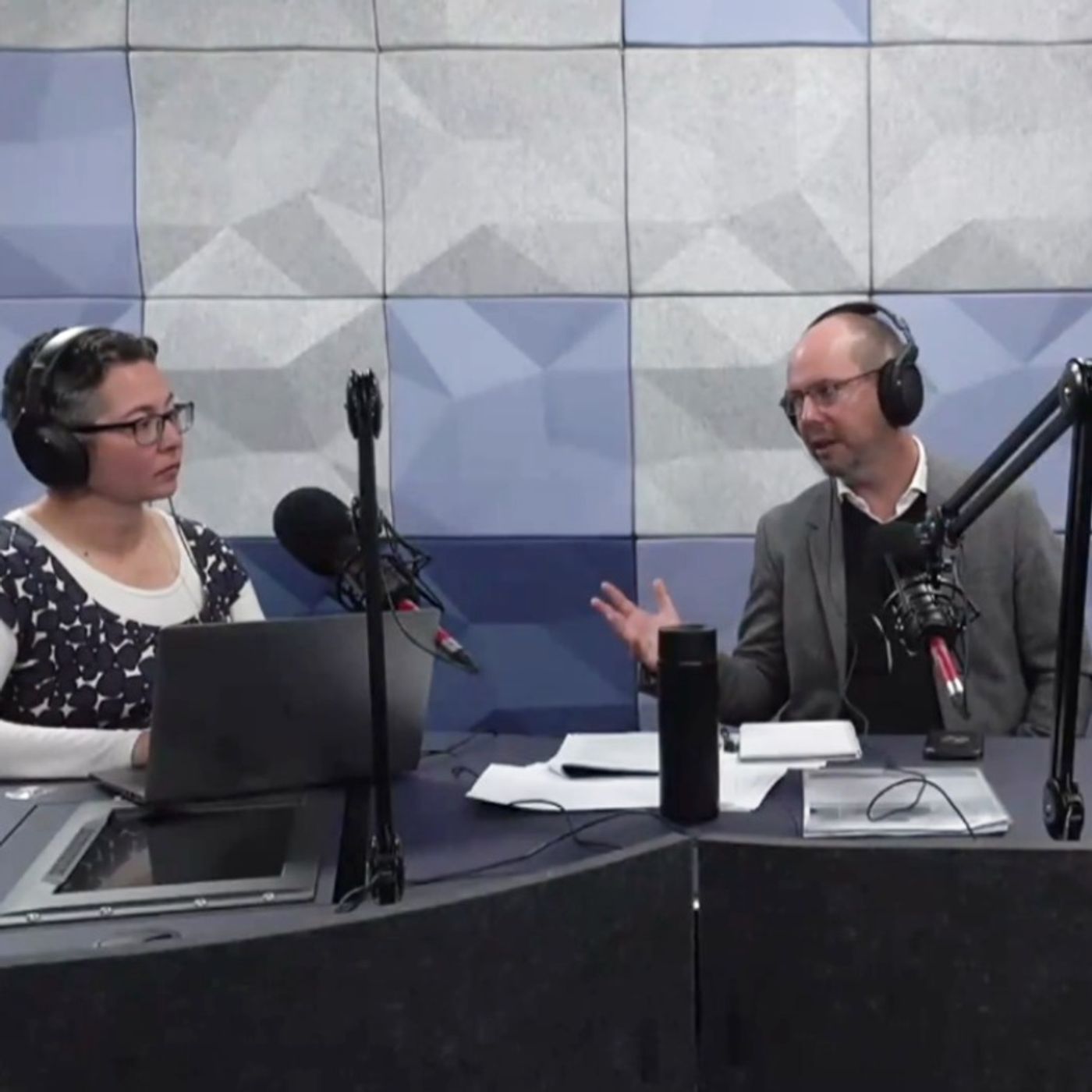
Recorded the morning after the 2026–27 federal budget, this first episode of the 2026 season brings you the Development Policy Centre's fourteenth annual aid budget breakfast, hosted by Devpolicy Blog editor Amita Monterola with analysis from Cameron Hill and Robin Davies. The session was held live from the Pacific Security College studio at the Crawford School, with questions from an online audience of aid practitioners, researchers, students and government officials.
Cameron and Robin both refer to slide presentations throughout; a video recording with the slides is available on the Development Policy Centre's YouTube channel.
Cameron unpacks how the government's 2.5% indexation measure — promised in the 2023 budget — is being applied for the first time. Combined with a 5% inflation estimate for the current financial year and slightly lower inflation thereafter, the result is a cumulative real fall in ODA of around 7% across the forward estimates. The ODA/GNI ratio falls from 0.18% to 0.16%, aid as a share of the federal budget drops from 0.65% to 0.58%, and the projected ratio of defence to aid spending widens from roughly 11:1 today to around 18:1 by the mid-2030s. The program also becomes more concentrated on the Pacific, which now receives 42% of Australian ODA, while spending on South and West Asia, Africa, the Middle East and global programs has fallen substantially over the past decade.
Within this year's budget, Cameron highlights a $111 million reduction in global and multilateral funding, including cuts to UNDP and Global Partnership for Education core funding and the cessation of Australia's contributions to UNAIDS and the Pandemic Fund. He notes a recurring tension: Australia continues to reprioritise away from multilateral core funding while simultaneously asking those agencies to direct more resources to the Pacific.
Robin then places the Australian figures in their global context. Global ODA fell by 23% — around $50 billion — from 2024 to 2025, the steepest single-year decline since records began in the 1960s. On current policy settings, he projects aid will be around 40% below its 2023 peak by 2028, with the cuts driven by a group of roughly ten donors led by the United States, but with Germany, France, the Netherlands and others still having most of their announced cuts ahead of them. The OECD's own projections are more optimistic, as they were a year ago. Contributions from non-DAC donors, including China, have drifted up to around $15–16 billion annually but come nowhere near offsetting the cuts.
A wide-ranging Q&A session then covers multilateral effectiveness in the Pacific, ODA graduation and Nauru's likely move to high-income status, the treatment of AIFFP loan grant equivalents, the adequacy of humanitarian funding amid escalating global needs, peacebuilding and conflict prevention, climate finance and the prospects for the Pacific COP, and whether private finance might fill the gap left by shrinking public aid budgets.
Devpolicy Talks is the podcast of the Australian National University's Development Policy Centre. Read and subscribe to our daily blogs at devpolicy.org.Learn more about our research and join our public events at devpolicy.anu.edu.au.Follow us on Facebook, LinkedIn, Instagram and X for updates on blog posts, publications and events.You can send feedback, and ideas for episodes too, to [email protected].

Comments

Download from Google Play

Download from App Store
 United States