


 Claim Ownership
Digital Construction Podcast
Subscribed: 0Played: 0
Subscribe

© Andrea Ciaffi
Description
A podcast about digital technologies for the Construction Industry.
Hosted on Acast. See acast.com/privacy for more information.
44 Episodes
Reverse
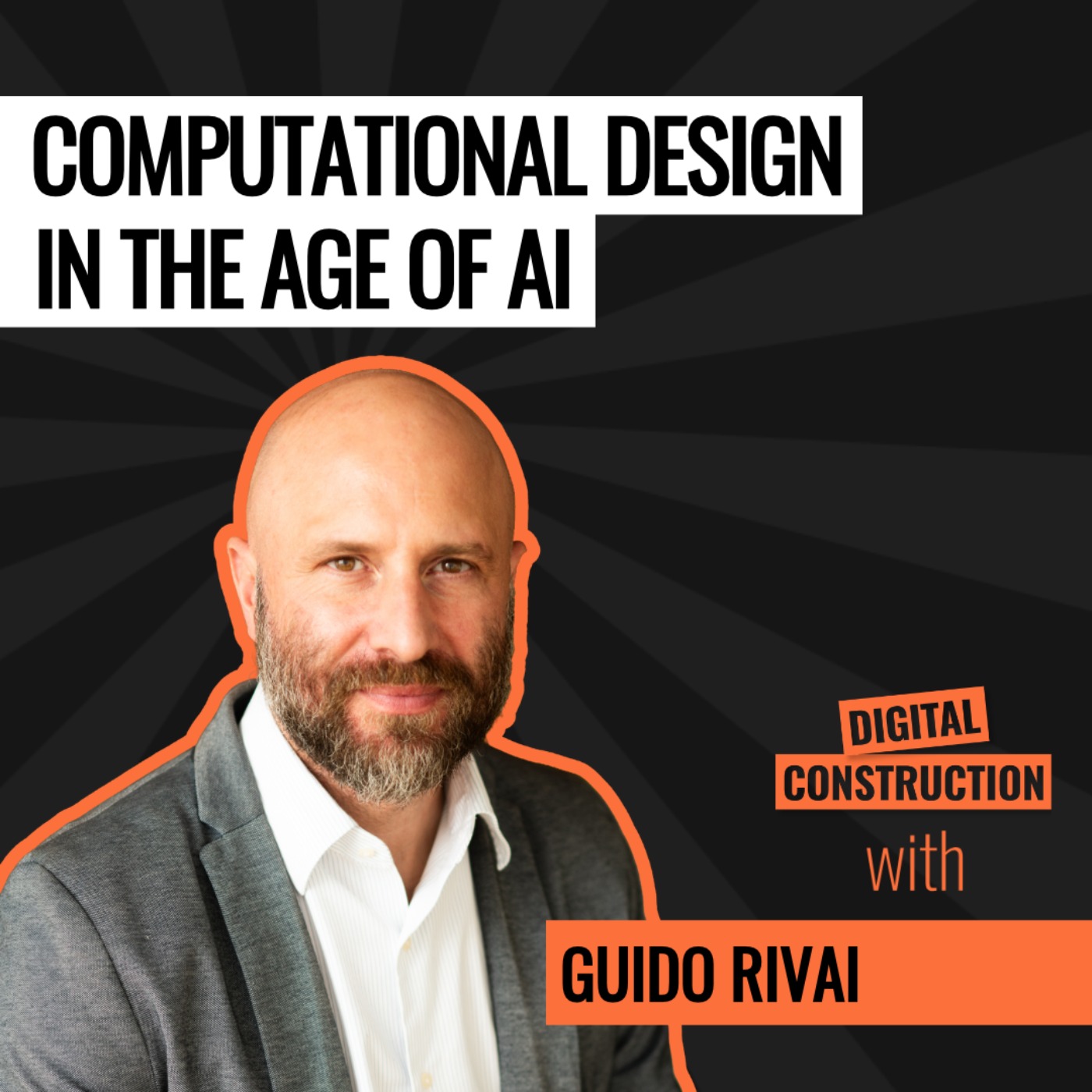
Computational design in the age of AI: how automation, vibe coding and custom scripts take BIM from design to fabrication and construction.AI can now generate layouts, geometry and options in seconds. So what happens to the people who used to write the scripts that did that? And is computational design still a discipline, or is it quietly being absorbed into something bigger?Website: https://www.digitalconstructionpodcast.comEpisodes: https://www.digitalconstructionpodcast.com/episodesEpisode notes: https://www.digitalconstructionpodcast.com/episode/computational-design-in-the-age-of-ai-and-will-computational-design-surviveHost: Andrea Ciaffi https://www.linkedin.com/in/andrea-ciaffi/Guest: Guido Rivai https://www.linkedin.com/in/guido-rivai-9b7ba023/In this episode, Guido Rivai, Computational Design Lead at Mirvac, shares what he has learned moving from architecture into computational design, and from a design studio into a developer and builder. The conversation explores what computational design actually is, where it creates real value in project delivery, and how AI is reshaping the role from the inside.If you work in BIM, digital construction or architecture and you are wondering how your role will change, this conversation offers a grounded view from someone already rebuilding his own workflows with AI. It might also change what you think the next generation of architects should be learning right now.00:00 - Intro and best career advice01:45 - From architect to computational designer11:05 - Defining computational design in simple terms17:00 - The biggest misconception about computational design20:35 - Design studio versus developer and builder26:10 - Where computational design creates the most leverage31:05 - Is AI absorbing computational design?36:50 - What human designers offer that AI can’t41:30 - AI image generation in architectural workflows45:50 - The future of architects and what to learn Hosted on Acast. See acast.com/privacy for more information.
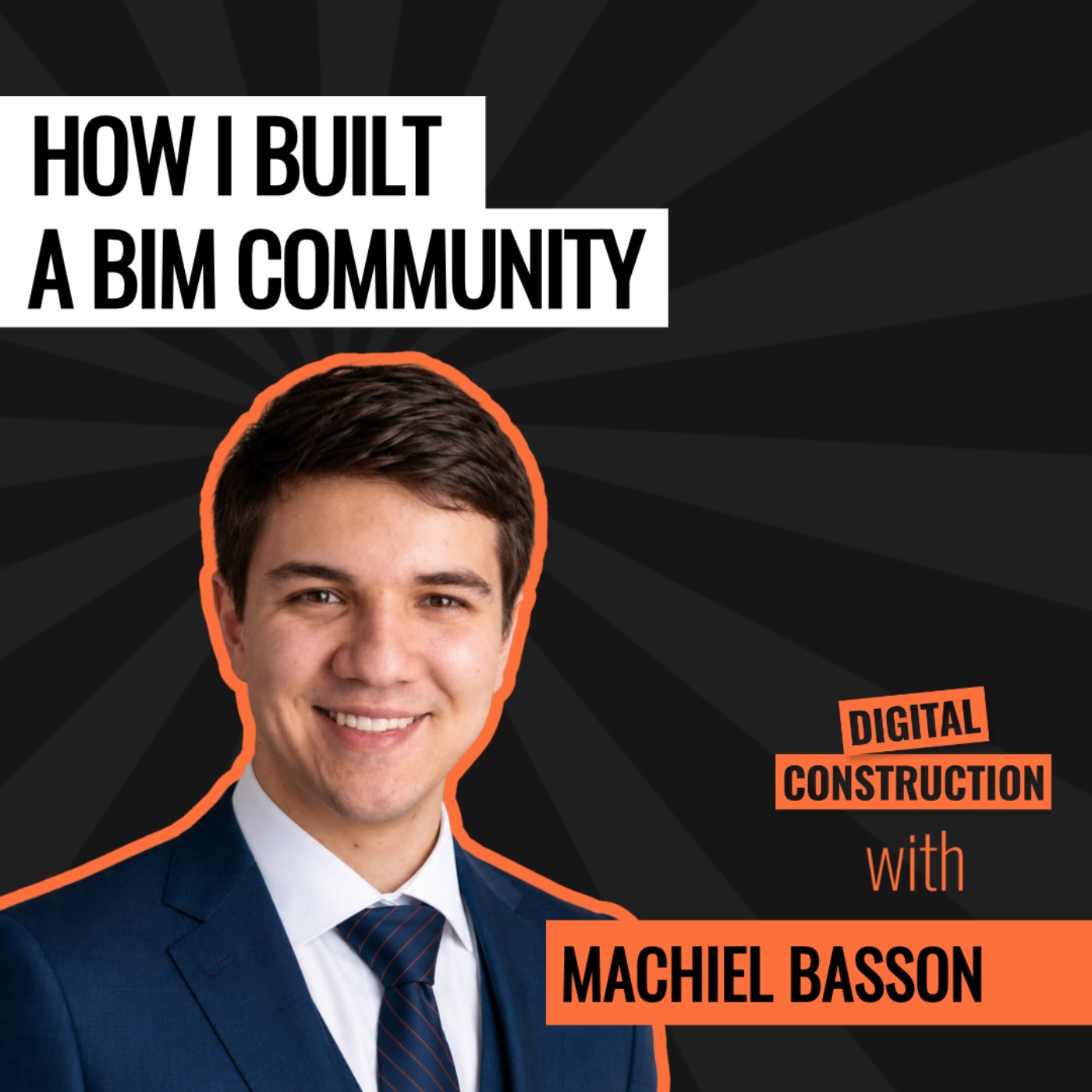
BIM can be the most isolated job in construction. Here’s how one engineer built the BIM community and network the industry never had.Website: https://digitalconstructionpodcast.com Episodes: https://digitalconstructionpodcast.com/episodes Episode notes: https://digitalconstructionpodcast.com/episode/how-i-built-a-bim-community-with-machiel-basson Host: Andrea Ciaffi https://www.linkedin.com/in/andrea-ciaffi-548413113 Guest: Machiel Basson https://www.linkedin.com/in/machielbasson/BIM professionals occupy an odd place in construction. They sit somewhere between the project team and tech support, often seated away from the people they work with, and unlike engineers or architects they have no chartered pathway, no mandatory CPD, and few associations built around their work. That gap is exactly what makes an informal community worth paying attention to.Machiel Basson founded Sydney BIM Brews out of necessity. Having landed his internship and first job through networking, he entered the industry just as COVID shut those events down, so he built the monthly gathering he wished existed rather than wait for someone else to. The conversation traces how that simple idea became a three-year-old community, and what running it taught him about connection in a relationship-driven industry.Underneath the practical lessons is a quieter argument about isolation, and why a young, fast-changing discipline needs to share hard-won knowledge rather than rediscover it project by project. Anyone thinking about building a community, or simply feeling disconnected in their own field, will find something usable here.00:00 Intro 05:50 Why he started Sydney BIM Brews 11:55 A casual format with no sponsors or CPD 15:20 What changes when you remove the agenda 18:45 The story behind the orange balloon 20:20 LinkedIn, email and growing the community 25:50 Skepticism, support and starting your own 31:00 Isolation and the conversations BIM needs 36:40 The future of Sydney BIM Brews 40:35 Advice for anyone feeling disconnectedMain events page is https://events.humanitix.com/host/sydney-bim-brews Signing up for an event will add you to the email list Find all the events on LinkedIn https://www.linkedin.com/groups/14313654/ Hosted on Acast. See acast.com/privacy for more information.
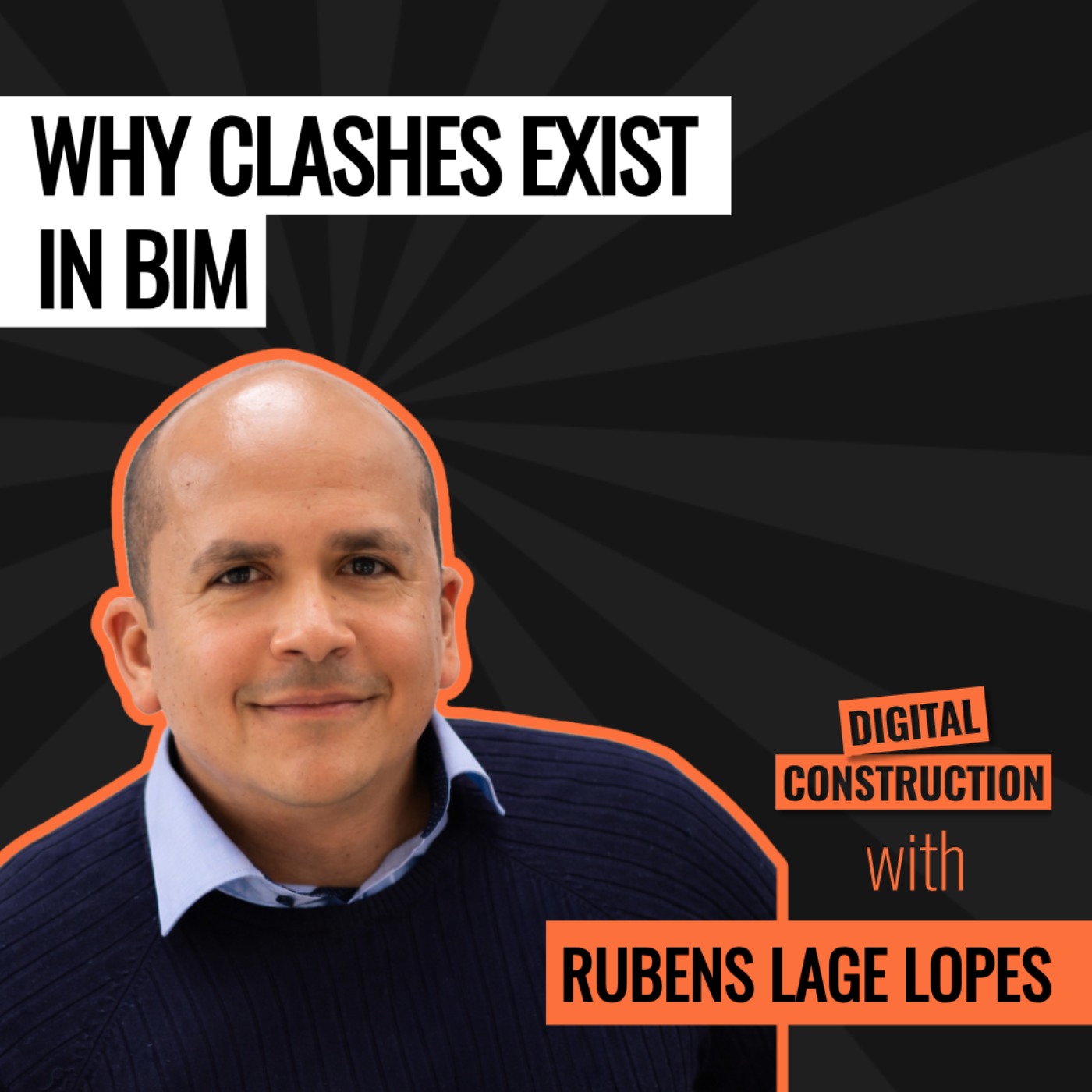
Clash detection is a symptom, not a fix. Inside BIM coordination rules, ISO 19650 in the real world, and AI that turns clashes into cost. Website: https://digitalconstructionpodcast.comEpisodes: https://www.digitalconstructionpodcast.com/episodesEpisode notes: https://digitalconstructionpodcast.com/episode/why-clashes-exist-in-bim-at-all-with-rubens-lage-lopesHost: Andrea Ciaffi https://www.linkedin.com/in/andrea-ciaffi/Guest: Rubens Lage Lopes https://www.linkedin.com/in/rubenslage/ Walk into any occupied building with an exposed ceiling and you will find zero clashes. Open the model of that same building and you will find thousands. Physics stops two objects occupying the same space, but our software does not, and the industry has quietly accepted that as normal for thirty years. Rubens Lage Lopes, BIM Information Manager at the Grangegorman Development Agency, has spent more than twenty years in construction across Brazil and Ireland, and now sits on the client side of one of the largest campus redevelopments in Dublin. The conversation starts from a question he posted on LinkedIn, why clashes exist in BIM at all, and follows it into coordination, information management and where AI genuinely earns its place. Rubens makes the case that coordination is a consequence of the information agreed before anyone models anything, and that the procurement route shapes the outcome long before the first clash appears. Useful listening for anyone tired of chasing clashes they could have prevented. 00:00 – Intro 03:43 – When information management clicked 06:19 – Coordination is people, not software 09:21 – Why clashes exist in BIM at all 13:57 – Coordination rules enforced inside Revit 17:45 – Information management on a long-term campus 20:21 – ISO 19650 in practice 22:23 – Where AI actually helps BIM 25:04 – Translating clashes into cost exposure 32:13 – Advice for young BIM professionals Hosted on Acast. See acast.com/privacy for more information.
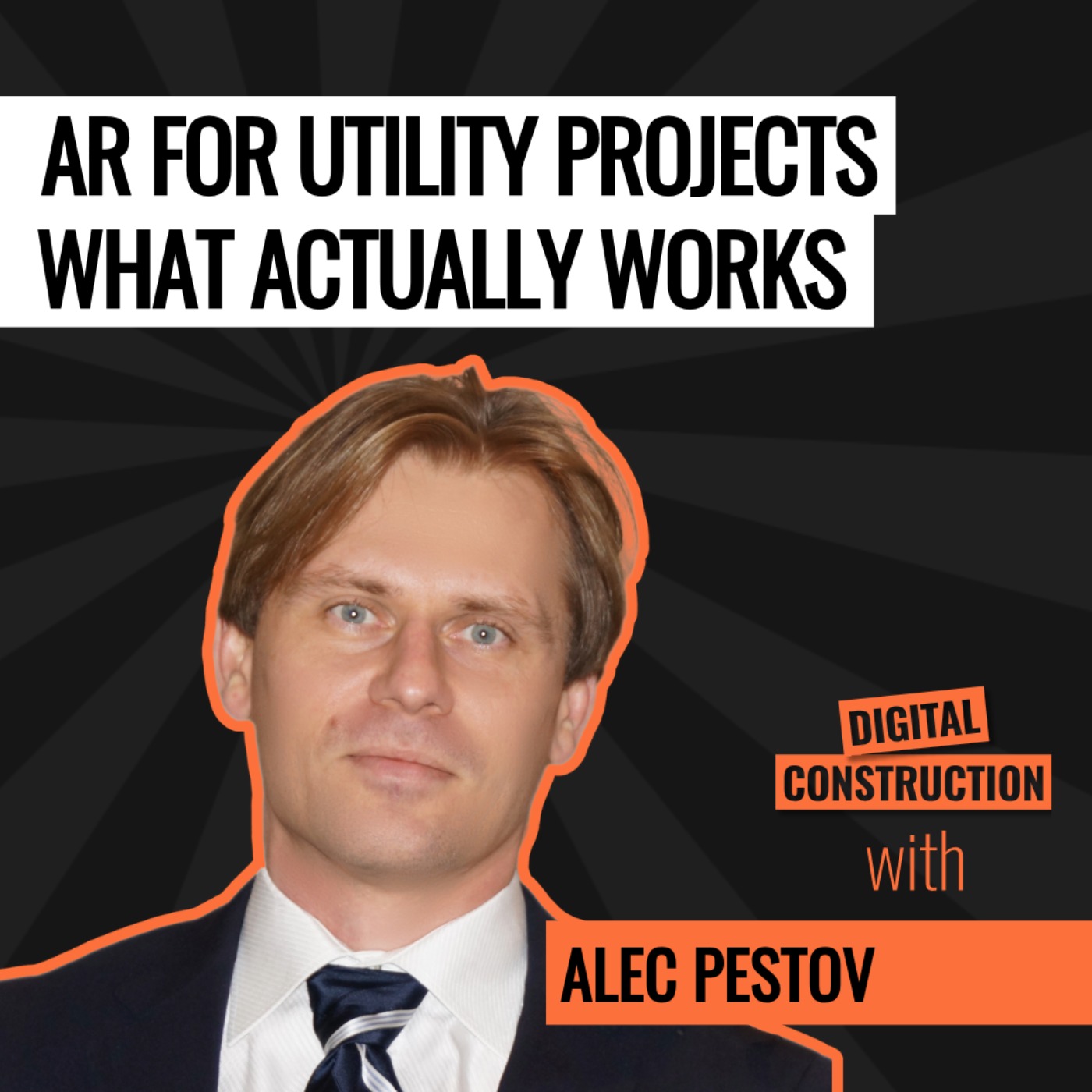
Centimetre-accurate Augmented Reality, digital twins and construction AI that crews actually use. Why sometimes field software fails and what makes it work outdoors. Website: https://digitalconstructionpodcast.com/ Episodes: https://digitalconstructionpodcast.com/episodes Episode notes: https://digitalconstructionpodcast.com/episode/augmented-reality-for-utility-projects-with-alec-pestov Host: Andrea Ciaffi https://www.linkedin.com/in/andrea-ciaffi-548413113 Guest: Alec Pestov https://www.linkedin.com/in/alec-pestov Augmented reality was supposed to change construction a decade ago. Somewhere at the bottom of that hype cycle, a small group of companies quietly worked out where the technology actually pays off and it turned out to be outside the building, in the trench, next to the utilities nobody can see. Alec Pestov is the founder and CEO of vGIS, the company behind vSite, software that lets field crews see underground infrastructure with centimetre-level accuracy. Alec came from strategy consulting, not utilities, and started the company by his own admission the wrong way round: building interesting technology first and searching for a problem afterwards. This conversation traces what he learned correcting that mistake. 00:00:00 – Intro 00:01:50 – Founding vGIS the wrong way round 00:08:10 – What vSite actually does 00:09:35 – Paper users, power users, centimetre AR 00:15:01 – Why indoor AR doesn't work 00:19:08 – How this differs from Dial Before You Dig00:23:53 – The risk of spray paint records 00:26:44 – Designing software field crews trust 00:32:35 – Where AI actually helps on site 00:38:04 – AR's hype cycle and the next decade Hosted on Acast. See acast.com/privacy for more information.
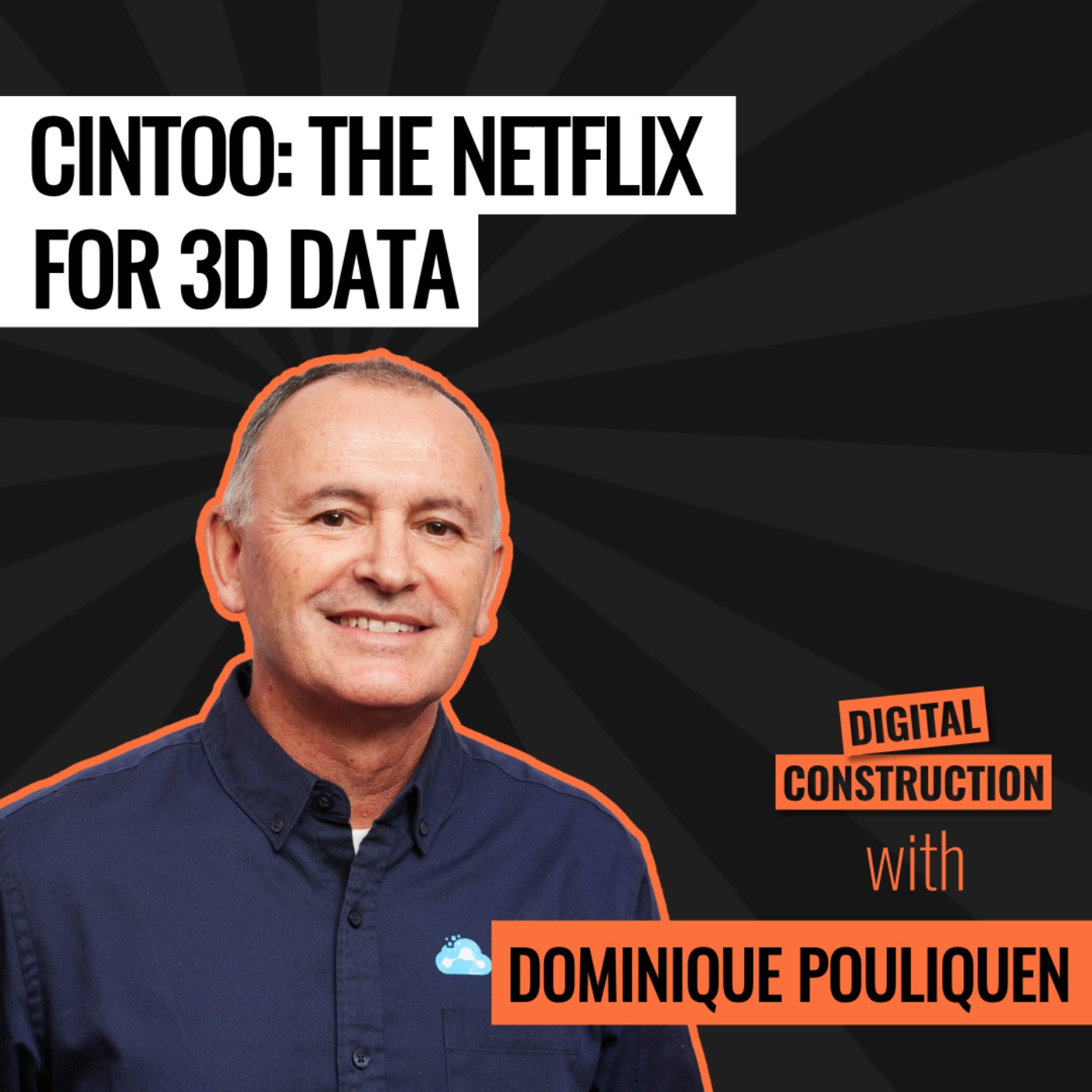
There's no magic scan-to-BIM button. This episode covers reality capture, digital twins and where AI actually helps turn scans into decisions.Reality capture has quietly moved from a specialist niche to something running behind thousands of construction projects. Yet most teams still struggle to answer a deceptively simple question: does what we actually built match what we designed? Getting that answer fast, and sharing it with everyone who needs it, turns out to be where the real money is won or lost.In this episode, Dominique Pouliquen, co-founder and CEO of Cintoo, traces the path from selling his first company to build a platform that streams massive point clouds into any web browser. The conversation is a rare look inside how a category-defining product actually gets made.Website: https://digitalconstructionpodcast.comEpisodes: https://digitalconstructionpodcast.com/episodesEpisode notes: https://digitalconstructionpodcast.com/episode/cintoo-the-netflix-for-3d-data-with-dominique-pouliquenHost: Andrea Ciaffi https://www.linkedin.com/in/andrea-ciaffi-548413113Guest: Dominique Pouliquen https://www.linkedin.com/in/dominique-pouliquen-92715/00:00 – Intro00:02:50 – Leaving Autodesk to co-found Cintoo00:07:15 – Betting the industry needed a cloud platform00:09:45 – Turning point clouds into streamable 3D00:12:50 – Pricing on data, not users00:16:55 – Showing 3D data to non-specialists00:22:10 – Catching costly errors before they escalate00:30:25 – Rethinking what a digital twin is00:35:05 – What AI can and can't do yet00:40:15 – The future of reality capture Hosted on Acast. See acast.com/privacy for more information.

Comments

Download from Google Play

Download from App Store
 United States