


 Claim Ownership
Drive-In Double Feature Podcast
Subscribed: 14Played: 143
Subscribe

© Drive-In Double Feature
Description
Join Ryan and Nathan, two knowledgeable Film Studies majors, as they dive deep into the world of cinema, discussing not only the most obscure and underrated films, but also the trashiest and sleaziest titles that often get overlooked by mainstream audiences. Their podcast is a delightful blend of humor and insight, making it a must-listen for anyone with a taste for the weird and unexpected. Tune in for a fun and informative journey through the hidden gems
https://twitter.com/didfpod
https://www.patreon.com/driveindoublefeaturepodcast
and email us at:
driveindoublefeaturpodcast@gmail.com
https://twitter.com/didfpod
https://www.patreon.com/driveindoublefeaturepodcast
and email us at:
driveindoublefeaturpodcast@gmail.com
434 Episodes
Reverse
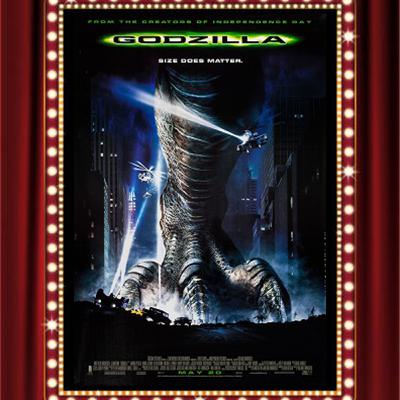
Godzilla (1998) is here. Can Ryan and Nathan handle it?
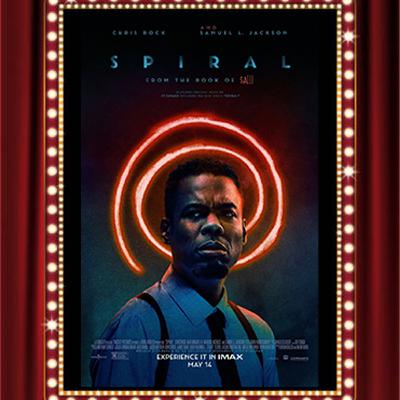
This Tuesday, Ryan and NAthan talk about Spiral: From the Book of Saw!
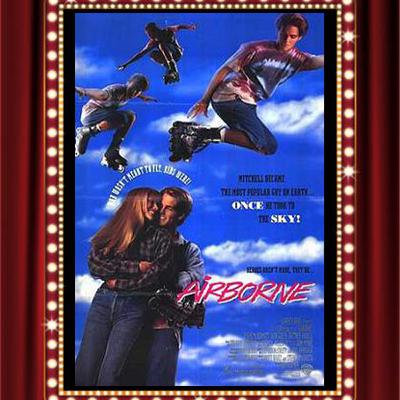
Nathan and Ryan roll into Airborne (1993), the extreme-sports teen movie that swapped skateboards for rollerblades and sent a California surfer kid to the frozen Midwest. Starring Shane McDermott alongside a young Seth Green and Jack Black, the film mixes fish-out-of-water comedy with downhill skating races, high school rivalries, and peak early-’90s “extreme” culture. The hosts break down the movie’s wild rollerblading set pieces, its time-capsule soundtrack and fashion, and why Airborne became a nostalgic cult favorite for anyone who remembers when inline skates ruled the sidewalks.
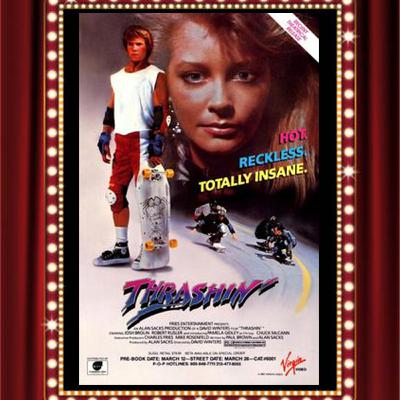
Nathan and Ryan drop into the neon-soaked skate scene with Thrashin’ (1986), the cult skateboarding movie that tried to capture the rebellious spirit of mid-’80s skate culture. Starring Josh Brolin as a young skater caught between rival crews—the Ramp Locals and the Daggers—the film mixes romance, turf wars, and plenty of downhill skating chaos. The hosts talk about the movie’s place in the short-lived skate film boom, its killer soundtrack, early appearances from future stars, and why Thrashin’ remains a fascinating time capsule of California skate culture before it went mainstream.
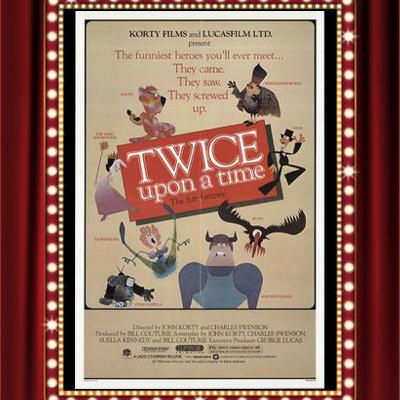
Nathan and Ryan step into the wonderfully weird world of Twice Upon a Time (1983), a cult animated fantasy that feels like a Saturday-morning cartoon filtered through counterculture surrealism. Using the experimental “Lumage” animation process, the film tells the story of a timid dream-maker and a cynical hero teaming up to stop nightmares from overtaking reality. The hosts break down the movie’s offbeat humor, psychedelic visuals, and why it stands as one of the strangest non-Disney animated features of the era. It’s charming, unsettling, and completely unlike anything else released in the early ’80s.
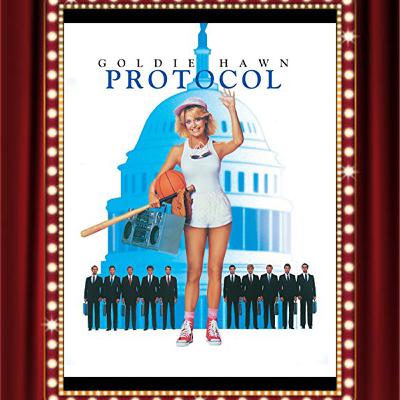
Nathan and Ryan dive into Protocol (1984), the Goldie Hawn–led political comedy where a well-meaning Washington D.C. tour guide accidentally becomes an international diplomatic incident. The hosts unpack the film’s fish-out-of-water humor, Cold War–era politics played for laughs, and how Hawn’s charm carries a movie that lives somewhere between satire and mainstream ’80s studio comedy. From embassy etiquette to media spin, this episode looks at Protocol as both a lighthearted star vehicle and a strange time capsule of Reagan-era optimism and political simplicity.
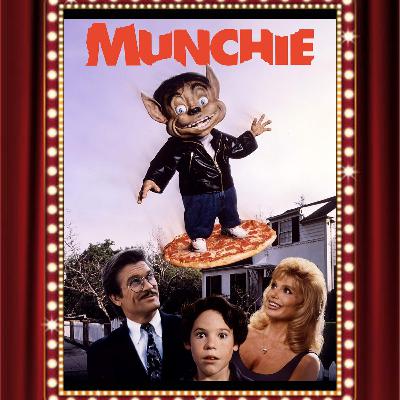
Nathan and Ryan unleash Munchie (1992), one of the most notorious Gremlins knockoffs of the direct-to-video era. Starring Dom DeLuise as the voice of an obnoxious, fourth-wall-breaking creature of chaos, the film follows a kid whose new “friend” helps him deal with bullies, adults, and basic logic through nonstop noise and bad jokes. The hosts break down the movie’s endless mugging, cartoon physics, and why Munchie feels less like a family film and more like an endurance test. Love it, hate it, or fear it—this is peak early-’90s VHS insanity.
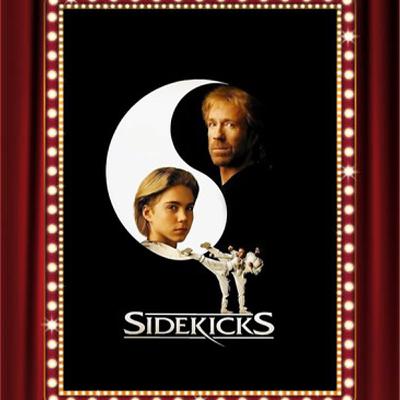
Nathan and Ryan roundhouse-kick their way into Sidekicks (1992), the wish-fulfillment martial arts fantasy that turned every bullied kid’s daydream into a movie. Starring Jonathan Brandis as a lonely teen whose imagination places him alongside the unbeatable Chuck Norris, the film blends coming-of-age drama with kid-friendly karate action. The hosts talk about the movie’s earnest tone, early-’90s vibes, and how it plays like a feature-length version of childhood power fantasies—complete with mullets, bullies, and tournament glory. Is it cheesy? Absolutely. Is it also weirdly heartfelt? Also yes.
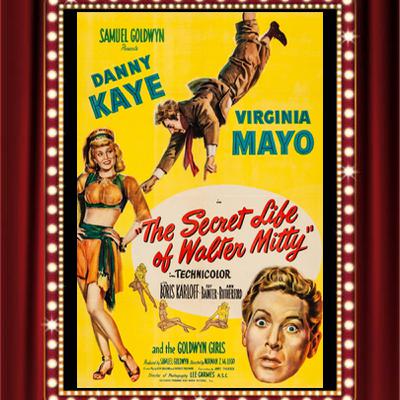
Nathan and Ryan step into the Technicolor fantasy worlds of The Secret Life of Walter Mitty (1947), the Danny Kaye–starring comedy that turns escapist daydreaming into full-blown cinematic spectacle. Loosely inspired by the James Thurber story, the film follows a meek photo editor whose vivid imagination repeatedly whisks him away from mundane reality into swashbuckling adventures, musical numbers, and heroic alter egos. The hosts discuss Kaye’s rapid-fire performance style, the film’s playful visual inventiveness, and how Hollywood transformed a short, subtle story into a maximalist studio showcase. Is it a classic of Golden Age comedy or a fascinating case of adaptation excess? Tune in to find out.
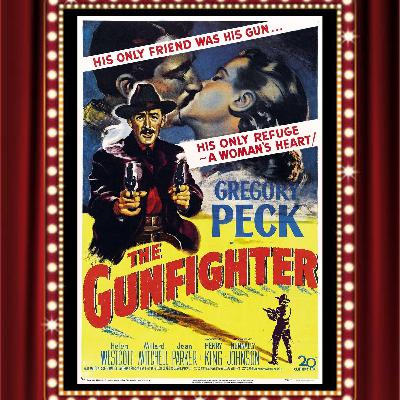
Nathan and Ryan take a hard look at The Gunfighter (1950), one of the most introspective and tragic Westerns ever made. Gregory Peck stars as aging outlaw Jimmy Ringo, a man haunted by his reputation and trapped by a world that won’t let legends walk away quietly. The hosts discuss the film’s surprisingly modern take on fame, violence, and inevitability, its stripped-down tension, and why it stands apart from more traditional shoot-’em-up Westerns of the era. Short, sharp, and emotionally heavy, The Gunfighter proves that sometimes the deadliest weapon is a name people won’t forget.
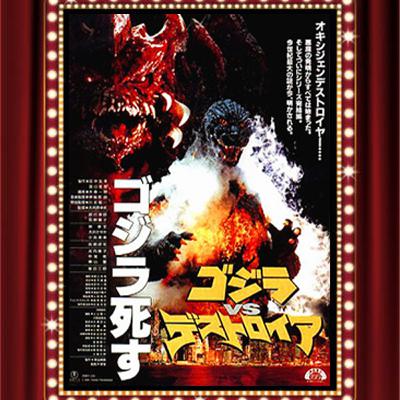
Nathan and Ryan close out the Heisei era with Godzilla vs. Destoroyah (1995), one of the most emotional and consequential films in the entire franchise. With Godzilla undergoing a catastrophic nuclear meltdown and facing his most terrifying enemy yet—born from the Oxygen Destroyer itself—the stakes have never been higher. The hosts discuss the film’s apocalyptic tone, its brutal monster designs, the tragic fate of Junior, and how Toho deliberately framed this as a true ending for the King of the Monsters. It’s epic, grim, and surprisingly heartfelt kaiju cinema.
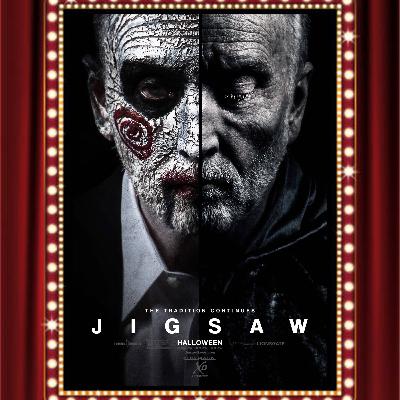
Nathan and Ryan piece together Jigsaw (2017), the attempt to revive the Saw franchise with a slicker look, a new timeline trick, and a fresh batch of morally questionable victims. The hosts break down the film’s dual-story structure, its polished traps, and whether this “back to basics” approach actually works after years of escalating insanity. Is Jigsaw a clever reassembly of the franchise or just another twist for twist’s sake? Either way, the games are back on.
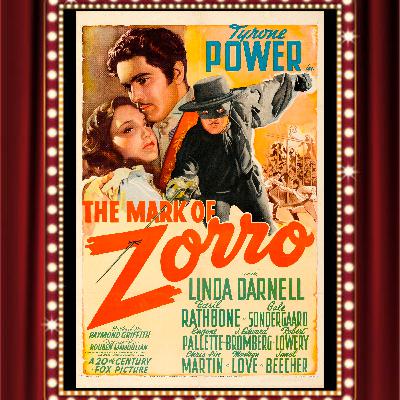
Nathan and Ryan don their masks and capes to talk about The Mark of Zorro (1940), the definitive cinematic version of the legendary masked avenger. Starring Tyrone Power in one of classic Hollywood’s most iconic dual performances, the film blends romance, humor, and razor-sharp swordplay into a near-perfect swashbuckler. The hosts discuss Rouben Mamoulian’s energetic direction, Basil Rathbone’s unforgettable villain turn (and fencing skills), and why this film remains the gold standard for heroic adventure nearly a century later.
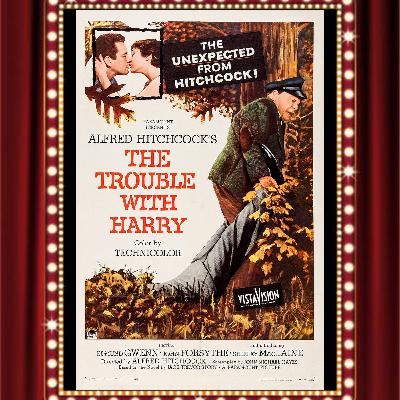
Nathan and Ryan dig into Alfred Hitchcock’s most charmingly morbid film, The Trouble with Harry (1955), a dark comedy where a dead body keeps inconveniently turning up in the middle of a picturesque Vermont town. The hosts discuss Hitchcock’s playful tone, the film’s autumnal Technicolor beauty, and how its gentle humor stands in stark contrast to the director’s more suspense-driven classics. Featuring an early performance from Shirley MacLaine and a score by Bernard Herrmann, this episode explores why The Trouble with Harry is one of Hitchcock’s most underrated—and oddly comforting—films.
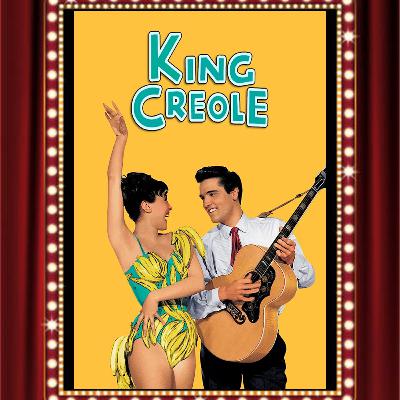
Nathan and Ryan head to the mean streets of New Orleans for King Creole (1958), widely considered the best film Elvis Presley ever made. Directed by Michael Curtiz, this gritty crime drama drops Elvis into a world of gangsters, broken families, and nightclub danger, letting him channel real anger and vulnerability instead of novelty musical fluff. The hosts discuss the film’s noir edge, its standout performances (including Walter Matthau as a vicious mob boss), and how King Creole shows the movie star Elvis that could have been if Hollywood had taken more risks.
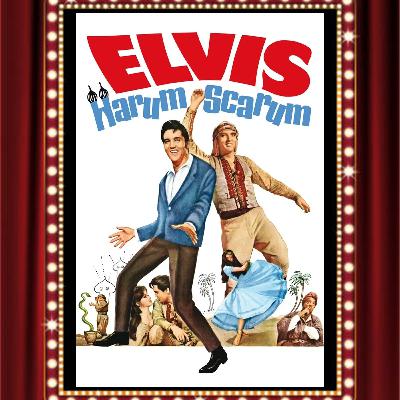
Nathan and Ryan head into pure ’60s pop chaos with Harum Scarum (1965), one of Elvis Presley’s most baffling and colorful musical misfires. Cast as a reluctant action hero in a fictional Middle Eastern kingdom, Elvis sings, fights assassins, and stumbles through a plot that feels like a spy movie filtered through a Vegas revue. The hosts break down the film’s camp appeal, questionable stereotypes, and why Harum Scarum often lands on “worst Elvis movie” lists—while still being weirdly fascinating as a time capsule of mid-’60s excess.
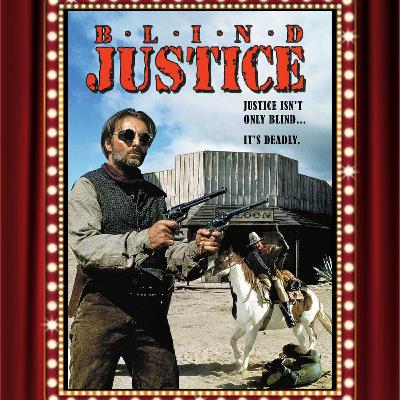
Nathan and Ryan saddle up for Blind Justice (1994), a TV movie that boldly transplants the spirit of Zatoichi into a post–Civil War Western. Starring Armand Assante as a blind gunslinger escorting an orphaned boy across dangerous territory, the film blends samurai honor, frontier justice, and made-for-TV grit. The hosts discuss the movie’s odd-but-compelling cultural mashup, Assante’s intense performance, and why this forgotten Western deserves a second look from fans of genre hybrids and ’90s TV movies.
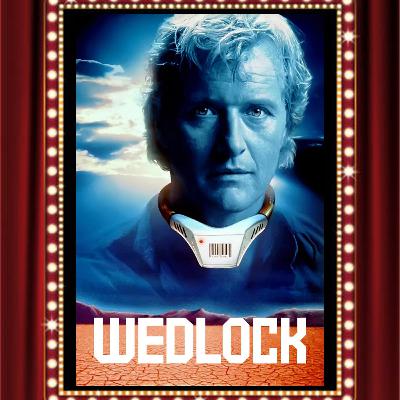
Nathan and Ryan lock in to Wedlock (1991), a gritty sci-fi action thriller where prison reform means strapping explosive collars to inmates and pairing them off in deadly “marriages.” Starring Rutger Hauer, Mimi Rogers, and Joan Chen, the film blends cyberpunk aesthetics, high-concept dystopian ideas, and early-’90s action cheese. The hosts break down the movie’s wild premise, its surprisingly prescient tech paranoia, and whether Wedlock works better as science fiction or as a pulpy B-movie thriller. It’s love, loyalty, and head-popping consequences—Drive-In style.
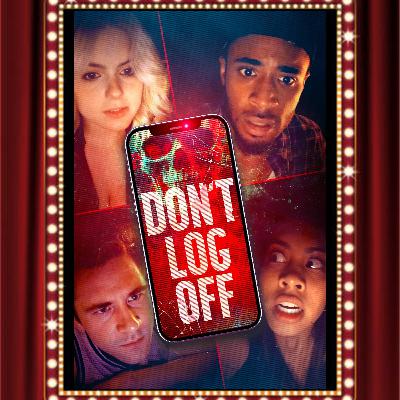
Nathan and Ryan log in to discuss Don’t Log Off (2025), a modern techno-horror film that taps into the paranoia of constant connectivity. Built around video calls, online identities, and the fear of what happens when the screen doesn’t go dark, the movie blends contemporary anxieties with classic genre tension. The hosts break down how well the film uses its digital setting, whether the gimmick sustains the scares, and how Don’t Log Off fits into the growing subgenre of internet-based horror. It’s timely, uneasy, and proof that sometimes the scariest thing is staying online.
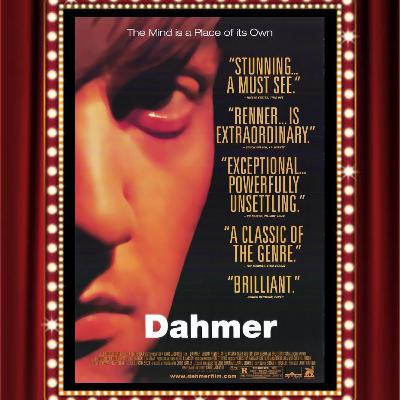
Nathan and Ryan take a grim turn with Dahmer (2002), the unsettling true-crime drama starring Jeremy Renner as infamous serial killer Jeffrey Dahmer. Instead of leaning into exploitation, the film opts for a cold, restrained approach, focusing on isolation, routine, and the quiet horror of unchecked violence. The hosts discuss Renner’s chilling performance, the film’s muted tone, and whether Dahmer succeeds as a character study rather than a traditional serial killer thriller. It’s an uncomfortable watch—and a very different kind of horror than the usual Drive-In fare.

Comments

Download from Google Play

Download from App Store
 United States