


Echoes of Indiana Avenue
Subscribed: 14Played: 348
Subscribe

© 2025 WFYI Public Media
Description
Produced by Cultural Manifesto host Kyle Long and narrated by musician Herman Butch Slaughter, Echoes of Indiana Avenue is an audio documentary focused on the cultural achievements of Black artists and musicians from central Indiana.
261 Episodes
Reverse

On December 19, 1970, the Indianapolis affiliate of the Southern Leadership Conference’s Operation Breadbasket held a “Black Christmas Parade” on Indiana Avenue. The parade featured marching bands, floats, and local celebrities. The grand marshal of the parade was the Soul Saint, an Afrocentric version of Santa Claus.
The “Black Christmas Parade” was part of a full day of events that also included a keynote speech by Reverend Jesse Jackson. The day ended with a “Black Christmas Party” at Foster’s Motor Lodge, featuring some of the greatest funk and soul bands in Indianapolis, including the Highlighters, the Moonlighters, the Turner Brothers, Indy 5, the Perfections, and others.
The purpose of the “Black Christmas Parade” went beyond spreading holiday cheer. A spokesperson for Operation Breadbasket said the parade was created to raise awareness of the services and products available through local Black business owners and to develop a sense of Black pride within the Indianapolis community.
Listen to a tribute to the “Black Christmas Parade,” featuring an hour of music from Indianapolis funk bands that performed at the event.
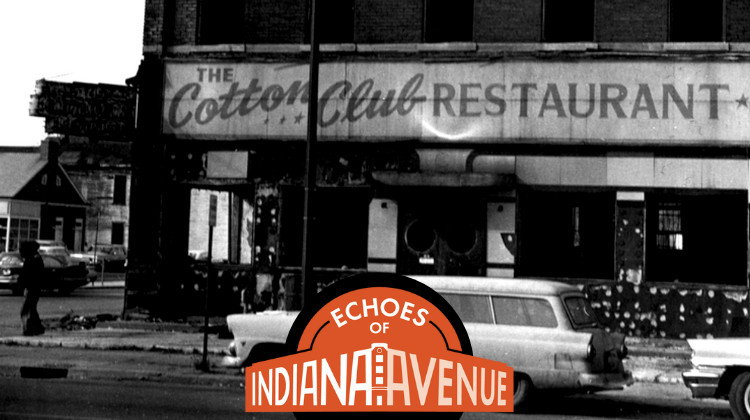
Celebrate the Christmas holiday at Sea Ferguson’s Cotton Club — a legendary Avenue nightclub that hosted the greatest stars in American music, from Ray Charles to Louis Armstrong.
Along with his brother, Denver Ferguson, Sea played a key role in shaping the Avenue’s entertainment scene. Sea was born in Brownsville, Kentucky, in December of 1899. He came to Indianapolis during the 1920s, and by the 1930s, he had become one of the most prominent businessmen on the Avenue.
His influence as a civic leader in Naptown was recognized in 1938, when Sea was voted “Mayor of Bronzeville” — an informal title used in Black communities during segregation for someone who held real power and leadership in everyday life, at a time when official political power was often out of reach.
Today, Sea is best remembered for his connection to the Avenue music scene. In 1931, he opened the Trianon Ballroom. The club’s official grand opening took place on Christmas Eve of that year. The ballroom occupied the third floor of a building located at the corner of Vermont and Senate Streets. In 1933, Sea expanded to the first floor, opening a restaurant and bar called the Cotton Club. Before long, the name “Cotton Club” stuck, and locals used it to describe the entire building — not just the bar.
Sea Ferguson hosted legendary concerts at the club, and on this week’s show, we’ll celebrate the season by listening to holiday music from the artists who performed there, including Fats Waller, Ray Charles, Big Maybelle, Charles Brown, Louis Armstrong, Lowell Fulson, and more.
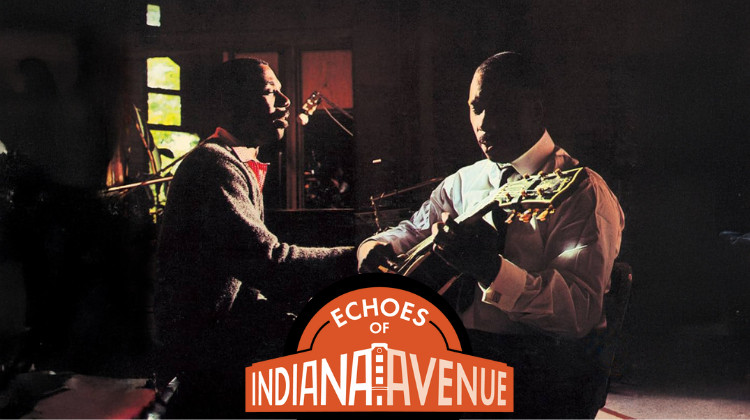
Celebrate the December birthday of the late, great jazz organist Jimmy Smith by listening to his recordings with the Avenue jazz guitarist Wes Montgomery.
Jimmy Smith was born in Norristown, Pennsylvania, in 1928. He began his career on piano before switching to the organ in the early 1950s, developing a revolutionary sound that blended bebop and blues with deep gospel roots. In 1956, Smith signed with Blue Note Records, where he quickly became a sensation with groundbreaking albums like The Sermon, Back at the Chicken Shack, and Midnight Special. Today, Jimmy Smith is recognized as one of the most influential musicians in the history of jazz—and the most important figure in establishing the Hammond B-3 organ as a leading instrument in the genre.
Jimmy Smith performed on Indiana Avenue in 1961 at the Pink Poodle nightclub. But his strongest connection to Naptown came in 1966, when he entered the studio with guitarist Wes Montgomery. Those sessions produced two albums: Jimmy & Wes: The Dynamic Duo and The Further Adventures of Jimmy and Wes. At the time, Jimmy Smith and Wes Montgomery were two of the most recognizable instrumental voices in jazz, each with a massive audience of devoted listeners. Expectations were high for their collaboration. Jazz fans were not disappointed. Jimmy and Wes shared a rare chemistry in the studio, and critics have since cited these sessions as some of the finest recordings of Jimmy Smith’s career.
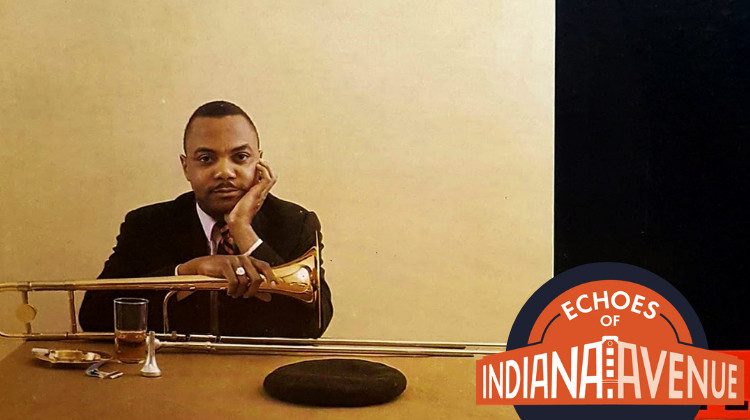
The music of Indiana Avenue has been sampled dozens of times, by famous artists including Jay-Z, Kendrick Lamar, A Tribe Called Quest, and many more. Listen back to this archived episode to hear some of the most sampled artists from the Avenue.
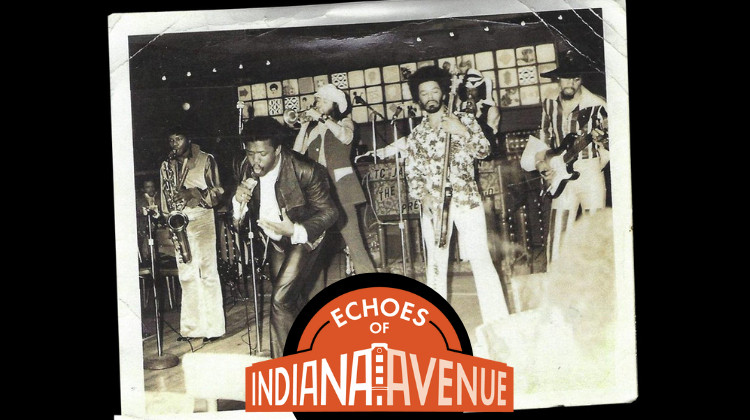
Celebrate the Thanksgiving holiday by looking back at Thanksgiving night concerts and dances held on Indiana Avenue. For some Avenue residents, Thanksgiving didn’t end at the dinner table. Holiday gatherings often continued late into the night at neighborhood ballrooms and clubs, where music was as important as turkey and pumpkin pie.
From the 1940s, to the 1960s, the Avenue’s Thanksgiving stages drew some of the biggest names in American music — including Dinah Washington, Lionel Hampton, Roy Hamilton, and Earl Bostic — along with local favorites, including The Presidents. Join us on this episode, as we revisit those Thanksgiving nights when music, dancing and community were as important as the holiday feast.

Indiana Avenue played an important role in the development of rock and roll. Artists like Chuck Berry, Little Richard and Fats Domino played their first Indiana concerts on the Avenue, and Naptown artists like the Ink Spots, and Leroy Carr influenced the development of rock and roll. But very few Hoosiers are aware of the Avenue’s important rock and roll history. This week on Echoes of Indiana Avenue, we’ll pay tribute to the early rock and roll heroes of Naptown, including music from Roosevelt Johnson, Toni Cavanaugh, Lois Blaine, Thurston Harris, Tiny Brown, Bobby Lewis and more.
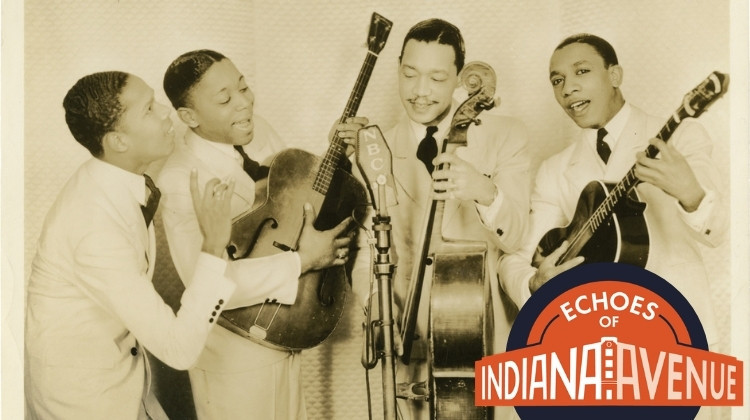
Revisit Indiana Avenue's history as the birthplace of Hoosier rock and roll. Hear live performances and recordings of artists like Chuck Berry, the Ink Spots, and Champion Jack Dupree.
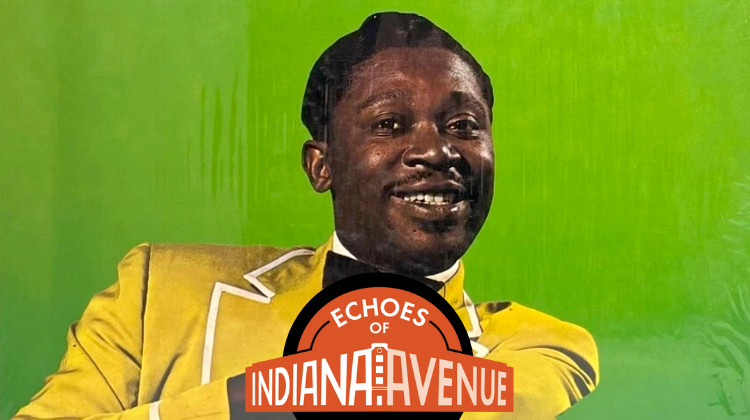
2025 marks the 100th anniversary of the birth of blues icon B.B. King. During his historic career, King made many appearances on the Avenue, including multiple dates at the Sunset Terrace and the Walker Theatre, and his music was shaped by Avenue musicians. This week on Echoes of Indiana Avenue, we’ll celebrate King’s 100th birthday by exploring his connections to Indiana Avenue.
King’s strongest connection to the Avenue was his association with pianist Millard Lee. Born in Franklin, Indiana, in 1909, Lee began working on Indiana Avenue in the early 1940s. From the mid-1950s until his death in 1961, he served as a keyboardist and bandleader for B.B. King. Lee played on many of King’s greatest recordings and released a series of solo singles on King’s record label.
King was also deeply influenced by Indianapolis guitarist Bill Jennings. Born in Indianapolis in 1919, Jennings recorded with artists including Brother Jack McDuff, Louis Jordan, Little Willie John, Bill Doggett, and Willis Jackson — helping to bridge swing, blues, R&B, and modern jazz. King named Jennings as one of his favorite guitarists and praised Jennings’ rhythm and technique.
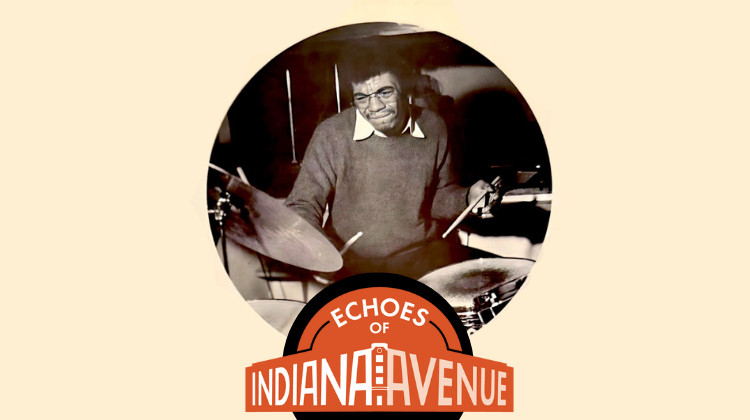
On October 26, 2025, the legendary jazz drummer Jack DeJohnette passed away at the age of 83. DeJohnette was one of the greatest drummers in modern jazz. He released more than 50 albums as a bandleader and appeared on hundreds of recordings as a sideman — including landmark sessions such as Miles Davis’ “Bitches Brew”, Wayne Shorter’s “Super Nova”, and Keith Jarrett’s “Standards”, among many others. DeJohnette also recorded six classic albums with Naptown jazz icon Freddie Hubbard. This week on Echoes of Indiana Avenue, we’ll share music highlighting Freddie Hubbard’s collaborations with Jack DeJohnette.
Born in Chicago in 1942, DeJohnette began his musical journey studying classical piano before switching to drums — a duality that shaped his melodic sensibility behind the kit. He rose to prominence in the 1960s through his work with jazz luminaries including Charles Lloyd, Chick Corea, Bill Evans, and Miles Davis. During his six-decade career, DeJohnette led numerous ensembles and recorded prolifically, creating a distinctive sound that fused jazz traditions with abstract and avant-garde influences. A National Endowment for the Arts Jazz Master and Grammy Award winner, DeJohnette was a guiding force in the evolution of modern jazz.
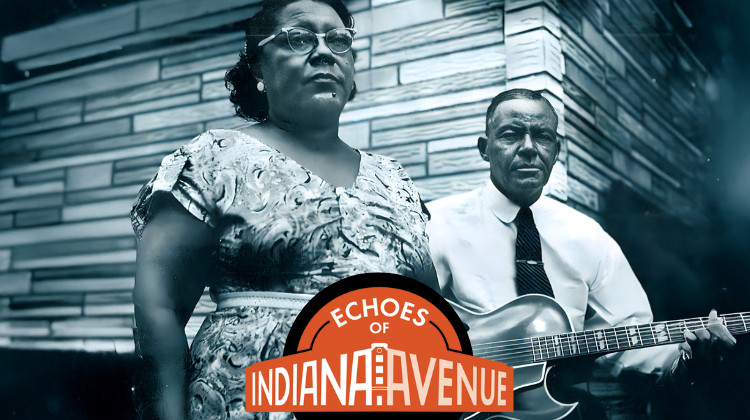
Explore the music of Brooks Berry, an important Naptown blues vocalist and guitarist. Though she left behind just a handful of recordings, the artistry and emotional depth of her music have ensured that her legacy lives on. Brooks worked extensively, with the Naptown guitar master Scrapper Blackwell and all of her recordings feature Blackwell on guitar or piano.
Brooks Berry was born in April of 1900 in the small Kentucky town of Sturgis. As a teenager, Brooks left Kentucky and moved north to Indianapolis, joining a wave of Black southerners seeking better opportunities in the Midwest. At the time she arrived in Naptown, the city was developing a thriving blues scene centered around the Indiana Avenue neighborhood. Musicians like Leroy Carr and Scrapper Blackwell made Naptown an important hub for blues music. Brooks quickly found a place in this scene, and after the death of Leroy Carr in 1935, she formed an enduring creative partnership with Scrapper Blackwell.
During the 1920s and ‘30s, Brooks lived in the Avenue area, including addresses at 724 Torbett Street, and 802 West 11th Street. She spent her final years living at the Barton Tower at 555 Massachusetts Avenue.
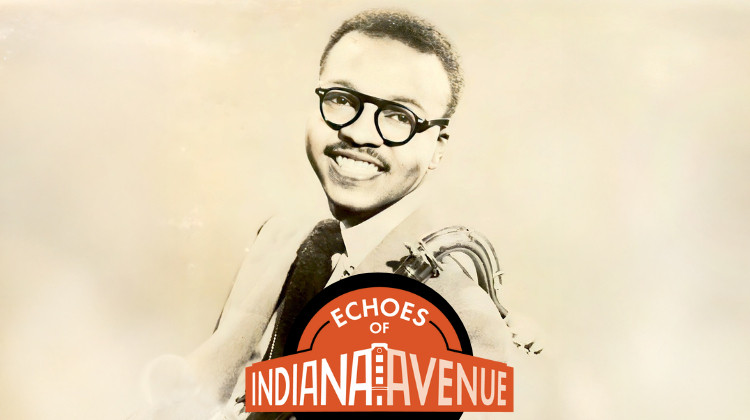
The legendary jazz saxophonist and flutist James Moody was born in Savannah, Georgia in 1925. This week on Echoes of Indiana Avenue, we’ll celebrate the 100th anniversary of Moody’s birth by listening to his work with the jazz masters of Indiana Avenue.
Moody gave many performances on the Avenue, appearing at the Sunset Terrace in 1952, 1956, and 1957. He also recorded with legendary Avenue musicians, including Larry Ridley, Slide Hampton, Freddie Hubbard, and J.J. Johnson. But Moody’s connection to the Avenue goes even deeper — his father James Moody Sr. lived in Naptown for decades. Moody Sr. was a trumpet player and bandleader. Moody Sr. played with local bands, including Bob Womack’s Bob Cats, Buchanan’s Dance-A-Pators, and the Showboat Orchestra. Moody Sr. lived near the Avenue and played in neighborhood venues like the Defense Worker’s Social Club.
Join us for music from the saxophonist and flutist James Moody — including rare, unreleased live recordings of Moody performing with the legendary Naptown jazz drummer Larry Clark.
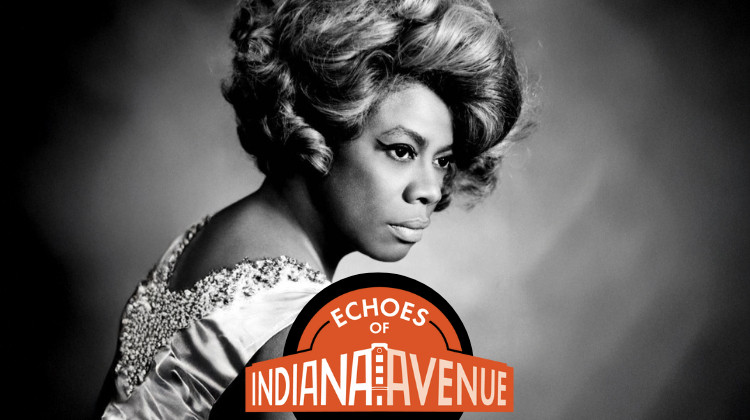
This October, PBS will air a new documentary titled “King of Them All: The Story of King Records.” The film tells the story of the influential King Records label, founded in 1943 by Syd Nathan in Cincinnati, Ohio. King began as a country music label, recording artists such as Moon Mullican and Cowboy Copas, before later expanding into R&B, gospel, and rockabilly.
By the late 1950s, King Records had become a powerhouse in R&B and soul music, launching the careers of Little Willie John, Hank Ballard and the Midnighters, and—most famously—James Brown. Located just over 100 miles from Cincinnati, Indianapolis became a reliable source of talent for King Records. Many notable Indianapolis artists recorded for the label, from country star Lattie Moore to jazz legend Jimmy Coe.
This week on Echoes of Indiana Avenue, we’ll share an hour of music from Avenue artists who recorded for King, including The Hampton Family, Flo Garvin, Sarah McLawler, Bill Jennings, Thurston Harris, and more.
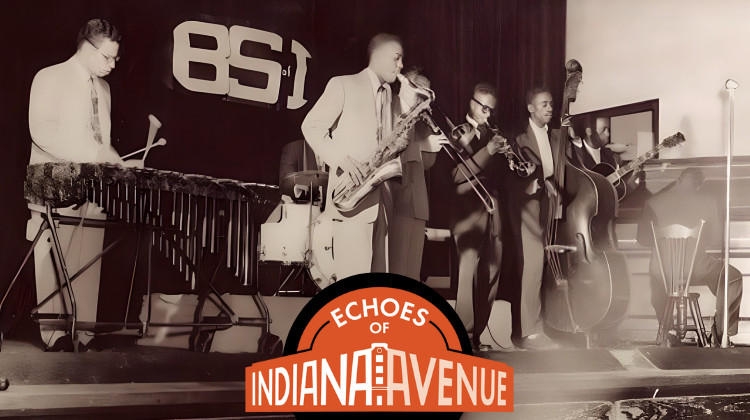
Listen to an hour of music celebrating the legacy of The Bebop Society of Indianapolis. Hear rare recordings from Avenue musicians, including Wes Montgomery, Carl Perkins, David Baker, Pookie Johnson and more.
In the early 1940s, a new style of jazz music known as bebop began to emerge. Bebop marked a revolutionary shift in jazz, breaking away from the swing dance music of the 1930s. Bebop was born in after-hours jam sessions at venues like Minton’s Playhouse in Harlem. Bebop developed as musicians sought greater artistic freedom and technical challenge. Artists like Charlie Parker, Dizzy Gillespie, and Thelonious Monk pushed the boundaries of harmony, rhythm and improvisation. They created a style that featured fast tempos with complex melodies and chord progressions. Bebop transformed jazz into a modernist art form that focused on creativity, over commercial appeal.
Here in Naptown, the Avenue was the place to hear bebop music. In 1946, Dizzy Gillespie performed at the Avenue’s Sunset Terrace nightclub, and in January of 1948 Charlie Parker played there too. 1948 was also the year that a collective of Naptown musicians and music fans, formed The Bebop Society of Indianapolis.
At that time, bebop music had not yet gained, widespread acceptance among music fans. The Bebop Society held concerts and lectures to educate the public on the music’s importance Their events were not held in nightclubs, the society hosted gatherings in community centers, including, The Senate Avenue YMCA, The Phyllis Wheatley YWCA, The Flanner House, and the Crispus Attucks High School auditorium. Guest speakers at the Bebop Soierty’s events, included Crispus Attucks’ music teacher Norman Merrifield and Jack Tracey, an editor for Down Beat magazine.
The Bebop Society also fought against racial segregation at music events. In 1948, members of the Bebop Society desegregated a Stan Kenton concert, at Riverside Park. As headline, in the Indianapolis Recorder stated, “Youth Group Breaks Jim Crow and Attends Concert at Riverside”. The Society also provided scholarships for talented young musicians, including the future Avenue jazz star David Baker.
But The Bebop Society’s main focus was music, and their concerts featured the greatest jazz musicians in Naptown, including Pookie Johnson, Wes Montgomery, Carl Perkins, Buddy Montgomery, Monk Montgomery, Joe Mitchell, Maceo Hampton, Les “Bear” Taylor, Benny Barth, and Willis Kirk, who served as president of the Society in 1950.
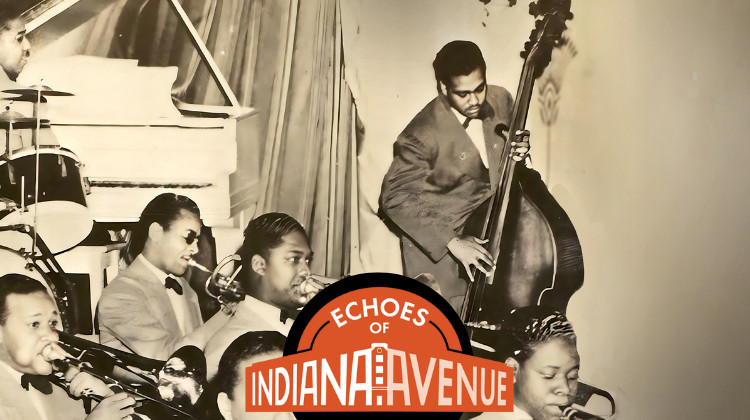
This is the final episode in our three-part series celebrating the work of the bass player Leonard Wilson Swain Jr., better known as “Heavy” Swain, an unsung hero of the Avenue music scene. During his career, Swain performed with many legendary jazz and R&B musicians, including Dinah Washington, Cootie Williams and more.
On this edition, we’ll focus on Swain’s work with Tiny Bradshaw, Willis Jackson, T.N.T Tribble, and Frank Motley.
Swain was born in Nashville, Tennessee in 1916. By the 1930s, he was living in Indianapolis. The 1940 census listed his address as 2039 North Capitol. Swain began working professionally in music as a teenager, performing at Avenue venues like the Cotton Club, and Mitchellyne. In 1942, Heavy left Naptown, with the bandleader Tiny Bradshaw. Swain died in Washington D.C., in August of 1964. His body was brought back to his hometown of Indianapolis, and he was buried at Crown Hill Cemetery.
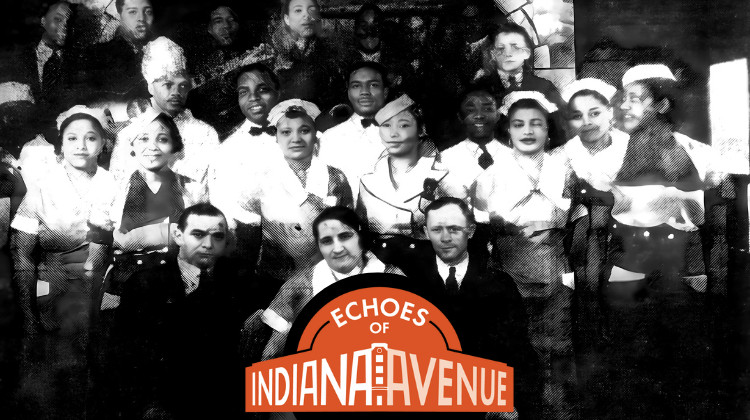
This is the second episode in our three-part series celebrating the work of the bass player Leonard Wilson Swain Jr., better known as “Heavy” Swain, an unsung hero of the Avenue music scene. During his career, Swain performed with many legendary jazz and R&B musicians, including Dinah Washington, Cootie Williams, Willis Jackson, Tiny Bradshaw and more. On this week’s show, we’ll focus on his recordings with “Champion” Jack Dupree and Eddie “Cleanhead” Vinson.
On this edition, we’ll focus on Swain’s work with the legendary jazz trumpeter and bandleader Cootie Williams. Swain was a member of Williams’ orchestra from 1947 to 1949.
Swain was born in Nashville, Tennessee in 1916. By the 1930s, he was living in Indianapolis. The 1940 census listed his address as 2039 North Capitol. Swain began working professionally in music as a teenager, performing at Avenue venues like the Cotton Club, and Mitchellyne. During his time in Naptown, Swain worked with the city’s best musicians, including Jerry Daniels of the Ink Spots, Step Wharton, Bessie Moore, Baggie Hardiman, Eldridge Morrison, Fred Wisdom, Cleve Bottoms and many others.
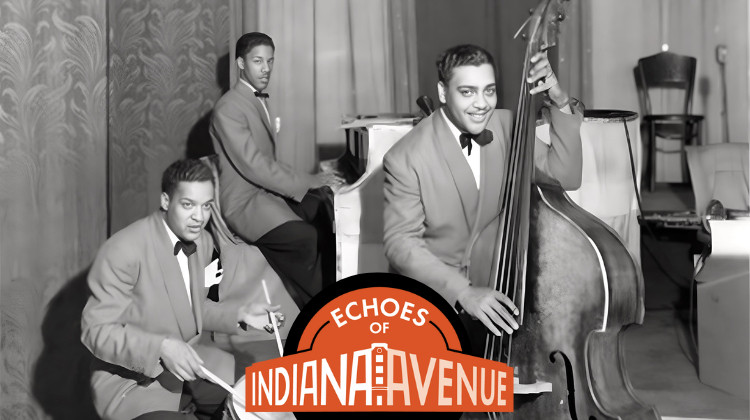
For the next three weeks, we’ll celebrate the work of the bass player Leonard Wilson Swain Jr., better known as “Heavy” Swain, an unsung hero of the Avenue music scene. During his career, Swain performed with many legendary jazz and R&B musicians, including Dinah Washington, Cootie Williams, Willis Jackson, Tiny Bradshaw and more. On this week’s show, we’ll focus on his recordings with “Champion” Jack Dupree and Eddie “Cleanhead” Vinson.
Swain was born in Nashville, Tennessee in 1916. By the 1930s, he was living in Indianapolis. The 1940 census listed his address as 2039 North Capitol. Swain began working professionally in music as a teenager, performing at Avenue venues like the Cotton Club, and Mitchellyne. During his time in Naptown, Swain worked with the city’s best musicians, including Jerry Daniels of the Ink Spots, Step Wharton, Bessie Moore, Baggie Hardiman, Eldridge Morrison, Fred Wisdom, Cleve Bottoms and many others.
Swain first gained notoriety on the six-string guitar. A 1936 article in the Indianapolis Recorder called him the “best six-string player in town.” By 1940, Swain had switched to the upright bass. He made his first recordings that set year, cutting a series of sessions with “Champion” Jack Dupree in Chicago.
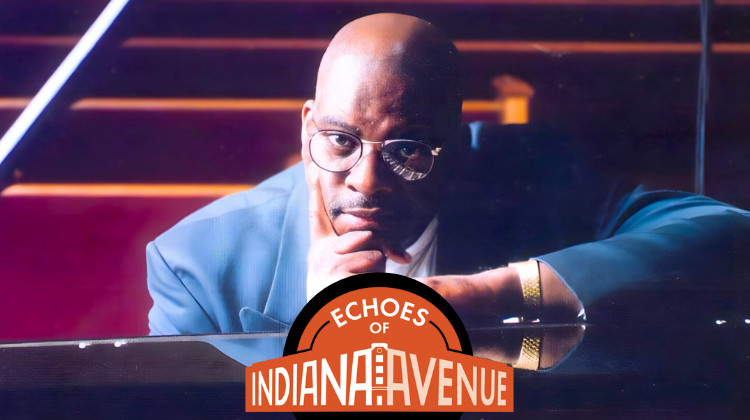
Listen to an interview with the legendary Indianapolis gospel keyboardist Ezra Bufford, known for his work with the Pentecostal Ambassadors.
Bufford was born in Indianapolis in 1952. He’s been playing gospel music in Naptown for over 50 years, earning a reputation as one of finest keyboardists on the local gospel scene. In 1988, Bufford was voted “Instrumentalist of the Year” by the Indianapolis Gospel Music Awards.
In addition to his work with the Pentecostal Ambassadors, Bufford has recorded with Al Hobbs and the Indianapolis Mass Choir, the Indianapolis Pentecostal Mass Choir, Donald Watkins, and many others. He's worked in secular music too, performing with Queen Delphine, Simply United, and Music Box.
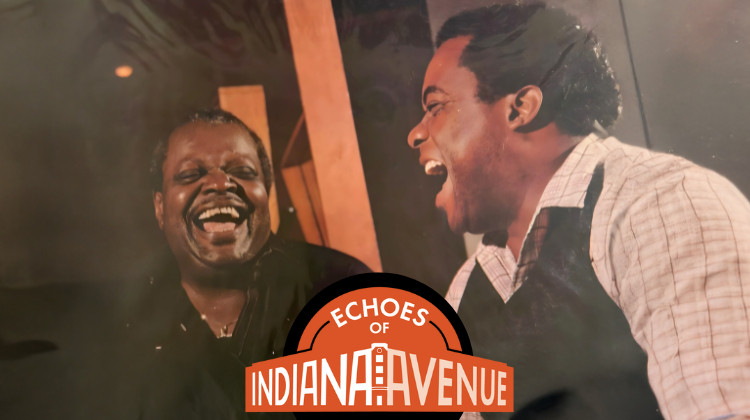
August of 2025 marks the 100th birthday of the late jazz pianist Oscar Peterson. Listen to music featuring Oscar Peterson’s work with the jazz masters of Indiana Avenue, including Slide Hampton, Freddie Hubbard, J.J. Johnson and more.
Oscar Peterson was born in Montreal, Quebec on August 15, 1925. He rose to international prominence in the 19450s, impressing jazz fans with his dazzling technique and blues sensibility. During his prolific career, Peterson recorded over 200 albums and won 8 Grammy Awards. By the time of his death in 2007, Petersonr was widely regarded as one of the greatest virtuosos in the history of jazz.
During the 1950s, and ‘60s, Peterson gave over a dozen performances in Indianapolis. He appeared at venues, including The Embers, The Murat Theatre and Clowes Hall. It’s unknown if Peterson visited the Avenue during his time in the city, but he did record with legendary Avenue jazz players and was influenced by Indianapolis musicians like Wes Montgomery.
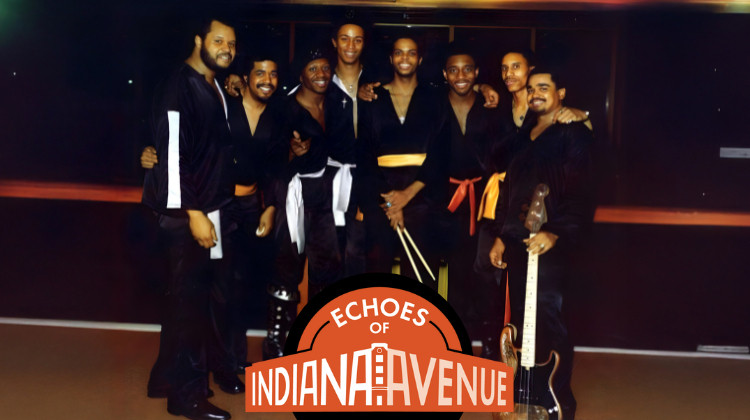
Listen to the final episode in our two-part series exploring the music of Rapture, a legendary Indianapolis funk band led by keyboardist Rodney Stepp. During the late 1970s, Rapture was a dominating force in the Indianapolis club scene. A new compilation of Rapture’s music was recently issued by Now Again Records in California. The album features previously unreleased music Rapture recorded in 1977.
Hear interviews with Rapture’s Rodney Stepp, Lonnie Williams and Greg Russell. The Indianapolis soul music legend Kenny “Babyface” Edmonds will also share his memories of Rapture. Edmonds’ band Manchild was one of Rapture’s biggest rivals.
Rodney Stepp was born in Indianapolis in 1952. He was raised in the historic Flanner House Homes neighborhood, directly adjacent to Indiana Avenue. Stepp rose to prominence in the Naptown music scene as a teenager, during the 1960s. His high school band the Diplomats performed with major R&B stars and scored a local hit with the song “Hum-Bug”, issued by Lamp Records in 1969. Stepp’s follow-up recording “Young Girl” was issued in 1970 under the name Jazzie Cazzie and the Eight Sounds. During the early 1970s, Stepp toured the world as a keyboardist and assistant music director for The Spinners. Stepp eventually grew tired of working as a sideman with The Spinners. Yearning to explore his own musical concepts, he returned to Indianapolis in the late 1970s to form Rapture.
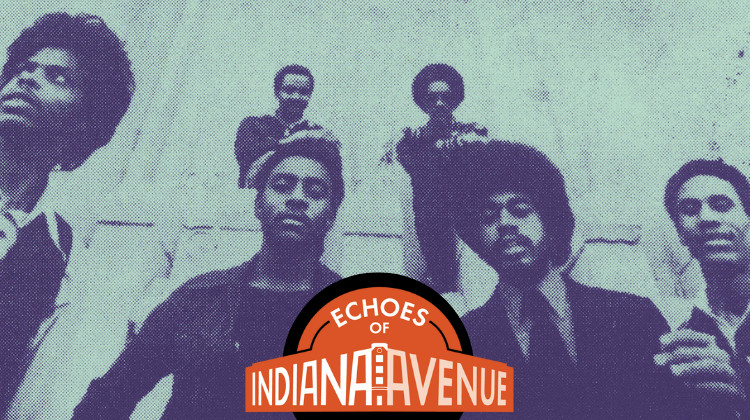
The keyboardist and bandleader Rodney Stepp is among the greatest living legends of the Avenue neighborhood. A new compilation of Stepp’s music was recently issued by the Now Again Records in California. The album features previously unreleased music from a 1977 session Stepp recorded with his band Rapture. During the late 1970s, Rapture was a dominating force in the Indianapolis club scene.
For the next two weeks, listen to an interview with Rodney Stepp as he shares the history of Rapture. Also hear commentary from former Rapture members Lonnie Williams and Greg Russell. The Indianapolis soul legend Kenny “Babyface” Edmonds will also share his memories of Rapture. Edmonds’ band Manchild was one of Rapture’s biggest rivals.
Rodney Stepp was born in Indianapolis in 1952. He was raised in the historic Flanner House Homes neighborhood, directly adjacent to Indiana Avenue. Stepp rose to prominence in the Naptown music scene as a teenager, during the 1960s. His high school band the Diplomats performed with major R&B stars and scored a local hit with the song “Hum-Bug”, issued by Lamp Records in 1969. Stepp’s follow-up recording “Young Girl” was issued in 1970 under the name Jazzie Cazzie and the Eight Sounds. During the early 1970s, Stepp toured the world as a keyboardist and assistant music director for The Spinners. Stepp eventually grew tired of working as a sideman with The Spinners. Yearning to explore his own musical concepts, he returned to Indianapolis in the late 1970s to form Rapture.

Comments

Download from Google Play

Download from App Store
 United States