


 Claim Ownership
Eco Chamber
Subscribed: 85Played: 3,920
Subscribe

© Haymarket Media Group Ltd
Description
Every week, the ENDS team runs down the biggest green news stories, shines a spotlight on some pretty nasty chemicals, and takes a forensic look at one of the more deep-rooted environmental issues facing us today. Read more on the issues covered at www.endsreport.com or follow us on Twitter @TheENDSReport
Hosted on Acast. See acast.com/privacy for more information.
229 Episodes
Reverse

This week the de-facto deputy prime minister Louise Haigh made a speech at the Confederation of British Industry’s annual conference, where she said government quangos are to be reformed either by devolving them, taking their functions back within departments, or dissolving them.Ahead of her speech, reports swirled in the press that Natural England specifically was set to be placed in the government’s “bonfire of quangos”, with The Times claiming that ministers are drawing up plans to abolish the nature watchdog to rally business support for Andy Burnham’s drive for public control of the economy.But what parts of the reporting are true, false – or unconfirmed? Dr Richard Benwell, chief executive of the nature NGO coalition Wildlife and Countryside Link, joins the Eco Chamber this week to discuss what Haigh’s speech means, what throwing Natural England to the flames would entail, and what in his view should happen next.The team also discusses what went down – or didn’t – at COP31, and what failure to come to a headline agreement on fossil fuels may mean for future climate conferences. PLUS: Why the OEP says DEFRA and Natural England are failing their ‘legal duties’ to protect wild birds; How Natural Resources Wales is facing legal action over a half-a-million-bird chicken farm expansion; and what the government has said about MPs’ call for a ‘Covid-style’ briefing on climate change and nature loss.
Hosted on Acast. See acast.com/privacy for more information.

On this week’s podcast, investigative journalist Joe Sandler Clarke discusses what his work uncovered about the hundreds of British councils that have been unable to monitor or remediate the contaminated land in their jurisdictions.Following a huge freedom of information request, Sandler Clarke has been able to map out some of the worst impacted local authority areas around England, Wales and Scotland over the past five years. He has discovered that a dry-up of government funding a decade ago has seriously affected the work many local authorities can do now. One of the most notorious contaminated sites in Wales is the Llwyneinion Tar Pit in Wrexham - an infamous acid-like lake and the dumping ground of 93,000 tonnes of acid tar sludge.And yet, the Llwyneinion Tar Pit is not officially classed as contaminated land. The team looks at why that is and why other councils since 2017 have been unable to move the dial to clean up these toxic sites. PLUSDESNZ left out in the cold following court ruling. Get rid of the big five green watchdogs, claims Tory-backed report. And England’s PFAS rivers showing signs of recovery…
Hosted on Acast. See acast.com/privacy for more information.
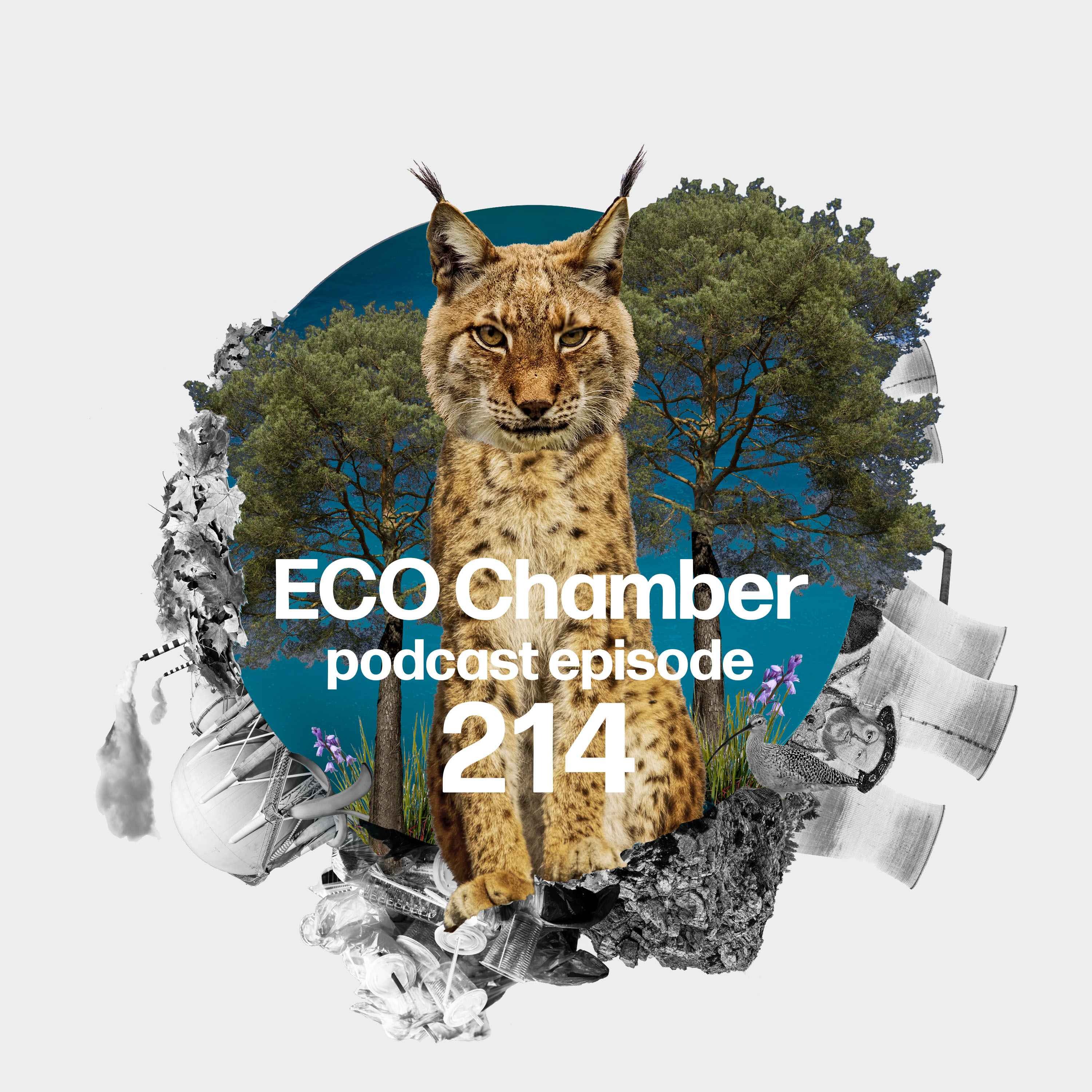
On this week’s podcast, Professor Ali Driver, senior advisor at Global Rewilding Alliance, discusses the significance of a recent High Court ruling against the Lynx UK Trust at the end of October. The judge said that lynx could not be released under the Dangerous Wild Animals Act of 1976, but rather than worry, Driver says the ruling provides clarity for the future.But why is Driver convinced that this isn’t game over for lynx reintroductions? Listen to find out.The team also discusses exclusive analysis shared with ENDS Report, which shows how England could not handle a severe strain on water supply such as those seen in the infamous summer of 1976 PLUSThe environmental protections being left out in the cold. The government’s plans to end new oil and gas revealed...And DEFRA’s climate change priorities… or lack thereof.
Hosted on Acast. See acast.com/privacy for more information.
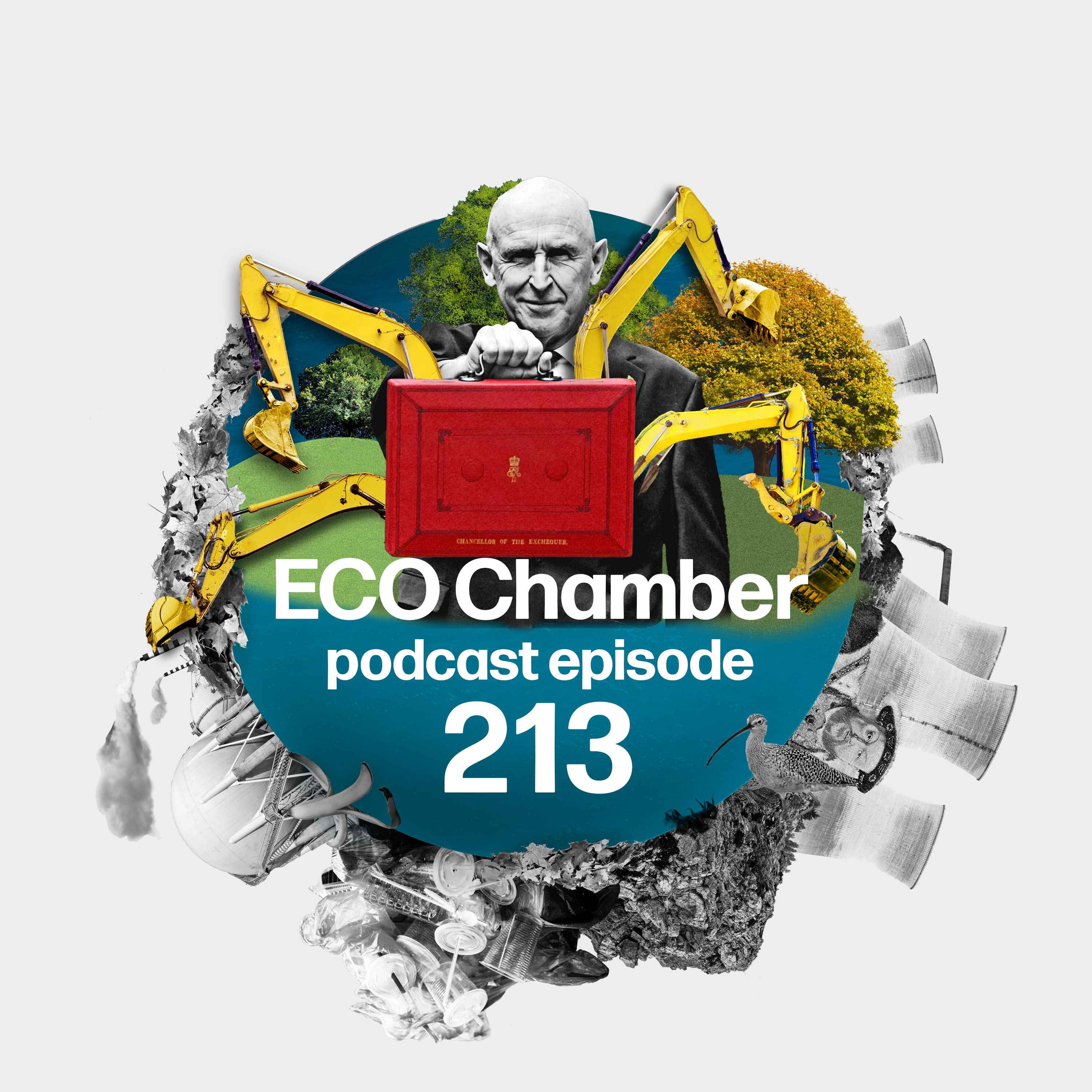
On this week’s podcast, environmental lawyer Richard Broadbent, a director at the legal firm Freeths LLP discusses the significance of the news that biodiversity net gain (BNG) now applies to nationally significant infrastructure projects.However, with the government having just used its latest Budget to carve out fresh exemptions to BNG policy, there are fears about what the move could mean for nature markets and future success of BNG.Broadbent gives his view on what the latest tweaks could mean, including the implications on whether the government can get back on track to meet its legal obligations under the Environment Act 2021. In this episode, the team also looks at Lisa Tennant, the new incoming chair of the Environment Agency. PLUSThe Chief executive of Yorkshire Water steps down.The Wildlife Trusts goes wild for the Rothbury Estate.And the Office for Environmental Protection’s fresh warnings against Norfolk’s EDP.
Hosted on Acast. See acast.com/privacy for more information.

On this week’s podcast, special guest Dr Anupama Sen, head of policy engagement for the Smith School of Enterprise and the Environment at the University of Oxford joins host James Agyepong-Parsons. The pair discusses the risks and rewards of the government’s recent decision to approve the Jackdaw gas field, the looming decision over Rosebank and whether or not the prime minister can square either decision with his net zero commitments.Dr Sen believes that the decision is potentially damaging on the international stage as climate delegates head to COP31 in Antalya, Turkey next month. PLUSHSE loses a landmark legal case over public access to farmers’ pesticide recordsNorthern Ireland moves towards a national biomethane strategyAnd COP 17 draws to a close.
Hosted on Acast. See acast.com/privacy for more information.

Comments

Download from Google Play

Download from App Store
 United States