


 Claim Ownership
Energy Transitions
Subscribed: 45Played: 989
Subscribe

© 2024
Description
Welcome to the Energy Transitions Podcast, brought to you by Enlit. In this bi-weekly podcast, your host Pamela Largue has engaging conversations with energy sector professionals at the forefront of the energy transition in Europe and beyond. Visit https://www.enlit.world/podcasts/energy-transitions/ for more information about the series and guests.
199 Episodes
Reverse
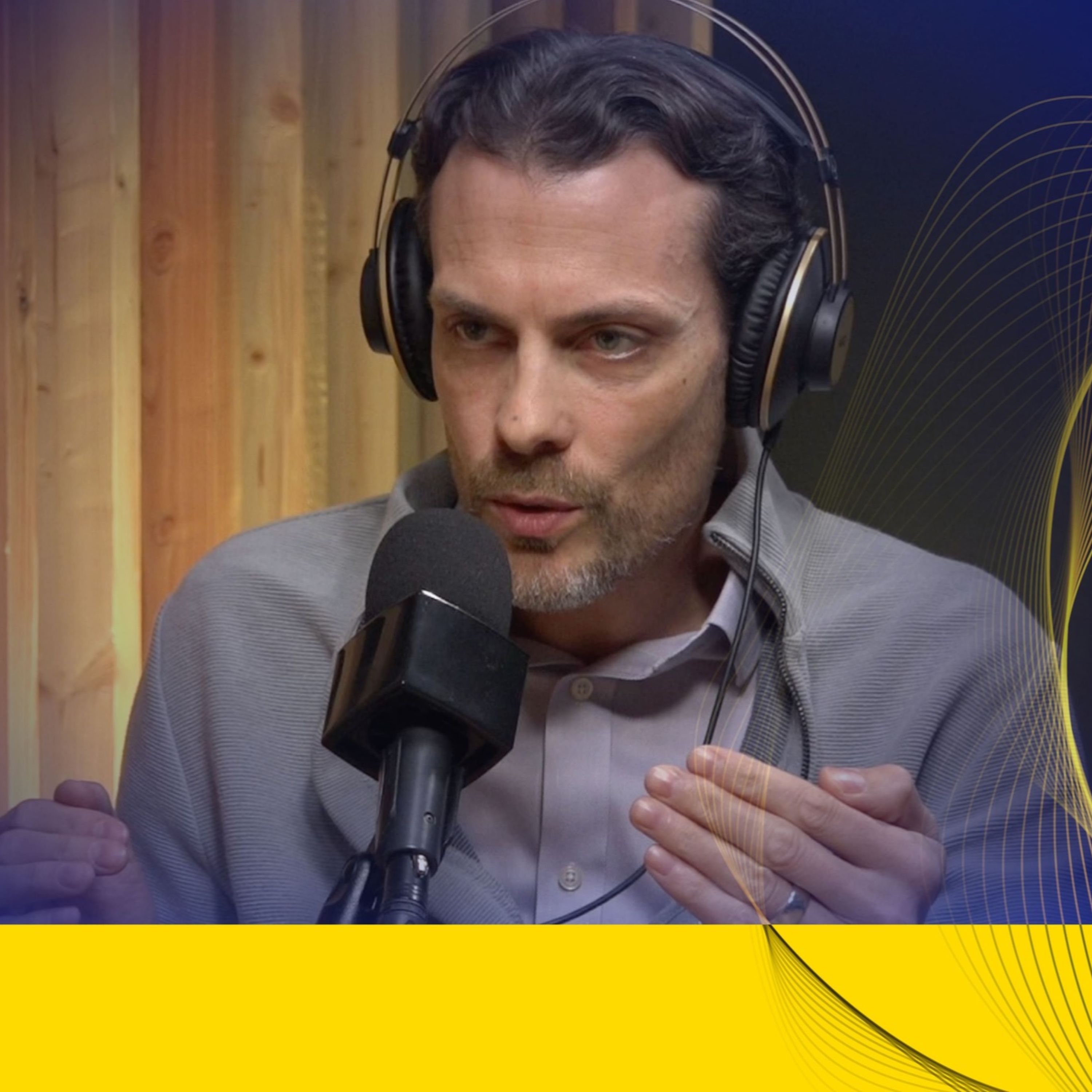
For many years, the energy industry has focused on hardware, automation and smart devices to unlock demand-side flexibility. However, the key to a more flexible electricity grid could lie with human behaviour and a better understanding of what motivates consumers.
Filmed in the media studio at Enlit Europe, this episode of the Energy Transitions podcast sees host Ross Hastie joined by Sean Layerle, managing partner of Baalbek Insights, to explore how behavioural science can unlock the potential of distributed energy resources.
Drawing on the example of French startup LibertéWatts, which uses gamified challenges and rewards to encourage residential demand response, Layerle explains how making flexibility engaging and rewarding for consumers can deliver tangible results.
The discussion explores the commercial potential of residential flexibility, the role of technology in enhancing human participation and why energy retailers need to rethink how they communicate with customers.

Europe's energy system is becoming increasingly decentralised, digitalised and interconnected, and therefore increasingly vulnerable to cyber threats.
The energy transition is also bringing new players, technologies and flexibility sources into the electricity ecosystem and many of these new entrants are simply unprepared to defend against increasingly sophisticated cyber-attacks.
In this episode of the Energy Transitions podcast, Pamela Largue speaks to Maarten Hoeve, Technology Director at the European Network for Cyber Security (ENCS), about this evolving cybersecurity landscape and what it means for Europe's electricity grid. Hoeve explores the role of AI in cyber defence and cybercrime and unpacks whether European regulation is keeping pace with the rapidly evolving threat landscape.
He also shares lessons learned from a recent cyber-attack on Polish renewable energy plants, stressing the need for improved information sharing to prevent worst case scenarios.

Ireland has big ambitions for renewable gas, but how is the country progressing towards making it a reality?Earlier this month, Gas Networks Ireland opened a €32 million central grid injection facility at Mitchelstown, a town in the south of Ireland. The facility can inject up to 700GWh of biomethane annually at full capacity.This is a clear example of infrastructure progress, but it is just one of the puzzle pieces that need to fall in place to set up a viable biomethane industry.
In this episode of the Energy Transitions podcast, Nick Bennett, the acting chief executive of Renewable Gas Forum Ireland, talks about what’s holding back biomethane production, what needs to change to get projects moving and how renewable gas could contribute to Ireland’s energy transition and energy security.
In this episode, you will learn more about:
Ireland's biomethane targets and the progress made so far;
What is standing in the way of more projects reaching final investment decisions;
The policy progress made in Ireland in the past decade and what policies still need to come through;
Where renewable gas can deliver the greatest value;
What domestic biomethane could mean for Ireland's energy security;
What we can expect from the Irish renewable gas market in 2027.
Keep up with the conversations shaping the energy transition. Discover more on Enlit World

Renewable energy has never been more affordable to produce. However, for developers and investors, the economics of building new renewable capacity are becoming increasingly complex.
More specifically, negative electricity prices, grid connection queues and rising financing costs are challenging project profitability, forcing the industry to rethink how it creates value.
In this episode of the Energy Transitions podcast, Hallvard Granheim, executive vice-president for Markets at Statkraft, explores this situation in more detail.
Granheim discussed the changing economics of renewables and what it takes to make projects commercially viable in an evolving energy market. He also examines the growing role of power purchase agreements (PPAs) in balancing risks and meeting the needs of renewable producers and industrial consumers.
Ultimately, Granheim argues that the energy transition has moved beyond adding megawatts. It is about developing the right projects, understanding customer needs and ensuring renewable energy remains both competitive and profitable.
Keep up with the conversations shaping the energy transition. Discover more on Enlit World

Europe’s recent heatwaves and droughts put the nuclear power sector under pressure, with some reactors forced to curtail output as river flows fell and cooling water became more constrained.
The events raised acute concerns about how extreme weather affects critical energy infrastructure and, more broadly, how well the existing nuclear fleet can withstand a changing climate.
To gain insight into how resilient the existing nuclear power fleet is and what needs to be done to future-proof the sector’s development, Pamela Largue speaks with King Lee, head of policy and industry engagement, at World Nuclear Association. Lee highlights what needs to happen to ensure nuclear can deliver on growing ambitions to triple capacity and the measures operators and policymakers can take to build resilience.
He also discusses the impact of rising electricity demand and how supply chains, financing, skills, and policy need to respond to ensure sustainable growth.
Keep up with the conversations shaping the energy transition. Discover more on Enlit World

Comments

Download from Google Play

Download from App Store
 United States