


 Claim Ownership
Evolution Exchange Denmark Podcast
Subscribed: 5Played: 749
Subscribe

© All rights reserved
Description
Podcast by Evolution Exchange Denmark Podcast
Hosted on Acast. See acast.com/privacy for more information.
488 Episodes
Reverse

Today’s episode is hosted by Alex Robinson and he is joined on the podcast by Claus Grand Bang, Head of Data & IT at DanBred P/S, Rasmus Sten Andersen, Associate Director, Product and AI at Novo Nordisk A/S, and Stefi Savova, Senior Manager, Digital Twins & Data Analytics at Danfoss A/S.The conversation explores the biggest impacts AI could have on people and the workplace over the next five years. The speakers discuss how organisations can encourage AI adoption, the importance of change management, and why introducing new technology requires more than simply providing employees with the right tools. They also examine how AI is reshaping professional responsibilities, blending traditional roles and creating new ways for people and AI agents to work together.The discussion looks beyond productivity to consider the human experience of work, including whether automation will remove tasks people genuinely enjoy, how much control humans should retain over AI-driven decisions, and what meaningful human oversight looks like as AI agents become more autonomous. The speakers highlight the importance of building strong data foundations, applying AI where it creates genuine business value, and keeping adoption human-centred. Ultimately, they consider how organisations can use the efficiency AI creates while ensuring the work that remains is still engaging, valuable and rewarding. Hosted on Acast. See acast.com/privacy for more information.

Today’s episode is hosted by George Clark and he is joined on the podcast by Nicolai Nielsen, QA Manager at Sweco Danmark A/S, George Zubrienko, Lead Software Engineer, Data & AI Platform at ECCO, Mike Ager, Scrum Master at Grundfos and Andreas Bastian Hansen, Senior Test Manager at Demant A/S.The conversation explores whether agile has genuinely improved software quality, examining the challenges organisations face when adopting agile practices and the importance of recognising the time, investment and organisational changes required to make the transition successful. The speakers discuss how agile needs to be adapted to different teams and environments, the value of team ownership, and the importance of maintaining direct collaboration between developers, stakeholders and end users.The discussion also looks at why software quality can suffer when testing is treated as a final step rather than an ongoing part of development. Key themes include early testing, clear requirements, reducing technical debt, encouraging cross-functional collaboration and involving users in feedback and release processes. The speakers ultimately agree that agile can improve software quality, but only when organisations prioritise communication, continuous improvement and quality alongside delivery speed. Hosted on Acast. See acast.com/privacy for more information.
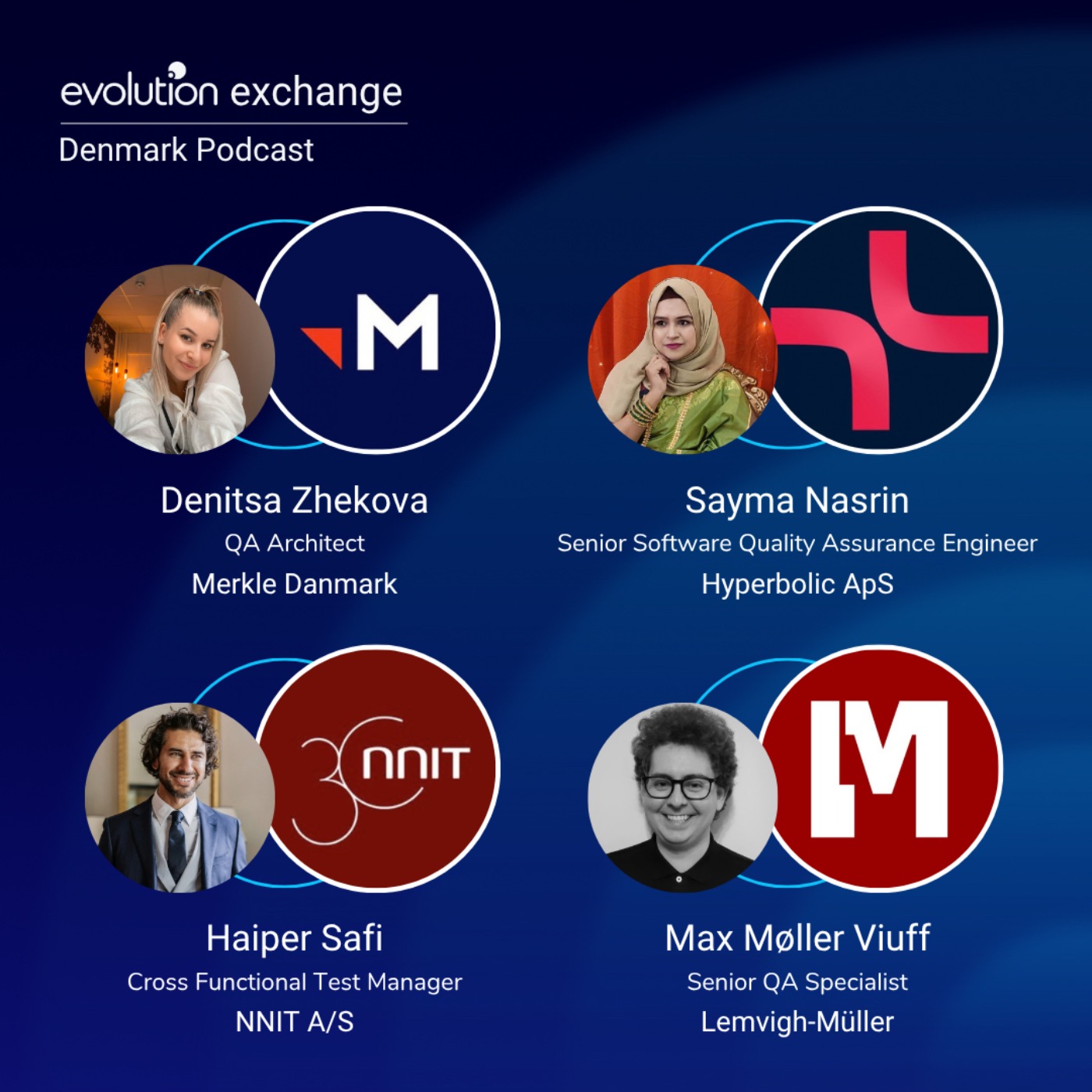
Today’s episode is hosted by George Clark and they are joined on the podcast by Denitsa Zhekova, QA Architect at Merkle Danmark, Sayma Nasrin, Senior Software Quality Assurance Engineer at Hyperbolic ApS, Haiper Safi, Cross Functional Test Manager at NNIT A/S and Max Møller Viuff, Senior QA Specialist at Lemvigh-Müller.The conversation explores why software projects continue to struggle with quality and how artificial intelligence is reshaping software testing and quality assurance. It considers the opportunities and challenges of AI-driven testing, including automated test generation, agentic AI, potential hallucinations and the importance of maintaining human oversight, critical thinking and domain knowledge throughout the development process.The discussion also examines why software quality is often compromised under deadline pressure and whether faster development cycles are genuinely improving software reliability. Key themes include balancing speed with quality, strengthening QA practices, involving testers earlier in the development lifecycle, maintaining clear requirements and documentation, and establishing responsible AI adoption through effective collaboration, continuous learning and human judgement. Hosted on Acast. See acast.com/privacy for more information.
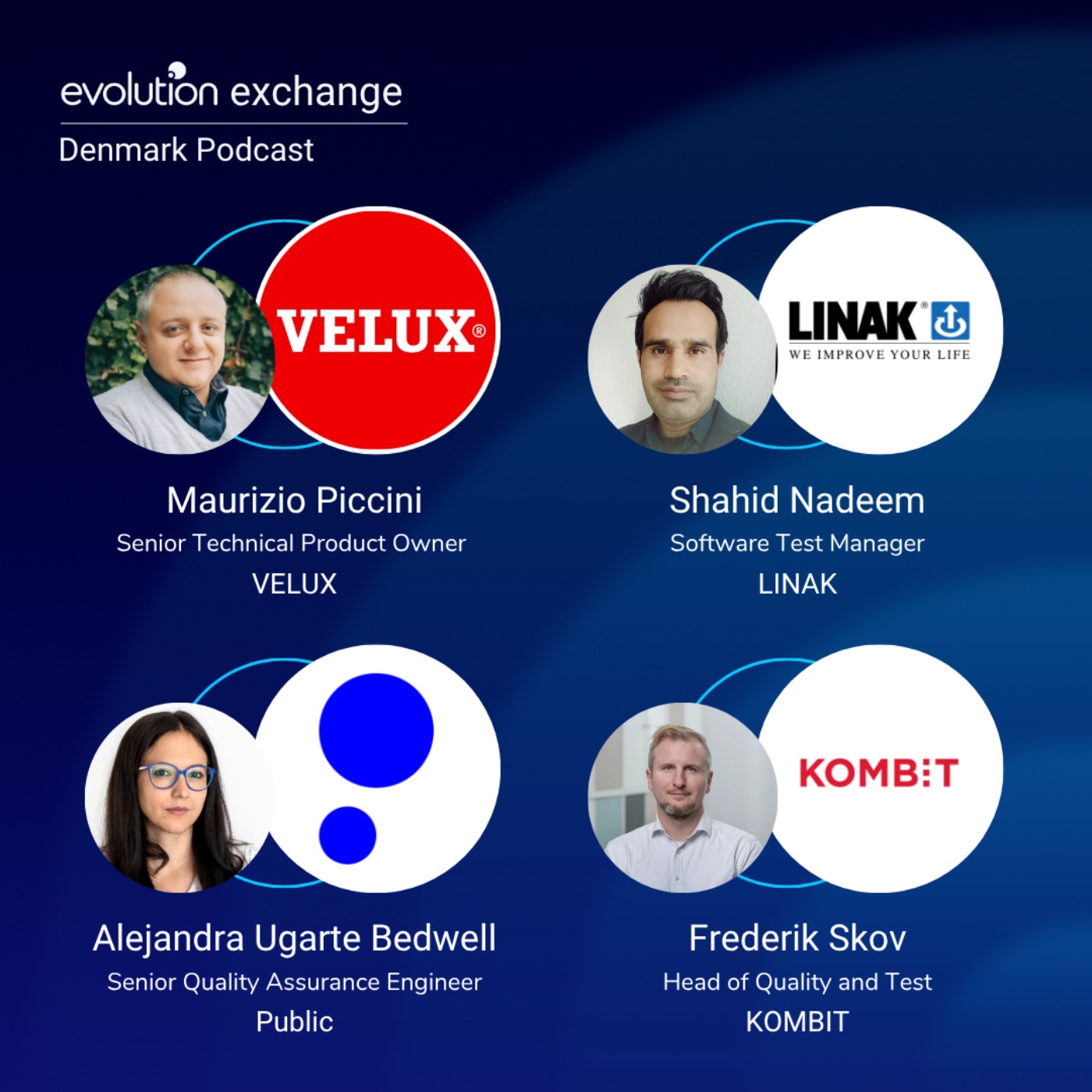
Today's episode is hosted by George Clark and features Maurizio Piccini, Senior Technical Product Owner at VELUX, Shahid Nadeem, Software Test Manager at LINAK, Alejandra Ugarte Bedwell, Senior Quality Assurance Engineer at Public, and Frederik Skov, Head of Quality and Test at KOMBIT.The conversation explores what separates good testers from great testers, highlighting the importance of taking ownership, demonstrating curiosity and looking beyond assigned testing tasks. The speakers discuss how great testers challenge requirements, understand business objectives, consider the end user's perspective and identify potential issues before development is complete. They also emphasise the importance of involving testers early in the development process through a shift-left approach, allowing them to contribute to requirements reviews, collaborate with developers and help shape product quality from the beginning.The discussion further examines the role of soft skills in building effective quality assurance teams, including communication, trust, adaptability and the ability to challenge assumptions constructively. The speakers share their experiences working in multicultural environments and explain how different perspectives and communication styles can strengthen collaboration. They also consider how AI is changing the future of software testing, with human judgment, empathy, critical thinking, ethical awareness and business understanding becoming increasingly valuable. Ultimately, the conversation suggests that great testers will evolve beyond test execution into quality strategists who use AI as a supporting tool while maintaining responsibility for delivering products that genuinely meet users' needs. Hosted on Acast. See acast.com/privacy for more information.
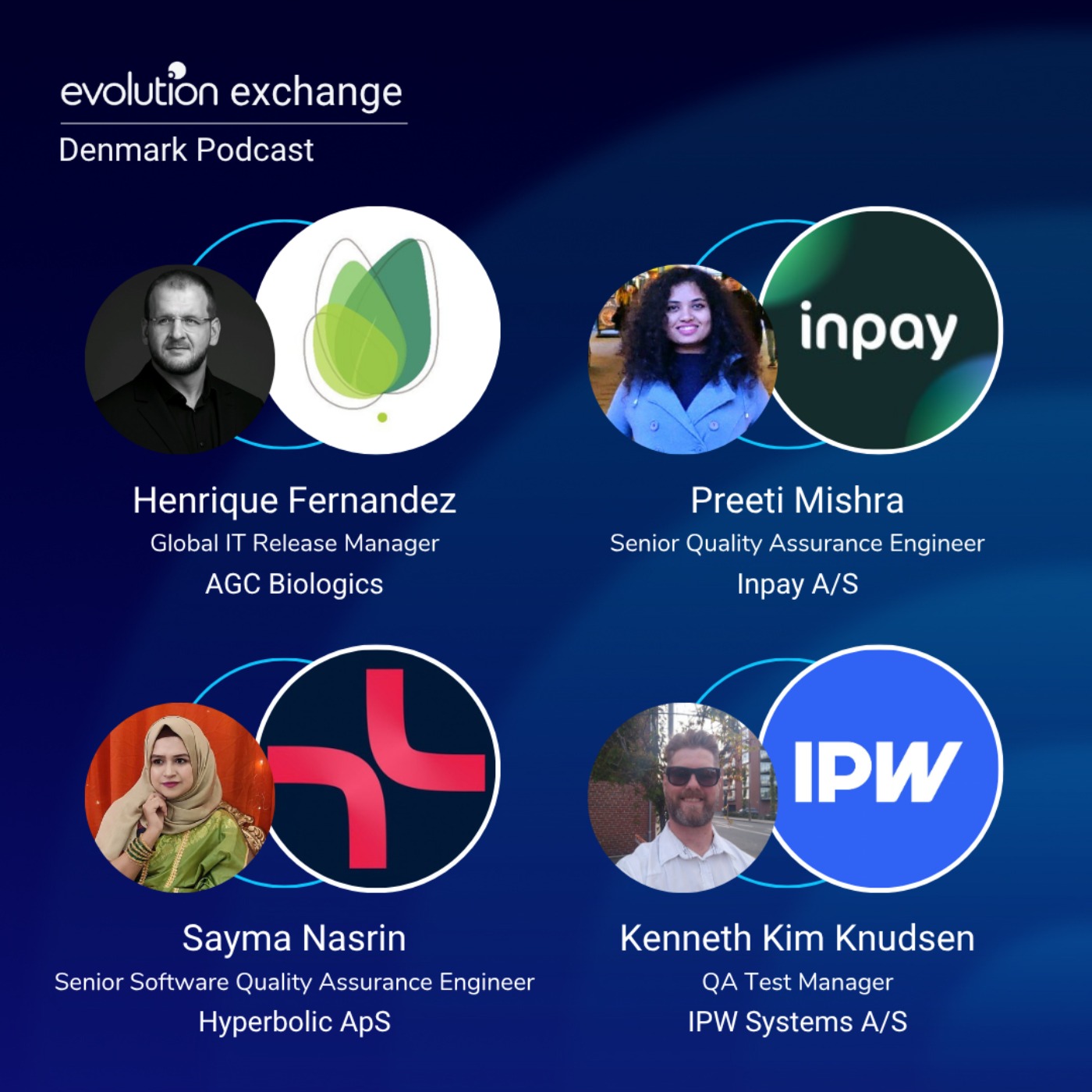
Today's episode is hosted by George Clark and features Henrique Fernandez, Global IT Release Manager at AGC Biologics, Preeti Mishra, Senior Quality Assurance Engineer at Inpay A/S, Sayma Nasrin, Senior Software Quality Assurance Engineer at Hyperbolic ApS, and Kenneth Kim Knudsen, QA Test Manager at IPW Systems A/S.The conversation explores whether AI represents a genuine revolution in software testing or is surrounded by more hype than practical value. The speakers discuss how AI can accelerate test case generation, automation, documentation and test data creation, while highlighting the importance of human oversight to ensure testing remains aligned with business requirements and actual risks. They also examine the limitations of AI-generated tests, including duplicated scenarios, incorrect assumptions and false confidence from large numbers of passing tests. The discussion emphasises that test quality should be measured by its ability to identify meaningful defects and improve product reliability, rather than simply the volume of tests produced.The discussion further examines how AI is changing the role of QA professionals, creating opportunities to focus more on exploratory, performance and security testing, as well as product knowledge and early involvement in development. Key themes include measuring AI's return on investment through meaningful quality indicators, strengthening collaboration between developers and testers, and ensuring that new features deliver genuine value to customers. The speakers agree that AI can improve productivity and support better testing practices, but its effectiveness ultimately depends on the expertise of the people using it, clear requirements and sound quality processes. Hosted on Acast. See acast.com/privacy for more information.

Comments

Download from Google Play

Download from App Store
 United States