


 Claim Ownership
FEPS Talks
Subscribed: 20Played: 116
Subscribe

© FEPS
Description
Series of podcasts related with the research and policy activity of the Foundation for European Progressive Studies
187 Episodes
Reverse
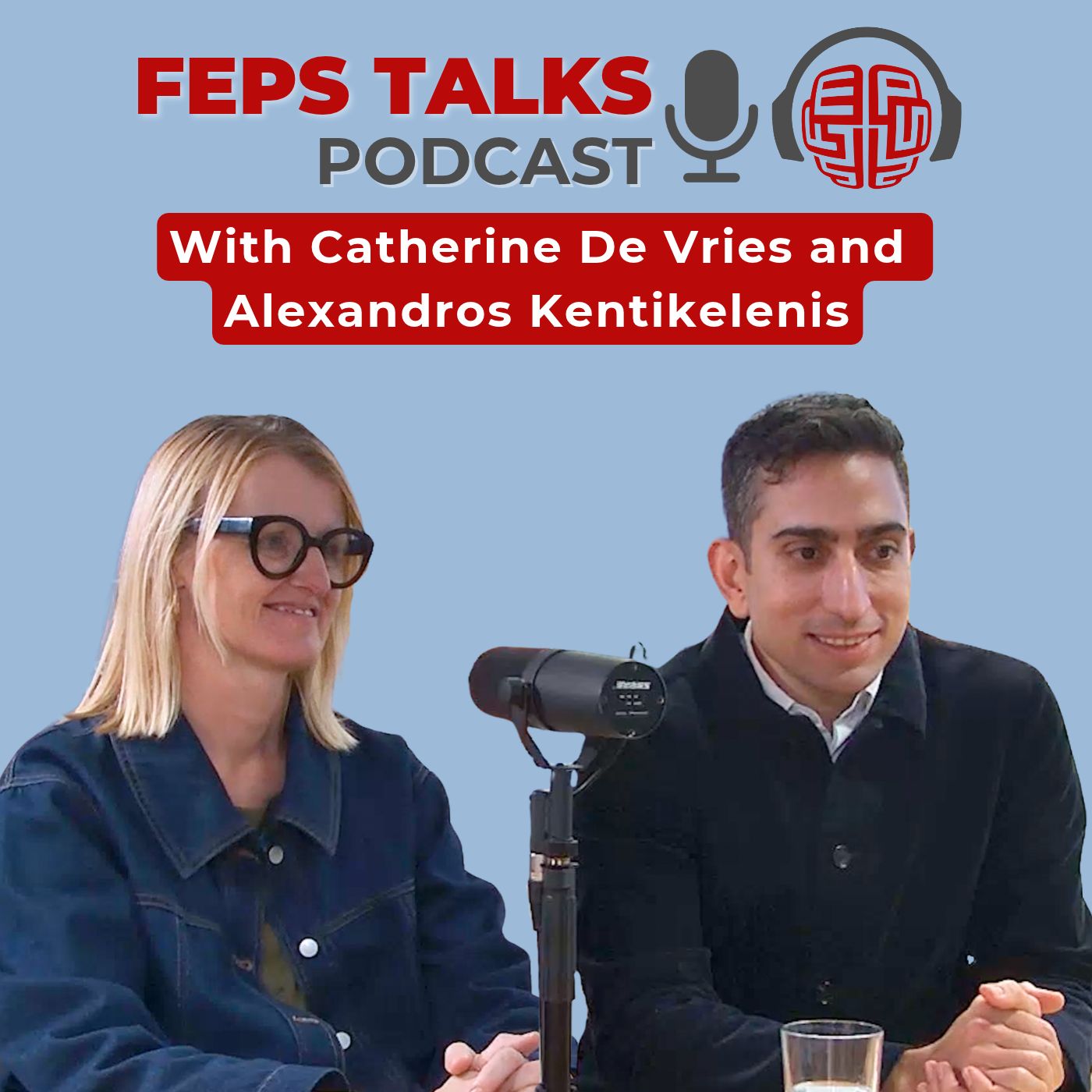
Half of 🇪🇺 Europe is in upheaval today.
Professors Catherine De Vries and Alexandros Kentikelenis answer whether this is a start of another EU crisis or not. They approach the question from the perspective of their new book, in which they describe the EU as an organism (rather than a bycicle that needs to run in a certain direction all the time).
They look back to previous difficult chapters (eurozone crisis, Covid-19 recession etc.) to find out how the EU managed to avoid disintegration and how the member states added new layers to the integration, almost in each case.
They seriously investigate threats to the European Social Model, and highlight that the EU can develop collective solutions to common problems without following a set design.
Answering the questions of FEPS Secretary General László Andor, they also explain whether it is too early to speak about the EU as a geopolitical actor today.
📺🔊 Available on YouTube, Spotify & Deezer
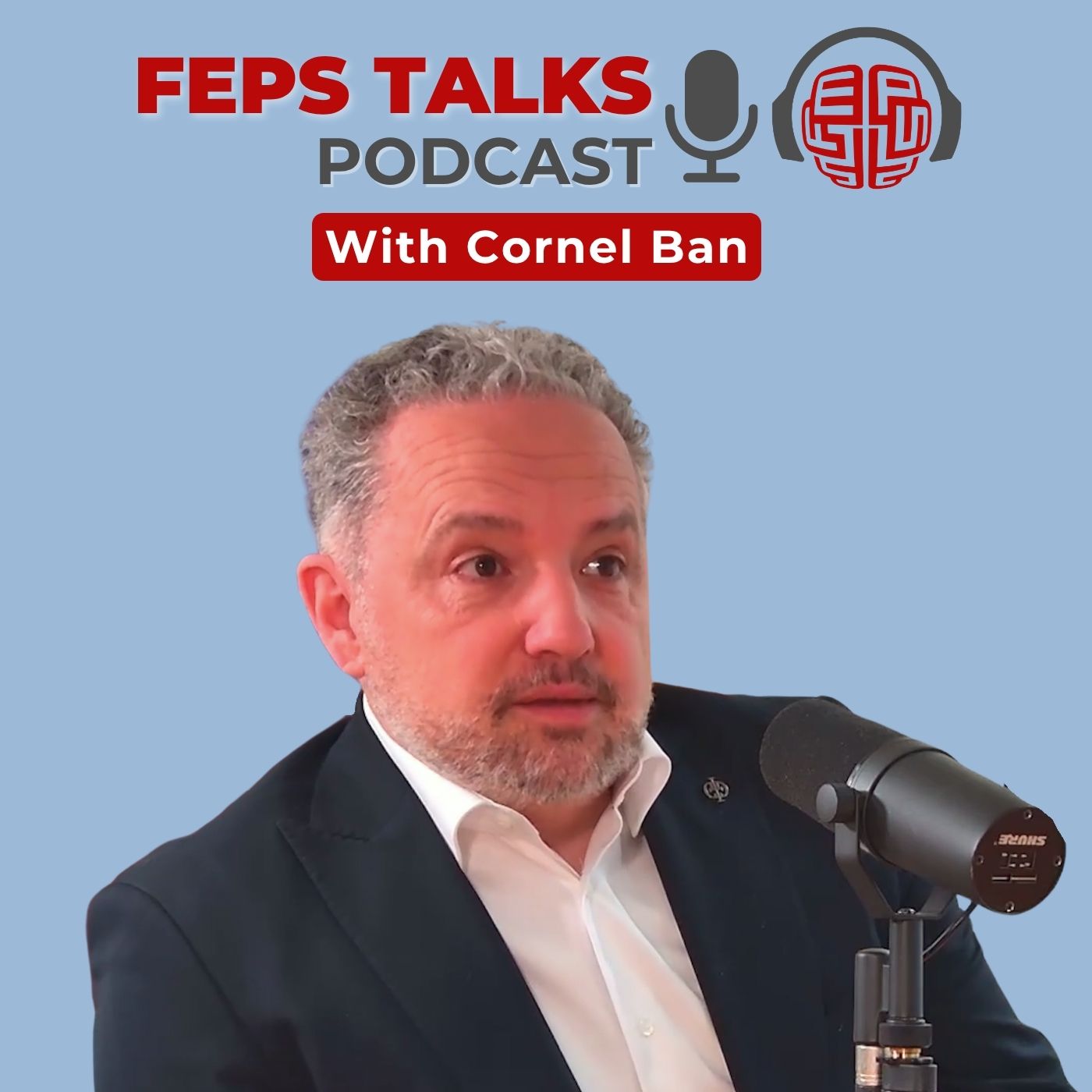
Europe is good at creating new technologies and innovative ideas, but too often European companies struggle to get the funding they need to grow. While the EU has traditionally looked to the 🇺🇸 USA and Silicon Valley for inspiration, could 🇨🇳 China offer Europe some useful lessons on how to help innovative companies scale up and strengthen Europe’s industrial base?
In this episode of FEPS Talks, Anna Kolesnichenko, FEPS Policy Analyst on Economy, talks to Cornel Ban, Associate Professor of International Political Economy at Copenhagen Business School, about how Europe can better finance its growing companies and turn innovation into industrial strength.
They explore why European start-ups often struggle to move from innovation to growth, what Europe can learn from China’s approach to funding new companies, and how the EU could make it easier for promising businesses to grow, scale up production and compete internationally.
📕 Read FEPS policy study “How can Europe’s missing middle be financed” by Cornel Ban on our website.
📺🔊 Available on YouTube, Spotify & Deezer
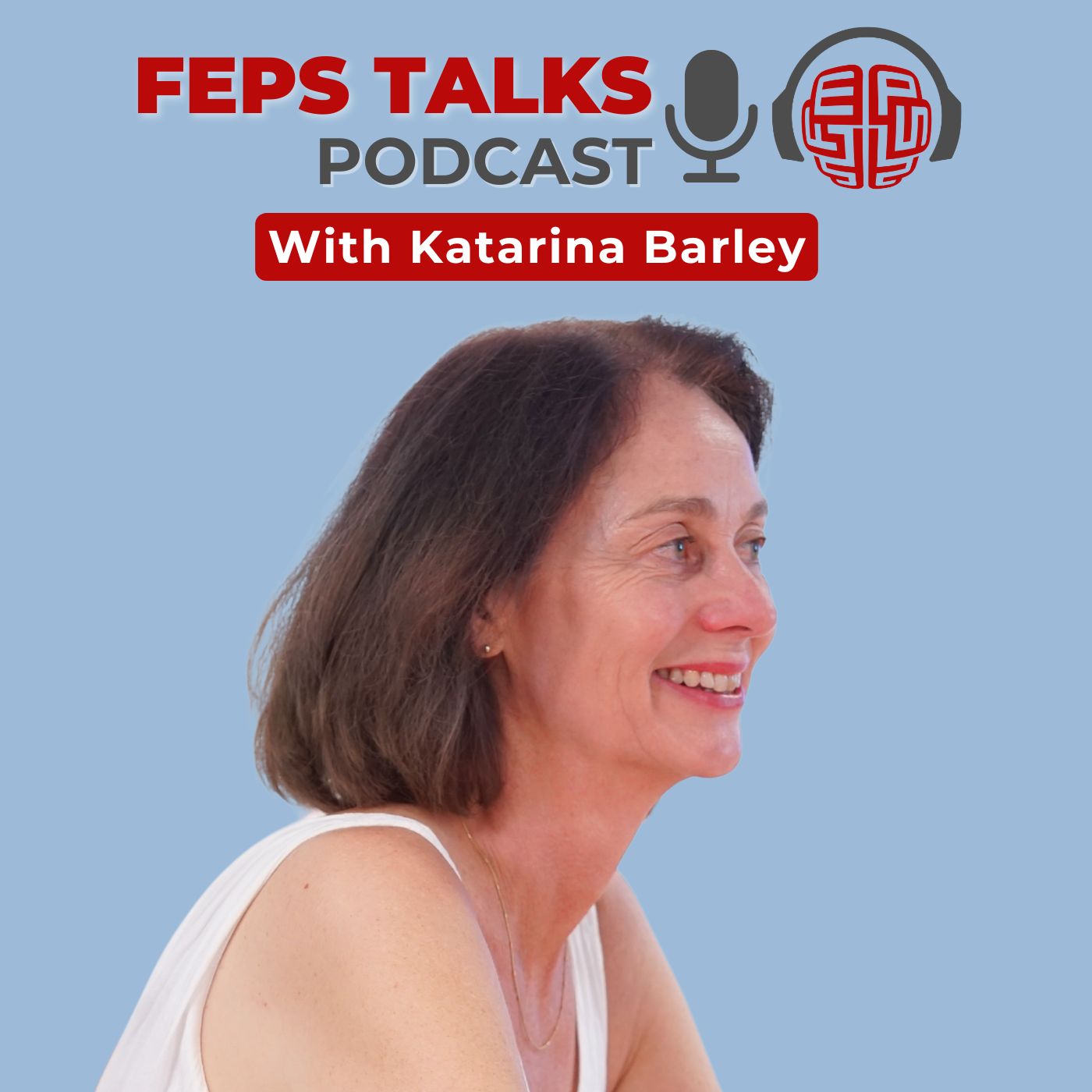
AI continues to remain a priority topic on the political agenda. As the EU leverages an increasing number of policy and financial instruments to stimulate the development and uptake of AI in Europe, this technology permeates virtually every aspect of our lives: our work, when we access public services, in education, our private lives and so on. Monty Aal, FEPS Policy Analyst for Digital talks to MEP Katarina Barley, Vice-President of the European Parliament and Chair of the AI Working Group of the Party of European Socialists.
In the episode they talk about why AI is one of the biggest challenges of current times, how Europe can decrease it's dependence on the US, what the social-democratic vision on AI should be and how the centre-left can build alliances across ideological and party lines to create the political majorities needed to steer AI in Europe in a direction where it benefits society as a whole, not just a handful of tech oligarchs who have accumulated unseen amounts of money and power.

Many observers expect the 2026 FIFA World Cup to be the most political in history because it will unfold amid intensifying geopolitical rivalries, migration disputes, debates over democracy and human rights, and tensions involving participating countries such as Iran, all while being hosted by three North American countries.
In this episode of FEPS Talks, Christian Salm, FEPS Head of Democracy and Participation Programmes, talks to Cas Mudde, Dutch Political Scientist and Research Professor of International Affairs at University of Georgia/US about the politics around the 2026 FIFA World Cup.
They explore and discuss issues ranging from the impact of the Iran conflict on the 2026 FIFA World Cup, to the legitimization of controversial policies during the event, potential boycott measures, and the role of football in political campaigning.
📺🔊 Available on YouTube, Spotify & Apple Podcast

In this episode of FEPS Talks, Josep Borrell Fontelles (former EU HRVP, former European Parliament president, former foreign minister of Spain and former chair of the FEPS Scientific Council) shares his opinion about the current challenges which the global disruption pose for the European Union. He explains why it is so hard to forge a stronger, more effective common foreign policy, especially in times of war and the transition towards multipolarity.
Josep Borrell advocates a closer coordination of defence policy within the EU, but highlights the risk of losing some of the soft power of the EU on the way. Europe can and must champion multilateralism and international law, in all contexts and geographic regions. He believes that progressive politicians and experts can learn from the Spanish example, and specifically the courageous and principled leadership of Pedro Sánchez.
📺🔊 Available on YouTube, Spotify & Apple Podcast

Comments

Download from Google Play

Download from App Store
 United States