


 Claim Ownership
FRDH Podcast with Michael Goldfarb
Subscribed: 466Played: 7,323
Subscribe

© All rights reserved
Description
Host FRDH podcast. Radio essayist and documentarist for the BBC and NPR. Historian and author of Ahmad's War, Ahmad's Peace and Emancipation.
230 Episodes
Reverse
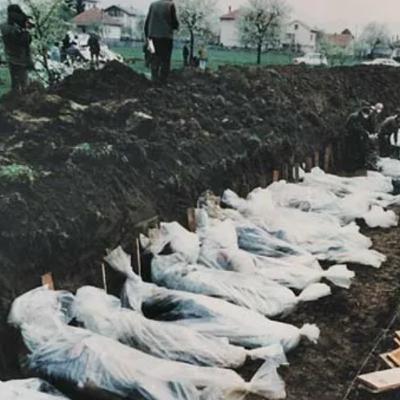
30 years after the Dayton Agreement ended the war in Bosnia are there lessons for ending the war in Ukraine? In this far-reaching and deeply personal podcast FRDH host Michael Goldfarb and documentary filmmaker Fiona Lloyd-Davies who has been reporting on and off from Bosnia since the start of the war in 1992, look back at the conflict, the diplomacy that stopped the killing, and discuss how the Ukraine war can reach a negotiated end. Give them 56 minutes to explore the increasingly forgotten history of the Bosnian War and its relevance for today.
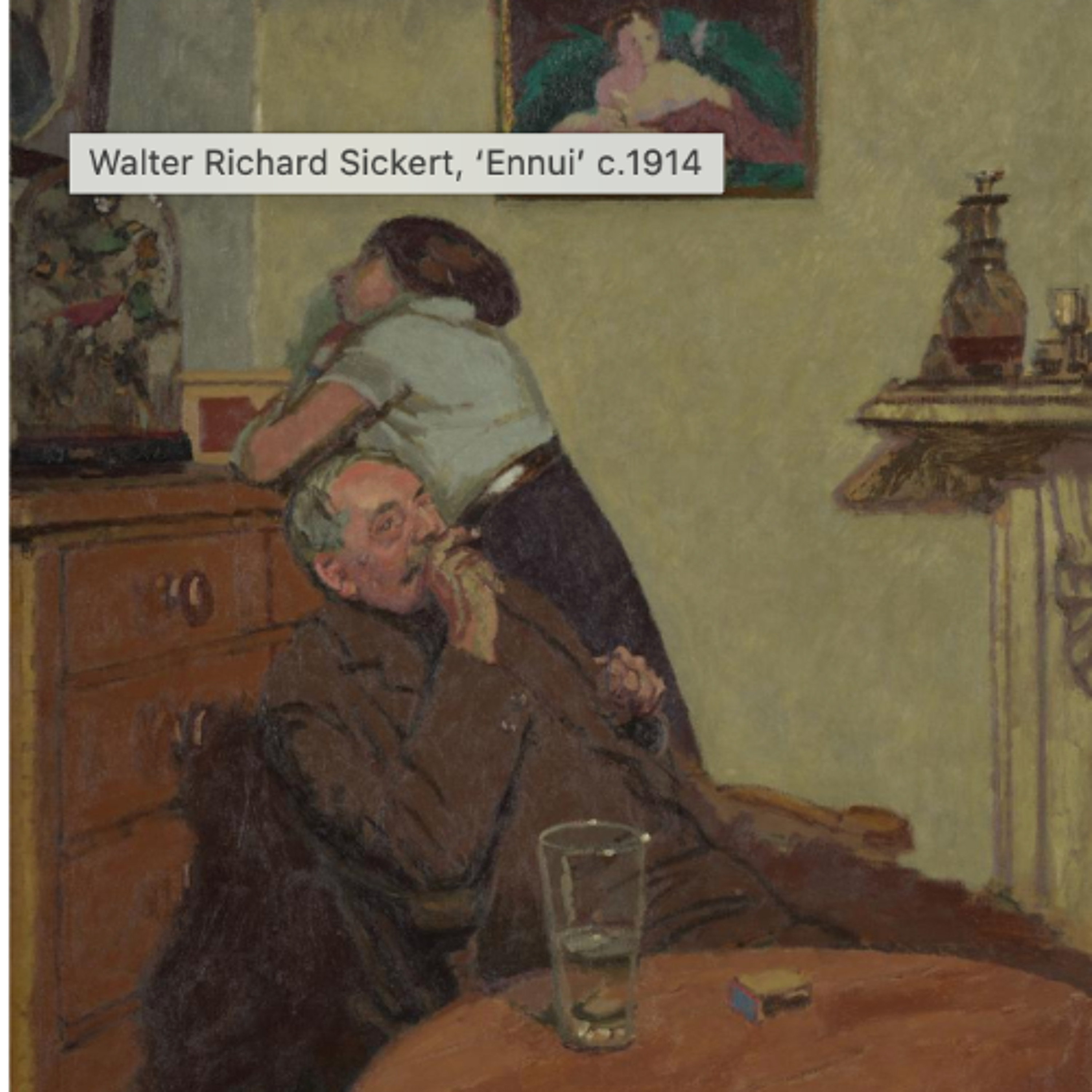
Britain in 2025 is in the grip of a malaise that has no single focus. What is behind it? Things have been much worse economically and politically but the mood in the country is sour edging towards bitter. In this FRDH podcast Michael Goldfarb looks at the malaise and Britain's deep discontent with former BBC news presenter Robin Lustig. They discuss recent history, the effect the growing together of the MAGA movement and Britain's hard right in media and politics and can the BBC survive? Give them 50 minutes to explain what is -- and is not -- happening.

27 years after the Good Friday Agreement what is Northern Ireland like, how much conflict still exists? In this wide ranging conversation, Declan Lawn who grew up during the Troubles, became a BBC news reporter and now is the co-creator of the internationally popular series, Blue Lights, briefs Michael Goldfarb on where Northern Ireland is in its post-conflict phase. Lawn also explains how he works on Blue Lights, keeping the show authentic to its Belfast setting.

Across Western society, the hot topic of conversation is how young men -- boys, really -- seem lost, caught up in something called the manosphere where resentments are stoked against women and the existing political order. No wonder many of them vote for neo-fascists like Donald Trump. James Bloodworth, is a writer who practices immersive journalism. Bloodworth submerged himself in the manosphere beginning in 2018 and stayed in it for years. Now he has written a book called: Lost Boys: a Personal Journey Through the Manosphere. He talks to a very perplexed FRDH host Michael Goldfarb about the manosphere and those it ensnares and how easily it leads them to embrace a fascist world view.

Professor Brian Klaas , who has already written three books on the Trump epoch, wonders how America will make it to the midterms a year from now and what condition it will be in. Klaas, Professor of Global Politics at University College London and columnist for the Atlantic Magazine, and FRDH podcast host Michael Goldfarb discuss the current situation in America. Will the midterms be free and fair? Will the results be accepted by the MAGA Republican party? Will the midterms even be held? Give us 56:41 to talk it out.
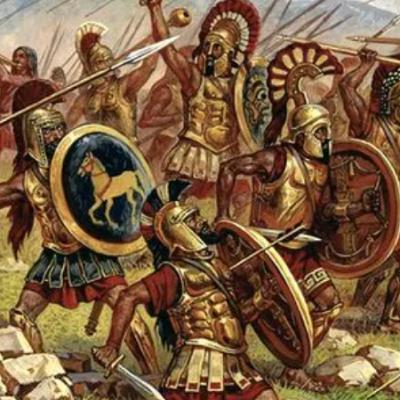
After nearly two years of Israel's war of revenge in Gaza are there any lessons to be learned that might end the bloodshed? Professor Yehuda Halper thinks there are and in this FRDH podcast he shares them. The key is for Israeli Prime Minister to stop speaking about Israel as the new Sparta. After all, Sparta lost the battle of Thermopylae and left virtually no trace of its civilization. Plus other lessons from ancient Greece and Biblical history that modern Israelis and the global jewish diaspora would do well to remember. Give us 41:17 to explain.

Charlie Kirk was murdered in Utah and the best way to find out more about it is to talk to a journalist from Utah who has been on the frontline reporting on the event. In this FRDH podcast, Schott discusses the arraignment of Tyler Robinson, who has confessed to killing Kirk as well as the impact of the shooting in Utah and its Church of Latter Day Saints community. Give us 33:04 to explain it to you.

A summary of the mood of fear in Washington DC as August 2025 comes to an end. It is even worse than it was more than a decade ago when political scientist Norman Ornstein published (with co-author Thomas Mann) It’s Even Worse Than It Looks: How the American Constitutional System Collided With the New Politics of Extremism. In this wide ranging conversation Ornstein and FRDH host Michael Goldfarb analyze the current situation, discuss whether the 2026 Midterm elections will be free and fair and what can be done right now to push back on the radical path Trump and the MAGA Republicans are trying to force America down. Give us 58:39 to explain.

Veteran journalist and author Ray Suarez has some thoughts on the intense campaign being waged by Donald Trump and his officials on America's Latino population. Nearly 60,000 allegedly illegal "criminal" immigrants were detained in less than five months since Trump took office, the overwhelming majority have no criminal record. Suarez explains to FRDH podcast host Michael Goldfarb how this has overwhelmed America's large and complex Latino community -- 65 million + strong -- and analyzes what the political fallout will be for Trump and his MAGA Republican Party in the future. Give us 43:41 to explain
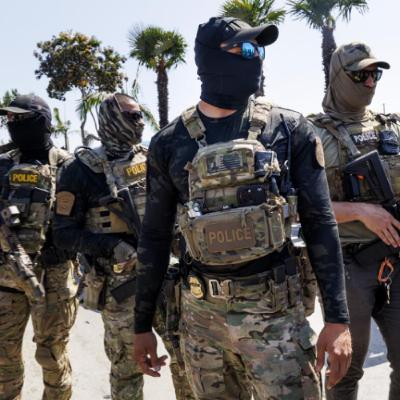
The 14th Amendment of the US Constitution enshrines citizenship by birthright, but a combination of a SCOTUS decision endorsing Trump's executive order that has led to snatch-squads dragging mostly Hispanic immigrants to prison without due process calls the Amendment's survival into question. This conversation with Damon Silvers, law professor and veteran of many Capitol Hill crises, looks at all the ramifications of SCOTUS' 6-3 decision in Trump v CASA and casts a cool eye over the prospects for snatch-squad fascism becoming a way of life in the US. Like having a private tutorial for 34:38.
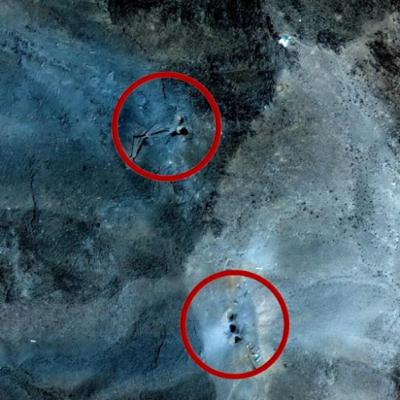
The US attack on Iran's nuclear sites June 21st brings to mind the last of Donald Rumsfeld’s infamous unknowns at the start of the Iraq War the "unknown unknowns" aka blowback. What is it possible to know about what will happen next, or is everything an unknown? In this hour-long FRDH podcast special, recorded the day after the US joined Israel in a war on Iran, Professor Roxane Farmanfarmaian of the University of Cambridge, and Ned Temko, a columnist for the Christian Science Monitor. who have been writing about Iran since the Iranian revolution in 1979 parse through what might happen next and what the blowback will be.
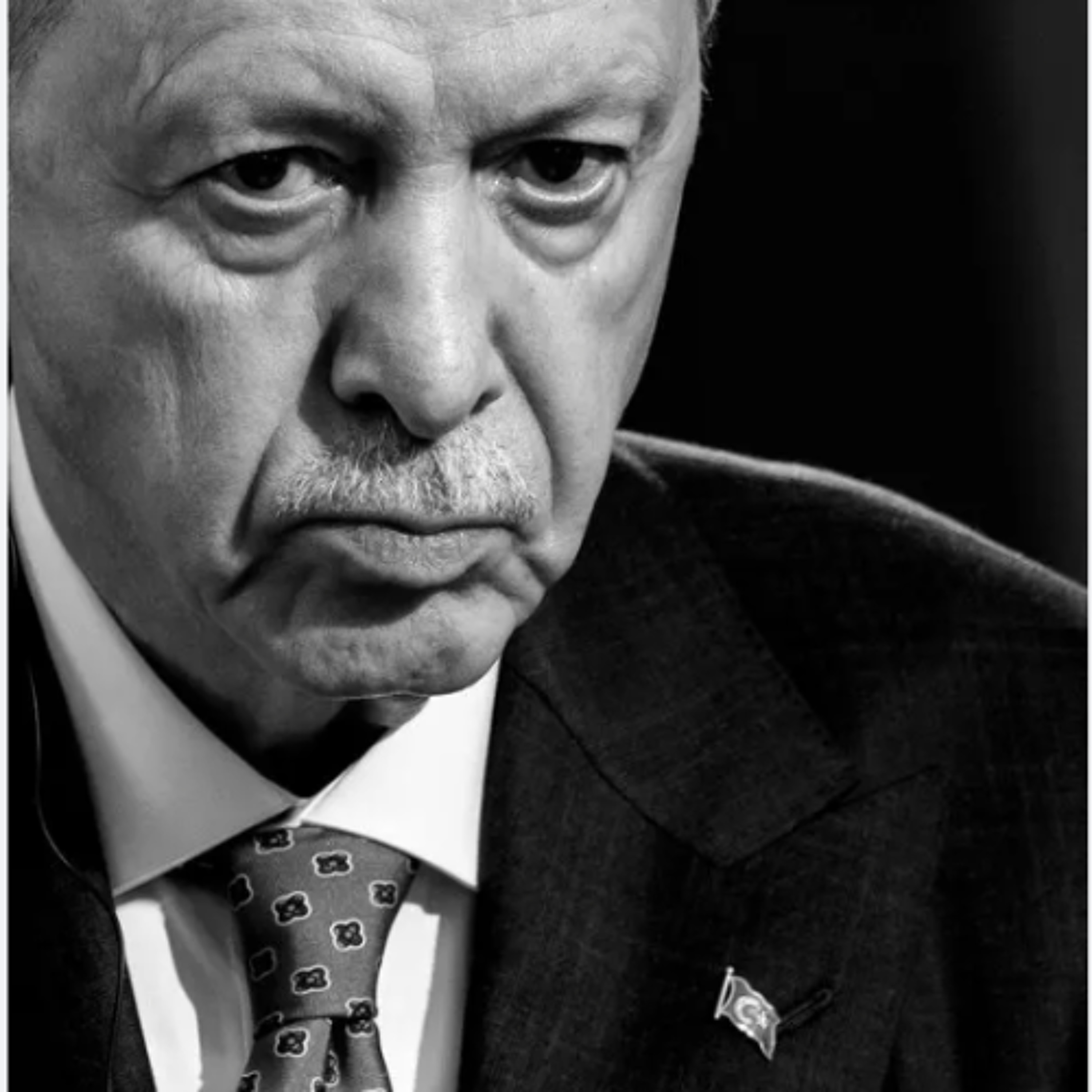
We are in an age of authoritarian democracy, and Turkey and its leader Recep Tayyip Erdogan is its paradigm. Erdogan has been in power more than 2 decades and created the template men like Victor Orban and Bibi Netanyahu have been followingin using democracy's tools to become authoritarian leaders. And now there's Donald Trump. Veteran journalist Andrew Finkel who has been reporting from the country for decades explains the process. You can hear parallels to what is unfolding in the US. Give us 39:30 to explain.
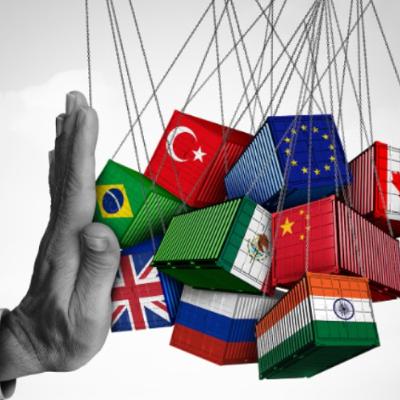
Does Donald Trump have a rhyme or reason for starting the 21st century's first major trade war? The Financial Times' Martin Sandbu isn't sure but he has some ideas and also helpful hints about how to interpret Trump's "deals" that aren't anything of the sort. He gives FRDH podcast host a 44 minute long tutorial in the rhyme and reason behind Trump's actions and how the rest of the world is likely to react.

All over the world people are on the move, fleeing from war and environmental catastrophe caused by climate change. Many take insane risks to reach Britain in hope of safety and a chance at a better life. Author Horatio Clare has written about this migration in We Came By Sea: Stories of a Greater Britain. In the book, Clare goes to the human stories beyond the headlines on the migration "crisis" to write about the human beings trying to get in and the surprisingly large number of Britons who do their best for them when they finally struggle ashore. In this FRDH podcast he talks about why the world is on the move and how the press and government are failing to explain to people what is really happening. Give us 46:49 to explain.
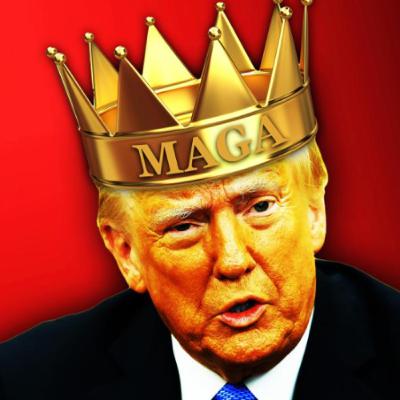
America is in the midst of a constitutional crisis with a President who clearly wants to be king no matter what the Constitution says and ironically the constitution says nothing about what to do in this kind of crisis. Dr. Helen Castor, medieval historian, sees in America's current situation echoes of a constitutional crisis six hundred years ago in England when King Richard the Second put himself above the law and defied anyone to do anything about it. Give us 44:43 to explain it to you.

In this FRDH podcast first broadcast on BBC Radio 4, host Michael Goldfarb looks at the history of NATO since its founding in 1949 and asks Now What? Can NATO survive the second coming of the Trump regime. Using archive sound and interviews with former NATO ambassadors and national security and defense experts he tells the Alliance's story, goes on patrol with American soldiers on a NATO mission in the Balkans and looks at whether European nations will ever be able to breakaway from US dominance of the organization. A long listen.

China: now what? Donald Trump has imposed tariffs on China but even before that news the country was watching and waiting for the US to make mistakes in the international arena. What happens now that Trump has made so many in such a short time? What is the China of today compared to ten, twenty or even thirty years ago? In this FRDH podcast, Mary Kay Magistad, who lived in China and southeast for more than twenty years as a public radio journalist provides deeper perspective on the country and next few years of competition between it and the United States. Give us 50 minutes to talk it out.

The last week has seen the dramatic beginning of a new historical era based on a US and Russia alliance. Donald Trump has thrown in with Vladimir Putin and thrown Ukraine and 80 years of the Transatlantic Alliance under a bus. In this FRDH podcast Michael Goldfarb speaks with Charles Hecker, who has lived an worked in Moscow for the last thirty years. His new book Zero Sum looks at the lessons learned -- and not learned by Western businessmen since the collapse of the Soviet Union. They also talk about what ithis new era might mean for the future of global democracy with the US clearly taking giant steps towards embracing the autocratic ruler of Russia.
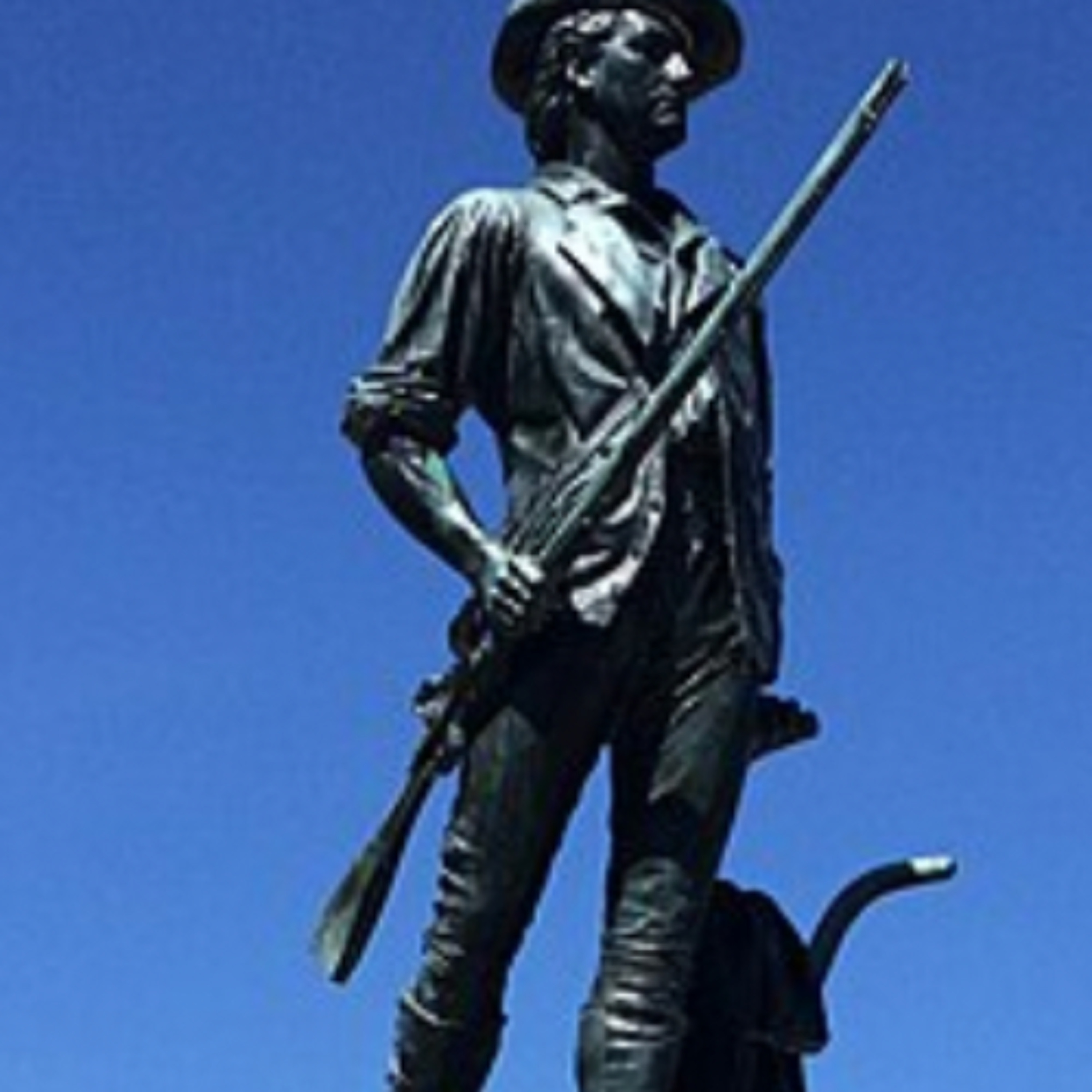
As the 250th anniversary of the start of the American revolution approaches and with America in crisis it's time to return to the Founders' Words. In the first of an occasional feature, FRDH podcast host reads through Tom Paine's pamphlet Common Sense for words of wisdom to help guide people through Trump and Musk's destructive takeover of the American government. You should listen because as Paine wrote 250 years ago, "The cause of America is in a great measure the cause of all mankind."
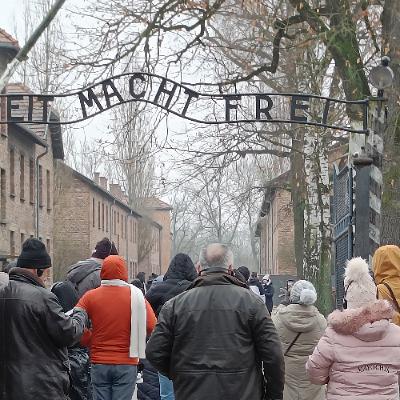
The mourner's Kaddish is the Jewish prayer for the dead. In this program, originally broadcast on the BBC World Service, he looks at the origins of Kaddish, its changing use over the years and into the present and discusses saying Kaddish for Jewish dead at Auschwitz on the 80th anniversary of the camp's liberation.


Download from Google Play

Download from App Store
 United States
for Corbyn there was no centre and that was why he was crushed. wrong! the establishment media was against him and Johnson managed to persuade enough little englanders among the northern working class that Europe was their enemy. it was a brexit/ establishment hit job.
me again. your whole stchtick about a complacent, lazy Corbyn in his safe seat is also way off mark. you make him sound like a Dickensian villian.Corbyn has spent his life fighting for what is right. he reprssents a movemdnt , not a one man vanity project. it iz a measure of how low the establishment goes that they sought to label him a racist despite a life fighting racism and promoting social justice. your characterisation of him is just another pathetic attack on a decent man who happens to represent a very large section of society against a vdnal, lying establishment. P.S. there is nothing lefty about Warren.
sorry Michael but your description of Corbyn as a petty, smallminded dinosaur of the 70s is grossly unfair and demonstrates a lack of understanding of the uk political scene. Corbyn's labour policies were left of centre social democrat in nature, tailored to todays realities - massive inequality, climate crisis etc. Corbyn was defamed from day one by the bulk of MSM, no part of which held or will hold the fascist xenophobe Johnson and his cohorts to account. your commentary reeks of the arrogant condescension of Blairism aimed at a the poor, young and vulnerable. patronising status quo-y middle class tripe.
This went over my head. And I majored in history.