


 Claim Ownership
FWDstart
Subscribed: 0Played: 0
Subscribe

© 2025 FWDstart Ventures LLC
Description
The FWDstart Podcast is a weekly show at the intersection of venture capital, startups, and strategic industries shaping the MENA region. Each episode features candid conversations with founders, investors, and operators behind the region’s most ambitious companies, from frontier AI and fintech infrastructure to climate tech, construction, energy, and space.
24 Episodes
Reverse
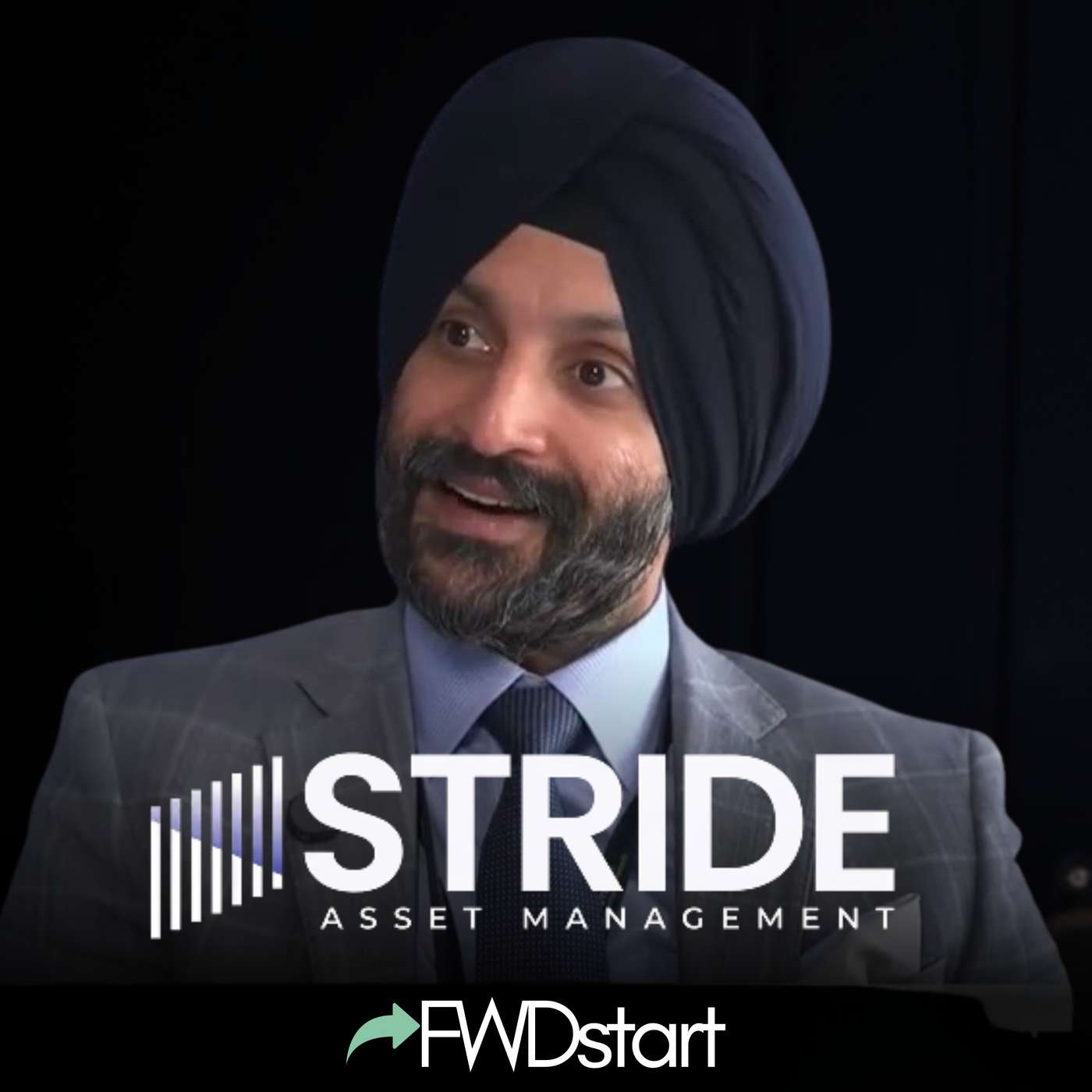
Ishpreet Singh Gandhi began financing startups at IDFC in India in 2015, long before venture debt had become an established part of the country’s startup ecosystem. He went on to found Stride in 2019, building a credit investment business that has since enabled more than $1 billion in financing for startups and growth-stage companies.That experience in India is now underpinning Stride’s expansion into the Gulf, with Saudi a particular focus. The firm has already led erad’s $33 million debt round, provided BRKZ with up to $30 million in growth debt, participated in Saudi-based Merit Incentives’ $28 million Series B, and supplied venture debt as part of Dubai-based Enhance’s $18.2 million financing.We get into how venture debt actually works, why founders can end up unnecessarily diluting their ownership, and how borrowing to fund working capital, capital expenditure or acquisitions can change the economics of scaling a company.We also dig into what Stride has learned from financing hundreds of businesses across India's startup cycles, how that experience translates to the Gulf, why equity investors can benefit from having lenders involved, and the risks that come with introducing debt into the capital stack.And there's a broader conversation about what separates successful founders from the rest, why the most difficult funding cycles can be the most revealing, what it'll take for more Gulf startups to reach the public markets, and whether the growing number of VC firms entering private credit is necessarily a good thing.We cover:Why founders default to raising equity and when debt might make more senseHow venture debt works, from working capital and CapEx to dilution and repayment riskWhat equity investors stand to gain, and lose, when lenders enter the capital stackBuilding Stride in India and bringing its credit playbook to Saudi Arabia and the wider GCCWhy private credit remains underpenetrated in the Gulf and where Ishpreet sees the opportunityWhat India's startup journey reveals about founder resilience, funding cycles and the road to IPO-----------------------------------------------00:00 – Introduction00:56 – From startup lending to building Stride02:25 – Why debt funds work differently from VC funds07:03 – Educating founders on venture debt10:35 – Bringing India's lending playbook to the Gulf13:25 – Why private credit is underpenetrated in the GCC16:07 – Why Stride expanded into Saudi Arabia and the Gulf18:57 – Building relationships with Saudi institutional investors21:42 – When debt improves an equity investor's position25:00 – What separates the best founders28:18 – What will it take for more Gulf startups to IPO?31:16 – Should VC firms be launching venture debt funds?33:15 – Stride's long-term ambitions-----------------------------------------------Transcript: https://share.transistor.fm/s/0449bf20/transcript.txt-----------------------------------------------Follow Jamie Lane on LinkedIn:https://www.linkedin.com/in/jamienlane/ Follow Jamie Lane on X:https://x.com/jamienlane Follow Ishpreet Singh Gandhi on LinkedIn: https://www.linkedin.com/in/ishpreet-singh-gandhi-539893bCheck out Stride Asset Management:https://www.strideamc.com/Follow FWDstart on Instagram:https://www.instagram.com/fwdstart/ Follow FWDstart on TikTok:https://www.tiktok.com/@fwdstart Visit our Website:https://www.fwdstart.me/ Subscribe to our Newsletter:https://www.fwdstart.me/subscribe
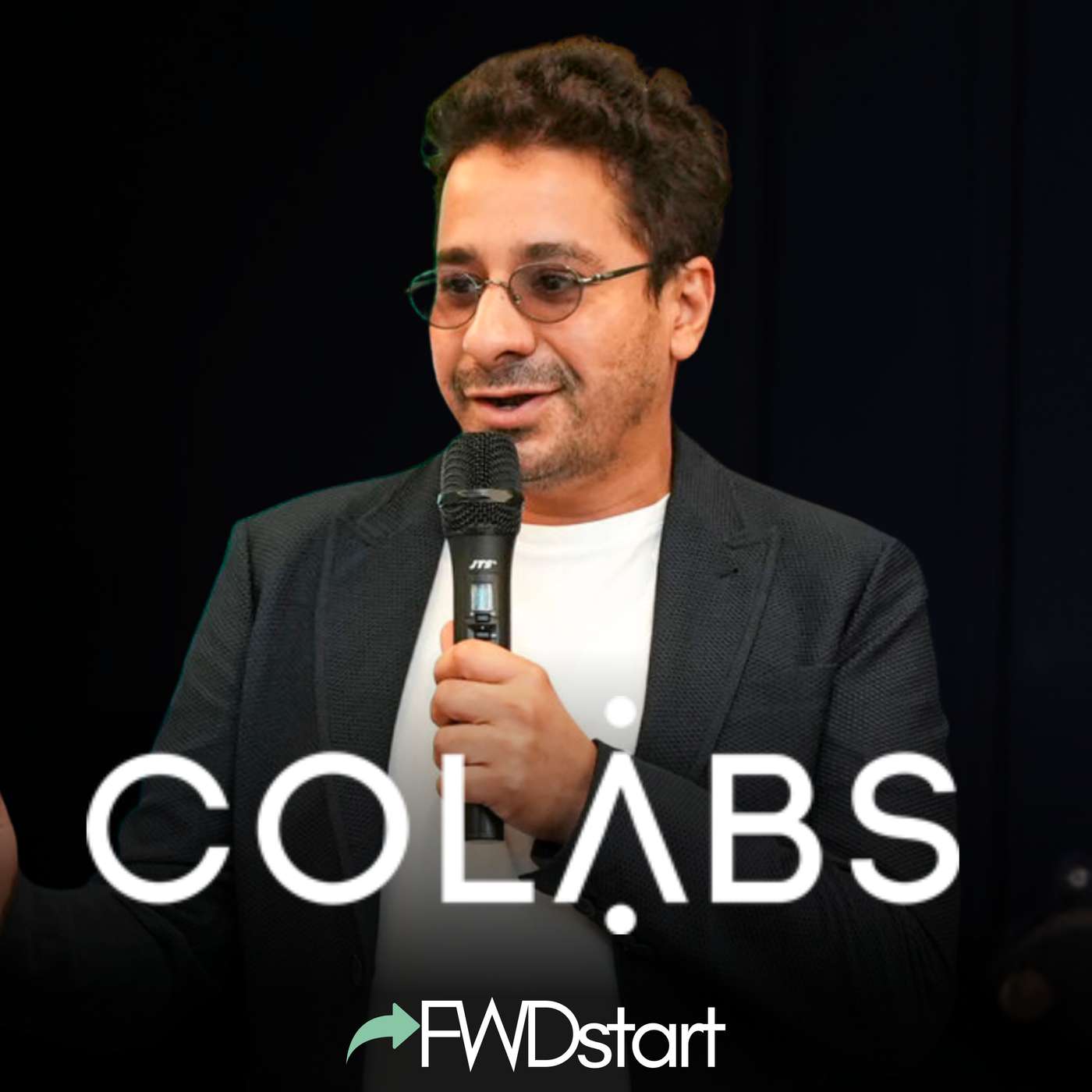
Omar founded COLABS in Pakistan in 2019 after leaving a career in banking and private equity, turning an old towel factory into the company’s first location and, from there, building a network of flexible workspaces used by everyone from freelancers and startups to large multinationals.That business has since become the base for a much bigger regional ambition. COLABS has moved its headquarters to Saudi Arabia, where Omar now spends most of his time and sees the Kingdom as the biggest opportunity for the company’s next phase of growth.Getting there wasn’t straightforward. Omar spent six months trying to finance the expansion, taking more than 100 investor meetings and hearing no repeatedly, to the point that he was ready to walk away altogether. That experience sits at the heart of the episode, as we get into what it takes to scale beyond your home market and why Omar believes Saudi can become the centre of gravity for the business.We also dig into the economics of coworking, why COLABS wants landlords rather than shareholders funding much of its fit-out, why location matters so much, and how community can become a genuine commercial advantage without pretending the underlying business is anything other than real estate.And there’s a more personal story here too, about burnout, purpose and what years of building through Covid, fundraising and expansion have taught Omar about resilience.We cover:– Why Omar thinks COLABS is fundamentally a real estate companyWhat WeWork got wrong and what it proved about flexible offices– The economics of coworking, occupancy, tenant mix and asset-light expansion– Building COLABS from Pakistan and adapting the model for Saudi Arabia– Why Omar believes there is room for a MENA-native regional workspace platform– Fundraising rejection, resilience and learning to build without burning out-----------------------------------------------00:00 Intro00:52 What is COLABS really?03:00 Why coworking is still a real estate business08:00 Burnout, banking and starting COLABS14:00 Finding purpose as a founder17:00 Why location matters more than almost anything else20:00 Building an asset-light real estate model23:00 How COLABS’ customer mix has changed29:00 The economics of coworking32:00 Churn, pricing and the true cost of flexible offices36:00 Taking the Pakistan playbook to Saudi Arabia38:00 Why Omar is betting on Saudi43:00 Moving COLABS’ centre of gravity to the Kingdom47:00 Raising for Saudi and hearing “no” 100+ times51:00 The founder rollercoaster53:00 Relationships, resilience and what Omar has learned as CEO-----------------------------------------------Transcript: https://share.transistor.fm/s/d13e2d0c/transcript.txt-----------------------------------------------Follow Jamie Lane on LinkedIn:https://www.linkedin.com/in/jamienlane/ Follow Jamie Lane on X:https://x.com/jamienlane Follow Omar Shah on LinkedIn: https://www.linkedin.com/in/osshah/Check out COLABS:https://www.colabs.sa/Follow FWDstart on Instagram:https://www.instagram.com/fwdstart/ Follow FWDstart on TikTok:https://www.tiktok.com/@fwdstart Visit our Website:https://www.fwdstart.me/ Subscribe to our Newsletter:https://www.fwdstart.me/subscribe
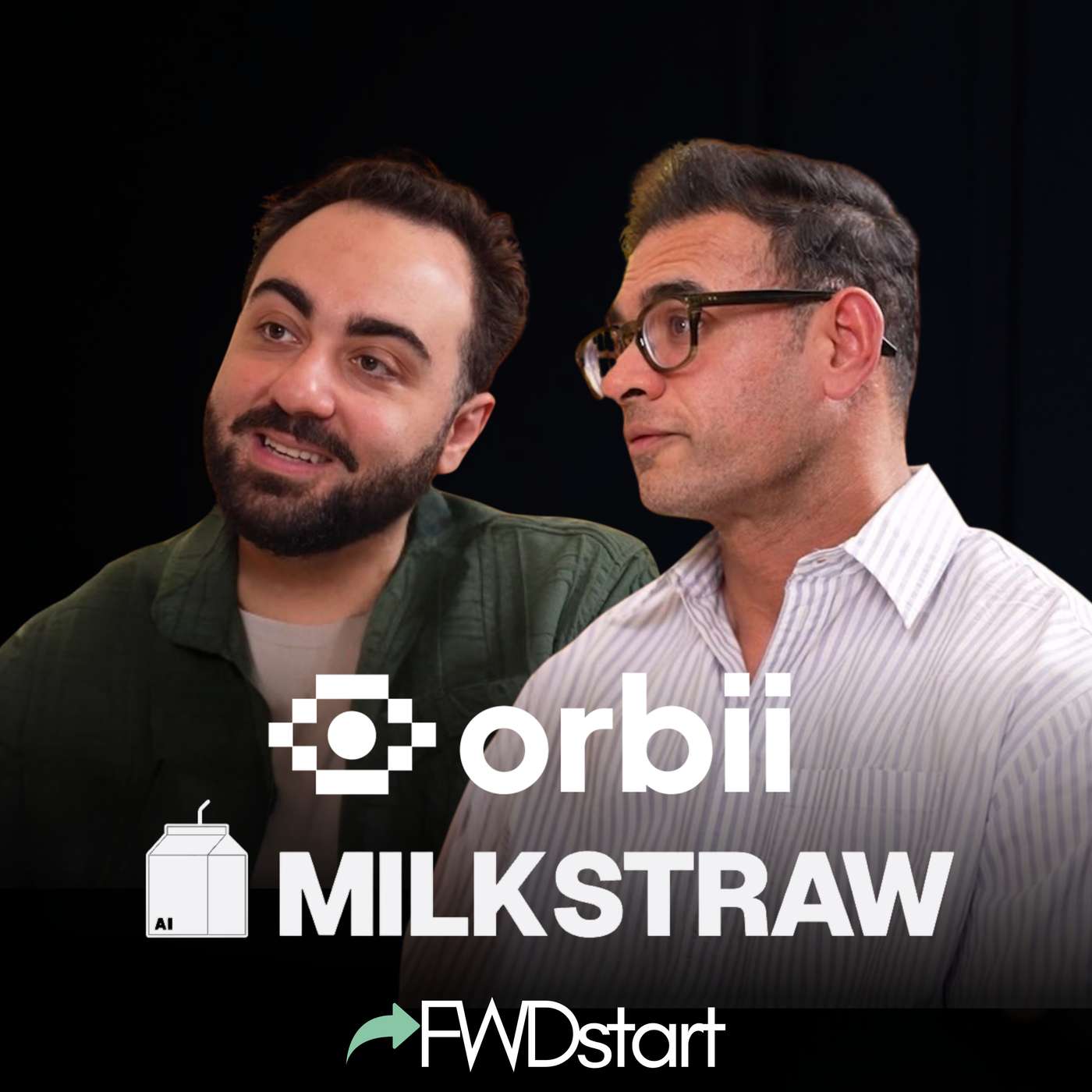
Most startup fundraising advice tends to sound good in theory but becomes much less useful once you are actually in the middle of a round. Founders are told to build relationships, create momentum and find the right investors, but the practical details of how to do that are usually left unsaid.So for this episode, I sat down with Jawad Shreim, co-founder and CEO of MilkStraw AI, and Nauman Ali, co-founder and CEO of Orbii, two founders who have both recently been through the process themselves, to unpack how they approached it in practice.Jawad recently raised a $2 million seed round for MilkStraw, while Orbii raised $3.6 million after initially setting out to raise $2 million. Both began laying the groundwork months before formally opening their rounds, using regular investor updates to build relationships, generate inbound and understand which funds were actually engaging with the business. Jawad ultimately built a list of roughly 100 investors, compressed his meetings into a short fundraising sprint and closed the round in around 45 days. From there, the conversation gets unusually tactical. We get into how to create FOMO without losing control of the process, whether to tell investors who else you are speaking to, when to set a hard deadline, how to diligence a VC properly and what “value add” should actually look like once someone is on your cap table.We also spend time on the less glamorous mechanics that founders often encounter for the first time while fundraising, including SAFEs, liquidation preferences, side letters and the gap between signing a deal and actually seeing the money arrive in the bank. Finally, we talk about what happens once the round is closed and why both founders treated their funding announcements as something to actively optimise for customer, talent, partnership and future investor inbound, rather than simply another PR moment. If you are raising now, expect to raise eventually, or simply want a clearer picture of what actually sits behind those “startup raises $Xm” headlines, there is a lot in this one.We cover: When a fundraise really starts, and why both founders begin months before formally opening the round How investor updates can create inbound and help qualify the right funds Stacking meetings, building momentum, setting deadlines and creating FOMO How to diligence VCs and assess whether “value add” is actually real SAFEs, liquidation preferences, side letters and what happens before money hits the bank How to turn a funding announcement into actual business value-----------------------------------------------00:00 Highlights01:10 When does a fundraise actually start?07:50 Using investor newsletters to build interest13:35 Doing due diligence on your investors17:15 What value do VCs actually add?22:40 Closing a round in 45 days33:50 Liquidation preferences and preferred shares40:55 Losing term sheets over Palestine42:05 SAFEs, side letters and asking for what you want46:20 Turning funding announcements into customers54:20 Hiring slowly and building a team you trust57:20 AI budgets, token costs and how teams are changing-----------------------------------------------Transcript: https://share.transistor.fm/s/d3d28b95/transcript.txt-----------------------------------------------Follow Jamie Lane on LinkedIn:https://www.linkedin.com/in/jamienlane/ Follow Jamie Lane on X:https://x.com/jamienlane Follow Jawad Shreim on LinkedIn: linkedin.com/in/jawad-shreim Follow Nauman Ali on LinkedIn: linkedin.com/in/nali1 Check out MilkStraw AI: milkstraw.ai Check out Orbii: orbii.aiFollow FWDstart on Instagram:https://www.instagram.com/fwdstart/ Follow FWDstart on TikTok:https://www.tiktok.com/@fwdstart Visit our Website:https://www.fwdstart.me/ Subscribe to our Newsletter:https://www.fwdstart.me/subscribe
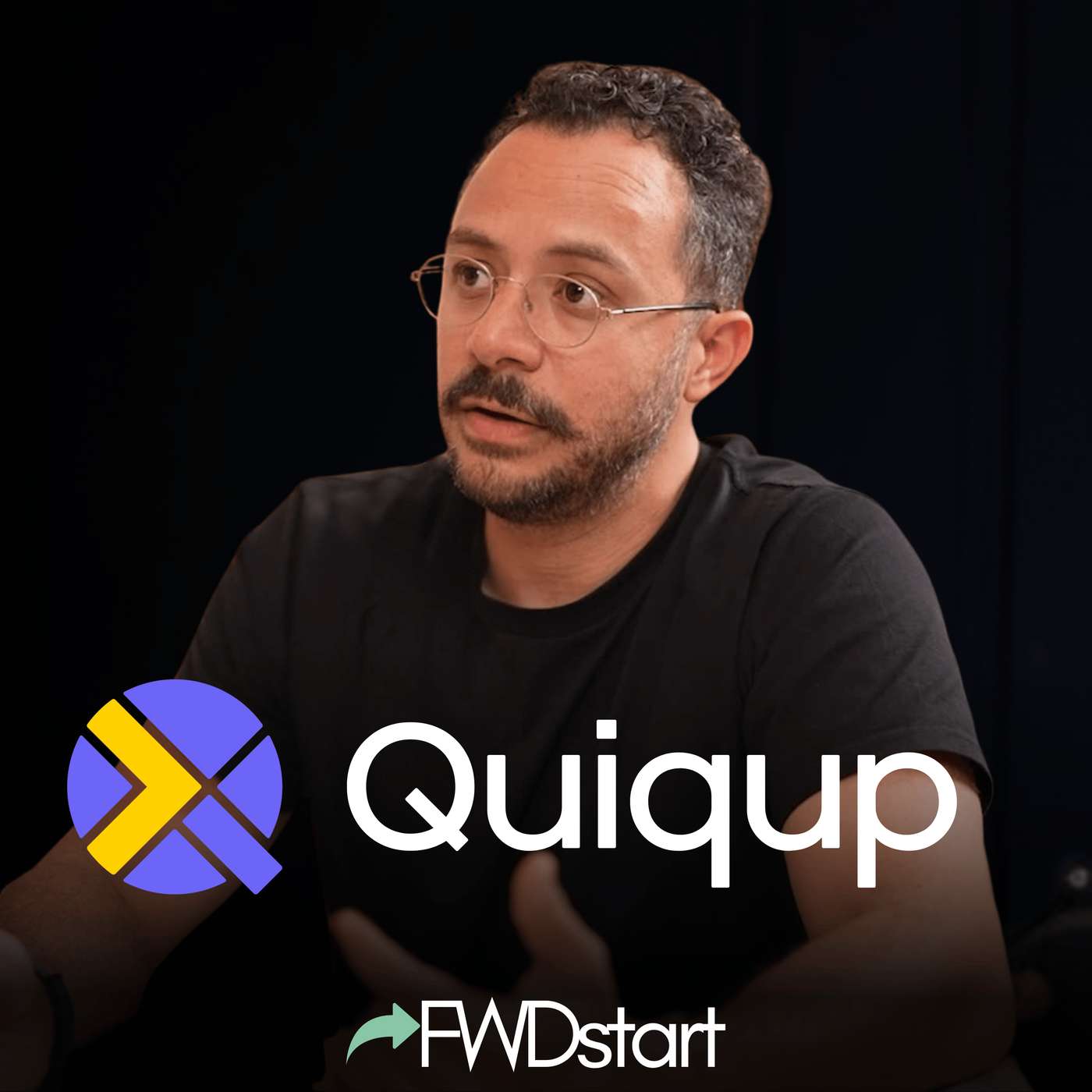
Quiqup has one of the more remarkable founder stories in the region, although it didn’t start here.Bassel El Koussa and his co-founders launched the company in London in 2014 around a simple idea: use a mobile app to let people get almost anything delivered in under an hour.Over the years that followed, Quiqup raised tens of millions of dollars, worked with some of the world’s biggest retailers and found itself competing in one of the most aggressively funded corners of technology.Then Uber Eats arrived in London, and the environment around the company changed remarkably quickly.Bassel talks in the episode about going from fundraising processes that could produce term sheets within weeks to spending months on the road trying to raise capital, while increasingly confronting the reality that the business they had set out to build in the UK might no longer make sense.What followed was a series of decisions that would eventually take Quiqup from London to Dubai and fundamentally change what the company was building.Some were forced on them, others were very deliberate.In 2022, Quiqup made perhaps the most counterintuitive of all, walking away from on-demand food and grocery delivery and cutting its revenue by 50% in the process.Today, the company looks very different from the one Bassel started more than a decade ago, with Quiqup increasingly positioning itself as the infrastructure behind a new generation of e-commerce brands building across the GCC.But the reason I enjoyed this episode so much isn’t really the logistics (although it is jam-packed full of terrific insights on this too).The truth is most of the time there’s only so much a host can do to make a podcast conversation “good.” You can do the research, understand the company and hopefully ask the right questions, but eventually yo’re reliant on the person sitting opposite you being willing to be open about what actually happened.Bassel was, and as a result this is honestly my favourite conversation we’ve recorded on the podcast so far.There are very few conversations where you gradually forget that there are cameras and lights around you and end up simply shooting the breeze. This felt like one of those.Bassel is extraordinarily candid about what it has taken to keep Quiqup alive through more than a decade of changes, including the decisions that didn’t work, the periods when the odds appeared firmly stacked against the company, and what repeatedly having to rebuild has done to him as both a founder and a leader.At one point, we get into the period immediately after the move to Dubai, when four co-founders and two other members of the team were effectively working out of a tiny two-bedroom apartment while trying to figure out what came next.And somehow, Bassel remembers them still joking.There was, he says, a shared sense of duty to take the more difficult path.“It’s gonna be a better story to tell. I’m here to tell it.”If you're going to listen to one episode of the podcast, I think this is an excellent place to start!We cover: How Quiqup went from a London consumer delivery app to building logistics infrastructure for e-commerce brands across the GCC, and the early bets with Tesco, H&M and others that started pulling the business towards B2B What happened when Uber Eats entered London, why investor interest effectively disappeared overnight, and the extraordinarily difficult decision to shut the UK operation and rebuild from Dubai Why Quiqup deliberately walked away from on-demand food and grocery delivery in 2022, cutting revenue by 50% to focus on the long-term opportunity in e-commerce How the company is building an end-to-end logistics layer spanning fulfilment, last-mile delivery, returns and cross-border expansion, and why Bassel believes the next generation of GCC brands will increasingly want to own the customer relationship themselves How consumer expectations around delivery are changing, why beauty and wellness are pushing fastest, and what AI, autonomous delivery and more intelligent logistics infrastructure could eventually change What more than a decade of setbacks has taught Bassel about leadership, vulnerability and resilience, including why simply brute-forcing your way through adversity eventually stops working-----------------------------------------------00:00 Intro 01:00 How Quiqup started in London 06:00 What Uber Eats changed 10:00 Leaving London for the UAE 21:00 The 2022 reset and cutting revenue by 50% 26:00 Building the customer experience backwards 31:00 How fast can delivery actually get? 43:00 D2C, AI and the future of Quiqup 52:00 Saudi Arabia and building for regional brands 55:00 How Bassel’s leadership changed 59:00 Why resilience can’t be brute-forced 01:05:00 Rebuilding from a two-bedroom apartment-----------------------------------------------Transcript: https://share.transistor.fm/s/ca921c27/transcript.txt-----------------------------------------------Follow Jamie Lane on LinkedIn:https://www.linkedin.com/in/jamienlane/ Follow Jamie Lane on X:https://x.com/jamienlane Follow Bassel El Koussa on LinkedIn: https://www.linkedin.com/in/bassel-el-koussa-37576652/Check out Quiqup:https://www.quiqup.com/Follow FWDstart on Instagram:https://www.instagram.com/fwdstart/ Follow FWDstart on TikTok:https://www.tiktok.com/@fwdstart Visit our Website:https://www.fwdstart.me/ Subscribe to our Newsletter:https://www.fwdstart.me/subscribe
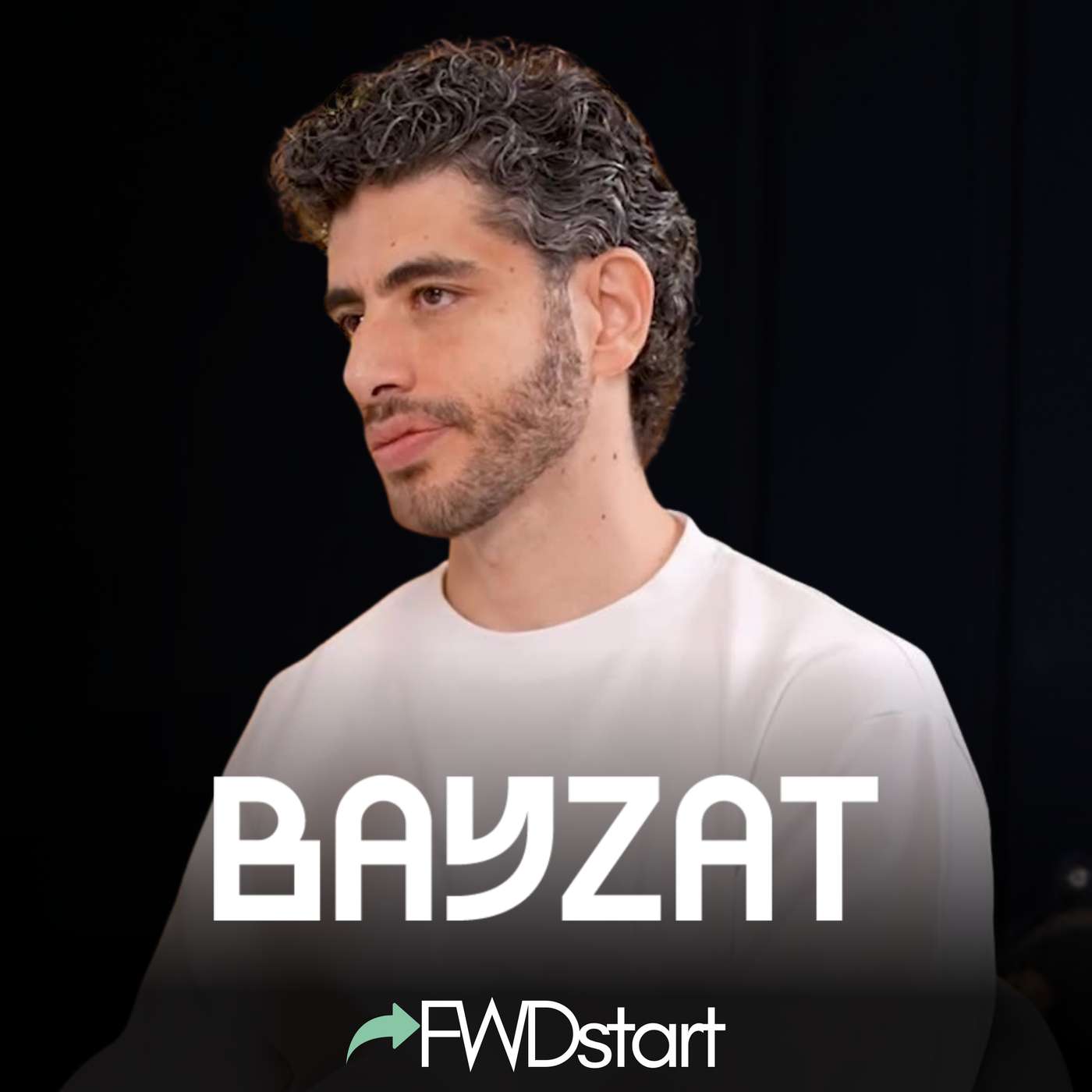
Bayzat has been around long enough to have lived through almost every version of the MENA startup ecosystem.Founded in 2013, the company began with an idea for a consumer fintech product, stumbled somewhat fortuitously into SME health insurance, and gradually expanded into what is now a much broader SaaS platform spanning HR, payroll, employee benefits, talent management and, increasingly, AI-powered workflows and applications.It's also raised more than $55 million along the way. But the journey has been anything but linear.We sat down with the company's CEO and Co-founder Talal Bayaa for one of the more candid conversations we've had on the podcast to date.Talal talks openly about nearly running out of money, fundraising rounds that fell apart after due diligence, the pressure that comes with having raised $55M+ and knowing investors eventually need liquidity, and the reality that, more than a decade in, he believes he is already behind on delivering that outcome.We also get deep into how Bayzat is using AI internally and inside the product, why some software categories are far more vulnerable than others, why he is most worried about entry-level jobs, and how AI is allowing the company to build the final 10% of customer-specific functionality that traditional SaaS economics historically made prohibitively expensive.We cover:How Bayzat evolved from a consumer fintech idea into a multi-product HR, payroll, benefits and SaaS platform, and why listening to customers repeatedly changed the roadmapHow Covid pushed the company into a “death spiral”, what having effectively zero runway actually looked like, and why charging for previously free software became its most transformational decisionThe realities of raising more than $55M, fundraising rounds that fell through at the last moment, and why Talal feels a responsibility to eventually engineer liquidity for Bayzat’s shareholdersWhy Bayzat is using AI to solve the expensive final 10% of software customisation, turning work that could take months into something that can sometimes be built and deployed in hoursWhich jobs and software categories AI is likely to disrupt first, why entry-level hiring worries him most, and where Bayzat has already stripped out internal tools and headcountThe lessons from more than a decade of building, from pricing and Saudi expansion to surviving liquidity crises, staying methodical under pressure and accepting that some problems simply take years to work through-----------------------------------------------Timestamps:00:00 - What Bayzat Is Today, and Why It Refuses to Be Pigeonholed03:00 - From Insurance Comparison Site to a Full HR Platform05:00 - Build vs Buy, and Why Some SaaS Is in Trouble08:00 - Using AI to Build the Last 10% of Software11:00 - Bayzat Studio, Custom Apps, and the Pricing Problem15:00 - The Near-Death Spiral That Forced Bayzat to Start Charging17:00 - Expanding Into Saudi, and Why Localization Is the Moat21:00 - How Sticky Is Bayzat, and Can AI Change That?24:00 - M&A, Profitability, and the Pressure to Deliver Liquidity28:00 - Raising $55M When MENA Venture Capital Barely Existed32:00 - John Wooden, Small Teams, and Reducing Company Bloat36:00 - AI, Entry-Level Jobs, and the Future of Hiring41:00 - Running Out of Runway, Surviving Zero Cash, and Chipping Away at Crisis-----------------------------------------------Transcript: https://share.transistor.fm/s/e87fc29e/transcript.txt-----------------------------------------------Follow Jamie Lane on LinkedIn:https://www.linkedin.com/in/jamienlane/ Follow Jamie Lane on X:https://x.com/jamienlane Follow Talal Bayaa on LinkedIn: https://www.linkedin.com/in/talal-bayaa-213ba0b/Check out Bayzat:https://www.bayzat.com/Follow FWDstart on Instagram:https://www.instagram.com/fwdstart/ Follow FWDstart on TikTok:https://www.tiktok.com/@fwdstart Visit our Website:https://www.fwdstart.me/ Subscribe to our Newsletter:https://www.fwdstart.me/subscribe

Comments

Download from Google Play

Download from App Store
 United States