


 Claim Ownership
Father Fessio in Five
Subscribed: 10Played: 40
Subscribe

Copyright © 2023 Ignatius Press. All rights reserved.
Description
Join Father Fessio every Friday for his profound insights on a wide variety of interesting subjects and be inspired by the thoughts of a great Jesuit. These episodes provide a rare glimpse into the mind of our beloved founder and are an easy and meaningful way to deepen your spiritual and intellectual life!
135 Episodes
Reverse
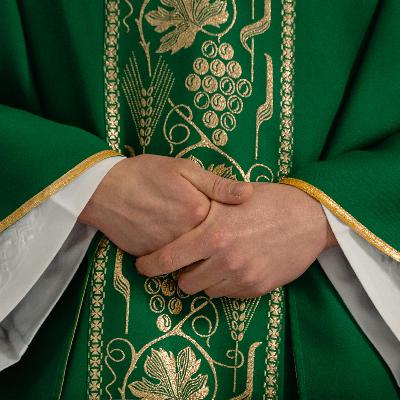
Ever wonder what is the significance of the priest’s vestments? In this episode, Fr. Fessio explains what these vestments are and symbolism behind them.
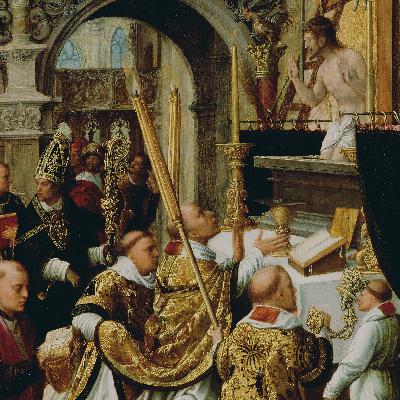
We all call the Liturgy of the Eucharist, the “Mass” but many of us don’t know why. . . . So Fr. Fessio explains this term and the other terms used to identify this sacrament.

Fr. Fessio explains the third dimension of the Mass—the personal dimension—using the events on the road to Emmaus.
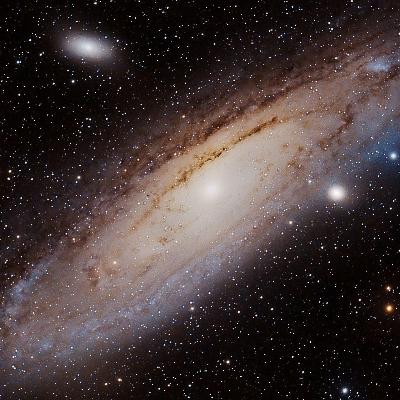
Fr. Fessio describes the second dimension of the Mass—the cosmic dimension. Fr. Fessio explains how Christ is the center of this dimension.

There are three dimensions to the Mass: the historical, the cosmic, and the personal. And in this episode, Fr. Fessio outlines the historical dimension of the Mass by examining the Old Testament and the life of Christ.
Get your copy of The Mass of Vatican II: https://ignatius.com/mass-of-vatican-ii-mv2p/?searchid=3424209&search_query=the+mass+of+vatican+II
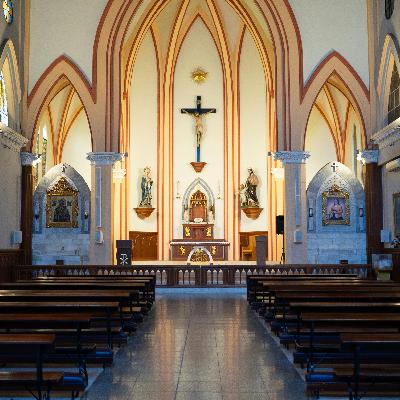
Fr. Fessio is beginning a series on the Mass, and today he explains the difference between “old” vs the “new” Mass and which he will follow going forward in this series.
Get your copy of The Mass of Vatican II: https://ignatius.com/mass-of-vatican-ii-mv2p/?searchid=3424209&search_query=the+mass+of+vatican+II
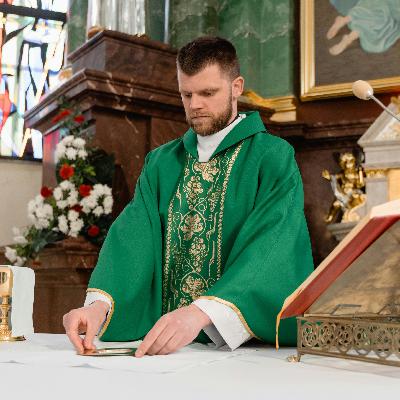
Today’s episode marks the beginning of Fr. Fessio’s series on the Mass. In this episode, he explains how the Mass is central in the sacramental order.
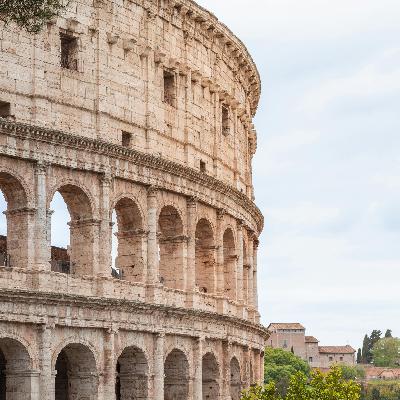
Fr. Fessio explains what “oremus invicem,” “ad majorem dei gloriam,” and “amor meus pondus meum” mean and why you should use the often.

Fr. Fessio points out how many holy people are like the Holy Family both in their life of grace and often in their obscurity.
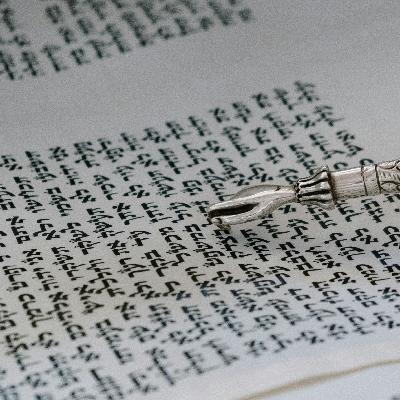
Fr. Fessio examines the original Hebrew for two passages in Scripture. In each case, the original language reveals more than our English translation.
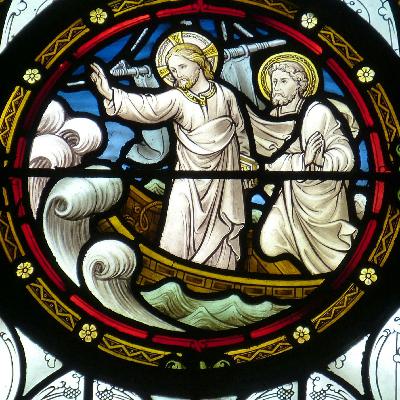
Fr. Fessio points out that in Hebrew the word “faith” means something a bit different than it does in English.
Fr. Fessio explains the Latin phrase Pax huic domui and its response Et omnibus habitantibus in ea.
We will be measured not by our human achievements, but by our love. Fr. Fessio explains how we can be great in the kingdom of God.
In today's special episode, Fr. Fessio is joined by Archbishop Cordileone to discuss the importance of kneeling at Mass and when receiving communion. They draw upon Pope Benedict XVI's book "The Spirit of the Liturgy" which is celebrating 25 years of publication.
Get Your Copy of "The Spirit of the Liturgy": https://ignatius.com/the-spirit-of-the-liturgy-commemorative-edition-splcep/?searchid=0&search_query=the+spirit+of+the+liturgy

Fr. Fessio returns to the Our Father and argues for its primacy as a prayer of petition. But he also points out that there are more types of prayer than those of petition . . .
Fr. Fessio explains another common Latin phrase—Deo Gratias. He believes that this phrase is so important that everyone should use it.

Fr. Fessio explains what “Deo Volente” means, and why we should use it in our daily life.

Fr. Fessio recalls a conversation he had with an atheist student where he explained the difference between how an atheist sees the world and how a Christian views creation.
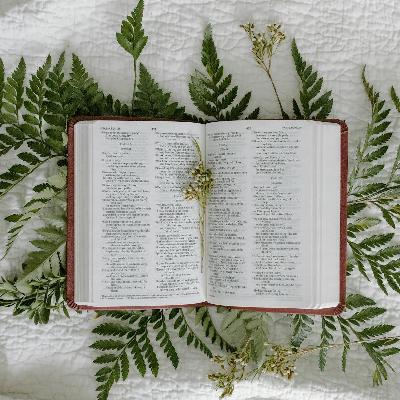
Fr. Fessio reflects on the significance of very first and last words of the Psalms, which begin with happiness and end with thanksgiving.
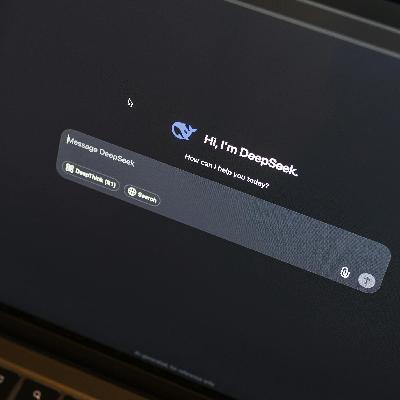
Recently, Fr. Fessio was deceived by A.I. and warns people about trusting these programs.

Comments

Download from Google Play

Download from App Store
 United States