


 Claim Ownership
Flanigan's Eco-Logic
Subscribed: 4Played: 88
Subscribe

© 2025 Flanigan's Eco-Logic
Description
Flanigan's Eco-Logic, hosted by Ted Flanigan, provides cutting-edge information and insights in sustainability and the clean energy space. Episodes address alternative energy -- featuring solar, storage, microgrids, vehicle grid integration, and energy access. In addition, the podcast covers resources issues -- like water and food issues, and even slow fashion. Flanigan’s enthusiasm, vast experience, and deep network in the energy and environmental arena are palpable as he brings exciting and encouraging green developments to the fore, interviewing and engaging leading policy makers and practitioners throughout the United States and in many countries around the world.
249 Episodes
Reverse

Tom Chi is an inventor, entrepreneur, and investor with a deep knowledge of astrophysics. He was a founder and executive at GoogleX working with autonomous driving and AI when he first became alarmed by climate change. A coral reef near his Hawaii home died in less than eight weeks. Mass bleaching and reef collapse took away the most beautiful thing he had ever seen, every color of the rainbow diminished to gray and brown.Tom explains that climate change is not gradual but instead it is marked by extreme fluctuations. Its the outliers, the six degrees hotter in summer and 2 degrees cooler in winter as was the case at his reef, 122 degree heat in British Columbia, and multiple thousand year events taking place in less than a decade, all dangerous outliers. Clearly the Earth's natural systems are out of equilibrium. Tom believes that we have messed up on climate change communications. They are centered on average temperature changes that are "papering over" the worst parts of climate destabilization.At that moment, Tom decided to give up his work at GoogleX -- the best job he'd ever had -- to work on climate solutions. The awakening spurred him to dig into the source of the death in his neighborhood. And he learned that it could happen to entire world, damage that might take 10 - 20 million years to resolve. He considered taking a sabbatical. But he knew the lift was large enough: Clearly he could not effectively work on this in his spare time.So Tom travelled the world to the front lines of ecological damage, to glaciers calving at alarming rates, rivers running dry, Southeastern Asian rainforests destroyed. He witnessed communities where people live on $2 dollars a day, and how that links with ecosystem destruction like slash and burn in the Amazon. He was digging into the root causes of global ecological problems and found some 60 issues that need attention. Rather than being lost in the abstraction of destruction of our ecosystems, he talks about the need to work locally. "Specificity is the friend of innovation." The more specific you are in addressing problems, the faster you succeed, he explained.At One Ventures, Tom brings his tech savvy to influence investors to support new innovations, to stabilize them into high-yield manufacturing cycles... getting technologies into a global business setting to be profitable. He and his colleague are disrupting those sectors that do the most damage. One of At One's investments is with Factor 2 that is developing a geothermal technology that uses CO2 as the working fluid, replacing water with far greater efficiency.Ted and Tom talk about Tom's new book that will be released in February titled "Climate Capital: Investing in Tools for a Regenerative Future." In it he lays out the world's biggest challenges -- climate destabilization, economic destabilization due to AI, and geopolitical instability. He then addresses these with his 4 Cs... critical thinking , creativity, compassion, and community.Sometimes the problems at hand are so big that they are abstract. One of is book's key directives for all of us to repair our own backyard bioregions. He presents inspiring, localized stories... like the reemergence of the Nene birds in Hawaii. It was a small group of people there that spearheaded a captive breeding program that turned that species' decline around. A lone biologist in San Francisco focused on a native species of butterflies, worked with local botanical garden, and created an ideal habitat that rebounded that rebounded population. He stated that you've got to get past national headlines and get specific to get results. That is where we have the power to change the course of history. Tom works directly on technologies that are restoring mangroves with drones, robots that effectively replant coral reefs and sea grasses. Tom ends with a thoughtful response to Ted's question on his work-life balance. He explains that his form of relaxation and best thinking comes from time in his hammock in Hawaii, away from devices. A little swaying motion triggers the vestibular system. He believes that if you want to be less anxious about the future, get into the process of creating the future you want. The people that will make it are "the builders." They make progress every day, not at a newsworthy pace, but progress that is accretive and additive. This is grounding, a salve for what people are struggling with.
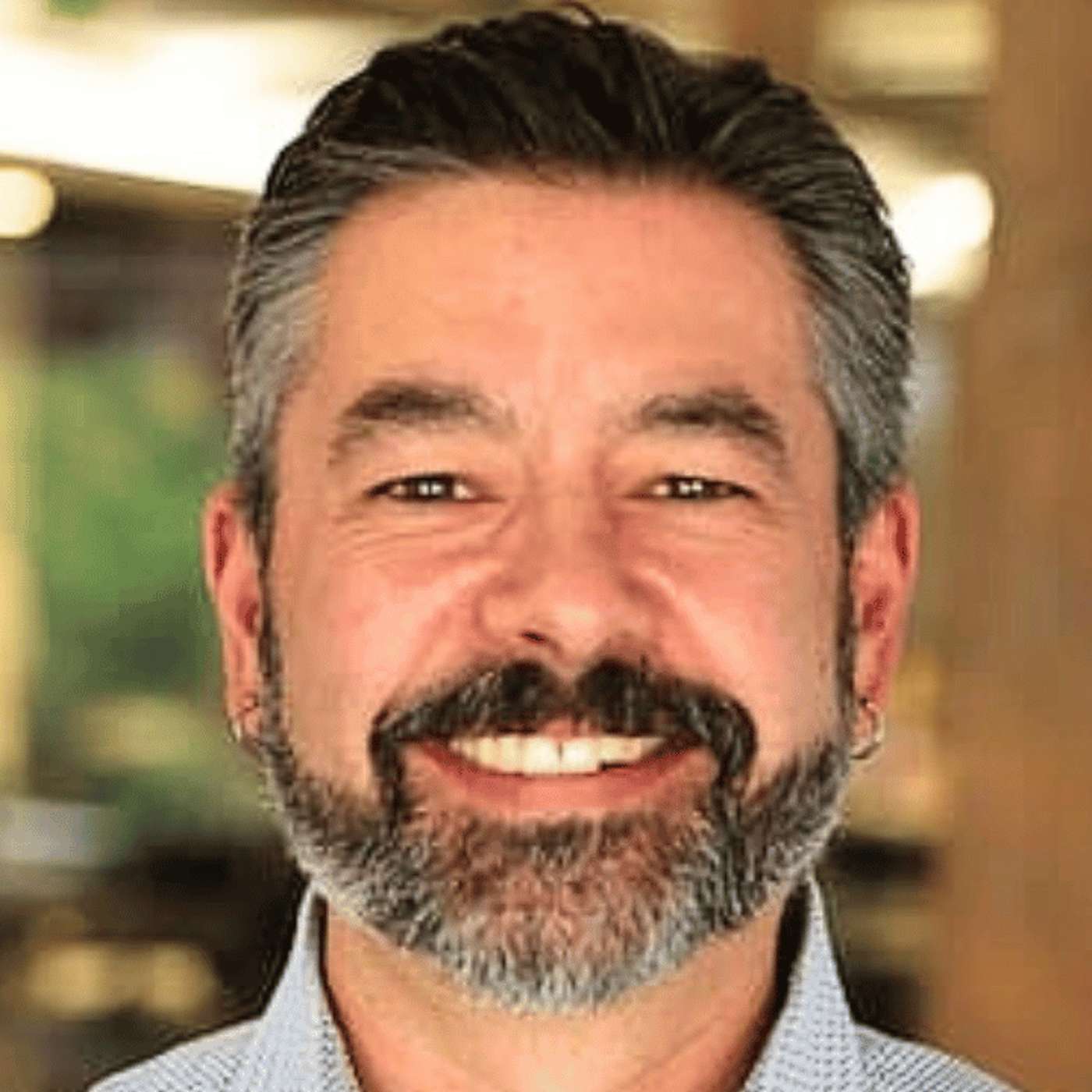
Andrew Rothman, the Wildlife Campaigns Director at Environment America (EA), had good and timely news: He is pleased to report that just this morning, the U.S. Congress approved an extension to the pilot program that has funded 35 wildlife crossings projects in America. The six-year extension will bring $1.2 million through the Department of Transportation to local planning efforts and infrastructure to protect wildlife and motorists. Education and advocacy are key parts of Andrew's job, in this case EA's efforts culminating in favorable public policy. The crossings solve two problems: wildlife deaths and motorist accidents. This additional funding will support all manner of crossing forms, be they smaller structures, or modifications to existing bridges and underpasses, or culvert widening for terrestrial and aquatic species."How did you choose glom onto wildlife?" Andrew describes his early roots: his family cabin in the north woods of Wisconsin, the Burgess books that impressed him with stories for children about wildlife. As he got older, he focused on rain forests and their wonton destruction for beef production. To combat that habitat destruction he formed the non-profit Rainforest Biodiversity Group in college, something that continues to this day. And he explains, the need is great. World Wildlife and the Zoological Society of London have reported that North America has lost 40% of species of wildlife since 1970, due in large part to habitat loss, but also to pollution and toxins. Andrew is credited with having created Latin America's first bird tourism trail. By doing so, he found the means to allow fellow birders to witness some of Central America's most interesting birds... including the endangered Green Great Macaw. Birding trails were a natural addition to ecotourism in countries like Costa Rica. They tapped into existing lodges in remote sites. And through bird tourism, Andrew enabled local farmers to care for their livelihoods while doing better for conservation.Back in the States, Andrew has been a spokesperson and advocate for wildlife. He spent 11 years at the American Bird Conservancy. He has lectured extensively and written articles and papers. One discussed in the podcast is his paper on the impacts of fighter jet training on wildlife, including test bombings with practice munitions. Andrew explains that much of this has taken place in the American Southwest. He and others have worked to change military policies, for instance regulating training altitudes to protect wildlife. Andrew is new to Environment America and is excited about the organization's work and strategies. Just how does EA prioritize its funding? Andrew notes the breadth and width of the threats to wildlife. He notes that EA is pragmatic, only taking on campaigns that have a good chance of success. He discusses EA's canvass that exists to this day and that surveys neighborhoods to inform and guide its policies and research directions. Much of EA's funding is grass roots... small denominations that collectively are critical to wildlife across America. For those interested in chipping in, see EnvironmentAmerica.org.
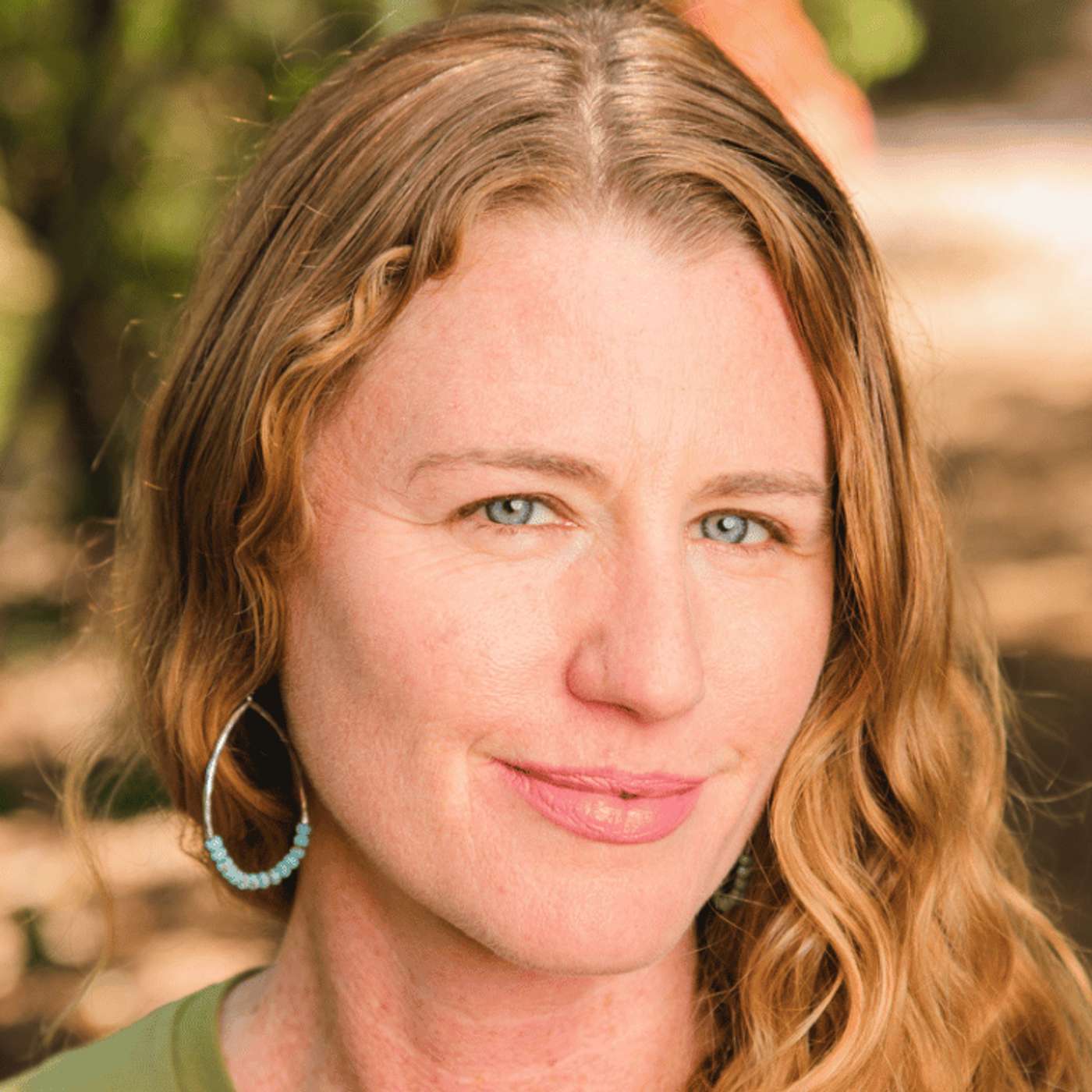
Amanda Begley is the Associate Director for Watershed Health at TreePeople, one of LA's largest and most influential non-profits. TreePeople is now 52 years old, originally founded by Andy Lipkis to plant trees to absorb pollution and clean the air. Amanda explains that her nature-based work with watershed health is a reflection of Andy's message of creating functioning community forests to heal the severed cycles of nature. Trees are at the core of effective watershed management, increasing the quality of life in urban environments.Amanda explains how watershed management integrates activities within a common area of land that drains to body of water. It's about "basins of relations," the trees, water, soil, people, and all sorts of activities. On behalf of TreePeople, Amanda guides this process in the Santa Clara watershed. She's an educator, a connector between communities and their needs, developing projects for water supply and water quality and community benefit.Thanks to Los Angeles County's 2018 Measure W, LA's nine watersheds are taking new approaches. Instead of allowing an inch of rain in LA to wash the streets into the sea, releasing 3.5 billions of gallons of polluted water in to the Pacific Ocean, Amanda her colleagues are working to retain the water in the upper reaches of the watersheds for multiple benefits, creating more green space, shade, cleaner air, more habitat for birds and pollinators.When queried about what homeowners can do, Amanda recommends simple measures such as diverting downspouts so rainwater can be used to water trees and shrubs. Yes, there was a time, when stormwater management was all about channeling water to the sea to avoid dangerous flooding. But now there are better solutions... ways to capture precious fresh water and to use it to green our communities.Much of TreePeople's work has been in "upper watersheds," providing mountain restoration after fires. She and her team have been replanting native plants and restoring the biological functions of that land. Measure W funding has three goals: refilling "water savings accounts" (aquifers), promoting water quality, and community enhancement, be it new parks, less concrete, green and complete streets, more trees, gardens, habitat, and more. Measure W provides $280 million each year to fund projects that make local sense. LA is a national leader in this regard.The best example of watershed health in LA? Amanda highlights the South Gate Urban Orchard Park that recently opened in a tough, industrialized area of Los Angeles. Now there is an oasis there with clean water feeding avocado and citrus orchards, community gardens and native plants. There are trails for hiking and a play area for kids inspired by local tribal partners. "We can do this," she says, proving that we can create spots in LA's intense urban infrastructure that feel restorative. LA gets a bad rap of being divorced from nature, but Amanda sees it differently, that we are blessed to be here nestled between the ocean and mountains, a vibrant community now bolstered by thoughtful watershed management.
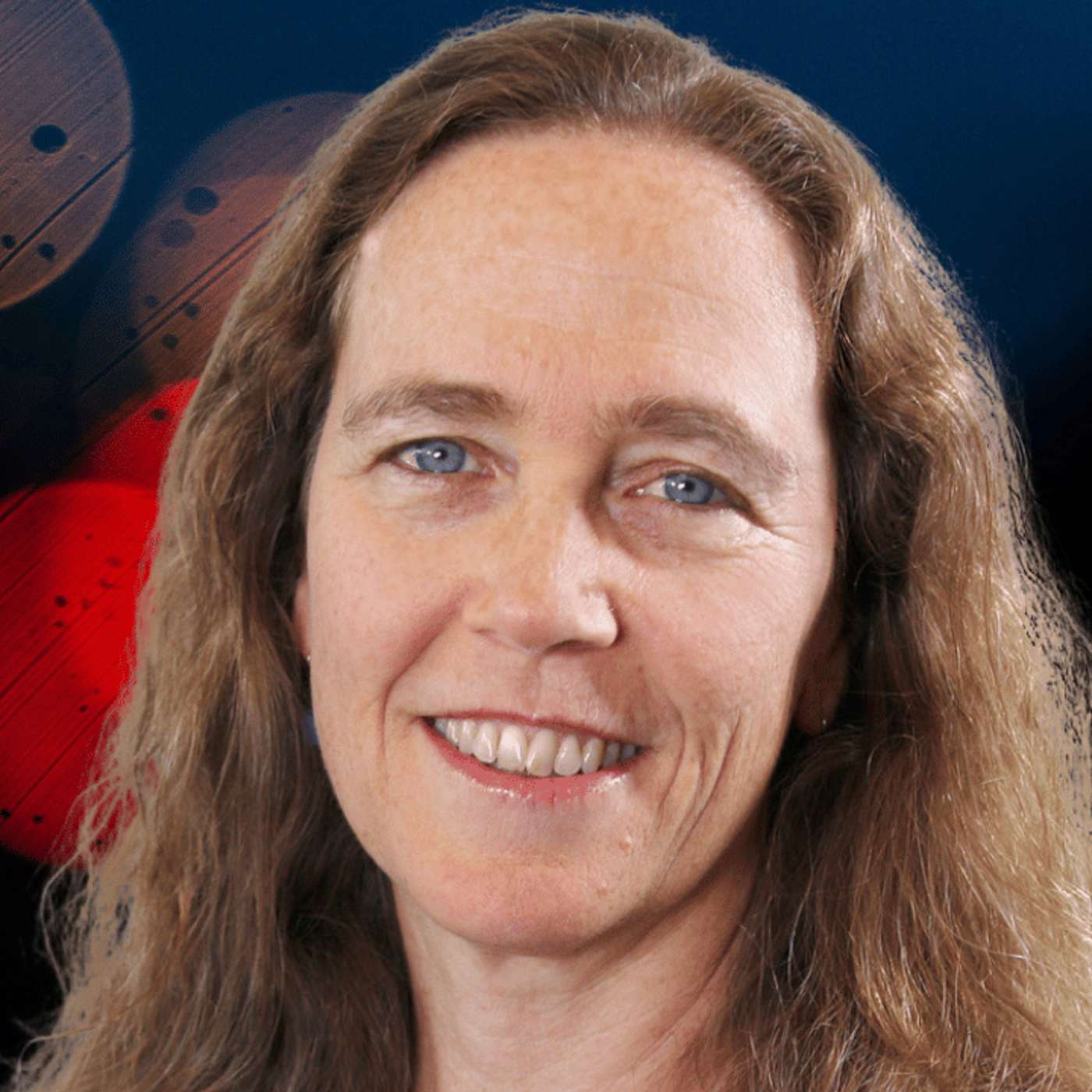
Kari Hammerschlag has spent the past 30 years promoting healthy food. She's been advocating for healthy farming practices and working with schools and institutions to serve healthy food. As the Deputy Director for Food and Agricultural Policy at Friends of the Earth (FOE), she is passionate and clear: For years, our federal government has bowed to the wishes of agribusinesses and the agrochemical industry. This year is even worse, with the current administration not only rolling back EPA funding, but working to streamline new pesticide approvals, and beyond that... launching PR campaigns to promote the safety of these chemicals, misinforming the public.The vast majority of Americans want healthy food. Polls show that 80% do. And while many are very concerned about the chemicals going into our food, our government is at odds with this strong majority. Even Robert F Kennedy Jr's Make America Healthy Again (MAHA) campaign is contradictory to federal policy. An effort that was begun to promote healthy food, MAHA has been coopted and conflicted... resulting in funds being stripped away from small farms, organic and regenerative agriculture, and instead being used to support big business. Kari notes that 60 - 70 chemicals used by U.S. farms today are banned in the countries where they are manufactured. The Chinese make Paraquat but have banned its use in China and instead ship it to America. That's just one issue. Meanwhile, the United States is losing 60 farms a day due to labor issues, climate change and weather, not to mention tariffs that are hurting small and big farms. We are up against "corporate controlled food," explains Kari.Kari makes clear the connection between agriculture and climate change. Working for Environmental Working Group some years ago, Kari wrote the "Meat Eaters Guide to Climate Change and Health." In it, she advocates "diet shift." In the case of meat, she suggests, if you eat it... eat less and use the savings to make sure that the meat that you buy is healthy. Food factory meat is laced with antibodies and growth hormones. Fatty tissues in meat accumulate toxins like dioxins.Later in the discussion, Ted asks Kari what we each of us can do. She smiles and simulates eating a forkful of food, making clear that we each control what we eat. We can choose to eat organic. We can support local farms through farmers' markets. We can ask our local supermarkets and restaurants where our food is sourced. But Kari explains that we can't solve the food issue just by changing our consumption patterns. She emphasizes that we also need to get engaged in the policy arena: Join organizations like FOE, she says, and reach out to our politicians with this simple message: We want healthy food.
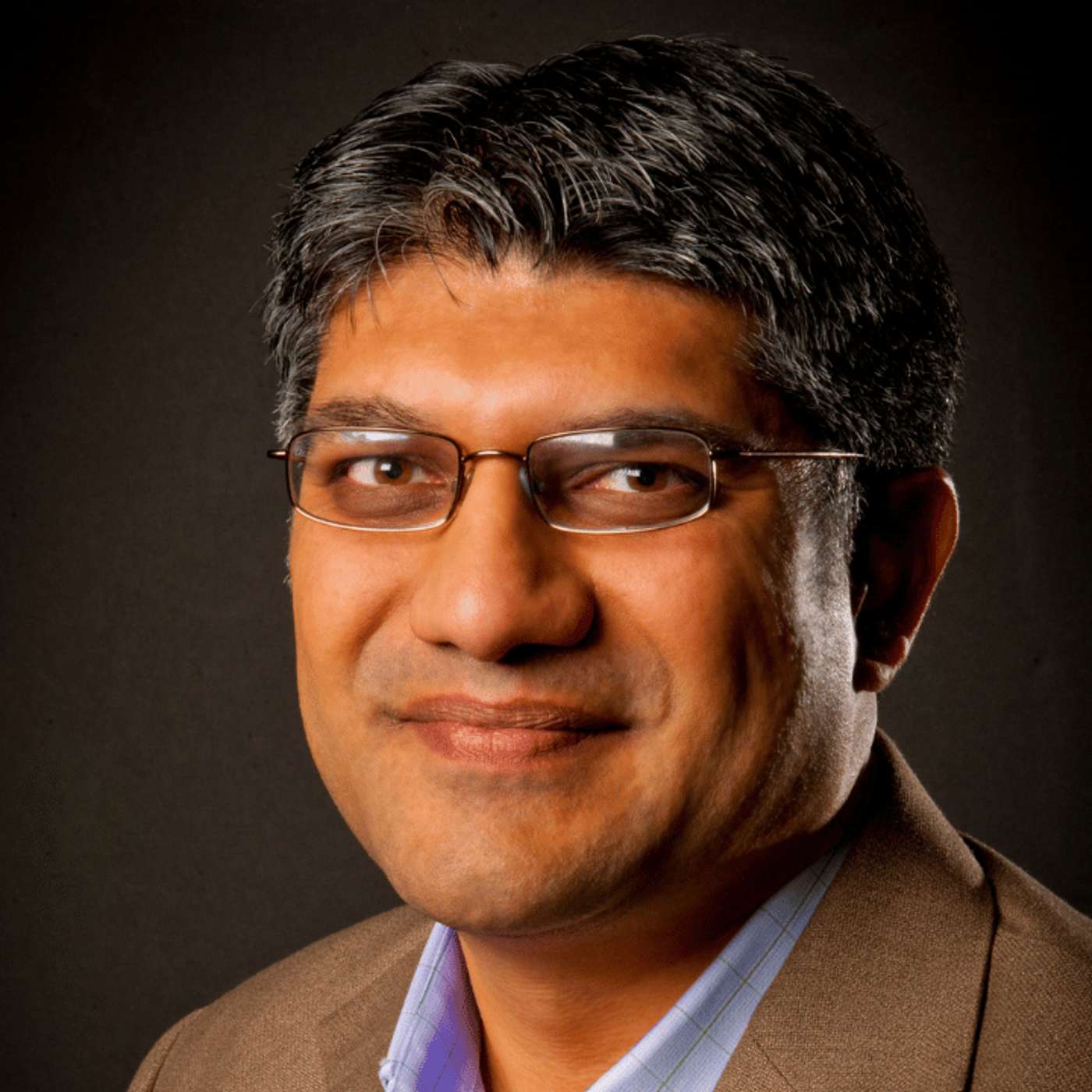
Jigar Shah is the first person to be on Flanigan's Eco-Logic three times. Ted digs right into his current work at Multiplier, his new firm focused on advising clean energy startups to navigate financing and operational challenges. Jigar talks about "exits" and helping entrepreneurs determine the best time and way to sell their companies so that their innovations can scale.The clean tech sector has never been more relevant, he notes. The solutions that entrepreneurs are creating are meeting needs of the country... but not the financial needs that these entrepreneurs deserve. Yes, they are doing well at decarbonizing the energy system, but not doing well in terms of financial rewards. Thus Multiplier is helping management teams get better compensation.Ted asks about the impact that the current administration is having on clean tech. Is the sky falling? Good news: Jigar makes clear that stock market returns do not suggest so. In fact, he reports that stock values for clean tech have been "off the charts" for the last seven months. Trump's bad-mouthing clean tech seems to be helping the clean tech sector.The conversation shifts to Jigar's service for the country. "It was terrifically rewarding for me," he reported, as he carried out a clear set of objectives to forge a functioning partnership between the public and private sectors that did not exist in Obama administration nor the first Trump administration. Instead our government has been subtly telling companies that are scaling up American innovations to go to China, India, Malaysia, and other countries. Now U.S. companies are scaling up and doing so in Texas and Tennessee and other states.Jigar was at the helm of a "more muscular" Loan Programs Office (LPO). Its funding was ramped up from $40 billion to $400 billion. During Jigar's tenure, the LPO committed $108 billion.. and closed deals for $61 billion. Most of the $400 billion war chest is still there. Furthermore, Jigar states that the One Big Beautiful Bill promoted and passed by Trump is actually the largest largest climate bill ever. While it prematurely phased out solar and electric vehicle tax credits, it left in place production tax credits as well as tax credits for geothermal, nuclear, hydrogen, carbon capture, and batteries through 2034. It left the LPO with loan authority for advanced transmission projects, new nuclear, and new geothermal.For all the hand-wringing which is real... Jigar reports that there is still potential for the U.S. government to be a partner with private sector to compete with China in clean tech. Loans made under Biden with lithium-ion for example, have promoted the highest quality ores... so much so that the U.S. can be net exporter by 2034. Furthermore, the Trump administration knows that if they continue to restrict and confuse LPO applicants that it will be impossible for the LPO to support the nuclear industry.Jigar is crystal clear that the Trump administration has declared ware on the solar and wind industry. But we are now a nation that knows how to build solar and wind. It's what we have built for the past five years, not natural gas and certainly not coal for which the supply chain does not exist. He is calm and clear: "Cooler heads will prevail" and we will continue to meet the moment to power AI with renewables and to navigate the misinformation presented by the current administration.Jigar strongly believes that the solar and wind industries need to be more proactive in creating a culture that makes clear that solar and wind is doing good for our country. The oil and gas industries have done a good job doing so, supporting Fourth of July parades, Boy Scout troops, etc. Now solar and wind need to do better, to move beyond the moniker of alternatives... and taking full responsibility for the power system using grid enhancing technologies paired with conventional baseload resources as well as batteries and small modular reactors.The interview ends with a discussion of Jigar's most memorable moments in DC. He mentions Easter Egg hunts in the Rose Garden with his son, taking his wife to certain events. But most off all, he is proud of having convinced hundreds of colleagues to join the federal government and to getting them to believe that serving in the government is a noble cause. He got the nation's best and brightest to serve, helping to make sure that the United States not only invents, but also scales up, clean energy technologies domestically and with our allies.
Ralph Bianculli explains that it all began in the late 1990s. He was a paper and plastics industry executive and wanted to change the trajectory of wastes. He recounts about that era... marked by incessant foam coffee cups and all manner of single-use disposables. Now he manufacturers and sells 370+ products... all of which are made from natural, organic materials, and all of which are easily composted. Today, his company can boast about major, positive environmental impacts.... avoiding the use of 43 million pounds of plastics, keeping 7.7 million kg of CO2 from being released into the atmosphere, and he has saved over a half million trees... not to mention 74 million pounds of landfill waste.Ralph recounts his prior career in the food service industry, at odds with the planet. "I was part of the problem," he laments, and he wanted to change that. He had a rude awakening traveling the world where he recognized that other countries were well ahead of us in adapting to the functionality of products and disposables. America was relentless using virgin materials then and throwing them away. Emerald Ecovation's product portolio today covers food service compostables, facility supplies, janitorial products, and packaging materials. The company is providing "everyday essentials" for institutions of all kinds, from major Fortune 500 companies to cruise lines, universities, hospitals, and more. It is an aggregator of raw materials, different types of fiber materials such as bagasse, wheat, and miscanthus... a fast-growing grass. "We create formulations for finished goods," and license manufacturers with 48 factories around the world. Ralph explains that the company's path has been painful at times, but more so exciting, for instance finding new uses for miscanthus in pet and equestrian bedding. Clay is used in packaging materials instead of plastics and is readily compostable.An important part of Emerald Ecovation's work is educating its buyers and suppliers about lifecycle analysis of products used and made. To do so, Ralph formed the Emerald Sustainability Institute (ESI). Let's use trees as an example: Ralph explains that they sequester 18% of the carbon on the planet and at same time give off oxygen. Trees are the lungs of the planet and thus need to be revered, certainly not wasted. All of Emerald's suppliers are ESA certified and ESA now has over over 2,000 graduates. Emerald also helps its customers meet their Environmental, Social, and Governance (ESG) goals, The Environmental Impact Reports that Emerald provides present clear metrics, giving all stakeholders solid indexes of what they are accomplishing by shifting to eco-friendly products and practices. Emerald boasts being the only tree-free paper producer and it is serving 1.2 million clients a day. It is putting farmers to work. Its mission is move past recycling. Its organic materials are formed into products, go into its composting systems, and 24 hours later come our as organic soil.
Dr. Jon Creyts is the CEO of Rocky Mountain Institute (RMI) and joins Ted from RMI's Innovation Center in Basalt, Colorado... high in the Rocky Mountains. The Center "sails on the sun" Jon explains, a net positive building that produces more energy than it consumes... demonstrating off-the-shelf, cost-effective technologies. He calls is an emblem of what we can do... even in the cold of high mountain Colorado winters.Ted asks what Jon is most proud of. In his 15-year tenure at RMI, three as CEO, the Institute has grown 10x in size, and arguably in stature making the world better RMI is leading the global energy transformation, and Jon is amazed by the change RMI is producing... operating in more than 50 countries... from promoting sustainable concrete production, to working with fleets of heavy duty trucks and demonstrating electric drive trains, fuel cells, and super efficient biofuels, to a rooftop solar pilot in India, to green steel standards for Chinese factories selling to European markets, to electrifying agriculture in Africa.Jon discusses RMI's founder, Amory Lovins, and his guidance.. and his hugely optimistic and pragmatic notion of "applied hope," a term Amory coined years ago.. a vision that coupled with a little muscle... has been key to willing change into existence. For RMI's 650 staff and partnerships network collaborators, focusing on efficiency first and then market-based solutions, applied hope "unites us" explains Jon.The conversation then shifts to a global perspective on the clean energy transition. Jon makes clear that it has not bee derailed by the current presidential administration. China is leading the charge, with 3 GW of solar being installed each day, half of its new cars sold are electric, and RMI believes that China is now past peak CO2 emissions. China has proven that a country can decouple carbon emissions and economic growth. And other countries such as India and Australia are on similar trajectories... every country surging in the transition. Jon emphasizes that 80% of the world is unlocking the economic opportunities of clean energy at scale. While the transition is "messy," Jon makes clear that it is happening faster than many of us thought it would.That said, there is still tremendous energy waste in our global economy... some $2 trillion a year. This constitutes low-hanging fruit... economic opportunity indeed to fuel the transition. Jon presents a powerful and optimistic view, making clear that the long-term arc of history is bending toward efficiency, renewables, and sustainability. Jon then turns a bit "nerdy" and provides an example of RMI's focus on new and exciting technologies, featuring a roof coating that repels heat, wicking heat away from buildings and sending long wavelengths of heat back into space. This is known as passive daytime radiative cooling and has tremendous global promise. Through radiative cooling coatings -- developed for aerospace initially -- our global society can offset the great need for additional cooling resulting from climate change.Jon concludes with his focus for RMI at the upcoming COP-30 conference in Brazil... where he and others will focus on how to strengthen power grids worldwide... so critical to electrifying mobility and industry, and bringing renewables to the fore. He will also focus on RMI's work with decarbonizing hard-to-reach subsectors such as steel, cement, and chemicals.At Ted's prompting, he ends with a few notes on balance and his passion for music. He travels the world with a guitar and takes time each evening to unwind and to find time for solace and quiet and harmony... essential ingredients for us all as we work the challenge of transforming the global energy economy for the benefit of all.
Tom Szaky's journey is fascinating, one of extreme innovation. His firm, TerraCycle, recycles ~400 different products and materials. Ted asks right off the bat, "Do you really recycle soiled diapers, cigarette butts, shoes, juice pouches, and chewing gum?" Tom quickly makes clear that everything can be recycled... at a cost. He has clearly used his ingenuity to develop revenue streams, for instance, support from tobacco companies that want to address littered butts and disposable diaper companies seeking to gain public support through their commitment to recycling. He also goes to where the supplies of recyclable are... for instance, daycares and senior homes for soiled diapers.Tom's family fled from Hungary after the Chernobyl nuclear accident. As a young man in Toronto, Canada, he and his father watched a large television being thrown away. TVs are coveted items in Hungary, Tom explains. They took it home... and it worked... in color! Tom was struck by the throw-away society in North America and has devoted his career to recycling things other than paper, plastic, cans, and bottles. These are already profitable. It's the rest of the waste stream that needs attention.Tom began his recycling work at college at Princeton. He organized and composted food service wastes there.... deep into vermiculture (worms). He left school to take this on full time... from food wastes to compost to sales in Europe and in America to major companies including Kroger and Walmart. Today he has a staff of 400 and is working across the country and internationally. Tom highlights re-use... even better than recycling. With Asics shoes, TerraCycle is taking old foam and other materials from spent shoes. Then Asics is using that "raw" materials for a line of its shoes.He spun off the TerraCycle Foundation to support ocean clean-ups. His foundation has been working in Thailand on upstream waste collection... in rivers and canals before the waste washes into the oceans. So far, that work has resulted in 3.2 million pounds of material. Meanwhile Tom was writing four books, hosting a television show, growing his companies' impacts, and with his wife raising a family with four kids. He has been recognized by the United Nations and by Time and Fortune magazines for his innovation and sustainability impact. His reward, he notes, is "running a purposeful business."
Controlled Environment Agriculture (CEA) produces less than 1% of all food in America, and consumes more energy than all open-field agriculture in the country. According to Ted's guest Dr. Evan Mills, CEA could increase and consume some 7% of national energy use... more than data centers, all enclosed malls, air travel, cement making, or chemical production. These findings are the highlight's of Evan's recent research paper titled, "The Emergence of Indoor Agriculture as a Driver of Global Energy Demand." Cultivating crops in mechanized greenhouses and windowless plant factories is a big deal. The paper is a "meta-analysis" of 116 publications that document CEA practices involving 23 crops grown in 154 locations in 40 countries plus Antarctica.Evan puts CEA in context: For the past 10,000 years, agriculture has been almost exclusively outdoors. Early experiences with growing food indoors dates back to the Roman Empire when the Emperor had his melons grown in greenhouses glazed with translucent stones. In the 1450s, Koreans grew some crops in heated greenhouses. But it wasn't until the 1960s that CEA took off in countries like Norway, Sweden, Russia, Japan, and Iceland... largely in cold climates where fresh vegetables are not available in the depths of winter. The research includes Inuit villages in Canada and other "extreme CEA" at the poles.Evan discusses types of CEA facilities: Some are low-tech, open greenhouses. Others are closed, windowless structures. No soil, no rain, no wind, etc. They use energy for lighting, heating, cooling, dehumidification, snow melting, refrigeration, and soil streaming. This energy use allows year-round, multi-crop farming of crops including lettuce, tomatoes, herbs, leafy greens, cucumbers, and micro-greens. Of all CEA crops, Evan explains, cannabis is the most energy intensive... demanding 23,200 megajoules/kilogram of marketable weight. This compares with an average of 78 MJ/kG for other plant factories. Being the largest US cash crop, cannabis can afford the costs of that level of energy intensity. Its energy use results in CO2 emissions equivalent to 10 million cars.The discussion digs into how to make CEA more efficient. Barriers are discussed -- cost, finance, lack of knowledge, skepticism, etc. -- as well as opportunities for increased efficiency including more efficient lighting, glazings, and heating practices... as well as decreasing the photoperiod and varying "fertigation" techniques. Root zone cooling has been experimented with in the United Arab Emirates. Later, Evan comments that trying to make CEA more efficient "is like optimizing the suboptimal."Evan and Ted discuss claims that CEA is more sustainable that conventional agriculture: "It uses less land, it requires less transport of food crops, it is more resilient." Each are debunked. And major companies such as General Mills, Google, GE, GTE, and Sylvania all made attempts with CEA... and all backed out given the unattractive economics of the practice. Consider this, noted Evan: Growing enough protein for one adult for an entire year, if done with CEA, requires as much energy (16 MWh) as an all-electric home with two electric vehicles. That's a lot of power. The conversation ends with Ted asking Evan for his views on CEA. Is it ever appropriate? Yes, in certain applications and certain locations it is... if done efficiently, of course. Final point made by Evan: Conventional agriculture has tremendous opportunities for greater efficiency as well.Dr. Evan Mills is a retired Senior Scientist at the Lawrence Berkeley National Laboratory and a Research Affiliate at the Energy and Resources Group at the University of California at Berkeley.
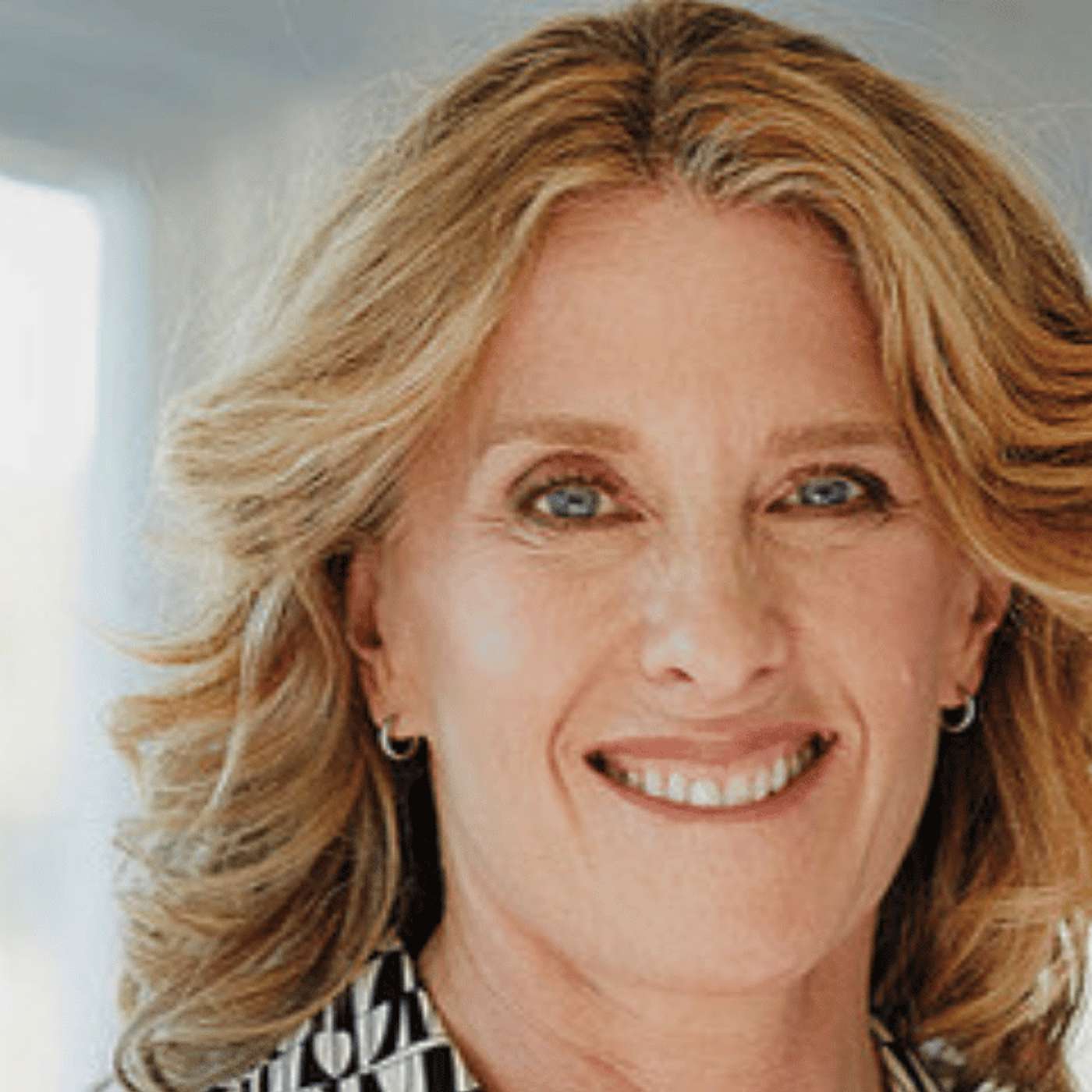
Chance Claxton is a serial entrepreneur, a brand builder. Her most recent works involves axial flux motors, known as pancake motors. They are lighter weight, lower cost, and highly efficient electric motors. Her company, Orbis Elecric, has been working with the VW Group and other automotive OEMs to put these motors inside wheels. They can be positioned in two rear wheels or in all four wheels for high torque and high horsepower applications.Orbis is working in several verticals: The motors are also being employed in the refrigeration systems in refrigerated trucks, driving down costs and boosting efficiency. Recently, Orbis Electric has promoted its motors for cooling systems in AI data centers. Chance explains that this is a booming market, there are lots of eyes on it. Thus there is great interest and fundraising capabilities in deploying this type of innovation and efficiency in that energy-intensve vertical.Ted delves into Chance's diverse career, unearthing lessons learned in her path of entrepreneurialism. She began with a company designed to make Italian lines of furniture easily accessible, a company aptly called Design Within Reach.They developed an online catalog and then managed manufacturers in Italy to deliver the products.For 13 years, Chance was at the helm of U Konserve. That company was and still is about packaging to avoid food waste. With kids in school, she thought there must be a better solution than disposable ziplock bags. This career aligned with her sustainability values. U Konserve known for reusable containers and food wraps. It ultimately sold to a bigger company, teaching her about scaling up, and knowing when to step aside. It's all about timing she said more than once.Another job taught her when to throw in the towel. With a business partner/inventor, she decided to make the ultimate mask to protect from Covid. They were manufactured it in China. She was just about to release just as the requirements for masks in America were lifted! She called that venture a swing and a miss... all back to timing. Remarkably, she and that inventor went on to develop automotive breaks. Orbis Brakes has the goal of disrupting the $30 billion brake industry. Orbis makes an inside-out form of disc brake, a ring with lots of ventilation. The motor fits right inside; the wheel encompasses the whole system. Chance explains how the brakes not only cut material costs, but also reduce nano-particulate pollution.Orbis Electric is focused on the motors and how to commercialize them. She describes the two test vehicles supplied b by Volkswagen to prototype the in-wheel motor system, one being an ID4 modified in California and then extensively track tested. Her company is working to develop alternative magnet materials, decreasing costs while increasing the sustainability of products. Chance discusses raising capital, a big piece of the equation. It's not easy being a self-funded company, constantly working to balance opportunities and resources. Thus the current data center focus. You have to go where the money is... matching that with areas of huge potential. She describes how one-third of world's electricity is wasted by inefficient motors and their operation. Many are not "smart motors," they are running all the time even when not needed.The conversation ends with more advice and reflection: Timing, staying in lane, defining your path, sticking with it, and radically shifting if need be. She discusses passion, a key ingredient in being resilient, so critical for entrepreneurial paths... perhaps more important than eduction and specialization. And passion need not be singular... it can be applied in lots of different ways at different times. You can't know it all, she implores, but there's so much you can learn by rolling up your sleeves.
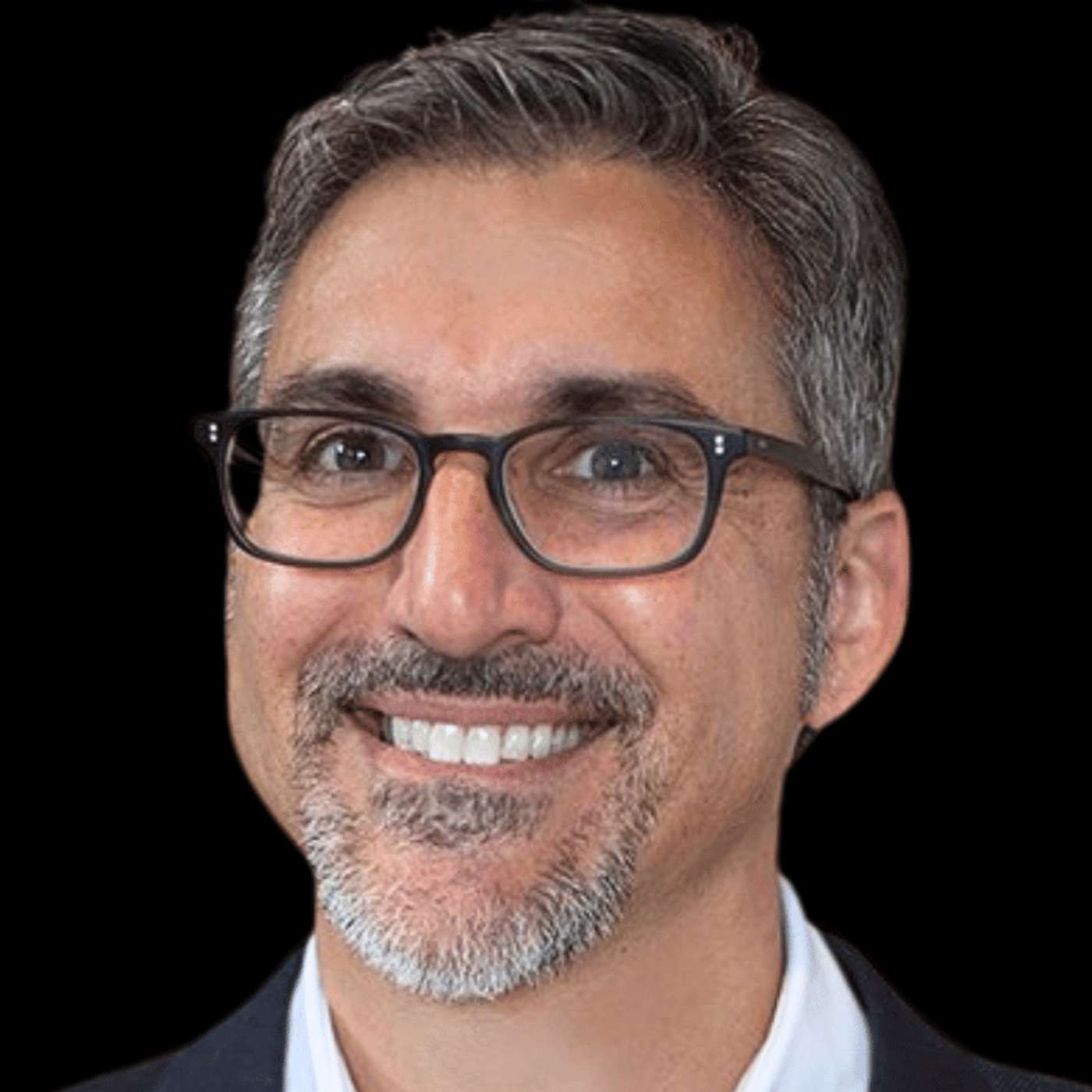
Having completed "The Impossible House" project, Robert Fortunato changed his career and switched from the corporate world of mergers and acquisitions to helping others tap into the green movement. He is now a green building advocate, an experienced practitioner, consultant, and educator. This episode is a follow-on interview. Episode #230 documented his inspiring green home construction project. While he was told repeatedly why he could not pursue a fossil-free and healthy home, Robert was determined, got educated, convened smart collaborators, and "impossible" was transformed into reality. He burns no fossil fuels, his home is healthier, and his family is saving money every day.Robert and Ted discuss the role of green building consultants, helping clients to plan carefully, and to tap into new technologies that make sense. Robert is an owner's rep; he who works on behalf of clients. Like Ted, he has worked with schools, businesses, and homeowners making sure they realize savings for their investments.Robert stresses the need for consideration of green measures early in the design process. Things like relatively small investments in whole house surge protection can be readily incorporated, providing insurance for years to come. Robert and Ted talk about the merits of "doing it right" the first time: They discuss orientation for solar, recognizing varying levels of shading throughout the year and both its cooling benefits and solar power generation demerits. The short and long-term benefits of solar and green measures are front and center in the conversation... providing dollar savings, healthier environments and comfort. Robert and Ted focus on lifecycle benefits - which can be in the hundreds of thousands of dollars - versus the upfront costs of measures which can be in the tens of thousands. Solar and efficiency, and electric vehicles and heat pumps, can save money over time... serving as viable annuities. Robert presents his own home savings, now well over $60,000... money that he and his wife put into their son's college education.Robert describes the courses that he teaches for Southern California Edison. For the past ten years Robert has taught a course on building electrification, with invaluable lessons for architects, engineers, and lay people. They learn how to keep costs down while eliminating fossil fuels. A new course focuses on how to avoid costly panel upgrades through sophisticated controls and smart energy management, despite adding loads such as heat pumps and electric vehicles.
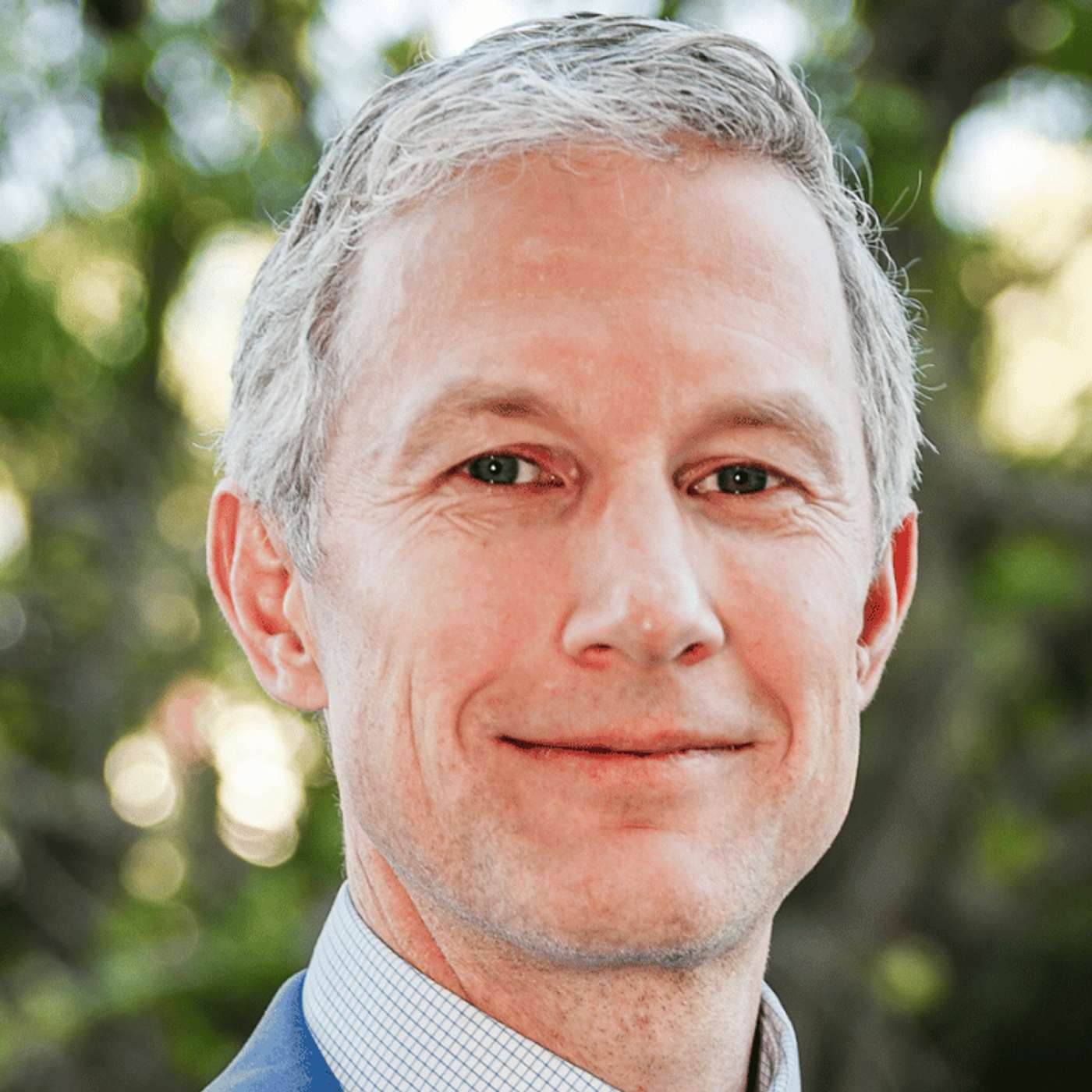
Georges Dyer is the Co-Founder and Executive Director of the Intentional Endowments Network (IEN), a non-profit, peer-learning network that helps endowed institutions make their endowments socially responsible. Of the 3,500 - 4,000 colleges and universities in America, some 2,000 have endowments that are valued at ~$900 billion in aggregate. These academic institutions -- as well as asset management firms, cultural institutions, museums, faith-based organizations, non-profit foundations, and others -- also have a similar value in retirement funds... which while highly regulated, are also being directed towards socially responsible and profitable investments.Georges explains the genesis of IEN. Spurred by the president of Hampshire College, Jonathan Lash, IEN was originally formed to help institutions divest from fossil-fueled industries that were counter to their climate action plans. Student and faculty concerns really started to press on endowment portfolios in 2013. Today, IEN works with some 250 endowments. Ted asks the bottom line question early: How are these endowments performing? Are they losing money, or are they on par, or are they ahead? Georges explains that on balance, they are at par or better.IEN provides a number of tools and resources for its members.. from virtual and in-person "convenings," to benchmarking tools, case studies, and more. The network provides insights and negative screening tools to weed out investments that run counter to an institution's mission and goals, while highlighting positive investment opportunities to reduce risk and steer institutions towards profitable investments in the green economy. The conversation shifts to case studies of "platinum" members: Georges discusses leading institutions including the University of California system and Arizona State University. He discusses how some institutions have found means to invest in their own facilities... for instance solar projects and facility upgrades that make dollars and cents while addressing inequality and other social issues. Georges sites the Rockefeller Brothers Fund as a shining example. Born of oil and gas and fossil fuels, Rockefeller has been a leading example of an organization whose Standard Oil roots are now focused on "intentional investments" with highly positive performance. For more on IEN and its mission and results, check out Georges' new podcast, "The Future of Finance."
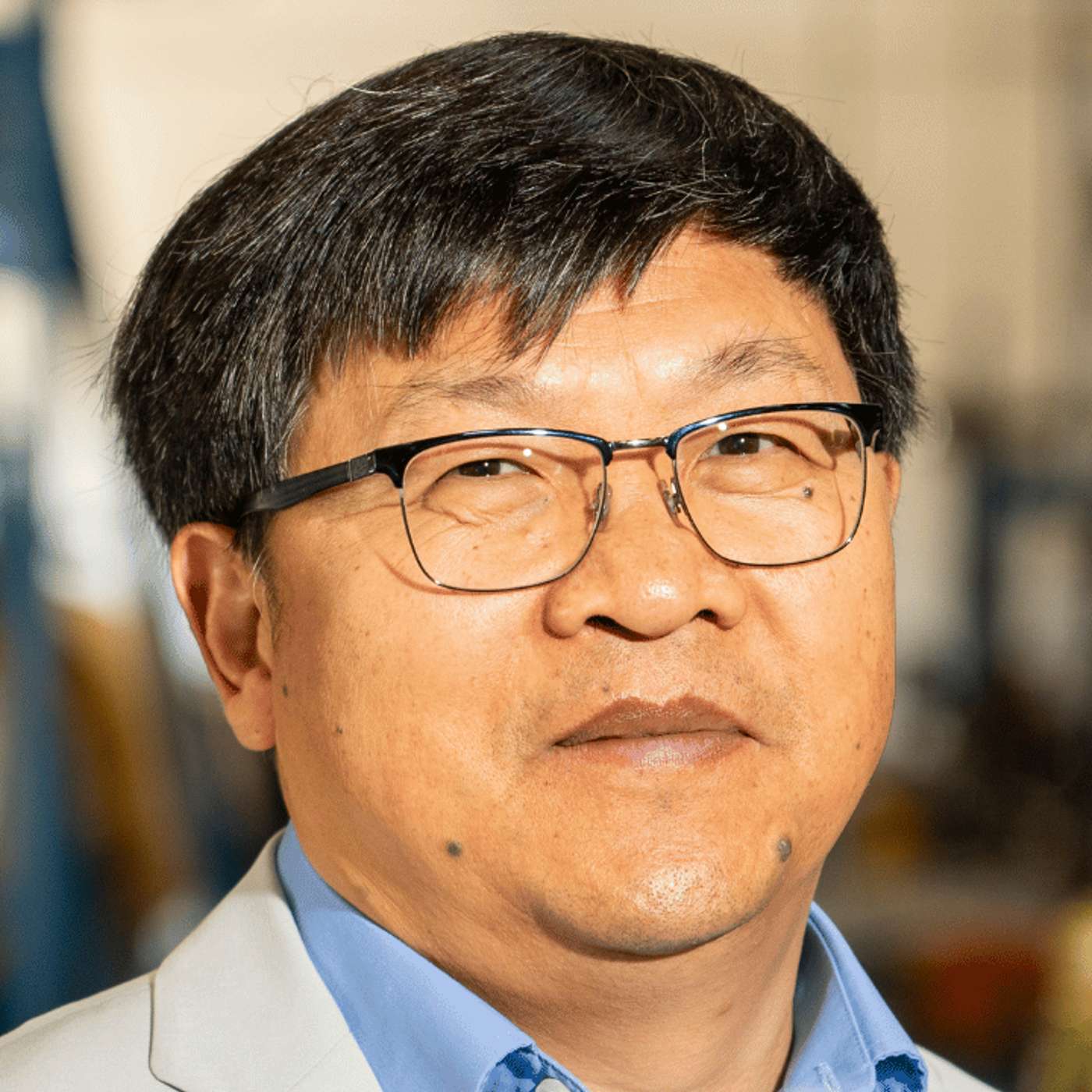
Dr. Jason Huang is the co-founder and CEO of TS Conductors, a firm that manufacturers advanced conductors for electric utilities. The TS conductors, or transmission lines, carry up to three times as much power as conventional transmission lines (wires). They also cut power line losses by up to one half, often at a negative marginal cost... meaning they cost less than conventional lines and boost capacity. Jason explains that given today's thirst for power for data centers, building and mobility electrification, these conductors are critical in maintaining U.S. competitiveness in global markets, while providing critical services for renewable power generation.Jason explains that the power sector is very conservative, working diligently to provide safe and reliable transmission services. Many utilities are using 120-year old transmission technology... while others are using "advances" that are 50+ years old. TS Conductors uses a combination of carbon fiber cores, which double their strength and weigh 80% less, with encapsulated aluminum conductors. Through TS Conductors, utilities can invest in the future... restringing power lines at lower costs and faster than using traditional technologies.For years, utility transmission lines have been constrained by sagging in high heat and swaying in high winds. Many lines have to be derated in extreme heat events, times when utilities need the power the most. To add more capacity, utilities have had to make towers taller and to add towers. TS Conductors allows utilities to refurbish their transmission corridors and expand their power capacity without costly tower replacements. More important than the lower costs are avoiding permitting for new transmission corridors, processes that can take more than 12 years. In one case, TS Conductors were used in Montana, cutting CAPEX costs 40% and shortening the project schedule to provide means to bring wind farms' power to market by 12 months.The conversation concludes with a look at the massive potential and market for advanced conductors. There are nearly a million circuit miles in America, and many more millions of conductor miles given three-phase configurations. And the conductors can be used for 18 million+ distribution lines as well. For the United States to be competitive in the global AI market, and to boost sustainability, TS Conductors offers a win-win solution.

Joyce Coffee heads up Climate Resilience Consulting, advising cities and states and others on resilience to climate change. She explains to Ted that she learned early on in Chicago, that the impacts of climate change can be unpredictable and fierce. After 750 souls there lost their lives there in a heat wave, mostly black and brown citizens, she knew that she was going to focus on adaptation, and making people more resilient to the ravages of climate change.Joyce grew up in Colorado and then moved to the East Coat for her education at Tufts -- to focus on public health -- and then MIT where she was a student of Urban Studies and Planning. She talks about her first career step, working for an engineering firm that worked on the Three Gorges Dam project in China. The firm was helping China leap from a second world country to a first world country. Joyce's work surrounded relocating well over a million people whose land would be flooded by the dam. That prepared her for advocacy of relocating communities and towns to steer clear of the most threatening aspects of climate change.Ted and Joyce dig in on adaptation, a sorry reality. Why not cut greenhouse gases and avoid the need for adaptation? Joyce's climate action planning in Chicago made clear that even a city with a progressive mayor and populous, was falling short of its climate goals. Like it or not, citizens there -- and globally -- will have to adapt to rising CO2. Thus for nearly ten years, Joyce's firm has been providing consulting for cities and states... helping them prepare for floods, fires, droughts, windstorms, coastal inundation, and sea level rise.The conversation shifts to the brand-new guide that Climate Resilience Consulting has developed for small businesses. Sadly, one in three small businesses in climate change events have suffered financial losses. Data confirms that 26% of small businesses have resilience plans and fully 94% feel that they are prepared. But in areas ravaged by climate change events, 40% of small businesses are forced out of business. Not good. Joyce explains as small businesses employ half of all American workers and contribute 40% of our nation's gross domestic product. By helping small businesses -- with a practical guide complete with checklists and AI prompts - they can be more profitable, able to fare far better than ill-prepared others. They also "bounce back" more quickly... having moved to higher ground, or away from extreme fire risk areas. They are part of what Joyce calls the solution set... ripe with innovation and smarts in determining how to get "more crop for the drop," and formulating new kinds of exterior house paint that is more resistant to wildfires. Joyce gets great satisfaction in helping business and communities prepare for and reap the benefits of her grandmother's oft-stated view that "a stitch in time saves nine."
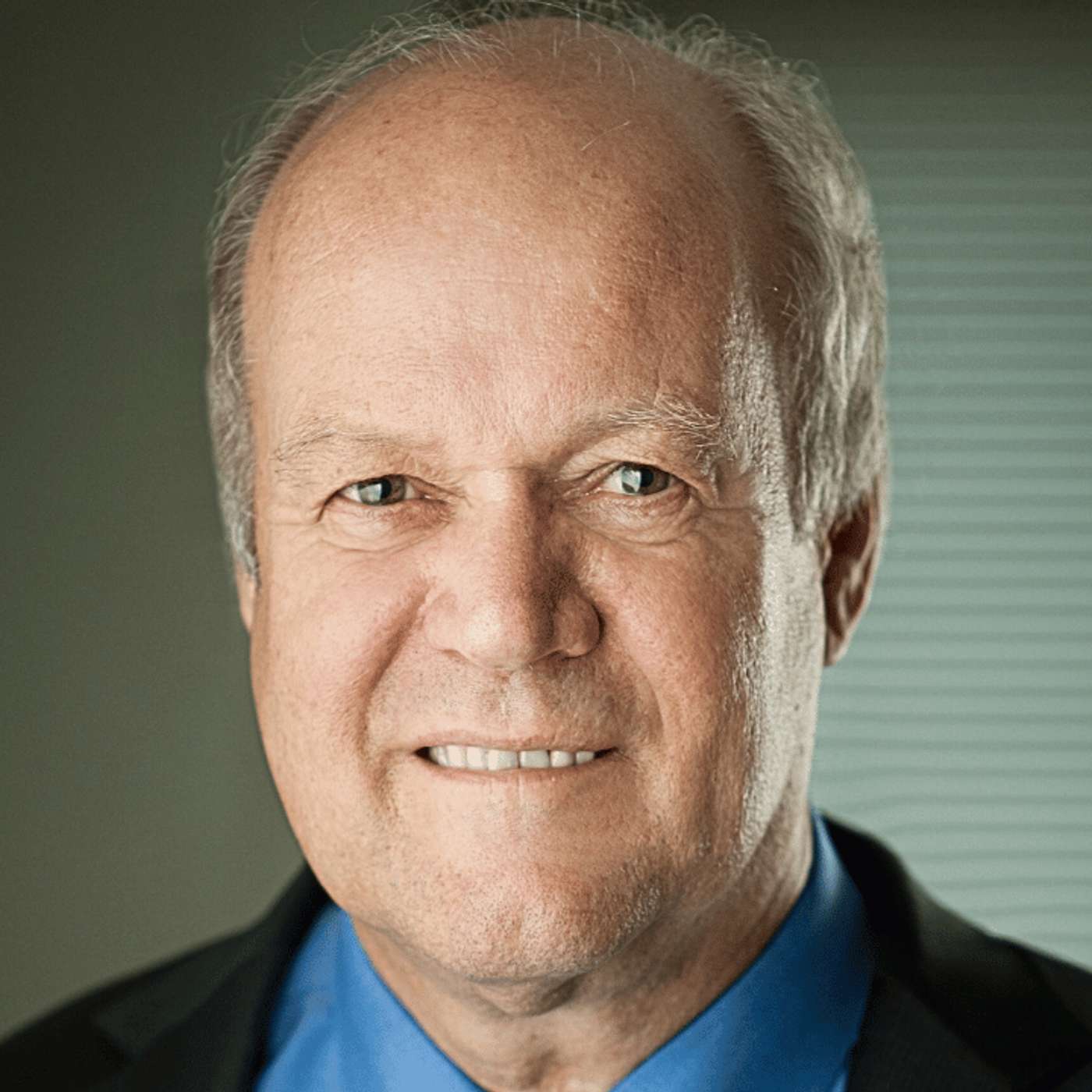
Henk van Alphen was born and raised in Holland. After serving in the army, he sought adventure and travelled to Canada where he and his girlfriend took a float plane into the wilderness, built a cabin, hunted and fished, and lived off the land for a year. It took them seven days to walk back into civilization. Henk then went to college in Canada and began to work part time for a mining operation. His wilderness experience was a perfect match for the needs of mining developers who relied on "grubstakers" to trek into the wild, searching for mineral deposits to develop mines.Henk's career in mining began in Canada, and then led him to extensive works in Argentina, Chile, and other South American countries. He was agnostic about what minerals he sought to develop... working with coal, iron ore, gold, silver, copper, zinc, uranium, and ultimately lithium. He discusses the process of developing mine sites... noting his style and business model of working collaboratively with indigenous populations, making them part of the process which ultimately led to longer term successes.The conversation then shifts to lithium mining. Henk discusses where lithium is found - in brine, clay, and pegmatites - and how it is mined. His work involved extracting lithium from brine in "salars" or drying lakes. This was not well received because in arid countries, solar evaporation of the brine wastes precious water... so he and his colleagues have focused on DLE or Direct Lithium Extraction.Ted and Henk discuss the value of lithium, a mineral at the core of the clean energy revolution. Henk is articulate about the role of lithium in electric vehicles, and in laptops and cellphones. He notes China's preeminence in this field. While other battery chemistries are being examined, Henk notes that advances in lithium batteries are extending EV's range, making EVs clear winners in the automotive future. And he posits that lithium will be with us for some time even if other chemistries are promising and may ultimately replace lithium. That will be, he jokes, when he is six feet under!
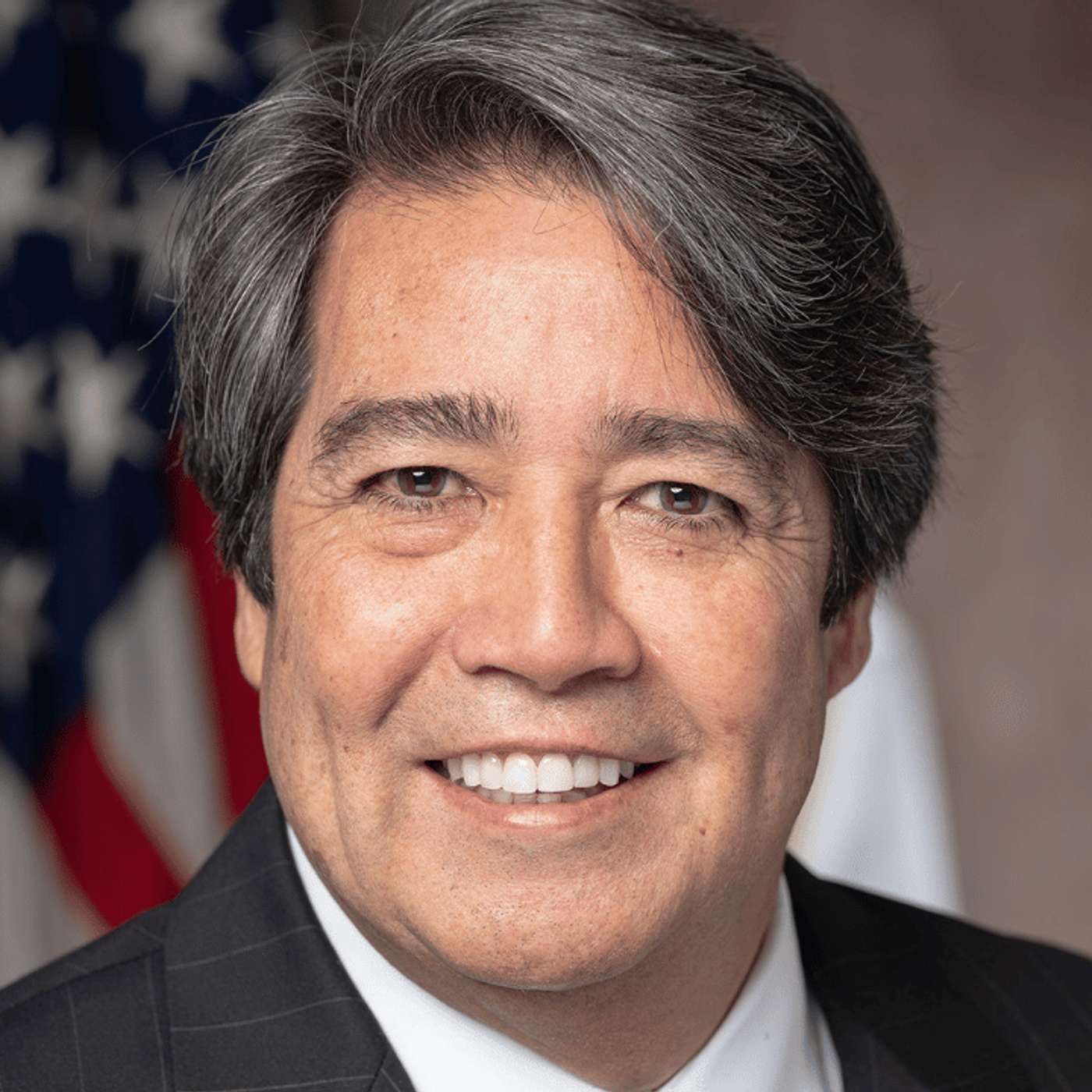
Ted Flanigan first met Gene Rodrigues in 1998. Ted was Director of Efficiency Solutions at LADWP; Gene the Director of Energy Efficiency at Southern California Edison. For years, Gene was the voice and the face of energy efficiency, his sincere and happy demeanor on local television in the evenings. Ted and Gene begin with a reflection that Ted recounted of Gene's mother making sure that Gene knew that every morning that he had a choice about the day ahead. She made clear that you have the choice to be happy and productive each day.Gene was born in Japan to a U.S. serviceman and a Japanese mother. He grew up in Arizona before getting his law degree. In short order he realized that he wanted his law to be important, to make a difference to our society. He applied that vision to his work in regulatory law at Southern California Edison. He became Director of Efficiency, a role that expanded to include distributed energy resources of all kinds.The conversation shifts to Gene's deep appreciation for the field of efficiency... what he calls a foundational element for every utility to boost reliability and local economic development, to cut consumer costs and increase affordability, while protecting the environment at least cost. Gene stressed that California did it right, aligning good business sense with environmental concerns, and meeting the needs of all stakeholders. Calling it a group effort in California, he saluted leaders, John Bryson, Mike Peevey, Ralph Cavanagh, and Art Rosenfeld. They were successful in defining the role of efficiency. Gene explains that it's not a soft customer service, but part of the make-up of a reliable energy system.Gene left Edison in 2014 to work for the consulting firm ICF, noting that it was a company whose "moral compass was facing due north." When reflecting on his work there in the ICF Clean Energy division, Gene notes that he is most proud of the collaborations that he helped seed and nurture in meetings of cohorts. He found those forums most impactful. The conversation ends with a discussion of Gene's tenure at the U.S. Department of Energy where he served the Biden/Harris administration as Assistant Secretary of Energy in the Office of Electricity. While the DOE's Forrestal Building is stark, formidable, and intimidating, Gene stressed that he found the staff there to be the most committed group he has every worked with. His heart aches for the current administration's policy to decimate the role of these non-political, career servants. So then, asked Ted, "Are you optimistic?" Gene said no, he is not optimistic about the current changes, but he commented that when he was appointed, he was confirmed by a voice vote of unanimous consent, representing both sides of the aisle. Gene said, those on the R side are still there. While they knew that Gene came from a deep green background, importantly, they understood his common sense approach to energy management. And they are still there.

Rebecca Tickell is an actor, singer, writer, producer, and environmental activist. Born in Ohio in a farming community, her roots are deep in agriculture. After moving to Vermont with her mother, at nine years old she became a movie star, playing a leading role in the Christmas-classic Prancer. She was instantly famous, appearing on the Today show and the Tonight show, among others. From that early age, she knew that she wanted to be a storyteller, using films to reach the masses.After a start in Hollywood, and a role in a horror film, Rebecca knew that she wanted to focus on films that make a difference. After seeing Al Gore's Inconvenient Truth, it became clear to her that she wanted to tell stories about the ravages of climate change and ways to save the Earth. Working with her husband Josh, they have produced over 20 climate-conscious films... reaching some 2 billion people.Their first films focused on oil... its devastating impacts... made crystal clear by their documentary on the Deepwater Horizon oil rig explosion in the Gulf of Mexico. Filming the accident poisoned Rebecca and solidified her commitment to caring for the planet.Influenced by a colleague, they shifted from oil to soil, highlighting the great value of soil in carbon sequestration. Paul Hawken's Project Drawdown influenced Rebecca. By caring for the soil through regenerative agriculture, Hawken stated that the teraton of carbon that humans have released to the atmosphere since the industrial revolution could be captured. She and Josh then bought a farm in Ventura County to practice what they preached.Rebecca discusses the basic tenets of regenerative agriculture, and how it can not only boost production, but address the vast areas of land globally that have been desertified. Their award-winning and broadly revered films -- Kiss the Soil and Common Ground -- have been rooted in rebuilding the soil. And they highlight successes, more profitable forms of agriculture, a greater diversity of products able to withstand droughts, fires, and flood. Farmers are finding that eliminating herbicides, pesticides, insecticides, and fungicides can save them $400 an acre... helping them break out of the vicious farming cycle of loans and risk and unhealthy produce.Today, Rebecca notes that about 5% of American agriculture is based on the principles of regeneration,. But this is ten times what it was five years ago... and projections suggest that 10% of American farming will be regenerative in the next few years. This is the tipping point... when the forces of logic in agriculture become unstoppable, both domestically and worldwide.Healthy soils lead to healthy food, which leads to healthy people. Our health, Rebecca makes clear, is a reflection of the health of our soil. The health of our guts is a reflection of the health of the microorganisms in our soil. This will happen acre by acre, inch by inch. For more information and to download Rebecca's films, visit bigpictureranch.com.
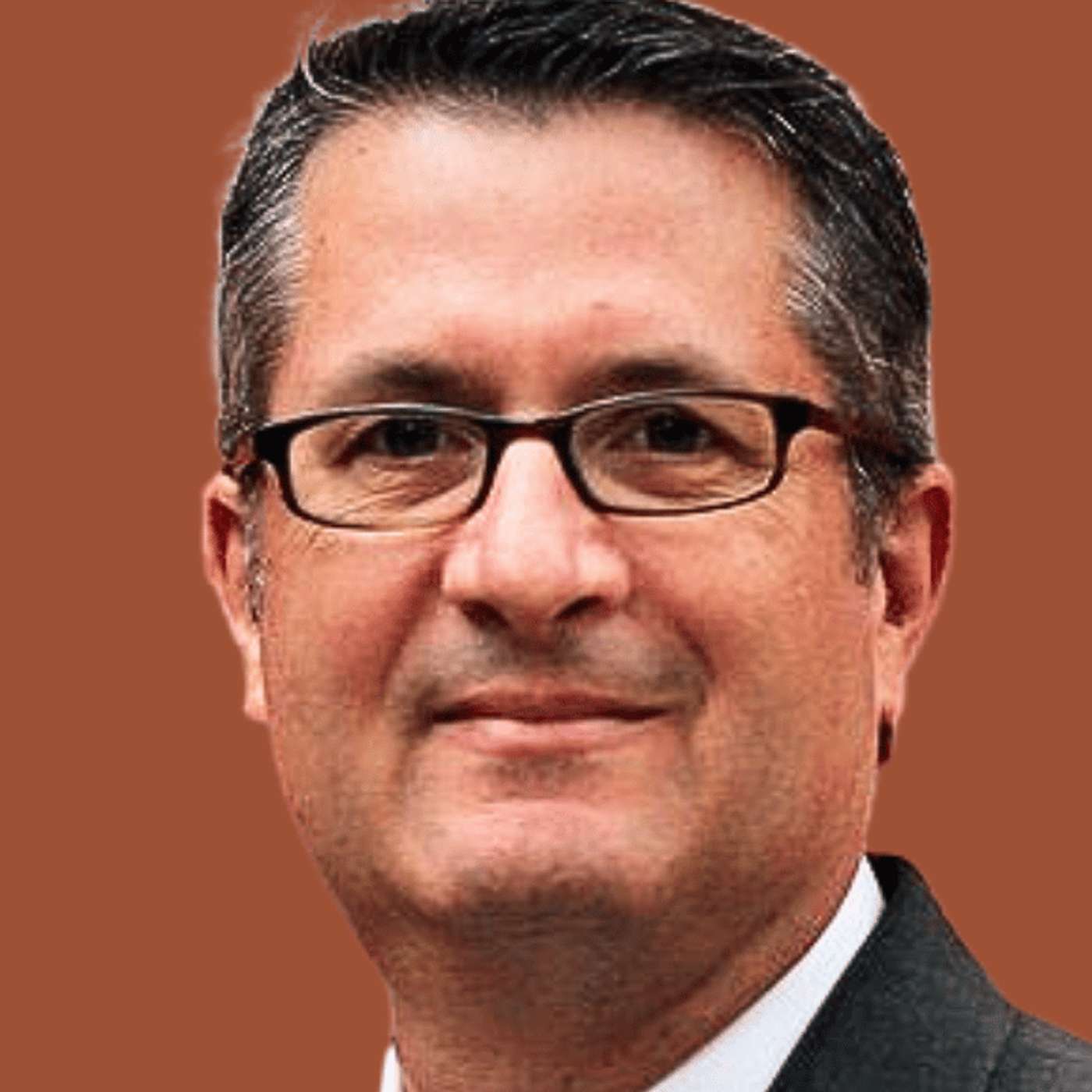
Clean Power Alliance is in its eighth year serving cities and unincorporated areas in Los Angeles and Ventura counties, providing power to over one million electric meters in 35 cities and county areas with a generating capacity of 3,400 MW. This episode of Flanigan's Eco-Logic features Ted Bardacke who has been its CEO throughout this tenure... creating the nation's largest community choice aggregator. CPA is also the nation's largest clean energy provider, and has been for the past two years. Its annual sales of 10 - 11 TWh, make it the fourth largest power provider in the State of California. Recently, it eclipsed San Diego Gas and Electric in power sales.Ted explains that CPA provides three tiers of rates, important choices for its members: About 10%of its members have selected its Lean Power rates, pricing that is about 2% less than the rates offered by Southern California Edison (SCE). Another 25% have selected the Clean Power rates that are equal in price but a better environmental product. Two-thirds of its members are on the 100% Green Power rate, paying about 6% more than they would if they were still buying power from SCE. These choices have been key to CPA's remarkably low opt-out rate (and its 93% participation rate)... meaning that members are pleased with the CPA products and have for largely have not returned to SCE.CPA is now mature and offering a suite of programs that enhance its services. Ted explains that there are two types of programs: CPA offers programs for its member agencies that feature resilience for critical facilities as well as up to $250,000 grants for building electrification. CPA also offers a suite of customer programs... things like incentives for advanced battery energy storage and EV charger incentives. By working closely with its board of directors, Ted explains that CPA's services are locally rooted, and that CPA has a fine-grained understanding of its customers' needs.The conversation then shifts to the current presidential administration's decrees... retarding wind and solar. Fortunately CPA "resourced" its portfolio of green power early and at relatively low cost, putting the CCA in a strong financial position. But Ted explains that there is no question that the administration is changing the market for renewables... with less tax credits, policies making it harder to permit renewables, and the effects of tariffs on supply lines. Without question, these changes are impacting the "ecosystem" supporting renewables... making it harder for customers to "do the right thing" to control costs and drive down emissions. Ted notes that "California will do a good job of holding this ecosystem together" though "there will be some backsliding.'When asked about next steps for CPA, Ted flags directions including refining and expanding programs, exploring asset ownership, and working with customers to make them co-managers of electrification. Just as Californians have and will respond to water shortages, Ted wants CPA to lead a cultural shift such that electricity consumers are active participants.... driving down costs and emissions for all.
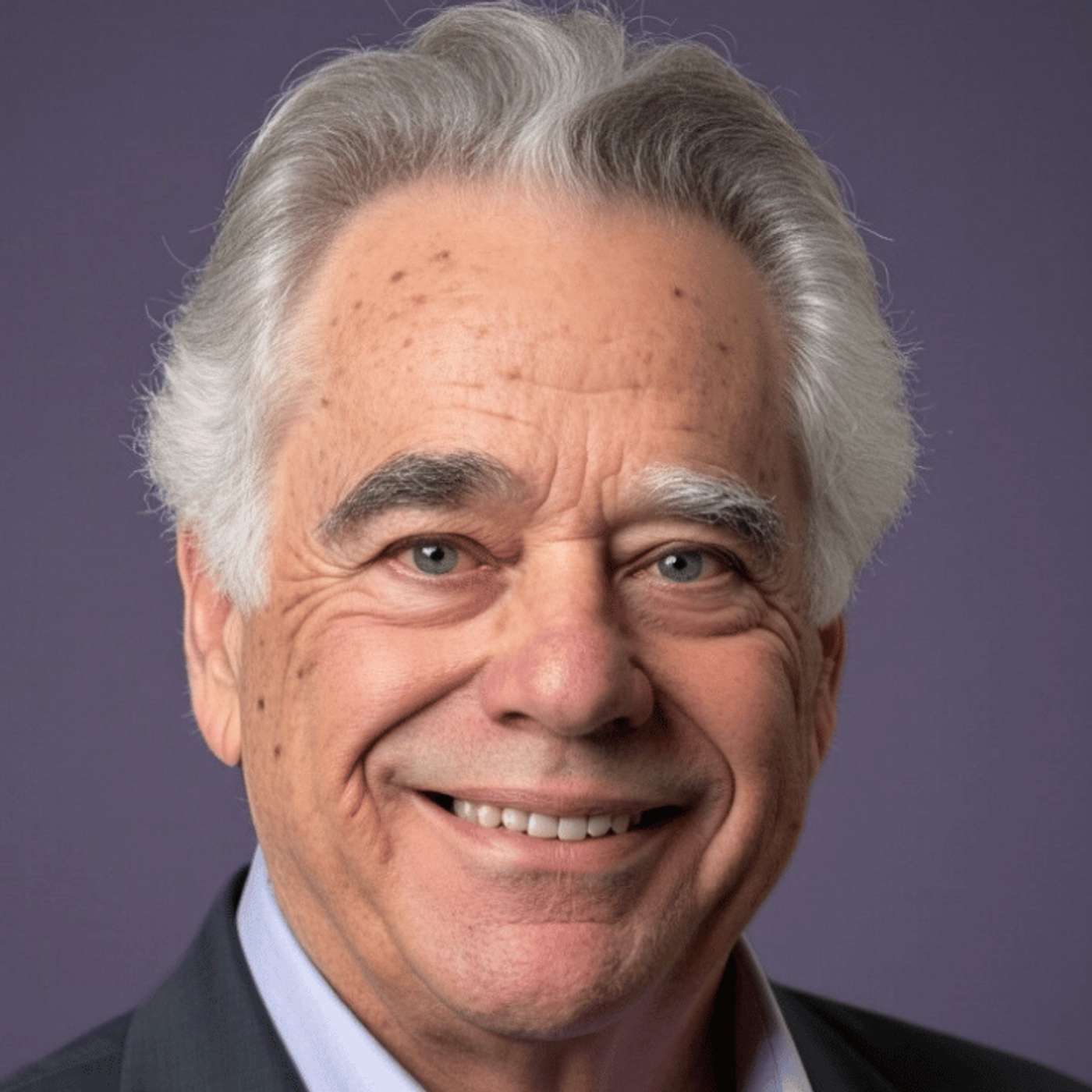
Rinaldo Brutoco has been at the helm of the World Business Academy for over 38 years. He founded it to focus on the role that businesses should play in solving humanity's greatest challenges. The Academy promotes the responsibility of business in relation to the moral, environmental, and social concerns of the day. To spur change, and where markets are not acting fast enough, Brutoco and his non-profit have spun off for-profit businesses... taking ideas and convictions and turning them into products and services to drive change.He and Ted dig into his education and the value of his law degree, what he calls a "set of tools" that have served him well. As a young lawyer he took on the largest of the baby bell telephone companies, and won a $132 million settlement at the California State Supreme Court. But as he lamented, he lost further lawsuits in the same case, disillusioning him about the value of lawsuits and the profession of law. At the urging of Ralph Nader, he formed the California Public Interest Law Center... to highlight issues of great importance in need advocacy. He explains that his mission has been about shifting human consciousness... and allowing businesses to lead the masses, building new business paradigms, replacing old-school business school metaphors of jungles and wars... with noble professions and stewardship. The conversation digs into nuclear power, a technology that he says will never have a viable role in our clean energy future. Small nuclear modular reactors, he explains, have all the same problems as large nuclear reactors. And despite millions of dollars of investment and the government's promotion, no businesses are buying it. Instead, hydrogen is the future... providing high temperature applications for cement and steel, powering locomotives and large 18-wheelers.The current administration, he implores, is doing everything wrong. "What isn't it doing to hurt green energy?" The United States has lost its leadership in solar and wind and now in hydrogen. While the Chinese have latched on to electrification, the White House has been pushing "drill baby drill." But Rinaldo explains that oil company executives, while taking advantage of government subsidies and tax breaks, see the writing on the wall too. They do not want to drill baby drill as markets for oil are falling. Every EV driver is stripping away the value of oil, and thus major investments in its infrastructure are becoming less and less valuable.The discussion ends with a focus on the electric power grid, and how it is fast becoming obsolete. It will be replaced, Rinaldo states, with honeycombed microgrids that are resolute in tapping solar and wind and geothermal, while reducing the need for costly and inefficient transmission that tie us to fossil fuels of waning importance and value. The 100% Clean Energy Moonshot he envisions for California, has no oil or nuclear... just resources that tap the sun's infinite and free energy. This he makes clear, is where wealth will be generated. This is where businesses will lead.
Robert Fortunato and his wife needed to expand their home in Hermosa Beach, California to welcome a child and incorporate two home offices, and they wanted it to be healthy and sustainable. After traveling the world, Robert wanted to incorporate best practices.. like the clever and complete use of materials in island countries demonstrated with coconuts in Sri Lanka, to passive solar design akin to Mesa Verde in Colorado, and non-toxic building material use in Denmark. As he and his wife planned their home remodel, Robert was struck by the black soot on his windowsills, and struck even more so when he learned that his own home was producing the soot... from cooking, water heating, his furnace, and his garaged car. He certainly didn't want that for his family. After employing a reputable green architect to create a healthy home, and having his vision suffer disappointment, Robert questioned authority. What he dubbed his "impossible home" became a labor of love, community involvement, and a demonstration of what is possible. Robert is a musician from Philadelphia. His dance band there became highly popular because Robert bought an early Mac computer and learned to market his gigs. His tenacity and entrepreneurial spirit earned him a spot at the Wharton School at University of Pennsylvania where he studied business. When he met Monica, who became his wife, they travelled the world visiting 20 countries with their eyes wide open. They learned many lessons that they wanted to incorporate in their home... and they did.The architect was fired. Robert used Sketch-Up to design a home with a major overhang to keep out the summer heat and keep the home cool. He ditched natural gas in favor of solar and an all-electric home. He turned to his community and found an abundance of talented folks all keen on pitching in. Fully 97% of the materials in the old home were repurposed, he cut his energy use by 70%, solar produced enough energy for his home and car, and he capped his natural gas line. All told, the project engaged 70 collaborators, and at its conclusion he'd had 5,000 visitors to witness his Living Building Challenge certified home, it garnered lots of press and a Los Angeles County green leadership award.Robert today runs ForStrategy Consulting, a firm that coaches leadership and innovation. He notes that he likes to "coach clients out of dark places!" In addition to playing his drums, being a band leader, and continuing his passion for music.. he provides green home and building decarbonization consulting for Southern California Edison and others... proving that if you have a vision, and you pursue it diligently, you can serve yourself and others with a healthy home and fulfilling lifestyle.

Comments

Download from Google Play

Download from App Store
 United States