


 Claim Ownership
From A Dog's Eye View
Subscribed: 4Played: 43
Subscribe

© Susan Coleman
Description
A space to embrace your dog and understand their behavior. Bi-weekly episodes exploring all things positive reinforcement training + effectively communicating with your dog. Because dogs are simple, when their owners have the right information.
canineconcierge.substack.com
canineconcierge.substack.com
36 Episodes
Reverse

Upon bringing home a puppy or rescue dog, two important issues to focus on the first few weeks are building a bond with your new dog and establishing good potty training habits. I always advocate starting your relationship off as a leader who sets the rules of the house. This role as a leader includes teaching your pup where to eliminate. I hope to simplify the whole process in this episode by listing several suggestions to make it the least stressful possible on you and your dog. I also would like to share some memorable stories of clients who sought out my help to potty train their dogs. Over the years, I have found that people will tolerate ALOT when it comes to potty training. Either they have poor information to begin with, or they are okay with ‘accidents’ in the house. Many times, I start helping clients after potty training has become a problem. Their dog just doesn’t seem to get the concept. They want their dogs to only eliminate outside, but they unknowingly have been sending them mixed signals. Pet parents have to be willing to change what they have currently been doing. What they have been doing hasn’t worked, so most clients are usually open to trying different tactics. I have had a lot of success with my suggestions and this is what I would like to pass on to you. As I tell my clients, even with rehabbing certain behavioral issues such as jumping or nipping, if plan A doesn’t work, try plan B. If plan B doesn’t work, go to plan C, and so on. This strategy works for potty training too.Remember, initially, dog training involves teaching the humans how to communicate effectively with their dog first and then training the dogs. Many people successfully potty train their dogs without any assistance. It is what comes naturally and logically to them and they have a cooperative dog. I know this because I ask every client if there are any issues with potty training. I don’t stop there. I ask more questions to find out if that is really true. Sometimes, the client tells me that potty training is not an issue, but then the dog has an accident right in front of me. This can be a touchy subject when this “occasional accident” has been happening for over a year.Other clients tolerate accidents for so long hoping that the dog will figure it out as they get older. This never has led to success. Whether the dog is large or small, I have been to homes where the dog has had “accidents” in the same places on and off for many months, that turn into years, and then for the rest of the dog’s life (which means the humans have given up and just accepted their dog’s indoor potty habits). Story #1One client had two dogs, but was focused on potty training the puppy. When I arrived, the puppy was in a crate. The older dog was loose in the house and greeted me very happily, but was jumping on me. I thought this would be an easy appointment - show the client how to have her dog greet people without jumping and give some suggestions for potty training the puppy. After all, half of the job was done because she was already using the crate! She was just using it for some other purpose unbeknownst to me. The client let the puppy out and put her in a pen she had set up with pee pads. The puppy immediately peed and was excited to meet me. So much for the easy appointment. I gave this client all the tips I have listed below, but she didn’t like how I used the crate for potty training. Needless to say, I never got a call back for further advice!Exceptions to potty training outdoorsPotty training outdoors is the most desirable place for dogs to eliminate. However, there are exceptions where pee pads or diaper wraps are necessary. For example, pee pads will help if the dog has had surgery and has very limited mobility. There are also dogs that are in their last stage of life and do not have control of their bladder and bowels. There are options for these cases, such as diaper wraps and confining the dog to a certain part of the house that makes clean up easier. However, confining a potty trained older dog after they have had full rein of the house can be very challenging. I also make an obvious exception with newborn puppies. They cannot control their bowels and urine the first several weeks of their life. Their Mom will lick them to stimulate to go and will ingest what is excreted. Yick! When they are 6-8 weeks, they can be taught to start going outside. Some breeders take it upon themselves to start that process before they are placed in their forever home. This can be a tremendous help, but the pet parent still has to figure out how to do what the breeder did, in their own home. Herein lies the challenge. Using fake grass outsideI have had clients whose dogs were trained to eliminate on fake grass on a deck right outside of their house or apartment. Sometimes this is necessary because the dog is so small and the temperature is extremely cold for them. I do not envy people who have to potty train their dogs in the winter. We all have experienced how long it can take for their dog to finally eliminate. They get outside and get so distracted that eliminating is the furthest thing on their minds! So, placing the fake grass close to the house and even taking the puppy out on a leash and guiding them to that specific area can work. When the puppy is bigger and the temperature is warmer, you can still take them out on leash in the front or backyard. The “Poop Arena” In the winter time, when there is snow on the ground, I recommend shoveling out a “poop arena”. Sometimes the snow can be deeper than the height of the dog. We did this for our Corgi. Story #2Another example of how fake grass can help potty train a puppy is one of my clients had to place fake grass on her balcony because she lived in a high rise apartment. The puppy was way too big to carry and it took too long to walk him down the long hallway and get in the elevator without having an accident. As soon as the puppy could hold it longer, she was able to walk him to the elevator to get to the place where there was an area for dogs to eliminate.Story #3Another client adopted a Shih Tzu named Princess who spent her first 3 years in a crate. She never experienced any other daily life but the inside of a crate. This meant she defecated, urinated, and ate in one that was most likely stacked on top of others. Many dogs were rescued from this particular hoarding situation, where they were living in substandard conditions. Knowing this, Princess’ pet parent vowed to never put her in a crate again. After talking to the vet, Princess’ pet parent decided to potty train her outside instead of using pee pads indoors. She was small enough to carry downstairs and in the elevator to help speed up that process. She had gastrointestinal issues throughout her life due to the poor diet from the neglect and abuse she experienced. This made potty training challenging at times. It was necessary to learn her bowel habits to avoid accidents. The great news is that Princess was able to be successfully potty trained outdoors even while living on the 30th floor of an apartment building! Princess passed away this year but taught everyone who met her that dogs can overcome the most horrendous conditions and have a fulfilled life. She was very fortunate to find her forever pet parent. Potty Training My Dog EbiI like to recount the story of potty training my Leonberger, Ebi. I knew she was going to be a big dog and there was no way I was going to put up with huge puddles of urine or big piles of poop! So, express potty training was a necessity! It was 8 years ago, but from what I remember, I bet she had less than 10 accidents until the day I considered her fully potty trained. My husband and I blocked off our house with gates so that Ebi only had access to the front hallway and kitchen. We had a chair in the hallway that one of us would sit on while she was awake and playing. We called it poop patrol. We took turns. If neither of us could watch her, we would put her in her crate. In the beginning, sometimes we would take her outside every 10 minutes. We started to recognize the signs that she had to go. Signs That Your Puppy Has to Go:* abruptly stopping whatever they are doing and start wandering away* sniffing in a particular area * twirling around and squatting* restlessness/hyper energy - not able to focus on anything or settle down* going close to where they are let out* barking and/or whining by the doorUsing a Pen With Open Floor PlansPotty training can be very challenging with houses that have an open kitchen living room, dining room and family room. The distance between two walls is too great to set up gates. For this type of layout, setting up a pen can provide the same purpose as a crate. This can be more challenging due to the amount of ample space available in these pens. There is enough space for them to eliminate in one spot and lay down in another spot. It is a safe place to leave the dog unattended for brief periods of time. Your dog also has to be trained to respect the boundaries by not jumping out or sliding it across the floor. Pens are also great to place outside for yards without fences. Two pens can be attached together to give the dog more room. It can also be a safe place where the pet parent can scan the area for nuts, animal poop, and other things that puppies shouldn’t eat.Story #4I remember a client who lived in a house with an open floor plan and got a pen for her puppy. She did not like the concept of crates. The pen worked until the puppy figured out how to climb and jump over the pen. He proceeded to go to his favorite spot by the door to eliminate. Then, she tried to put a top on the pen. He figured out how to get out of that. I told her the only option was the crate which she did not want to do, but it did the trick. Be ProactiveI find some people expect to get signs from the do

**I am reposting this must-see podcast from last year in recognition of the 25th anniversary of 9/11/2001.This episode is dedicated to my guest, Gary Flynn; all of the Task Forces deployed with their search and rescue canines, including Ohio Task Force 1, and, most importantly, those who perished on September 11, 2001. This episode is also dedicated to the dog handlers and emergency crews who continue to suffer from the trauma they experienced during that time, as well as to the family members who continue to support their loved ones as they cope with the lasting mental and physical health effects.September 11 was the worst terrorist attack on U.S. soil. People were stunned and frightened as they watched the events unfold on their television screens. After the plot to destroy human lives and weaken American leadership had concluded on that horrific day, the largest call-up of emergency services occurred and FEMA task forces were deployed. One of the 26 FEMA task forces summoned was Gary Flynn and Ohio Task Force 1.I highly recommend listening to this podcast where Gary describes, in detail at times, how the events impacted him and his 5 year old Belgian Malinois, Tascha. To say that this was an emotional podcast is an understatement. In fact, words cannot describe adequately the plethora of information that Gary was willing to share. Therefore, I am only going to write about details in the best way possible to help break down the magnitude of that day, and the months and years to follow. This is also the platform where I can share photos that Gary took during his time there. Never did I think that I would meet and get to know someone who I could call my mentor and my friend, and someone who tirelessly worked at finding survivors with his personally trained professional dog. This was a war zone, no doubt about that. The way that Gary describes how he got the call while working his day job at BIOPLASTICS CO. in North Ridgeville, Ohio, is already uniquely different than the majority of us who watched the news that day in our homes. He was called up and ready to go like any soldier summoned to war. We all remember exactly where we were when we found out about the first plane slamming into the World Trade Center. None of us dreamt this was part of a much bigger plot to wreak devastation on a such a grand scale. We were able to watch the events on tv in the security of our homes. However, the first responders and those called up to search for survivors had to risk their lives and the lives of their beloved and highly trained canines.Out of the 72 people in Ohio deployed by FEMA, only 4 dog handlers and their canines were chosen to go. Three of the four handlers were from OSDA (Gary’s search and rescue dog agency). The fourth handler, Terry Trepanier was a veteran firefighter and paramedic from Washington Township, shown in the picture below with his dog Woody. There were many more qualified people ready and willing to go serve, but were not chosen by the federal government to assist. FEMA plans for disasters similar to this and whatever they decide is not to be debated or contested. Gary talks about how much the love and support from those not selected to go was an immeasurable support system while being there.FEMA requested that the canines to be deployed be live human finds only. Gary had a cadaver dog, Felix, fully trained and ready to go, but that was not what was needed from Ohio Task Force 1. There were Task Forces from other states who received the order for trained cadaver dogs. However, Gary’s dog Tascha, exhibited an aversive behavior whenever she would come across cadaver parts. She would shrug her body in such a way that it was almost an actual alert signal. Gary had specifically trained her to go past any cadavers and only focus on the live human scent. Gary and Tascha worked 12 hour shifts, but it never ended at the 12th hour. If they were commanded to search a specific area of “the pile” (which was approximately 40 stories high) and they kept finding more openings within that pile to investigate, they did not quit just because their shift was up. They continued until there was no more area left to search . If it required to rappel blindly into a dark hole, then that’s what they did. Sending his dog in first with no leash and no collar to find survivors caused fear and anxiety that cannot be verbally described. “I can tell you what it was like, but I have no way to tell you how it feels” Gary FlynnGary and Tasha weren’t always working the pile. Sometimes they were commanded to search the surrounding buildings. A badly damaged structure assigned to Gary and Tascha was the Merrill Lynch Financial Center, pictured below. They had to climb 51 flights of stairs with no lights to guide them and search every inch for survivors. What they found was mostly plane pieces, cadavers, luggage and clothes. Gary says that the job always starts from the top on down, instead of the other way around. That way, when you are all done with the search, you can just exit the building.One of my questions to Gary was about using protective gear for himself and his dog. Gary had all the protective gear needed for a toxic environment like the one at Ground Zero. He knew what he could be exposed to because he was a certified environmental hazard specialist. However, the protective gear got in the way when navigating through narrow passages with sharp objects all around. He wished he could have worn the gear all the time, but it wasn’t feasible. Tasha did not wear any boots for her paws. She managed okay without them. She did endure a large burned area on her chest, not from direct fire, but from abrasions caused by squeezing in between and crawling through so much rubble. The wound healed up, but the fur never grew back. She lived until the ripe old age of 17. She was a cancer survivor on top of all that. It was too difficult to say that the cancer was due to her exposure to chemicals at Ground Zero, but living 13 years after the event is pretty astonishing! Gary is beyond grateful to the Veterinary Medical Assistance Teams dispatched by FEMA to Ground Zero to provide medical care to the hundreds of search and rescue dogs on site. Tascha became dehydrated to the point where she needed to have intravenous fluids pumped into her. The VMAT teams provided the prompt assistance required to get Tascha back on her paws again.Another question I asked Gary was if dogs experience PTSD. He believes they do but it is because those dogs were not properly trained or they were not the type of dog that could handle the stress from search and rescue work. Just like not all dogs make good service dogs, not all dogs are cut out to make effective search and rescue dogs. The stamina and prolonged self motivation required for this kind of work is not present in all dogs. The dogs who have been correctly trained succeed and love what they do. Their handlers reward them with play time whenever they can sneak in a few minutes of downtime. Sometimes, due to the tasks at hand, the only reward was their handler’s voice praising them. Other times, down time meant rest time. Catching a few Z’s had to be squeezed in there too!Another amazing feature of the search and rescue dog is their ability to provide loving and caring support to their handlers and emergency staff members. Gary said there were plenty of them crying into their beloved dog’s fur. Dogs provide comfort that humans cannot. It’s just different. Gary is eternally grateful to so many people, but most importantly, his wife and young daughter. Returning from any search and rescue mission is difficult to resume a normal routine, but coming back home from Ground Zero was especially challenging. The trauma of seeing so much death and destruction can make it hard to carry on. Gary encourages anyone experiencing trauma to seek help. PTSD manifests itself in so many disguising ways. Seeking professional help is crucial to learning how to resume mundane chores and a “normal” lifestyle. You want things to be the way they were, but it’s impossible when you have changed because of this traumatic event in your life. I want to extend my humble and sincere gratitude to Gary for giving me the opportunity to talk about such an emotional subject. I feel deeply that our paths crossed at Petco because as fate would have it, one day I would have the platform for him to share his experience with all of you. So many people suffered, and sadly still suffer, from that sunny fall day 24 years ago that suddenly turned dark. Please be kind to all people. You don’t know what their story is.Thanks for reading From A Dog’s Eye View! Subscribe for free to receive new posts and support my work. This is a public episode. If you would like to discuss this with other subscribers or get access to bonus episodes, visit canineconcierge.substack.com
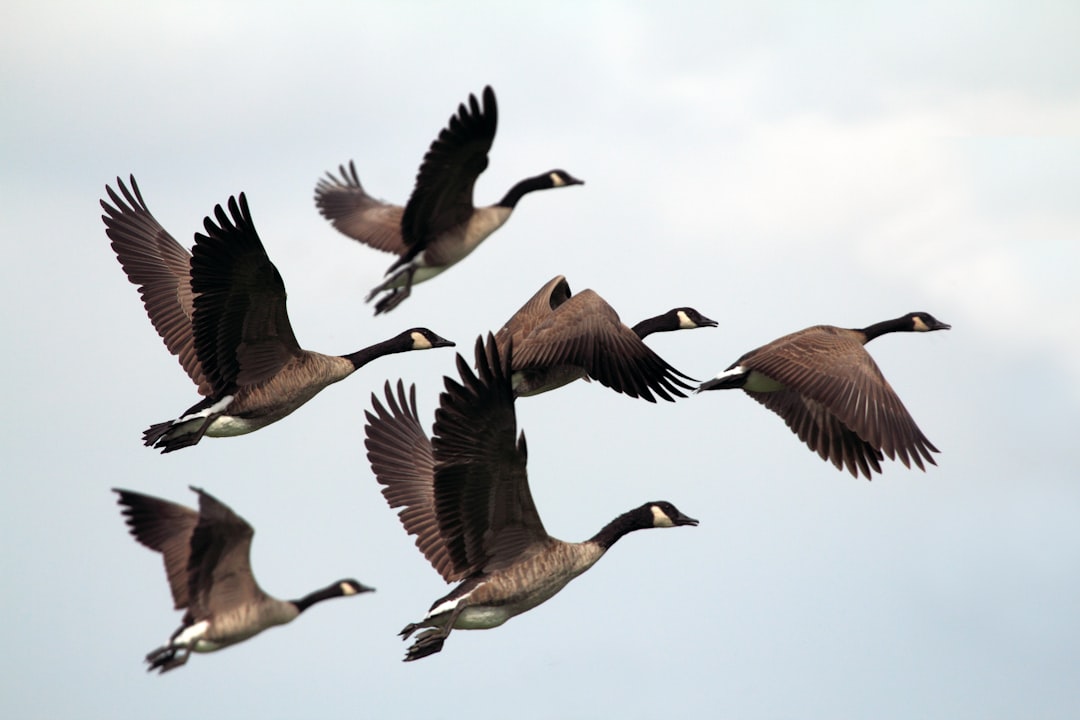
Geese are beautiful birds with fascinating behavioral patterns that are interesting to observe. Their black heads and necks, along with their distinctive white-striped cheeks, make them especially striking to look at. I always stop to watch them up above when I see them in their infamous V-shaped flight pattern. However, they can be a nuisance to communities and businesses when they begin settling in large groups. In particular, the goose droppings are annoying to anyone walking on grass, sidewalks, or parking lots where they have been. Not only do the droppings carry diseases and present walking hazards, they can cause sickness in dogs if ingested. We all know how tempting animal feces are to dogs! Geese can also become aggressive while protecting their nests. They will hiss, pump their heads up and down, and charge at whatever is threatening their territory. My guest, Marci Hower, joined her husband, Jeff, in managing geese populations, after Jeff came up with the idea of using a resident Border Collie at the golf course where he worked, to scare away the geese that had settled there. Since he had success at the golf course, he started taking the dog other places and inquiring if he and his dog could chase away their resident geese for free. Jeff started exploring whether a business plan of using well trained dogs to chase geese away was a viable way to make a living. After all, this was a new concept in Ohio. It took about three years to establish a fully functional business. Finally, Ohio Geese Control (OGC) was formed in 2004, with the headquarters located in Cleveland. Initially, Jeff used the dog from the golf course with a binding agreement that the dog would live with Marci and Jeff. It is very important that the dogs used for this type of work live and bond with their handlers. When Jeff was ready to start the business, he purchased the dog, named Nick, from the golf course. Soon after that, they started adding to their pack. They learned that not all dogs are suitable for this type of work. The ones that were, became very effective in managing geese populations.Marci and Jeff have grown their company to servicing not only Cleveland, but also Akron, Canton, Toledo, Columbus, Cincinnati, and Dayton. There are currently 100 employees and 30 working dogs. When Ohio Geese Control is awarded with a contract in any of these areas, they search for the right dog in that area that can be accustomed to working with geese and can become a good family dog too. Sometimes, Marci and Jeff find dogs in nearby rescue agencies or farms. If they assess that the dog will fit this criteria, they will temporarily foster the dog until the employee has been trained and is ready to take on the dog. Ohio Geese Control exclusively uses Border Collies. A Border Collie’s work ethic, instinctual drive to herd but not hurt animals or birds, plus their intelligence, make them an ideal tool to use to effectively and humanely chase geese away. They also are structurally built to intimidate whatever they are herding. They stoop down low and possess a wolf-like glare that no other dog has. Geese instinctively view the dogs as predators causing them to want to fly away.When Marci and Jeff assess a dog, an important instinct to search for is the right intensity of prey drive. To review a subject I have mentioned in previous podcasts, prey drive is a dog’s instinct to track, chase and capture moving objects or animals. Stalking, herding, and chasing animals (in this case, geese) away are optimal instincts in Border Collies to capitalize on. Sometimes, farmers are willing to relinquish their Border Collies who aren’t intense enough to herd farm animals. These types of dogs can be perfect for geese control. They are more apt to not be aggressive towards the geese. Marci and Jeff do not want the dog to catch, kill, or consume the geese. A top priority of Ohio Geese Control is to keep the geese, dog, and members of the community they are servicing very safe. This is to be done with the utmost care to uphold their value as a company as a humane, safe and effective way to manage geese populations. Ohio Geese Control’s mission is to create a healthier, happier environment for everybody who uses the outdoors. They want you to enjoy the outdoors and to embrace nature. All animals, including the geese, have every right to be a part of that experience. OGC employees must respect the animals and birds whose territory they are entering by avoiding actions that threaten or harm them. However, geese can become a nuisance when they are aggressively protecting their nests and when their droppings are in our paths as we are out and about in nature. One single goose can produce a pound and a half of dropping per day!OGC may be successful in employing one of their strategies, such as their dogs, to successfully deter the geese from settling and staying in a particular area. They also may use a combination of strategies. Several ways to humanely and effectively chase geese away are:* using Border Collies* building fencing around the property where geese have settled* laying down wire lines over the water source* placing decoys such as fake coyotes on the property* using lights and green laser pointers recognized by the geese as a threat - especially useful when working with geese that have settled on rooftops of businesses.* operating remote controlled boats on the water* using EPA approved geese repellents made with food grade ingredientsIn order to be successful at dissuading geese from settling amongst inconvenient places, it is necessary to know their behavior, reproductive cycle and migration patterns. Some fun facts about Canada geese are:* They mate for life* A group of geese is called a gaggle* They molt, or lose their flight feathers, typically during the month of July and cannot fly during that time* They migrate to warmer climates in the fall and return to their place of birth in the spring* Resident geese stay on the property and do not migrate* Their lifespan is approximately 20 years* They lay approximately 2-8 eggs over a period of several days each spring with an incubation period of about 26 daysOGC must have safety protocols in place when working with geese. Canada geese like other birds in the wild, can carry diseases through their droppings. Salmonella, E. coli, Listeria, and the bird flu can be contracted by humans and dogs. According to Marci, the bird flu has become more prevalent in recent years. It is transferred from bird to bird through the droppings or saliva. When a large group of geese are together in an area, there is more chance of spreading the bird flu if the flock is exposed. Therefore, using the dogs to disperse the flock is a very effective way to decrease the likelihood of the bird flu settling and spreading to the other geese. After the handler and dog have worked an area, they must sanitize their car, the crates used to transport the dogs and their shoes. They also must rinse the dogs’ pads with soap and water. They recommend having a set of shoes specifically for this work that are left at the front door and then enter their house. The handlers are also instructed to not touch or move an injured or dead bird since they may be suffering from any one of the diseases mentioned. Instead, it is advised to call a wildlife center for further instructions such as Lake Erie Nature & Science Center (440-871-2900) or The Ohio Division of Wildlife Customer Service Center at (1-800-WILDLIFE). An abundance of goose droppings can pollute soccer fields, ponds, and parks. Discourage your dog from eating the feces. If they do ingest enough of the droppings, they can get very sick from the bacteria and parasites in the droppings. If your dog does eat the droppings and starts to become lethargic, vomit and/or has diarrhea, call your veterinarian.Once geese settle in an area, they will not leave on their own, They must be encouraged to leave. If there is a food and water source and they have been there for a period of time, there is no reason for them to leave. There has to be some tactic to push them along, and most likely a dog will be the best tactic. OGC can dramatically lower the population within two weeks, sometimes, almost immediately, but they always come back. When a client hires OGC, it is an ongoing service. They can work an area 2-3 times per day to make sure there are no droppings. If they see droppings, but no geese, the handlers will know that the geese have been there. Therefore, they have to change up the time of day they visit the property. They may also change up their entrance to the area. What makes it tricky for the handlers is the geese get to know their cars, their uniforms, even their faces! The geese may leave once they see the handlers and dogs, but Marci prefers that the dogs chase them away instead of the handlers. Before Ohio Geese Control recently hired a dog trainer, Marci and Jeff worked together to train the dogs and their handlers to teach the dogs the commands they need to follow while working. When working with the dogs, Marci and Jeff discovered that the dogs also train each other. It is instinctual to have the dogs work in pairs as they navigate the movement of the geese. It is crucial to have very obedient dogs. Their life could depend on it. When the handler tells them “Lie Down”, they must lie down amongst the distractions of not only the geese but also any pedestrians walking by and watching. Sometimes when Marci and Jeff are working with new dogs, they may assess them for up to six months before they deem them appropriate for this type of work. If they don’t fit into their pack, they will send them back a better-trained dog that will be able to adjust to a family life. Some of the commands include:* “Come By” - to move around the geese in a clockwise direction* “Away to Me” - to move around the geese in a counter-

Nutrition is defined as the process of consuming, absorbing, and using nutrients from food that is necessary for growth, development, and maintenance of life. In my July 15, 2026 podcast, I provided information about what must be included in the meals we provide for our pets in order for them to survive. I like to go a step further and add food that is nutritionally more beneficial to their diet so they can not only survive but thrive and live a happy and healthy life. Of course, hereditary and environmental factors can influence the expression of diseases. However, I believe healthy nutrition can stunt and even suppress the onset of these diseases. In part one, I focused on the four main components humans, dogs and cats need to sustain life: protein, carbs, fat, water, vitamins and minerals. If the quality or quantity of any one of these components is substandard, health issues can arise. In this episode, I will explain how this leads to an inflammatory response, which leads to an imbalance in your immune system. I will also guide you through a process you can follow in order to make the best food choices for your dogs and cats.Over 15 years ago, I had several appointments with Dr. Debbie Decker, a holistic vet in Westlake, Ohio, to give me professional advice on what to feed my cats. As I mentioned in part one, it was because of my cats that I started to look into finding out if it was the food that was making them vomit so often. I also started to follow a nationally renown holistic vet, Dr. Karen Becker. She has a website with frequent articles about animals - focusing especially on cats and dogs. She wrote a book which I recommend, “ REAL FOOD For Healthy Dogs & Cats”. It fine-tunes the amounts of protein, organ meat and supplements needed to prepare a balanced homemade diet for your cat or dog. I chose to embark on the journey of making my own cat food with the help of Dr. Debbie Decker because of all of the symptoms they were experiencing. Making your own food isn’t something you can just guess and make up as you go. Your pets have certain nutritional requirements that must be met or else metabolic issues can arise that can turn disastrous. Dogs have different requirements than cats. It is important to work with a vet who can best advise you on what and how much to feed your pet. I have simply outlined what has worked for my cats and dog, but your cat or dog may have specific health issues that require additional food groups and supplements. I remember making the switch from processed dry food, or kibble, to homemade food for my cats. I felt overwhelmed to the point where I almost gave up. I knew if I gave up, I would most likely have to deal with all the puke again! That was a big motivator for me to continue the transition. Another driving force to make the switch was learning that I can control the quality of meat I purchase that will be fed to my pets. When you purchase any kibble, unless it is labeled as “human grade”, the meat used is generally sourced from animals or animal parts that have been deemed unsuitable for human consumption under USDA regulations. A disclaimer reminder - I am not a veterinarian or a nutritionist. The information below is a result of my research and experience transitioning my cats and dogs to a more balanced, species appropriate diet.Let’s begin!In part one, I ended the episode describing the importance of healthy fatty acids. I mentioned that in order to preserve the integrity of the fats, proper storage is critical. Oxidation occurs when food substances are exposed to oxygen. For example, bananas oxidize as they ripen. When you cut into a banana, the end exposed to the air will turn brown. It actually has a different taste to it. Oxidation in pet foods causes:* the quality of nutrients to degrade* the foods with fatty acids to become rancid - can produce a distinct foul smell* the development of molds and mycotoxins - dogs can pick up on the scent of molds that we cannot see or smell and may refuse their food* insect infestations which can cause allergic reactions Mixed tocopherols are added by pet food manufacturers to slow down the oxidation process. They are a natural form of Vitamin E. Natural tocopherols are safe and beneficial to your pet. Whereas chemical preservatives like BHA and BHT are artificial. You will see tocopherols, BHA and BHT as an ingredient on the bag or box of food for your pet. As I stated before, I prefer to provide food that doesn’t have either one of these preservatives. Solutions to avoiding oxidation in pet food* Store food in its original bag off the floor and inside an airtight container* Store food for only 2-3 weeks* Store the remainder in freezer bags in your freezer* Look for a “Best Before” date on the unopened bag* Don’t force your pet to eat the food if he or she refuses, especially if you have left the food uncovered overnight* Maintain a consistent feeding schedule with your dog or cat. If they don’t eat all the food in one sitting, cover and refrigerate it. Avoid leaving out a dish of unfinished kibbleFoods Never to Feed Your Pet* Onions - can cause anemia* Raisins and grapes - can lead to kidney failure* Macadamia nuts - toxic to pets* Chocolate, especially dark chocolate - contains caffeine and theobromine which can cause heart issues. This warrants a call or more likely an emergency visit to the vet if ingested.* Brewer’s yeast - can be allergenic* Fish high in mercury and raw fish - be aware of bones that can pose a choking hazard. Fried and/or seasoned fish is not healthy.The quantity of any one of these ingredients and the weight of your pet are really the key factors in these foods to avoid. If you have a medium to large sized dog, a few onions, grapes, raisins, or a milk chocolate candy bar are no reason to panic and rush your pet to the vet. Reasons Not to Give Your Dog Peanut Butter* Contains aflatoxins - naturally occurring mycotoxins, produced by the fungus Aspergillus, which causes cancer.* Contains harmful fats - hydrogenated or partially hydrogenated oils (trans-fatty acids ) which cause inflammation. This is explained in more detail in the next few slides.* Contains sugar - make sure NO xylitol is present* Peanuts are a legume**Legumes are plants with a pod, i.e. dry beans, peas, chickpeas, lentils, lupine and soybeans. They contain phytates and lectins which carnivores cannot break down due to a lack of the enzyme phytase. Phytates bind with minerals like zinc, iron, calcium, and magnesium and leech them out of a pet’s body.Just as in the foods to avoid above, it’s the dosage and size of your pet that matters. I used to give my Corgi peanut butter on a daily basis until I figured out that it caused him to vomit. Now, I just recommend almond butter to be on the safe side. A healthy alternative to peanut butter is almond butter. Almonds are a great source of Omega 3’s and a healthy fat. Almond butter is high in fat which can trigger stomach upsets or pancreatitis if given in large amounts. It can be a healthy way to help an underweight dog gain weight when fed in moderation.Controversial Additives in Pet Food and Treats* BHA/BHT - an antioxidant added to oils and fats to prevent oxidation. BHA has been classified as a possible carcinogen by several major health organizations. More research is needed to confirm this.* Carrageenan - derived from specific seaweeds that may cause and induce inflammation.* Natural Flavors - could be anything derived from plants, animals or mined sources. Always creating suspicion. However, they have to be deemed safe in order to be added to pet food.* TBHQ - a fat preservative to increase shelf life. Used as a stabilizer for explosive compounds and to make varnishes, lacquers, and resins.* Propylene Glycol - added to preserve moisture content. The FDA has banned it in cat food but not dog food yet.* Propyl Gallate - a preservative which may be able to mimic the negative effects of the female hormone, estrogen. More research is necessary.* Ethoxyquin - a chemical preservative with limited allowable uses in pet food and animal feed as an antioxidant to prevent fats and fish meal from going rancid. ** MSG is listed on the slide but I have never seen it as an ingredient in dog food or treats.InflammationInflammation is a body’s natural way to respond to infections, injuries, or ingested food and fluids. If left unchecked, it can cause long term health issues. There is acute inflammation, which is a short term injury, like a sprained ankle, that can heal back to its original state in a reasonable time. There is also chronic inflammation, which causes constant, longterm symptoms such as fatigue, mood changes, joint stiffness, digestive issues, and skin rashes. Factors contributing to chronic inflammation:* Incorrect choices of food for a particular species* Poor digestion - constipation, diarrhea, bloating* Environmental toxins - skin rashes, cancer * Stress - overactive “fight or flight” response, adrenaline and cortisol dumps* Imbalance of Omega 3 and Omega 6 fats - fatigue, joint discomfort, slow healing, dry skin* Antibiotics and Steroids - affect the balance of good and bad bacteria in your gutExamples of Inflammatory Foods for Cats and Dogs* Added and refined sugars - sweets, fruit juice, soda, table sugar* Legumes - chickpeas, lentils, navy beans, peas, peanuts, edamame* Starches - potatoes, rice, oats, corn, and wheat. Excludes sweet potatoes since they are a root vegetable* Grains - rice, corn, wheat, oats. Gluten free grains are an exception - quinoa, millet, buckwheat, amaranth, sorghum* Toxins in tap water - PFAS (chemicals in non-stick pans), lead, arsenic, nitrates, flouride is controversial* GMO foods (Genetically Modified Foods) - soybeans, sugar beets, corn, canola. Alternatives: organic foods, wild caught vs farm raised seafood* CAFO Meats ( Concentrated Animal Feeding Operation) - grain-fed beef,
Welcome to “From A Dog’s Eye View”. I’m your host Susan Coleman. Today I will be talking about a subject that overwhelms most pet parents - what to feed your dog or cat. As I am talking to you, I am sharing a power point presentation I prepared for my clients, created by Shih Ying-Fa. This presentation will be divided into two separate podcasts. In part one, I will be sharing with you some history on how and when pet food started to be sold in stores, how it is processed, and what ingredients are mandated by the regulatory agency that oversees pet food manufacturers. In part two, which will be released in two weeks, I will help you make the best and most affordable decision on food for your dog or cat, which ingredients are healthy and which ones to avoid. I will also give you some suggestions and personal favorites, including what I feed my cat and dog.I have to preface this presentation by disclosing that I am not a veterinarian or a certified pet nutrition specialist. However, I am a certified herbalist and can suggest herbs/supplements for various health conditions or for just maintaining optimal health. While I was conducting my research (which is an ongoing process) about pet nutrition, it propelled me to research human food. I started looking at ingredients of the everyday food I was consuming and was shocked. I thought I was eating healthy, but I wasn’t. I took a class from a naturopath about how what we expose ourselves to, can directly affect our health. I learned about ways to use food and supplements as medicine and as an alternative to pharmaceuticals. I will share the supplements I currently give my cat and dog in part two of this presentation. I recommend consulting a holistic or integrative veterinarian for professional advice when considering making any changes to your pet’s diet. It is wise to make sure your pet is in good health before making any drastic changes such as introducing new and/or raw food. I will briefly discuss the benefits of raw food and when and how to make that switch over. I will also provide names and contact info of two holistic vets in the Cleveland area. I have contacted both of them expressing my interest in having them as a guest, so hopefully in the near future I will be able to share their expertise.So, let’s get started.How To Select the Best Food For Your Pet and Why It is So ImportantWith so many dog and cat food brands available, choosing the right one can feel overwhelming. When talking about pet food, I feel it is important to make people aware of the following:* the evolution of the dry food many of us feed our pets * the regulatory commission that overseas the pet food manufacturers * how a dog and cat’s anatomy determines what they should consume* ingredients to avoid* ingredients that are beneficial My MissionMy goal is to increase your awareness of the importance of making healthy food choices for your pet so that they can not only live, but also thrive on the food you give them. My MotivationMy presentation also addresses some cat nutrition since it was due to my cats and dog at the time that propelled me to research this broad and confusing subject. I had four cats (one is not pictured) and a dog who were all having symptoms. My cats were throwing up frequently and one of them was actually pulling out his fur because he itched so much. My dog, Hank the Corgi, would have intermittent bouts of throwing up bile and sometimes undigested kibble. Hank also would have diarrhea that didn’t even resemble diarrhea. I was getting very tired of picking up puke!When and Why I Changed What I Feed My PetsEvery one of my pets were tested by a veterinarian for parasites and several health conditions that could cause some of these symptoms. They were all under 5 years old and every single test came back clear and free of disease. I was beginning to think that these symptoms were normal. I asked if it was food related, but I never got a definitive answer. It was around this time, in 2016, that I started working at Petco as a dog trainer. The first question I asked the manager was “With all of the food in this store, what is the best food for my dog and cats?” The manager directed me to the aisle where the highest quality (supposedly) of food was. I tried one on Hank and within days, he had the absolute worst gas you could imagine. I know some of you listening can relate to this! There was something in that food that did not agree with Hank. This doesn’t mean that every dog who consumes that brand of food will have gas. It just means that it didn’t agree with my dog.My life was about to change as far as what I would ultimately feed my cats and dog. There was a mandatory meeting for all of us Petco employees.with a rep from Bil-Jac dog food. The rep started describing symptoms that dogs can have that may be related to the food they eat. He asked if anyone was experiencing these symptoms with their dog. I immediately raised my hand and told the rep he was describing my dog Hank’s symptoms to the “T”. The rep gave us some samples of food and told us that Bil-Jac is one of the rare baked dog foods on the market that you don’t have to take 10 days to transition your dog to. It is due to the lower temperature the food is baked as compared to the standard kibble most pet parents feed their dogs. You can start feeding your dog Bil-Jac dog food for their next meal and they won’t have any stomach upsets. I was too nervous to transition immediately. Instead, Hank was switched over to Big-Jac within 3 days. All of his symptoms disappeared! I must emphasize that I am referring to Bil-Jac dog food sold in a bag, not the frozen kind. After seeing how Hank improved, it confirmed to me that there was something in the food that did not agree with him. I just couldn’t believe that dog and cat food manufacturers would put ingredients in their food that pets can’t even digest! Why don’t they have the pets well-being in mind when formulating the recipe? Hence, my extensive research and discoveries that I am sharing with you.It got me thinking that maybe there are things in human food that make us not feel well too. I decided to get an appointment with a naturopath right down the street from me named Dr. Jane Semple. I thought I was eating healthy, but Dr. Semple recommended I start keeping track of the food I typically ate and to look up the sugar content of every item. I was shocked! It was about 3 times the daily amount one should have. I was convinced that food really does matter. If I noticed my dog’s symptoms clearing up and even my own symptoms, there is something to say about “We are what we eat”. My mistake was trusting that food manufacturers prioritize our health and well-being over profit.Since then, I believe pet parents can always feed their dog or cat something better than what they are conveniently giving them. It can never hurt. Real food is better than processed food. However, homemade diets need professional supervision. A lack in vitamins and minerals can cause serious health issues if you don’t know exactly what you are doing. In part two, I will provide resources to help guide you if you decide to transition your pet to a healthier diet. I will also share with you what I currently give my dog and cat. They are both in very good health in their senior years. We all want our pets around a lot longer than their life expectancy. If feeding them healthier food makes that possible, then why not make some changes now? The symptoms listed on this next slide and below can be attributed to underlying health conditions that are not necessarily due to dietary reasons. This is why it is highly recommended to be under the care of a veterinarian. Please refer to the podcast with Dr. Randy from Animal Clinic Northview dated May 19, 2026, “Allergies and Arthritis”. Not all allergies are food related. There can be a hereditary and/or environmental factor. Your vet can help identify the root and possible remedies. Regardless of the root of the symptoms your pet is having, it is always a good thing to give them the best food possible.Symptoms of Food Sensitivities/Inflammation* Itchy, flaky skin - you can see dandruff in their fur/indicates dry skin due to difficulty digesting certain ingredients in food and/or lack of healthy fats * Hot spots - areas that have been itched so much they form sores* Loose stools - formed but not firm or just downright mushy* Gurgling stomach sounds - sometimes accompanied by vomiting or loose stools* Vomiting - sometimes blown up kibble, digested food, or bile* Gas - silent but deadly!* Ear infections - can be caused by floppy ears that don’t get aired out/too many carbs in diet* Eye discharge - difficulty digesting certain ingredients in food or quality of water* Sneezing fits - same as eye discharge* Lackluster fur (matted fur, pulling fur out) - does not shine/coarse* “Frito” paws - pads of paws smell like fritos/yeast overgrowth* Halitosis/gingivitis and other dental issues - can indicate dysbiosis of gut bacteria* Stiff, arthritic joints - certain foods can cause inflammation of the joints like unhealthy fats* Lack of energy - lack of healthy nutrition affects energy levelHistory of the Pet Food IndustryTo fully understand the importance of selecting the appropriate food for your pet, it is helpful to explore the history of how pet food came into being, and how we transitioned from feeding table scraps to relying on commercially produced pet food sold in stores. We have to remember that pet ownership prior to World War II was utilitarian, meaning dogs had jobs to do on the farm and cats were used to keep mice out of the barns. Pets primarily lived outdoors and were given leftover table scraps and some canned foods. During WWII, tin and metal were rationed which severely impacted the canned food industry. This became an impetus for developing dry

Comments

Download from Google Play

Download from App Store
 United States