


 Claim Ownership
Full Cycle
Subscribed: 19Played: 311
Subscribe

© CLA
Description
Formerly the PlanetLaundry Podcast, the new Full Cycle podcast brings you the great stories from inside the vended laundry industry and the perspective you need from outside the industry. A media offering from the Coin Laundry Association, Full Cycle aims to elevate the vended laundry industry through celebrating the success of the modern laundry entrepreneur.
85 Episodes
Reverse

Barrett Betts got into laundry on a whim. His mother, who had long wanted a coin-operated business, sent him home to do his homework, and he came back with a plan for a laundromat. Ten years later, Betts is the principle manager for The Laundry Co, a three-store operation in rural West Tennessee, and he built every store from the ground up on land his family owns.He served as his own general contractor, won one parcel in an online auction and persuaded a bank to sell a vacant lot beside one of his rental properties. His newest store opened a few months before this conversation, and customers there have asked whether it is a franchise.Betts and host Matt DeWolf trace how the business grew from a coin-only store that opened in spring 2016 into a hybrid operation with card systems and wash-dry-fold service. Betts walks through why his first two stores carried their town names, what changed his mind after talking with peers at CLA events, and how he keeps the stores looking new by stocking spare parts and making his rounds twice a week. He also looks ahead to pickup and delivery, commercial accounts and more stores down the road, and closes with the golden-rule advice he calls the best lesson he can offer the industry.

Most people know Tide as the orange bottle on the shelf. Mike Trozzo, vice president of product and innovation for Tide Services, wants guests to see the bullseye as their one-stop shop for out-of-home laundry.In this episode, Trozzo explains how Tide’s 10-store laundromat network is built around a “sticky” guest experience. That starts with auto-dose systems that weigh each load and pipe detergent straight to the machine, so guests never haul a jug through the door. He covers:What the team learned from its first auto-dose store in Chicago’s Rogers Park neighborhoodHow the pump system keeps evolvingHow app-based payment changes an operator’s dayTrozzo also talks about:Plans to merge the laundromat and Tide Cleaners apps into a single Tide appWhat Tide has learned from independent ownersWhy the network sees New York City and its roughly 2,000 laundromats as its next big test in 2027Along the way, he shares his unlikely path from a Disney film set to laundry. He closes with a two-part piece of advice for getting better tomorrow: listen to people, and practice predicting the future.
In Flint, Michigan, Leo and Mio Robinson are proving that a laundromat can be about far more than washing clothes. Good Laundry, the nonprofit they built alongside their church, Good Church, grew out of a simple question they started asking their neighbors while serving hot meals during the early days of the pandemic: what do you need besides food? The answer, a safe and affordable place to clean their clothes, led the Robinsons to a discovery they hadn't expected: families in their own community going without laundry access, kids skipping school over dirty clothes, and parents losing jobs over uniforms they couldn't keep clean. That discovery became a 17-machine, $500,000 facility, fully paid for, not-for-profit laundromat.On this episode, Leo and Mio join Full Cycle Host, Matt DeWolf, to talk about discovering "hygiene poverty" in their own backyard, why they deliberately kept Good Laundry and Good Church as two separate nonprofits with two separate entrances, and how a space built for washing clothes has become a place where kids do homework, families build community, and strangers walk in and, without being asked, start telling their life stories. They also talk about Good Laundry's Monday closures, when the facility is set aside entirely to serve women affected by sex trafficking, and what's next for the organization: replicating the model in other underserved communities and launching a wash-and-fold pickup and delivery service for neighbors who can't get to the laundromat at all.
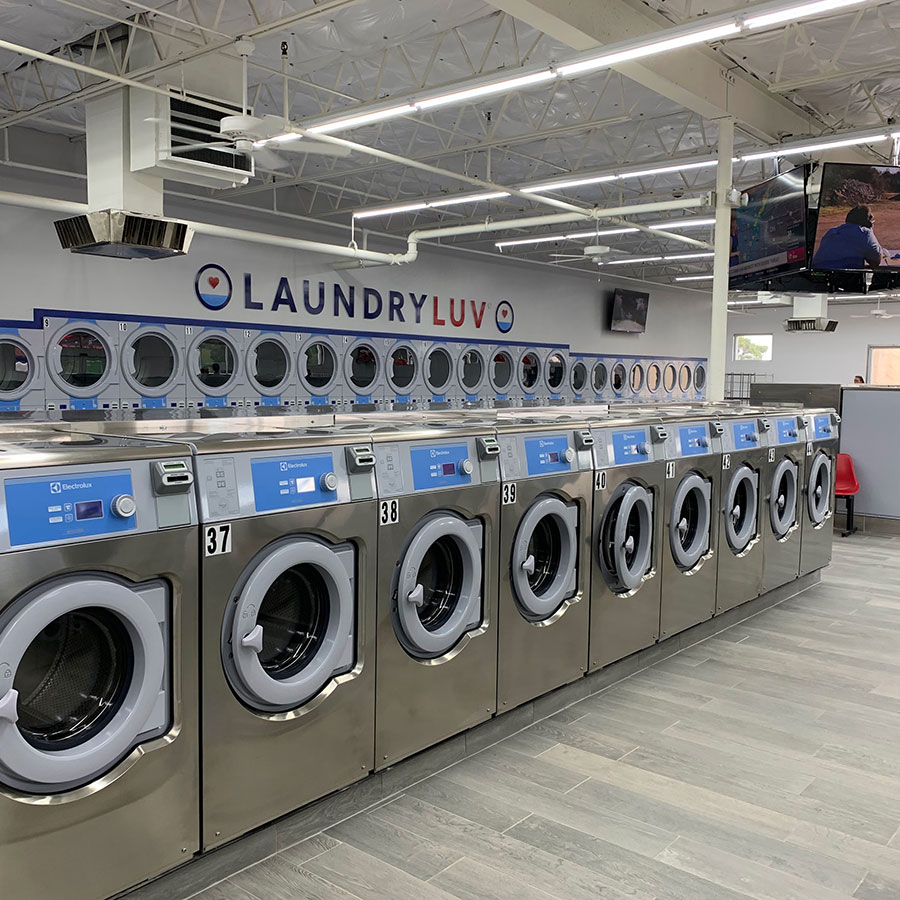
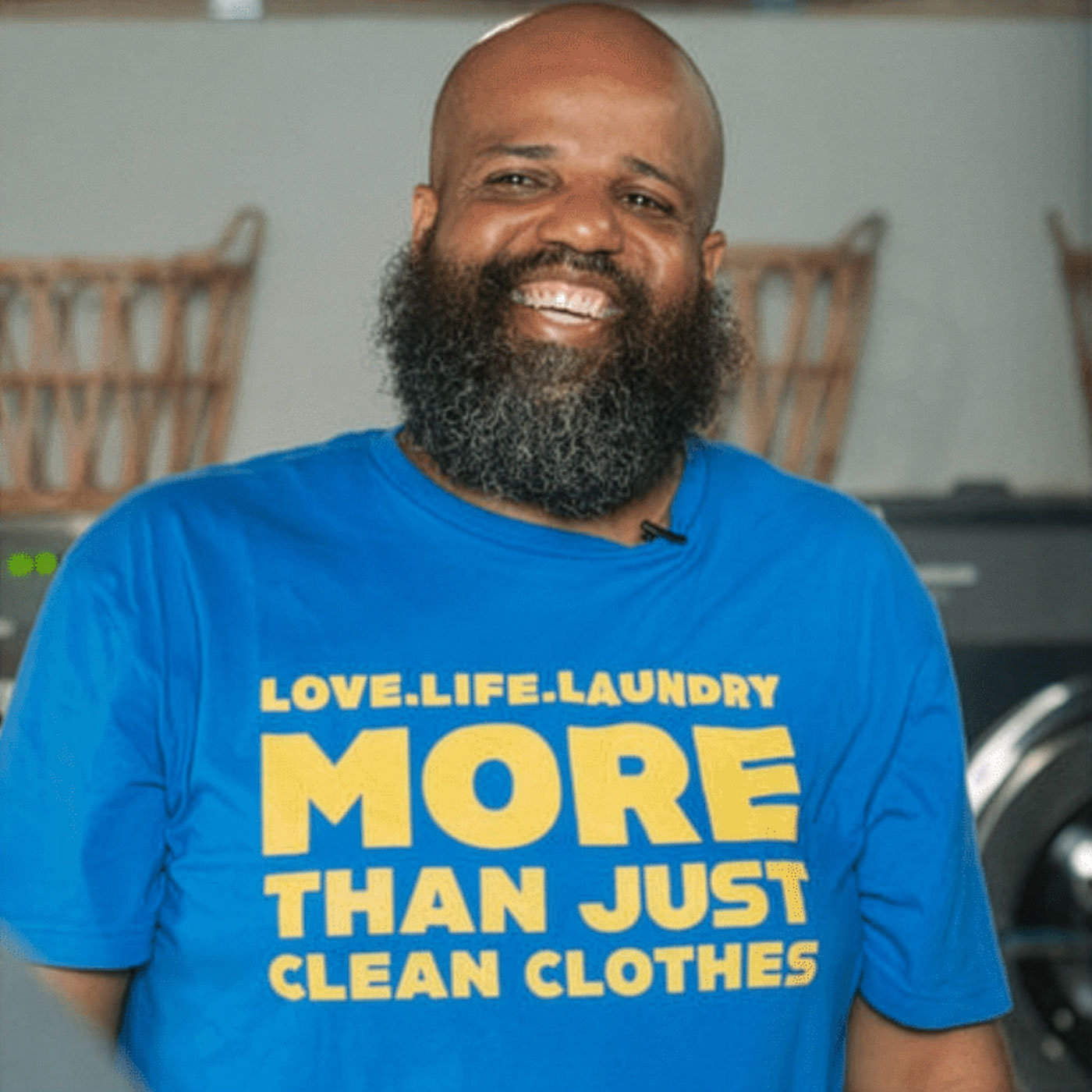
Before Ken Wimberly became chief visionary officer and co-founder of Laundry Luv, he watched an $800,000 business go to zero — and had to call every investor to tell them so. On this episode of Full Cycle, host Matt DeWolf talks with Wimberly about the anxiety and depression that followed, the morning routine and structure that pulled him out of it, and how a real estate deal in Abilene, Texas, turned into a laundromat company built around one idea: the store should feel less like a chore and more like a community hub. Wimberly also shares how his military school background led Laundry Luv to run on EOS (the Entrepreneurial Operating System), why every store manager gets a $50 budget to solve problems without asking permission, and the reading habit he credits with 10 to 15 extra books a year.This episode is sponsored by Eastern Funding.

On this episode of Full Cycle, host Matt DeWolf talks with Brian Wallace, president and CEO of CLA, The Laundry Association, about a side of the organization's work that rarely gets discussed: legislative and regulatory advocacy on behalf of laundromat owners.Wallace walks through CLA's new Advocacy Impact Report, which puts a dollar figure, $7.4 billion, on decades of legislative wins. That includes the effort to have laundromats formally classified as essential businesses at the federal level during the COVID-19 pandemic, the ongoing work to preserve state sales tax exemptions in states such as Louisiana, Nebraska and Connecticut, and recent amendments to microfiber filtration legislation in California, Illinois and New York that excluded commercial washers installed in laundromats from the requirement. He credits board member Jamie Sewell with pushing him to quantify work that had largely lived in institutional memory.Wallace also explains why the sales tax exemption, which currently applies in 41 of the 44 states that collect a sales tax, remains one of CLA's most persistent issues, and how bringing legislators into member stores, including visits with a California assembly member and a New York state senator, has helped clear up misconceptions about how laundromats operate and who they serve. The conversation closes with a look at other issues CLA tracks, from coin and currency composition to wastewater and PFAS concerns, and Wallace's advice for owners who want to get involved locally.Listeners can find the CLA Advocacy Impact Report at laundryassociation.org.This episode is brought to you by Eastern Funding, which has provided financing for laundromat purchases, construction and equipment since 1997. Learn more at easternfunding.com/laundry.Thanks for giving us a turn.

Comments

Download from Google Play

Download from App Store
 United States