


 Claim Ownership
GMS Podcasts
Subscribed: 0Played: 3
Subscribe

© GMS Inc | Copyright 2025 All rights reserved
Description
GMS is the world’s largest cash buyer of ships and offshore assets for recycling. We help our clients achieve their residual value expectations and ensure the safe and environmentally sound recycling of their vessels. We offer free training to recycling yard workers in India, Pakistan and Bangladesh through our Sustainable Ship and Offshore Recycling Program. GMS Podcasts channel offers a weekly take on the shipping markets, vessel residual values, and ship recycling.
77 Episodes
Reverse
In this Week 51 episode, Ingrid and Henning break down the latest ship recycling and demolition market signals across Bangladesh, India (Alang), Pakistan (Gadani), and Turkey (Aliaga).
This week delivers a sharp reminder of December volatility: freight markets continue to ease, the U.S. Dollar remains unstable, oil holds at relatively low levels, and local steel plate prices shift across the sub-continent. With the Hong Kong Convention (HKC) now in force, recyclers continue adapting to higher compliance expectations, while owners watch pricing and delivery timing closely heading into year-end.
Market overview highlights:
Lower supply remains the defining theme, even as fixtures and arrivals begin to surface across sub-continent beaches.
Bangladesh sees another price reset as steel plate prices drop quickly and yard capacity remains a key factor.
India remains under pressure overall, but the Rupee firms and local plate prices rebound, adding short-term optimism.
Pakistan strengthens its position with firmer domestic steel and ongoing HKC momentum, though delivery delays remain a concern.
Turkey stays largely sidelined as restrictions and currency weakness keep Aliaga quiet.
Indicative recycling levels this week (USD per LDT):
Bangladesh: Bulker 410 | Tanker 430 | Container 440
Pakistan: Bulker 400 | Tanker 420 | Container 430
India: Bulker 380 | Tanker 400 | Container 410
Turkey: Bulker 270 | Tanker 280 | Container 290
Also in this episode:
GMS is proud to share that our Founder and CEO, Dr. Anil Sharma, has been recognized in the Lloyd’s List Top 100 Most Influential People in Shipping for the 16th consecutive year. Under his leadership, GMS has completed more than 5,000 transactions and handles about one-third of global tonnage delivered for recycling each year.
If you want the full market context, pricing direction, and port position snapshots, follow GMS for weekly ship recycling intelligence.
Season’s greetings to you and your families, and thank you for listening.
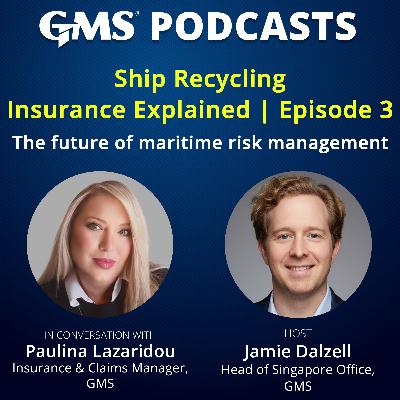
In Part 3 of Ship Recycling Insurance Explained, host Jamie Dalzell and Paulina, Head of Insurance at GMS, look ahead at the technologies, regulations, and ESG expectations that will shape the next phase of maritime risk management. As ship recycling becomes more regulated and data driven, owners, insurers, and recycling partners rely on stronger verification systems and real-time information to manage final voyage exposure.
Paulina explains how digital tools, vessel tracking, AI based routing, and improved certification processes are increasing transparency and reducing risk across the recycling chain. The conversation highlights how insurers are now linking coverage and premium terms to ESG performance, worker safety standards, carbon considerations, and responsible recycling practices. The episode also explores how GMS prepares for regulatory change by strengthening audits, working with reputable insurers, and investing in digital monitoring to maintain high operational standards.
Topics include:
• How vessel tracking and digital tools support better risk decisions
• The role of AI in voyage planning and incident prevention
• How digital certification improves transparency and compliance
• Growing ESG influence on underwriting, pricing, and coverage availability
• Environmental liability trends and new regulatory expectations
• How GMS prepares for future maritime and recycling regulations
• The importance of proactive and responsible risk management
This final episode ties together the themes of the series and shows how the future of ship recycling insurance will be shaped by technology, ESG performance, and evolving international standards.
In this Week 50 edition of the GMS Weekly Podcast, Grace and Ryan break down the latest ship recycling / demolition market developments across Bangladesh, India, Pakistan, and Turkey.
Week 50 delivers “December Downers” as sentiment weakens into year-end: the Baltic Dry Index (BDI) slips nearly 4% (with Capes down 5.6%), and oil retreats over 3% to around $57.61/bbl. A strong U.S. Dollar, softer local steel plate prices, and limited tonnage continue to pressure bids—pushing many sub-continent indications toward $400/LDT and below.
Bangladesh remains top-ranked but faces declining fundamentals—local plate prices drop about $9/ton into the high-$490s, and political risk rises with elections confirmed for Feb 12, 2026. India (Alang) stays the weakest as steel levels ease to roughly $377/ton, and the INR hits around 90.50 to the Dollar. Pakistan (Gadani) remains quiet despite ongoing Hong Kong Convention (HKC) progress; inflation sits near 6.1%, plate levels around $575/ton, and the PKR near 280.35. Turkey (Aliaga) is stable but slow, with the TRY near 42.70.
Indicative price levels this week (USD/LDT):
Bangladesh 410 / 430 / 440 (Bulker / Tanker / Container)
Pakistan 400 / 420 / 430
India 380 / 400 / 410
Turkey 270 / 280 / 290
For the full report, rankings, and port positions, download the GMS Weekly via the GMS App or our website. Follow GMS on LinkedIn and social media for daily ship recycling market updates.
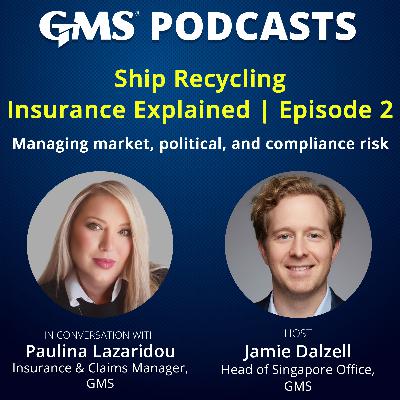
In Part 2 of Ship Recycling Insurance Explained, Jamie Dalzell and Paulina, Head of Insurance at GMS, examine how insurance helps manage market volatility, political risk, and compliance pressures in global ship recycling. Many recycling destinations face currency restrictions, regulatory challenges, and shifting geopolitical conditions, and this episode explains how structured insurance programs provide stability and protection throughout the final voyage.
Paulina outlines how GMS works with global reinsurers, A rated insurance markets, and experienced local correspondents to secure reliable coverage, even in complex jurisdictions. She also discusses how tailored policy wording addresses sanctions, convertibility and enforceability concerns, and the wider risk environment surrounding ship recycling. The episode highlights the growing influence of ESG standards and how insurance supports verification of safe manning, pollution safeguards, and green recycling requirements.
Topics include:
• Structuring insurance in markets with currency or political instability
• Using strong reinsurance capacity to protect voyage and liability exposure
• Managing sanctions, convertibility, and enforceability risk
• Insurance as verification of ESG and responsible recycling standards
• Coordination between insurance, trading, and operations teams
• Monitoring routing, weather, warranties, COFR, SOR, and P and I entries
• Emerging risks shaping the next phase of global ship recycling
This episode shows how insurance helps GMS navigate uncertainty and maintain safe, compliant, and responsible recycling operations across multiple jurisdictions.

In this Week 49 edition of the GMS Weekly Podcast, Grace and Ryan review the latest ship recycling market developments across Bangladesh, India, Pakistan, and Turkey.
The final weeks of 2025 brought softer steel prices, weaker currencies, and a continued shortage of available tonnage. The Baltic Dry Index slipped about 3 percent, oil steadied near 59 dollars 70 cents a barrel, and local plate levels fell by roughly 5 dollars per ton across the sub-continent.
Bangladesh remains at the top of the price rankings despite a quieter market, while India faces another week of limited arrivals and declining fundamentals. Pakistan is building momentum following confirmation of its first Hong Kong Convention-approved yard in Gadani, and Turkey shows modest improvement as local steel prices rise 10 dollars per ton.
Ingrid and Henning also discuss year-end sentiment, the impact of currency moves, and expectations for 2026 as recyclers invest in new HKC-compliant capacity.
For full details, vessel rankings, and port positions, download the GMS Weekly on our website or mobile app. Follow GMS on LinkedIn, Facebook, Instagram, and Twitter for daily updates.

Welcome to Part 1 of the GMS Podcast series Ship Recycling Insurance Explained. In this episode, host Jamie Dalzell speaks with Paulina, Head of Insurance at GMS, about why insurance is a critical part of every ship’s final voyage to the recycling yard. Ship recycling carries unique navigational, environmental, and liability risks, and strong insurance protection is essential for safe and compliant operations.
Paulina explains how insurance supports owners, crews, third parties, and the environment throughout the final voyage. The discussion covers how Marine Warranty Surveyors, P&I coverage, hull insurance, pollution safeguards, and contractual compliance come together to manage risk from departure to delivery.
Topics in this episode include:
• Key risks involved in the final voyage
• Navigation risk assessments and the role of Marine Warranty Surveyors
• Crew and third-party liability protection
• Pollution exposure and environmental safeguards
• Contractual compliance with international recycling standards
• How reputable insurers strengthen responsible recycling at GMS
• How ESG expectations are reshaping insurance requirements
This episode sets the foundation for the series by explaining why insurance is central to safe, responsible, and transparent ship recycling. It offers clear insight into how GMS works with first-class insurers to protect every stakeholder involved in the process.
Follow GMS on LinkedIn and subscribe for Part 2, where we explore how insurance helps manage market volatility, political risk, and global compliance pressures.

In this Week 48 edition of the GMS Weekly Podcast, hosts Ingrid and Henning review another eventful period in the global ship recycling market as the industry navigates uneven fundamentals and prepares for the final month of the year.
Market conditions across South Asia remained under pressure. Steel plate prices declined in Bangladesh, India, Pakistan and China. The US dollar weakened in all major recycling destinations except Turkey. Freight markets continued their positive momentum, with the Baltic Dry Index rising by 3.2% to its highest level since December 2023. Oil prices stayed soft and ended the week near 59 dollars per ton, almost 14% lower than a year ago. Supply of recycling candidates remains limited as owners continue trading their vessels on strong freight earnings.
Global supply tightness contributed to a mixed pricing environment. Smaller lightweight units are often trading below 400 dollars per lightweight ton, while cleaner and larger vessels can still command higher levels in select locations.
Bangladesh stayed at the top of the pricing charts. Indicative levels were about 410 dollars per lightweight ton for bulkers, 430 dollars for tankers and 440 dollars for container vessels. Domestic fundamentals, however, weakened again. Local steel plate prices fell by 11 dollars to about 506 dollars per ton. The Taka improved slightly and closed at 122.08. Political tensions remain in the background ahead of the February 2026 elections. Chattogram recorded five new arrivals this week, including LPG units, a bulker and a chemical tanker, totaling 22,459 lightweight tons. Bangladesh now has 21 approved HKC yards, with one more close to completion.
India experienced another quiet week. Most tonnage continues to struggle to reach 400 dollars per lightweight ton, keeping Alang behind Bangladesh and Pakistan for preferred vessels. Steel plate prices slipped to about 390 dollars per ton, and the Rupee ended the week around 89.35. Indicative pricing remained about 380 dollars per lightweight ton for bulkers, 400 dollars for tankers and 410 dollars for container ships. Although India reported GDP growth of 8.2 percent, the recycling market continues to face pressure from higher import costs, weaker domestic sentiment and stronger competition from HKC-compliant yards elsewhere.
Pakistan recorded the most important development of the week. Prime Green Recyclers in Gadani received HKC approval from Bureau Veritas, the first yard in Pakistan to qualify. Additional yards are undergoing upgrades and are expected to follow in the next few months. Steel plate prices in Pakistan declined by 7 dollars to about 579 dollars per ton. The Rupee firmed slightly to around 282. Indicative pricing stood at 400 dollars per lightweight ton for bulkers, 420 dollars for tankers and 430 dollars for container units. Gadani did not receive any new vessels this week.
Turkey remained stable. Prices held around 260 dollars per lightweight ton for bulkers, 270 dollars for tankers and 280 dollars for container vessels. The Turkish Lira weakened further and moved past 42.50 against the US dollar. Inflation remains elevated, although the economy continues to show growth. Recycling activity in Aliaga stayed limited.
Across the subcontinent, the market continues to operate with restricted supply, weaker fundamentals and shifting currency conditions. HKC progress in Bangladesh and Pakistan is improving the competitive landscape and setting the stage for stronger compliance and sustainability in the year ahead.
For full details, vessel rankings, and port positions, download the GMS Weekly on our website or mobile app. Follow GMS on LinkedIn, Facebook, Instagram, and Twitter for daily updates.

In this 2025 Week 47 edition of the GMS Weekly Podcast, host Ingrid and co-host Henning review another challenging week in global ship recycling as forums and frictions shape sentiment across South Asia. Oil futures slipped to around USD 57.7 per barrel, freight rates stayed active but below last year’s highs, local steel plate prices weakened in key recycling destinations, and currency devaluations in India and Bangladesh continued to erode recyclers’ purchasing power. Regulators in the United States and European Union also moved ahead with new sanctions on Russia and Iran, targeting dark fleet activity and raising questions over how hundreds of older vessels will eventually be recycled.
Global Market Overview
Market volatility persisted through late November. Oil prices are now more than 6% lower on the month and around 16% below the same period in 2024. The Baltic Dry Index improved week on week but remains far under last year’s levels, which limits demolition candidates even as older tonnage creeps closer to recycling age. Combined with softer steel prices and unstable foreign exchange markets, this has kept supply tight and negotiations cautious at ship recycling yards.
Bangladesh
Bangladesh remains the price leader in South Asia, with demo indications around USD 410 per LDT for dry bulk, USD 430 for tankers, and USD 440 for container vessels. Despite the pricing edge, 2025 has been thin on actual volumes. Inflation has hovered between 8% and 9%, and the Bangladeshi Taka weakened again to roughly BDT 122.5 per USD. Local steel plate prices slipped to about USD 525.9 per ton as yards struggle to move stockpiled recycled steel while cheaper imported scrap continues to pressure domestic demand. Political tensions ahead of the February 2026 elections and sporadic unrest are adding to the cautious tone. On the positive side, Bangladesh has now reached 20 HKC approved yards, with more facilities working through the certification process and ongoing worker training through the GMS Sustainable Ship and Offshore Recycling Program.
India
The Alang recycling market stayed quiet. Few new deals were reported as Indian recyclers faced a sharp currency move. The Rupee fell to around Rs 89.6 per USD, bringing it close to the Rs 90 level that undermines confidence in future pricing. Steel plate prices improved slightly to approximately USD 398 per ton but remain below the USD 400 threshold. Smaller or less preferred ships are still priced under USD 400 per LDT even though nominal demo indications stand near USD 380 for bulk carriers, USD 400 for tankers, and USD 410 for container ships. With limited tonnage, weaker currency, and competition from lower-cost imported steel, Alang’s yards are under pressure, and India’s long-standing advantage as the main HKC compliant destination is beginning to narrow as Bangladesh and Pakistan add more approved yards.
Pakistan
Pakistan delivered the week’s most encouraging structural development. Gadani’s first HKC compliant recycling yard is expected to receive formal approval shortly, with two or three additional yards targeted over the next few months and further upgrades planned into mid 2026. This represents a significant step in bringing Pakistan fully into the compliant recycling landscape. In the short term, however, trading conditions remain subdued. Domestic steel plate prices fell by USD 11 to around USD 586 per ton, still the highest level in the region but weighed down by cheaper product imported from Iran. The Pakistani Rupee firmed slightly to about PKR 282.6 per USD, yet this was not enough to lift sentiment. For the third consecutive week, there were no meaningful fresh market arrivals, and demo indications remain around USD 400 per LDT for bulkers, USD 420 for tankers and USD 430 for containers.
Turkey
The Aliaga market was steady but very quiet. Prices held in the USD 260 to 270 per LDT range for bulk and tanker units and close to USD 280 for container vessels. The Turkish Lira weakened further, moving beyond TRY 42.4 per USD. Steel plate prices and demand were largely unchanged, leaving local yards operating in a constrained, high cost environment with little new tonnage to work on.
Market Sentiment and Outlook
Across South Asia and Turkey, ship recyclers are facing the combined weight of weaker currencies, softer or stagnant steel values, and a limited flow of recycling candidates. At the same time, HKC progress in Bangladesh and the first approvals in Pakistan are building a stronger foundation for compliant and sustainable ship recycling in the years ahead. As 2026 approaches, attention is turning to how the industry will manage the growing pool of aging dark fleet ships and 30 year old vessels once freight markets ease and demolition activity finally starts to pick up.
For full details, vessel rankings, and port positions, download the GMS Weekly on our website or mobile app. Follow GMS on LinkedIn, Facebook, Instagram, and Twitter for daily updates.

In this new episode of Inside the Markets from GMS Podcasts, host Jamie Dalzell is joined in Athens by Ilias Stasinos of GMS Greece to break down the latest trends in the ship recycling market as 2025 comes to a close. Together, they look at how global freight rates, weaker currencies in the subcontinent, and softer scrap steel prices are shaping ship recycling decisions for Greek owners and recyclers in India, Bangladesh, Pakistan, and Turkey.
Despite geopolitical risk, currency pressure, and uneven local steel markets, most Greek shipowners remain in trading mode, keeping even late twenties vessels in service while they wait for clearer price signals. Jamie and Ilias discuss why HKC compliant yards in India and Bangladesh still dominate decisions for listed and reputation sensitive owners, what is holding Pakistan back despite competitive indications, and how Turkey is maintaining its niche role for EU flagged tonnage.
This episode offers concise, real time intelligence for anyone following ship recycling, green recycling, dry bulk, and demolition markets, with a particular focus on the role of currencies, compliance, and sentiment in setting the next move.
Key Highlights
Current ship recycling prices and buyer sentiment in India, Bangladesh, Pakistan and Turkey
Why Greek owners are still trading instead of recycling, even with older Panamax bulkers
How currency depreciation across the subcontinent is squeezing recyclers and shaping bids
The importance of HKC certified and compliant ship recycling yards for listed and blue chip owners
Pakistan’s recent steel price correction, sub USD 600 local levels and the wait for its first HKC approved yard
Turkey’s role as a niche destination for EU flag tonnage amid a weakening lira and limited capacity
Which vessel types are closest to the economic edge and most likely to be recycled if freight softens
Why currencies are now driving market sentiment as much as scrap prices and freight rates
Stay tuned to GMS Podcasts for more episodes of Inside the Markets covering ship recycling trends, trading flows and maritime market intelligence from key recycling and shipping hubs worldwide. Subscribe to the GMS Podcasts and follow GMS on LinkedIn for future updates and discussions.
In this 2025 Week 46 edition of the GMS Weekly Podcast, host Grace and co-host Ryan review global ship recycling markets as 2025 enters its final stretch. Falling steel prices, a firm U.S. Dollar, and limited vessel supply kept sentiment weak across South Asia.
Global Market Overview
Market volatility persisted through mid-November. The Baltic Dry Index continued to rise across all sub-sectors, while oil futures slipped to around USD 59.50 per barrel following a Ukrainian drone strike on Russia’s Novorossiysk refinery.
The U.S. Dollar strengthened further, reducing recyclers’ purchasing power, while steel-plate prices in key destinations declined. Transactions closed mostly in the low USD 400s per LDT, with smaller or less-preferred units moving in the high USD 300s.
Bangladesh
Activity improved slightly as seven vessels totaling about 66,000 LDT reached Chattogram, including a large 21 K LDT bulk carrier.
Despite this influx, overall sentiment remains fragile. Political tension ahead of the February 2026 elections, high tariffs near 30 percent, and a weaker Taka (BDT 122.35 per USD) continue to challenge local recyclers. Steel-plate prices dropped another USD 1 per ton, signaling persistent caution in the market.
India
The Alang recycling market stayed quiet but stable. India’s strong HKC-compliant yard base provides structure, yet demand remains limited. Smaller dry units are only just touching USD 400 per LDT.
The Rupee eased to Rs 88.70 per USD, while steel-plate prices gained about USD 4 per ton, offering a modest boost. Industry participants expect 2026 to mirror 2025’s challenges unless global fundamentals improve.
Pakistan
After a brief recovery earlier in the quarter, Gadani activity slowed again. No new vessels arrived, and the country still awaits its first HKC-approved yard.
Steel-plate prices fell USD 13 per ton to below USD 600, and the PKR weakened to 282.80 per USD. Ongoing inflation and the inflow of cheaper Iranian steel continue to pressure local recyclers and reduce competitiveness.
Turkey
The Aliaga market remained steady with prices in the USD 260 to 280 per LDT range. The Turkish Lira slipped beyond TRY 42.30 per USD, maintaining difficult trading conditions. Despite weak fundamentals, yards are working to sustain operations and meet regional recycling demand.
Market Sentiment
Across South Asia, recyclers face a combination of currency weakness, volatile commodity prices, and cautious end-users. As 2025 draws to a close, attention turns to 2026 for potential stabilization and renewed tonnage flow.
For full details, vessel rankings, and port positions, download the GMS Weekly on our website or mobile app. Follow GMS on LinkedIn, Facebook, Instagram, and Twitter for daily updates.

In this Week 45 edition of the GMS Weekly Podcast, global ship recycling markets remain subdued as weak fundamentals, falling steel prices, and currency volatility continue to pressure recyclers across South Asia.
From Bangladesh and India to Pakistan and Turkey, sentiment stays fragile while inflation, sanctions, and lack of supply define the tone.
Global Market Overview
Markets limped through early November as macro pressures persisted. The Baltic Dry Index gained about 7% for the week, with Capes up 3.1%, Panamaxes 0.9%, and smaller segments rising 0.5%.
Oil slipped again, closing just above USD 60 per barrel, while renewed U.S. sanctions and weaker global demand continue to cloud forecasts.
Inflation in key recycling nations remained uneven: Pakistan saw renewed price pressure, Turkey and Bangladesh stayed unstable, and India’s figures remain pending.
Bangladesh
Chattogram stayed on top in name but not in action, with no viable tonnage arrivals and local buyers offering above-market rates just to keep yards active.
The Taka depreciated further to BDT 121.93 per USD, and domestic steel plate prices collapsed, ending the week with no trading reported.
Inflation hovered at 8.17%, while political and economic uncertainty weigh heavily heading into 2026.
India
Alang continues to show resilience despite ongoing price weakness.
Steel plate levels fell to USD 388.95 per ton, while the INR slipped to 88.67 per USD.
Despite those declines, two mini-VLCCs arrived this week, showing India’s growing dominance as an HKC-compliant recycling destination.
Pakistan
Gadani’s market remains under heavy strain, with offers below USD 400 per LDT as cheap Iranian steel imports flood the market.
Local steel prices held around USD 614 per ton, but the PKR weakened to 282.5 per USD, and inflation jumped to 6.2%.
Still no HKC-approved yards, leaving Gadani struggling for competitiveness.
Turkey
Aliaga stayed mostly silent this week.
The Lira plunged nearly 40 basis points to TRY 42.23 per USD, while local recyclers tried to lift prices slightly to attract tonnage, with little success so far.
Market Sentiment
With global inflation, currency devaluation, low supply, and soft steel fundamentals, the world’s ship recycling sector continues to drift through uncharted waters.
Optimism now shifts to 2026 as recyclers await a long-overdue "Trading Day."
For full details, vessel rankings, and port positions, download the GMS Weekly on our website or mobile app. Follow GMS on LinkedIn, Facebook, Instagram, and Twitter for daily updates.
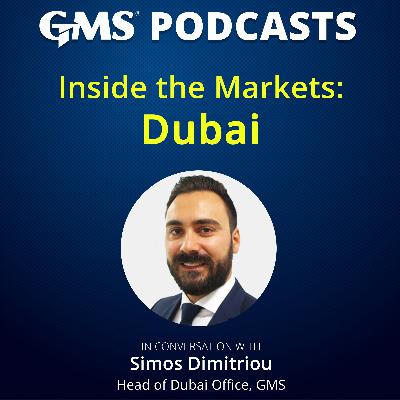
In this new episode from GMS Podcasts, host Jamie Dalzell is joined by Simos Dimitriou, Head of the GMS Dubai Office, to discuss how global economic pressures, shifting currencies, and fluctuating steel prices are shaping the ship recycling markets across the subcontinent.
As oil prices slide and OPEC+ announces supply cutbacks, recyclers in India, Bangladesh, and Pakistan face a stultifying market with tight supply and hesitant owners. From currency challenges and HKC yard compliance to creative deal structures in Dubai, this conversation offers real-time intelligence on how the region is adapting as 2025 closes.
Key Highlights:
Current ship recycling prices and sentiment in India, Bangladesh, and Pakistan
How currency volatility and Iranian steel imports are reshaping price competition
India’s reliability through HKC-certified yards and compliance leadership
The slow pace in Bangladesh and pre-election uncertainty
Pakistan’s pricing correction and operational constraints
Dubai’s evolving role as a hub for structured and leaseback recycling deals
Forecast for early 2026 and expected tonnage flow
Despite the slowdown, disciplined owners and compliant yards continue to anchor confidence in the region’s green ship recycling ecosystem.

In this Week 44 edition of the GMS Weekly Podcast, the global ship recycling industry closes October on a haunting note as weak fundamentals, volatile currencies, and scarce tonnage continue to shadow the sub-continent markets. From India and Bangladesh to Pakistan and Turkey, sentiment stays fragile while inflation trends, oil movements, and new HKC developments keep recyclers on edge.
Global Market Overview
October ended with more tricks than treats. The Baltic Dry Index slipped 1.3 percent week-on-week and nearly 8 percent for the month, marking its first monthly drop since April. Oil eased almost 1 percent to around USD 60.67 per barrel as OPEC+ announced fresh Q1 2026 cutbacks. A temporary U.S.–China trade truce brought brief relief, but volatility and policy uncertainty persist.
Limited vessel supply kept yards mostly idle, with buyers hesitant to commit amid falling plate prices and a widening two-tier market for sanctioned ships.
Bangladesh
Chattogram showed faint sparks as a few hungry recyclers chased prompt deals, but domestic steel demand failed to ignite. Local plate levels slipped USD 3 to USD 529.50 per ton, and the taka weakened to BDT 122.37 per USD. HKC certifications continue to climb, with 21 yards expected to be approved by year-end, a bright spot in an otherwise subdued market.
India
Alang faced another quiet stretch as the rupee dropped 1.25 percent to INR 88.70. Steel prices ended flat, while discounted sanctioned vessels pushed legitimate bids lower, unsettling buyers and widening the pricing gap. Inflation remains low at 1.54 percent, hinting at potential relief through cheaper financing if confidence returns.
Pakistan
Gadani recyclers endured renewed “imports ire.” Cheap Iranian steel and a lack of HKC-compliant yards kept activity muted despite plate values roughly USD 230 above India’s. The PKR closed at 283.17 per USD as margins tightened and sentiment weakened.
Turkey
Aliaga continued to face a supply pinch. Local recyclers raised offers slightly to attract owners, but the lira slid to TRY 42.06 and inflation rose above 33 percent. With few vessels arriving, operational pressure remains heavy.
Market Sentiment
As we sail into November, recyclers confront familiar headwinds: weak demand, currency stress, HKC uncertainty, and a vanishing pipeline of ships. Whether markets rebound or remain haunted will define the rest of 2025.
For full details, vessel rankings, and port positions, download the GMS Weekly on our website or mobile app. Follow GMS on LinkedIn, Facebook, Instagram, and Twitter for daily updates.
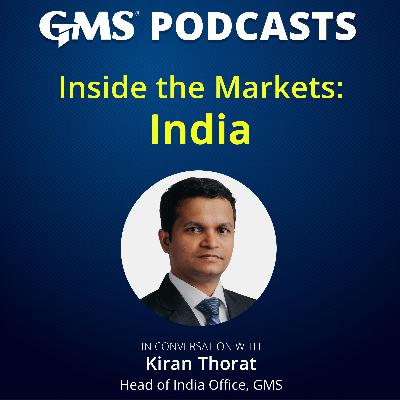
India’s ship recycling market remains a cornerstone of global green recycling, combining scale, compliance, and experience. In this episode of Inside the Markets from GMS Podcasts, Jamie Dalzell speaks with Kiran Thorat, Head of GMS India Office, about the current sentiment in Alang, market pricing trends, and how India continues to lead through discipline and compliance.
As South Asia experiences slower activity and price corrections, Indian recyclers are showing remarkable patience and readiness. With over 110 Hong Kong Convention–compliant yards, India remains the preferred destination for safe and transparent ship recycling. Kiran discusses how the industry is maintaining full operational capability, managing staff and infrastructure, and preparing for a modest recovery heading into year-end 2025.
Key Highlights:
• Current pricing correction and sentiment across Alang
• How Indian yards maintain full staff and HKC compliance during slow phases
• Challenges in negotiations between shipowners and end buyers
• India’s continued global leadership with over 110 HKC-certified yards
• Outlook for Q4 2025 and early signs of recovery post-Diwali
• Kiran Thorat’s message to the global ship recycling community
India’s steady, compliance-driven approach continues to anchor confidence in global ship recycling. With disciplined operators, transparent processes, and a focus on safety, Alang remains at the forefront of responsible ship dismantling and green steel recovery.
Follow GMS Podcasts for market intelligence and regional updates from our country heads in Asia, the Middle East, and Europe. Subscribe to the GMS Podcasts and follow GMS on LinkedIn for future updates and discussions.

In this Week 43 edition of the GMS Weekly Podcast, we review another subdued week in the global ship recycling markets as currencies fluctuated, steel plate prices softened, and sentiment across India, Bangladesh, Pakistan, and Turkey remained weak.
Global Market Overview
Markets slowed across the board as the Baltic Dry Index slipped about 3.2% to its lowest level since early October. Oil prices found mild traction, firming to USD 62.14 per barrel, up roughly 1% on expectations of a possible China–U.S. trade deal. Inflation in the United States rose to 3%, while sanctions and tariff pressures added further uncertainty.
Recycling prices across the Sub-continent continued to fall, with levels below USD 400 per LDT now widely discussed. Supply of tonnage remained extremely limited, leaving yards mostly idle despite steady freight markets.
Bangladesh
Chattogram showed sporadic activity with a few larger LDT units drawing attention, including LNG carriers PUTERI NILAM and PUTERI DELIMA sold en bloc on private terms, and bulker MONICA P (7,779 LDT) sold at USD 380 per LT LDT “as is” Belawan. The Taka weakened to BDT 122.35, while local steel plate slipped another USD 3 per ton. Elections scheduled for February 2026 continue to shape local sentiment.
India
Alang endured another quiet week as Diwali holidays passed with little recovery. Steel plate prices remained near USD 389 per ton, and the rupee closed at INR 87.54. More than 100 HKC-certified yards remain empty, as prices for clean tonnage fall below USD 400 per LDT and the arrival of shadow-fleet vessels further depresses sentiment.
Pakistan
After recent optimism, Gadani slowed again due to an influx of cheap Iranian scrap steel. Local recyclers hesitated to offer on limited tonnage as plate prices held near USD 614 per ton. The rupee weakened to PKR 283.50 per USD. Larger dry units remain preferred, while smaller vessels are avoided amid certification delays.
Turkey
Little movement was recorded in Aliaga as the Lira slipped to TRY 42.08 per USD and local steel values remained largely unchanged. Offers stayed within USD 250–270 per LDT as sentiment stayed weak.
Market Sentiment
With October ending, global freight remains firm and oil prices higher, but the recycling sector continues to face record-low supply, fading prices, and growing uncertainty.
For full details, vessel rankings, and port positions, download the GMS Weekly on our website or mobile app. Follow GMS on LinkedIn, Facebook, Instagram, and Twitter for daily updates.

Japan’s ship recycling market continues to demonstrate stability and foresight amid a softer global environment. In this episode of Inside the Markets from GMS Podcasts, Jamie Dalzell, Head of GMS Singapore Office , speaks with Amit Malhotra, Head of GMS Japan Office, about how Japanese shipowners are adapting to new compliance standards under the Hong Kong Convention and preparing for long-term sustainability.
With steel prices easing to the high USD 300s and limited recycling activity across the subcontinent, Japan remains focused on responsible recycling, IHM maintenance, and the gradual adoption of the GMSSustainable Ship and Offshore Recycling Program (SSORP).
Key Highlights:
Current market pricing and activity across Japan and South Asia
Japanese owners’ disciplined approach to recycling and compliance
The growing role of SSORP in IHM and sustainable ship management
Outlook for steam turbine LNG carrier recycling in 2025–2026
How GMS supports owners with structured and compliant recycling strategies
Japan’s calm and deliberate market strategy offers valuable insight into how long-term vision and technical integrity continue to guide responsible ship recycling.
Follow GMS Podcasts for market intelligence and regional updates from our country heads in Asia, the Middle East, and Europe. Subscribe to the GMS Podcasts and follow GMS on LinkedIn for future updates and discussions.

In this Week 42 edition of the GMS Weekly Podcast, we review another turbulent week in the global ship recycling markets, shaped by volatile currencies, a softening steel market, and shifting regional sentiment across India, Bangladesh, Pakistan, and Turkey.
Global Market Overview
Freight markets strengthened slightly as the Baltic Dry Index gained just over 1%, supported by Capesize, Panamax, and Dry segments. Oil prices continued to slide, closing near USD 57.38 per barrel, down 8% month-on-month and 18% year-on-year.
Currencies stayed under pressure across the Sub-continent: the Indian rupee hovered near Rs 88.02 per USD, the Pakistani rupee weakened to PKR 283.6, the Bangladeshi taka slipped to BDT 122, and the Turkish lira traded close to TRY 42.
Steel plate prices fluctuated across regions, with India around USD 389 per ton, Pakistan steady near USD 614, and Bangladesh holding around USD 519.
Bangladesh
After brief optimism, Chattogram slowed again. Local recyclers paused new purchases despite steel holding near USD 519 per ton and the taka weakening to BDT 122 per USD. Inventories continued to build while the market waited for political clarity and a new government direction.
India
Alang remained quiet as steel plates fell to USD 389 per ton and the rupee traded near Rs 88 per USD. Over 120,000 LDT of vessels arrived, but buyers mostly stayed away ahead of Diwali. Sentiment remains weak despite steady arrivals.
Pakistan
Inflation and cheaper Iranian steel imports pushed domestic plate prices down to USD 614 per ton. The rupee depreciated to PKR 283.6 per USD, and no yards have yet achieved Hong Kong Convention accreditation. Most buyers remain cautious and on hold.
Turkey
The Turkish lira closed around TRY 42 per USD. Offers were steady, but activity was limited as the year-end approaches and tonnage supply remains tight.
Market Sentiment
Volatility, inflation, and regulatory uncertainty continue to shape the global ship recycling landscape. India faces pricing pressure, Bangladesh is cautiously reawakening, Pakistan struggles with inflation and compliance, and Turkey stays muted.
For full details, vessel rankings, and port positions, download the GMS Weekly on our website or mobile app. Follow GMS on LinkedIn, Facebook, Instagram, and Twitter for daily updates.
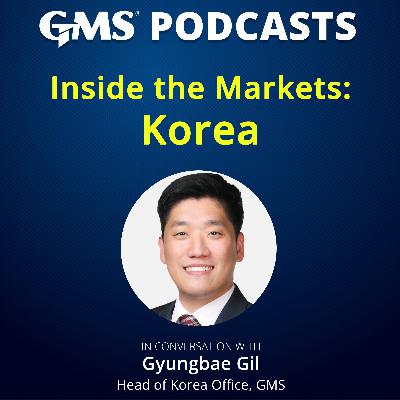
Asia’s recycling markets are shifting, but Korea is staying steady. In this Seoul special of Inside the Markets from GMS Podcasts, host Jamie Dalzell speaks with Gyungbae Gil, Head of the GMS Korea Office, to explore how Korean shipowners are navigating a volatile environment with patience, discipline, and a long-term view.
Gyungbae explains how falling steel prices, fluctuating currencies, and uneven regional demand are reshaping the recycling landscape. With freight markets still firm, most Korean owners are keeping vessels trading and preparing for future compliance under the Hong Kong Convention.
Key Discussion Points
Market Pulse: steel prices under pressure with India around USD 390 per ton, Bangladesh USD 520, and Pakistan USD 610 per ton
Currency Impact: a weakening Indian rupee near 89 per USD is keeping buyers cautious across South Asia
Owner Strategy: Korean shipowners continue trading longer amid firm freight rates with limited tonnage recycled in recent months
Compliance Focus: increased attention on HKC certified yards as ESG reputation drives recycling decisions
Regional Outlook: India remains active but soft, Bangladesh cautious, and Pakistan strong on pricing but lacking HKC certification
Forecast: a quiet end to 2025 expected with more recycling likely once freight softens and prices stabilize
From Seoul to shipyards across the subcontinent, the message is consistent. Trade now, recycle responsibly later.
Follow GMS Podcasts for market intelligence and regional updates from our country heads in Asia, the Middle East, and Europe. Subscribe to the GMS Podcasts and follow GMS on LinkedIn for future updates and discussions.
In this Week 41 edition of the GMS Weekly Podcast, we review another dramatic week across global ship recycling, marked by geopolitical uncertainty, volatile currencies, and weakening steel fundamentals across India, Bangladesh, Pakistan, and Turkey.
Global Market Overview
• Global markets endured a turbulent week as renewed Middle East tensions and wider economic jitters weighed on sentiment.
• Oil prices fell further to around USD 59.81 per barrel, nearly 18 percent lower than the same time last year.
• The Baltic Dry Index rose slightly by 13 points, supported by Capesize and Panamax gains, while smaller vessels softened overall.
• Currencies remained under pressure across the sub-continent, with the Indian rupee approaching 89, the Pakistani rupee at 283.20, and the Turkish lira at 41.82 to the dollar.
• Steel plate prices fluctuated across regions, with most markets showing mild declines through the week.
Regional Highlights
Bangladesh:
Activity is finally showing signs of recovery after nearly two quarters of an HKC-induced standstill. A few well-priced sales, including a Capesize bulker, were concluded from cash-buyer inventories as local recyclers with open credit lines returned to action. The Taka weakened to about BDT 121.55 per USD, and steel plates held steady near USD 519 per ton. Market sentiment is cautiously improving as attention shifts toward national elections scheduled for early 2026.
India:
Fundamentals continue to weaken. Steel prices slipped another USD 7 per ton to around USD 391, while the rupee eased to Rs 88.75 per USD, moving closer to the Rs 90 mark. Despite this, activity stayed strong with more than 10 vessels totaling nearly 120,000 LDT arriving in Alang this week, including the Bow Cedar and Shaurya II. India remains the region’s volume leader but continues to face pricing pressure.
Pakistan:
The headline says it all: War = 2 / HKC = 0. Despite adopting the Hong Kong Convention more than eight months ago, no yard has yet achieved accreditation. Ongoing border tensions and tariff uncertainty are straining local economics. The Pakistani rupee weakened to PKR 283.20 per USD, while steel plates eased to about USD 616.80 per ton. With little new tonnage arriving, Gadani yards remain largely inactive.
Turkey:
The Turkish lira lost another 30 basis points to close at TRY 41.82 per USD. Although local recyclers remain relatively steady, tonnage availability is limited as most deep-sea units continue heading for sub-continent destinations instead of EUSRR-regulated yards.
Market Sentiment:
Volatility, political uncertainty, and fluctuating currencies continue to define the ship-recycling landscape. India holds the fort, Bangladesh is gradually reawakening, Pakistan struggles with instability, and Turkey keeps sliding lower.
For full details, vessel rankings, and port positions, download the GMS Weekly on our website or mobile app. Follow GMS on LinkedIn, Facebook, Instagram, and Twitter for daily updates.

Greek shipping remains steady while global markets show signs of fatigue. In this Athens edition of Inside the Markets from GMS Podcasts, host Jamie speaks with Ilias Stasinos, Trader at GMS Greece, about how owners are managing the balance between strong freight earnings and weaker recycling prices.
Oil prices have fallen to around 60 dollars per barrel, freight indices have slipped, and steel markets remain uneven across the subcontinent. Despite that, Greek owners continue to keep their ships trading rather than recycling, with many expanding into Russian oil routes to capture stronger earnings.
Key Discussion Points
Freight and oil softness: how Greek owners are adjusting their trading strategies
India: active market under currency and steel pressure, with rupee near 88.7 per dollar
Pakistan: higher plate prices near 620 dollars per ton, but HKC certification still pending
Bangladesh: limited activity despite 18 HKC-approved yards and more upgrades on the way
Greece: why owners are focusing on trading opportunities over recycling in Q4
Market outlook: how geopolitics, currencies, and trade shifts may shape early 2026
From Athens to Alang and Gadani, the signal is clear. Owners are holding on to ships as long as trading income stays ahead of recycling prices, keeping tonnage supply thin as the year closes.
Follow GMS Podcasts for market intelligence and regional updates from our country heads in Asia, the Middle East, and Europe. Subscribe to the GMS Podcasts and follow GMS on LinkedIn for future updates and discussions.

Comments

Download from Google Play

Download from App Store
 United States