


 Claim Ownership
Good Distinctions
Subscribed: 7Played: 107
Subscribe

© Will Wright Catholic
Description
Good Distinctions are the spice of life!
We desire to REIGNITE good conversations, to SEEK out the best distinctions, and INSPIRE others to do the same!
https://gooddistinctions.com/
www.gooddistinctions.com
We desire to REIGNITE good conversations, to SEEK out the best distinctions, and INSPIRE others to do the same!
https://gooddistinctions.com/
www.gooddistinctions.com
101 Episodes
Reverse
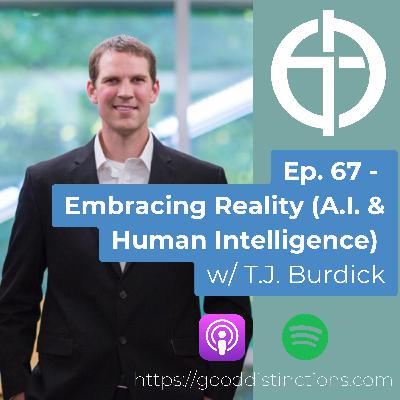
Good Distinctions is back! I’ve taken the last year or so off as I drafted my dissertation. It is now complete and awaiting feedback from my advisor… I’ll make sure to post when I’m DOCTOR Wright… but not yet.This episode is my first after a year off from recording. The podcast is OFF Airplane Mode! I will not be posting often, to be honest. I’m only seeking out interviews that really, truly interest me. I’ve loved speaking with every guest I’ve had on the show, but the pace was a bit breakneck, to be honest. So, I’ll be curating the conversations a bit more.It was a real pleasure having a conversation with T.J. Burdick on technology, AI, human nature, parenting, and more. I hope you’ll give it a listen.Here is the article on Catholic Exchange that we discussed: https://catholicexchange.com/are-you-smarter-than-ai/And here is a link to T.J.’s book Detached: Put Your Phone in Its Place (OSV, 2018): https://www.tjburdick.com/detached/Who is T.J.? (From his Substack)I’m a writer of both fiction and nonfiction whose primary lens is through the Catholic faith. I’m not a radtrad, nor a liberal lefty– I strive for the middle path… which doesn’t sell many books 😂Here’s a quick “list of me:”* Married to my wife, Maribel (since 2007)_* Father of 5 children* Work as a public school teacher* Published books through OSV, En Route Books and Media, Gracewatch Media, and Self-Published* Contributor for Catholic Exchange* Owner of EpicPew.com and SignumDei.com* Former missionary* Finally professed Third Order Dominican (since 2013)* I run 5 and 10ks (but very slowly) This is a public episode. If you would like to discuss this with other subscribers or get access to bonus episodes, visit www.gooddistinctions.com

SummaryIn this conversation, Teresa Yanaros shares her transformative journey from the New Age movement to Catholicism, detailing her experiences with the occult and the importance of understanding spiritual practices. She emphasizes the dangers of syncretism and the blending of beliefs in modern spirituality, advocating for a clear Christian worldview and the role of sacraments in healing and deliverance. Teresa provides insights into how to engage with loved ones involved in the occult and stresses the need for discernment in spiritual practices.Takeaways* Teresa Yanaros transitioned from New Age beliefs to Catholicism after realizing the dangers of the occult.* The occult is defined as engaging with demonic spirits, often through invocation or evocation.* The New Age movement is characterized by self-centered practices that can lead to spiritual deception.* Worldview shapes our beliefs and actions; a Christian worldview is essential for discernment.* Sacraments, especially confession, play a crucial role in healing from occult practices.* Many people involved in the New Age have underlying trauma they are trying to address.* Syncretism is prevalent today, with many Christians blending beliefs from different spiritual practices.* Awareness of the occult's influence is necessary for spiritual safety and growth.* Engaging with loved ones in the occult requires love, boundaries, and knowledge.* Resources are available for those seeking to understand and escape the occult.I cannot recommend this new book from Sophia Institute Press by Teresa Yanaros enough! My conversation with Teresa was great, but her book is so helpful! Even if you have not dabbled in the occult (you probably have and don’t know it), you will still be edified and inspired by this book!Buy a copy today! - https://sophiainstitute.com/product/freedom-from-darknessThanks for listening to Good Distinctions! Subscribe for free to receive new posts and support my work. This is a public episode. If you would like to discuss this with other subscribers or get access to bonus episodes, visit www.gooddistinctions.com

In this episode of Good Distinctions, host Will Wright speaks with Sr. Allison Regina Gliot about her new book, 'Eli's Quiet Friend,' which addresses the needs of neurodivergent children, particularly those on the autism spectrum. Sister Allison shares insights into her religious order, the Daughters of St. Paul, and their mission to evangelize through media. The conversation explores the inspiration behind the book, the writing process, and the importance of creating inclusive content for all children. Additionally, they discuss the role of editors in the publishing process and resources available for parents and educators.Eli is sensitive to sound. He feels anxious and overwhelmed in a noisy world. But Grandma says God speaks in a gentle whisper. Can Eli brave the loud city to spend some quiet time with Jesus in Eucharistic Adoration?Buy the book from Pauline Press here! - https://www.amazon.com/Quiet-Friend-Allison-Regina-Gliot/dp/0819831727Thanks for listening to Good Distinctions! Subscribe for free to receive new posts and support my work. This is a public episode. If you would like to discuss this with other subscribers or get access to bonus episodes, visit www.gooddistinctions.com

In this conversation, Will Wright and Jason Simon explore the themes of friendship, discipleship, and evangelization within the context of the Catholic faith. Jason shares insights from his experience as president of the Evangelical Catholic, emphasizing the importance of lay apostolate and the role of deep, intentional friendships in leading others to Christ. They discuss the urgency of building these relationships, the concept of disruptive friendships, and the balance between urgency and patience in accompanying others on their faith journey. The conversation culminates in a call to action for listeners to cultivate meaningful friendships that reflect their faith.Learn more about The Evangelical Catholic here:https://evangelicalcatholic.org/Jason Simon is the President of The Evangelical Catholic (EC). After working briefly in engineering, he began working in the Church as a parish Director of Religious Education and Youth Ministry. Through this work, he saw the power of evangelization in the Church and his passion to see more lives impacted by the Holy Spirit. In 2007, he graduated from the M.Div. Theology Program at the University of Notre Dame and then began leading the EC. Under his leadership, the Evangelical Catholic has experienced consistent expansion by equipping local Catholic leaders to not only be disciples, but disciple-makers. Jason and the EC’s staff built Reach More™ and Nextstep to equip Catholic lay leaders to fulfill the Great Commission. He lives in Madison, WI with his wife and six children.Whether we know it or not, we all have family members or friends who are fighting hidden battles of doubt, alienation, isolation, guilt, compulsions, grief, or hopelessness. But often we don’t know exactly how to offer the Good News of Jesus to them in these struggles—at least not beyond offering our “thoughts and prayers.” Mission-Ready Friendship is a roadmap for how to truly befriend your friends, not by solving their problems for them but by going deeper to become the friend Jesus created you to be.Jason J. Simon grew up in a faithful home but wandered into darkness through his high school and college years. For years, he struggled with shame and despair until Chip, a guy he met while eating donuts after Mass, noticed that darkness and disrupted it by being an intentional, thoughtful friend. This relationship changed Simon’s life and eventually inspired him to lead the Evangelical Catholic, a national organization dedicated to helping people discover how God is already at work in the lives of our innermost circle.This book spells out simple and incremental practices any Catholic can use to develop deeper, more purposeful friendships. You will learn how to* become more invested, curious, and empathetic toward others;* pray for the people God has placed in your life;* be ready for the ways God is prompting you to build deeper friendships; and* bring intentionality to your relationships to accompany them closer to God.Jesus himself used these practices with his followers and sent each of them to use mission-ready friendship to share his good news with others. It’s a simple but powerful approach to relationships that promises to change lives, including your own.Buy it today! - https://www.avemariapress.com/products/mission-ready-friendshipThanks for listening to Good Distinctions! Subscribe for free to receive new posts and support my work. This is a public episode. If you would like to discuss this with other subscribers or get access to bonus episodes, visit www.gooddistinctions.com
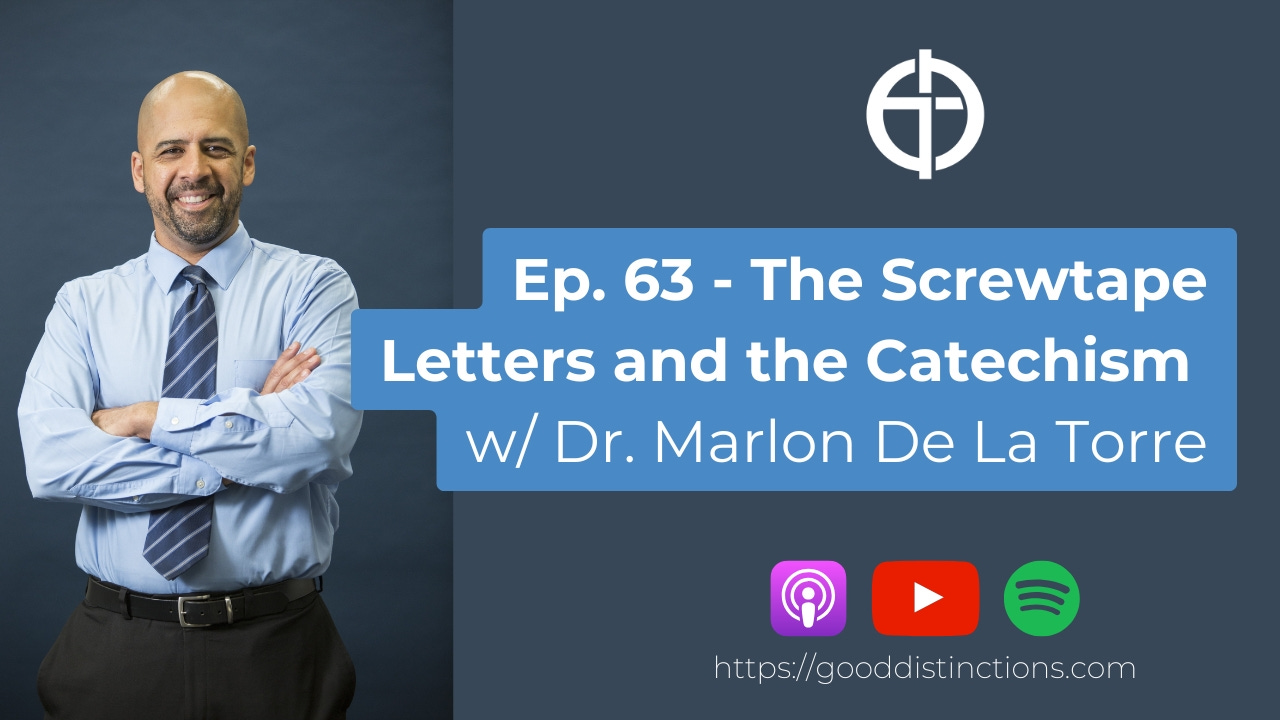
In this conversation, Dr. Marlon De La Torre shares his journey of faith and ministry, emphasizing the importance of suffering in the Christian life. He discusses his new book, which connects C.S. Lewis's 'Screwtape Letters' with the Catechism, providing practical insights into spiritual warfare and temptation. The discussion highlights the relevance of Lewis's work in understanding the battle between good and evil, and the transformative power of grace in overcoming sin.All of us are faced with the daily onslaught of sin and temptation. We are all involved in a spiritual battle to keep our souls united with Christ so we can attain heaven.The Screwtape Letters and the Catechism brings together two wonderful and significant resources that can help us to grow in spiritual courage. Engaging the Catechism of the Catholic Church from a new perspective, against the backdrop of C. S. Lewis' classic The Screwtape Letters, this book will help you to recognize temptation and engage in the battle against sin. Following Lewis and the Catechism, you will learn how to use the teachings of Christ to outwit the evil one.In this book, each chapter of The Screwtape Letters is cross-referenced with the Catechism. By examining the dialogue between the demons Wormwood and Screwtape, we can apply Screwtape's lessons on temptation to our daily lives. The Catechism provides sound and reasonable explanations of the Catholic Faith, and these explanations debunk the methods of Screwtape. C.S. Lewis masterfully invites us into the diabolical world of Screwtape and Wormwood and the ever-present battle between good and evil. The Catechism, on the other hand, masterfully reveals the teachings of Jesus Christ as a living gift of the Church that shows us the love of God for his children.Buy it here from OSV - https://www.osvcatholicbookstore.com/product/the-screwtape-letters-and-the-catechism-recognizing-temptation-battling-sin-and-growing-in-spiritual-courageThanks for listening to Good Distinctions! Subscribe for free to receive new posts and support my work. This is a public episode. If you would like to discuss this with other subscribers or get access to bonus episodes, visit www.gooddistinctions.com
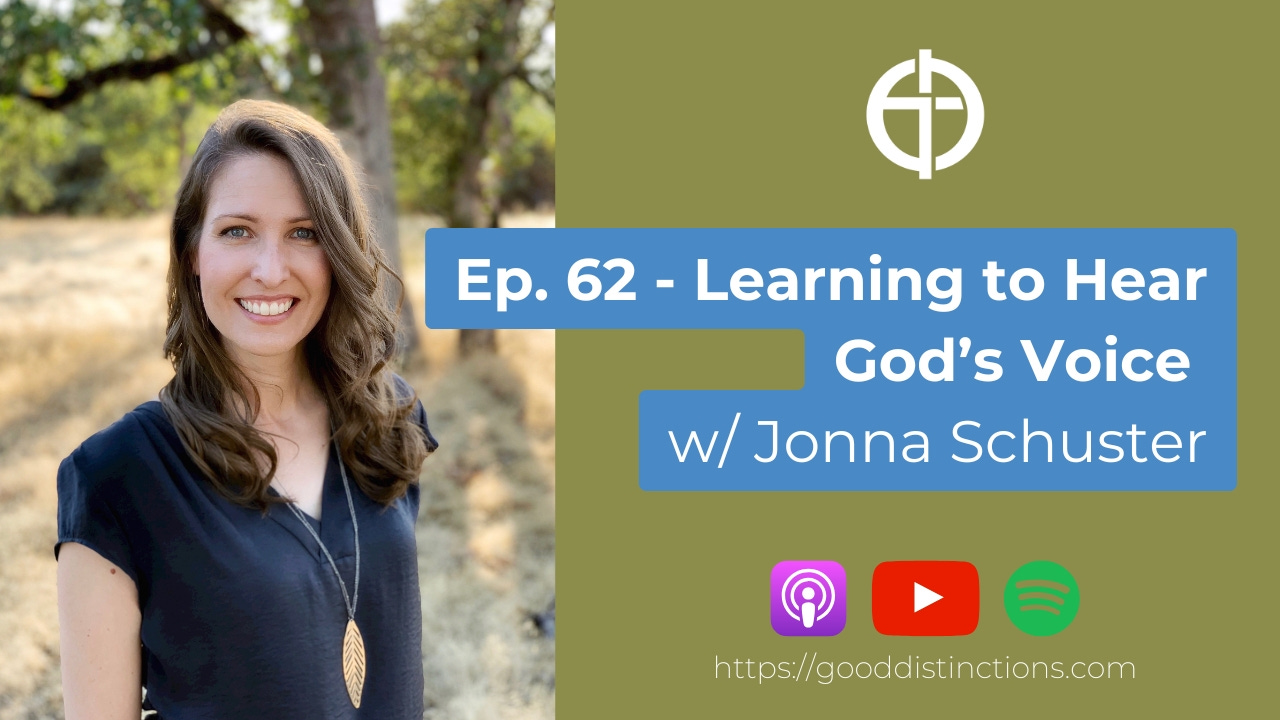
In this episode of Good Distinctions, host Will Wright interviews Jonna Schuster, co-founder of Catholic Revival Ministries and author of 'Hearing God's Voice'. They discuss the importance of developing a two-way prayer life, overcoming doubts about hearing God, and the transformative power of community in spiritual growth. Jonna shares her journey of writing the book, the nature of prayer as communication with God, and how to navigate challenges like scrupulosity. The conversation emphasizes practical steps for Catholics to deepen their relationship with God and the resources available through Catholic Revival Ministries.Jonna Schuster is Co-Founder and Director of Catholic Revival Ministries, a ministry she started in 2019 with her husband, Jim. Through it, she serves the Church by equipping Catholics to bring supernatural impact to all areas of life by partnering with the Holy Spirit in power and love. She is a published author and has served a variety of parishes, ministries, and audiences world-wide through speaking engagements and group training events, in addition to serving individual clientele through discipleship-based online courses. Jonna graduated from the University of Illinois with a B.F.A. in graphic design and completed an M.A. in moral theology at Christendom Graduate School. She has over twenty years of professional ministry experience, including ten years as a full-time director of youth ministry in the Diocese of Arlington, VA, two years as the first campus minister of Western Illinois University, and as an adjunct professor of theology at John Paul the Great Catholic University in Escondido, CA. Jonna believes everyone is called to greatness, and has a heart to see people come into the fullness of their identity and calling.Hearing God’s Voice: A Catholic Guide to Listening Prayer can be found on Amazon here: https://mybook.to/hearinggodsvoiceThe website for Catholic Revival Ministries can be found here: https://www.catholicrevivalministries.com“My sheep hear my voice; I know them, and they follow me.” -John 10:27Jesus taught that His disciples would readily and easily hear His voice, yet many of us today struggle to grow in intimacy with God, perceiving Him as distant or silent.What if hearing God speak could become a natural part of everyday life?In Hearing God’s Voice, author Jonna Schuster offers a practical guide for how to cultivate a dynamic, fruitful relationship with the Lord by learning to hear His voice in prayer. Rooted in Scripture and Catholic theology, this insightful book walks you through the essentials of identifying and discerning when the Lord is speaking to you, enabling you to deepen your connection with Him both during designated prayer times and throughout daily life.In this book, you will learn to:* Understand the biblical and theological foundations for hearing God* Recognize the various “languages” through which God speaks—seeing, hearing, feeling, and thinking—and how to listen for each* Discern the source of what you hear in prayer, distinguishing between God, yourself, and the Enemy* Overcome obstacles that hinder your ability to hear God* Incorporate listening prayer into your daily life to foster deeper intimacy with the LordThrough teaching, examples, stories, and guided practice exercises, Hearing God’s Voice goes beyond simply relaying information and creates the space and opportunity to encounter the Lord as you read its pages . . . and in doing so, experience transformation in your life.Buy it today! - https://www.amazon.com/Hearing-Gods-Voice-Catholic-Listening/dp/B0DJWQC39PThanks for listening to Good Distinctions! Subscribe for free to receive new posts and support my work. This is a public episode. If you would like to discuss this with other subscribers or get access to bonus episodes, visit www.gooddistinctions.com
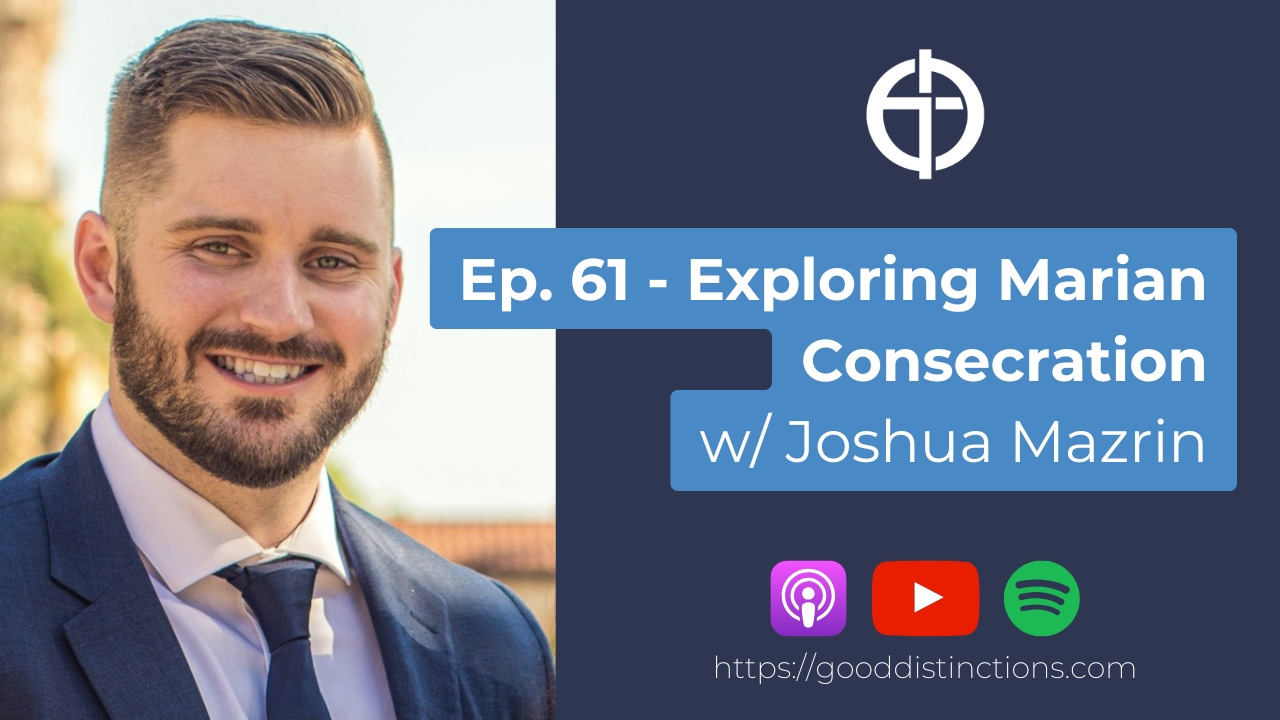
In this conversation, Will Wright interviews Joshua Mazarin, author of 'Led by the Immaculata', exploring the profound themes of Marian consecration, the role of Mary in the life of the Church, and her unique relationship with the Holy Spirit. Joshua shares his inspiration for writing the book, the theological foundations of Marian devotion, and how it serves as a practical guide for living out one's faith. The discussion emphasizes the importance of entrusting oneself to Mary and understanding her as a mediator of grace, ultimately leading to a deeper relationship with Christ.St. Maximilian Kolbe is one of the most well-known and well-loved saints of all time. Many are familiar with the story of his selfless act at Auschwitz, where he sacrificed his own life to save a man who was a husband and father. But do you know about Kolbe’s deep love for Mary, whom he called the Immaculata? How he surrendered everything to Our Lady to grow in holiness and align his will to the will of God? How he consecrated his life to Mary?In Led by the Immaculata, Joshua Mazrin, a Kolbe devotee and Mariology expert, will* introduce you to St. Maximilian Kolbe,* explain the meaning of consecration and the objectives of the Knights of the Immaculata,* walk you through the fourteen doable and practical steps of the consecration, and* provide a step-by-step plan for completing the consecration.Kolbe taught that by giving our lives completely to Mary, the Immaculata, she would direct our will to the will of the Holy Spirit—that is, the will of God. Kolbe wanted this message shared far and wide and so founded the Knights of the Immaculata with the goal of consecrating as many people as possible to Mary and her son.Each step of the consecration journey is explained in practical and theological terms, making it accessible to all, regardless of vocation or age. While Kolbe initially targeted men, the principles of holiness are equally relevant to women. The book concludes by empowering you—men and women alike—to be evangelists for the Immaculata and the Gospel and to be spiritual leaders in your family, workplace, and community.Led by the Immaculata invites you to embrace a deeper devotion to Mary and emulate Kolbe’s path to holiness through the practical application of the fourteen steps in your daily life.Buy it today! - https://www.avemariapress.com/products/led-by-the-immaculataThanks for listening to Good Distinctions! Subscribe for free to receive new posts and support my work. This is a public episode. If you would like to discuss this with other subscribers or get access to bonus episodes, visit www.gooddistinctions.com
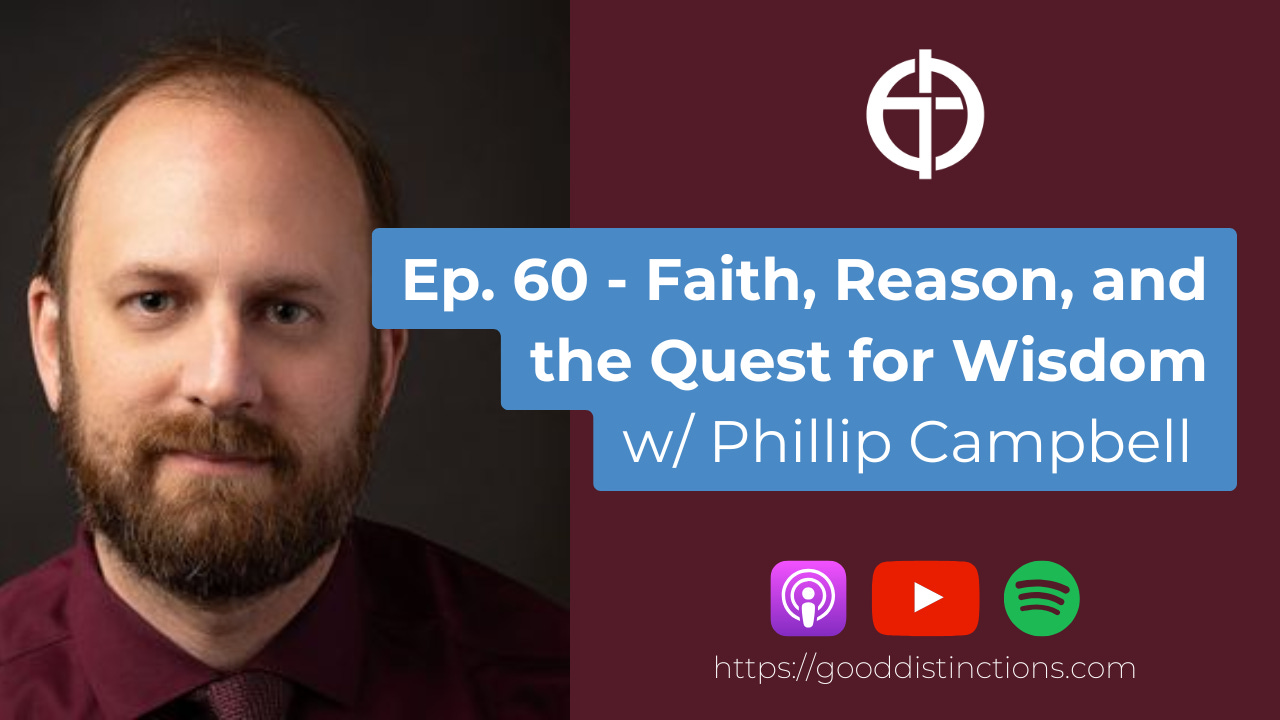
In this conversation, Will Wright interviews Phillip Campbell, author of 'In Pursuit of Wisdom: Catholicism and Science Through the Ages.' They discuss the relationship between faith and reason, the scientific orientation of Christianity, the role of monasticism in scientific advancements, and the impact of the Enlightenment on the perception of faith and science. Campbell emphasizes the importance of a holistic approach to knowledge and critiques the modern phenomenon of scientism, advocating for a balance between scientific inquiry and spiritual understanding.In Pursuit of Wisdom: Catholicism and Science Through the AgesThe relationship between the Catholic Church and science is one of the most misunderstood stories of Western civilization. Merely repeating the mantra that there is no ultimate contradiction between faith and reason has not solved the crisis for millions of Catholics, many of whom have abandoned the Faith over perceived discrepancies between the religious and scientific worlds.In Pursuit of Wisdom moves beyond polemical and surface-level approaches to paint a more accurate picture of the historical relationship between scientific inquiry and the Catholic Faith. Beginning with the earliest days of the Church, through the Middle Ages, Renaissance, and beyond, Catholic history author Phillip Campbell tells the stories of brilliant individuals, challenging controversies, and awe-inspiring discoveries that form the tapestry of the Church's rich engagement with science. When we understand people and perspectives of the past, we can better understand how we arrived at our current situation -- and be prepared to respond to the questions of those within and outside the Church who believe that faith and reason are incompatible.Buy it now! - https://www.osvcatholicbookstore.com/product/in-pursuit-of-wisdom-catholicism-and-science-through-the-agesThanks for listening to Good Distinctions! Subscribe for free to receive new posts and support my work. This is a public episode. If you would like to discuss this with other subscribers or get access to bonus episodes, visit www.gooddistinctions.com
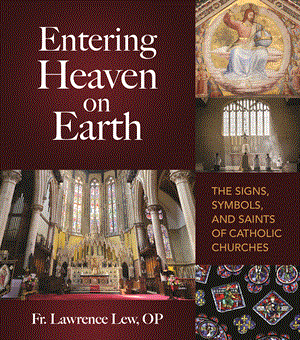
In this conversation, Will Wright speaks with Fr. Lawrence Lew, OP about his book 'Entering Heaven on Earth: The Signs, Symbols, and Saints of Catholic Churches,' which explores the signs, symbols, and saints of Catholic churches. They discuss the importance of meditation in the Rosary, the significance of sacred architecture and art, and the role of beauty in worship and liturgy. Father Lew shares his personal journey of faith and the impact of beauty in churches, emphasizing the need for a deeper understanding of the Scriptures and the theological implications of beauty in the Catholic tradition. In this conversation, Fr. Lawrence Lew OP and Will Wright explore the significance of Catholic churches, their architecture, and the symbols within them as a means to deepen faith and understanding. They discuss the importance of mystery in liturgy, the ongoing journey of learning about faith, and how beautiful church spaces can enhance the experience of encountering God. The dialogue emphasizes the role of catechesis in appreciating the signs and symbols of the Church, ultimately aiming to inspire a Eucharistic revival and a deeper connection to the divine.Buy this new book from Our Sunday Visitor! - [https://www.orderosv.com/product/entering-heaven-on-earth-the-signs-symbols-and-saints-of-catholic-churches]Our Catholic churches are filled with an abundance of signs and symbols, some of which you may have never noticed or understood. The sacred art, architecture, and artifacts of a church building proclaim the Real Presence of Christ, dwelling among us in the Blessed Sacrament. The saints within a church are witnesses to Eucharistic living, and we can identify them through various symbols that tell us about their lives, their works, and their witness to the presence of God.In Entering Heaven on Earth, Fr. Lawrence Lew, OP, shows you how to decode the signs and symbols found in our churches and to identify the saints depicted in them. This richly illustrated book filled with photographs the author has taken of churches from around the world will help you to see the churches you worship in or visit from a fresh perspective and to remember the true purpose of a church building.A church is a visible expression of heaven come down to earth in the person of Jesus Christ. It is always, first of all, a place for the Christian people to assemble for the sacred liturgy and celebrate the Eucharist. For the beauty of nature, the creativity and craft of mankind, the good works of the virtuous and the just are all brought together in a church building to remind us of the graced activity of God among us.Thanks for listening to Good Distinctions! Subscribe for free to receive new posts and support my work. This is a public episode. If you would like to discuss this with other subscribers or get access to bonus episodes, visit www.gooddistinctions.com
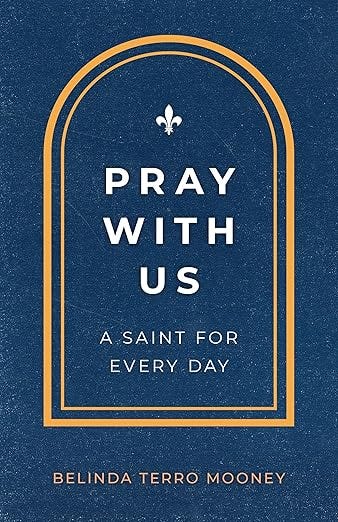
In this engaging conversation, Belinda Terro Mooeny shares her journey as a Catholic author, emphasizing her mission to serve others through writing and prayer. She discusses her latest book, 'Pray With Us: A Saint For Every Day,' which encourages readers to connect with saints and seek their intercession. Belinda highlights the power of praying with saints, the importance of building relationships with them, and how this practice can transform lives. The conversation concludes with a call to action for listeners to embrace the dynamic nature of the Communion of Saints and to pray together for a better world.Buy the new book from Our Sunday Visitor HERE - [https://www.amazon.com/Pray-Us-Saint-Every-Day/dp/1639662103]The saints in heaven are powerful intercessors, praying for our needs before the face of God. As part of the communion of saints, we on earth pray with power when we ask the saints to pray with and for us, especially on their feast days.Pray with Us invites us to connect with 365 saints, blesseds, venerables, and servants of God -- one for each day of the year. Each day's entry includes a brief biography of the saint and a prayer. This book provides a concise, approachable format for individuals and families to form the habit of daily prayer and to rely more purposefully on the intercession of the saints.Let us pray together in unity with all the saints, who love us so much and want to assist us on our spiritual journey.Thanks for listening to Good Distinctions! Subscribe for free to receive new posts and support my work. This is a public episode. If you would like to discuss this with other subscribers or get access to bonus episodes, visit www.gooddistinctions.com

SummaryIn this conversation, Kate Capato, a sacred art painter, discusses her mission of beauty through art and collaboration with her husband. She explores the nature of art, the objective value of beauty, and the role of sacred art in communicating faith. The discussion delves into the importance of beauty in churches and practical steps for individuals to contribute to beautification efforts in their communities.https://visualgrace.org/ - PROMO CODE: WILL10 Great gifts for Christmas for your friends and family!The Woman Behind the Art: Visual Grace artist, Kate Capato, is a Catholic Sacred Art Painter, Inspirational Speaker, and Faith-Filled Dance Choreographer who artistically brings to life truth, goodness, and beauty. Takeaways:* Kate Capato is a sacred art painter focused on spreading the Catholic faith through beauty.* Art is a means of communication that transcends words, expressing deep emotions and truths.* Beauty is an objective value, rooted in the nature of God, and not merely subjective.* The experience of beauty can be subjective, but its value remains constant regardless of perception.* Churches should reflect beauty to inspire reverence and a sense of the divine.* The influence of Protestant culture has led to a decline in the beauty of Catholic churches in America.* Encountering true beauty can lead to a deeper relationship with God.* Individuals can play a role in beautifying their churches through donations and commissioning art.* The journey of creating art involves prayer, surrender, and a reliance on God's guidance.* Beauty in art and architecture can counteract the chaos and ugliness present in modern society.Keywords:sacred art, beauty, Catholic faith, visual art, objectivity of beauty, mission of beauty, church architecture, art and communication, artist journey, beautification This is a public episode. If you would like to discuss this with other subscribers or get access to bonus episodes, visit www.gooddistinctions.com
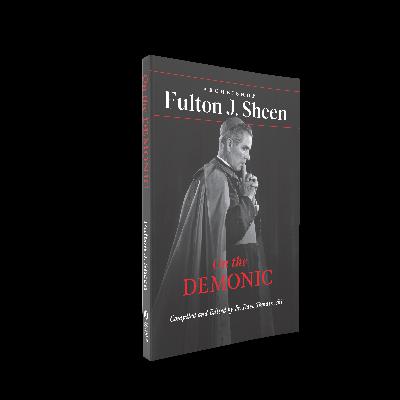
SummaryIn this conversation, Will Wright interviews Father Dave Tomaszycki about his role in the Archdiocese of Detroit and his work compiling a new book by Archbishop Fulton J. Sheen titled 'On the Demonic.' They discuss the themes of the book, including the nature of the demonic, the importance of the cross, and the current state of the Church. Father Dave shares insights on Fulton Sheen's legacy, the significance of maintaining a relationship with Christ, and the challenges faced by the Church today.Purchase the Book Today!* On the Demonic by Archbishop Fulton J. Sheen, Compiled and Edited by Fr. Dave TomaszyckiPurchase the book here from the St. Paul Center! - https://stpaulcenter.com/sheen/Takeaways* Father Dave serves as the secretary to the Archbishop of Detroit.* The Archdiocese of Detroit has around 900,000 registered Catholics.* Fulton Sheen's book 'On the Demonic' is a compilation of his thoughts on the subject.* The book emphasizes the importance of the cross in understanding the demonic.* Fulton Sheen's teachings remain relevant today, especially regarding the state of the Church.* The demonic often manifests in society through division and conflict.* A strong relationship with Christ is essential for overcoming the demonic.* Fulton Sheen's media presence was significant in the 1950s and 60s.* The importance of truth and charity in discussions about faith.* Confession is a powerful tool against the demonic.Keywords:Fulton Sheen, demonic, Catholic Church, spirituality, Archbishop, Father Dave Tomaszycki, faith, cross, Eucharist, relationship This is a public episode. If you would like to discuss this with other subscribers or get access to bonus episodes, visit www.gooddistinctions.com
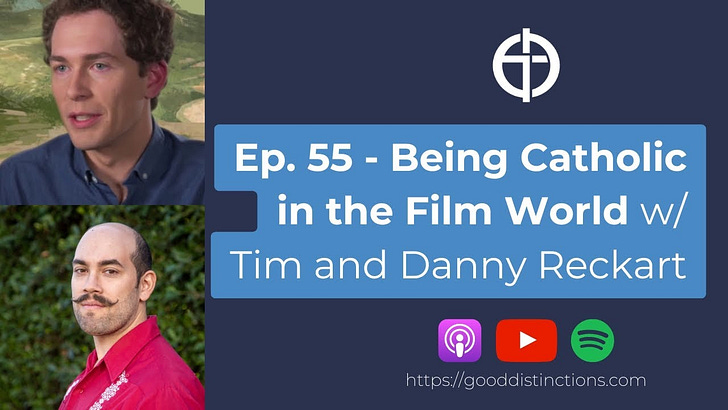
I met Tim and Danny Reckart last year at the Tepeyac Leadership Initiative’s The Hour of the Laity Conference and we had a few fantastic conversations! I wanted to keep it going and so I invited the two to talk about art, filmmaking, story, and more. Enjoy!Who is Tim Reckart?Timothy Reckart is an Oscar-nominated writer, director, and animator, best known for directing The Star in 2017 and the Oscar-nominated short Head Over Heels in 2012. Prior to directing, he worked as a stop motion animator, serving as a lead animator on Charlie Kaufman’s Oscar-nominated film Anomalisa and animator on Amazon’s multiple Emmy-winning preschool series Tumble Leaf. In 2015, Variety named him one of its “10 Animators To Watch.”He holds a master’s degree in directing animation from the National Film & Television School of the UK and graduated magna cum laude with a bachelor’s degree in history and literature from Harvard University, where he was awarded the Edward H. Potter Prize for “great enthusiasm and curiosity for truly eclectic learning.” He lives in Los Angeles with his wife and three children.Who is Danny Reckart?Danny Reckart is a LA-based screenwriter and playwright. A graduate of NYU Tisch, Danny wrote numerous plays and musicals that were performed throughout New York City, including writing for Broken Box Mime Theater for which he won a New York Innovative Theater award. His screenplays have been recognized by the Nicholl Fellowship, the Sundance Screenwriting Lab, and the BlueCat Screenwriting Competition. He is currently in development at Dreamworks working on an animated TV show he co-created with his brother based on their childhood road trips.Summary:In this conversation, Will Wright speaks with Tim and Danny Reckart, two brothers who are passionate about storytelling and filmmaking. They discuss their backgrounds, the importance of storytelling in conveying wisdom, and the role of art in reflecting truth. The Reckart brothers emphasize the responsibility of Catholic filmmakers to integrate their faith into their work and the need for a supportive community among artists. They also explore the current cultural landscape, noting a bifurcation in society and the challenges and opportunities it presents for Christian artists.Takeaways:* Storytelling is a fundamental human experience that helps us retain wisdom.* Art serves as a medium to convey deeper truths and experiences.* Preachiness in art often stems from poor execution rather than the message itself.* The role of the artist is to remind audiences of truths they may have forgotten.* Catholic filmmakers have a unique responsibility to present a counter-cultural worldview.* Art can be a powerful tool for evangelization and cultural engagement.* Community among Catholic artists is essential for growth and support.* The current cultural climate presents both challenges and opportunities for Christian filmmakers.* Art should resonate with audiences on a personal level, reflecting their own experiences.* The Reckart brothers are launching Sycamore Studios to create family-oriented animated films rooted in their values.Keywordsstorytelling, Catholic filmmakers, art, truth, culture, animation, Reckart brothers, film industry, creativity, wisdom This is a public episode. If you would like to discuss this with other subscribers or get access to bonus episodes, visit www.gooddistinctions.com
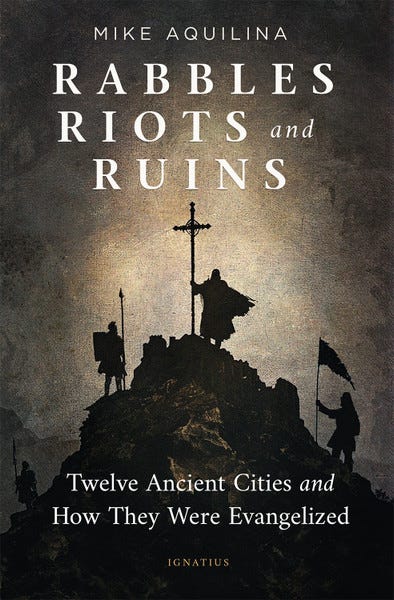
Summary of the EpisodeIn this episode of Good Distinctions, host Will Wright interviews Mike Aquilina, co-founder of the St. Paul Center for Biblical Theology and author of the book 'Rabbles, Riots, and Ruins: 12 Ancient Cities and How They Were Evangelized'. Aquilina discusses his interest in the Fathers of the Church and his goal of providing an imaginative entry into the ancient world through his books. He highlights the importance of friendship and conversation in the spread of Christianity in ancient cities and draws parallels to the modern world's need for genuine connection. Aquilina recommends books by Robert Louis Wilken and Rodney Stark for further exploration of the early Church and the role of cities in evangelization.Buy the Book Today - Ignatius PressRabbles, Riots, and Ruins: Twelve Ancient Cities and How They Were Evangelized - https://ignatius.com/rabbles-riots-and-ruins-rrrp/Takeaways* The early Christians spread the gospel through friendship and conversation, utilizing the roads and trade routes of the Roman Empire.* The Romans had a cosmopolitan sense and were open to other peoples, cultures, and religions, which facilitated the spread of Christianity.* The early Christians' commitment to friendship and genuine connection is a model for combating loneliness and isolation in the modern world.* Reading the writings of the Church Fathers provides a sense of connection to the roots of Christianity and the enduring nature of the Church.KeywordsMike Aquilina, St. Paul Center for Biblical Theology, Fathers of the Church, ancient cities, evangelization, friendship, conversation, early Christianity, Roman EmpireThanks for listening to Good Distinctions! Subscribe for free to receive new posts and support my work. This is a public episode. If you would like to discuss this with other subscribers or get access to bonus episodes, visit www.gooddistinctions.com
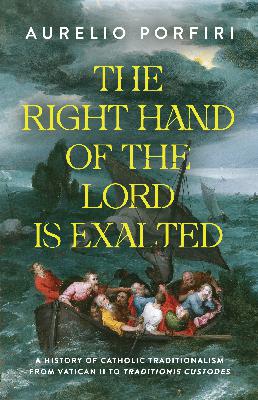
Summary of the EpisodeIn this conversation, Will Wright interviews Aurelio Porfiri, author of 'The Right Hand of the Lord is Exalted,' about Catholic traditionalism and its history from Vatican II to the present. They discuss the different types of traditionalism, the limitations of traditionalism, the state of the liturgy, and the need for a balanced approach to liturgical music. Porfiri emphasizes the importance of understanding and respecting traditionalists, even if one does not agree with all of their views. The conversation highlights the need for a thoughtful and gradual approach to liturgical reform.Buy the Book Today - Sophia Institute PressThe Right Hand of the Lord is Exalted: A History of Catholic Traditionalism from Vatican II to Traditionis Custodes - https://sophiainstitute.com/product/the-right-hand-of-the-lord-is-exalted/Takeaways* There are different types of traditionalism within the Catholic Church, and it is important to understand and respect the reasons behind their beliefs and actions.* The liturgy and sacred music play a crucial role in giving glory to God and elevating the worship experience.* The current state of the liturgy is a cause for concern, with many churches not following the guidelines set by Vatican II.* A balanced approach to liturgical music is needed, where both traditional and contemporary elements are present, but with a focus on the proper reverence and beauty of the liturgy.* Liturgical reform should be approached thoughtfully and gradually, taking into account the needs and understanding of the faithful.KeywordsCatholic traditionalism, Vatican II, liturgy, sacred music, limitations, balanced approach, liturgical music, understanding, respect, gradual reformThanks for listening to Good Distinctions! Subscribe for free to receive new posts and support my work. This is a public episode. If you would like to discuss this with other subscribers or get access to bonus episodes, visit www.gooddistinctions.com

Summary of the EpisodeArchbishop Emeritus Alfred Hughes discusses his new book, Spiritual Masters, Living and Praying in the Catholic Tradition. He shares his journey from Boston to New Orleans and the unique Catholic culture in Louisiana. The book explores the teachings of spiritual masters throughout history and their relevance in today's world. Hughes emphasizes the importance of quiet time, understanding the human person, and embracing the challenges of the apostolic church. He also highlights the role of prayer, virtue, and suffering in the spiritual journey. The ultimate goal is to surrender our lives to the Lord and live with Him forever.Buy the Book Today - Ignatius PressSpiritual Masters: Living and Praying in the Catholic Tradition - https://ignatius.com/spiritual-masters-spmp/This book introduces the reader to thirteen Christian spiritual classics that illustrate the ordinary steps we can take toward living the Gospel life more fully.Drawing on the rich teaching of a particular saint or mystic, each chapter helps us grow in a different aspect of holiness, of intimacy with God. Archbishop Hughes offers an itinerary for becoming a good disciple of the Lord, giving the reader access to an impressive spiritual library that can support and strengthen progress in discipleship throughout one's life.Among the great saints and spiritual writers whose writings are included in this book are Augustine, Anthony of the Desert, Aelred, Teresa of Avila, Benedict, Guigo, Catherine of Siena, Walter Hilton, Francis de Sales, Ignatius of Loyola, Jean-Pierre de Caussade, Thomas à Kempis, and John of the Cross.Takeaways* Archbishop Hughes shares his journey and the unique Catholic culture in Louisiana.* The book explores the teachings of spiritual masters and their relevance in today's world.* Hughes emphasizes the importance of quiet time, understanding the human person, and embracing the challenges of the apostolic church.* The role of prayer, virtue, and suffering in the spiritual journey is highlighted.* The ultimate goal is to surrender our lives to the Lord and live with Him forever.KeywordsAlfred Hughes, Spiritual Masters, Catholic Tradition, Louisiana, quiet time, human person, apostolic church, prayer, virtue, suffering, surrenderThanks for listening to Good Distinctions! Subscribe for free to receive new posts and support my work. This is a public episode. If you would like to discuss this with other subscribers or get access to bonus episodes, visit www.gooddistinctions.com
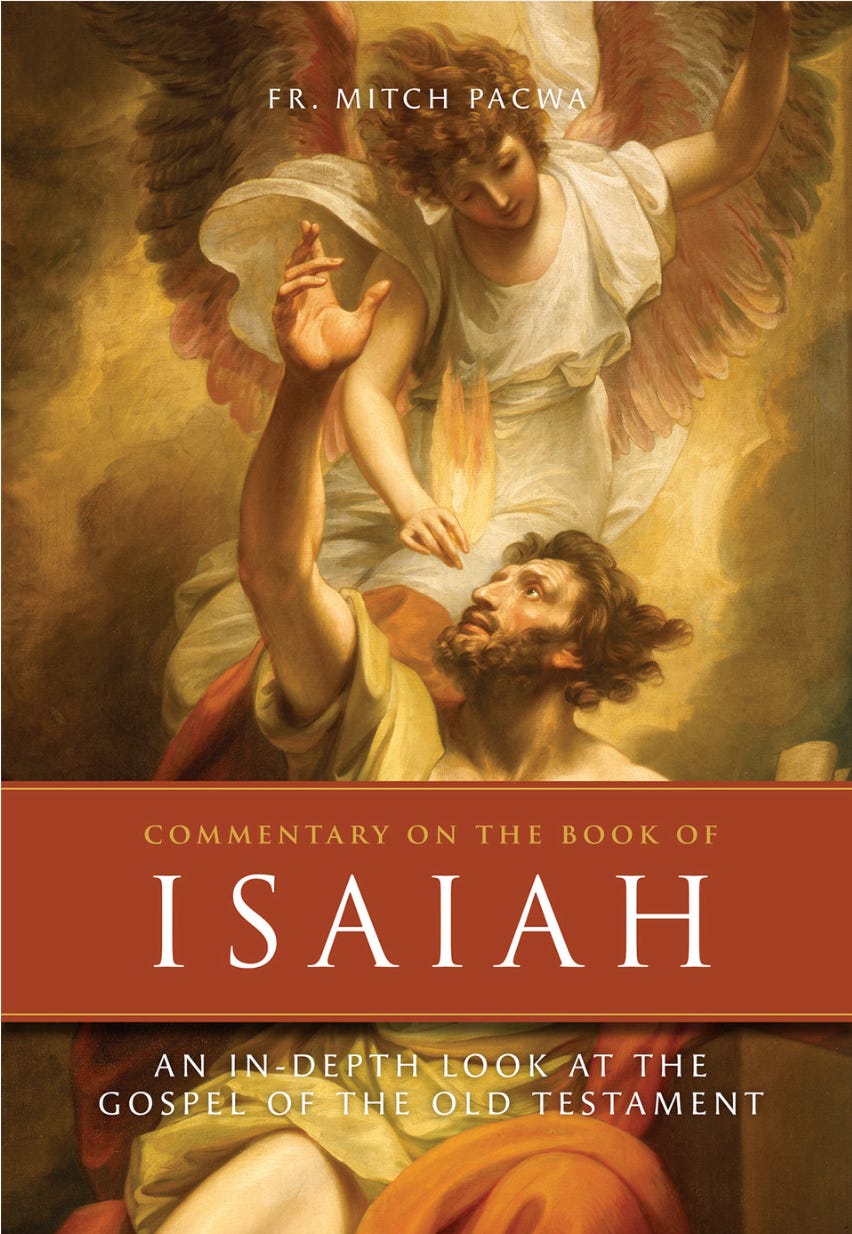
Summary of the EpisodeFather Mitch Pacwa, a Jesuit priest and biblical scholar, discusses his work at the Eternal Word Television Network and his new book on the book of Isaiah. He explains that Isaiah is often referred to as the Gospel of the Old Testament because it contains prophecies about the incarnation, the suffering of the Messiah, and the final judgment. Father Pacwa also discusses the importance of understanding the historical context of the Old Testament in order to gain perspective on the present. He emphasizes the relevance of the Old Testament and the need to study it to understand our own history and culture. In this conversation, Fr. Mitch Pacwa SJ and Will Wright discuss the broader context of the book of Isaiah and its relevance to our lives today. They explore the canonical approach to scripture and the importance of understanding the culture and politics of Isaiah's time. Fr. Pacwa emphasizes the need to have a perspective beyond the present and to discern what is from God. They also address the authorship of Isaiah and the authority of the Bible, highlighting the role of the Holy Spirit in inspiring the biblical authors. The conversation concludes with a recommendation for further reading on the book of Isaiah and the importance of studying the liturgy.Buy the Book Today - From TAN BooksCommentary on the Book of Isaiah: An In-Depth Look at the Gospel of the Old Testament - https://tanbooks.com/products/books/commentary-on-the-book-of-isaiah-an-in-depth-look-of-the-gospel-of-the-old-testament/In Fr. Mitch Pacwa, S.J.'s new book, Commentary on the Book of Isaiah, the prolific Scripture scholar unpacks the mysteries contained in this prophetic book to guide Catholics on a path of sanctity. Isaiah is undoubtedly the greatest prophet in the Old Testament. The name Isaiah means ‘God is Salvation’ which points to the main theme throughout the book. God has come to save his people and this message is what makes Isaiah a book for every Catholic to read, understand, and meditate. However, reading the Book of Isaiah is not always clear and straightforward. This commentary organizes the events and prophecies in chronological history to help the reader grasp all the grace and messages this beautiful book has to offer. This book can help us in our understanding of our faith as it traces the themes of the oneness of God, his perfections reflected in Creation, God’s punishment, the remnant, and the sending of a Messiah.Takeaways* Isaiah is often referred to as the Gospel of the Old Testament because it contains prophecies about the incarnation, the suffering of the Messiah, and the final judgment.* Understanding the historical context of the Old Testament is important to gain perspective on the present.* The Old Testament is relevant and studying it helps us understand our own history and culture. Understanding the broader context of scripture, including the culture and politics of the time, is essential for interpreting and applying its teachings.* Having a perspective beyond the present allows us to discern what is from God and to resist the temptation to conform to the values of the culture.* The authorship of Isaiah and the authority of the Bible are affirmed by the role of the Holy Spirit in inspiring the biblical authors.* Studying the liturgy and participating actively in it can deepen our understanding of scripture and our relationship with God.KeywordsFather Mitch Pacwa, Jesuit priest, biblical scholar, Eternal Word Television Network, book of Isaiah, Gospel of the Old Testament, prophecies, incarnation, suffering of the Messiah, final judgment, historical context, perspective, relevance, Old Testament, study, history, culture, Isaiah, scripture, canonical approach, culture, politics, perspective, discernment, authorship, authority, Holy Spirit, inspiration, liturgyThanks for listening to Good Distinctions! Subscribe for free to receive new posts and support my work. This is a public episode. If you would like to discuss this with other subscribers or get access to bonus episodes, visit www.gooddistinctions.com

Summary of the EpisodeDr. Richard DeClue, a professor of theology, discusses the Communio school of thought and the differences between the Communio and Concilium journals. He explains that the Communio school focuses on investigating the sources of theology, such as scripture and the church fathers, while the Concilium school adopts modern philosophies. Dr. DeClue also discusses the development of doctrine and the role of the Pope in the church, emphasizing that the Pope is not an absolute monarch but a servant of the servants of God. He explains the concept of synodality and its historical significance in the early church. The conversation explores the concept of synodality in the Catholic Church and the nature of the beatific vision. It delves into the role of synods and the importance of bishops listening to the people of God before making decisions. It also discusses the confusion surrounding the term 'synodality' and the misconception that it implies a democratic process. The conversation then shifts to the nature and grace debate, examining the question of whether the beatific vision is a natural desire or solely a supernatural gift. The discussion highlights the complexity of the topic and the need for charity and understanding in theological debates.Takeaways* The Communio school focuses on investigating the sources of theology, such as scripture and the church fathers.* The Concilium school adopts modern philosophies in their work.* The Pope is not an absolute monarch but a servant of the servants of God.* Synodality is the collaboration between bishops at the local, regional, and universal levels.* The Synod of Bishops is an advisory body to the Pope. Synodality emphasizes the importance of bishops listening to the people of God before making decisions.* The term 'synodality' does not imply a democratic process in the Catholic Church.* The nature and grace debate centers around whether the beatific vision is a natural desire or solely a supernatural gift.* The debate between nature and grace is complex and requires charity and understanding.* The Word on Fire Institute and the Evangelization and Culture Journal are valuable resources for theological discussions.Who is Richard DeClue, S.Th.D.?Dr. Richard DeClue is a systematic theologian and Professor of Theology at the Word on Fire Institute. He earned degrees in theology at Belmont Abbey College (BA) and The Catholic University of America (STB, STL, and SThD). Both his STL thesis and doctoral dissertation focused on the thought of Pope Benedict XVI, particularly on his ecclesiology and theology of divine revelation, respectively. Additionally, he has published articles on Benedict XVI in Communio, Nova et Vetera, and Evangelization & Culture. KeywordsCommunio, Concilium, theology, sources, philosophy, development of doctrine, Pope, synodality, synodality, Catholic Church, beatific vision, nature and grace, theological debatesThanks for listening to Good Distinctions! Subscribe for free to receive new posts and support my work. This is a public episode. If you would like to discuss this with other subscribers or get access to bonus episodes, visit www.gooddistinctions.com

It was a joy to sit down with Mark Brumley, the President of Ignatius Press to discuss this fantastic meditations book featuring the work of Pope Benedict XVI.Summary of the EpisodeIn this conversation, Will Wright interviews Mark Brumley, the president of Ignatius Press, about a new book titled 'God is Ever New: Meditations on Life, Love, and Freedom' by Pope Benedict XVI. The book is a collection of excerpts from various writings of Pope Benedict, including homilies, audiences, and encyclicals. Brumley highlights the accessibility and clarity of Pope Benedict's writing, emphasizing that he communicates the stakes and the transformative power of encountering Jesus. They discuss the themes of love, reason, and the event of encountering God in the book, as well as Pope Benedict's devotion to prayer and his human side. Brumley suggests that the book is suitable for Eucharistic adoration and morning devotional time.Takeaways* The book 'God is Ever New' is a collection of excerpts from various writings of Pope Benedict XVI, including homilies, audiences, and encyclicals.* Pope Benedict's writing is accessible and clear, communicating the stakes and the transformative power of encountering Jesus.* The book explores themes of love, reason, and the event of encountering God.* Pope Benedict's devotion to prayer and his human side are evident in his writings.* The book is suitable for Eucharistic adoration and morning devotional time.Purchase the Book Today!God is Ever New: Meditations on Life, Love, and Freedom - Pope Benedict XVIKeywords:Pope Benedict XVI, Ignatius Press, book, meditations, life, love, freedom, theology, encounter, Jesus, God, reason, event, Eucharistic adoration, morning devotionalThanks for listening to Good Distinctions! Subscribe for free to receive new posts and support my work. This is a public episode. If you would like to discuss this with other subscribers or get access to bonus episodes, visit www.gooddistinctions.com
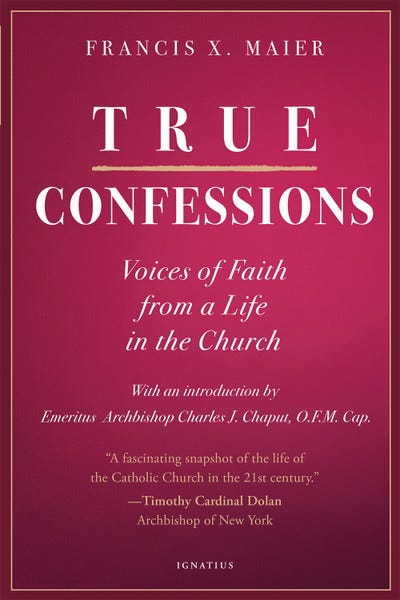
Summary of the EpisodeIn this conversation, Will Wright interviews Fran Maier, author of 'True Confessions, Voices of Faith from a Life in the Church.' They discuss the process of writing the book, the candid interviews with bishops and other individuals in the Catholic Church, and the perception of the Church in the media. Maier emphasizes the importance of listening to the views of those who are actively involved in the Church and highlights the strengths and weaknesses of the Church as perceived by the interviewees. The conversation also touches on the issue of sex abuse in the Church and the need for accountability in all institutions. The conversation covers various themes, including the candidness and love for the Church displayed by interviewees in the book. It explores the challenges and opportunities facing American Catholicism, the impact of social media on extremism, and the importance of finding the virtuous middle. The conversation also touches on the role of active listening, the need for nuance in discussions, and the power of lay apostolates. The book's interviews with laypeople, especially women, are highlighted as particularly insightful. The conversation concludes with a discussion on the importance of humility and supporting others in their work.Buy a copy of the book today: From Ignatius Press: https://ignatius.com/true-confessions-tch/Takeaways* The book 'True Confessions' provides a snapshot of the Catholic Church in the 21st century through candid interviews with bishops, clergy, and laypeople.* The interviewees express their views on the strengths and weaknesses of the Church, offering a balanced perspective.* The issue of sex abuse in the Church is acknowledged, but it is also highlighted that the Church has taken significant steps to address and prevent such abuse.* The media often portrays the Church in a negative light, and it is important to consider a broader perspective and not solely focus on the Church's shortcomings.* The book emphasizes the importance of listening to the voices of those actively involved in the Church and recognizing the positive contributions of lay apostolates. Candidness motivated by love for the Church leads to interesting insights.* American Catholicism faces challenges but also has a strong Biblical leaven.* Social media can amplify extremism and the need for finding the virtuous middle.* Active listening and seeking to understand others' perspectives is crucial.* Nuance and prudence are essential in discussions and approaching complex issues.* Lay apostolates play a significant role in the Church's mission.* Women's perspectives in the Church are particularly valuable and feminine.* Humility and supporting others are important virtues in Christian discipleship.KeywordsCatholic Church, interviews, bishops, perception, media, strengths, weaknesses, sex abuse, accountability, candidness, love for the Church, American Catholicism, social media, extremism, virtuous middle, active listening, nuance, lay apostolates, women, humilityThanks for listening to Good Distinctions! Subscribe for free to receive new posts and support my work. This is a public episode. If you would like to discuss this with other subscribers or get access to bonus episodes, visit www.gooddistinctions.com

Comments

Download from Google Play

Download from App Store
 United States