


 Claim Ownership
Healthy Longevity
Subscribed: 2Played: 26
Subscribe

© 2026
Description
A science-based podcast that explores practical solutions to fine-tune your health, systematically reverse your aging process, and stop disorders of aging like diabetes, dementia, heart disease, and obesity.
23 Episodes
Reverse
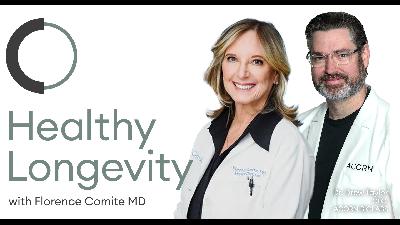
Imagine taking your own stem cells from your hair follicles, preserving and banking them to rejuvenate your hair and skin when you start to notice those annoying signs of aging in the mirror. This is not science fiction; it's happening right now, and you will learn all about it in today's episode of Healthy Longevity from my guest biomedical engineer Drew Taylor, PhD, CEO of the regenerative medicine company Acorn Biolabs.
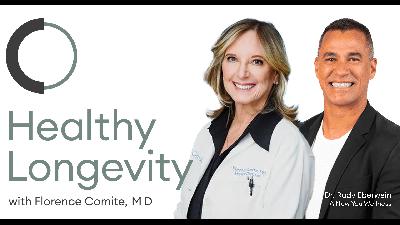
A decade ago, the idea of a drug that could tackle obesity, insulin resistance, and cardiovascular disease sounded like pure science fiction. Today, thanks to peptides like Ozempic and Zepbound, it's a reality and a lifeline to the more than 90 percent of Americans who have metabolic disease. In this episode, Dr. Comite discusses GLP-1s and other "booster shots to preventive medicine" with Rudy Eberwein, MD, founder of A New You Wellness in Miami, who specializes in weight loss, hormone optimization, and longevity. This episode answers many of the questions you may have about improving your healthspan to match your lifespan. You'll learn… · * That Eberwein believes only 7 percent of the U.S. population is metabolically healthy and Dr. Comite has "never seen a completely healthy human being." · * Why doctors Comite and Eberwein believe GLP-1 medications are to healthcare in the 21st century as antibiotics were to saving lives in the 20th century. · * That obesity is not a result of a lack of willpower. · * About the medication combo that represents the "best one-two punch" against metabolic disease. · * About the "exposome," and how it negatively impacts health. · * Why Dr. Comite calls muscle "the organ of longevity." · * The fears of getting prostate cancer on testosterone therapy are unfounded. · * About "iron overload" and the "sweet spot" for iron and ferritin levels. Upcoming: July 1: Carolyn DeLucia, MD, a board-certified gynecologist specializing in women's intimacy on non-surgical techniques for improving sexual health. July 15 Brad Jacobs, MD, owner of BlueWave Medicine on wearables, meditation, and psychedelic-assisted therapies. About Florence Comite, MD Dr. Comite began her medical journey at Yale University School of Medicine and continued at Yale with a residency in medicine. She completed a fellowship in Reproductive Endocrinology (multidisciplinary training incorporating pediatrics, gynecology, and andrology) at the National Institute of Child Health and Human Development. She remained at the National Institutes of Health as a senior clinical research associate before joining the Yale faculty as an associate professor in endocrinology. During her 25-year faculty tenure, Dr. Comite founded and directed Women's Health at Yale. In 2005, she launched her bespoke medical practice, Comite Center for Precision Medicine & Healthy Longevity, in New York City and subsequently expanded offices to Palo Alto and Miami Beach. Through her medical practice and decades of clinical research, Dr. Comite recognized that all humans have inherited a disorder of carbohydrate metabolism (a glucose disorder leading toward diabetes), which is accelerated by aging and the natural decline of the hormones testosterone and estrogen, which begins around age 30. Dr. Comite's podcast delivers the truth about your health—that age-related disease begins early in life at the cellular level. By slowing and even reversing the biological aging process, we can stay active and in great health for life. She interviews renowned physicians, researchers, and thought leaders, offering surprising insights and practical tips that listeners can use to improve their health trajectory.
Many women who can benefit from hormones are still sitting on the sidelines because of long-held misconceptions about health risks of hormone therapy. "We need to move on from that crazy debate that hormones are bad," says gynecologist and integrative medicine physician Felice Gersh MD, author of PCOS SOS and Menopause: 50 Things You Need to Know. "Estradiol is the elixir of life!" In this episode, Dr. Comite interviews Dr. Gersh about how insufficient hormones dramatically impact a woman's current and future health. You'll learn… · Not only can hormone therapy ease hot flashes, sleep disturbance, and other symptoms of menopause, it reduces insulin resistance and cardiovascular disease risk in menopausal women, optimizes production of growth factors in the brain and supports bone health. · Breast cancer is more common after menopause when estrogen levels drop. · The close connection between PCOS and Menopause. · Chronic inflammation upregulates aromatase and changes estrogen into an unhealthy form called "estrone." · 50% of women with PCOS have a first-degree relative who has PCOS. · While excess testosterone is blamed for PCOS, polycystic ovary syndrome is primarily a condition caused by not enough estradiol. · "You can't heal without hormones, but until you're healed, you won't make the hormones," says Dr. Gersh. · Why you should take estradiol in cream or patch form, not orally.
The pandemic is not a distant memory for the 17 million US adults who the CDC says suffer from "long-haul COVID." Gastroenterologist Robin Rose, MD, an expert in treating long COVID says "the gut is ground zero" for the virus's notorious spike protein and the protein's conduit to every cell in the body. In this episode, Dr. Comite interviews this practitioner of next-generation precision healthcare about our microbiome's role in aging and the downstream effects of COVID on our health. You'll learn… The COVID-19 spike protein can bind to 22 cell receptors and can impact 300 biological pathways in the body, triggering chronic disease and accelerating aging. How spike proteins get inside cells, transforming them into "zombie cells." That spike proteins from mRNA vaccines as well as the virus itself destroy bifidobacteria, one of the most beneficial bugs in our gut. About natural compounds that work synergistically along biological pathways to move the spike protein out of the body. How "leaky gut" develops and its impact on organs and the immune system. The critical importance of regular blood tests and "knowing your body." Dr. Rose's three free guaranteed health boosters: Community, gratitude, and movement.
"Weight gain is not about lack of willpower; it's biology," says obesity doctor and GLP-1 expert Alexandra Sowa, MD. In this episode, the author of the new book The Ozempic Revolution: A Doctor's Proven Plan for Success to Help You Reverse Obesity, End Yo-Yo Dieting, Protect Yourself from Disease, cuts through the confusion surrounding GLP-1 medications and tells listeners what her most successful and happiest patients do to reap the full health benefits of these game-changing peptides. Dr. Sowa is the founder of the telehealth clinic SoWell Health. You'll learn… Why "try harder" is terrible medical advice. The differences between GLP-1 drugs like Ozempic, Wegovy, Monjuro and Zepbound. How GLP-1s quiet the "food noise" in your brain. Are GLP-1s right for you? How to get your prescription covered. How to eat and exercise to minimize symptoms and gain the best results. The future of GLP-1s and how they may help eliminate chronic disease. Dr. Comite began her medical journey at Yale University School of Medicine and continued with at Yale with a residency in medicine. She completed a fellowship in Reproductive Endocrinology (multidisciplinary training incorporating pediatrics, gynecology, and andrology) at the National Institute of Child Health and Human Development. She remained at the National Institutes of Health as a senior clinical research associate before joining the Yale faculty as an associate professor in endocrinology. During her 25-year faculty tenure, Dr. Comite founded and directed Women's Health at Yale. In 2005, she launched her bespoke medical practice, Comite Center for Precision Medicine & Healthy Longevity, in New York City and, subsequently expanded offices to Palo Alto and Miami Beach. Through her medical practice and decades of clinical research, Dr. Comite recognized that all humans have inherited a disorder of carbohydrate metabolism (a glucose disorder leading toward diabetes), which is accelerated by aging and the natural decline of the hormones testosterone and estrogen, which begins around age 30. Dr. Comite's podcast delivers the truth about your health—that age-related disease begins early in life at the cellular level. By slowing and even reversing the biological aging process, we can stay active and in great health for life. She interviews renowned physicians, researchers, and thought leaders offering surprising insights and practical tips that listeners can use to improve their own health trajectory.
Looking to make 2025 your healthiest year ever? "You can take control of your health by changing the way your genes express themselves," says Florence Comite, MD. "Your genes don't have to be your destiny." In this episode, Dr. Comite switches seats with her guest, Deepti Agarwal MD, who interviews Comite about her career as a forward-thinking endocrinologist and innovator in Precision Medicine. Dr. Agarwal is an anesthesiologist, integrative medicine physician, and Director of Interventional and Integrative Pain Management at Case Integrative Health in Chicago. You'll learn… How aging changes your body (beginning around age 30), specifically how the hormone testosterone declines by 1 to 3 percent per year in both men and women and what that means for your health. Why your doctor needs to know your health story to make a difference in your health path. You'll learn the elements necessary to write your health story. About the "poor man's genetic test," the most underutilized tool for longevity. Why the way to losing weight is moderation, not deprivation, and starting meals with protein to manage cravings for carbs. How to be proactive about your health to prevent the disorders of aging—heart disease, diabetes, osteoporosis, and more. Dr. Comite began her medical journey at Yale University School of Medicine and continued with at Yale with a residency in medicine. She completed a fellowship in Reproductive Endocrinology (multidisciplinary training incorporating pediatrics, gynecology, and andrology) at the National Institute of Child Health and Human Development. She remained at the National Institutes of Health as a senior clinical research associate before joining the Yale faculty as an associate professor in endocrinology. During her 25-year faculty tenure, Dr. Comite founded and directed Women's Health at Yale. In 2005, she launched her bespoke medical practice, Comite Center for Precision Medicine & Healthy Longevity, in New York City and, subsequently expanded offices to Palo Alto and Miami Beach. Through her medical practice and decades of clinical research, Dr. Comite recognized that all humans have inherited a disorder of carbohydrate metabolism (a glucose disorder leading toward diabetes), which is accelerated by aging and the natural decline of the hormones testosterone and estrogen, which begins around age 30. Dr. Comite's podcast delivers the truth about your health—that age-related disease begins early in life at the cellular level. By slowing and even reversing the biological aging process, we can stay active and in great health for life. She interviews renowned physicians, researchers, and thought leaders offering surprising insights and practical tips that listeners can use to improve their own health trajectory.
If you are a stress-aholic, you need to put more "O" in your life. The "O" in orgasm also is the "O" in oxytocin, the hormone of love and connection, says Anna Cabeca DO, an OBGYN, best-selling author, and expert in hormones and menopause known as The Girlfriend Doctor. In this episode of Healthy Longevity, Dr. Comite interviews Dr. Cabeca about how boosting oxytocin can help women counteract the stress hormone cortisol, lower risk of diabetes, supercharge sexual desire and function, and more! You'll learn… How Dr. Cabeca turned her life (and health) around after the tragic death of her toddler son and breakup of her marriage, which triggered early menopause. Stress messes up our adaptive hormones—as cortisol goes up, oxytocin goes down. 5 simple ways to boost oxytocin naturally to help your body repair itself. How eating alkaline foods can rebalance your acidic physiology leading to weight loss, improved sleep and mood, and relief from brain fog and hot flashes. The morning and evening routine that resets your circadian rhythm. About new oxytocin-boosting treatments to combat vaginal dryness, clitoral atrophy and improve orgasm.
Lorenzo Thione is an entrepreneur, expert in Artificial Intelligence, a celebrated storyteller. and Broadway producer four-times nominated for and twice winner of Tony Awards. For someone so busy, it's remarkable he finds the time to stay as laser focused on his health as he appears. But is he really doing all he could to optimize his body? In this episode of Healthy Longevity, Dr. Comite analyzes Thione's recent blood work to see if his biomarkers reveal he's as healthy on the inside as he looks on the outside. You'll learn… How Thione, a technology expert and self-quantifier, uses wearable devices and other health data point to inform his lifestyle decisions. How testosterone optimization therapy improved Thione's energy, libido, and more! Dr. Comite's recommendations for improving his low levels of magnesium, a mineral that's essential for gut and brain and plays a role in over 300 critical functions in the body. Insights about homocysteine and why some people need methylated forms of vitamin B12. Why family health history has been called a poor man's genetic test.
When feeling stressed and overwhelmed in medical school, Poonam Desai would dance. She'd take a 15-minute break to dance to hip hop or practice her classical Indian dances. "Dance is my happy place; it's my meditation," says the emergency department physician, classically trained ballet and Indian dancer and private practice longevity doctor. In this episode of Healthy Longevity with Florence Comite MD, Dr. Desai shares her prescription for avoiding a visit to her E.R. and living a healthier, happier long life. You'll learn… That Dr. Desai's experience treating stroke and heart attack patients in the E.R. taught her that convention medicine must become more proactive to help patients age with vitality. The path to healthy longevity starts with a change of mindset. Why you need to be ready to change before you can establish healthier habits. Wearable devices like sleep and heart rate trackers are accelerating a major shift toward virtual healthcare. Why most peoples' definition of being healthy is wrong.
Don't try to manage menopause alone as your mother did. Actively seeking help and resources to comprehend and navigate perimenopause and menopause is the new plan for women to manage symptoms and improve their health. Join Dr. Comite in an open conversation about how to embrace this significant life phase with Jessica Shepherd, MD, a board-certified OB/GYN and author of the new book Generation M: Living Well in Perimenopause and Menopause. You'll learn… How participating in open dialogues with other women and your partner will facilitate understanding of changes, alleviate symptoms, and reduce feelings of isolation or shame. Why prepping your body for perimenopause as you would train for a 10K race will help you master the marathon of menopause. How hormone therapy can ease symptoms, reduce the risk of heart disease, and reverse biological aging. That incorporating mindfulness through meditation, yoga, or other methods, contributes to positive health outcomes during menopause.
Heart disease, heart attack, and stroke are the nation's #1 killers of men and women. But these chronic disorders of aging are easily detected and cost effective to prevent. If you want to not only live longer, but live a healthy, active, happy life to 100 and beyond, you'll want to listen to heart surgeon David Luu, M.D. He's founder of The Heart Fund, dedicated to democratizing access to cardiovascular care in low-income countries, and the startup Hearty.com, a service designed to detect heart disease and other age-related conditions early. You'll learn… · Why checking your blood pressure should be as routine as brushing your teeth. · The cholesterol blood test that everyone should undergo but few people do. · Why you should know your CT calcium score and consider a CT angiogram. · About the skateboarding accident that became Dr. Luu's inspiration to pursue longevity medicine. · How loneliness can affect your heart. · Dr. Luu's #1 tip for achieving healthy longevity · Plus, answers to listeners' burning questions.

Amy B. Killen, M.D., was an emergency room doctor for more than 10 years. And she was tired of treating the same people over and over again. "I'd see the same patients with the same problems, and I thought "there has to be a better way." In this episode of Healthy Longevity with Florence Comite, M.D., Dr. Killen describes how she came to the realization that she could prevent the chronic diseases that were bringing patients to the E.R. "if we could only get to them sooner." She also admits that she worried she could become one of those patients in the E.R. waiting room if she didn't change her own unhealthy lifestyle habits. Drs. Comite and Killen discuss the need to shift from conventional medicine's reactive methods to a more proactive, personalized, preventive approach to healthcare. They explore ways individuals can play a more active role in optimizing their health for life. You'll learn: What Dr. Killen saw in the E.R. that drove her to switch from conventional to proactive longevity medicine. Why sleep is so critical to every function in your body and brain. The challenges and solutions for treating hypothyroid symptoms. The #1 change you can make in your life today to be healthier tomorrow. And much more!
Dr. Florence Comite discusses the importance of proactive healthcare and personalized approaches to health. She emphasizes the need for accurate and reliable information in the field of longevity and aims to help individuals increase their health span. Dr. Comite shares her experience as an endocrinologist and precision medicine physician, highlighting the importance of understanding the aging process and implementing targeted interventions. She explains the significance of data and biomarkers in customizing healthcare and emphasizes the need for a comprehensive approach to health that includes factors such as hormones, metabolism, and body composition. Dr. Comite also shares a case study of a client who successfully reversed the aging process through personalized interventions.
Want to perform better tomorrow at anything you do? Then get a good night's sleep tonight. "Sleep plays a critical role in restoration for humans; it is the housekeeping process for our physiology that allows us to restore and start the next day," says sleep expert Sahil Chopra, MD, today's guest on Healthy Longevity with Florence Comite MD. Dr. Chopra is co-founder and chief medical officer for Empower Sleep, a virtual sleep care program that makes personalized multi-night sleep analysis and treatment accessible from home. Nearly 40% of adults report falling asleep during the day without meaning to at least once a month. Also, an estimated 50 to 70 million Americans have chronic, or ongoing, sleep disorders, according to the Centers for Disease Control and Prevention. "If people don't sleep well, the likelihood of having cardiovascular disease … is higher, the possibility of cancer is six-fold higher," says Chopra. "Growth hormone levels are lower; cortisol dysregulation is higher. Circadian rhythms, if they are misaligned, result in a compromised metabolic state. REM sleep plays a critical role in emotional stability." If you're suffering from brain fog or nodding off at your desk after lunch, you'll want to tune in to discover how to dramatically improve your health and health trajectory by improving your sleep habits. You'll learn: * Sleep debt builds slowly, so you may not recognize what it's doing to you. * Why a one-night sleep study is not an effective way to diagnose a sleep disorder. * Sleep trackers like Empower Sleep's medical-grade ring and consumer models like the Oura Ring provide patients with real-time analysis of their sleep quality in their own bed without spending a restless night in a sleep lab wired to a machine. * Poor sleep is a gut punch, affecting the gut microbiome by disrupting the GI tract's normal nightly slow-down, which allows its epithelial lining to repair and recover. * Lack of sleep compromises the immune system. Studies show that sleep-deprived people (getting four to six hours of sleep) don't respond to vaccines as well as people who get adequate sleep (seven to eight hours). * During deep sleep stages, blood flow to the brain peaks through the glymphatic system, which clears the beta amyloid and tau proteins that are believed to play a role in Alzheimer's dementia. * What to do an hour before bedtime and within 15 minutes of waking to reset a healthy circadian rhythm. * Remedies for restless leg syndrome, including new technology that stimulates nerves in the legs to make the brain think that your lower limbs are moving. * And much more! About Florence Comite, MD Dr. Comite began her medical journey at Yale University School of Medicine and continued at Yale with a residency in medicine. She completed a fellowship in Reproductive Endocrinology (multidisciplinary training incorporating pediatrics, gynecology, and andrology) at the National Institute of Child Health and Human Development. She remained at the National Institutes of Health as a senior clinical research associate before joining the Yale faculty as an associate professor in endocrinology. During her 25-year faculty tenure, Dr. Comite founded and directed Women's Health at Yale. In 2005, she launched her bespoke medical practice, Comite Center for Precision Medicine & Healthy Longevity, in New York City and subsequently expanded offices to Palo Alto and Miami Beach. Through her medical practice and decades of clinical research, Dr. Comite recognized that all humans have inherited a disorder of carbohydrate metabolism (a glucose disorder leading toward diabetes), which is accelerated by aging and the natural decline of the hormones testosterone and estrogen, which begins around age 30. Dr. Comite's podcast delivers the truth about your health—that age-related disease begins early in life at the cellular level. By slowing and even reversing the biological aging process, we can stay active and in great health for life. She interviews renowned physicians, researchers, and thought leaders offering surprising insights and practical tips that listeners can use to improve their own health trajectory.
Longevity isn't just a roll of the genetic dice; it's something you can actively shape. By building a plan to expand your healthspan, you're investing in your future self, ensuring that as you age, you continue to feel strong, keep your brain sharp, and live life to the fullest. Being proactive is the point of longevity medicine, which takes the best parts of conventional healthcare and wellness and helps you play an active role in your health like never before, says Delphine Le Grand, an entrepreneur in the booming longevity space. Delphine is a bridge builder, fostering partnerships with early-stage companies and longevity physicians to bring personalized, preventative care models to market. Join my conversation with Delphine as we explore this "cultural moment" that longevity medicine is currently enjoying and how it will impact you. You'll learn: · The longevity medicine ecosystem is still in its infancy, but hang on for an explosion of technology, bioscience breakthrough, and more that will make living well beyond 100 years common. · The first step in building a plan to lengthen your healthspan to match your lifespan is to know your body and understand what it's telling you at the cellular level. · Bio data is important but knowing what to do with that information to improve your health is essential. And that's the piece of the puzzle that's missing—unless you know where to look. · The biggest breakthrough in reducing chronic cardiometabolic disease will come from reversing the carbohydrate metabolism disorder that affects 99 percent of human beings. · To improve your health tomorrow, discover what's holding you back from living in optimal health today. Is it poor sleep, unhealthy eating, insufficient exercise, or stress? Identify your nemesis and overcome it. About Florence Comite, MD Dr. Comite began her medical journey at Yale University School of Medicine and continued her training there with a residency in medicine. She completed a fellowship in Reproductive Endocrinology (multidisciplinary training incorporating pediatrics, gynecology, and andrology) at the National Institute of Child Health and Human Development. She remained at the National Institutes of Health as a senior clinical research associate before joining the Yale faculty as an associate professor in endocrinology. During her 25-year faculty tenure, Dr. Comite founded and directed Women's Health at Yale. In 2005, she launched her bespoke medical practice, Comite Center for Precision Medicine & Healthy Longevity, in New York City and, subsequently expanded offices to Palo Alto and Miami Beach. Through her medical practice and decades of clinical research, Dr. Comite recognized that all humans have inherited a disorder of carbohydrate metabolism (a glucose disorder leading toward diabetes), which is accelerated by aging and the natural decline of the hormones testosterone and estrogen, which begins around age 30. Dr. Comite's podcast delivers the truth about your health—that age-related disease begins early in life at the cellular level. By slowing and even reversing the biological aging process, we can stay active and in great health for life. She interviews renowned physicians, researchers, and thought leaders, offering surprising insights and practical tips that listeners can use to improve their own health trajectory. Next on Healthy Longevity with Florence Comite Aug. 19: Dean Ornish, MD, world-renowned pioneer of lifestyle medicine, on practical steps to reverse chronic disease.
Trouble with arousal or orgasm? Low (or no) libido? Dryness and painful intercourse? Nearly half of all women will experience sexual dysfunction or intimacy issues like these at some point in their lives. Men suffer from some of these problems, too. But it doesn't have to be that way. Advances in sexual health medicine offer exciting new solutions for these common obstacles to a healthy (and hot) sex life. Today's Healthy Longevity guest is Carolyn DeLucia, MD, a former OBGYN, who's now helping thousands of women and men rekindle their sexuality at her practice, The Secret Orchid, in Hillsborough, NJ. Dr. DeLucia uses non-surgical techniques such as laser and sound-wave therapy, platelet-rich plasma (PRP), and hormone optimization to jumpstart libido, increase vaginal lubrication, achieve more intense orgasms, and improve overall self-confidence and satisfaction. Join me as we explore the new medicine of sexual pleasure. You'll learn: · Today, women are much more open about their sexual health, thanks to social media, but there's far too much misinformation online (some of it dangerous, most of it useless). Get your advice from experts who understand the science and recognize that every human is unique. · Sexual health problems are more common than you might think. Sixty percent of women experience vaginal atrophy. A third of women suffer from urinary incontinence and 45 percent of them refrain from intimacy due to the shame. · Instead of doing thousands of Kegels every day, laser therapy and electromagnetic stimulation of the pelvic floor strengthen the muscles surrounding the bladder and improve urinary control. · In addition to boosting a woman's libido, testosterone cream applied to the back of the knee helps women put on lean muscle and lose fat. (An oral testosterone pill is currently being tested.) · Os and Ahhs: A PRP therapy called the "O-Shot," improves blood flow and lubrication, increases sex drive, heightens arousal, and makes orgasms more intense. The O-Shot involves taking a small amount of blood from the arm and processing it to concentrate platelet-rich plasma, which is injected into the numbed clitoris, labia, and G-spot. The result: improved blood flow and lubrication, increased sex drive, heightened arousal, and more intense orgasms. A similar PRP therapy, the "P-Shot," is available for male sexual dysfunction. · Part of helping women remain active and willing participants in their intimate lives is keeping their partner active, too. · An active sex life is terrific for building self-esteem and overall health. About Florence Comite, MD Dr. Comite began her medical journey at Yale University School of Medicine and continued with at Yale with a residency in medicine. She completed a fellowship in Reproductive Endocrinology (multidisciplinary training incorporating pediatrics, gynecology, and andrology) at the National Institute of Child Health and Human Development. She remained at the National Institutes of Health as a senior clinical research associate before joining the Yale faculty as an associate professor in endocrinology. During her 25-year faculty tenure, Dr. Comite founded and directed Women's Health at Yale. In 2005, she launched her bespoke medical practice, Comite Center for Precision Medicine & Healthy Longevity, in New York City and, subsequently expanded offices to Palo Alto and Miami Beach. Through her medical practice and decades of clinical research, Dr. Comite recognized that all humans have inherited a disorder of carbohydrate metabolism (a glucose disorder leading toward diabetes), which is accelerated by aging and the natural decline of the hormones testosterone and estrogen, which begins around age 30. Dr. Comite's podcast delivers the truth about your health—that age-related disease begins early in life at the cellular level. By slowing and even reversing the biological aging process, we can stay active and in great health for life. She interviews renowned physicians, researchers, and thought leaders offering surprising insights and practical tips that listeners can use to improve their own health trajectory.
Not unlike your skin, your gums, the periodontal support tissues for your teeth, act as a frontline defense against bacteria and pathogens trying to enter your body. "If your gums are not healthy, you are not healthy," says biologic dentist and periodontal surgeon Alexander Volchonok, DMD, co-founder of TetraHealth Dentistry in New York City. In this episode of Healthy Longevity with Florence Comite, MD, you'll learn that the mouth is the window into the health of your entire body. Bleeding gums, a hallmark of periodontal disease, warn of dysbiosis of the mouth's microbiome and have many downstream effects that can negatively impact the endocrine system, heart health, and even the brain. Open wide and join us on a fascinating exploration of biologic dentistry, an approach that focuses on the interconnectedness of oral health with the rest of the body. You'll learn… · Biologic dentistry uses high-tech diagnostic modalities to test saliva for markers of inflammation and to analyze the DNA of the oral microbiome. · High-definition scans can peer below the surface of the gum to the bone, uncovering hidden infections, that may be completely asymptomatic, early enough to prevent advanced disease. · Declining oral health is not inevitable with age; you can have a healthy mouth and gums for the rest of your life. · Plaques in the heart and blood vessels contain oral bacteria, which traveled there through the bloodstream from "leaky" gums. · Oral bacteria can upregulate inflammatory cytokines like interleukin-1 and interleukin-6, which can cross the blood-brain barrier and may play a role in Alzheimer's dementia. · Everyone should have a thorough oral screening and consider advanced screening and testing options. · The best way to take care of your teeth and gums, according to Volchonok: use an electric toothbrush and a water flosser (like the classic Waterpik).
Would you want to know if cancer is in your health future? In many cases, detecting cancers early before they metastasize and when they are more easily treated is the key to survival and return to good health. Unfortunately, many aggressive cancers are identified in the later stages of progression, making treatment difficult and sometimes ineffective. Today, however, biomedical companies are racing to develop cancer screening technologies that may ultimately change the trajectory of cancer mortality. Leading that effort is GRAIL with its first-to-market Galleri multi-cancer early detection test, which is awaiting FDA approval. In this episode of Healthy Longevity, Dr. Comite discusses this pioneering test with Eric A. Klein, MD, a distinguished scientist at GRAIL and a long-time urologist and surgical oncologist. You'll learn… · Currently, we can screen for only cervical, breast, colon, lung, and prostate cancers. · Standard screening tests only detect 14 percent of cancers. More than 80 percent of people who die of cancer succumb to cancers for which there is no screening. · While those current tests reduce mortality, we still lose more than 600,000 patients yearly in the U.S. to cancer. · Multi-cancer screening tests like Galleri fill an unmet need for finding the deadliest cancers before they become symptomatic. · Cancers growing in the body shed DNA into the bloodstream. These DNA fragments act like a fingerprint of cancer that the Galleri blood test can detect. · When a cancer fingerprint is found, the test can predict the type of organ or tissue it is linked to, which can help doctors home in on the most effective treatment. · 1 in 200 people who take the Galleri test receive a false positive. More than 90 percent of those determined to have cancer will benefit by learning the origin of the cancer.
As research lead for the nutrition and metabolic health company Health Via Modern Nutrition (HVMA), Latt Mansor knows more than most people about what it takes to stay fit and healthy. Still, he struggled to lose fat pounds and worried about his heart health. So, Dr. Comite invited him to come to Comite Center for a blood draw, evaluation, and recommendations for interventions based on her analysis. In this episode, Dr. Mansor returns to the center to review the results of his year-long experience as a precision medicine patient and learn how he reversed the risks that were leading him toward the cardiovascular trouble that killed his father. You'll learn… What is "reactive hypoglycemia" and why having high insulin is dangerous even if your HbA1C number is low. Why insulin, the fat-storage hormone, makes it so difficult to shed fat mass. The dietary supplements that helped Mansor lower his cholesterol risk ratio number, improve his HDL "good" cholesterol, and drop his high 200 LDL "bad" cholesterol to 110. The reason Dr. Comite advises patients like Mansor to take vitamin K2 along with vitamin D for bone and heart health. Why consistency in using testosterone or human chorionic gonadotropin is critical for maintaining muscle mass and losing weight. The change in Mansor's exercise routine that led to a dramatic improvement in his VO 2"> 22 max and potential for longevity, reducing his risk of cardiovascular death by nearly 25 percent over the next decade. How Mansor lost 22 pounds and dropped his body fat percentage from nearly 27 percent to 16.3 percent while maintaining muscle mass.
As a hospitalist at Maimonides Medical Center, Brooklyn's largest and busies safety-net hospital, Dr. Maryam Baqir, treated some of sickest patients imaginable at the worst of times imaginable—during the COVID-19 pandemic. Seeing such pain and suffering every day left her with the profound realization that so much can be prevented; we don't have to wait to be sick," she says. In this episode, Dr. Comite interviews Dr. Baqir about her recent move from conventional medicine's reactive approach to a proactive, preventive method of care, a shift Dr. Comite made more than 20 years ago when began practicing precision medicine. You'll learn… Most conventional medicine is excellent at saving lives and treating disease but does a poor to fair job of preventing illness from emerging. As a front-line physician during COVID, Dr. Baqir became very skilled at taking care of very sick people but realized her greatest desire was to help them stay out of the hospital. A diabetes diagnosis is not inevitable. You can escape a genetic predisposition through lifestyle changes and medication. Strokes don't have devastate lives; 80 percent can be prevented. Why both doctors say spending more time with patients is essential to getting at the root causes of illness and disease. When she starts patients on GLP-1 medications like Ozempic and Mounjaro, Dr. Baqir says they often embrace eating healthier and exercising regularly.

Comments

Download from Google Play

Download from App Store
 United States