Discover
Hotel Bar Sessions
237 Episodes
Reverse
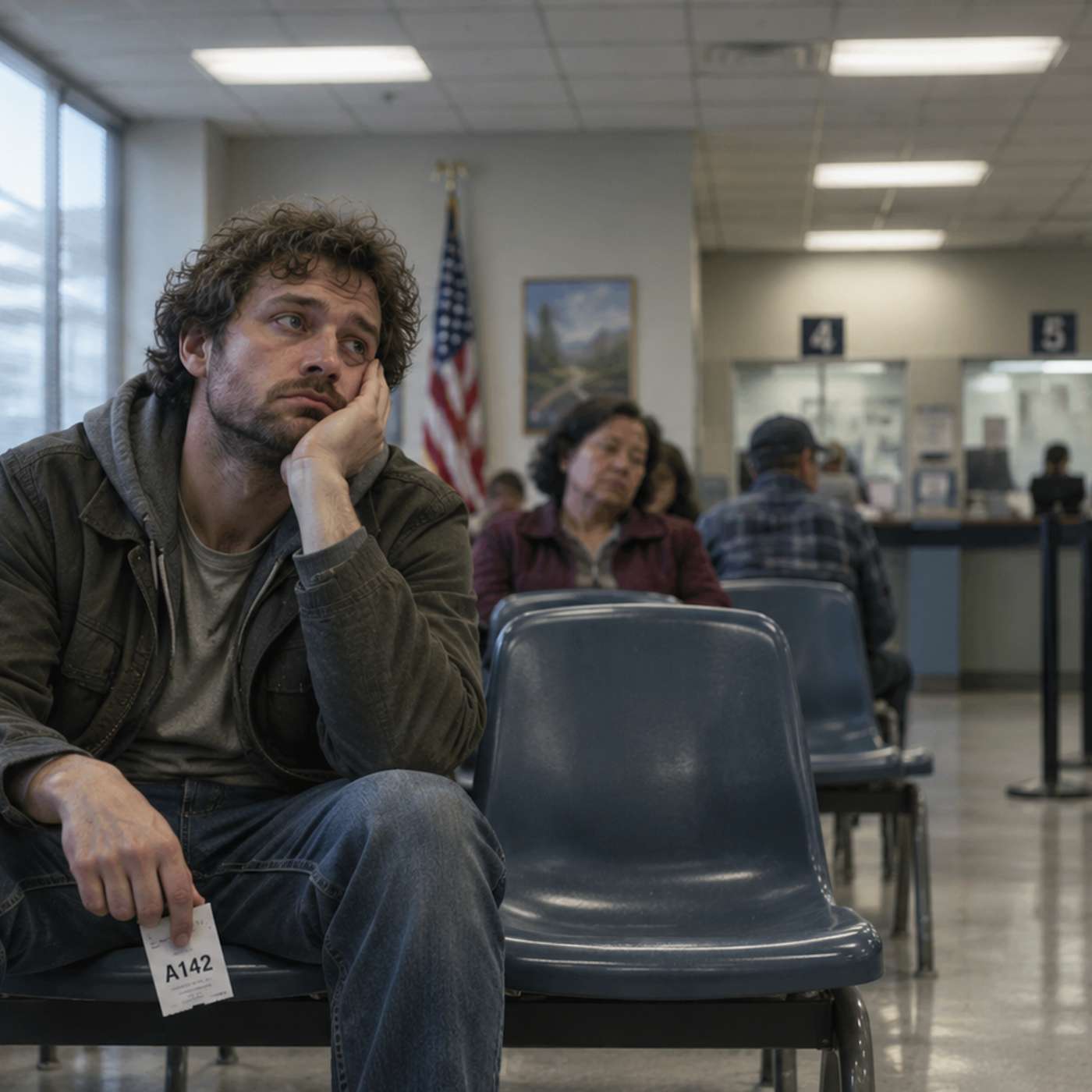
"Nostalgia" is a portmanteau coined in 1688 by Johannes Hofer, combining the Greek nostros (homecoming) and algos (pain, ache). Hofer was a medical student, and he invented this term to describe a kind of melancholia, a somewhat depressive state–- and so, from its inception, "nostalgia" was viewed as a mood disorder. For the Romantics, it was a sentimentality for the past, the good old days of yore, combining the sadness of loss with a joy that that loss is not complete or total. Nostalgia is also paradoxical, because the past we long for and re-member is a past that was never present. If it is a "homecoming," what one discovers in returning home, as Odysseus does, is that there is no "there" there. That is, nostalgia is always unheimlich ("unhomely") or more accurately, "uncanny." It always involves a manner of self-deception about what was by distorting or idealizing the past. This can often have negative, even dangerous consequences: individually, socially, and politically. More than just a "mood," nostalgia is a vector of philosophical investigation par excellence that opens onto a wide range of themes: memory, time, the hermeneutics of personal identity, and even reality itself. So, pour a drink, and let's see what might be problematic about what we "fondly remember"!Full episode notes available at this link:https://hotelbarpodcast.com/nostalgia---------------------SUBSCRIBE to the podcast now to automatically download new episodes!SUPPORT Hotel Bar Sessions podcast on Patreon here! (Or by contributing one-time donations here!)BOOKMARK the Hotel Bar Sessions website here for detailed show notes and reading lists, and contact any of our co-hosts here.Hotel Bar Sessions is also on Facebook, YouTube, BlueSky, and TikTok. Like, follow, share, duet, whatever... just make sure your friends know about us!
★ Support this podcast on Patreon ★
Bad arguments are nothing new, so why does it appear as if they have become so pervasive in public discourse? When we watch so-called "debate" videos with titles like "Conservative professor DESTROYS woke student" or "Liberal pundit OWNS Conservative Senator," are we actually watching a rational debate? Is anyone learning anything in these exchanges? Or, as is most likely, are we watching the performance of a well-reasoned debate, absent any concern for the truth whatsoever?The ancient Greeks had a name for this: sophistry. It originally referred to the craft of paid expert-teaching-- especially training in rhetoric-- for success in public life. So, how did “expertise in persuasive argument” later become something more like “specious reasoning in service of persuasion rather than truth”?Are we actually harmed-- as individuals and as a society-- by bad reasoning, logical fallacies, and the robust critical thinking that might correct them? Pour yourself a drink and join us for this conversation about the historical and current iterations of sophistry.Full episode notes available at this link:https://hotelbarpodcast.com/sophistry---------------------SUBSCRIBE to the podcast now to automatically download new episodes!SUPPORT Hotel Bar Sessions Podcast on Patreon here! (Or by contributing one-time donations here!)BOOKMARK the Hotel Bar Sessions website here for detailed show notes and reading lists, and contact any of our co-hosts here.Hotel Bar Sessions is also on Facebook, YouTube, BlueSky, and TikTok. Like, follow, share, duet, whatever... just make sure your friends know about us!
★ Support this podcast on Patreon ★
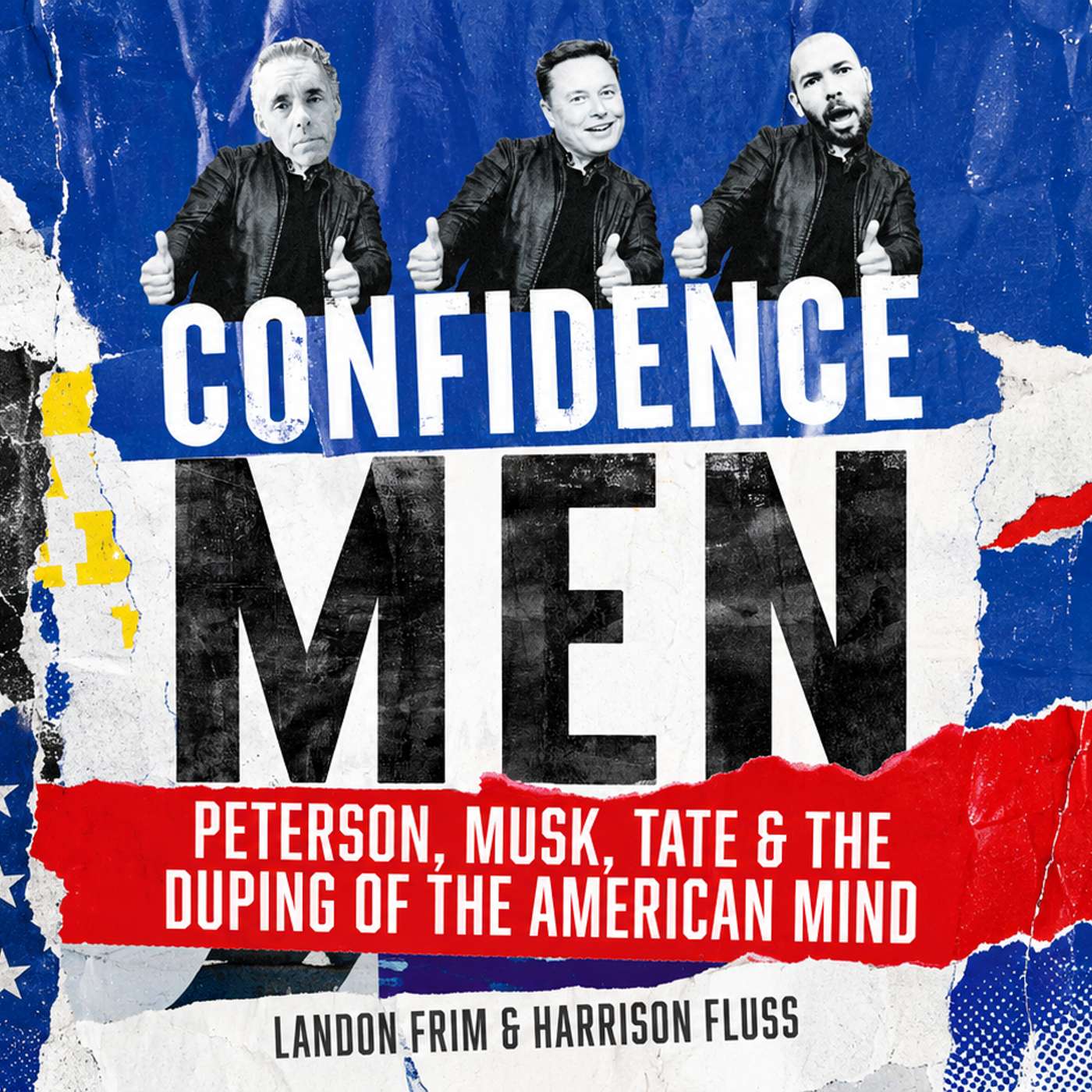
This week’s episode takes Cory Doctorow’s term “enshittification” and uses it as a diagnostic for late-capitalist life, not just for tech platforms but for democracy, higher education, and work more broadly. Our co-hosts unpack Doctorow’s three-stage model—platforms start out good to users, then pivot to serving business customers, and finally squeeze both users and customers to extract maximum value for shareholders—and argue about whether this is really a new “platform logic” or just old-school Marxist exploitation and alienation under a punchier name.We connect this logic to the attention economy and datafication (“we are the product”), then extend it to U.S. democracy, where voters are treated as performers in a hollowed-out system, and to universities, where administrative bloat, metrics, and “students as customers” have produced an enshittified version of higher education, while students are locked-in by massive student debt. What is left for us in terms of resistance?We look at some real options: exiting platforms, Labor organizing and union drives, “quiet quitting” and malicious compliance (“Bartleby”-esque moves), creative sabotage, and maybe even “enshittification from below.”Our co-hosts ultimately advocate for insisting on higher standards, rather than accepting the slow boil of lowered expectations. Join us for the shit-show! Full episode notes available at this link:https://hotelbarpodcast.com/podcast/the-enshittification-of-everything/---------------------SUBSCRIBE to the podcast now to automatically download new episodes!SUPPORT Hotel Bar Sessions podcast on Patreon here! (Or by contributing one-time donations here!)BOOKMARK the Hotel Bar Sessions website here for detailed show notes and reading lists, and contact any of our co-hosts here.Hotel Bar Sessions is also on Facebook, YouTube, BlueSky, and TikTok. Like, follow, share, duet, whatever... just make sure your friends know about us!
★ Support this podcast on Patreon ★
Many of us think of resistance as "protest," communicative acts aimed at fighting injustice, and done with others in public. But what happens when that kind of resistance isn’t possible or safe? When showing up, or waving a sign, or making a public speech might get you jailed, or silenced, or disappeared? Is it possible to resist oppression without following Western scripts surrounding protest? This week, we are joined by guest Dr. Tamara Fakhoury (University of Minnesota) to talk about her concept of "quiet resistance."Full episode notes available at this link:https://hotelbarpodcast.com/quiet-resistance---------------------SUBSCRIBE to the podcast now to automatically download new episodes!SUPPORT Hotel Bar Sessions podcast on Patreon here! (Or by contributing one-time donations here!)BOOKMARK the Hotel Bar Sessions website here for detailed show notes and reading lists, and contact any of our co-hosts here.Hotel Bar Sessions is also on Facebook, YouTube, BlueSky, and TikTok. Like, follow, share, duet, whatever... just make sure your friends know about us!
★ Support this podcast on Patreon ★
What does it mean to be “well-adjusted” in a society that might itself be profoundly unwell? And when we use therapy-speak to explain everything from bad relationships to bad politics, do we risk losing sight of moral responsibility for bad behavior altogether? Is self-knowledge even possible in a world built on historical and political denial?Grab a drink, get comfortable, and join us for a little collective introspection — no copay required!Full episode notes available at this link:https://hotelbarpodcast.com/therapy---------------------SUBSCRIBE to the podcast now to automatically download new episodes!SUPPORT Hotel Bar Sessions podcast on Patreon here! (Or by contributing one-time donations here!)BOOKMARK the Hotel Bar Sessions website here for detailed show notes and reading lists, and contact any of our co-hosts here.Hotel Bar Sessions is also on Facebook, YouTube, BlueSky, and TikTok. Like, follow, share, duet, whatever... just make sure your friends know about us!
★ Support this podcast on Patreon ★
This week’s episode of Hotel Bar Sessions brings political theorist Laura K. Field (author of Furious Minds: The Making of the MAGA New Right) into the bar to talk about the intellectuals cranking the rhetoric up to eleven while insisting they’re just “doing Great Books.” We follow the trail from Straussian seminar rooms and conservative think tanks to Trump rallies and “no kings” protests, asking what happens when a self-styled aristocracy of the mind decides liberal democracy is played out.Field guides us through the angry energy behind this movement, the “furious minds” driving it, and why she turns to Aeschylus’ treatment of the ancient Furies (in his Oresteia trilogy) and Abraham Lincoln’s Dred Scott speech to think about justice, vengeance, and the dangers of sacralizing politics. Along the way we talk MAGA as quasi-religion, liberalism as a way of life, why so many young men are adopting Jordan Peterson's 12 Rules for Life, and what it means to refuse the invitation to become furious.Full episode notes available at this link:https://hotelbarpodcast.com/furrious-minds---------------------SUBSCRIBE to the podcast now to automatically download new episodes!SUPPORT Hotel Bar Sessions podcast on Patreon here! (Or by contributing one-time donations here!)BOOKMARK the Hotel Bar Sessions website here for detailed show notes and reading lists, and contact any of our co-hosts here.Hotel Bar Sessions is also on Facebook, YouTube, BlueSky, and TikTok. Like, follow, share, duet, whatever... just make sure your friends know about us!
★ Support this podcast on Patreon ★
The imagination has regularly been subordinated to so-called "rational" or "scientific" models of thought. This week, we're joined by Stephen T. Asma (Columbia College, Chicago), who argues that imagination has deep, perhaps pre-linguistic, roots that ought to be recovered. What if we re-centered the powers of imagination, rooted in imagistic thinking and bodily gestures (like dance), instead of dismissing them as mere "fancy"?Drawing on the esoteric tradition, Asma leads us through an interesting alt-history of human thought and, in doing so, gives us reason to pause and re-think our prejudice against imaginative thinking.Full episode notes available at this link:https://hotelbarpodcast.com/imagination-with-stephen-asma---------------------SUBSCRIBE to the podcast now to automatically download new episodes!SUPPORT Hotel Bar Sessions podcast on Patreon here! (Or by contributing one-time donations here!)BOOKMARK the Hotel Bar Sessions website here for detailed show notes and reading lists, and contact any of our co-hosts here.Hotel Bar Sessions is also on Facebook, YouTube, BlueSky, and TikTok. Like, follow, share, duet, whatever... just make sure your friends know about us!
★ Support this podcast on Patreon ★
This week’s episode of Hotel Bar Sessions on the topic of comedy is a gut buster, not least because one of your co-hosts pretends to be a stand-up comedian at night-- the only job for a philosopher that pays less than being an adjunct professor! Comedy is a historically and philosophically rich topic, starting with primitive hominids drawing penises on cave walls. Our cohosts' begin with Plato, then try to anticipate what Aristotle might have said about comedy (it would not have been funny!), before turning to the formalist aesthetic of 20th C. stand-up and the banality of crowd-work. We ask: what makes something funny? Is there anything that can never be funny? What does comedy do for us, socially and politically?Join us for drinks and a few laughs as we discuss an art form that deserves much more philosophical attention.Full episode notes available at this link:https://hotelbarpodcast.com/episode-202-comedy---------------------SUBSCRIBE to the podcast now to automatically download new episodes!SUPPORT Hotel Bar Sessions podcast on Patreon here! (Or by contributing one-time donations here!)BOOKMARK the Hotel Bar Sessions website here for detailed show notes and reading lists, and contact any of our co-hosts here.Hotel Bar Sessions is also on Facebook, YouTube, BlueSky, and TikTok. Like, follow, share, duet, whatever... just make sure your friends know about us!
★ Support this podcast on Patreon ★
How do we choose the "hills" that we're willing to die on? Are we actually willing to DIE on them? If not, what would it take to convince us to climb back down the hill and compromise?This week , our co-hosts are digging deep into the question of our "deepest commitments," trying to find where there is room for compromise, and where the lines we draw are ultimately un-crossable.Full episode notes available at this link:https://hotelbarpodcast.com/episode-201-the-hills-we-die-on---------------------SUBSCRIBE to the podcast now to automatically download new episodes!SUPPORT Hotel Bar Sessions podcast on Patreon here! (Or by contributing one-time donations here!)BOOKMARK the Hotel Bar Sessions website here for detailed show notes and reading lists, and contact any of our co-hosts here.Hotel Bar Sessions is also on Facebook, YouTube, BlueSky, and TikTok. Like, follow, share, duet, whatever... just make sure your friends know about us!
★ Support this podcast on Patreon ★
How do we choose the "hills" that we're willing to die on? Are we actually willing to DIE on them? If not, what would it take to convince us to climb back down the hill and compromise?This week , our co-hosts are digging deep into the question of our "deepest commitments," trying to find where there is room for compromise, and where the lines we draw are ultimately un-crossable.Full episode notes available at this link:https://hotelbarpodcast.com/episode-201-the-hills-we-die-on---------------------SUBSCRIBE to the podcast now to automatically download new episodes!SUPPORT Hotel Bar Podcast on Patreon here! (Or by contributing one-time donations on our website here!)BOOKMARK the Hotel Bar Sessions website here for detailed show notes and reading lists, and contact any of our co-hosts here.Hotel Bar Sessions is also on Facebook, YouTube, BlueSky, and TikTok. Like, follow, share, duet, whatever... just make sure your friends know about us!
★ Support this podcast on Patreon ★
What does it mean to speak of eternity? Is eternity best understood as infinite time, stretching endlessly forward and backward, or as something wholly outside of time—a changeless, timeless "eternal now"? In this episode, the hosts wrestle with these competing conceptions, drawing on philosophy, theology, and personal experience to ask whether eternity is a thinkable concept or a regulative ideal forever beyond our grasp.The discussion ranges from Aristotle’s view of time as the measure of motion to medieval analogies of rivers and "standing nows," from Aquinas’s theology of resurrected bodies to Nietzsche’s dark thought of the eternal return. The hosts consider whether eternity should be tied to perfection, necessity, or redemption, and explore whether such ideas have anything to offer our day-to-day human lives.Full episode notes available at this link:https://hotelbarpodcast.com/podcast/eternity---------------------SUBSCRIBE to the podcast now to automatically download new episodes when Season 14 begins in September!SUPPORT Hotel Bar Podcast on Patreon here! (Or by contributing one-time donations here!)JOIN our (new) Discord server here and participate in our monthly (LIVE) chats, beginning in Season 14!BOOKMARK the Hotel Bar Sessions website here for detailed show notes and reading lists, and contact any of our co-hosts here.Hotel Bar Sessions is also on Facebook, YouTube, BlueSky, and TikTok. Like, follow, share, duet, whatever... just make sure your friends know about us!
★ Support this podcast on Patreon ★
What makes the difference between a crowd singing in unison at a concert and a mob storming the gates of power? In this episode, the hosts take listeners into the messy, unpredictable space where solidarity teeters on the edge of chaos. They unpack how naming a gathering as a “mob” is never neutral—it does political work, shaping both public perception and police response. From the joyful swell of protest chants to the frightening intensity of January 6th, this conversation asks: when does belonging tip into violence, and who gets to decide? Whether you’ve ever felt swept up in the electricity of a rally or uneasy in the crush of a crowd, this episode challenges you to think about what is gained and lost when “we” become something more than the sum of our parts. Tune in, and you may never see gatherings—online or off—the same way again.Full episode notes available at this link:https://hotelbarpodcast.com/podcast/crowds-and-mobs---------------------SUBSCRIBE to the podcast now to automatically download new episodes when Season 14 begins in September!SUPPORT Hotel Bar Podcast on Patreon here! (Or by contributing one-time donations here!)JOIN our (new) Discord server here and participate in our monthly (LIVE) chats, beginning in Season 14!BOOKMARK the Hotel Bar Sessions website here for detailed show notes and reading lists, and contact any of our co-hosts here.Hotel Bar Sessions is also on Facebook, YouTube, BlueSky, and TikTok. Like, follow, share, duet, whatever... just make sure your friends know about us!
★ Support this podcast on Patreon ★
When we make choices, are these choices free? That is, are we able to choose one thing over another, to do one thing rather than another, independent of the laws of physics, including the biology and chemistry of our bodies and brains? Or are all of our choices determined by processes that could, in theory, be traced back to deterministic causes, if only we had enough information?Whether we are free in our willing or not, does it matter? And if so, why?This week, we are joined by Prof. Mark Balaguer of California State University, Los Angeles to talk about not only whether we are our free, but how free we are, and why it matters that we think more seriously about what we understand "free will" to entail.Full episode notes available at this link:https://hotelbarpodcast.com/podcast/free-will---------------------SUBSCRIBE to the podcast now to automatically download new episodes when Season 14 begins in September!SUPPORT Hotel Bar Podcast on Patreon here! (Or by contributing one-time donations here!)JOIN our (new) Discord server here and participate in our monthly (LIVE) chats, beginning in Season 14!BOOKMARK the Hotel Bar Sessions website here for detailed show notes and reading lists, and contact any of our co-hosts here.Hotel Bar Sessions is also on Facebook, YouTube, BlueSky, and TikTok. Like, follow, share, duet, whatever... just make sure your friends know about us!
★ Support this podcast on Patreon ★
This week, we're joined by scholar, editor, and philosopher, Robin James, to talk about her provocative recent essay entitled “We’re through being Cool: Tech Bros, Manosphere Influencers, Ancient Greek Masculinity, and AI,” posted at James' blog, It’s Her Factory. When we think about "cool," we think about effortless, confident, style... but being cool has always been about more than style. It’s about resistance to authority, overcoming patriarchy, refusal to fit in. Yet, a cohort of manosphere influencers have recently been rejecting "cool" as a way of affirming their masculinity. What happens when "bro culture" asserts old forms of masculinity as new forms of mastery, which then get linked with AI hype, making "cool," well, no longer cool. If cool is dead, maybe what comes next is something much colder.Full episode notes available at this link:https://hotelbarpodcast.com/podcast/death-of-cool---------------------SUBSCRIBE to the podcast now to automatically download new episodes when Season 14 begins in September!SUPPORT Hotel Bar Podcast on Patreon here! (Or by contributing one-time donations here!)JOIN our (new) Discord server here and participate in our monthly (LIVE) chats, beginning in Season 14!BOOKMARK the Hotel Bar Sessions website here for detailed show notes and reading lists, and contact any of our co-hosts here.Hotel Bar Sessions is also on Facebook, YouTube, BlueSky, and TikTok. Like, follow, share, duet, whatever... just make sure your friends know about us!
★ Support this podcast on Patreon ★
Today, there seems to be an intense distrust of experts in all sorts of fields. From medical experts in the Centers for Disease Control and the Department of Health and Human Services, to “elite intellectuals” at Universities and Colleges, no one who has expertise is beyond suspicion. We hear that we should “do our own research” and not trust what those with training and knowledge tell us. What makes an expert legitimate? What’s the difference between the skepticism that drives science and the suspicion that denies that the experts know? How do we design institutions that are both scientifically rigorous and also democratically responsive and responsible? Let’s talk about how knowledge should be organized, disseminated, and structured so that it benefits the most in a democratic society.Full episode notes available at this link:https://hotelbarpodcast.com/podcast/the-expertise-crisis---------------------SUBSCRIBE to the podcast now to automatically download new episodes when Season 14 begins in September!SUPPORT Hotel Bar Podcast on Patreon here! (Or by contributing one-time donations here!)JOIN our (new) Discord server here and participate in our monthly (LIVE) chats, beginning in Season 14!BOOKMARK the Hotel Bar Sessions website here for detailed show notes and reading lists, and contact any of our co-hosts here.Hotel Bar Sessions is also on Facebook, YouTube, BlueSky, and TikTok. Like, follow, share, duet, whatever... just make sure your friends know about us!
★ Support this podcast on Patreon ★
Hotel Bar Sessions is on it's regular "break" between seasons, but we're offering up these "minibar" sessions from our co-hosts (individually) in in the interimThis week, listen to HBS co-host Talia Mae Bettcher talk about her recent run-in with cancer, and the long, dark night of the soul it inspired.Full episode notes available at this link:https://hotelbarpodcast.com/podcast/cancer---------------------SUBSCRIBE to the podcast now to automatically download new episodes when Season 14 begins in September!SUPPORT Hotel Bar Podcast by subscribing on Patreon here! (Or by contributing one-time donations here!)JOIN our (new) Discord server here and participate in our monthly (LIVE) chats, beginning in Season 14!BOOKMARK the Hotel Bar Sessions website here for detailed show notes and reading lists, and contact any of our co-hosts here.Hotel Bar Sessions is also on Facebook, YouTube, BlueSky, and TikTok. Like, follow, share, duet, whatever... just make sure your friends know about us!
★ Support this podcast on Patreon ★
Hotel Bar Sessions is on it's regular "break" between seasons, but we're offering up these "minibar: sessions from our co-hosts (individually) in in the interimThis week, listen to HBS co-host Rick Lee talk about what metaphysics really is, how it's often misunderstood, and why it's so important. Full episode notes available at this link:https://hotelbarpodcast.com/podcast/in-defense-of-metaphysics---------------------SUBSCRIBE to the podcast now to automatically download new episodes when Season 14 begins in September!SUPPORT Hotel Bar Podcast by subscribing on Patreon here! (Or by contributing one-time donations here!)JOIN our (new) Discord server here and participate in our monthly (LIVE) chats, beginning in Season 14!BOOKMARK the Hotel Bar Sessions website here for detailed show notes and reading lists, and contact any of our co-hosts here.Hotel Bar Sessions is also on Facebook, YouTube, BlueSky, and TikTok. Like, follow, share, duet, whatever... just make sure your friends know about us!
★ Support this podcast on Patreon ★
Hotel Bar Sessions is on it's regular "break" between seasons, but we're offering up these "minibar: sessions from our co-hosts (individually) in in the interimThis week, listen to HBS co-host Leigh M. Johnson talk about what it's like to live in "occupied" D.C. as a new resident.Full episode notes available at this link:https://hotelbarpodcast.com/podcast/living-in-occupied-dc---------------------SUBSCRIBE to the podcast now to automatically download new episodes when Season 14 begins in September!SUPPORT Hotel Bar Podcast by subscribing on Patreon here! (Or by contributing one-time donations here!)JOIN our (new) Discord server here and participate in our monthly (LIVE) chats, beginning in Season 14!BOOKMARK the Hotel Bar Sessions website here for detailed show notes and reading lists, and contact any of our co-hosts here.Hotel Bar Sessions is also on Facebook, YouTube, BlueSky, and TikTok. Like, follow, share, duet, whatever... just make sure your friends know about us!
★ Support this podcast on Patreon ★
This week, the HBS hosts discuss Hannah Arendt’s concept of the banality of evil.In 1961, Adolf Eichmann was put on trial in Israel for crimes against humanity and crimes against the Jewish People. The philosopher Hannah Arendt covered the trial for The New Yorker. Her articles were collected in the book Eichmann in Jerusalem, which had the subtitle, A Report on the Banality of Evil. What did she mean by the phrase “banality of evil?” She remarks that there is nothing monstrous, hideous, or outrageous about Eichmann that one could point to as the root of his evil actions. Rather, she argued, he was “thoughtless,” that is, he lacked the imagination to understand the position of others. In this way, the evil he brought about has its source in a kind of unremarkable everydayness. Is her notion useful to us today to think about the multiple evils we confront?Full episode notes available at this link:https://hotelbarpodcast.com/podcast/arendts-banality-of-evil-------------------If you enjoy Hotel Bar Sessions podcast, please be sure to subscribe and submit a rating/review! Better yet, you can support this podcast by signing up to be one of our Patrons at patreon.com/hotelbarsessions!
★ Support this podcast on Patreon ★
In this week’s episode, the HBS hosts talk about positive and negative major life changes.While change is a part of life, major changes can cause major upheavals in one’s sense of oneself in relation to the world. Indeed, they may teach us to perceive life anew. What might such changes show us, if anything, about traditional philosophical concepts such as the self, the good life, autonomy, and relatedness with others?Full episode notes available at this link:https://hotelbarpodcast.com/podcast/major-life-changes-------------------If you enjoy Hotel Bar Sessions podcast, please be sure to subscribe and submit a rating/review! Better yet, you can support this podcast by signing up to be one of our Patrons at patreon.com/hotelbarsessions!
★ Support this podcast on Patreon ★