


How I Doctor with Dr. Graham Walker
Subscribed: 4Played: 15
Subscribe

© Copyright 2025 Offcall
Description
I built MDCalc 20 years ago because I wanted to save myself and other doctors time and make it easy for them to integrate more evidence into their medical care. Now I’ve launched Offcall to tackle something even bigger: giving doctors back our autonomy — through salary and workload transparency. These ideas shouldn’t be radical…but here we are. I still practice emergency medicine, but I’ve spent my career breaking out of the cookie cutter version of “what a doctor looks like” or “what a doctor’s supposed to do.” That’s why I started How I Doctor: a podcast about the most creative and influential physicians and how they’re rewriting the job description. Medicine wasn’t built for creativity. But I think that’s exactly what it needs. If you’re looking for new role models, different stories, or just proof that fulfillment is still possible in this era of medicine — this show’s for you. Welcome to “How I Doctor,” where we’re bringing joy back to medicine.
If you enjoy the show, please hit the follow button! That will help us continue to bring you more great episodes every week. And don’t forget to sign up for Offcall. Join the growing movement!
Offcall: https://www.offcall.com/
LI: https://www.linkedin.com/company/joinoffcall
TikTok: https://www.tiktok.com/@offcalldotcom
IG: https://www.instagram.com/offcalldotcom/
If you enjoy the show, please hit the follow button! That will help us continue to bring you more great episodes every week. And don’t forget to sign up for Offcall. Join the growing movement!
Offcall: https://www.offcall.com/
LI: https://www.linkedin.com/company/joinoffcall
TikTok: https://www.tiktok.com/@offcalldotcom
IG: https://www.instagram.com/offcalldotcom/
58 Episodes
Reverse
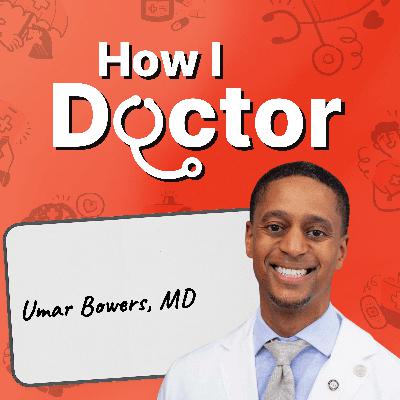
Independent primary care isn’t a relic of the past — it’s becoming the future of American medicine. In this episode of How I Doctor, Dr. Graham Walker talks with two leaders helping drive that shift: Dr. Umar Bowers, an internist who left a major health system to build the practice he always envisioned, and Dan Bowles, General Manager of Practice Health at Aledade , the physician-led company enabling thousands of doctors to stay independent, financially stable, and clinically autonomous.Umar shares his personal journey from rising frustration inside a large employed medical group to opening Dawson Medical Group with the support of Aledade. He explains what independence really means, why he had zero fear stepping out of the system, and how value-based care became the engine that allowed his practice to thrive. You can read more of his story in Aledade’s physician success profile or connect with him directly on LinkedIn.Dan offers a rare inside look at why so many doctors feel trapped in employment, what’s driving the national shift back toward physician-led care, and how Aledade’s data, contracting expertise, and ready-made community of independent clinicians help doctors cross the bridge to autonomy instead of trying to swim it alone.This isn’t another story about burnout or bureaucracy, it’s a roadmap for physicians who want their careers, their schedules, and their practices back. Whether you’re considering independent practice or simply want to understand the movement reshaping primary care, this episode shows how doctors are taking back control of the profession, one practice at a time.What You’ll LearnWhy independent primary care is resurging and how value-based care is creating new financial stability for small practices.How Dr. Umar Bowers built his own practice from scratch and why he had zero fear leaving a major health system.What Aledade’s turnkey model actually provides, from startup capital and contracting support to data, workflows, and a nationwide physician community.How doctors can reclaim autonomy, flexibility, and clinical decision-making power without sacrificing income, infrastructure, or patient care.🩺 Offcall is more than a platform — it’s a community. Join today!📝 For a full transcript of this episode click HERE🎧 Subscribe to receive new How I Doctor episodes directly in your feed here: https://episodes.fm/1767429315👨⚕️Follow Dr. Graham Walker onLinkedIn https://www.linkedin.com/in/graham-walker-md/ IG https://www.instagram.com/ubergraham/ Bluesky https://bsky.app/profile/drgrahamwalker.com ✉️ Join our newsletter On/Offcall here

This Thanksgiving, we’re pressing pause on the chaos of clinical life to honor the physicians, nurses, and healthcare workers who keep showing up tired, hopeful, frustrated,and inspired. In this special “Best Of” episode, Dr. Graham Walker revisits five conversations that have sparked the most messages, DMs, forwarded links, and late-night reflection from our listeners. These clips come from leaders who’ve helped all of us re-examine the work, the system, and ourselves:Featured Episodes & LinksDr. Shiv Rao is a cardiologist, entrepreneur, and the CEO and co-founder of Abridge, the physician-founded AI company transforming how clinical conversations become care.Listen to The Physician AI Conversation: How Doctors Can Drive the AI Era in Medicine Forward with Abridge CEO Dr. Shiv RaoDr. Danielle Ofri is an internist at Bellevue Hospital, clinical professor at NYU, and one of the most widely read physician-writers of our time. Listen to Medicine’s Broken Promises: Dr. Danielle Ofri on Greed, Trust, and Why the System Survives on Exploiting CliniciansMark Cuban is a business mogul, the “Shark” every entrepreneur wants to make a deal with, the former owner of the Dallas Mavericks, and, most recently, an online pharmacy CEO.Listen to Mark Cuban: How I’d Reform Healthcare If I Were in ChargeDr. Vineet Arora is the Dean for Medical Education at the University of Chicago and one of the nation’s leading voices on equity, leadership, and physician well-being.Listen to Why Women Physicians Still Earn Less — and What We Can Do About It With Dr. Vineet AroraDr. Ali Chaudhary is an emergency physician, entrepreneur, and one of the leading voices helping doctors reclaim control over their careers.Listen to Breaking Free from W-2 Medicine: The Physician’s Guide to Locum Tenens with Dr. Ali ChaudharyWhat You’ll LearnDr. Shiv RaoWhy AI adoption is accelerating inside health systems faster than anyone expected and how clinicians can shape the guardrails, not get steamrolled by them.Dr. Danielle OfriThe “unbroken chain” of clinicians and why modern healthcare quietly relies on exploiting professionalism to keep the system from collapsing.Mark CubanHow insurance design, pre-auth delays, and underpayment schemes shift financial risk onto physicians while confusing patients — and why it’s not your fault.Dr. Vineet AroraHow women residents fall three months behind in milestone...
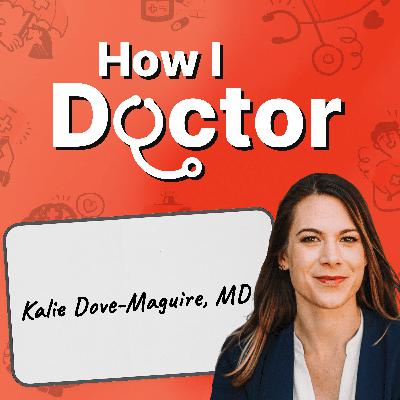
Dr. Kalie Dove-Maguire is an emergency physician, health-tech leader, and the President and Chief Product Officer at Evidently — a physician-founded company building clinical decision support tools designed to earn trust, not replace judgment. After years on the frontlines, Kalie saw firsthand how critical information gets lost in the noise, how clinicians compensate for broken workflows, and how better tools could prevent avoidable harm. That realization ultimately pushed her from the ER to the product world, where she now designs AI systems that surface the right data, cite their sources, and respect the mental work only clinicians can do.In this episode of How I Doctor host Dr. Graham Walker sits down with Kalie to talk about about why AI must be transparent, why judgment can’t be automated, and what it really takes to create decision support clinicians actually want in their workflow. From the emotional weight of missed findings in residency to shipping software with guardrails, Kalie explains how Evidently approaches trust, verification, and workflow design in a way that empowers physicians.This isn’t just a conversation about AI. It’s a look at how doctors can shape the tools that guide their practice, protect clinical judgment, and help build the next generation of decision support that clinicians rely on.What You’ll LearnWhy clinical decision support fails when it ignores physician judgment — and how Evidently builds tools that do the opposite.How Kalie’s ER experience shaped her approach to product design, safety, and transparency.The difference between predictive models, LLMs, and workflow-level AI — and why lumping them together creates misconceptions.How Evidently “shows its work” by surfacing evidence, matching data to action, and earning clinician trust over time.Practical lessons for physicians considering a transition into tech, entrepreneurship, or product roles.Why the future of AI in medicine is augmentation, not automation — and why the “AI resident” metaphor matters.🩺 Offcall is more than a platform — it’s a community. Join today!📝 For a full transcript of this episode click HERE🎧 Subscribe to receive new How I Doctor episodes directly in your feed here: https://episodes.fm/1767429315👨⚕️Follow Dr. Graham Walker onLinkedIn https://www.linkedin.com/in/graham-walker-md/ IG https://www.instagram.com/ubergraham/ Bluesky https://bsky.app/profile/drgrahamwalker.com ✉️ Join our newsletter On/Offcall here https://offcall.beehiiv.com/subscribe 🟧 Follow Offcall on LinkedIn https://www.linkedin.com/company/joinoffcall/ IG
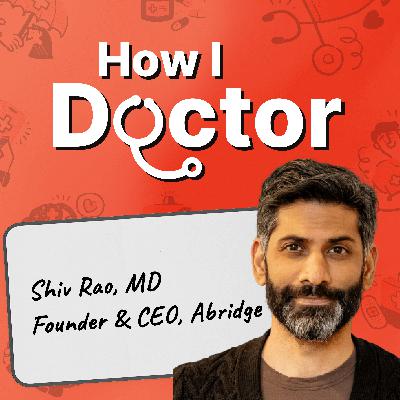
Dr. Shiv Rao is a cardiologist, entrepreneur, and the CEO and co-founder of Abridge, the physician-founded AI company transforming how clinical conversations become care. Built on the belief that healthcare is about people, not paperwork, Abridge is now embedded in more than 200 major health systems, processing millions of encounters each week and helping doctors reconnect with the meaning of their work.In this special in-person episode, How I Doctor host Dr. Graham Walker sits down with Shiv for an unfiltered, wide-ranging conversation about the rise of AI in medicine, the moral crisis facing clinicians, and what it truly takes to build technology that serves the physician instead of replacing them.From Abridge’s early days of being dismissed as a “party trick” to its current role in reshaping clinical workflows nationwide, Shiv shares how the company scaled, why it never called itself an “AI scribe,” and how every patient conversation can now fuel better care, fewer clicks, and more connection.This isn’t just another startup story — it’s a blueprint for how doctors can lead the AI movement from the inside.🎥 Watch the full video conversation now — exclusively on offcall.com/learn/podcast/physician-ai-conversation-shiv-rao-abridgeWhat You’ll LearnHow healthcare AI grew from a party trick to becoming an integral part of healthcare infrastructure.How Abridge turns physician-patient conversations into structured clinical data.Shiv’s vision for the future and where the company will go next from a product standpoint.Why Shiv believes physicians must lead the AI movement and not watch from the sidelines.🩺 Offcall is more than a platform — it’s a community. Join today!📝 For a full transcript of this episode click HERE🎧 Subscribe to receive new How I Doctor episodes directly in your feed here: https://episodes.fm/1767429315👨⚕️Follow Dr. Graham Walker onLinkedIn https://www.linkedin.com/in/graham-walker-md/ IG https://www.instagram.com/ubergraham/ Bluesky https://bsky.app/profile/drgrahamwalker.com ✉️ Join our newsletter On/Offcall here https://offcall.beehiiv.com/subscribe 🟧 Follow Offcall on LinkedIn https://www.linkedin.com/company/joinoffcall/ IG https://www.instagram.com/offcalldotcom/ TikTok https://www.tiktok.com/@offcalldotcom Mentioned in this episode:This Episode is Sponsored by AbridgeAbridge is...
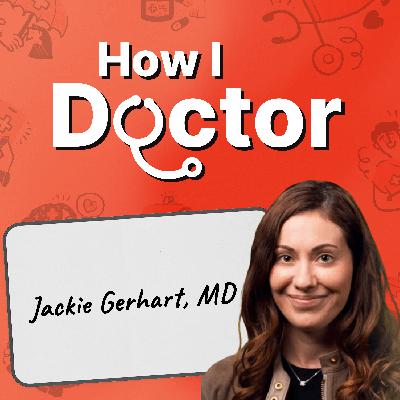
Dr. Jackie Gerhart is a family physician, clinical informaticist, and Chief Medical Officer at Epic — the company whose software powers much of American healthcare. From ambient documentation and AI scribes to patient-facing AI assistants like Emmy, Epic is now redefining how data, technology, and the human touch coexist in clinical care. Few physicians have seen this evolution from the inside and even fewer have helped shape it.In this episode of How I Doctor, host Dr. Graham Walker talks with Jackie about Epic’s internal culture, its push to make the EHR invisible, and the company’s next wave of physician-centric innovation. Jackie also opens up about Epic’s development philosophy, the company’s obsessive customer-focus, and why she believes we’re entering the most exciting era in modern medicine, but only if physicians can stay engaged in shaping what comes next.This episode pulls back the curtain on one of healthcare’s most influential companies and offers a grounded look at how Epic envisions the future of practice for the doctors who depend on it every day.What You’ll Learn in This Episode:How Epic’s “software-factory” model enables faster innovation across healthcare.Where many EHR frustrations stem from and how Epic considers what to address.How Epic’s new AI tools, Art and Emmy, aim to reduce friction for both doctors and patients.What “the office visit of the future” could look like – powered by ambient AI with no typing and no mouse.How Epic thinks about collaboration vs. competition with startups like Abridge and partners like Microsoft.Why Dr. Gerhart believes this is the most exciting time to practice medicine in decades.🩺 Offcall is more than a platform — it’s a community. Join today!📝 For a full transcript of this episode click HERE🎧 Subscribe to receive new How I Doctor episodes directly in your feed here: https://episodes.fm/1767429315👨⚕️Follow Dr. Graham Walker onLinkedIn https://www.linkedin.com/in/graham-walker-md/ IG https://www.instagram.com/ubergraham/ Bluesky https://bsky.app/profile/drgrahamwalker.com ✉️ Join our newsletter On/Offcall here https://offcall.beehiiv.com/subscribe 🟧 Follow Offcall on LinkedIn https://www.linkedin.com/company/joinoffcall/ IG https://www.instagram.com/offcalldotcom/ TikTok https://www.tiktok.com/@offcalldotcom Mentioned in this episode:We're releasing a Physicians AI Whitepaper and need your help!Calling all MDs: Help us shape the future of what AI looks like in medicine.
Participate...

We're releasing a Physicians AI Whitepaper and need your help!Calling all MDs: Help us shape the future of what AI looks like in medicine. Participate Here! Dr. Sean Codier is an emergency physician at Salem Hospital within Mass General Brigham and one of the leaders behind the first successful physician unionization effort in the system’s history. What started as frustration over understaffing, overcrowding, and a lack of voice in patient-care decisions grew into a movement that’s now inspiring doctors nationwide to organize for change.In this episode of How I Doctor, Dr. Graham Walker talks with Dr. Codier about why more physicians are turning to unions as their only legal avenue to force real dialogue with hospital leadership. They discuss how the corporatization of medicine has stripped doctors of autonomy, the myths administrators use to discourage organizing, and what it actually looks like to form and run a physician union. Dr. Codier also shares the personal risks, lessons learned, and why he believes reclaiming physicians’ collective voice is essential to protecting both the profession and the patients we serve.This episode is a candid look at how medicine reached this crossroads and asks whether the future of physician advocacy depends on this form of collective power.What You’ll Learn in This Episode:Why more physicians are unionizing and what that process really involves.The biggest myths hospitals spread about unions — and what’s actually true.The personal and professional risks of organizing inside large health systems.Whether unionization is a long-term solution to help physicians reclaim medicine’s moral core.🩺 Offcall is more than a platform — it’s a community. Join today!📝 For a full transcript of this episode click HERE🎧 Subscribe to receive new How I Doctor episodes directly in your feed here: https://episodes.fm/1767429315👨⚕️Follow Dr. Graham Walker onLinkedIn https://www.linkedin.com/in/graham-walker-md/ IG https://www.instagram.com/ubergraham/ Bluesky https://bsky.app/profile/drgrahamwalker.com ✉️ Join our newsletter On/Offcall here https://offcall.beehiiv.com/subscribe 🟧 Follow Offcall on LinkedIn https://www.linkedin.com/company/joinoffcall/ IG https://www.instagram.com/offcalldotcom/ TikTok https://www.tiktok.com/@offcalldotcom Mentioned in this episode:We're releasing a Physicians AI Whitepaper and need your help!Calling all MDs: Help...

Dr. Vineet Arora is the Dean for Medical Education at the University of Chicago and one of the nation’s leading voices on equity, leadership, and physician well-being. Her groundbreaking research has exposed how gender bias and pay inequity continue to shape medicine—from how residents are evaluated to how faculty are promoted and paid. But more importantly, she’s focused on what can be done about it.On this episode of How I Doctor, Dr. Graham Walker talks with Dr. Arora about why women physicians still earn less than their male peers—and the systemic, cultural, and personal strategies that can finally close the gap. They discuss the hidden ways bias shows up in training and evaluations, how compounding pay inequities add up to millions over a career, and what real pay transparency should look like. Dr. Arora also shares practical advice for early-career physicians on negotiation, knowing your value, and finding professional fulfillment without burning out.This episode will challenge how you think about pay, power, and progress in medicine—and what each of us can do to make equity the norm, not the exception.What You’ll Learn in This Episode:The real data behind the $2 million lifetime gender pay gap in medicine.How bias in evaluations and promotions starts as early as residency.Why pay transparency alone won’t fix inequity and what else needs to change.How fair pay connects directly to feeling valued, supported, and able to keep practicing the medicine you love.🩺 Offcall is more than a platform — it’s a community. Join today!📝 For a full transcript of this episode click HERE🎧 Subscribe to receive new How I Doctor episodes directly in your feed here: https://episodes.fm/1767429315👨⚕️Follow Dr. Graham Walker onLinkedIn https://www.linkedin.com/in/graham-walker-md/ IG https://www.instagram.com/ubergraham/ Bluesky https://bsky.app/profile/drgrahamwalker.com ✉️ Join our newsletter On/Offcall here https://offcall.beehiiv.com/subscribe 🟧 Follow Offcall on LinkedIn https://www.linkedin.com/company/joinoffcall/ IG https://www.instagram.com/offcalldotcom/ TikTok https://www.tiktok.com/@offcalldotcom Mentioned in this episode:This Episode is Sponsored by AbridgeAbridge is the leading AI platform that drafts structured, clinically useful notes at the point of conversationAbridge Sponsor
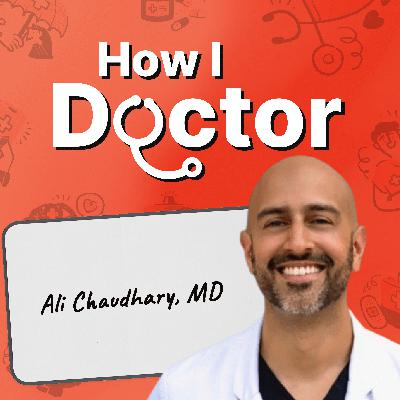
Dr. Ali Chaudhary is an emergency physician, entrepreneur, and one of the leading voices helping doctors reclaim control over their careers. After leaving a traditional W-2 job, he built Locums United and LocumOS - two platforms designed to bring transparency, fairness, and autonomy to how physicians are staffed and compensated. Having lived both sides of medicine, Ali shares how locum tenens work can transform burnout into balance and turn short-term contracts into long-term career freedom.On this episode of How I Doctor, Dr. Graham Walker talks with Ali about what really happens when doctors leave the W-2 world, how to build stability as an independent contractor, and why locums can be the key to both financial freedom and professional fulfillment. They break down the myths that scare physicians away from 1099 work, the financial strategies that make it sustainable, and the mindset shift required to think like a business owner instead of an employee.If you’ve ever wondered whether it’s possible to make more, work less, and still love medicine again then this episode is your blueprint.What You’ll Learn in This Episode:Why the traditional W-2 model is burning out physicians and how locums flips the script.How to set up your locums life for stability.The real financial math behind 1099 work, and how to maximize your take-home pay.How to spot red flags in locums contracts and avoid being underpaid.🩺 Offcall is more than a platform — it’s a community. Join today!📝 For a full transcript of this episode click HERE🎧 Subscribe to receive new How I Doctor episodes directly in your feed here: https://episodes.fm/1767429315👨⚕️Follow Dr. Graham Walker onLinkedIn https://www.linkedin.com/in/graham-walker-md/ IG https://www.instagram.com/ubergraham/ Bluesky https://bsky.app/profile/drgrahamwalker.com ✉️ Join our newsletter On/Offcall here https://offcall.beehiiv.com/subscribe 🟧 Follow Offcall on LinkedIn https://www.linkedin.com/company/joinoffcall/ IG https://www.instagram.com/offcalldotcom/ TikTok https://www.tiktok.com/@offcalldotcom Mentioned in this episode:This Episode is Sponsored by AbridgeAbridge is the leading AI platform that drafts structured, clinically useful notes at the point of conversationAbridge Sponsor

Dr. Alison Haddock is an emergency physician, educator, and past president of the American College of Emergency Physicians (ACEP). She’s spent her career fighting for physician autonomy and building a sustainable future for emergency medicine. One where doctors aren’t just surviving shift to shift, but leading the systems that shape their work. A national voice on policy and workforce reform, Dr. Haddock has seen firsthand how crowding, violence, and financial pressure are pushing ER physicians to their breaking point and what it will take to bring them back.On this episode of How I Doctor, Dr. Graham Walker sits down with Alison live at ACEP to unpack what’s really driving burnout in emergency medicine, how systemic failures fuel the crisis in the ED, and why unionization and pay transparency may be the boldest tools for reclaiming control. They dive into the politics of boarding, the hidden cost of private equity in healthcare, and the urgent need to rebuild physician power from the ground up. It’s a candid, timely conversation about survival, advocacy, and the kind of leadership emergency medicine needs right now.If you’ve ever walked out of a shift wondering how much longer you can do this, or what it would take to make things better, this episode is for you!What You’ll Learn in This EpisodeWhy burnout isn’t about resilience—it’s about control. How the loss of professional autonomy, not the lack of self-care, drives physicians out of the field.How ED boarding exposes systemic rot. Why emergency physicians are paying the price for hospital inefficiency, and what policy changes could actually fix it.The financialization of medicine explained. How profit-first strategies have warped incentives and left doctors carrying the moral and financial burden.Why unionization is gaining traction among physicians. How collective action could be the next step in protecting clinicians and reshaping the balance of power in healthcare.What ACEP is doing to fight back. Inside Dr. Haddock’s efforts to reform employment models, prevent physician exploitation, and push for meaningful change.🩺 Offcall is more than a platform — it’s a community. Join today!📝 For a full transcript of this episode click HERE🎧 Subscribe to receive new How I Doctor episodes directly in your feed here: https://episodes.fm/1767429315👨⚕️Follow Dr. Graham Walker onLinkedIn https://www.linkedin.com/in/graham-walker-md/ IG https://www.instagram.com/ubergraham/ Bluesky https://bsky.app/profile/drgrahamwalker.com ✉️ Join our newsletter On/Offcall here https://offcall.beehiiv.com/subscribe 🟧 Follow Offcall on LinkedIn https://www.linkedin.com/company/joinoffcall/ IG

Dr. Brian Dixon is a psychiatrist, entrepreneur, and one of the boldest physician voices pushing for salary transparency and fairness in medicine. He’s the founder of Simply Psych and Mindful, and he’s built his career by pulling back the curtain on contracts, compensation, and the hidden math of how health systems profit off physicians. With radical honesty, he shares not just his wins but also his mistakes—showing doctors the real trade-offs between employment, private practice, and entrepreneurship.On this episode of How I Doctor, Dr. Graham Walker talks with Brian about why most contracts are designed to exploit physicians, how transparency builds trust, and what it really takes to scale a practice without burning out. They dig into the myths that keep doctors underpaid, the psychological traps that make us easy to exploit, and the lessons Brian had to buy - sometimes for $50,000 - that can save you from the same fate. If you’ve ever wondered how to get paid fairly and keep your autonomy intact, this is the conversation you’ve been waiting for.If you’ve ever looked at your paycheck and wondered, “Is this really what I’m worth?”—this episode will change how you see employment, private practice, and the business of medicine.What You’ll Learn in This Episode:Why the salary you’re offered is rarely the salary you’re actually worth—and how employers frame the numbers against you.How the culture of altruism in medicine gets exploited, leading doctors to accept less than they deserve.The three true career paths for physicians (employee, owner, or hybrid) and how to think about risk versus autonomy.Why employed physicians today may face more risk than independent ones—and how non-competes and contract language trap doctors.How to scale a private practice the right way so you don’t burn out trying to do everything yourself.Thank you to our wonderful sponsors for supporting the podcast:Abridge - AI for clinical conversations: https://www.abridge.com/Evidently - Leading AI-powered clinical data intelligence https://evidently.com/🩺 Offcall is more than a platform — it’s a community. Join today!📝 For a full transcript of this episode click HERE🎧 Subscribe to receive new How I Doctor episodes directly in your feed here: https://episodes.fm/1767429315👨⚕️Follow Dr. Graham Walker onLinkedIn https://www.linkedin.com/in/graham-walker-md/ IG https://www.instagram.com/ubergraham/ Bluesky https://bsky.app/profile/drgrahamwalker.com ✉️ Join our newsletter On/Offcall here https://offcall.beehiiv.com/subscribe 🟧 Follow Offcall on LinkedIn
This episode is sponsored by Abridge - the leading AI platform that drafts structured, clinically useful notes at the point of conversation.MDCalc turns 20 this year. What began as a scrappy side project in med school grew - without outside funding - into one of the most-used, most-trusted clinical references in the world. In this episode of How I Doctor, host Dr. Graham Walker sits down with his co-founder Dr. Joe Habboushe - an emergency physician, math nerd in the best sense, and relentless advocate for evidence-based care - to unpack how MDCalc was built, why clinicians trusted it early, and what comes next in the age of AI.They revisit the “slow and thoughtful, not move-fast-and-break-things” playbook that earned physician trust, the scrappy years when both were working full-time in the ED while growing the site score-by-score, and how partnering with tool creators and societies raised the bar for quality. From COVID’s chaotic first year to today’s AI hype cycle, Joe explains why guardrails matter, why calculators should augment (not replace) clinical judgment, and how MDCalc plans to lead responsibly.What You’ll Learn in This EpisodeHow two ER docs grew MDCalc organically into a global, trusted clinical toolThe product philosophy behind MDCalc: safe, fast, trusted—and why “don’t break things” works in medicineWhy decision tools must partner with clinical judgment and not compete with “gestalt vs. calculator” false choicesHow MDCalc’s contributor model and society partnerships improved evidence quality and bedside usabilityMDCalc + AI: where responsible, physician-led guardrails can make tools powerful and safePractical advice for physician-founders: finding a complementary co-founder, building step-by-step, and choosing work that actually fits youAbout Dr. Joe HabbousheEmergency physician, co-founder of MDCalc, and long-time champion of evidence-based medicine. Joe helped design MDCalc’s contributor ecosystem, content standards, and “safe-fast-trusted” ethos that clinicians rely on at the bedside.If you’re a clinician who uses MDCalc, this conversation is a rare behind-the-scenes on how it was built for you—and how it will stay clinician-first as AI enters the workflow.🩺 Offcall is more than a platform — it’s a community. Join today!📝 For a full transcript of this episode click HERE🎧 Subscribe to receive new How I Doctor episodes directly in your feed here: https://episodes.fm/1767429315👨⚕️Follow Dr. Graham Walker onLinkedIn https://www.linkedin.com/in/graham-walker-md/ IG https://www.instagram.com/ubergraham/ Bluesky https://bsky.app/profile/drgrahamwalker.com ✉️ Join our newsletter On/Offcall here

Ethan Nkana spent over a decade as a hospital executive negotiating contracts on behalf of health systems. He knew the inside playbook: how administrators calculated physician value, what mantras they used behind closed doors, and the quiet ways hospitals exploited physician professionalism. Then he switched sides. In this episode of How I Doctor, Dr. Graham Walker sits down with Ethan to explore medicine’s hidden business realities. From the stigma of being called “greedy,” to why the squeaky wheel gets the raise, Ethan unpacks how contracts are really written and how doctors can speak up without jeopardizing their careers. He shares the three buckets every physician should focus on - life balance, practice support, and fair pay - and the practical strategies that turn an uneven negotiation into a fair one.He calls himself the “Jerry Maguire for physicians,” and in this conversation Ethan shares what every doctor needs to know before signing or renewing a contract.What You’ll Learn in This Episode:Why “greedy” is a trap word and how to reframe fair pay as part of safe patient careThe 3 contract buckets that matter most: life balance, practice support, and compensationWhat hospital executives really say behind closed doors about new physician hiresWhy the best physicians don’t always get paid the most—and who doesSimple, non-adversarial scripts physicians can use to ask for what they needAdditional Resource for Physicians:👉 Contract Negotiation Guide Before your next contract discussion, make sure you’ve gathered:Your actual weekly workload (clinical + after-hours documentation)Recent productivity metrics and patient satisfaction scoresEvidence of non-revenue work (committees, teaching, outreach)Market data for your specialty and regionA clear ask for at least one improvement in each bucket: life balance, practice support, fair pay\Find out more about Rocky Mountain Physician AgencyFollow Ethan on Instagram at https://www.instagram.com/physicianagency/?hl=en 🩺 Offcall is more than a platform — it’s a community. Join today!📝 For a full transcript of this episode click HERE🎧 Subscribe to receive new How I Doctor episodes directly in your feed here: https://episodes.fm/1767429315👨⚕️Follow Dr. Graham Walker onLinkedIn https://www.linkedin.com/in/graham-walker-md/ IG https://www.instagram.com/ubergraham/ Bluesky https://bsky.app/profile/drgrahamwalker.com ✉️ Join our newsletter On/Offcall here https://offcall.beehiiv.com/subscribe 🟧 Follow Offcall on LinkedIn a...
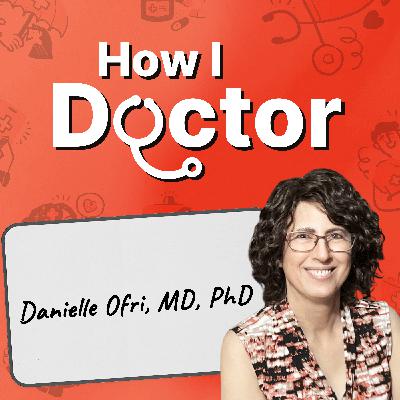
Dr. Danielle Ofri is an internist at Bellevue Hospital, clinical professor at NYU, and one of the most widely read physician-writers of our time. Through her books, essays, and New York Times op-eds, she has given voice to the emotional realities of medical work and exposed the ways the business of healthcare exploits the professionalism of doctors and nurses. Her clarity and candor have made her a trusted guide for physicians who feel the weight of a system that too often prioritizes profit over patient care.In this episode of How I Doctor, Dr. Graham Walker sits down with Danielle to discuss medicine’s broken promises. From the erosion of trust and the exploitation of clinicians’ goodwill, to the disconnect between luxury hospitals and patient harm, they explore the hidden economy of modern healthcare and the ethical line between professionalism and exploitation. Dr. Ofri shares why nursing shortages are directly tied to patient mortality, how administrators rely on doctors “doing the right thing,” and what it will take for physicians to reclaim their voice in shaping the system.What You’ll Learn in This Episode:Why the “professionalism” of doctors and nurses has become healthcare’s most exploited resourceHow nursing shortages directly affect patient safety and mortality ratesThe ethical and personal toll of 20-minute visits for medically complex patientsThe hidden disconnect between nonprofit hospital profits and patient careStrategies for physicians to speak up without crossing ethical or professional linesSubscribe to Danielle’s newsletter hereFollow her on Instagram at https://www.instagram.com/danielle_ofri/ 🩺 Offcall is more than a platform — it’s a community. Join today!📝 For a full transcript of this episode click HERE🎧 Subscribe to receive new How I Doctor episodes directly in your feed here: https://episodes.fm/1767429315👨⚕️Follow Dr. Graham Walker onLinkedIn https://www.linkedin.com/in/graham-walker-md/ IG https://www.instagram.com/ubergraham/ Bluesky https://bsky.app/profile/drgrahamwalker.com ✉️ Join our newsletter On/Offcall here https://offcall.beehiiv.com/subscribe 🟧 Follow Offcall on LinkedIn https://www.linkedin.com/company/joinoffcall/ IG https://www.instagram.com/offcalldotcom/ TikTok https://www.tiktok.com/@offcalldotcom

Dr. Hillary Lin is a Stanford-trained internist and longevity entrepreneur who is cutting through the hype to bring evidence-based clarity to one of medicine’s buzziest frontiers. As co-founder and CEO of Carecore and host of The Longevity Show, she’s built her career at the intersection of clinical skepticism and innovation, challenging what’s real and what physicians need to know about this fast-growing space.In this episode of How I Doctor, Dr. Graham Walker sits down with Hillary to unpack the science of longevity medicine. From the pillars that actually work to the overhyped products flooding social feeds. They explore supplements, multivitamins, full-body scans, and the influencer-driven myths that confuse patients, while offering physicians a framework for counseling patients who are curious, skeptical, or already experimenting with longevity trends.💡 Want to Go Deeper?We’ve created a companion resource to this episode: Longevity Medicine Resource Guide for Physicians: Separating Fact from Fiction. Inside you’ll find curated evidence, peer-to-peer insights, and practical tools to help you counsel patients to cut through wellness industry hype and stay current on what really works.👉 Download the guide nowWhat You’ll Learn in This Episode:The Lifestyle Pillars That Actually Extend HealthspanSupplements And Multivitamins: What’s Worth It (And What’s Not)The Most Overhyped Longevity Trends—DebunkedWhy Longevity Medicine Isn’t A Real SpecialtyThe Future: Pre-Disease Screening And At-Home TestingSubscribe to Hillary’s newsletter on evidence-based strategies for extending healthspan🩺 Offcall is more than a platform — it’s a community. Join today!📝 For a full transcript of this episode click HERE🎧 Subscribe to receive new How I Doctor episodes directly in your feed here: https://episodes.fm/1767429315👨⚕️Follow Dr. Graham Walker onLinkedIn https://www.linkedin.com/in/graham-walker-md/ IG https://www.instagram.com/ubergraham/ Bluesky https://bsky.app/profile/drgrahamwalker.com ✉️ Join our newsletter On/Offcall here https://offcall.beehiiv.com/subscribe 🟧 Follow Offcall on LinkedIn https://www.linkedin.com/company/joinoffcall/ IG https://www.instagram.com/offcalldotcom/ TikTok https://www.tiktok.com/@offcalldotcom
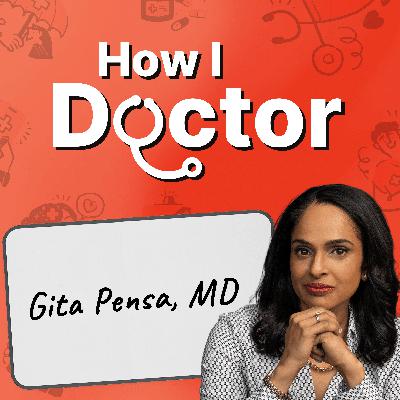
Dr. Gita Pensa is an emergency physician and nationally recognized advocate who knows firsthand the toll malpractice takes on doctors. After enduring a 12-year legal battle that included two jury trials, she emerged determined to break the silence around litigation and its hidden impact on physicians’ identity, mental health, and careers. Today, she uses her story to teach colleagues how to survive what she calls medicine’s “second trauma.”In this episode of How I Doctor, Dr. Graham Walker talks with Gita about the day she was served, the years she spent fighting in court, and how that experience reshaped her mission. From defensive medicine to the isolation lawsuits create, Gita offers hard-earned insights and a blueprint for how doctors can protect themselves, find support, and come out stronger on the other side.The Physician’s Guide to Surviving Medical MalpracticeOffcall has created a comprehensive resource guide to help physicians navigate the realities of litigation. This guide pulls together expert advice, peer support programs, and practical strategies for what to do if you’re sued. Whether you’re early in your career or decades into practice, this guide offers the tools and community you need to protect your career, care for yourself, and move forward with confidence.👉 Read The Physician’s Guide to Surviving Medical MalpracticeWhat You’ll Learn in This Episode:Common mistakes doctors make after being sued - and how to avoid themHow litigation drives defensive medicine and impacts the way we practiceWhat every physician should know about malpractice coverage including state-by-state differencesReforms that could make the system more fair for patients and doctorsWhy finding support and breaking the silence is critical for surviving litigationWatch A World of Hurt: How Medical Malpractice Fails Everyone🩺 Offcall is more than a platform — it’s a community. Join today!📝 For a full transcript of this episode click HERE🎧 Subscribe to receive new How I Doctor episodes directly in your feed here: https://episodes.fm/1767429315👨⚕️Follow Dr. Graham Walker onLinkedIn https://www.linkedin.com/in/graham-walker-md/ IG https://www.instagram.com/ubergraham/ Bluesky https://bsky.app/profile/drgrahamwalker.com ✉️ Join our newsletter On/Offcall here https://offcall.beehiiv.com/subscribe 🟧 Follow Offcall on LinkedIn https://www.linkedin.com/company/joinoffcall/ IG https://www.instagram.com/offcalldotcom/ TikTok...
Dr. Paulius Mui is a family physician, technologist, and community builder who refuses to fit into a single box. Instead of choosing between clinic shifts and tech projects, he’s built a portfolio career that blends patient care, experimentation, and creativity. Most recently, Paulius is reimagining what primary care looks like by launching a direct primary care practice that lets patients pay what they can.In this episode of How I Doctor, Dr. Graham Walker talks with Paulius about why full-time primary care has become nearly impossible and why he has decided to choose mission over money for the benefit of patients and his profession. Paulius’ story offers a blueprint for fellow physicians to break the rules — and build something better.📘 Resource Guide for Primary Care PhysiciansWe’ve created a companion resource guide to this episode, including tools, communities, and references for anyone who is interested in learning more about direct primary care.Whether you’re exploring direct care models, looking for innovative tech tools, or are ready to set up a direct primary care practice of your own, this guide offers concrete next steps.👉 Download the Resource Guide hereWhat You’ll Learn in This Episode:Why primary care has gotten so challengingHow Direct Primary Care offers a path forward for doctors who prioritize mission over moneyHow technology, community, and curiosity can help doctors build better systems instead of just fighting broken ones🩺 Offcall is more than a platform — it’s a community. Join today!📝 For a full transcript of this episode click HERE🎧 Subscribe to receive new How I Doctor episodes directly in your feed here: https://episodes.fm/1767429315👨⚕️Follow Dr. Graham Walker onLinkedIn https://www.linkedin.com/in/graham-walker-md/ IG https://www.instagram.com/ubergraham/ Bluesky https://bsky.app/profile/drgrahamwalker.com ✉️ Join our newsletter On/Offcall here https://offcall.beehiiv.com/subscribe 🟧 Follow Offcall on LinkedIn https://www.linkedin.com/company/joinoffcall/ IG https://www.instagram.com/offcalldotcom/ TikTok https://www.tiktok.com/@offcalldotcom
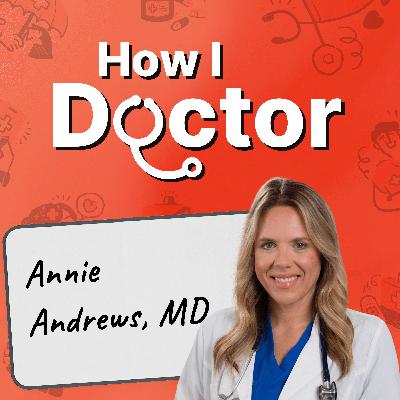
Dr. Annie Andrews is a pediatric hospitalist, public health advocate, and U.S. Senate candidate in South Carolina taking on incumbent Lindsey Graham. Known for her unapologetic advocacy for children’s health, Annie has spent over 15 years caring for sick and injured kids, only to realize that many of their challenges stemmed from broken policies far upstream of the hospital. From gun violence prevention to protecting Medicaid, she’s made it her mission to bring a physician’s voice into the rooms where decisions are made and to speak with a candor rarely heard in politics.In this episode of How I Doctor, Dr. Graham Walker talks with Annie about why more physicians should step into public life, how to fight misinformation without losing credibility, and the communication skills doctors already have that translate to the campaign trail. They dig into the gender inequities baked into medicine and why telling patient stories matters more than citing p-values. If you’ve ever wondered how to turn clinical advocacy into real political action, Annie’s story will make the case that there’s never been a more important time for doctors to run toward the fire.What You’ll Learn in This Episode:The skills every physician already has that translate to political leadershipHow to fight misinformation without sounding like you’re in an ivory towerWhy gender inequities in medicine persist even in female-dominated specialtiesThe role of storytelling in rebuilding public trust in physiciansWhat politicians would learn if they were required to spend a day in a children’s hospitalFind out more about Annie here and connect with her on Instagram at https://www.instagram.com/annieandrewsmd/Watch her campaign launch video at https://www.youtube.com/watch?v=J8wMNLaSNW4 🩺 Offcall is more than a platform — it’s a community. Join today!📝 For a full transcript of this episode click HERE🎧 Subscribe to receive new How I Doctor episodes directly in your feed here: https://episodes.fm/1767429315👨⚕️Follow Dr. Graham Walker onLinkedIn https://www.linkedin.com/in/graham-walker-md/ IG https://www.instagram.com/ubergraham/ Bluesky https://bsky.app/profile/drgrahamwalker.com ✉️ Join our newsletter On/Offcall here https://offcall.beehiiv.com/subscribe 🟧 Follow Offcall on LinkedIn https://www.linkedin.com/company/joinoffcall/ IG https://www.instagram.com/offcalldotcom/ TikTok

Dr. Shoshana Ungerleider is an internal medicine physician, a public health advocate, and one of the most trusted voices translating science for the real world. Whether she’s hosting th TED Health podcast, advising Netflix on end-of-life storytelling, or calling out hype and misinformation in the media, her work is reshaping how clinicians show up at the bedside and in the public square.In this episode of How I Doctor, Dr. Graham Walker talks with Shoshana about the skill every physician needs but few are taught: communication. They explore how bias shows up in clinical encounters, why doctors are often unprepared to talk about serious illness, and how media can be a tool for connection and not just distraction. If you’ve ever struggled to explain something complicated to someone who doesn’t “get it,” this conversation will remind you why curiosity, not certainty, is a clinician’s greatest asset.What You’ll Learn in This Episode:Why most doctors are never trained to communicate serious news, and how that’s harming patientsHow media, film, and storytelling can shift culture around end-of-life careHow unconscious bias shows up in clinical care, and what to do about itWhy misinformation spreads faster than facts and how physicians can fight back without losing trustWhy more physicians need to step into public conversations—and what’s at stake if they don’tFind out more about Shoshana here and connect with her on Instagram at https://www.instagram.com/shoshanamd/Listen to the TED Health Podcast at https://www.ted.com/pages/ted-health 🩺 Offcall is more than a platform — it’s a community. Join today!📝 For a full transcript of this episode click a...

Dr. Josh Green is an emergency physician who’s done what many doctors only talk about. He’s taken a seat at the table and turned it into a platform for real change. After two decades practicing rural medicine in Hawaii and witnessing firsthand the systemic failures that lead to poor outcomes, he ran for office in his scrubs - and won. Today, as Governor of Hawaii, he’s applying the triage mindset of emergency medicine to some of the most complex public health and policy problems of our time, from homelessness and housing to climate change, Medicaid reform, and AI in healthcare.In this episode of How I Doctor, Dr. Graham Walker talks with Josh about how clinical experience shapes better leadership, why physicians need to be in public office, and what it means to build a healthcare system that actually works - especially when resources are scarce. If you’ve ever felt like your work in medicine should mean more, this conversation will show you how one ER doc turned frustration into a force for statewide change.What You’ll Learn in This Episode:How ER training helps leaders make faster, better decisions during crisesWhy housing should be treated as a core public health interventionHow Hawaii’s unique healthcare model delivers lower costs and longer life expectancyWhy physicians make strong political candidates—and how to start your own campaignHow to think like a policymaker without losing your clinical instinctsHow low-resource rural practice taught him to rely on relationships and diagnostic skill, not technologyFind out more about Josh here and connect with him on Instagram at https://www.instagram.com/govjoshgreen/ 🩺 Offcall is more than a platform — it’s a community. Join today!📝 For a full transcript of this episode click HERE🎧 Subscribe to receive new How I Doctor episodes directly in your feed here: https://episodes.fm/1767429315👨⚕️Follow Dr. Graham Walker onLinkedIn https://www.linkedin.com/in/graham-walker-md/ IG https://www.instagram.com/ubergraham/ Bluesky https://bsky.app/profile/drgrahamwalker.com ✉️ Join our newsletter On/Offcall here https://offcall.beehiiv.com/subscribe 🟧 Follow Offcall on LinkedIn https://www.linkedin.com/company/joinoffcall/ IG https://www.instagram.com/offcalldotcom/ TikTok https://www.tiktok.com/@offcalldotcom
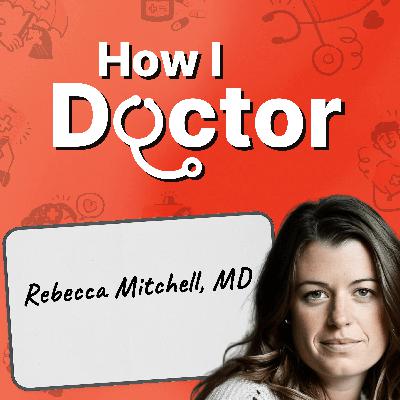
Rebecca Mitchell is a physician, product strategist, and founding partner at Scrub Capital - a new kind of venture fund built from first principles to fix what’s broken in health tech investing. Alongside her co-founders, Rebecca is working to make sure that healthcare startups aren’t just built for clinicians, they’re built with them.In this episode of How I Doctor, Dr. Graham Walker talks with Rebecca about why it’s time to give clinicians more power. Not just at the bedside, but on the cap table. They dive into how Scrub Capital is supporting over 800 physicians, nurses, and frontline leaders as active collaborators in early-stage investing. From prescribing infrastructure and fertility tech to virtual specialty care and IVF lab automation, Rebecca shares where she thinks health tech is headed and why the industry’s obsession with hype has blinded it to what actually matters in care.What You’ll Learn in This Episode:Why clinicians should stop waiting for a seat at the table and start investing in the companies shaping careHow Scrub Capital is building a community of over 800 clinicians to co-create the next generation of health techWhat Rebecca looks for in a founder and why “missionary, not mercenary” is her #1 investing filterWhy many health systems fail at innovation and how digital health can succeed where they don’tWhich trends in healthcare are overhyped, underhyped, or actually worth the buzz (GLP-1s? Wearables? Psychedelics?)How software, not just new hardware, is unlocking the future of innovationWhy now may be the best time to start a healthcare company - if you’ve got the right insight and a long-term mindsetFollow Rebecca Mitchell on LinkedIn and learn more about Scrub Capital at https://scrubcapital.com/ Apply to join their clinician community here Submit an investment opportunity here🩺 Offcall is more than a platform — it’s a community. Join today!📝 For a full transcript of this episode click HERE🎧 Subscribe to receive new How I Doctor episodes directly in your feed here: https://episodes.fm/1767429315👨⚕️Follow Dr. Graham Walker onLinkedIn https://www.linkedin.com/in/graham-walker-md/ IG https://www.instagram.com/ubergraham/ Bluesky https://bsky.app/profile/drgrahamwalker.com ✉️ Join our newsletter On/Offcall here https://offcall.beehiiv.com/subscribe 🟧 Follow Offcall on LinkedIn https://www.linkedin.com/company/joinoffcall/ IG

Comments

Download from Google Play

Download from App Store
 United States