DiscoverHow To Save Our Planet
How To Save Our Planet
Claim Ownership

How To Save Our Planet

Author: Lottie Dalziel

Subscribed: 37Played: 529
Share

Description

I’m Lottie Dalziel, a sustainability expert with a passion for the planet. But it hasn’t always been that way, four years ago I made a New Years' resolution that actually stuck, I pledged to do better for the planet. I’ve dedicated my life to making living sustainably EASY, so easy that there’s no reason not to save the planet.


In this podcast series, you’ll hear me talk to experts and everyday individuals who are also navigating their way through trying to do their bit. From recycling to composting to upcycling and next-gen innovation I’ll fill your ears with the best and greatest sustainable babble.


So if you’re new to sustainability or you just want to learn more, listen up because together we’re going to save the planet.


Hosted on Acast. See acast.com/privacy for more information.

80 Episodes
Reverse
Australia throws out hundreds of millions of takeaway coffee cups every year, most of which end up in landfill. In this episode of How to Save Our Planet, we dive deep into the world of coffee cup recycling with Flaka Kiki, Business Development Manager at Simply Cups, Australia’s leading coffee cup recycling program.We unpack why single-use coffee cups are so difficult to recycle, the issues surrounding compostable cups, and the innovative system Simply Cups has built to collect, process and transform used cups into new, practical products. Flaka shares how the program works, the impact it’s having across councils, businesses and cafés, and what needs to change to reduce coffee cup waste nationwide.If you’ve ever wondered what happens to your coffee cup after you throw it away or you want to help your workplace, school or local café recycle better, this episode breaks it all down in a clear, practical way.Great for listeners searching for: coffee cup recycling, compostable cups, Simply Cups, waste reduction, circular economy, sustainability, waste education, FOGO alternatives, food waste, recycling programs in Australia.If you’re looking for more ways to save money while living sustainably, my book “365+ Ways to Save the Planet and Your Money at the Same Time” is available now — http://bit.ly/48Fs4CEIf you enjoyed this conversation, please hit subscribe so you don’t miss the next episode, and leave a quick rating or review — it really helps more people find the show.Thanks for tuning in, and I’ll catch you next time! Hosted on Acast. See acast.com/privacy for more information.
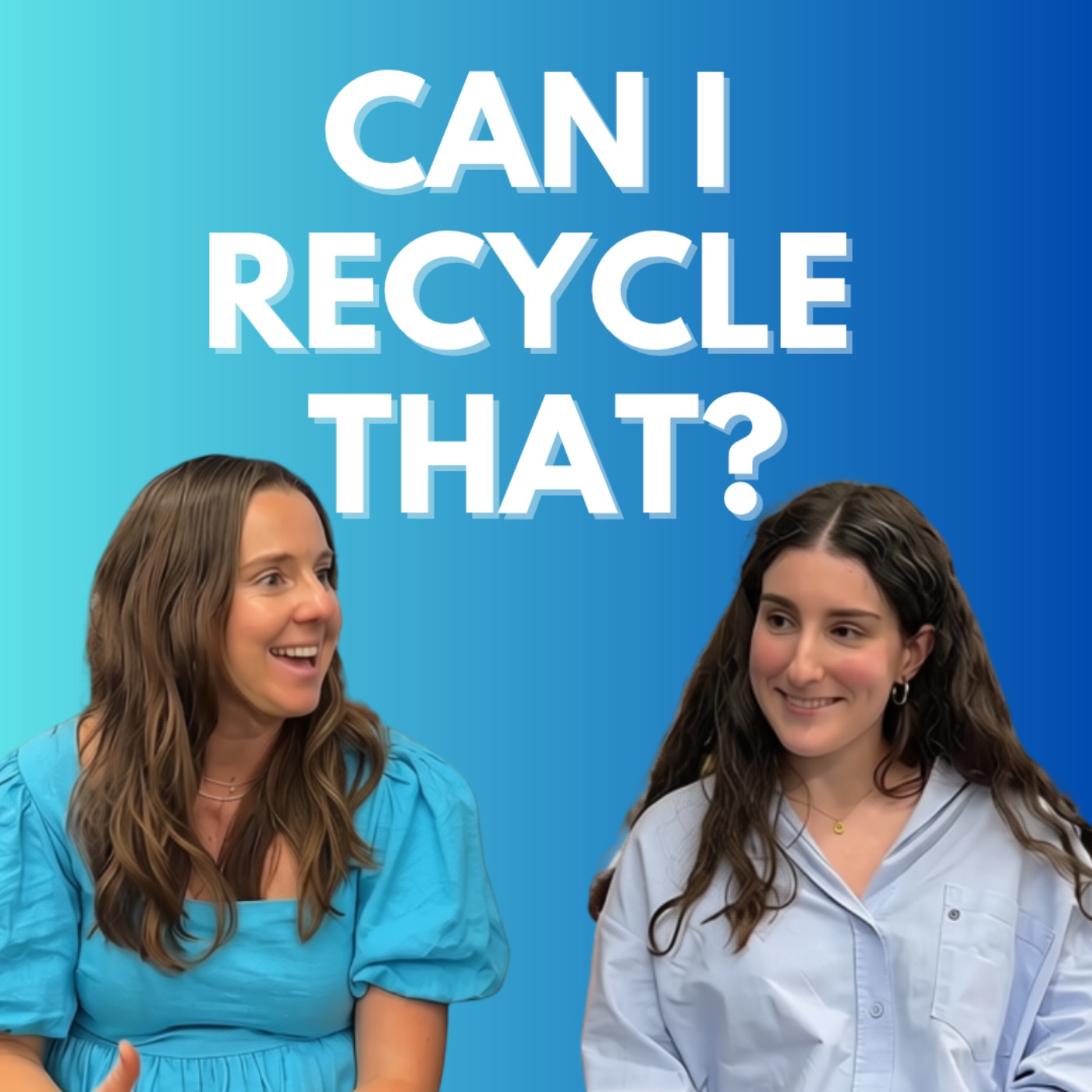
It’s National Recycling Week, so we’re handing the microphone over to you. We asked the Banish community on Instagram what they most want to know about recycling, and Lottie put your questions to Hannah from the Banish team, who gets asked them all the time.They tackle the big ones: does one dirty container really ruin the whole bin, how do you tell if something can actually be recycled, why does every council do it differently, and what should you do when you’re just not sure? Lottie explains why BRAD, the Banish Recycling and Diversion Program, exists for the items your kerbside bin can’t take, and Hannah shares some honest good news for anyone who felt disheartened after the recent 60 Minutes episode on recycling in Australia.Then it’s a rapid-fire round of real-life recycling bingo: CDs, corks, microwave popcorn bags, deodorant containers, vapes, Yakult bottles, tetra paks and foil.You can recycle with BRAD here.If you’re looking for more ways to save money while living sustainably, my book “365+ Ways to Save the Planet and Your Money at the Same Time” is available now — http://bit.ly/48Fs4CEIf you enjoyed this conversation, please hit subscribe so you don’t miss the next episode, and leave a quick rating or review — it really helps more people find the show.Thanks for tuning in, and I’ll catch you next time! Hosted on Acast. See acast.com/privacy for more information.
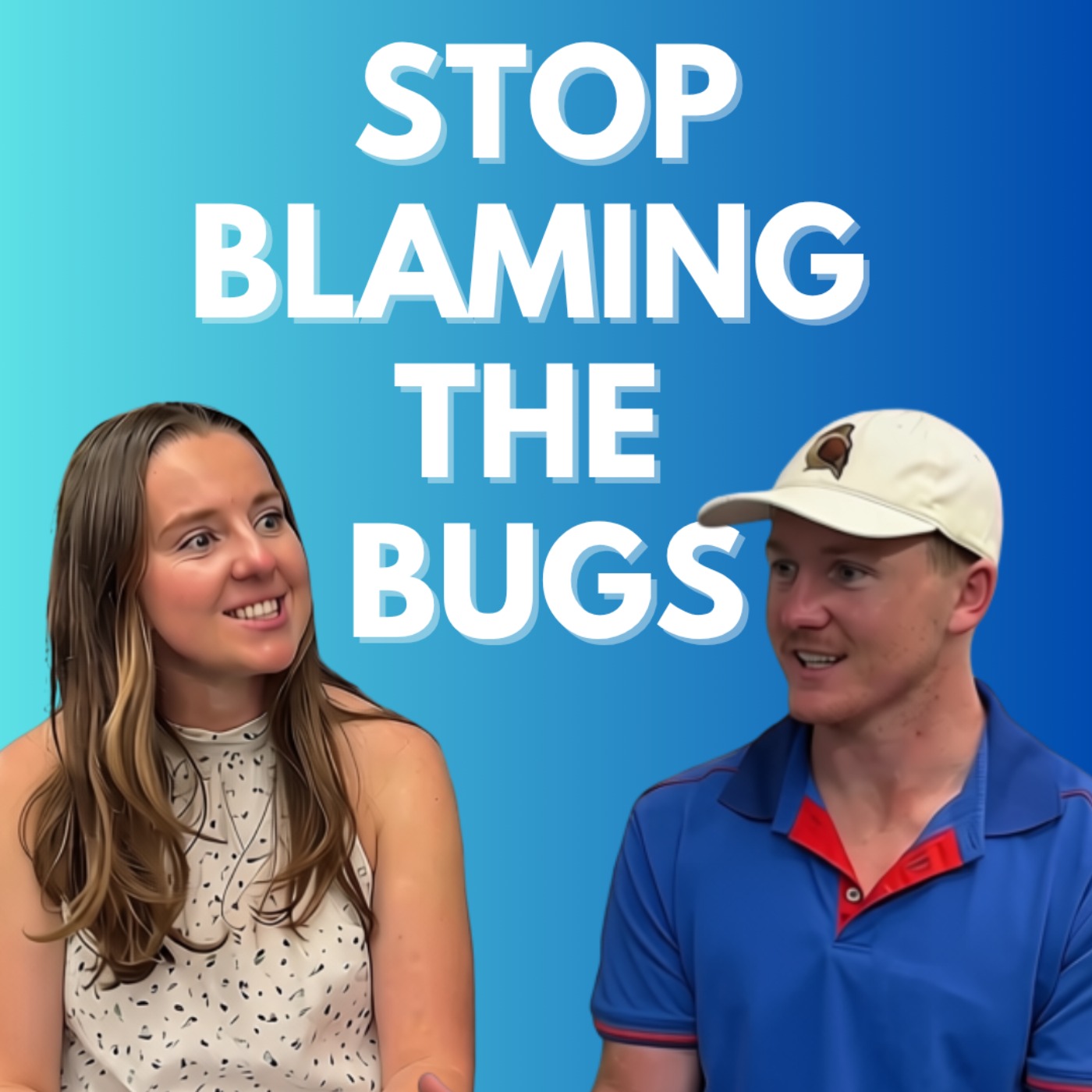
Scroll the news for five minutes and it is easy to believe there is nothing left to save. But good things are happening for nature in Australia, and most of us never hear about them.Clancy Lester, better known online as the Bee Man (or @beesandblossoms.aus), has made a habit of finding them. Through his social enterprise Bees and Blossoms, his workshops and his videos, he has spent years helping everyday Australians fall back in love with the natural world, with a big dose of hope along the way.In this episode, Lottie sits down with Clancy to talk about his journey from Yorta Yorta country to Arnhem Land to becoming the Bee Man, why so many of us feel cut off from nature and how to find our way back, what local native plants can do for the places we live, and the environmental good news that deserves more airtime. They also tackle one of the biggest wildlife stories of the year: the arrival of H5 bird flu in Australia. What it is, why it matters for our native birds and marine animals, and what you should (and should not) do if you come across a sick or dead bird.Honest about the hard stuff, hopeful about what we can still do.If you’re looking for more ways to save money while living sustainably, my book “365+ Ways to Save the Planet and Your Money at the Same Time” is available now — http://bit.ly/48Fs4CEIf you enjoyed this conversation, please hit subscribe so you don’t miss the next episode, and leave a quick rating or review — it really helps more people find the show.Thanks for tuning in, and I’ll catch you next time! Hosted on Acast. See acast.com/privacy for more information.
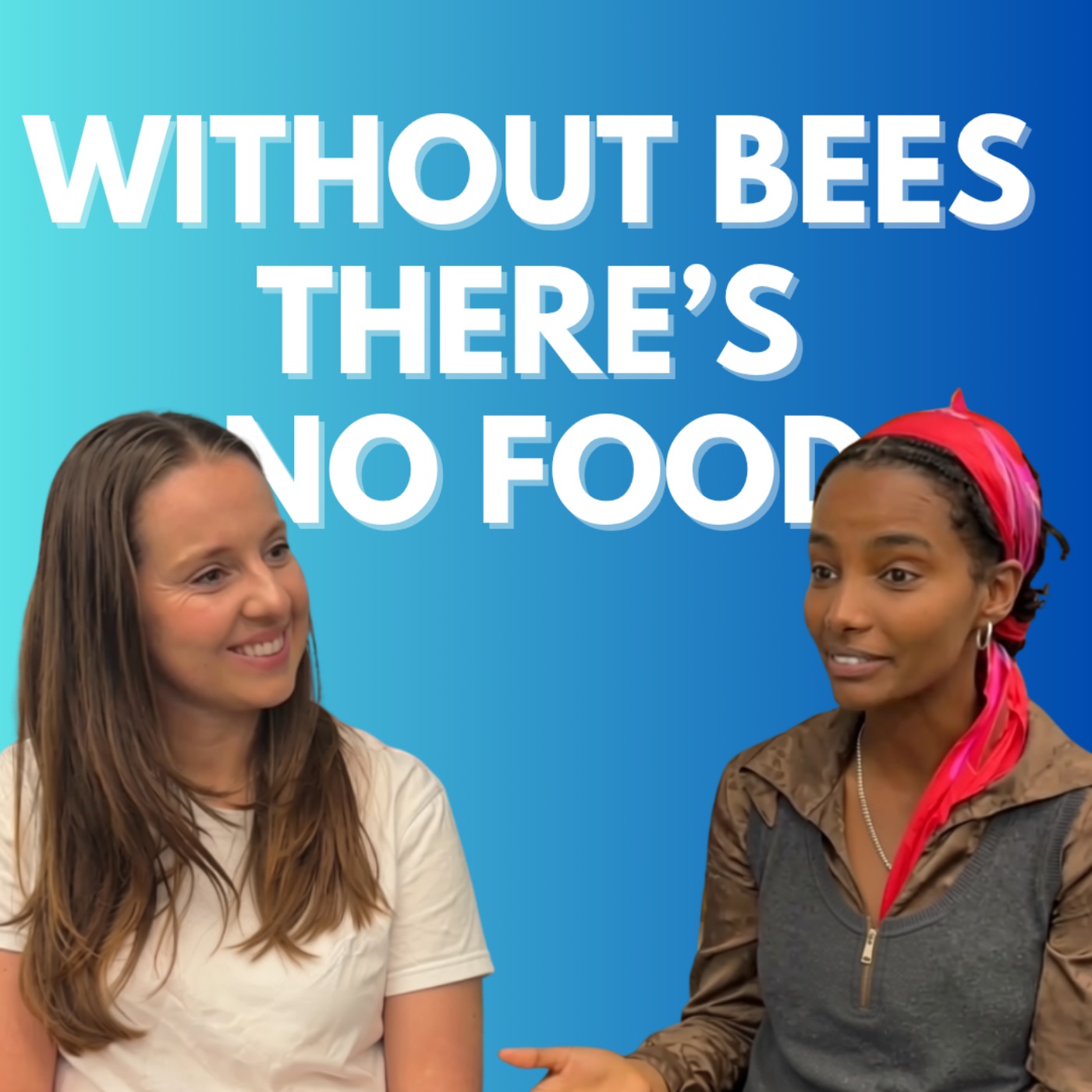
One in three bites of food you eat exists because a bee pollinated it. Almonds, avocados, blueberries, coffee, stone fruits - none of them would exist without pollinators. And right now, Australia's bee population is facing its most serious threat in history.Frewoini Baume has been around bees her entire life. As a 4th generation beekeeper from regional NSW, she grew up understanding that bees are not just honey producers - they are the foundation of our food system and a critical barometer of ecosystem health. Her passion took her across the globe, from facilitating the First Pacific Islands Beekeeping Congress in Fiji to researching bee species with the Ramsey Research Foundation across Taiwan, Mongolia and Central Asia.In this episode, Lottie sits down with Frewoini to talk about why bees matter far more than most people realise, what the arrival of varroa mite in Australia means for our food security, and what she witnessed in Pacific communities already adapting to climate change - communities who depend on healthy ecosystems to survive. She also talks about what ordinary Australians can do right now to support pollinators, and why the future of beekeeping - and our food system - depends on knowledge being shared collectively.This is the sustainability conversation that quite literally underpins everything we eat.If you’re looking for more ways to save money while living sustainably, my book “365+ Ways to Save the Planet and Your Money at the Same Time” is available now — http://bit.ly/48Fs4CEIf you enjoyed this conversation, please hit subscribe so you don’t miss the next episode, and leave a quick rating or review — it really helps more people find the show.Thanks for tuning in, and I’ll catch you next time! Hosted on Acast. See acast.com/privacy for more information.
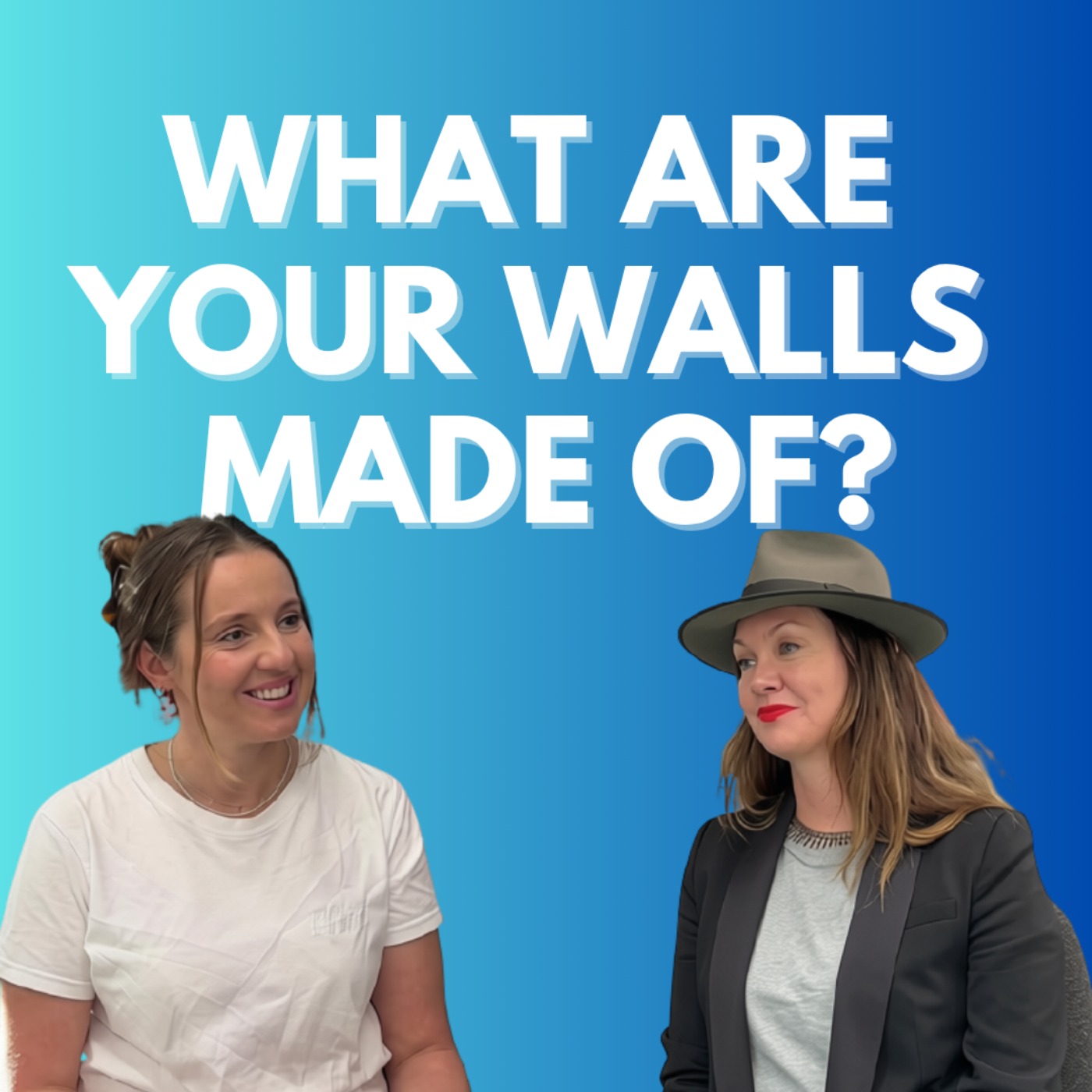
Most of us have never thought about what our walls are made of. We choose a colour, we paint them, and we move on. But what if the finish on your walls is one of the leading sources of microplastic pollution in our oceans? And what if the alternative — something that actually stores carbon, improves your indoor air quality, and can be safely returned to the earth at the end of its life already exists?Karmin Kenny founded Mineral Fox in 2020 as a frustrated customer a mother of two who simply wanted a non-toxic wall plaster for her family's home and couldn't find one. What followed was a journey that has taken her from her kitchen table to World Water Week in Stockholm, building a product range that is quietly revolutionising how we think about the surfaces we live with every day.In this episode, Lottie sits down with Karmin to talk about the hidden environmental cost of conventional wall coatings, what "returning to nature" actually means in the context of building materials, and how her Circular Sea Collection a world-first architectural finish made from recycled oyster shells that locks carbon into your walls for the life of the building is showing what a truly circular built environment could look like.This is the home sustainability conversation most of us haven't had yet. It's time to have it.If you’re looking for more ways to save money while living sustainably, my book “365+ Ways to Save the Planet and Your Money at the Same Time” is available now — http://bit.ly/48Fs4CEIf you enjoyed this conversation, please hit subscribe so you don’t miss the next episode, and leave a quick rating or review — it really helps more people find the show.Thanks for tuning in, and I’ll catch you next time! Hosted on Acast. See acast.com/privacy for more information.
loading
Comments