


Human Rights Magazine
Subscribed: 12Played: 50
Subscribe

© 2025 The Upstream Journal
Description
Exploring inequality, abuse and oppression around the world, we hear from those directly involved in an issue, examine the structural context to find why rights abuse exists, and look for possible solutions.
Read articles related to these issues and episodes at the web site of The Upstream Journal - www.upstreamjournal.org.
We are pleased to see that Human Rights Magazine is a top-rated human rights podcast at Feedspot. (https://blog.feedspot.com/human_rights_podcasts/)
55 Episodes
Reverse

Domestic violence and an unequal distribution of labor in South Korea were motivating factors behind the rise of what is known as the 4B feminist movement. In this episode of Human Rights Magazine, Lily Wang explores the expansion of 4B beyond Korea, and the extent to which it may or may not have an impact on the protection of women’s rights. Human Rights Magazine is produced by The Upstream Journal magazine. The host, Derek MacCuish, is editor of both. If you agree that informed repo...
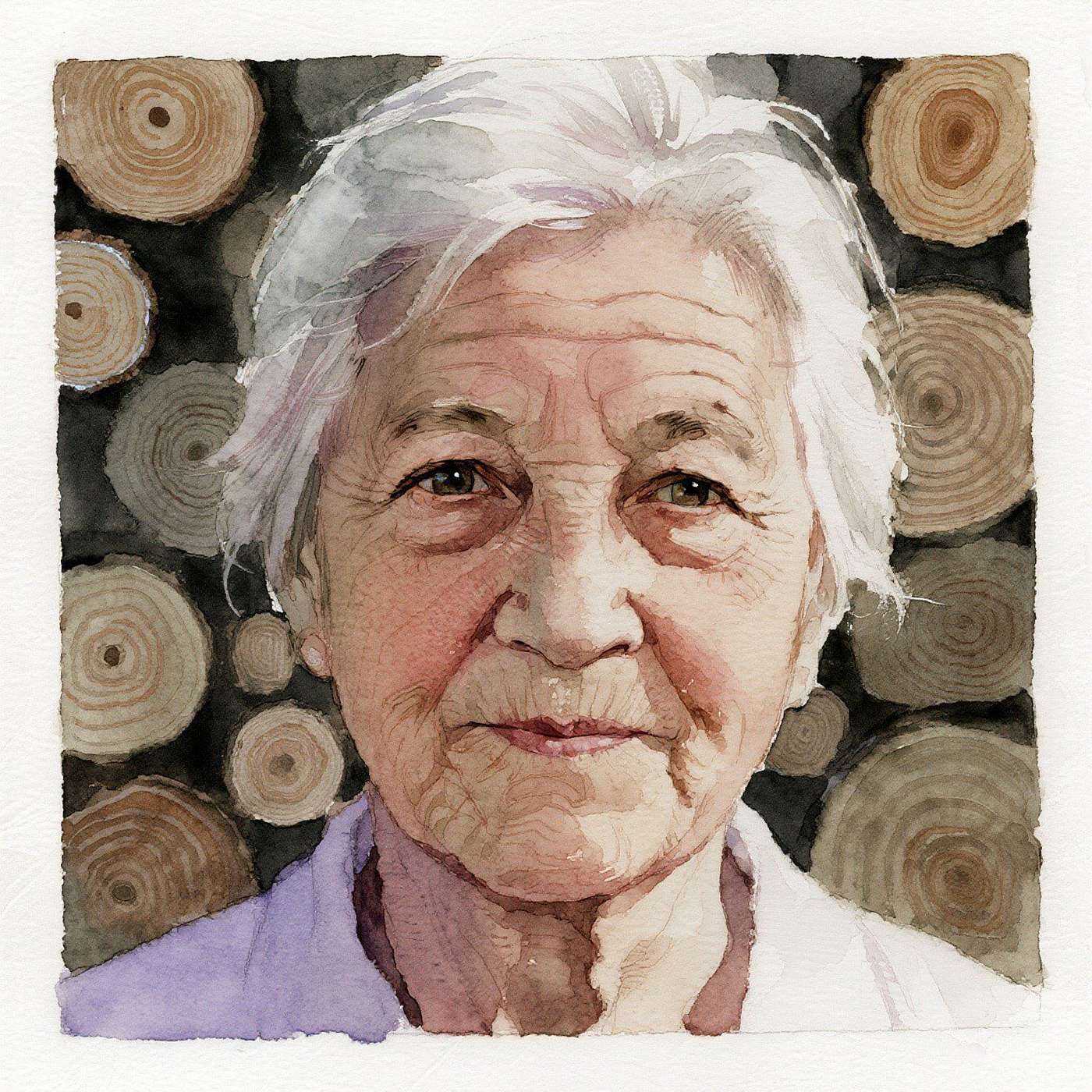
Canadian seniors grapple with financial Insecurity, social Isolation, and inadequate healthcare. About eight million Canadians are aged 65 and older, almost 20% of the total population. Single seniors, particularly women, are highly likely to be in poverty. One-third of the senior population, mostly the women, have a mobility disability. And loneliness is a significant issue for many seniors, and again this is affecting mostly women. In this episode of Human Rights Magazine, Enid Kohler...

The Yazidis are Kurdish-speaking people, most of whom live in the Kurdistan region of Iraq. Because they are not Muslim, they were a target of Islamic State terrorists who killed and imprisoned them by the thousands in a genocidal campaign. In this episode of Human Rights magazine, Maiya Karsan explores the ongoing tragic story of the Yazidis since the brutality they suffered in 2014, and the general failure to protect and support many of those who survived. As a trigger warning, the last sec...

Kurdistan is a region in western Asia where political, cultural and environmental concerns overlap to a significant degree. Control of water is of particular importance. In this episode of Human Rights Magazine, Selin Abali explores some aspects of the tensions that continue to arise as Kurdish people face challenges to how rivers are managed and to their overall relationship with the water that is central to their lives. Human Rights Magazine is produced by The Upstream Journal magazine. T...

More than four million people have fled the conflict in Sudan since it erupted in 2023, mostly to neighbouring countries where they endure severe hunger. Many wish to leave the region. How is the outside world dealing with this refugee crisis? What are the deciding factors in who may leave and who must stay? In this episode of Human Rights Magazine, Charlotte Jean-Gilles talks with experts about the way in which Canada is responding to the needs of those who are trying to escape t...

International students in Canada can face considerable obstacles and sources of stress. There can be financial strain, including finding affordable accommodation. Finding meaningful part-time work can be difficult. There is also concern about exploitation by employers, landlords and criminals posing as immigration consultants. Human Rights Magazine looks into the issue in this episode hosted by Napas Thein, with technical support and outreach by Jing Xiao. Human Rights Magazine is...

Host Derek MacCuish: My guest today in the Pathways to Peace series of interviews is Stephen Rapp, who is widely respected for his decades of work for justice and accountability in areas of conflict and war crimes. In 2001, he joined the International Criminal Tribunal for Rwanda as part of the effort to prosecute those responsible for the genocide of 1994, and he headed the trial team that achieved the first convictions in history for those in the media who incited genocide. He directe...

There are an estimated 130,000 Tibetan people living in exile in India, Nepal and Bhutan. Most are in Dharamsala, India, where they continue their traditional customs and language with support from outside. But decades have passed since China occupied their homeland, and the communities have a new challenge. In this episode of Human Rights Magazine, Dina Lowe explores their changing situation. Human Rights Magazine is produced by The Upstream Journal magazine. The host, Derek MacC...

Across the world, corruption costs trillions of dollars that should have gone into social and environmental progress. Corruption steals from efforts to reduce poverty, to improve social services and to build schools, hospitals and roads. It leaves little room for democracy and systems of justice. In this episode of Human Rights Magazine, Sofia Gobin explores the concern with corruption in Brazil. Human Rights Magazine is produced by The Upstream Journal magazine. The host, Derek MacCuish, i...

Every year, about 11,000 people who work in farming in India are listed as having killed themselves. The actual number is probably much higher, and in recent years the number of suicides is increasing. High levels of debt, the impacts of climate change and government policy are all factors in the despair of small-scale farmers. In this episode of Human Rights Magazine, Aditya Sathe explores the reasons behind the poverty of India’s famers, and possible solutions. Human Rights Ma...

Indigenous communities throughout the world usually take water directly from rivers, ponds, streams, wells or springs. This often requires people – mainly the women of the community - to carry the water from sources distant from their homes. A recent report to the UN Human Rights Council stated that one of the biggest barriers to indigenous peoples’ access to water and sanitation is that many countries deny the very existence of their indigenous peoples, or just ignore them. In th...

Mira Cohen explores the situation for Wayuu people who live in an arid peninsula in northern Colombia. La Guajira region, a rapidly desertifying region shared by northern Colombia and northwestern Venezuela, has been home to the Wayuu indigenous people for centuries. With the presence of one of the largest open-pit coal mines in the world contaminating their land and regional government corruption, Wayuu must take matters into their own hands. Wayuu women uplift their communities by revitaliz...

Greece is a destination country for many refugees, asylum seekers, and migrants from the Middle East and North Africa. The majority of these refugees come from Syria, Afghanistan, Egypt, and Eritrea Greece currently hosts about 50,000 refugees. They may have expected that Greece would be a gateway to the rest of Europe, but most of them can expect to remain in the country, since they can no longer legally travel deeper into Europe. Since 2021, many of the refugee arrivals have been detained i...

As this podcast episode, and its companion article on Upstream Journal were being prepared, the Peace Research Institute in Oslo announced the nomination of Sudan's Emergency Response Rooms for the 2024 Nobel Peace Prize. In this episode of Human Rights Magazine, Sarah Elobaid takes a close look into the work of the Emergency Response Rooms and their impacts, with guests who have direct experience with these youth-led networks. Human Rights Magazine is produced by The Upstream Journal magazin...

In this episode, we take a somewhat different approach to our focus on human rights, and look not at a social situation but rather look at technological possibilities. Artificial intelligence is rapidly emerging as a new tool, as computer technology accelerates in the ability of machines to learn and emulate human thinking. Listen as Charlotte Power explores the impact that AI may have on human rights, especially in humanitarian work. Human Rights Magazine is produced by The Upstream Journal ...

In 2023, more than 650,000 people in America were identified as being without permanent shelters, and that’s a record number, the most since counts were started in 2007, and a 12 percent increase over 2022. Oregon has double what would be the national average of people without a permanent place to call home. In this episode, Tawnya Layne explores why so many are homeless, and possible short-term and long-term solutions, in her home state of Oregon. Human Rights Magazine is p...
The use of children in combat roles is not new in Myanmar. Both the government and some resistance groups have child soldiers, with tragic results. Hundreds of children have been killed and tortured by the Myanmar army in recent years. In this episode of Human Rights Magazine, Yiwen Li speaks with several experts about the issue. Human Rights Magazine is produced by The Upstream Journal magazine. The host, Derek MacCuish, is editor of both. If you agree that informed reporting on human righ...

President Museveni of Uganda has retained power since 1986, using violence, arrests and media suppression to maintain the military dictatorship. In this episode of Human Rights Magazine, Nkwesi Banage talks with experts about the dynamics of politics and elections in Uganda, and how Museveni has successfully kept power for decades. (Photo: A Ugandan military police officer chases a journalist who was covering Bobi Wine when he had taken a petition to the UN human rights Kampala office protest...

The Fulani people are part of an ethnic group across the Sahara, Sahel and West Africa, comprising between 25 and 40 million people. About 10 million of them are pastoralists, and so they are part of the largest nomadic pastoral community in the world. Almost all are Muslims. In this episode of Human Rights Magazine, Pauline Goemans explores the discrimination that Fulani people face in Ghana, and why that discrimination has increased in recent years. Human Rights Magazine is produced by Th...
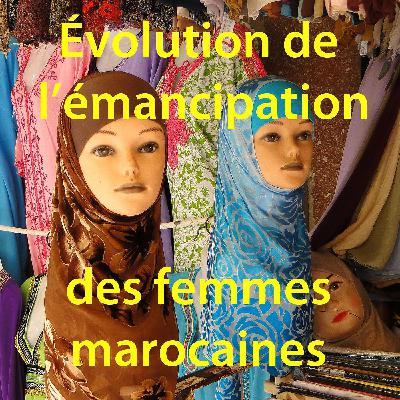
Ce podcast cherche à capturer la complexité du combat féministe au Maroc dans une ère de réforme politique et juridique. Human Rights Magazine is produced by The Upstream Journal magazine. The host, Derek MacCuish, is editor of both. If you agree that informed reporting on human rights and social justice issues is important, your support would be welcome. Please rate the podcast wherever you listen to it, and tell your friends about episodes that you find interesting. Why not consider makin...

Comments

Download from Google Play

Download from App Store
 United States