


 Claim Ownership
I by IMD
Subscribed: 6Played: 198
Subscribe

© 2022 I by IMD
Description
The IMD Podcast Network brings you fresh insights and thought leadership on the evolving world of management and business. Each episode features conversations with global experts, industry leaders, and IMD faculty who share their perspectives on leadership, innovation, strategy, and the challenges shaping organizations today. Whether you’re an executive, entrepreneur, or lifelong learner, our goal is to provide practical knowledge and inspiration that you can apply directly to your professional journey
87 Episodes
Reverse
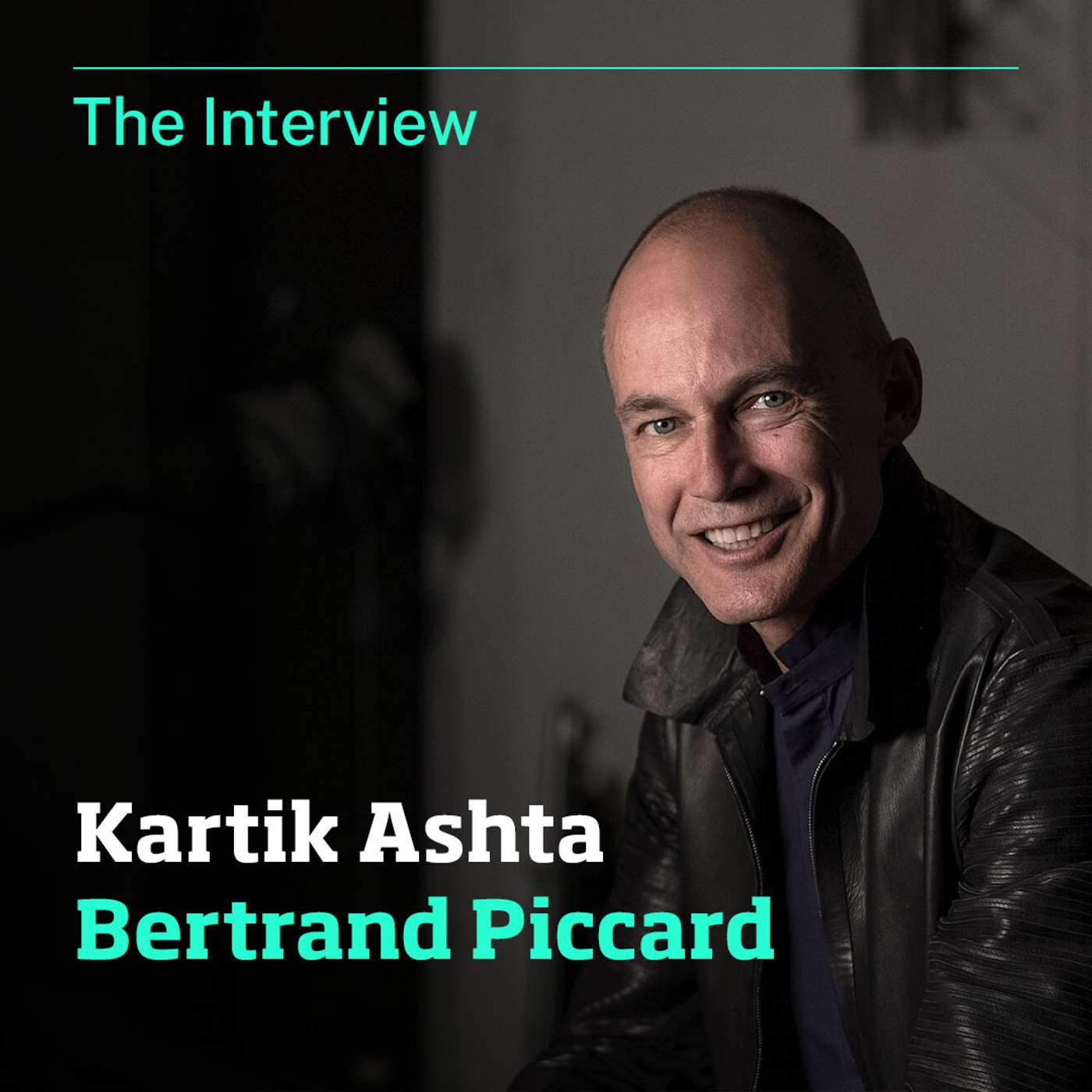
In this episode, Swiss explorer and psychiatrist Bertrand Piccard joins IMD MBA candidate Kartik Ashta to discuss why resistance is often a signal to change approach rather than push harder. Drawing on his record-breaking adventures and pioneering clean-technology projects, Piccard explains why great leaders motivate instead of convince, how crises become opportunities when we accept them, and what leaders must be willing to "throw overboard" to adapt to a changing world.Our guest:Bertrand Piccard is a Swiss explorer, psychiatrist, and founder of the Solar Impulse Foundation. He made history with the first non-stop balloon flight around the world and later co-piloted Solar Impulse, the first solar-powered aircraft to circumnavigate the globe. He is also leading Climate Impulse, an initiative aiming to achieve the first non-stop round-the-world flight powered by green hydrogen, demonstrating the potential of clean technologies to accelerate the transition to a more sustainable future. Interviewer:Kartik Ashta is a current MBA candidate at IMD where he focuses on bridging the gap between businesses and policy in areas related to sustainability, resilience, and geopolitics. Before coming to IMD, he spent five years across think tanks, consulting, and the UN, advising companies and governments on how to solve complex social and commercial issues.
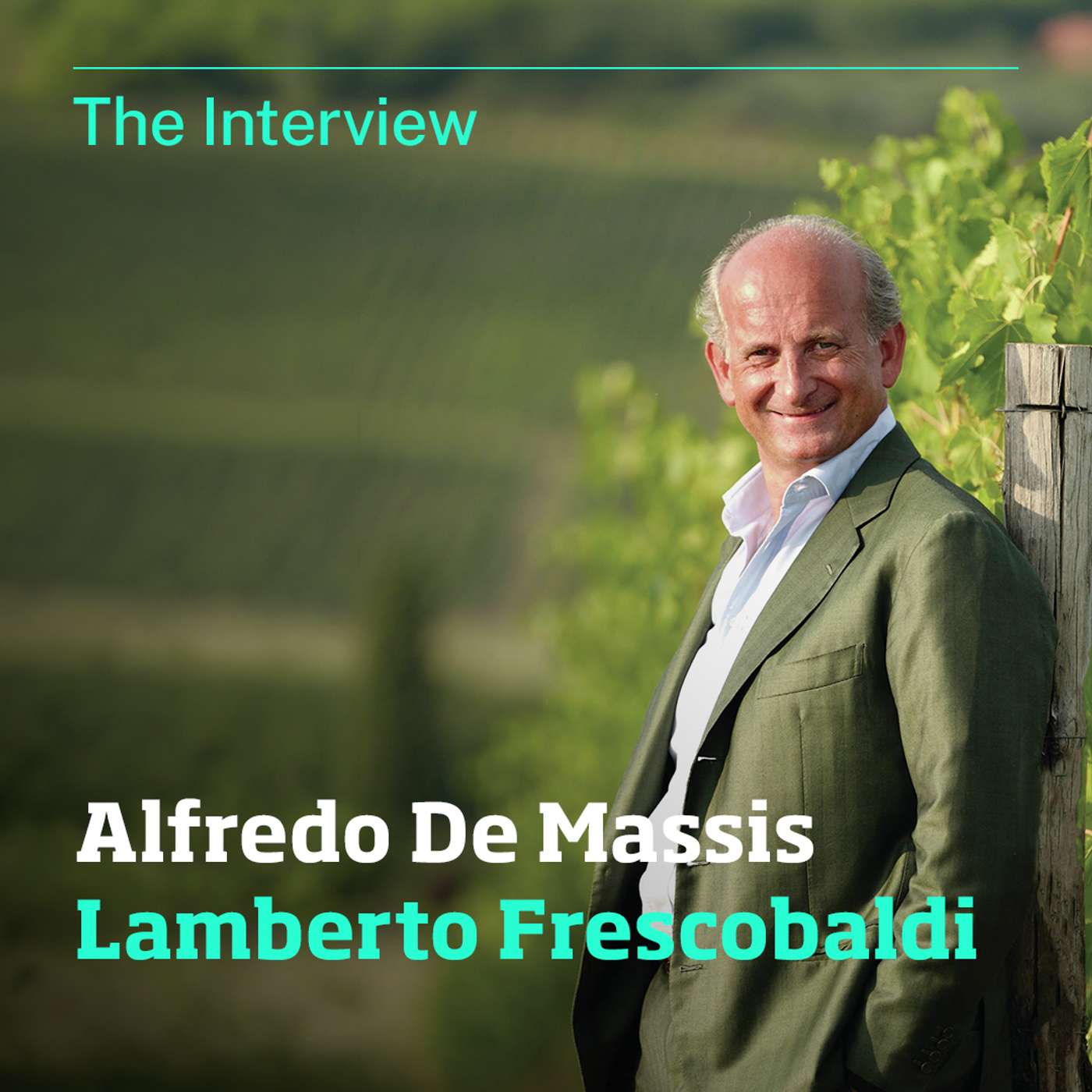
How do you lead a company when you are not its ultimate owner, but the custodian of a centuries-old legacy? Lamberto Frescobaldi represents the 30th generation of one of Italy’s most enduring wine families. His answer is uncompromising: inherited assets should have “value zero”; leaders must focus on what they create during their own lifetime.In conversation with Alfredo De Massis, Professor of Entrepreneurship and Family Business at IMD, Frescobaldi explains why “tradition […] can trick you,” why beauty can distract leaders from the daily realities of business, and how his company is responding to falling wine consumption and global oversupply. From succession and family governance to diversification and sustainability, this episode offers a candid lesson in stewardship, strategic focus, and the ability to keep changing without losing your identity.Our Guest: Lamberto FrescobaldiPresident, Marchesi FrescobaldiPresident, Unione Italiana ViniLamberto Frescobaldi represents the 30th generation of the Frescobaldi family, whose documented winemaking history in Tuscany began in the early 1300s. Trained in agriculture in Italy and California, he joined the family enterprise before becoming President of Marchesi Frescobaldi. He also serves as President of Unione Italiana Vini, the association representing Italy’s wine industry. Website: https://www.frescobaldi.com/en/LinkedIn: https://www.linkedin.com/company/marchesifrescobaldiInstagram: https://www.instagram.com/marchesifrescobaldi/
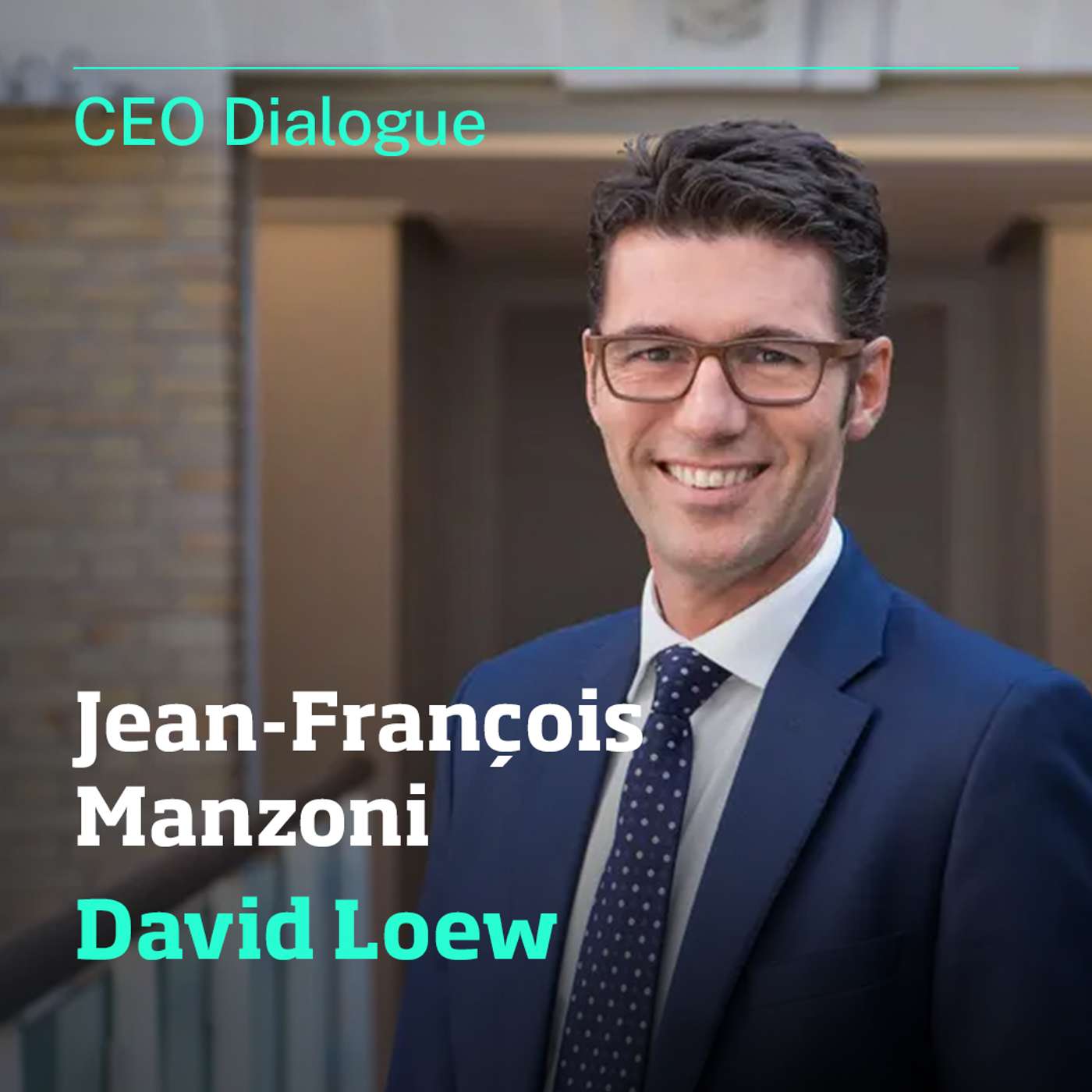
Ipsen CEO David Loew unpacks six years of radical transformation that enabled a mid-sized, family-controlled biopharma company to take on the biggest competitors in the industry.Our Guest: David Loew, CEO, IpsenDavid Loew has served as CEO of Ipsen, a publicly listed, family-controlled specialty biopharma group (~6,000 employees, ~€4 billion revenue, operations in 40 countries, products in 100 countries), since July 2020. He joined Ipsen from Sanofi, where he led Sanofi Pasteur, the company's vaccines division, for four years, and previously spent more than 20 years at Roche across various roles and geographies.
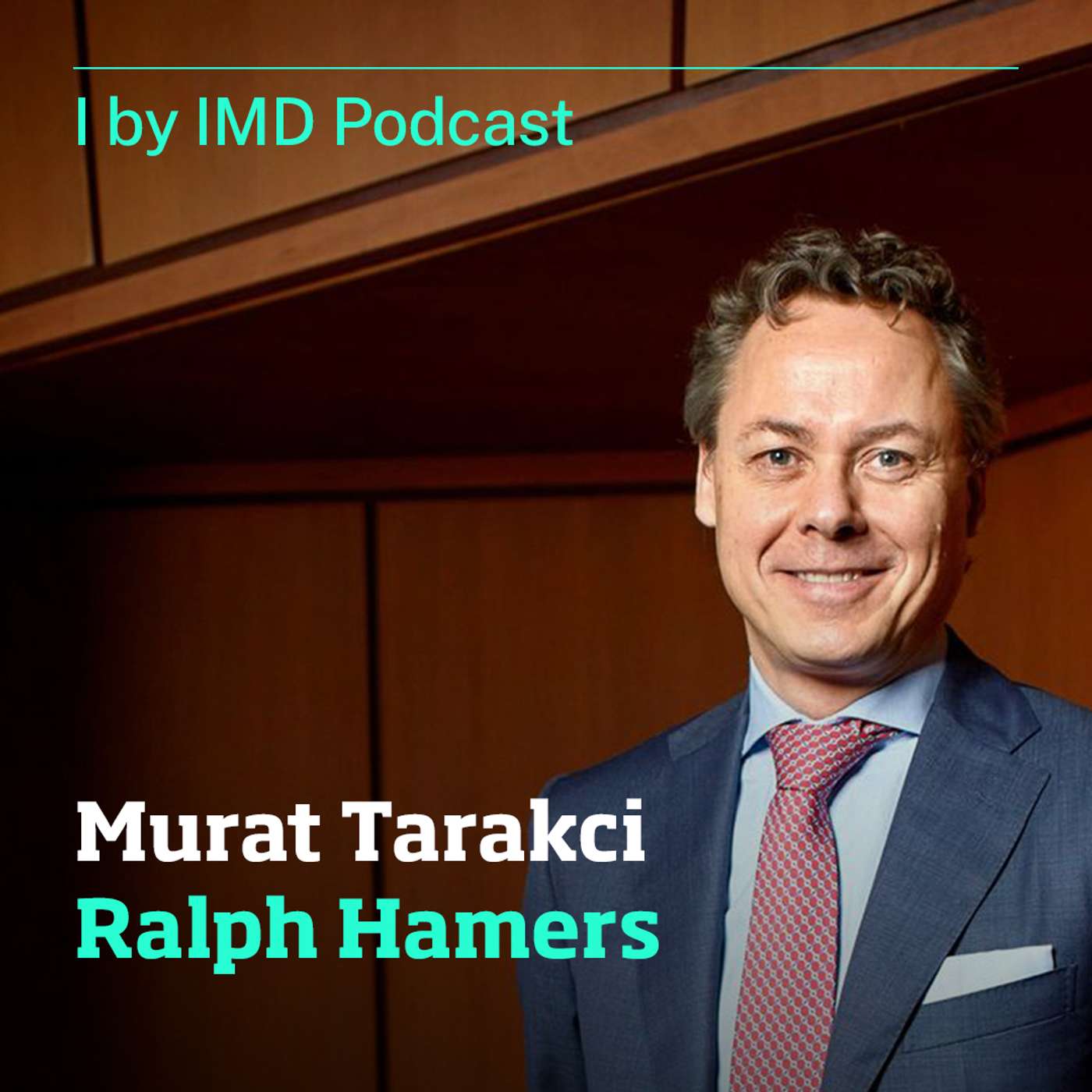
Former ING and UBS CEO Ralph Hamers joins IMD’s Murat Tarakci to unpack how he led “banking’s biggest digital transformation” – and why AI may redefine financial advice.Drawing on his experience at two of the biggest banks in the world, Hamers argues that CEOs “cannot delegate what your strategy is, what your brand stands for, how your people behave,” and must personally connect the dots between purpose, strategy, culture and execution”. He lays out his three-way innovation engine, his vision of banks as “tech companies with a banking license,” and a bold claim that “advice to clients can be better generated through AI than through an advisor.”He explains why “restructuring is generally a reaction to a burning platform” and how he reframed ING’s future by asking, “what is left from our DNA?” and turning that into a purpose-led transformation story.To dive deeper, check out: Ralph Hamers’s new book, Do Your Thing: Lessons from banking's biggest digital transformationI by IMD’s new report, The future of bankingOur Guest:Ralph Hamers is a Dutch banker and business leader best known as the former CEO of ING Group and UBS Group. He spent 29 years at ING, became CEO in 2013, and led the bank through a major digital transformation focused on mobile banking, agile working, customer experience, and platform thinking; ING said he helped turn the group into “a leading digital bank.” In 2020, he left ING to become Group CEO of UBS, a role he held until 2023, when Sergio Ermotti returned to lead the Credit Suisse integration. In 2026, Banking Circle Group announced Hamers as its chairman, citing his experience scaling global financial institutions and advising fintech companies including Arta and Grab. His book Do Your Thing: Lessons from Banking’s Biggest Digital Transformation draws on the ING transformation to offer a leadership framework for connecting purpose, strategy, culture, and execution. LinkedIn: https://www.linkedin.com/in/ralphhamers/
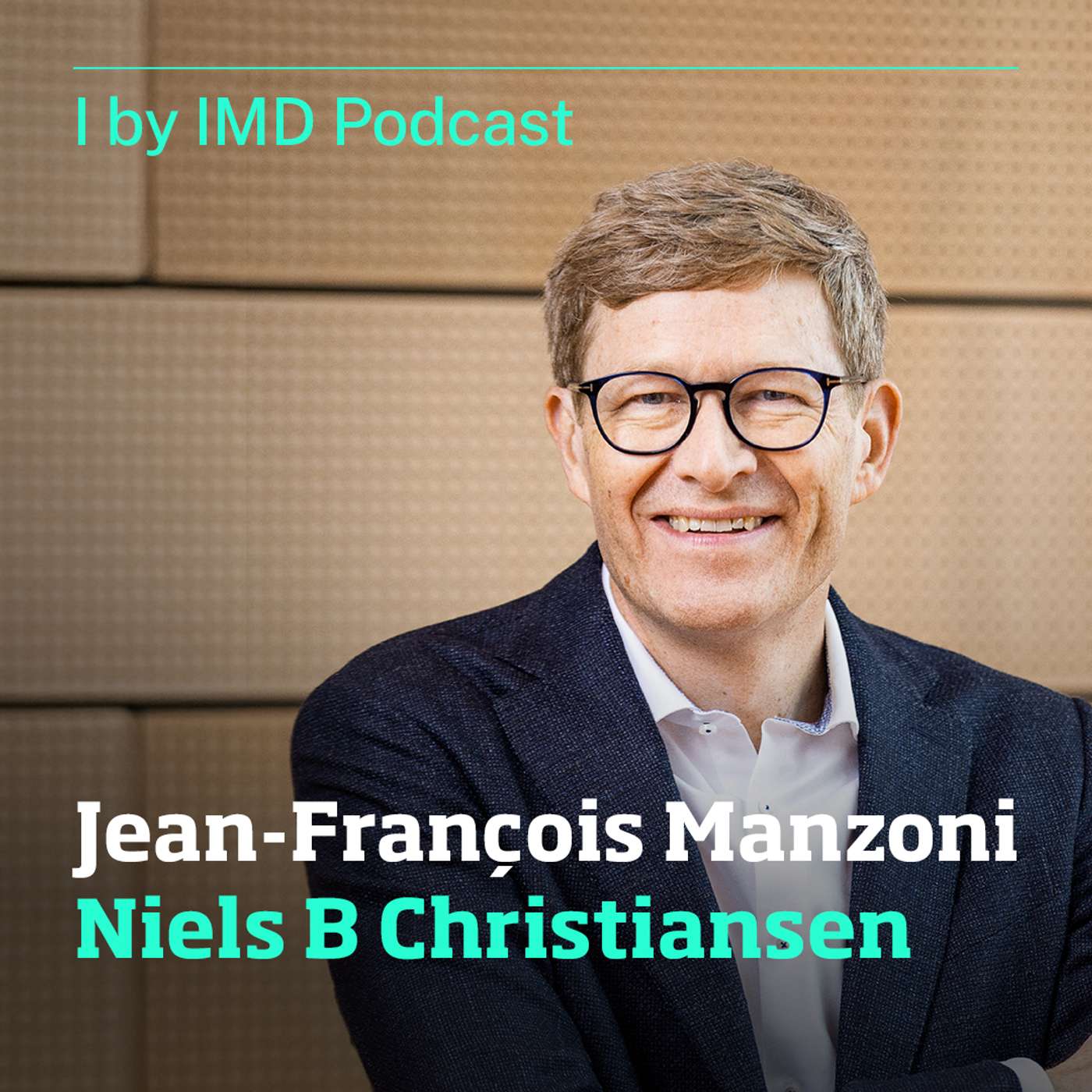
What does it take to lead one of the world’s most loved brands — and still admit it had become too slow, too complex, and too hard to move? In this CEO Dialogue, LEGO CEO Niels Christiansen discusses with IMD’s Jean-François Manzoni how he simplified the organization, empowered local teams and expanded beyond children to adult fans. He explains why LEGO opened stores when others were closing them, why “the basis is physical” even in a digital world, and why sustainability remains a long-term investment even when “consumers are (…) not willing to pay for it.”When Christiansen took over as CEO in 2017, he stepped into a company that had “stalled”. Today, LEGO Group has grown into the world’s largest toy company, with revenues exceeding €11bn ($12.8bn) and around 34,000 employees worldwide. It is one of the most remarkable brand stories in modern business.Listen in to understand how LEGO rebuilt momentum — not through grand slogans, but through disciplined execution.Our Guest:Niels B ChristiansenPresident & Chief Executive Officer, the LEGO Group; CEO, LEGO Holding. Niels Christiansen joined the LEGO Group as CEO in 2017 after leading Danfoss. Under his leadership, LEGO has expanded its retail footprint, invested in sustainable materials, strengthened digital play experiences, and continued to rank among the world’s most loved brands.

Comments

Download from Google Play

Download from App Store
 United States