


 Claim Ownership
Immigration Realities
Subscribed: 1Played: 3
Subscribe

© Copyright The Immigration Lab
Description
The team at American University's Immigration Lab, led by Dr. Ernesto Castañeda, help us make sense of recent developments, overlooked stories, and the newest research related to immigration policy and the experiences of immigrants worldwide.
13 Episodes
Reverse
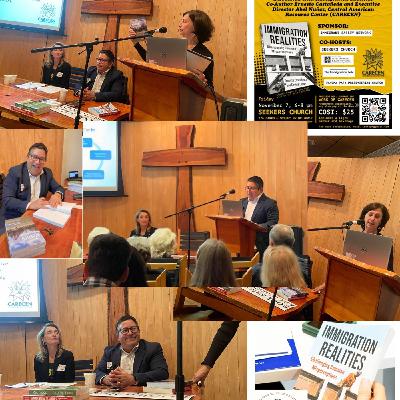
Listen to this relevant podcast where community member in Maryland asked what they would do when ICE come to town and acts on a number of immigration myths.Speakers include: Ernesto Castañeda, Marcy Campos, and Monica Palacio.
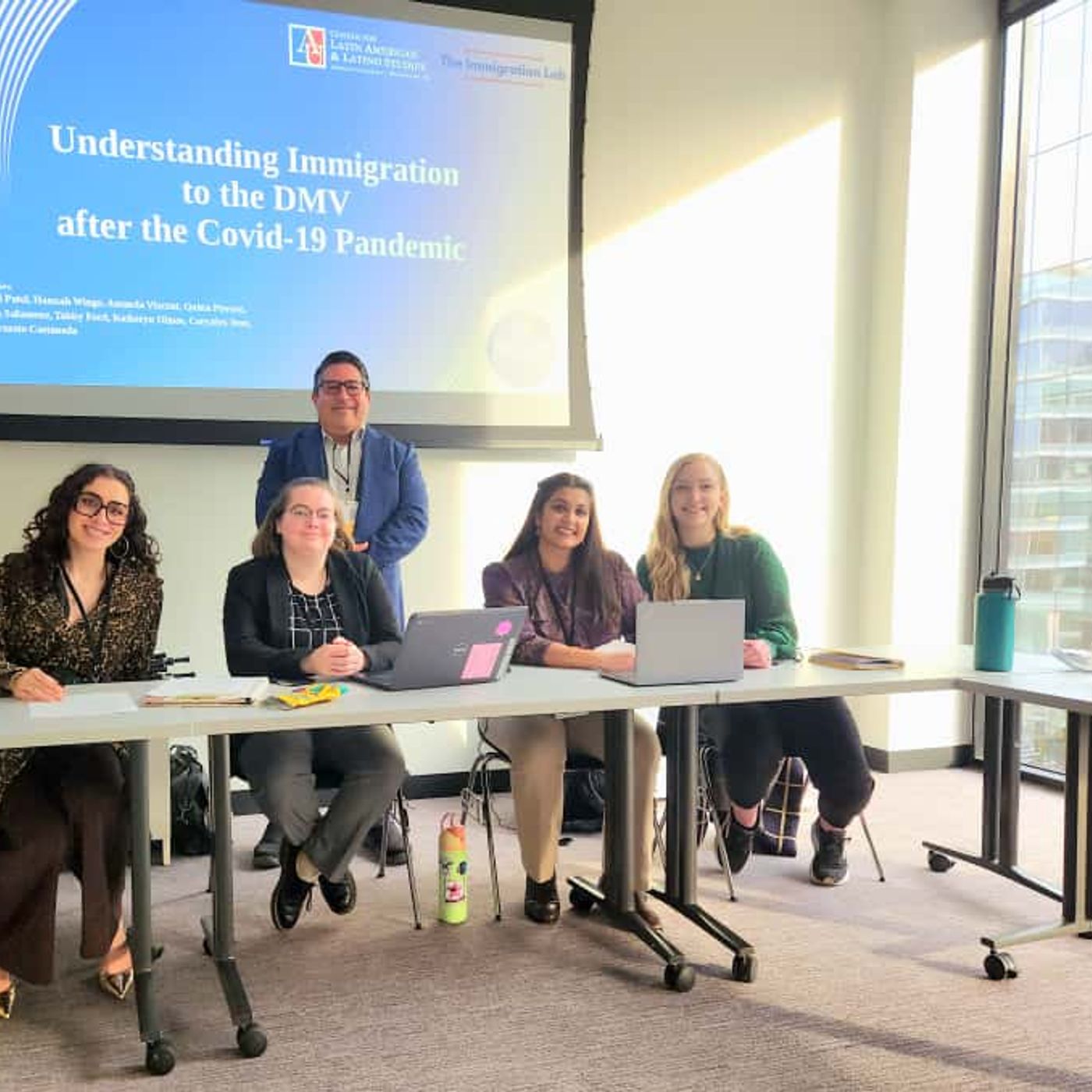
Presentation at the 2025 AU Public Anthropology ConferenceAuthors: Anjini Patel, Hannah Wingo, Amanda Vincent, Quinn Pierson, Olivia Salamone, Tabby Ford, Katheryn Olmos, Caryalyn Jean, Dr. Ernesto Castaneda.

Immigration Lab member Chris Belden discusses the exclusion of LGBT+ refugees in Kenya's Shikira Plan.

CNN correspondent Priscilla Álvarez visits to discuss how recent immigration policy shifts impact people, communities, and international relations. She shares what it's like reporting on immigration today and talks about the role of journalists in promoting a fact-based narrative around immigration.

Dr. Ernesto Castañeda continues the conversation of Immigration Realities, while addressing misconceptions surrounding migration trends, lifestyles, and integration. His talk is followed by a Q & A with members of the American University community.
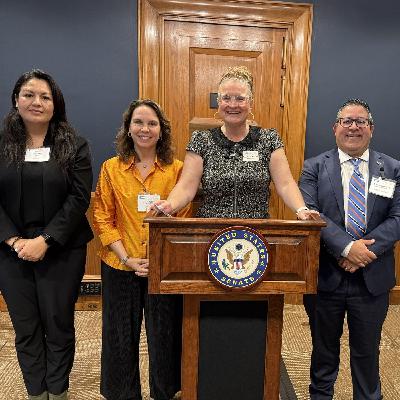
“Criminalized by Design: How U.S. Immigration Policy Hurts Families, Not Crime Rates” Immigration Congressional Policy Brief May 21, 2025Dirksen Senate Office Building1) Charis Kubrin, UCI Criminology, Law & Society, “The Myth of the Criminal Immigrant: How Policy Based on Fear Fails Us All” Immigration-related policies founded on an assumption of widespread immigrant criminality or claims of a strong immigration-crime link are likely to be ineffective at reducing crime, and can lead to significant collateral consequences for individuals, families and communities.2) Irene Vega, UCI Sociology, “Who Enforces, and Why? Rethinking Immigration Agents, Training, and Oversight” The major lesson of my work is that we need major structural changes in the U.S. immigration system, including: decoupling of immigration and criminal law, divesting from for-profit prisons and other corporations that shape immigration enforcement policy, and a fundamental rethinking of how we hire and train immigration agents.3) Beth Baker, UCDC Anthropology, “The Hidden Costs of Mass Deportation” Trump is promising to deport millions of people with long-standing ties to US society. The economic costs are enormous: immigration enforcement, detention, and deportation constitute the largest single federal law enforcement cost to the nation. The human costs are even more significant. 4) Ernesto Castaneda, American University, CLALS, “The Mental Health Toll of Immigration Enforcement” Many immigrants face significant trauma in their countries of origin and immigration law enforcement creates new stressors that exacerbate PTSD, depression, and anxiety. These conditions can be minimized through programs that aid immigrant integration and mental health.Moderated and organized by: Tanya Golash-Boza, Director, University of California, DC Center
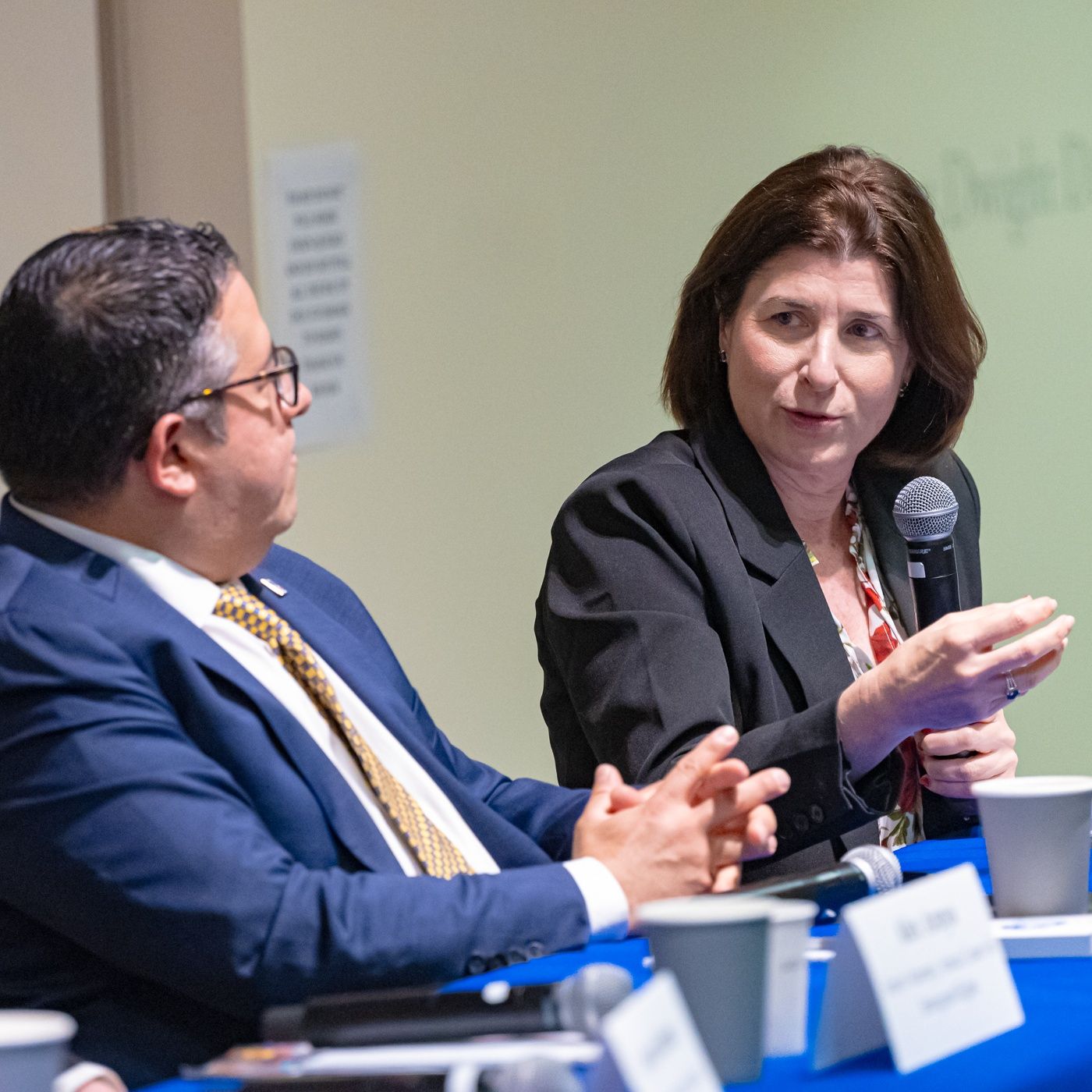
In this episode, we listen to "Immigration In Focus: Insights from Policy Experts," an event that took place at American University on Thursday, April 24; though the negative effects of punitive immigration policies are always evergreen. This episode pairs well with this blogpost https://theimmigrationlab.org/blog/f/campaigning-against-immigrants-is-often-a-losing-propositionSpeakers include:Amy Dacey, Director, AU’s Sine Institute of Policy & PoliticsJayesh Rathod, Director, Immigrant Justice Clinic in AU’s Washington College of Law Ernesto Castañeda, Director, AU’s Center for Latin American and Latino Studies, and the Immigration LabAlex Araya, Staff Attorney, Detained Adult Program, Amica Center for Immigrant RightsModerate by Julia Manchester from The HillEpisode edited by Noah Green
In this podcast, the Immigration Lab researchers discuss some of the results of ongoing research including over 200 in-depth interviews with new arrivals, including immigrants, asylum seekers, people with TPS, parole, and other humanitarian permits in the Washington, DC metropolitan area and New York City from Ecuador, Venezuela, El Salvador, Mexico, and Ukraine.
This podcast is a recording of a live immigration policy panel that took place at American University on April 4, 2025. The first in a series of 2 podcasts. Interviewer Todd Zwillich, co-host of 1A on WAMU, DC's NPR station. Speakers include Kathleen Bush-Joseph, Migration Policy Institute; Aaron Reichlin-Melnick, American Immigration Council; and Ernesto Castaneda, The Immigration Lab, discuss the immigration policies of the current administration. Co-organized by The Center of Latin American and Latino Studies, The Immigration Lab, the Sine Institute, and the Environment, Development, and Health Department of the School of International Service at American University.
Dr. Castañeda, Anthony Sandoval, Joseph Fournier, and Marshall Plane discuss the rhetoric about recent immigration and the Trump administration's current response. Topics include the recent congressional hearing with sanctuary city mayors; how we can counter the criminal steteotype of immigrants; Trump's recent proposals about using the military for deportations; and much more.
Dr. Castañeda breaks down Trump's first month executive actions regarding immigration, putting his policies in legal and historical context.Marshall Plane talks about his research on the economic integration of asylum seekers in New York City. His findings contradict the narrative that migrants are an economic burden on the city.Katheryn Olmos talks us about the use of Guantanomo Bay to detain immigrants, including the stories of people who have been taken there without due process. She describes how this climate is impacting Latino communities in her native Florida.Joseph Fournier talks about his current study of anti-immigrant rhetoric in close congressional races. Contrary to what many pundits say, Joseph's figures indicate that candidates who adopt this rhetoric have actually had lower success rates in recent cycles.
In the current political climate, it may seem as though all migration to the United States is being prohibited; however some legal pathways to entry are actually being expanded and implemented. The H2A agricultural guestworker visa program allows farmers to sponsor migrant workers to enter the US legally, providing essential transportation and housing for the duration of their stay.This program is growing rapidly as a response to the loss of undocumented labor due to detentions and deportations. While the visa offers clear benefits, it presents unique challenges—specifically the power dynamics created when an employee is legally tied to a single employer.Professor Castañeda and Jesse Ontiveros discuss the rewards and risks of this system and its potential as a surprising pathway to residency. Jesse Ontiveros is an artist, academic, and aspiring podcaster. After earning a BA in Anthropology from UCLA, he is currently pursuing an MA in Intercultural Relations and International Communication at American University.
Comments

Download from Google Play

Download from App Store
 United States