


In The Blink Podcast
Subscribed: 1Played: 4
Subscribe

© 2025
Description
In The Blink is a podcast about resilience, healing, and the strength it takes to rebuild after life-altering experiences. Hosted by Meagan Oberle, this show dives deep into the realities of grief, trauma, and mental health, sharing personal stories of survival and transformation. Through candid conversations with experts, survivors, and those navigating their own journeys, In The Blink explores the resources, strategies, and support systems that help people heal. Because life can change in an instant—but so can the path to hope.
18 Episodes
Reverse

In this episode, Jamie Estelle Roth shares how losing her central vision became the catalyst for a profound spiritual awakening, leading her into soul contracts, ancestral healing, intuition, psychedelic medicine, and the surprising angels who guided her along the way. Through humor, honesty, and deep surrender, she reveals how blindness stripped away old identities, opened her heart, reconnected her to her purpose, and transformed her pain into clarity, connection, and a new way of seeing. "I love myself more than I've ever loved myself, and not in a "I'm so amazing" kind of way. I think all of us should love ourselves for who we are. And if there are things you want to change, then look inside and listen to your spirit." - Jamie Estelle Roth Episode insights: Vision loss became her portal into intuition, spiritual sight, and a deeper version of herself. Soul contracts reframed her suffering from "Why me?" to "Why not me?" and helped her see the experience as divinely chosen. Angels and human "messengers" showed up in unexpected ways to guide, comfort, and heal her. Psychedelic experiences like psilocybin and MDMA revealed past lives, subconscious truths, and a deeper knowing beyond physical sight. Energy work and "woo woo" practices filled the emotional gaps that Western medicine couldn't reach. She confronted long-buried trauma, lineage wounds, and old identities, learning to shed everything that wasn't truly her. Losing her sight forced radical presence—listening deeply, feeling more, and seeing others beyond the physical. Her purpose emerged through surrender: to hold space, share her light, and help others navigate their own darkness. About Jamie Estelle Roth: Jamie Estelle Roth is a bestselling author, podcast host, and visually impaired storyteller whose memoir Should've Seen That Coming chronicles her journey of sudden vision loss and spiritual transformation. Now newly released as an audiobook, narrated in her own voice, Jamie brings listeners even closer to her story with honesty, humor, and heart. Based in California, she's a mom of three, wife, and dog-lover who inspires audiences to find purpose, joy, and resilience in life's most unexpected moments. Connect with Meagan:Instagram | LinkedIn | Facebook Group Community Apply for a prosthetic eye here: www.intheblinkltd.com
The episode dives into the often unseen trauma caregivers carry, beginning with the shock of crisis and moving through the quiet, transformative moments of compassion, fear, and resilience. Meagan, together with Gina, explores how caregiving can be both wounding and healing, why setting capacity and boundaries matters, and how guilt, gratitude, and community shape the journey. Ultimately, it's a reminder that caregiving is an act of profound love that changes everyone involved — and that caregivers must also name and process their own trauma to truly heal. "We have to process this trauma, release it. The other side of suffering is joy, you get to feel that extreme joy because you've seen the other side and how hard life can be." - Gina Core points captured from this episode: Caregivers experience their own form of trauma, often overlooked, and must acknowledge it in order to heal in a healthy way. Capacity matters — caregivers should only give what they are able to give, based on their strengths, limitations, and support system. Intentional caregiving requires clear boundaries and communication, especially about what kind of support one can realistically provide. Guilt is common on both sides: caregivers may feel guilty for not showing up "enough," while patients may feel guilty for needing help or being unable to give back. Caregiving is an act of love without expectation of repayment — true support is given freely, not as a transaction. A caregiver's support system is essential, as caregiving affects the whole family and must be balanced with home responsibilities. Closure and post-traumatic care are vital, whether through rituals, celebration, grief work, or therapy, because trauma lingers if left unprocessed. Suffering is a universal human experience, and when met with compassion, it can lead to personal transformation, deeper connection, and a greater capacity for empathy. About Gina Holtkamp: Gina Holtkamp lives her faith through showing up wholeheartedly for her friends and family. She believes that stepping into the hardships of others and extending compassion to those in need is not a special role, but one we are all called to do. In her roles as a caregiver and supportive friend, she realized that carrying the weight of the traumas unfolding around her, often led to its own trauma that must be processed. She believes that an intentional approach to caregiving can keep not only the caregiver healthy and prevent burnout, but can help the relationship of the caregiver and person in need move beyond the trauma event. She loves celebrating those who have returned to health, and sometimes celebrating the lives of friends or family that have gone to heaven. Gina loves showing her three sons what faith looks like in action, and involves them in support roles while communicating about compassionate living and the heavy parts of life. Connect with Meagan: Apply for a prosthetic eye here: www.intheblinkltd.com Instagram: https://www.instagram.com/meaganoberle/
In this powerful episode, Kris pulls back the curtain on a lifelong battle with misunderstood and often hidden OCD—sharing how intrusive thoughts, shame, misdiagnosis, and treatment-resistant depression nearly cost her everything, and how a combination of ERP therapy, TMS, partial hospitalization, and unwavering support brought her back from the edge. Her story is a raw, hopeful reminder that OCD is not a quirk but a debilitating disorder, that help does exist, and that one more try—one more treatment, one more honest conversation—can be life-changing. "I have the lived experience, and I realized I cannot keep hiding this and being so ashamed of everything, because it's only perpetuating this stereotype about what OCD is."-Kris Oberle Hear more about: OCD is deeply misunderstood — it's not about cleanliness or quirks, but intrusive, unwanted thoughts that cause intense fear, shame, and anxiety. Diagnosis often takes over a decade, and misinformed providers can worsen symptoms or reinforce fears, making proper OCD-specific care essential. ERP (Exposure and Response Prevention) is the gold-standard therapy for OCD, while traditional talk therapy can unintentionally make symptoms worse. Treatment-resistant depression often coexists with OCD, requiring multi-pronged interventions like medication, therapy, lifestyle changes, and medical treatments. TMS (Transcranial Magnetic Stimulation) can be life-changing for treatment-resistant OCD and depression, offering hope when medications and therapy fall short. Support and openness save lives — sharing her struggles with trusted people became Kris' turning point, proving that connection, compassion, and "trying one more thing" can make recovery possible. Acceptance is a crucial part of healing — OCD doesn't simply "go away," and learning to coexist with it, rather than fight its existence, is a major step toward stability. Lived experience can be a powerful tool — Kris' journey inspired her to pursue counseling and work in a TMS clinic, showing how personal struggles can evolve into meaningful advocacy and support for others. About Kris Oberle: Kris Oberle is a Colorado State University graduate with BAs in History and Zoology, and is currently pursuing a Master's in Clinical Mental Health Counseling at Adams State University. She entered the mental health field with the intention of drawing on her lived experience to bring authenticity and empathy to her future work as a counselor. Previously, Kris built a meaningful career in animal care—an experience that continues to shape her perspective today—and she hopes to integrate animal-assisted interventions into her future practice, blending her passion for helping others with a deep connection to animals. Kris works as a TMS Coordinator at Harmony Neurocare in Castle Rock, Colorado, supporting patients through innovative, evidence-based care. Passionate about challenging the stereotypes that too often surround mental-health discussions and reducing the shame that can keep people from seeking help, she is committed to creating spaces where people feel safe to ask for support and embrace their full story. Connect with Meagan: Apply for a prosthetic eye here: www.intheblinkltd.com Instagram: https://www.instagram.com/meaganoberle/
In this powerful episode, Meagan explores the profound journeys of individuals who have navigated extraordinary loss and trauma. The podcast weaves together deeply personal stories that reveal how people find resilience, perspective, and healing in the aftermath of devastating experiences. From Buck's transformative volunteering with amputees to Stacy's creation of Marlee's Smile nonprofit after losing her mother to ALS, each narrative demonstrates the human capacity to transform pain into purpose. The episode delves into raw emotional territories, highlighting how grief is not a linear process, but a complex, multilayered experience that requires compassion, connection, and sometimes unexpected pathways to healing. "Loss has a way of knocking us sideways, pulling us out of everything we thought we knew, but sometimes what helps us find our footing again isn't more advice or more thinking, it's perspective." - Meagan Oberle Key Points: Volunteering and service can provide perspective during personal trauma Grief is multifaceted and requires individual processing Connection with others who understand similar experiences is healing Small acts of kindness can shift mental attitudes during difficult times Sharing personal stories can be a powerful tool for collective healing Mental health recovery is a gradual, non-linear journey Gratitude can be a transformative lens for viewing personal challenges Connect with Meagan: Instagram: https://www.instagram.com/meaganoberle/
In this deeply moving episode of In the Blink podcast,, Meagan reconnects with her longtime friend David to share a powerful and vulnerable conversation about identity, faith, childhood trauma, and the long road to healing. David opens up about being bullied from a young age, growing up gay in a religious family, and navigating the complexities of faith, shame, and self-acceptance. Through candid stories of resilience, spiritual awakening, and self-guided therapy, he reminds us of the power of choosing healing, reclaiming your truth, and embracing who you are. Tune in for a heartfelt journey of struggle, strength, and ultimately, hope. "There's hope for all of us and for any trauma that anybody has been through, whether small or big or multiple, and to not give up and to seek out help if you need help. And because there are so many resources today, so many resources."- David Key Takeaways: Bullying Leaves Deep, Lasting Wounds: David experienced persistent bullying from early childhood through college, which contributed to long-term trauma, repression, and shame—especially around his identity and sexuality. Faith and Spirituality Can Coexist with Queerness: Despite the Church's institutional stance, David found personal salvation and strength in his faith, distinguishing between the institutional failings of the Catholic Church and the healing nature of personal spirituality. Healing Is Nonlinear and Self-Driven: David embarked on a 25-year self-healing journey using tools like prayer, meditation, internal family systems (IFS), and self-education via books and online resources—largely without consistent help from traditional therapy. Family Acceptance Isn't Guaranteed, But Chosen Family Can Heal: Rejection from his biological family was deeply painful, but friendships and surrogate families offered the love and support that helped him survive and thrive. Self-Awareness and Rewiring Are Key to Growth: Through mindfulness and introspection, David confronted his inner child, reframed traumatic memories, and actively worked to rewire negative mental patterns formed from years of shame and suppression. Telling One's Story in Safe Spaces Is Inherently Healing: Sharing his story with a trusted friend allowed David to feel seen and affirmed—showcasing how empathetic listening and connection can be powerful tools for healing. About David Salvato: David Salvato holds a Bachelor's Degree in Communications with a Minor in Spanish from the University of San Diego, where he also completed a semester abroad at St. Clare's, Oxford. He further pursued studies at the University of St. Thomas Aquinas in Rome, Italy, earning degrees in Philosophy, Theology, and a Doctorate in Canon Law. Fluent in English and Italian, with a working knowledge of Spanish, David enjoys a diverse range of interests including learning, nutrition, exercise, psychology, gardening, and exploring new cultures through travel. An aficionado of wine and food, he is deeply rooted in his Catholic faith and holds hopes for a happy, prosperous, and healthy world. Connect with Meagan: Instagram: https://www.instagram.com/meaganoberle/

Feeling overwhelmed, anxious, or stuck in survival mode? In this episode of In The Blink Podcast, host Meagan talks with somatic life coach Emily Jacobson about how nervous system regulation and neuro-somatic tools can help you feel calmer, stronger, and more grounded. Tune in for practical, body-based ways to manage stress, heal, and feel more like yourself again. "I like to compare a nervous system practice to, like an exercise routine, you don't go to the gym and lift a bunch of heavy weights one day, and then all of a sudden you have muscles, right? You have to keep going routinely, consistently. It builds over time."- Emily Key points to delve into: The nervous system doesn't understand language—it responds to sensory input: Emily explains that the survival brain (reptilian brain) can't process verbal reassurances. Instead, it reacts to sensory stimuli. Talk therapy is powerful, but may leave people wondering "now what?": While therapy can help explain why we are the way we are, somatic practices offer the how—the actionable tools to shift emotional responses and patterns held in the body. Nervous system regulation increases emotional resilience: By practicing daily nervous system drills (even for just 5 minutes), people can expand their capacity to handle stress and reduce emotional reactivity over time—especially helpful for parenting, grief, and anxiety. There are eight sensory systems—not just five: Beyond sight, hearing, taste, touch, and smell, Emily introduces proprioception (body awareness), interoception (internal sensing), and the vestibular system (balance)—all crucial in helping the body feel safe and grounded. Meditation isn't for everyone—and that's okay: Some people find traditional mindfulness practices dysregulating due to trauma or nervous system state. Simple tools like breathwork and sensory foot stimulation can shift your state fast: Exercises like 3-5-8 breathing and foot sensory stimulation can regulate the nervous system in real-time—offering quick relief and improved body awareness, especially for those navigating grief, trauma, or overstimulation. About Emily Jacobson: Emily Jacobson is a somatic life coach who specializes in nervous system health. Through one-on-one sessions, group programs, and corporate workshops, Emily teaches practical and simple tools to harness the power of a regulated nervous system. With a diverse background in public service, communications, and transformational coaching, Emily's passion lies in teaching and communicating complex topics with clarity. As a coach certified in Neuro-Somatic Intelligence, Emily guides her clients through nervous system training and dismantles limiting beliefs that hinder personal growth, making transformation easy and approachable for all walks of life. She lives in Littleton with her two children and her rescue lab, Belle. Connect with Emily: Website: www.emilyjacobson.com Email: emily@emilyjacobson.com Instagram: www.instagram.com/emilyjacobsoncoaching LinkedIn: www.linkedin.com/in/emily-jacobson-bab7b14 Connect with Meagan: Instagram: https://www.instagram.com/meaganoberle/

Struggling with your mental health or feeling alone in it? In this powerful episode of In the Blink, Ian shares his raw journey through a mental health crisis and the slow road to healing. From suicidal thoughts to the comfort of community, therapy, meditation, and Eastern wisdom, his story offers hope, insight, and a reminder that you're not alone. "There's nothing you're going to say right now that isn't okay, that isn't heard, that is going to throw me into crisis. So go ahead, lay it on me, I'm here just in total solidarity with you" - Ian Key points to focus on: Recognize When You're in Crisis: Ian's acute episode—marked by sleeplessness, physical tremors, and suicidal thoughts—highlights the importance of acknowledging when you are in a mental health emergency and seeking help immediately. Reach Out and Stay Connected: Rather than isolating, Ian leaned into community. Maintaining honest, open relationships and sharing your struggles can offer critical emotional support and validation. Therapy and Medical Intervention Can Be Lifesaving: Despite initial fears, Ian found SSRIs and regular check-ins with mental health professionals to be an essential part of stabilizing his condition. Meditation and Eastern Philosophies as Sanctuary: Ian found profound peace through meditation and contemplative teachings, especially those of Adyashanti and Alan Watts, which helped him move beyond intellectual understanding into deeper healing. Allow and Surrender: A major theme in Ian's healing was learning to allow emotions and experiences without resistance—and eventually surrendering to the process, instead of trying to control or fix everything. You're Not Alone—Mental Health Struggles Are More Common Than You Think Ian points out how nearly everyone he knows has struggled with mental health at some point, and breaking the silence around it is crucial for healing both individually and collectively. Find Meaning in the Darkness Ian describes how suffering can be transformative and essential to the human experience. It's often in the darkest places that we find depth, clarity, and a more complete sense of what it means to be human. About Ian Starr: Ian's life was touched by a mental health crisis close to 20 years ago when a dear friend began a personal struggle that eventually took his life. Some years later another friend did the same. In 2020 Ian experienced a nervous breakdown followed by a multiple year struggle with profound anxiety, depression and grief. Unbeknownst to him at the time, he was also on a journey of discovery that would yield unforeseen insight. His story is really the story of countless others. He hopes that by sharing it he might in some way be helpful to those that are struggling, to connect in a spirit of loving compassion and let people know that they are not alone on this path. Connect with Ian: Website: https://www.balance-athletics.com/ Instagram: https://www.instagram.com/balanceathletics/ Connect with Meagan: Instagram: https://www.instagram.com/meaganoberle/
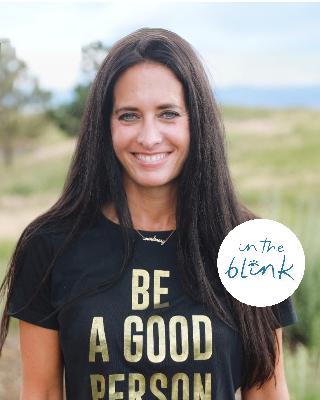
In this deeply moving episode of In the Blink podcast, host Meagan sits down with her longtime friend and community powerhouse, Stacie, to share a heart-wrenching and inspiring journey through grief, purpose, and hope. From founding Marlee's Smile—an organization born from the vision of a courageous young girl facing pediatric cancer—to battling the heartbreak of ALS in her own family, Stacie reflects on how love, loss, and resilience have shaped her mission to help others. With moments of laughter, vulnerability, and raw honesty, this conversation reminds us of the healing power of community and the importance of showing up with compassion. Listen now and be reminded that even in our darkest seasons, we can still be a light. "We can't change the whole world in an afternoon, but you can make an impact in someone's life"- Stacie Key takeaways: Marlee's Smile: A Legacy of Compassion: The nonprofit "Marlee's Smile" was founded in honor of Marlee, a young girl who battled pediatric cancer with extraordinary grace. The Ripple Effect of a Child's Impact: Marlee's influence extended far beyond her years, transforming her local community and high school through initiatives like VISTA Wish Week. Grief as a Transformative Force: Both speakers reflect on personal losses—including ALS and traumatic injury—and how grief, though devastating, became a catalyst for deeper empathy, resilience, and purposeful action. Philanthropy Rooted in Community and Storytelling: The power of storytelling and authentic connection emerges as central to effective fundraising and healing. The Need for Improved Healthcare Support Systems: The conversation highlights critical gaps in healthcare, especially around in-home care for ALS patients and equitable access to treatment, underscoring the urgent need for systemic change. The Power of Teaching Compassion Through Action: Stacie emphasizes the importance of involving children in service early on, instilling values of generosity and empathy. About Stacie Winslow: Stacie Winslow has focused on philanthropic fundraising endeavors for most of her career. She is passionate about pediatric cancer and ALS and helping others navigate the often painful and hidden journey of grief that comes with these diagnoses. Her greatest accomplishment is two remarkable daughters, Mackenzie and Maya who share her passion for serving others. She serves on the board of MarleesSmile.org and fundraises for various ALS charities in her spare time. Connect with Meagan: Instagram: https://www.instagram.com/meaganoberle/
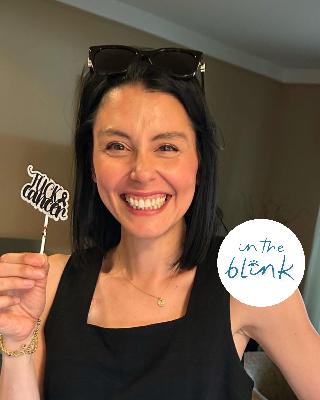
In this powerful episode, we invite you to listen to Maria's deeply moving and courageous story of living with stage four appendiceal cancer. With raw honesty, Maria opens up about her diagnosis, the grueling treatments, the mental and emotional toll, and the unexpected blessings that emerged along the way—from rekindled love to her inspiring "living list." Through resilience, gratitude, and unwavering hope, she offers a reminder of what truly matters. Whether you or someone you love has faced illness or you're simply looking for perspective and inspiration, this conversation will touch your heart and remind you to live fully—right now. "Cancer can't be my life. Chemo can't be my life. It is a part of my life, but it's not who I am."- Maria Key Takeaways: The importance of self-advocacy in healthcare: Maria's initial symptoms were dismissed by urgent care as minor, which delayed her diagnosis. Her story underscores the need to trust your body and advocate for yourself when something doesn't feel right. Cancer doesn't discriminate based on lifestyle: Despite being healthy, active, and having no family history, Maria was diagnosed with stage four appendiceal cancer. This highlights how critical early detection and awareness are, regardless of perceived health. Resilience is built in the face of trauma: Maria's journey through multiple surgeries, rounds of chemotherapy, and a secondary breast cancer diagnosis reveals extraordinary mental and physical resilience. The "Living List" as a way to reclaim joy: Instead of a "bucket list," Maria created a "living list" of simple and meaningful goals every four months to celebrate life. Support systems matter profoundly: Maria's healing was deeply influenced by her strong support network—her family, friends, partner, and former students. Gratitude transforms the cancer journey: Throughout her story, Maria maintains a spirit of gratitude—not just for survival, but for the love, memories, and perspective gained through her experience. Her outlook is a testament to how gratitude can coexist with grief and fear. About Maria Buscemi: Meet Maria Buscemi — a courageous and inspiring woman living with stage 4 appendix cancer. In the face of immense challenges, Maria is learning how to move through life's hardest moments while still embracing joy, gratitude, and beauty in the everyday. Her journey has reshaped her outlook, deepening her appreciation for the present and the quiet power of small kindnesses. She shares part of her powerful story on In the Blink, offering hope, perspective, and strength to anyone navigating their own battles. Connect with Maria: Instagram: Zia_Maria84 Facebook: Maria Buscemi Connect with Meagan: Instagram: https://www.instagram.com/meaganoberle/

Step into a powerful and deeply personal conversation in this episode of In the Blink Podcast,, where healing, transformation, and the untapped wisdom of the mind take center stage. Explore how guided plant medicine journeys can catalyze emotional recovery, unlock forgotten memories, and rewire trauma at the neurological level. With insights on psilocybin, mescaline, and DMT—plus reflections on music, memory, and the body's own intelligence—this episode offers a rare and profound look at the intersection of neuroscience, therapy, and spirituality. Whether you're new to the topic or already curious, this is a must-listen for anyone exploring healing beyond the surface. "When you go through a psychedelic experience, it's more lucid. It tends to be as if you opened into the dream world, but with a clearer set of diving goggles on." - Ben Hear more about: Plant Medicine as a Catalyst for Healing: Guided psychedelic journeys using plant medicines like psilocybin, mescaline, and DMT can act as catalysts for emotional breakthroughs, particularly when trauma is recent and hasn't deeply taken root neurologically. Neuroplasticity and the "Critical Period": Psychedelics can reopen the brain's critical period of neuroplasticity, allowing individuals to rewire maladaptive patterns and address trauma more effectively, even years after it occurred. Different Plant Medicines Serve Different Purposes: Each plant medicine has a unique effect—psilocybin often evokes psychological material and, at higher doses, spiritual experiences; mescaline heightens body intelligence; and DMT tends to facilitate transpersonal or spiritual insights. Music Deepens and Extends Healing: Music plays a potent role in psychedelic sessions. It evokes memories, deepens emotional processing, and can be used intentionally during and after sessions to reinforce positive changes. Unconscious Patterns Surface for Integration: Psychedelic experiences can bring up forgotten or repressed childhood memories and emotional patterns, even those not consciously targeted, allowing for holistic healing. Stereoscopic Vision and Memory Activation: Plant medicine can access deep neurological imprints, such as the experience of stereoscopic vision in individuals who have lost an eye, illustrating the brain's capacity to retrieve and re-experience stored sensations. Sub-Brain Intelligence: The heart, gut, and nervous system hold their own forms of intelligence—often referred to as "sub-brains"—which psychedelics can help bring back into conscious awareness, enhancing decision-making and self-awareness. Risks of Overuse and the Importance of Integration: While psychedelics can be healing, excessive use or poor integration during the post-journey critical period can destabilize mental frameworks. Information hygiene and intentional integration are essential for lasting benefits. About Benjamin Phelan: After a first career in television and media, Benjamin found his calling in helping people from all walks of life to navigate major life passages, overcome significant personal challenges, and discover deeper purpose and meaning. He is based in his hometown of Boulder, Colorado. For those interested in learning more, Neurons to Nirvana: Understanding Psychedelic Medicines is a highly recommended documentary—available on Amazon Prime, Apple, Google Play, or YouTube. Another Movie Recommendation: Fantastic Fungi https://www.google.com/gasearch?q=fantastic%20fungi&source=sh/x/gs/m2/5#fpstate=vclbx Connect with Meagan: Instagram: https://www.instagram.com/meaganoberle/
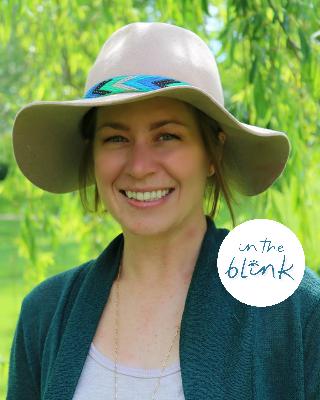
If you've ever navigated life after trauma, faced the invisible challenges of illness, or simply felt like your inner world is at odds with your outer reality, this podcast episode is for you. Join a deeply honest and insightful conversation between a host and her therapist of three years as they explore transformative healing through Internal Family Systems (IFS), psilocybin therapy, and the power of being truly witnessed. From coping with life-altering diagnoses to unlocking the subconscious mind, this episode offers wisdom, compassion, and tangible practices for anyone on a journey of grief, resilience, or self-discovery. Tune in—you might just find a piece of yourself in their story. "So eventually I related to the illness as it really just my body seizing an opportunity to tell me that you're walking so far down the wrong path that we have to stop you from walking, yeah, and like you need to just slow down and sit in your being and see if what you're doing is actually in resonance with who you are." - Abby Key Points: Healing Isn't Always About Fixing—It's About Integration: Healing from trauma or life-changing illness doesn't necessarily mean returning to who you were before. Instead, it's about integrating what happened, accepting your current reality, and learning to live fully with it. Internal Family Systems (IFS) Offers a Path to Rewire the Brain: IFS therapy works by allowing individuals to access subconscious parts of themselves—often inner children or protector parts—and rewire long-held beliefs through imagination and compassionate attention, even without the use of psychedelics. Psychedelics Can Trigger Profound Shifts—but They're Not the Only Way: Psilocybin and other psychedelics can unlock hidden brain pathways and offer healing insights, but similar brain states and outcomes can be reached through visualization, meditation, and IFS. Invisible Disabilities Carry Unique Emotional Weight: Living with a disability no one can see can be isolating and frustrating. The episode brings attention to the emotional burden of being misunderstood or overlooked and the strength it takes to keep going. Being Truly Heard and Witnessed Is Inherently Healing: The simple yet powerful act of being seen, believed, and validated—without judgment—can be transformative for those processing trauma or grief. Slowing Down Changes Brain States and Promotes Healing: Most adults operate in beta brainwave states (analytical, overthinking mode), but healing often requires shifting into alpha or theta states through mindfulness, visualization, or guided meditation—where deeper emotional processing can occur. About Abby White: Abby provides individual adult psychotherapy sessions both virtually & in-person via her private practice "Butterfly Affect Psychotherapy & Counseling LLC", located in Boulder, CO. She specializes in working with those coping with life-changing illness & trauma, college/post college anxiety & identity development, & music industry professionals. Her approach to treatment is heavily rooted in the IFS (Internal Family Systems) tradition of therapeutic intervention in which client & clinician explore together the parts of self holding onto subconscious beliefs so that they may be released, integrated, & updated to support current client goals in life & in therapy. She also uses mindfulness-based interventions, training in non-violent communucation, & transpersonal approaches to support individual client recovery & aid in the development of life purpose & personal passions. Connect with Abby: Website: butterflyaffectpsychotherapy.com Phone (text preferred): 203.536.0813 Email: abby@butterflyaffectpsychotherapy.com LinkedIn: https://www.linkedin.com/in/butterflyaffect/ Connect with Meagan: Instagram: https://www.instagram.com/meaganoberle/

Have you ever wondered what it's like to connect with a loved one who's passed—or how that experience could transform your healing journey? In Episode 7 of In the Blink Podcast, Meagan sits down with Nicole Carson and Audra Brem to explore their deeply personal and emotional experiences with a medium. From grief and trauma to unexpected peace and growth, their stories offer powerful insights into life, loss, and the messages that can come through when you open your heart. Tune in to hear how one phone call changed everything. "Have an open mind to other people who have done that and not be so harsh or judgmental towards that decision. Because everybody in life is on their own journey, and their own healing journey, and trauma is wild. So if you can find a sliver of hope in the darkest time of your life to get through that, and that comes in the form of a medium, so be it." - Nicole Key Takeaways: Mediums Can Provide Deep Emotional Healing: Nicole and Audra found significant healing through their sessions with Monica, a medium who helped them process grief, understand past traumas, and find peace with the loss of their parents. Letting Go Can Lead to Freedom: Nicole's journey emphasized the importance of releasing the need to understand everything—particularly her father's suicide—which allowed her to finally feel a sense of peace and freedom. Skepticism Is Normal, Openness Is Transformational: Both Nicole and Audra began their journeys skeptical of mediums but experienced life-changing moments once they opened their minds and hearts to the process. Mediums Can Offer Ongoing Support and Guidance: Monica not only connected loved ones with those who had passed, but also continued to provide emotional and spiritual support, acting as a life coach and parenting guide. Shared Experiences Foster Empathy and Growth: Meagan, Audra, and Nicole found that discussing their experiences with mediums helped them process their pain, grow emotionally, and become more supportive and empathetic toward others navigating similar paths. All About the Guest: Nicole Carson is a passionate entrepreneur and franchise sales expert who owns Star Glow Spray Tan, a successful spray tan studio known for its high-quality service and client care. In addition to running her business, she works in franchise development, helping others pursue business ownership. With a background in marketing and a degree in Public Relations and Marketing, Nicole has built a career on strong relationships and strategic brand development. Her early experiences in dance and professional cheerleading shaped her confidence and leadership. Outside of work, she's a dedicated wife, mother of two active kids, school volunteer, and proud dog mom. Nicole enjoys spending time with loved ones, cheering for the Denver Broncos, and embracing her love of music and dance. Connect with Nicole: Instagram: @starglowspraytan Connect with Meagan: Instagram: https://www.instagram.com/meaganoberle/
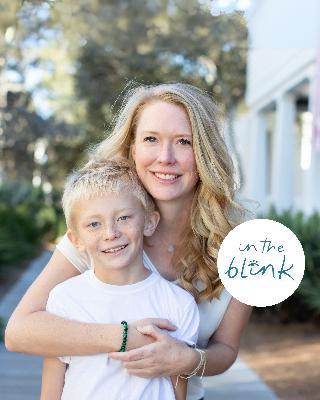
Join us for a powerful new episode of In the Blank as we reconnect after a three-year pause with a deeply personal conversation about resilience, grief, healing, and purpose. In this heartfelt episode, our host opens up about the life-altering accident that changed everything, her journey through trauma, and the inspiration behind launching a nonprofit to provide prosthetic eyes for those in need. From navigating single motherhood to rediscovering love and building a new life, this episode is a testament to the strength it takes to start again. Tune in for raw honesty, meaningful insights, and a story that reminds us we're never alone in our struggles. "This journey actually and founding this nonprofit, working on a website, telling my story, has actually been extremely healing. So just going through this process has really helped. All the things I did back in the beginning" Key Takeaways: Importance of Personalized Learning: The episode emphasizes that education should not be one-size-fits-all. There is a strong call to recognize students' diverse learning styles, needs, and contexts to design more meaningful and effective learning experiences. Teacher Agency and Autonomy: Empowering teachers to adapt and personalize learning experiences is a recurring theme. When teachers have the autonomy to make decisions, they can better address the unique needs of their students. Learner-Centered Classrooms: The discussion highlights a shift toward placing students at the center of the learning process. This involves encouraging student voice, choice, and ownership of learning, which can lead to more engagement and deeper understanding. Challenges of Standardization: The conversation critiques standardized curricula and assessments, suggesting they often limit creativity and responsiveness in teaching. Flexibility and adaptability are presented as better alternatives. Importance of Reflective Practice: Teachers are encouraged to engage in continuous reflection to improve their practice. This includes questioning what is working, what isn't, and how to better support student learning. Community and Collaboration: Building a supportive learning community is seen as vital. This includes collaboration among educators, as well as partnerships with students and families, to create environments where everyone can thrive. Connect with Meagan: Instagram: https://www.instagram.com/meaganoberle/
If you're looking for a conversation full of resilience, humor, and hope, don't miss the latest episode of In the Blink featuring Katie Doble. Katie shares her extraordinary journey through personal loss, a stage-four cancer diagnosis, and life-changing treatments — all with incredible honesty and warmth. Her story is packed with life lessons about navigating adversity, finding strength in community, and embracing every moment. Listen in and be inspired! "Own the narrative and take control. There's so much right now you can't control, and so figure out what you can and work on that. So just take what you need to make yourself feel like you have the control, but you need to own the narrative, and you need to tell people what you need, instead of letting people tell you what they need" - Katie Doble Key Takeaways: Resilience Through Major Health Challenges: Katie faced immense adversity, including the death of her mother from pancreatic cancer and her own diagnosis with stage-four ocular melanoma. Despite these overwhelming hardships, she adapted with strength and found ways to move forward with her life. Importance of Community and Support Systems: Throughout her cancer journey, Katie emphasized how vital her support network was — from her family rallying around her to friends and the cancer community. She also learned to communicate clearly about what support she needed from others. Power of Hope, Faith, and Signs: Katie found hope through spiritual signs, especially a recurring symbol of hot air balloons she connected to her late mother. These experiences gave her comfort, a sense of connection, and motivation during difficult times. Mental Health Strategies in Facing Trauma: Therapy played a crucial role in Katie's ability to manage her emotions. Key strategies included focusing on what she could control, owning her narrative, preparing for emotional triggers, and allowing herself to sit with grief rather than forcing positivity. Living Fully with Uncertainty: Katie highlighted the balance between cherishing the present, remembering the past, and planning for the future, even amid uncertainty. She emphasized that living meaningfully doesn't mean ignoring past hardships but embracing all parts of life's journey. All About Katie Doble: With her captivating presence and insightful perspective, Katie Doble shares her profound first-hand account of navigating a stage 4 cancer diagnosis as a young adult. In her role as a patient advocate, Katie consults with and presents to pharmaceutical, biotech, and clinical supply audiences including the Melanoma Research Foundation (MRF), American Brain Tumor Association, American Cancer Society, AstraZeneca, Colorado Department of Public Health and Environment, and the FDA. Recognized for her resilience and advocacy, Katie is a past recipient of the Courage Award from the MRF and the Out Living It Award from First Descents, and she has been published or featured in The Washington Post, NPR, HuffPost, and TODAY.com. She works as a headhunter in Denver, Colorado, where she lives with her husband, Nick, and their doghter, Alice. Sign up to get updates on when Katie's book releases and links to her blog, youtube, socials, and published articles or have been featured in: www.liinks.co/katiedoble Throughout May, Katie Doble will proudly sport an eye patch daily to support the Eye on Grace Foundation. This non-profit offers crucial financial assistance to ocular melanoma patients traveling for treatment. You can contribute to this cause by donating here: https://givebutter.com/jCSaAD/katiedoble Connect with Meagan: Instagram: https://www.instagram.com/meaganoberle/
If you've ever faced life-altering loss or unexpected challenges, this powerful podcast episode is a must-listen. It's a heartfelt, raw, and at times surprisingly humorous conversation about resilience, perspective, and the unexpected gifts that can emerge from even the darkest moments. With stories of physical and emotional recovery, finding joy after tragedy, and the importance of a strong support system, this episode will leave you feeling seen, inspired, and hopeful. Listen in—you won't want to miss it. "Buy a helmet and run right at life, don't let it stop you. You're going to be sad, you're going to have bad days, and it's going to be awful. I'm not going to sugarcoat it to you, life is going to suck for a while and you'll run into things that will bring you back to really fragile parts of your recovery, and those will be hard, but life is still out there waiting for you." Key Takeaways The Duality of Loss: Curse and Blessing Loss can lead to profound growth and transformation. The pain is real, but it can bring clarity and unexpected beauty to life. Grief provides perspective; many things that once felt important become trivial. Grieving Is Personal and Nonlinear There's no timeline for healing; grief must be fully felt and honored. Pressure to "just be positive" can be harmful—real healing comes from allowing all emotions. The Power of Community Supportive friends who treat you like your normal self can be essential to recovery. The right tribe helps you maintain humor, identity, and perspective through adversity. Acceptance Through Perspective Loss reframes what matters: being alive, seeing your family, appreciating the little things. Volunteering and hearing others' stories can shift focus from "poor me" to gratitude. Adaptation and Resilience People are capable of more than they think; with time, you can do almost anything again. Even with physical limitations, it's possible to thrive and even surpass previous abilities. Humor as a Coping Tool Laughing at yourself can be healing—it's a form of acceptance and a way to disarm discomfort. Humor creates connection and helps normalize tough experiences. Practical Advice for Navigating Loss "Buy a helmet and run right at life"—don't let fear stop you. Find things you love and let them distract and fill you up ("distractive therapy"). Don't waste time with people or things that don't add value to your life. About Buck Latta: Buck Latta is a Colorado native and amputee with deep ties to his family and community. Whether that's helping local businesses successfully navigate benefits strategies or Volunteering, coaching or teaching within the amputee community, local sports teams and non-profits. Buck lives in A-Town (Aurora) with his awesome wife, Cammie and two kids, Kiera (16) & Flynn (14) where he enjoys playing golf with his family and making questionable decisions on the ski hills in Colorado's beautiful high country. Connect with Meagan: Instagram: https://www.instagram.com/meaganoberle/

Jennifer MacNiven shares her transformative journey from a career in physical therapy to a path of self-healing and discovery. She opens up about overcoming PTSD, anxiety, and depression through alternative therapies, including plant medicines, yoga, and travel. With experiences spanning 32 countries and 49 states, Jennifer discusses the importance of self-love, feminine energy, and holistic healing. She also introduces her book, Mind, Body, Soul Mate, which explores personal growth and relationships. "My yoga teacher training, especially in myofascial yin yoga, deepened my understanding of meditation and body awareness. It's like a deep massage that helps release trauma, often bringing unexpected emotions to the surface." Key Topics: 1. Transition from Medical Device Job to Healing Journey 13 years in physical therapy and neurological rehab before experiencing burnout. A pivotal shift led her to photography and yoga teacher training in Bali. Struggled with anxiety, PTSD, and adrenal fatigue before embracing self-healing. 2. Healing Journey and Discovering Empathy Learning to embrace her empathic nature and overcome personal trauma. The impact of yoga, meditation, and mindfulness on emotional well-being. Finding purpose through photography and working with entrepreneurs. 3. Trauma and Healing through Plant Medicines Overcoming trauma from a past attack and understanding how the body stores trauma. Healing through psilocybin therapy, ayahuasca, and San Pedro. Importance of somatic therapy in conjunction with plant medicine for deeper healing. 4. Understanding Feminine Energy and Self-Love The challenge of embracing softness in a society driven by achievement. Learning self-acceptance and the power of receiving. Cultural contrasts between Eastern and Western perspectives on feminine energy. 5. Transition to Photography and Women's Empowerment Shifting from medical work to photography, focusing on personal transformation. Empowering women through brand photography and self-expression. Attracting positive energy and living a fulfilling life through joy and beauty. Connect with Jennifer: FB:Jennifer MacNiven https://www.facebook.com/jennifer.macniven IG: @jenmacniven https://www.instagram.com/jenmacniven/# LI:Jennifer MacNiven https://www.linkedin.com/in/jennifer-macniven-aa40387/ Book: https://www.amazon.com/Mind-Body-Soulmate-Successful-Every-ebook/dp/B07NF9R435 Website: https://www.jennifermacniven.com/ Connect with Meagan: Instagram: https://www.instagram.com/meaganoberle/ Linked: https://www.linkedin.com/in/meagan-oberle-0538038/
Hi, I'm Meagan Oberle, host of In the Blink. In this episode, I talk with Ray Caruso about the tragic loss of his son, Gavin, in a hiking accident. Ray shares his journey through grief, the support he received, and how he's finding healing through music and community. "I think this life is bigger than any one person or any one thing. And even though I'm not spiritual and I don't believe in an afterlife, there's still something I believe in the universe." — Ray Caruso Key Topics: The Accident & Its Impact Gavin and his girlfriend, Courtney, were caught in a thunderstorm while hiking. A slip on wet rocks led to Gavin's fatal fall. Courtney survived and later became an EMT, inspired by the experience. Coping with Loss Ray struggled to face the reality of Gavin's death. He avoided identifying Gavin's body and still hasn't opened his remains. I share my own experience with loss and dealing with Bob's remains. Healing Through Rituals & Community My therapist emphasized the importance of rituals, like spreading ashes. Ray plans to honor Gavin by spreading his ashes in San Diego. We discuss the emotional challenges of preparing for closure. Personal Growth & Reflection Ray shares how his relationship with Gavin evolved over time. Courtney's perspective helped Ray see his son in a new light. We talk about the role of community in the grieving process. Creativity & Healing Ray wrote a song, Cross the Line, to process his grief. Music became a therapeutic outlet for him. We explore how creative expression helps in healing. Connect with Ray Connect with Meagan: Instagram: https://www.instagram.com/meaganoberle/ Linked: https://www.linkedin.com/in/meagan-oberle-0538038/
In this deeply personal episode of In the Blink, I open up about my late husband Bob's battle with COVID-19, his hospitalization, and the heartbreaking moments that followed. I share how I navigated the emotional toll, including my struggles with PTSD, and how the love and support from friends and family carried me through. I also reveal the life-changing accident that led to the loss of my left eye and how these profound experiences have shaped my journey toward healing and advocacy. Through this podcast, I hope to honor Bob's legacy, help others in their own grief, and provide support to those in need of prosthetic eyes. This episode is about loss and abundance—two sides of the same coin—and the power of storytelling in finding resilience and healing. "People said it was necessary, and I believe it brought closure. It was a beautiful celebration where stories were shared, keeping his legacy alive—especially for Beau to understand how special his dad was." - Meagan Key Topics Discussed: Bob's Illness and Initial Hospitalization I recount the early signs of Bob's illness and the moment we realized he needed hospital care. I describe the peaceful and beautiful end to Bob's life, playing our wedding song and working with the palliative care team. The emotional impact of his illness, including my PTSD from past hospital experiences. The aftermath of Bob's hospitalization—processing the loss, experiencing breakdowns, and the journey to acceptance. Life During COVID-19 The unexpected silver linings: spending quality time as a family and forming a close-knit "COVID crew." Bob's more flexible work schedule gave us rare moments of togetherness. Despite initial fears, we thought we had recovered from COVID-19—until Bob's condition suddenly worsened three weeks later. Bob's Hospitalization and ICU Transfer The devastating moment when Bob was admitted and I couldn't be with him due to strict protocols. His initial signs of improvement gave me hope, but his health continued to decline. Bob's resistance to being moved to the ICU and his eventual decision to be intubated. Medical Challenges and Holding Onto Hope Bob's transition to a ventilator and my unwavering belief in his recovery. Fighting for his transfer to Anschutz Medical Center for specialized care. My obsession with medical data, spending every waking moment at the hospital, and receiving conflicting updates about Bob's condition. Honoring Bob's Legacy and Moving Forward The importance of closure and celebrating Bob's life through storytelling. Why I started In the Blink—to share my trauma journey and inspire healing in others. How I've turned my personal tragedy into advocacy by helping others receive prosthetic eyes. Connect with Meagan: Instagram: https://www.instagram.com/meaganoberle/ Linked: https://www.linkedin.com/in/meagan-oberle-0538038/
Comments

Download from Google Play

Download from App Store
 United States