


Into AI Safety
Subscribed: 5Played: 33
Subscribe

© Kairos.fm
Description
The Into AI Safety podcast aims to make it easier for everyone, regardless of background, to get meaningfully involved with the conversations surrounding the rules and regulations which should govern the research, development, deployment, and use of the technologies encompassed by the term "artificial intelligence" or "AI"
For better formatted show notes, additional resources, and more, go to https://kairos.fm/intoaisafety/
For better formatted show notes, additional resources, and more, go to https://kairos.fm/intoaisafety/
33 Episodes
Reverse
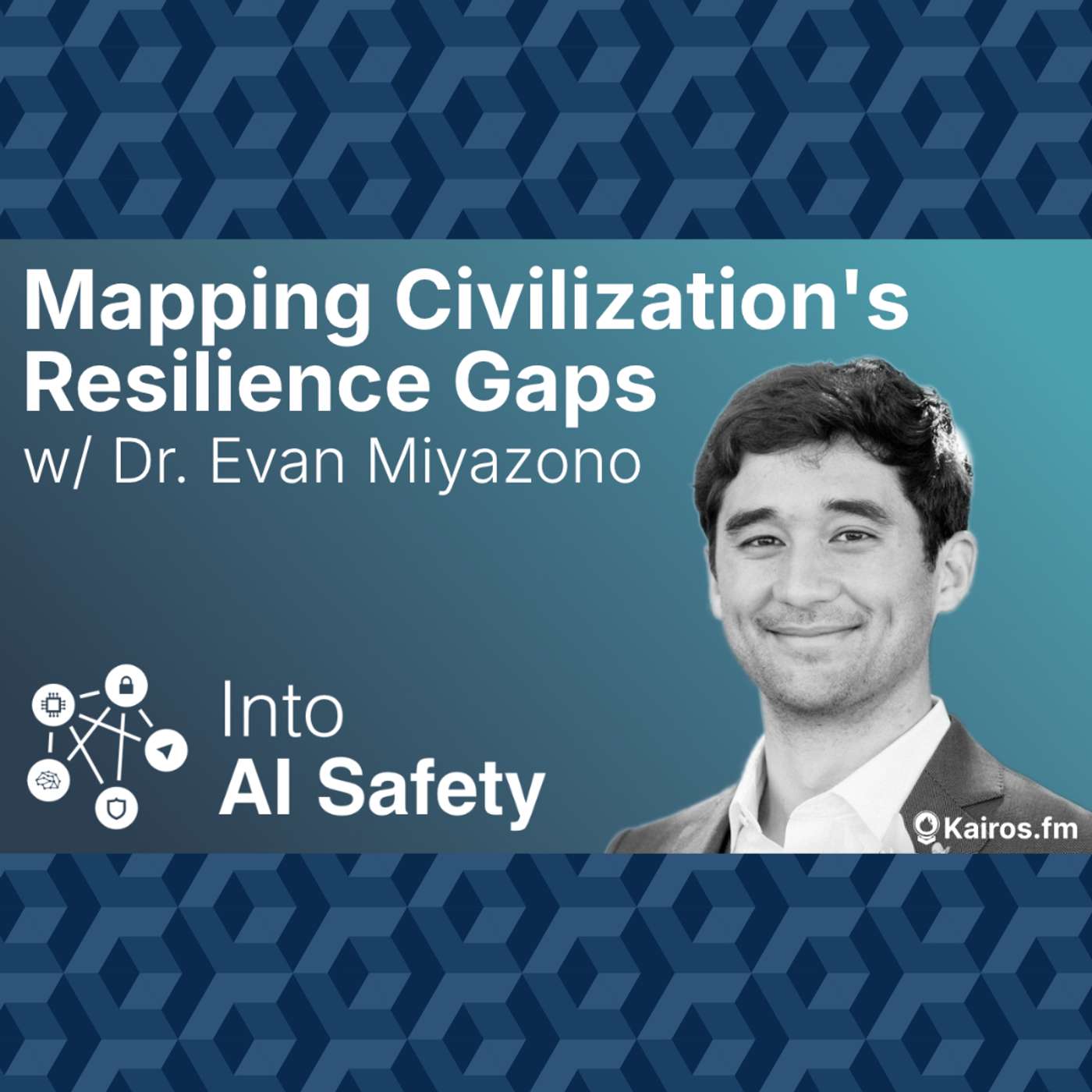
Dr. Evan Miyazono joins Jacob to talk about his path from quantum networking and Protocol Labs to founding Atlas Computing. They discuss why Atlas moved away from formal methods research and toward what Evan calls “field strategy”: identifying important problems, figuring out what interventions could actually address them, and finding the people best positioned to make them happen. The conversation also covers the resilience gap map, coordination failures, AI safety, "value alignment," and the question of how to decide what work is worth doing when there’s no obvious organization responsible for it.Check out the video version of this podcast on the Kairos.fm YouTube channel, or the extended version on Patreon!Chapters(00:00) - Intro
(05:04) - From Quantum Internet to Blockchain
(13:31) - Founding Atlas Computing
(18:26) - Formal Methods Explained (ASIDE)
(24:40) - Narrower AI & Domain-Specific Safety
(35:55) - The Pivot to Field Strategy
(52:29) - Value Alignment vs. Skill
(01:09:17) - The Resilience Gap Map
(01:26:33) - Guarding Against Funder Capture
(01:49:10) - Rapid Fire Questions
(01:58:02) - Outro
LinksBelow are the most important links for this episode. For more, visit the episode page on Kairos.fm.Atlas Computing websiteThe AI Resilience Gap MapAtlas Computing blogpost - Civilization's Maintenance BacklogAtlas Computing blogpost - Your Solution Doesn't Know Your Problem ExistsGalois blogpost - What Are Formal Methods?Patrick Collison & Tyler Cowen essay discussion - We Need a New Science of ProgressFederation of American Scientists article - Focused Research Organizations
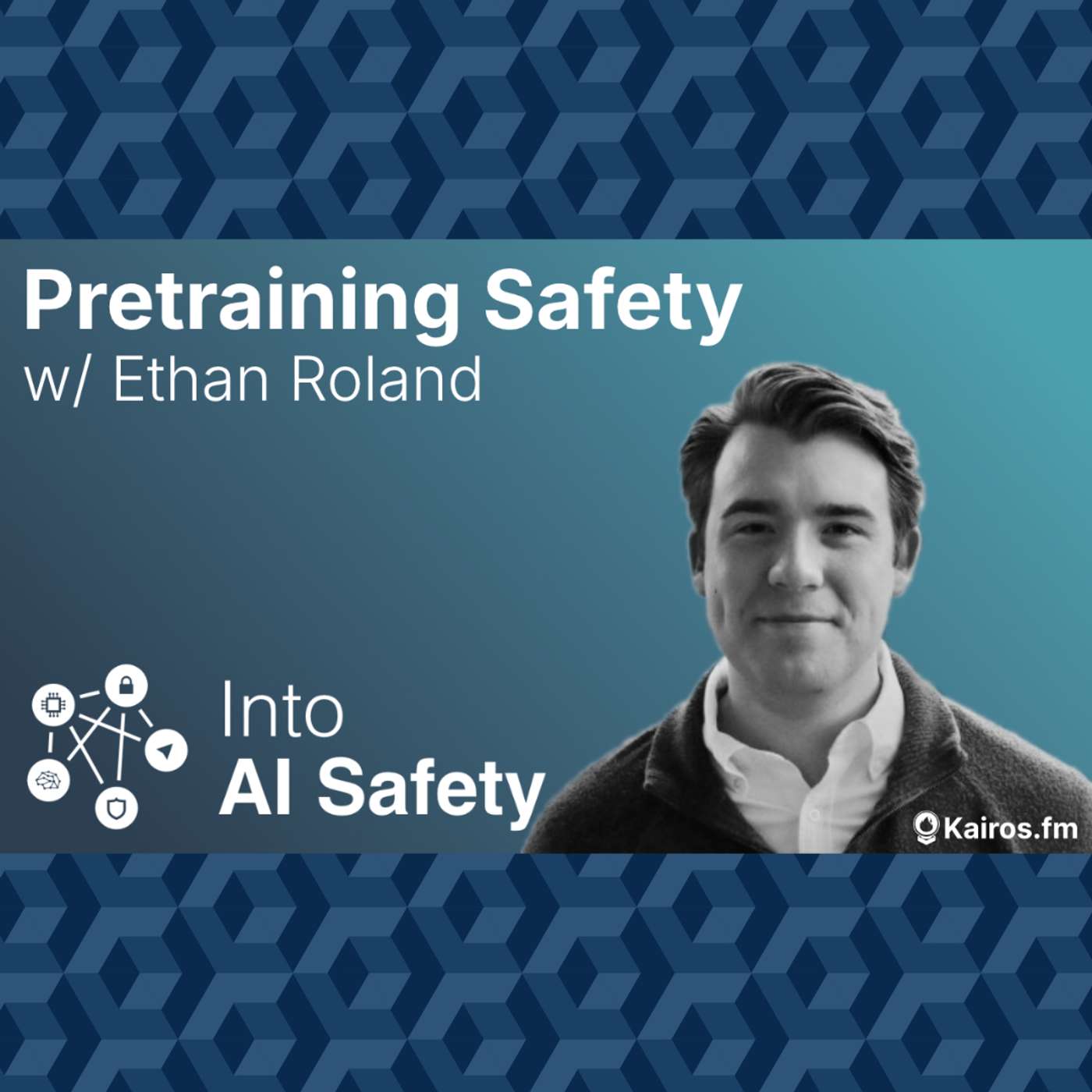
What if the safest AI models weren't built by adding guardrails after training, but by shaping what gets learned in the first place? Ethan Roland, senior alignment researcher at AE Studio and first author on an ICML 2026 spotlight paper, joins Jacob to talk about gradient routing, a technique that routes dangerous capabilities into isolated parts of a model's architecture where they can be locked or removed entirely. They get into the absorption effect, KYC-style access control frameworks, and what it would actually take for frontier labs to adopt this kind of work before it's needed rather than after. Chapters(00:00) - Introduction
(06:39) - Inside AE Studio
(15:26) - China & the Alignment vs. Controllability Framing
(18:23) - Data Filtering & Gradient Routing (Aside)
(30:39) - Mixture of Experts Explained (Aside)
(36:25) - Why Pre-Training Interventions Are Rare
(42:43) - Ethan's Theory of Change
(56:17) - Access Control Governance and KYC (Aside)
(01:04:47) - The Researcher's Role in Policy Advocacy
(01:11:38) - Speed Round
(01:27:55) - Outro
LinksBelow are the most important links for this episode. For more, visit the episode page on Kairos.fm.Ethan's websiteThe paper landing pagePreprint - Gradient Routing: Masking Gradients to Localize Computation in Neural NetworksICLR paper and webpage - Deep Ignorance: Filtering Pretraining Data Builds Tamper-Resistant Safeguards into Open-Weight LLMsWikipedia article - CBRN defenseNTI tutorials on bioweapons and nuclear testing
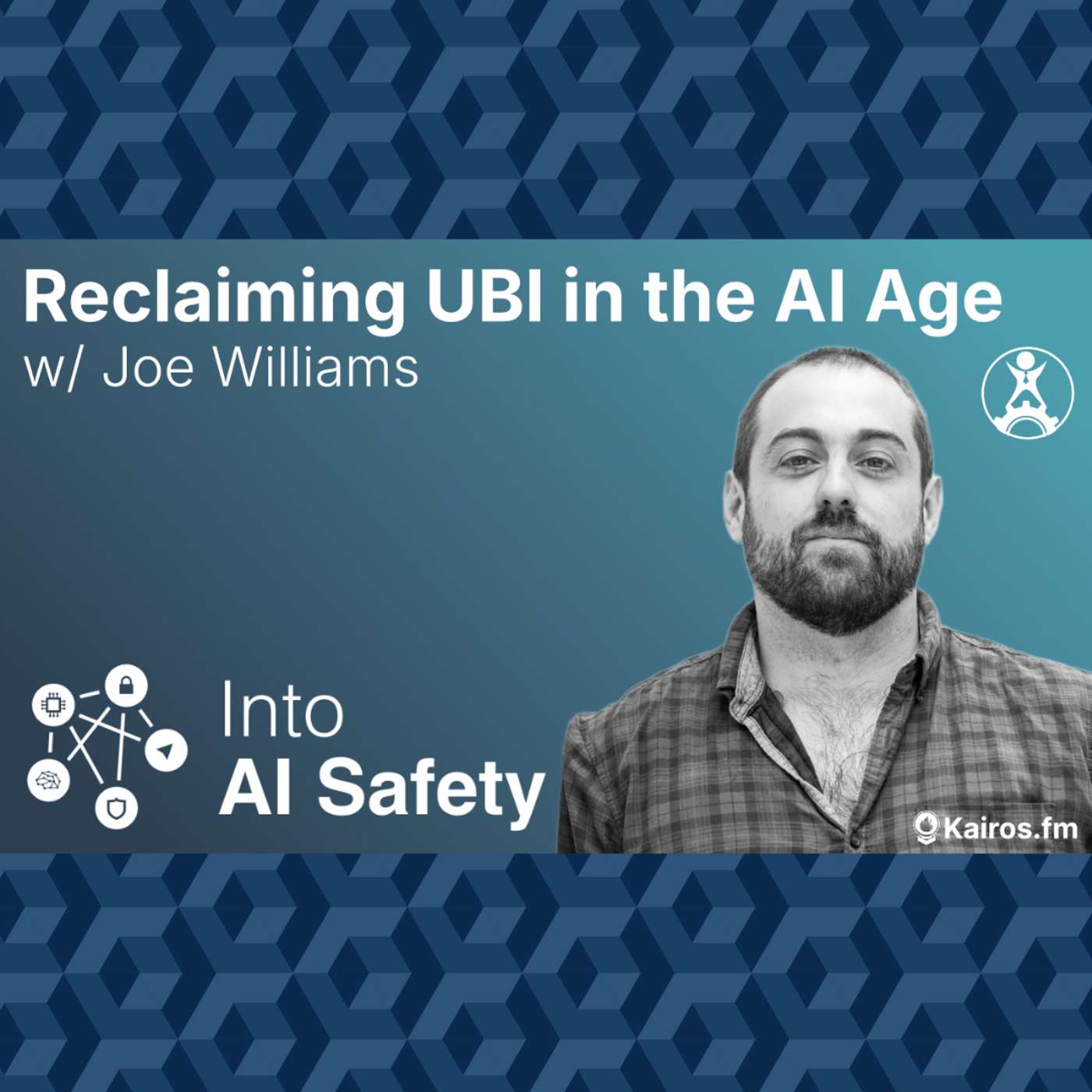

Today's episode does double duty as an interview and an announcement. Joe Williams, host of the new Kairos.fm show "Beyond the Paycheck: Reclaiming the Case for UBI in the Age of AI," joins Jacob to talk about his background as a freelance translator and how AI quietly dismantled his livelihood in 2025. From there the conversation expands into whether this moment is really different from past waves of automation, who exactly makes up the tech billionaire class, and why you should probably raise an eyebrow when someone like Elon Musk says he supports UBI. Go check out Reclaiming UBI!Chapters(00:00) - Intro
(05:01) - Joe's Background
(19:41) - What is UBI & Why Does It Matter Now?
(27:25) - ASIDE: The Corporation Who Cried " My Technology Will End Work"
(32:25) - Wealth Concetration & the Digital Economy
(39:06) - The AI Gentry
(48:13) - ASIDE: Sam Altman + OpenResearch + Worldcoin
(53:38) - Powerful UBI Supporters Should Raise Red Flags
(01:02:56) - How to Read AI Gentry Discourse Critically
(01:10:00) - Who Is "Reclaiming UBI" For?
(01:18:17) - Outro
Critical LinksBelow are the most important links for this episode. For more, visit the episode page on Kairos.fm.NEW KAIROS.FM PODCAST - Reclaiming UBI: Work and Values in the Age of AIJosh Steimle blog post - Will AI Destroy Jobs? 500 Years of Predictions Say NoSmithsonian Magazine article - What the Luddites Really Fought AgainstITIF report - Oops: The Predicted 47 Percent of Job Loss From AI Didn't HappenFrontiers in Artificial Intelligence journal article - AI, Universal Basic Income, and Power: Symbolic Violence in the Tech Elite's NarrativeTime article - What to Know About Worldcoin and the Controversy Around ItWikipedia page - World (blockchain)
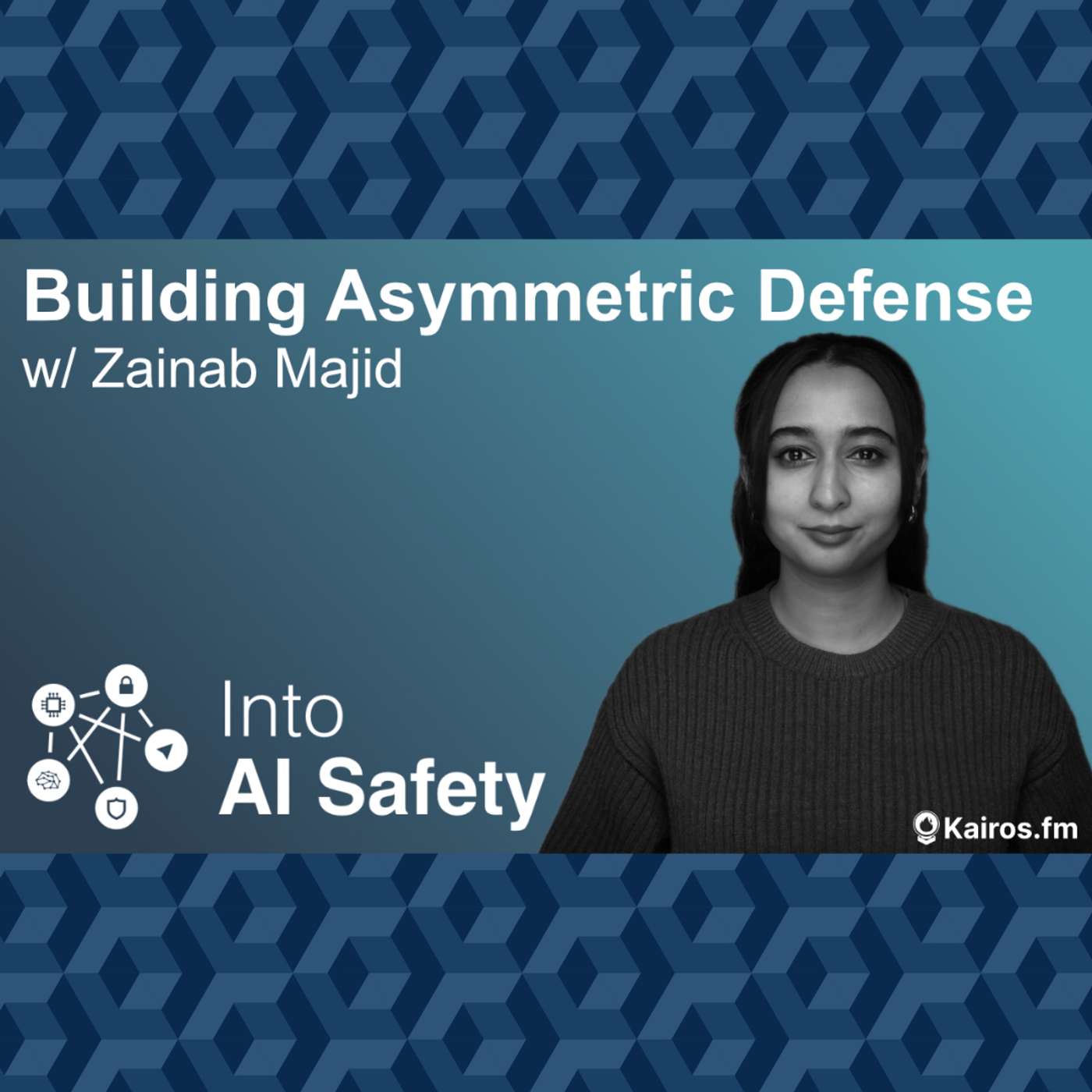
Zainab Majid, co-founder of Asymmetric Security, joins Jacob for a conversation on the intersection between AI Safety and cybersecurity, as well as the future of digital forensics. Drawing from years of incident response work, she explains how cyber attacks actually unfold, why AI is changing both offense and defense, and how her team is building AI-native tools to investigate breaches faster and more effectively. Other topics explored in this episode include trust in the AI/cybersecurity industries, the realities behind cybersecurity hype, and the challenge of keeping humans meaningfully involved as these systems become more capable. Zainab also gives practical, actionable advice on how you can protect yourself.If you're interested in over 30 minutes of additional content, head on over to the Kairos.fm Patreon where you can become a subscriber for just $2 per month, which helps make this whole podcasting thing a bit more sustainable.Chapters(00:00) - Intro
(04:34) - Zainab's Background
(08:49) - Jacob & Zainab's History
(16:03) - Founding Asymmetric Security
(24:49) - How to Know Who You Can Trust
(36:31) - The Threats Asymmetric Is Built to Fight
(01:05:54) - What's Asymmetric Tackling Next?
(01:15:33) - Glasswing, Dual Use, and Power Concentration
(01:24:21) - The Relationship Between AI Safety & Cybersecurity
(01:37:01) - Outro
Critical LinksBelow are the most important links for this episode. For more, visit the episode page on Kairos.fm.Asymmetric Security websiteEvalEval @ NeurIPS workshop paper - Rethinking CyberSecEvalMeta AI report - Purple Llama CyberSecEvalAnthropic press release - Project GlasswingSchneier on Security blogpost - What Anthropic’s Mythos Means for the Future of Cybersecurity
Technology has been moving faster than policy for some time now, and the advent of AI isn't changing that, so what can we do to maintain safety despite uncertainty? Su Cizem has spent the last few years trying to answer that question. As an analyst at the Future Society, she works on global AI governance, specifically on building international consensus around AI red lines: the thresholds we collectively agree must never be crossed. In this conversation, Su walks through her path from philosophy to policy, the evolution of the global AI safety summit series, why voluntary commitments from AI labs aren't enough, and what it would actually take to make international cooperation on AI safety real.Chapters(00:00) - Introduction
(03:23) - From Philosophy to Policy
(22:25) - What AI Governance Actually Means
(26:49) - The Summit Series
(43:01) - Drawing The Red Lines
(01:10:51) - Can These Companies Govern Themselves?
(01:24:01) - Breaking Into The Field
(01:27:51) - Closing Thoughts & Outro
Critical LinksBelow are the most important links for this episode. For more, visit the episode page on Kairos.fm.Su's LinkedInGlobal Call for AI Red LinesThe Futures Society report - “Facing the Stakes of AI Together”: 2025 Athens Roundtable ReportPolitico article - How the global effort to keep AI safe went off the railsTechPolicy.Press article - A Timeline of the Anthropic-Pentagon DisputeThe Guardian article - AI got the blame for the Iran school bombing. The truth is far more worryingGoogle and OpenAI Employee open letter - We Will Not Be DividedThe Register article - Altman said no to military AI abuses – then signed Pentagon deal anywaySaferAI report - Evaluating AI Providers’ Frontier AI Safety Frameworks

Comments

Download from Google Play

Download from App Store
 United States