


 Claim Ownership
It Takes Balls
Subscribed: 7Played: 124
Subscribe

© Testicular Cancer Awareness Foundation
Description
It Takes Balls is a podcast by and for testicular cancer survivors, patients, and their loved ones. Listen as survivors and medical providers give insight into facing and treating a testicular cancer diagnosis in hopes of removing the stigma around men’s urological health. Everyone’s journey is unique and equally important. Early detection of testicular cancer saves lives!
107 Episodes
Reverse
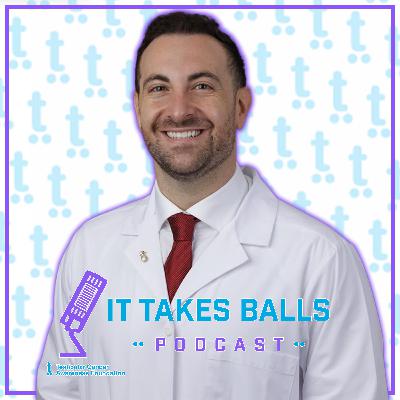
In this episode of It Takes Balls, urologist and men’s health expert Dr. Justin Dubin joins the show to dismantle some of the most common myths and misunderstandings surrounding testicular cancer, testosterone, and talks about the explosion of misinformation online. Dr. Dubin breaks down topics like pregnancy tests for testicular cancer, marijuana use and cancer risk, vaping, prosthetics, and why early detection still remains the best predictor of simpler treatment and better outcomes. His clear explanations offer the kind of guidance young men desperately need but often don’t receive from social media or general online searches.Dr. Dubin also dives deep into the stigma around men’s health - especially when it comes to testicles and hormone concerns. He talks openly about why men suffer in silence, how misinformation spreads faster than facts, and what men should actually do when they find a lump, feel pain, or notice changes in their libido or energy. From covering “testosterone boosters” to encouraging men to advocate for their own care, Dr. Dubin brings a practical, compassionate, and no-nonsense approach to topics that are often overlooked or misunderstood.Whether you're navigating a testicular cancer diagnosis, questioning your testosterone levels, or simply trying to make sense of what you see on TikTok and YouTube, this conversation equips you with science-backed information and reminds you why talking about men’s health openly can literally save lives.Have a question for a future expert guest? Submit here:https://www.testicularcancerawarenessfoundation.org/it-takes-balls-question-submissionWant to be a guest? Apply here:https://www.testicularcancerawarenessfoundation.org/it-takes-balls-submissionsFollow Testicular Cancer Awareness Foundation:https://www.testescancer.orghttps://www.twitter.com/testescancerhttps://www.instagram.com/testescancerhttps://www.facebook.com/tca.orgFollow Dr. Dubin:https://x.com/justindubinmdhttps://www.instagram.com/justindubinmdhttps://www.themanuppod.comFollow Steven Crocker:https://www.twitter.com/stevencrockerhttps://www.instagram.com/stevencrockerhttps://www.facebook.com/steven.crocker2Theme song: No Time Like Now - Tom Willner www.tomwillner.com
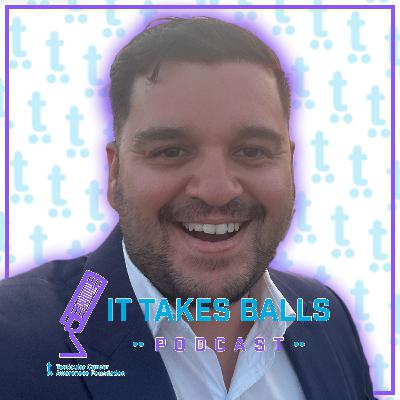
In this powerful episode of It Takes Balls, Australian guest Matt P shares his extraordinary path to a testicular cancer diagnosis that initially appeared to be a rare and life-threatening sarcoma. What began as persistent back pain, rising blood pressure, and unexplained fatigue spiraled into the discovery of a football-sized tumor wrapped around major organs, including his kidney and psoas muscle. Matt opens up about the terrifying weeks when doctors believed he faced a 40–50% survival rate, until a biopsy revealed something astonishing: the massive abdominal tumor was actually metastatic embryonal carcinoma, a highly aggressive but highly chemo-responsive form of testicular cancer.Matt walks listeners through the intense whirlwind that followed—from emergency oncology appointments to an accelerated BEP chemotherapy trial, dramatic tumor shrinkage, and a complex, multi-surgeon retroperitoneal lymph node dissection that ultimately saved his leg, his kidney, and his life. He candidly discusses the physical toll of chemo, the mental strain of uncertainty, and the resilience required to fight through complications, painful procedures, and the long road to recovery. His story highlights the importance of early detection, knowing the lesser-known symptoms such as back pain from metastatic spread, and advocating for yourself when something feels off.Today, Matt uses his experience to educate other men through TikTok, openly discussing testicular cancer symptoms, chemotherapy side effects, fertility preservation, and life after treatment. His message is clear: listen to your body, don’t delay seeking help, and never underestimate the power of community support.Join The Ball Room:https://www.testicularcancerawarenessfoundation.org/theballroomWant to be a guest? Apply here:https://www.testicularcancerawarenessfoundation.org/it-takes-balls-submissionsFollow Testicular Cancer Awareness Foundation:https://www.testescancer.org https://www.x.com/testescancerhttps://www.instagram.com/testescancerhttps://www.facebook.com/tca.orgFollow Steven Crocker:https://www.twitter.com/stevencrockerhttps://www.instagram.com/stevencrockerhttps://www.facebook.com/steven.crocker2Connect with Matt:https://www.tiktok.com/@one.tough.nut.mattTheme song: No Time Like Now - Tom Willner www.tomwillner.com
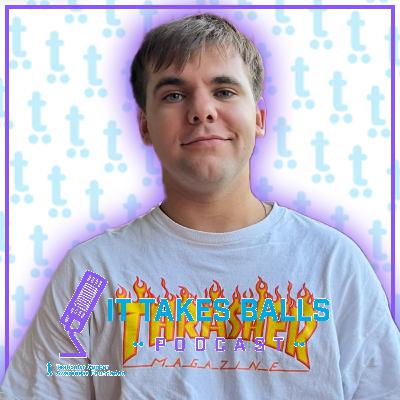
In this episode of It Takes Balls, Matt Guilloty shares his intense journey through stage IIIB non-seminomatous testicular cancer. What he believed was a hydrocele kept growing until his testicle reached “the size of an avocado,” eventually leading to a shocking diagnosis delivered while he was driving on the highway. Matt describes the moment he learned his AFP tumor markers were 3,389, his cancer had spread to lymph nodes and lungs, and he needed BEP chemotherapy.Matt opens up about the physical and mental toll of four rounds of chemo - nausea, hiccups, fear before each cycle - and how he juggled treatment with grad school. He reflects on finding support through nurses, fellow survivors, and online communities, and how skateboarding helped him stay grounded. Matt also revisits his major post-chemo RPLND surgery and his long recovery back to mobility and strength.Now nearly three years into surveillance, Matt shares what the experience taught him about early detection, trusting his oncology team, and staying positive through fear.Join The Ball Room:https://www.testicularcancerawarenessfoundation.org/theballroomWant to be a guest? Apply here:https://www.testicularcancerawarenessfoundation.org/it-takes-balls-submissionsFollow Testicular Cancer Awareness Foundation:https://www.testescancer.orghttps://www.x.com/testescancerhttps://www.instagram.com/testescancerhttps://www.facebook.com/tca.orgFollow Steven Crocker:https://www.twitter.com/stevencrockerhttps://www.instagram.com/stevencrockerhttps://www.facebook.com/steven.crocker2Connect with Matt:https://www.instagram.com/gatt.muilloty/Theme song: No Time Like Now - Tom Willner www.tomwillner.com
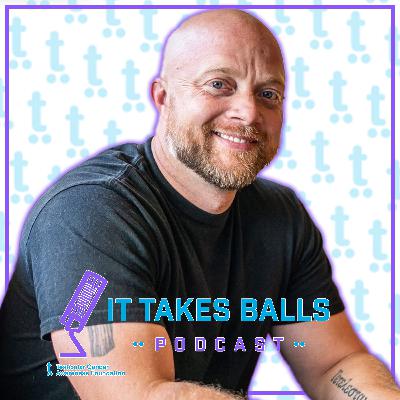
In this powerful episode of It Takes Balls, testicular cancer survivor Jon Reiner shares his rare experience battling the disease twice, 15 years apart. Jon explains how he first noticed symptoms, what his testicle felt like, and he walks through ultrasound, tumor markers, orchiectomy surgery, radiation therapy, and the shock of recurrence after more than a decade.Jon also explores life after losing both testicles — including testosterone replacement therapy (TRT), injections vs topical gel, hormone swings, mood changes, sex drive considerations, and insurance frustrations.He shares how he protected his daughters emotionally, how anxiety and scanxiety impact families, and the importance of community support. Jon talks about empathy, masculinity, vulnerability, and advice for newly diagnosed testicular cancer patients: take symptoms seriously, fight early, and let people help you.Join The Ball Room:https://www.testicularcancerawarenessfoundation.org/theballroomWant to be a guest? Apply here:https://www.testicularcancerawarenessfoundation.org/it-takes-balls-submissionsFollow Testicular Cancer Awareness Foundation:https://www.testescancer.orghttps://www.x.com/testescancerhttps://www.instagram.com/testescancerhttps://www.facebook.com/tca.orgFollow Steven Crocker:https://www.twitter.com/stevencrockerhttps://www.instagram.com/stevencrockerhttps://www.facebook.com/steven.crocker2Connect with Jonhttps://www.thejonreiner.comhttps://www.instagram.com/thejonreinerTheme song: No Time Like Now - Tom Willner www.tomwillner.com

Freshly into adulthood, Peyton Dickinson was balancing school and setting new PRs when a sudden swelling in his testicle turned out to be testicular cancer. What followed was an unexpected journey through diagnosis, surgery, and chemotherapy.In this episode of It Takes Balls, Peyton shares his raw and honest story — from early symptoms to learning the importance of self-exams and early detection. He opens up about what it was like losing his hair, managing treatment fatigue, and finding motivation in the support of family, teammates, and faith. Peyton’s story sheds light on the physical and mental toll of testicular cancer in young men, while offering hope and perspective to anyone facing it today.Join The Ball Room:https://www.testicularcancerawarenessfoundation.org/theballroomWant to be a guest? Apply here:https://www.testicularcancerawarenessfoundation.org/it-takes-balls-submissionsFollow Testicular Cancer Awareness Foundation:https://www.testescancer.orghttps://www.x.com/testescancerhttps://www.instagram.com/testescancerhttps://www.facebook.com/tca.orgFollow Steven Crocker: https://www.twitter.com/stevencrockerhttps://www.instagram.com/stevencrockerhttps://www.facebook.com/steven.crocker2Connect with Peyton:www.youtube.com/ @PeytonDLiftshttps://www.instagram.com/peytond_lifts/Theme song: No Time Like Now - Tom Willner www.tomwillner.com
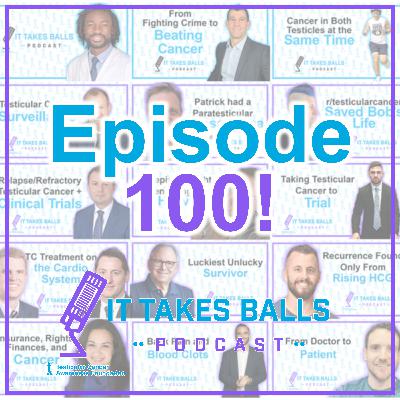
Celebrate 100 episodes of It Takes Balls, the podcast dedicated to raising awareness and sharing real stories from men affected by testicular cancer. Recorded live at the 10th Annual Testicular Cancer Conference in Boston, this milestone episode features survivors, past guests, and medical experts reflecting on the impact of the show and the progress made in testicular cancer education, treatment, and survivorship.Hear inspiring updates from past guests like Brian Vesall, Nickalaus Goodman, Zak Dahlheimer, and Cristian Alvizo, along with insights from Dr. Rich Matulewicz on survivorship and quality of life. This episode captures what It Takes Balls is all about — connection, awareness, and hope for every man facing this disease.Join The Ball Room:https://www.testicularcancerawarenessfoundation.org/theballroomWant to be a guest? Apply here:https://www.testicularcancerawarenessfoundation.org/it-takes-balls-submissionsFollow Testicular Cancer Awareness Foundation:https://www.testescancer.orghttps://www.x.com/testescancerhttps://www.instagram.com/testescancerhttps://www.facebook.com/tca.orgFollow Steven Crocker:https://www.twitter.com/stevencrockerhttps://www.instagram.com/stevencrockerhttps://www.facebook.com/steven.crocker2Theme song: No Time Like Now - Tom Willner www.tomwillner.com
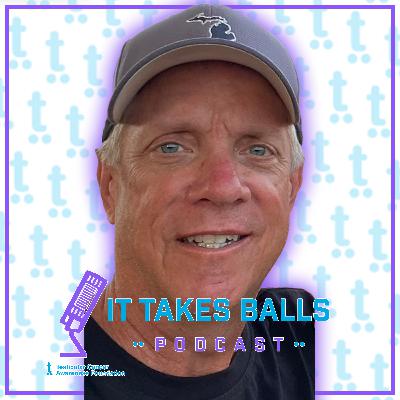
At just 15 years old, Mike Oshinski was diagnosed with advanced testicular cancer — at a time when awareness was almost nonexistent. In this powerful episode of It Takes Balls, Mike shares his journey from a small-town high school athlete to surviving stage 3C metastatic testicular cancer with the help of Dr. Lawrence Einhorn’s groundbreaking cisplatin-based chemotherapy.He describes months of grueling treatment, multiple surgeries including a partial liver resection and RPLND, and the emotional toll of fighting for survival as a teenager. Mike also reflects on the legacy of that battle from the long-term side effects and emotional healing to the incredible full-circle moment when his own son faced a testicular cancer diagnosis decades later.This episode is a must-listen for anyone affected by testicular cancer, offering insight, hope, and perspective from one of the early success stories of modern testicular cancer treatment.Join The Ball Room:https://www.testicularcancerawarenessfoundation.org/theballroomWant to be a guest? Apply here:https://www.testicularcancerawarenessfoundation.org/it-takes-balls-submissionsFollow Testicular Cancer Awareness Foundation:https://www.testescancer.org https://www.x.com/testescancerhttps://www.instagram.com/testescancerhttps://www.facebook.com/tca.orgFollow Steven Crocker:https://www.twitter.com/stevencrockerhttps://www.instagram.com/stevencrockerhttps://www.facebook.com/steven.crocker2Connect with Mike:Michael.oshinski@outlook.comTheme song: No Time Like Now - Tom Willner www.tomwillner.com
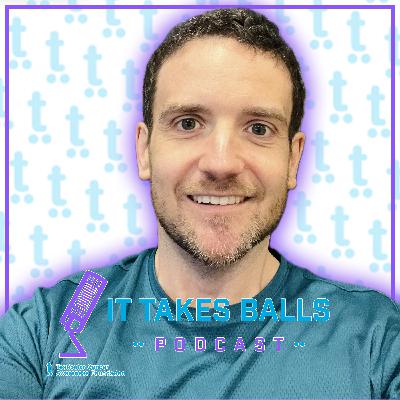
When Australian doctor Steve Coates suddenly developed severe abdominal pain during a hospital shift, he never imagined he’d become the patient himself. Diagnosed with testicular cancer that had already spread to his retroperitoneal lymph nodes, Steve’s experience as both physician and patient offers a rare, deeply human perspective on the realities of testicular cancer diagnosis, chemotherapy, and recovery.In this episode of It Takes Balls, Steve shares how his unique vantage point reshaped the way he practices medicine, from understanding the emotional toll of cancer treatment to recognizing the long-term anxiety that follows remission. He also discusses the challenges of balancing fatherhood, mental health, and vulnerability while going through orchiectomy, BEP chemotherapy, and the ups and downs of follow-up scans and tumor markers.Join The Ball Room:https://www.testicularcancerawarenessfoundation.org/theballroomWant to be a guest? Apply here: https://www.testicularcancerawarenessfoundation.org/it-takes-balls-submissionsFollow Testicular Cancer Awareness Foundation:https://www.testescancer.orghttps://www.x.com/testescancerhttps://www.instagram.com/testescancerhttps://www.facebook.com/tca.orgFollow Steven Crocker: https://www.twitter.com/stevencrockerhttps://www.instagram.com/stevencrockerhttps://www.facebook.com/steven.crocker2Connect with Steve:https://www.instagram.com/bris_steveTheme song: No Time Like Now - Tom Willner www.tomwillner.com
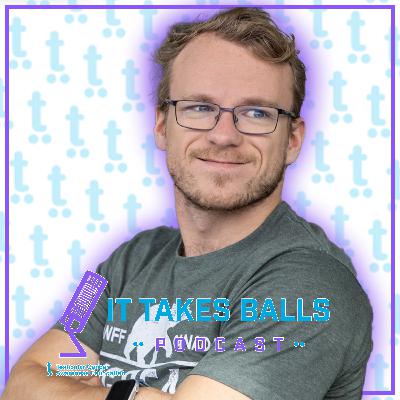
In this episode of It Takes Balls, Alex Skerget shares his candid journey from first symptoms of testicular cancer, through diagnosis, surgery (orchiectomy), and the anxiety of nearly starting chemotherapy as his tumor markers stayed high.Alex opens up about navigating cancer as a young adult in college, the challenges of sperm banking and fertility decisions, and how his medical history complicated treatment choices. Nearly five years later, he reflects on survivorship, the mental health toll of testicular cancer, and why young men must learn to check themselves and speak openly about their health.Alex is also writing a book, "Where’d Your Balls Go?," about the emotional side of testicular cancer and the importance of vulnerability, mental health, and community for young survivors. His story is a powerful reminder that early detection saves lives — and that healing is about more than just surviving physically.Join The Ball Room:https://www.testicularcancerawarenessfoundation.org/theballroomWant to be a guest? Apply here:https://www.testicularcancerawarenessfoundation.org/it-takes-balls-submissionsFollow Testicular Cancer Awareness Foundation:https://www.testescancer.org https://www.x.com/testescancerhttps://www.instagram.com/testescancerhttps://www.facebook.com/tca.orgFollow Steven Crocker: https://www.twitter.com/stevencrockerhttps://www.instagram.com/stevencrockerhttps://www.facebook.com/steven.crocker2Connect with Alex:https://www.instagram.com/wheredyourballsgo/Theme song: No Time Like Now - Tom Willner www.tomwillner.com
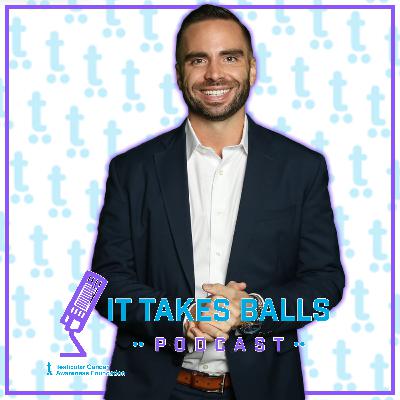
Jesse Beck’s journey with stage 3 testicular cancer began in an unexpected way: persistent back pain. At first, he chalked it up to getting older or from dancing again after years away, but the pain escalated until he could hardly walk or sit. Doctors initially suspected autoimmune issues, but tests eventually revealed enlarged lymph nodes, a tumor pressing into his spine, and dangerous blood clots in his iliac veins.His diagnosis of 100% seminoma was both devastating and a relief - devastating because the tumor had spread, but a relief because seminoma typically responds well to chemotherapy. Jesse endured multiple ER visits, a painful orchiectomy, blood thinners, and three rounds of BEP chemotherapy. Within days of starting treatment, he felt the first real relief from the crushing spinal pain.Throughout his journey, dance became his anchor. Even while using a cane and conserving energy, Jesse continued choreographing and teaching ballet classes as a way to hold onto joy and creativity during treatment. Support from his family and friends in both California and New York helped carry him through long hospital stays, setbacks, and scanxiety.Now in remission but still managing lingering blood clots, Jesse is focusing on rebuilding both physically and mentally. His story is a reminder that back pain can be an overlooked symptom of testicular cancer, and that recovery is not just about being “cured," it’s also about navigating life after treatment with patience, resilience, and support.Join The Ball Room:https://www.testicularcancerawarenessfoundation.org/theballroomWant to be a guest? Apply here:https://www.testicularcancerawarenessfoundation.org/it-takes-balls-submissionsFollow Testicular Cancer Awareness Foundation:https://www.testescancer.org https://www.x.com/testescancerhttps://www.instagram.com/testescancerhttps://www.facebook.com/tca.orgFollow Steven Crocker: https://www.twitter.com/stevencrockerhttps://www.instagram.com/stevencrockerhttps://www.facebook.com/steven.crocker2Connect with Jesse:https://www.linkedin.com/in/jesse-beck/Theme song: No Time Like Now - Tom Willner www.tomwillner.com

In this episode of It Takes Balls, Monica Bryant, Esq., Chief Mission Officer of Triage Cancer, unpacks the legal and financial rights that every patient, survivor, and caregiver needs to know.Drawing on her expertise as a lawyer and nationally recognized speaker, Monica breaks down how critical protections like the Americans with Disabilities Act (ADA) and the Family and Medical Leave Act (FMLA) work in real life for cancer patients. She explains the nuances of job protection, paid and unpaid leave, and disclosure in the workplace—topics many survivors struggle to navigate while undergoing treatment or returning to work.The conversation also dives into the complexities of health insurance. From understanding the differences between HMOs and PPOs to spotting common medical billing errors, Monica provides clear guidance to help patients avoid financial traps during treatment. She also sheds light on disability insurance and financial assistance programs that can ease the crushing costs of cancer care.Monica doesn’t stop at the immediate challenges - she stresses the importance of planning for the future through estate planning, powers of attorney, and advance directives, tools that can provide peace of mind for patients and their families. With a focus on empowerment, she encourages survivors to see themselves not just as patients but as advocates who deserve to understand and exercise their rights.This episode is packed with practical information. Monica Bryant’s message is clear: the non-medical side of cancer is just as important as the medical one, and knowing your rights is the first step in taking back control.Have a question for a future expert guest? Submit here:https://www.testicularcancerawarenessfoundation.org/it-takes-balls-question-submissionWant to be a guest? Apply here: https://www.testicularcancerawarenessfoundation.org/it-takes-balls-submissionsFollow Testicular Cancer Awareness Foundation:https://www.testescancer.orghttps://www.x.com/testescancerhttps://www.instagram.com/testescancerhttps://www.facebook.com/tca.orgLearn more about Triage Cancer:https://triagecancer.orgFollow Steven Crocker: https://www.twitter.com/stevencrockerhttps://www.instagram.com/stevencrockerhttps://www.facebook.com/steven.crocker2Theme song: No Time Like Now - Tom Willner www.tomwillner.com

In this episode of It Takes Balls, 26-year-old survivor Jonny King shares his powerful story of discovering a testicular lump, receiving a cancer diagnosis, and navigating treatment through the UK’s National Health Service (NHS).Jonny first noticed his symptoms during a self-exam - an essential tool in the early detection of testicular cancer. Within weeks, he was on the urgent cancer pathway, undergoing blood tests, scans, and ultimately an orchiectomy (orchidectomy) to remove the testicle. While the initial surgery was successful, his tumor markers continued to rise, leading to chemotherapy and later an RPLND (retroperitoneal lymph node dissection) to remove residual disease.He opens up about the emotional and physical challenges of treatment, including hair loss, isolation during chemo, recovery after major surgery, and the lasting impact on fertility and body image. Jonny also reflects on what it means to navigate survivorship as a young gay man, underscoring the importance of mental health support and community connection after cancer.Now in remission, Jonny is determined to raise awareness by sharing his story, encouraging monthly self-exams, and reminding others that early detection of testicular cancer saves lives. His journey offers valuable insights for anyone searching for answers about testicular cancer symptoms, treatment, or life after cancer.Join The Ball Room:https://www.testicularcancerawarenessfoundation.org/theballroomWant to be a guest? Apply here:https://www.testicularcancerawarenessfoundation.org/it-takes-balls-submissionsFollow Testicular Cancer Awareness Foundation:https://www.testescancer.orghttps://www.x.com/testescancerhttps://www.instagram.com/testescancerhttps://www.facebook.com/tca.orgFollow Steven Crocker: https://www.twitter.com/stevencrockerhttps://www.instagram.com/stevencrockerhttps://www.facebook.com/steven.crocker2Connect with Jonny:https://www.linkedin.com/in/jonathankingbio/Theme song: No Time Like Now - Tom Willner www.tomwillner.com
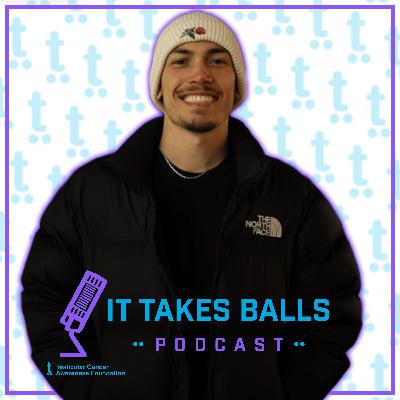
Editor’s Note: Since this episode was published, we were saddened to learn of Christopher’s passing in December 2025. We are deeply grateful to Christopher for sharing his story on the podcast and for the strength, honesty, and hope he brought to our testicular cancer community. Our thoughts are with his family and loved ones.In this episode of It Takes Balls, 29-year-old Christopher Beck shares his intense and ongoing fight against a rare and aggressive form of testicular cancer - one that didn’t even begin in his testicle.Christopher opens up about the strange onset of symptoms that eventually led to a stunning diagnosis: embryonal carcinoma presenting as a retroperitoneal mass. Despite having no tumors in his testicles, pathology confirmed testicular cancer, placing him in a rare category of patients with extragonadal germ cell tumors.What follows is a relentless journey: four rounds of BEP chemotherapy, followed by a post-chemo RPLND at Indiana University. Christopher thought he was in the clear until new scans revealed a recurrence a few months later. What began as one battle turned into two, then three. He entered a clinical trial and underwent high-dose chemotherapy with stem cell rescue.Now, Christopher is enrolled in a cutting-edge CAR T-cell therapy trial - a hopeful step forward. He shares candid reflections on the mental weight of recurrence, the isolation of dealing with a rare cancer, and the importance of keeping faith while making space for both grief and gratitude.Christopher also speaks openly about how cancer reshaped his identity, tested his relationships, and pushed him to live more deliberately, with purpose, presence, and patience.Join The Ball Room:https://www.testicularcancerawarenessfoundation.org/theballroomWant to be a guest? Apply here:https://www.testicularcancerawarenessfoundation.org/it-takes-balls-submissionsFollow Testicular Cancer Awareness Foundation:https://www.testescancer.orghttps://www.twitter.com/testescancerhttps://www.instagram.com/testescancerhttps://www.facebook.com/tca.orgFollow Steven Crocker: https://www.twitter.com/stevencrockerhttps://www.instagram.com/stevencrockerhttps://www.facebook.com/steven.crocker2Connect with Christopher:beck.r.christopher@gmail.comTheme song: No Time Like Now - Tom Willner www.tomwillner.com
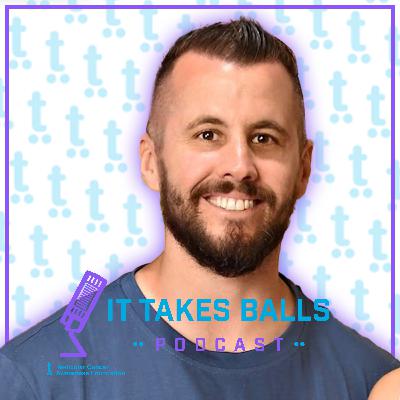
In this episode of It Takes Balls, husband, father, and testicular cancer survivor Ryan Rayfield shares his powerful story of early detection, recurrence, and the long road through surgery, chemotherapy, and recovery.Ryan’s journey began mid-flight on a work trip when unexpected groin pain led to a self-check that changed everything. Diagnosed with stage 1S non-seminoma, he opted for a robotic RPLND at the University of Pennsylvania in hopes of avoiding chemotherapy. With clean scans and pathology, it seemed the worst was behind him - until a month later, rising HCG tumor markers revealed a microscopic recurrence that imaging couldn’t catch.Ryan reflects on the mental toll of starting BEP chemotherapy after having hoped to avoid it entirely. He candidly describes chemo’s physical and emotional side effects, his experience balancing treatment with fatherhood and grad school, and the strength it took to accept what he once feared most.The episode also explores how Ryan’s connection to another survivor, former podcast guest Alex Volynsky, helped guide his treatment choices, highlighting the power of peer support, social media, and storytelling in cancer care. Now approaching two years in remission, Ryan speaks with clarity about scanxiety, post-treatment anxiety, and how cancer reshaped his health, perspective, and purpose.From fertility concerns and proactive surgery to community, parenting, and the lasting impacts of survivorship, Ryan’s story is a reminder that healing isn’t linear, and that asking for help is a strength, not a weakness.Join The Ball Room:https://www.testicularcancerawarenessfoundation.org/theballroomWant to be a guest? Apply here:https://www.testicularcancerawarenessfoundation.org/it-takes-balls-submissionsFollow Testicular Cancer Awareness Foundation:https://www.testescancer.orghttps://www.twitter.com/testescancerhttps://www.instagram.com/testescancerhttps://www.facebook.com/tca.orgFollow Steven Crocker: https://www.twitter.com/stevencrockerhttps://www.instagram.com/stevencrockerhttps://www.facebook.com/steven.crocker2Connect with Ryan:https://www.facebook.com/ryan.rayfield.98https://www.instagram.com/rrayfield_44/Theme song: No Time Like Now - Tom Willner www.tomwillner.com
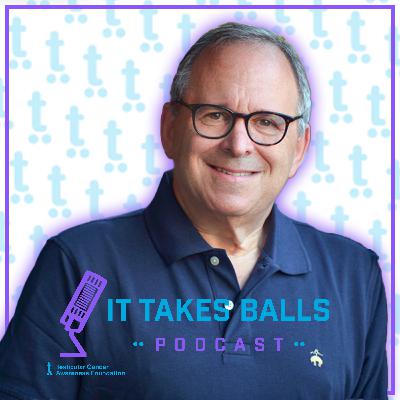
In this deeply reflective episode of It Takes Balls, testicular cancer survivor David Rimmer shares a powerful story of diagnosis, survivorship, and resilience that spans more than 30 years. Diagnosed in 1992 at age 32, long before awareness campaigns or internet support groups, David navigated cancer with little guidance, learning to advocate for himself and seek out the best possible care.From his initial orchiectomy to his choice to travel to Indiana University for a retroperitoneal lymph node dissection (RPLND) under the legendary Dr. Donohue, David walks listeners through the confusion, trauma, and empowerment that defined his treatment journey. He discusses the impact of possible infertility, the psychological toll of recovery, and the importance of acting as a “medical consumer” to ensure the highest level of care.David’s story doesn’t end with testicular cancer. In the years that followed, he faced multiple additional diagnoses - chronic lymphocytic leukemia (CLL), basal cell carcinoma, and low-grade prostate cancer. Yet through it all, he has maintained a sense of perspective, purpose, and humor. He opens up about how survivorship reshaped his identity, the long shadow cancer casts over even the cleanest scans, and how he finds comfort in staying proactive with his health.A near-death experience during a midair collision over the Amazon adds a surreal layer to David’s story - a reminder that surviving isn’t just about beating disease, but about what we do with the time we’re given. Now, he gives back through bone marrow and stem cell courier missions.Whether you’re newly diagnosed, decades into remission, or supporting someone through cancer, David’s voice is a reminder of how survivorship evolves over time, and how sharing your story might be the most powerful form of healing.Join The Ball Room:https://www.testicularcancerawarenessfoundation.org/theballroomWant to be a guest? Apply here:https://www.testicularcancerawarenessfoundation.org/it-takes-balls-submissionsFollow Testicular Cancer Awareness Foundation:https://www.testescancer.orghttps://www.twitter.com/testescancerhttps://www.instagram.com/testescancerhttps://www.facebook.com/tca.orgFollow Steven Crocker: https://www.twitter.com/stevencrockerhttps://www.instagram.com/stevencrockerhttps://www.facebook.com/steven.crocker2Connect with David:djr1010@yahoo.comTheme song: No Time Like Now - Tom Willner www.tomwillner.com
In this episode of It Takes Balls, Mayo Clinic’s Dr. Chris Ray (cardio-oncology specialist) and Dr. Bryan Taylor (exercise physiologist) break down what every testicular cancer patient and survivor should know about protecting their heart, rebuilding their strength, and monitoring long-term health after treatment.The discussion dives into how certain chemotherapies - especially those used for testicular cancer - can quietly weaken blood vessels and heart tissue, even in young men. With cardiovascular disease being the leading long-term cause of death in cancer survivors, Dr. Ray explains why testicular cancer treatment should always include proactive cardiac screening and long-term fitness monitoring.Dr. Taylor adds depth by explaining the science of VO₂ testing and why cardiorespiratory fitness is one of the most powerful predictors of overall health. The doctors make a compelling case for “exercise as medicine,” outlining how even light movement during chemo, and structured training after, can dramatically reduce risk and speed up recovery.The episode also covers important topics like testosterone replacement therapy, understanding elevated heart rates during recovery, and why many survivors feel “ten years older on the inside” after chemo. Both experts emphasize that rebuilding your fitness is a long game, but one worth investing in early and consistently.Whether you're newly diagnosed or 10 years out, this conversation offers actionable guidance on improving quality of life, extending longevity, and asking your care team the right questions to protect your whole-body health starting with your heart.Have a question for a future expert guest? Submit here:https://www.testicularcancerawarenessfoundation.org/it-takes-balls-question-submissionWant to be a guest? Apply here:https://www.testicularcancerawarenessfoundation.org/it-takes-balls-submissionsFollow Testicular Cancer Awareness Foundation:https://www.testescancer.orghttps://www.twitter.com/testescancerhttps://www.instagram.com/testescancerhttps://www.facebook.com/tca.orgDr. Ray:https://www.mayoclinic.org/biographies/ray-chris-m-d/bio-20470913Dr. Taylor:https://www.mayoclinic.org/biographies/taylor-bryan-j-ph-d/bio-20527883Follow Steven Crocker:https://www.twitter.com/stevencrockerhttps://www.instagram.com/stevencrockerhttps://www.facebook.com/steven.crocker2Theme song: No Time Like Now - Tom Willner www.tomwillner.com
In this episode of It Takes Balls, pediatric anesthesiologist Aaron Bernotas shares his rollercoaster journey through testicular cancer - one that had fertility challenges, grueling treatment, and rare complications that pushed him to the brink.Aaron opens up about discovering a lump, downplaying it at first, and ultimately undergoing surgery the day after his urologist confirmed it was suspicious for cancer. While the orchiectomy seemed routine, the aftermath was anything but. Shortly after, Aaron was diagnosed with azoospermia (no sperm), forcing him and his wife to pursue IVF with micro-TESE. Despite setbacks, they now have a daughter - one of two embryos that survived.The episode dives into the emotional impact of facing cancer while juggling a demanding medical career and processing the blow of infertility. Aaron later faced recurrence, underwent three rounds of BEP chemotherapy, and then an RPLND surgery. But what followed was a rare complication: chylous ascites, a buildup of lymphatic fluid in the abdomen. After months of procedures - including multiple drainings, gluing, a second exploratory surgery, and the placement of a Denver shunt - his condition finally resolved over 18 months after his initial diagnosis.Aaron reflects on the brutal physical toll of this journey, the unwavering support from his wife and family, and the resilience it took to keep showing up. Join The Ball Room:https://www.testicularcancerawarenessfoundation.org/theballroomWant to be a guest? Apply here:https://www.testicularcancerawarenessfoundation.org/it-takes-balls-submissionsFollow Testicular Cancer Awareness Foundation:https://www.testescancer.orghttps://www.twitter.com/testescancerhttps://www.instagram.com/testescancerhttps://www.facebook.com/tca.orgFollow Steven Crocker: https://www.twitter.com/stevencrockerhttps://www.instagram.com/stevencrockerhttps://www.facebook.com/steven.crocker2Connect with Aaron:https://www.facebook.com/aaron.bernotashttps://www.instagram.com/bernotas64/Theme song: No Time Like Now - Tom Willner www.tomwillner.com
In this moving episode of It Takes Balls, Andrew Kettner shares his powerful story of battling primary mediastinal non-seminomatous germ cell cancer (PMNSGCT), a rare and aggressive form of testicular cancer that showed up not in his testicles, but in his chest.Andrew opens up about the subtle symptoms he first noticed: shortness of breath, fatigue, and elevated heart rate - symptoms he initially wrote off as “just getting older.” But after a gut instinct sent him to the ER, a chest X-ray revealed a massive tumor near his heart. Thanks to the quick thinking of oncologist Dr. Sean Kern, who recognized elevated tumor markers, Andrew was spared unnecessary surgery and given a critical diagnosis: testicular cancer.With a prognosis of only 40–50% survival at two years, Andrew began a grueling VIP chemotherapy regimen, complicated by a blood clot and extreme side effects including weight loss and neuropathy. He credits his survival not only to expert care at Walter Reed and Indiana University Health but also to the unshakable support of his wife, children, and medical team.The episode also explores what survivorship looks like as a military leader and father. Andrew reflects on the emotional toll of treatment, the way it reshaped his priorities, and how he’s teaching his sons to check themselves monthly for early signs of testicular cancer. Now with no evidence of disease, he’s using his experience to raise awareness within the military community, where he believes testicular cancer is underrecognized.If you're navigating an advanced testicular cancer diagnosis, are a member of the armed forces, or simply want to hear an honest, grounded survivor story, this episode is packed with insight, emotion, and inspiration from someone who faced long odds.Join The Ball Room:https://www.testicularcancerawarenessfoundation.org/theballroomWant to be a guest? Apply here:https://www.testicularcancerawarenessfoundation.org/it-takes-balls-submissionsFollow Testicular Cancer Awareness Foundation:https://www.testescancer.orghttps://www.twitter.com/testescancerhttps://www.instagram.com/testescancerhttps://www.facebook.com/tca.orgFollow Steven Crocker: https://www.twitter.com/stevencrockerhttps://www.instagram.com/stevencrockerhttps://www.facebook.com/steven.crocker2Connect with Andrew:https://www.facebook.com/profile.php?id=70000153Theme song: No Time Like Now - Tom Willner www.tomwillner.com
In this episode of It Takes Balls, Luke Alter, an assistant state attorney and testicular cancer survivor, shares his raw, powerful story of being misled and eventually forced to fight for his life.At just 27, Luke went from grappling on the jiu-jitsu mats to confronting a swollen testicle assumed to be a sports injury. After weeks of worsening symptoms and a urologist brushing him off, he pushed for more answers, only to hear the life-altering diagnosis.What followed was a whirlwind of scans, cross-country travel, and life-changing decisions. Luke opens up about going through four rounds of EP chemo, how a delayed diagnosis led to Stage IIIB disease, and the emotional toll of facing mortality at such a young age. He talks honestly about fear, depression, hair loss, and finding light through friends, family, Reddit threads, and complete strangers who showed up when he needed it most.Luke's story is equal parts heartbreaking and inspiring, and ultimately a testament to the power of self-advocacy, community, and choosing hope when the odds feel overwhelming.Join The Ball Room:https://www.testicularcancerawarenessfoundation.org/theballroomWant to be a guest? Apply here:https://www.testicularcancerawarenessfoundation.org/it-takes-balls-submissionsFollow Testicular Cancer Awareness Foundation:https://www.testescancer.orghttps://www.twitter.com/testescancerhttps://www.instagram.com/testescancerhttps://www.facebook.com/tca.orgFollow Steven Crocker: https://www.twitter.com/stevencrockerhttps://www.instagram.com/stevencrockerhttps://www.facebook.com/steven.crocker2Connect with Luke:https://www.instagram.com/lukeduke59/https://www.facebook.com/luke.altarTheme song: No Time Like Now - Tom Willner www.tomwillner.com
In this episode of It Takes Balls, Josh Moore - a gym owner, coach, father of three, and testicular cancer survivor - shares a brutally honest and humorous look at what it really means to live through cancer.Josh shares how he first discovered a lump in the shower in 2021, initially brushed it off, and later found himself with two incisions (thanks to a surgical “oops”), and a grueling chemo regimen after a recurrence. He talks about the mental game of survivorship and the physical toll that came with nine weeks of treatment including 23-hour days of sleep, loss of strength, and a bout of sepsis just 12 hours after ringing the bell.But this isn’t just a story about setbacks. Josh opens up about using humor to cope - turning ball jokes into a survival tactic, considering stand-up comedy, and keeping things light even when things got heavy. He reflects on the support of his family, his gym community, and the middle and high school athletes who unknowingly helped keep him going through the worst of it.Josh also shares what it’s like living with no testicles after losing one as a child and the other to cancer, his weekly testosterone injections, and the misconceptions people still have about male anatomy and masculinity. Through it all, his message is clear: take your health seriously, listen to your gut, and never skip that ultrasound.Want to be a guest? Apply here:https://www.testicularcancerawarenessfoundation.org/it-takes-balls-submissionsFollow Testicular Cancer Awareness Foundation:https://www.testescancer.orghttps://www.twitter.com/testescancerhttps://www.instagram.com/testescancerhttps://www.facebook.com/tca.orgFollow Steven Crocker: https://www.twitter.com/stevencrockerhttps://www.instagram.com/stevencrockerhttps://www.facebook.com/steven.crocker2Connect with Josh:https://www.instagram.com/josh_neverstops/

Comments

Download from Google Play

Download from App Store
 United States