


 Claim Ownership
Jeffrey van Leeuwen Podcast
Subscribed: 0Played: 11
Subscribe

© Jeffrey P. van Leeuwen
Description
The Jeffrey van Leeuwen Podcast aims to engage in thoughtful conversations, exploring diverse topics and speaking with people who have unique stories to tell and valuable knowledge to share across various fields.
50 Episodes
Reverse
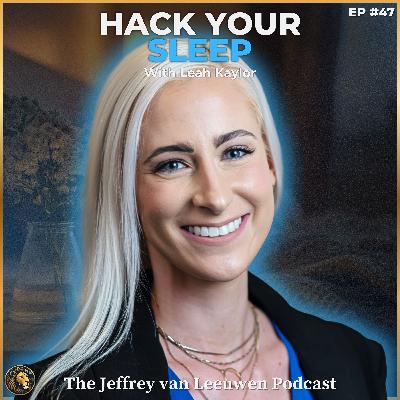
Drowsy driving is deadlier than drunk driving. In this episode, Dr. Leah Kaylor explains why your sleep is a safety issue, not just a lifestyle choice. She is a licensed clinical and prescribing psychologist, the FBI’s in-house sleep expert with a specialty in sleep and trauma, and a relentless educator on evidence-based fixes.
1. Reset your clock: keep a consistent wake time and get outside within an hour of waking. Morning light signals the suprachiasmatic nucleus, shuts off lingering melatonin, and jump-starts alertness.
2. Master evenings: dim overheads, use lamps or warm smart bulbs, and let your space darken with sunset. Keep bedrooms cool in the low 60s.
3. If you work nights: use a sunrise alarm and timed bright-light therapy to shift rhythm; front-load a healthy meal; sip caffeine little and often with a hard cutoff 6–8 hours before bed; no sunglasses while commuting home if you are driving; sleep in a dark, quiet, truly blackout room.
4. Safety first: learn the “nappuccino” (espresso, then a 20-minute nap). It outperforms either alone when fatigue hits mid-commute. Microsleeps make you stop steering and braking entirely. Pull over.
5. Insomnia or apnea: insomnia shows up as trouble falling, staying asleep, or waking unrefreshed; obstructive sleep apnea often hides behind loud snoring, morning headaches, and crushing daytime fatigue. Get a sleep study.
6. Habits that help: avoid long or late naps; reserve the bed for the three S’s only—sleep, sex, sickness; set boundaries with screens and games; watch caffeine’s 4–6 hour half-life; skip alcohol as a “sleep aid” since it fragments sleep and suppresses REM.
Thank you for listening.
SHOW LINKS:
Support the Show on: Patreon
Listen to the Podcast on: YouTube | Apple | Spotify
Follow us on: X | Reddit | Instagram | LinkedIn
OUTLINE:
00:00 What a Sleep Psychologist Does
01:53 Why the FBI Needs Sleep Science
04:51 Three High-Impact Sleep Habits
10:18 Consistent Schedule, Sunrise Alarms, and Light
15:40 What Is Seasonal Affective Disorder (SAD)
17:18 Shift-Work Survival: Strategies and Support
23:10 Drowsy Driving and the Nappuccino
30:41 Night Shifts and Cancer Risk
39:33 Are You Actually Sleep Deprived
44:32 Wired but Tired; Does Creatine Help
48:35 Screens, Gaming, and Bedtime Procrastination
57:05 Train Your Brain: The Three S’s
1:06:26 Insomnia vs Sleep Apnea
1:21:26 Naps, Sleep Inertia, and Timing
1:28:25 The Effect of Alcohol on Sleep
1:30:26 The Myth of 4-Hour Sleep
1:38:54 Final Thoughts & Outro
LEAH KAYLOR LINKS:
Leah Kaylor's Website & Book
Leah Kaylor on YouTube
Leah Kaylor on Instagram
Leah Kaylor on LinkedIn
CONTACT LINKS:
Click here to come on the podcast, share feedback, ask a question, or reach out for any other reason.
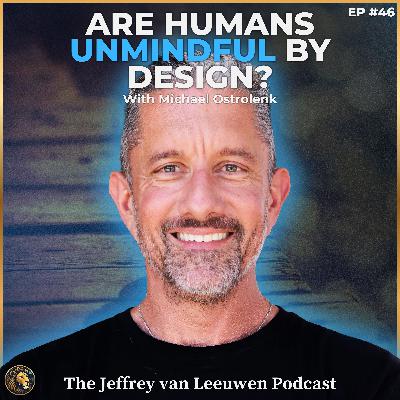
At nine, Michael Ostrolenk refused a psychiatrist’s quick-fix, walked out, and followed a different map: guided imagery, biofeedback, meditation, and martial arts. That choice shaped everything. Years later, a brutal one-two of loss during an MBA program forced a pivot into transpersonal and somatic psychology, coaching, and a decade building programs with SEALFIT. In this conversation, Michael traces the line from a mislabeled “learning disabled” kid to a clinician and coach who helps people regulate their nervous systems, deepen relationships, and live with agency.
We talk about:
Why the industrial school model rewards compliance, and how unschooling or democratic free schools can cultivate curiosity.
When to consider sleep, nutrition, movement, family dynamics, and environment before reaching for Ritalin or Concerta, plus the limited, tactical role stimulants might play for adults.
AM and PM rituals that work: sleep hygiene, 5-7 breathing to calm, box breathing to focus, light movement, gratitude.
How somatic work unfreezes anger or sadness, and how to measure change using first, second, and third person feedback.
What mindfulness actually is: the trained witness that turns reactivity into choice.
Thank you for listening.
SHOW LINKS:
Support the Show on: Patreon
Listen to the Podcast on: YouTube | Apple | Spotify
Follow us on: X | Reddit | Instagram | LinkedIn
OUTLINE:
00:00 Introduction
01:43 Who Is Michael Ostrolenk?
04:45 Questioning Education and Early Struggles
08:47 Alternative Healing and Martial Arts at Age Nine
11:12 Rethinking Education for Children
17:07 Holistic Approaches for Parents
20:51 Parenting, Pressure, and the 80/20 Rule
23:34 Perspectives on Ritalin and Concerta
29:26 Creativity, School, and Medication
33:36 Origins of the Industrial Education System
42:02 Turning Point: From MBA to Psychology
47:06 Exploring Transpersonal Psychology
52:46 Psychedelics, Therapy, and Consciousness
54:07 Understanding Mind–Body Connection
01:00:06 Working With Couples and Emotions
01:11:59 Practical Habits for Sleep, Diet, and Movement
01:17:45 Breathing and Guided Meditation for Sleep
01:23:56 Morning Rituals and Preparation Practices
01:28:50 Tracking Progress and Measuring Change
01:33:59 Mindfulness vs. Consciousness
01:39:01 What Lack of Mindfulness Looks Like
01:45:40 Does Mindfulness Make Life More Frustrating?
01:48:09 Agreements, Relationships, and Appreciation
01:58:40 Final Thoughts
MICHAEL OSTROLENK LINKS:
Michael's Youtube Channel
Michael's LinkedIn
Michael's Instagram
Michael's X
CONTACT LINKS:
Click here to come on the podcast, share feedback, ask a question, or reach out for any other reason.
This episode has been co-produced by Kate van Leeuwen.

Is family court protecting you or enabling abuse? In this episode, high-conflict divorce coach Lisa Johnson of Been There Got Out breaks down how “legal abuse” and coercive control play out in real cases, and why smart strategy (and not just righteousness) wins in court. Drawing from her own litigation (including arguing an appeal herself that resulted in a published decision in the Connecticut Law Journal), Lisa shows how to navigate a system that often rewards gamesmanship over truth.
We talk about:
What legal abuse and “legal gaslighting” look like day-to-day—and how to keep your footing when the other side twists facts.
The discipline of “writing for the invisible audience”: turning every message into admissible evidence, building a clean paper trail, and avoiding reactive traps.
Going pro se: when it’s viable, preparation pitfalls, and how courts actually perceive self-represented litigants.
Enforcement that works: why “orders with teeth” (deadlines and consequences) matter more than ideal rulings—and how to push for them.
Jennifer’s Law and the shift toward recognizing coercive control, expanding the legal lens beyond physical violence.
A hard-earned case study: college-education obligations, repeated contempt findings, and the grind of appeals—plus the practical mindset that gets results without losing yourself.
If you’re facing a high-conflict ex, custody battles, or a court process that feels endless, Lisa’s playbook offers clarity, language, and leverage you can use immediately.
Thank you for listening.
SHOW LINKS:
Support the Show on: Patreon
Listen to the Podcast on: YouTube | Apple | Spotify
Follow us on: X | Reddit | Instagram | LinkedIn
OUTLINE:
00:00 Introduction
01:33 Lisa's Background
04:14 Early Red Flags
06:42 The Discovery and Denial
11:03 Telling the Kids
12:31 Betrayal Trauma & Identity Shock
20:15 Couples Counseling Gone Wrong
25:39 Why He Fought to Keep Control
33:14 Filing for Divorce & His Exit
41:23 Fighting for College Support & Enforcement
50:38 Going Pro Se & Facing Retaliation
57:32 How to Persuade a Court: Logos, Pathos, Ethos
1:10:05 Legal Gaslighting & Getting Help
1:16:21 Strategic Communication: Build Your Paper Trail
1:20:02 Proving You’re a Good Parent
1:24:44 Shielding Kids From Court Conflict
1:27:18 Jennifer’s Law, Coercive Control & Orders With Teeth
1:35:43 From Survivor to Coach
1:45:02 Key Advice for Listeners
1:47:00 Final Thoughts & Outro
LISA JOHNSON LINKS:
Been There Got Out Website
Been There Got Out on Instagram
Been There Got Out on X
CONTACT LINKS:
Click here to come on the podcast, share feedback, ask a question, or reach out for any other reason.
This episode has been co-produced by Kate van Leeuwen.

Joshua Spatha majored in anthropology with a minor in Old Testament studies and has served in full-time missions since 2006, primarily across the Middle East and Asia. An ordained minister and disciple‑maker with Youth With A Mission (YWAM), Joshua blends frontline ministry with academic insight, as he prepares for long-term ministry in Central Asia.
In our conversation, you'll hear how Western culture’s reliance on materialism and humanism has fueled a deep meaning crisis, and why happiness alone no longer sustains us. Joshua shares compelling analogies to illustrate how adopting a self‑centered framework inevitably leads to emptiness and incoherence. He challenges the question, “What’s in it for me?” as the wrong foundation.
This episode is not just about morality: it’s about how reason and spiritual depth intertwine, why faith isn’t a blind leap, and how a rational embrace of the supernatural reclaims meaning.
Thank you for listening.
SHOW LINKS:
Support the Show on: Patreon
Listen to the Podcast on: YouTube | Apple | Spotify
Follow us on: X | Reddit | Instagram | LinkedIn
OUTLINE:
00:00 Introduction
01:44 The Modern Meaning Crisis
07:48 Enlightenment’s Impact on Faith
11:23 From Religion to Self-Focus
14:55 Science, Truth & Worldviews
20:02 Personal Meaning vs Objective Reality
31:45 Christianity’s Case for Human Flourishing
36:49 Secular Morality Under the Microscope
44:42 Chaos, Materialism & Ethics
01:07:16 Implicit Spirituality & Cognitive Dissonance
01:16:29 The Universal Conscience
01:19:29 Free Will and Belief Change
01:53:39 Miracles: Chance or Design?
02:22:05 Practicing and Testing Faith
02:32:47 Final Thoughts & Outro
JOSHUA SPATHA LINKS:
Joshua's Website & Book
CONTACT LINKS:
Click here to come on the podcast, share feedback, ask a question, or reach out for any other reason.
This episode has been co-produced by Kate van Leeuwen.
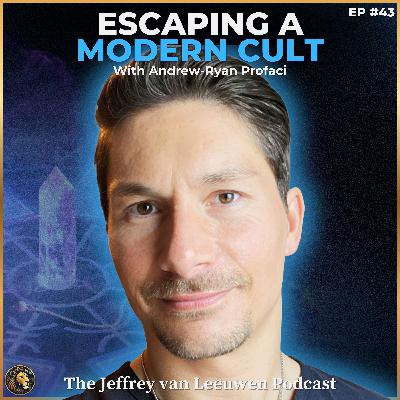
Andrew-Ryan Profaci thought he found spiritual truth, but instead became entangled in the bizarre world of a modern cult known as “Love Has Won.” Driven by curiosity and a deep desire for meaning, Andrew-Ryan quickly rose from outsider to insider, witnessing firsthand the manipulation tactics of cult leader Amy Carlson, referred to by members as “Mother God,” whom he once cared for deeply.
In this raw and honest conversation, we talk about:
- What initially drew Andrew to the cult known as "Love Has Won."
- A vivid portrayal of daily life within the cult.
- The leadership’s layered control tactics and massive financial exploitation.
- An individual who secretly orchestrated and controlled the cult behind the scenes.
- What really happened before and directly after Amy Carlson’s death, and why Andrew now speaks out.
SHOW LINKS:
Support the Show on: Patreon
Listen to the Podcast on: YouTube | Apple | Spotify
Follow us on: X | Reddit | Instagram | LinkedIn
OUTLINE:
00:00 Introduction
02:26 What Is “Love Has Won”?
04:09 From Community to Cult
06:11 The Origins: Amy Carlson’s Intentions
09:47 Andrew’s Journey Begins
11:08 Searching for Meaning: Why People Join
15:41 Missing Self-Love and Authenticity
17:42 Manipulation & Control Tactics
18:57 Patterns in Cult Dynamics
23:51 Daily Life Inside the Cult
27:46 Recruitment and Indoctrination Process
30:26 Cult Hierarchy
33:10 Andrew’s Inner Conflict: Amy vs. “Mother God”
40:51 How Media Portrayed Amy Carlson
43:16 Behind the Persona: Why Amy Became “Mother God”
48:19 Miguel Lamboy: The "Hidden Hand"
56:03 Andrew vs. Miguel: The Proxy War
58:06 Challenging Amy’s Delusions
01:05:37 Descent into Darkness: Cult’s Final Days
01:13:23 Did Resistance Make Things Worse?
01:16:29 The Consequences of Leaving “Love Has Won”
01:23:34 Redefining Love and Trust
01:28:18 Amy’s Death: Tragedy & Questions Unanswered
01:42:48 Amy: Victim or Perpetrator?
01:47:36 Final Words to Amy
01:49:00 Why Andrew Speaks Out
01:55:59 Final Thoughts
ANDREW-RYAN PROFACI LINKS:
Andrew's Website & Books
Andrew's Instagram
Andrew's LinkedIn
CONTACT LINKS:
Click here to come on the podcast, share feedback, ask a question, or reach out for any other reason.
This episode has been co-produced by Kate van Leeuwen.
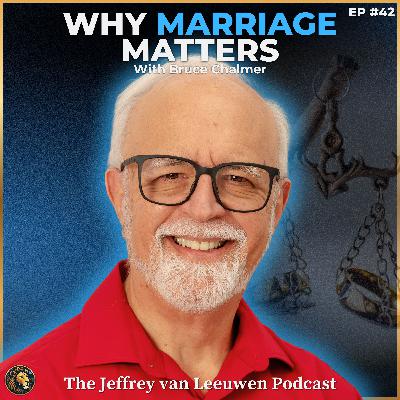
After decades of guiding couples through their most challenging moments, Dr. Bruce Chalmer understands what truly brings relationships to life. With a deeply personal journey from statistics to psychology, Bruce discovered that helping couples navigate intimacy, stability, and the complexities of forgiveness wasn’t just a profession. It was a calling.
In our conversation, Bruce explores profound insights on what makes relationships thrive or fail. He thoughtfully challenges common assumptions, offering the provocative question: “Do you feel alive in your relationship?” Bruce delves into why many couples drift apart, becoming roommates instead of romantic partners, and how they can rekindle lost connections. We also explore how infidelity, while deeply traumatic, can paradoxically create opportunities for renewed intimacy and trust.
This episode is a meditation on the meaning of commitment, why marriage matters very deeply, and how embracing the discomfort of honesty can lead couples toward genuine fulfillment and emotional closeness.
Thank you for listening.
SHOW LINKS:
Support the Show on: Patreon
Listen to the Podcast on: YouTube | Apple | Spotify
Follow us on: X | Reddit | Instagram | LinkedIn
OUTLINE:
00:00 Introduction
01:55 Discovering a Calling in Relationship Therapy
04:13 Career Transitions and Finding Purpose
06:04 Couples Therapy vs. Relationship Therapy: Clarifying Terms
07:55 Coaching vs. Therapy: The Real Differences
09:46 How Couples Therapy Actually Works
12:34 Marriage as a Path to Growth
17:28 Why Marriage Rates Are Declining
21:53 Cultural and Economic Reasons Behind Fewer Marriages
29:22 Why We Still Romanticize Marriage
31:52 Stability vs. Intimacy in Relationships
39:02 Emotional Bank Accounts in Marriage
41:20 Why Being Annoyed is Actually Good
45:10 Understanding the True Value of Marriage
51:16 The Difference Between a Contract and a Covenant
56:33 The Psychological Damage of Infidelity
01:00:06 Forgiveness, Trust, and Moving Forward
01:09:35 Why Faith is Essential in Relationships
01:12:03 Are Humans Biologically Monogamous?
01:20:41 How Do I Know if I’m a Good Partner?
01:32:45 How Can You Tell if a Marriage is Fundamentally Healthy?
01:34:43 When Relationships Feel Like Roommates
01:40:36 Reaching Heaven by Passing Through Hell
01:51:31 When to Seek Couples Therapy
01:58:09 What Relationships Truly Represent
02:05:44 Final Thoughts
BRUCE CHALMER LINKS:
Bruce's Website & Books
Couples Therapy in Seven Words Podcast (Apple)
Couples Therapy in Seven Words Podcast (Spotify)
CONTACT LINKS:
Click here to come on the podcast, share feedback, ask a question, or reach out for any other reason.
This episode has been co-produced by Kate van Leeuwen.
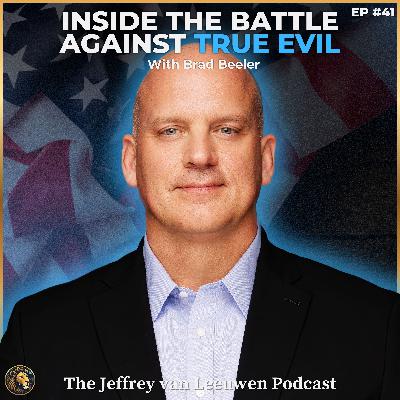
What does true evil look like? And how do you confront it face-to-face? In this raw conversation with Brad Beeler, who served as a Special Agent for the United States Secret Service for 25 years, we explore his extraordinary career confronting humanity’s darkest crimes, especially those involving children. Brad reveals a rarely-seen side of the United States Secret Service, reflecting deeply on his experiences as a polygraph examiner, where he faced some of the most malicious individuals imaginable.
In our conversation, we also discuss:
Why empathy can become a crucial weapon in interrogations, even with society’s worst criminals.
How international cooperation enabled Brad and his team to crack complex child exploitation cases.
The subtle psychological strategies used to identify deception, gain trust, and ultimately reveal truth.
The chilling realities of interacting with truly evil individuals, and what Brad learned about the darkest corners of human behavior.
Brad’s story is profoundly human, exploring the complex layers of morality, ethical boundaries, and personal resilience required to confront humanity’s most troubling personalities.
Thank you for listening.
EPISODE LINKS:
Buy Tell Me Everything (Book)
By using this link, we earn commission from qualifying purchases.
SHOW LINKS:
Support the Show on: Patreon
Listen to the Podcast on: YouTube | Apple | Spotify
Follow us on: X | Reddit | Instagram | LinkedIn
OUTLINE:
00:00 Introduction
02:19 Brad’s Most Proud Career Achievement
03:09 Secret Service Beyond Presidential Protection
05:31 Future of Secret Service Investigations
06:55 Inside the Trump Assassination Attempts
10:22 Debunking Trump Assassination Conspiracies
14:21 Conspiracy Theories and Media Polarization
16:53 Strategies for Distinguishing Truth from Falsehood
20:03 Building Trust and Rapport
23:38 The Role of Empathy in Criminal Investigations
41:58 The Psychological Cost of Interviewing Criminals
46:13 Combating Child Exploitation: Global Collaboration
49:00 Navigating Legal Complexities in International Law Enforcement
50:32 Four Key Behavioral Analysis Questions
01:00:12 Detecting Deception in Interviews
01:15:34 Negotiation Techniques: Tactical Empathy & Body Language
01:28:38 Recognizing Manipulation and Assessing Intentions
01:33:00 Does True Evil Exist?
01:40:57 Brad’s Perspective on Humanity
01:44:14 Overcoming Personal and Professional Setbacks
01:46:32 “Tell Me Everything”: Brad’s Upcoming Book
01:47:36 Final Thoughts
BRAD BEELER LINKS:
Brad's LinkedIn
Brad's Instagram
CONTACT LINKS:
Click here to come on the podcast, share feedback, ask a question, or reach out for any other reason.
This episode has been co-produced by Kate van Leeuwen.
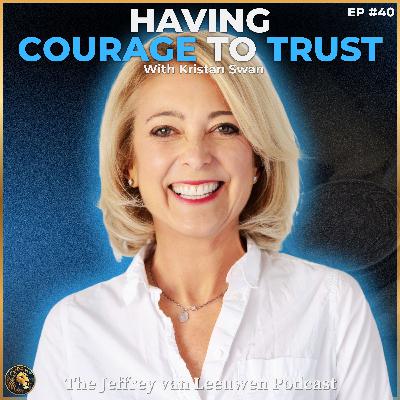
In a vulnerable and deeply reflective conversation, personal growth coach Kristan Swan and Jeffrey delve into a quiet fear that most of us carry: the anxiety about being misunderstood or misrepresented by others. Through candid storytelling and authentic introspection, Kristan shares how the shadows of past experiences and the fear of judgment often hinder our ability to form meaningful connections and trust in relationships.
The episode moves organically through themes of nostalgia, self-awareness, curiosity, and spirituality, exploring how each plays a role in our perceptions of self and our courage to authentically engage with others. This is a conversation without a clear angle, yet circles around how to navigate conversations and relationships with honesty and genuine empathy.
Thank you for listening.
SHOW LINKS:
Support the Show on: Patreon
Listen to the Podcast on: YouTube | Apple | Spotify
Follow us on: X | Reddit | Instagram | LinkedIn
OUTLINE:
00:00 Introduction
05:31 The Problem With Asking “What Do You Do?”
07:37 Societal Undervaluation of Motherhood
13:49 The Human Need for Connection
15:26 Embracing Spontaneous Conversations
24:20 Polarization and the Desire for Belonging
26:57 Why We Struggle to Change Our Minds
34:42 Navigating Opposing Truths
36:11 The Danger of Nostalgia
54:56 Defining Nostalgia
01:01:19 The Nature of Spirituality
01:08:36 Secular Spirituality and Trusting Yourself
01:17:38 Allowing Yourself to Feel Fully
01:25:37 Loneliness and the Need to Be Heard
01:33:47 What Do You Love About Life?
01:34:51 Final Thoughts
KRISTAN SWAN LINKS:
Kristan's Website
CONTACT LINKS:
Click here to come on the podcast, share feedback, ask a question, or reach out for any other reason.
This episode has been co-produced by Kate van Leeuwen.
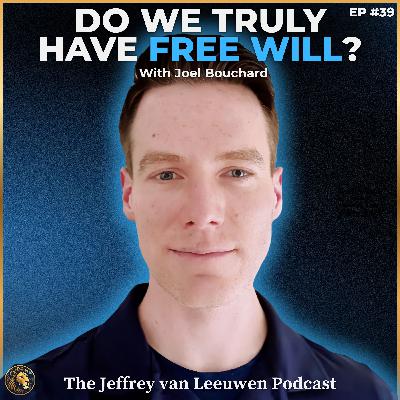
Joel Bouchard, philosophy podcaster and author of From Nowhere to Nothing, joins me for an intellectually intense exploration into some of life’s deepest philosophical dilemmas. In this episode, Joel skillfully unpacks intricate issues like the nature of good and evil, whether humans are inherently moral beings, and if true free will even exists.
In our conversation, we talk about:
Why free will might be more limited than you think.
The hidden paradox within the concept of an all-knowing, all-good deity and the existence of evil.
How humans naturally strive to make order from chaos, both externally in the world and internally in their minds.
The surprising psychology behind why people struggle with discipline and sticking to personal decisions.
Whether morality is inherently programmed or learned from our environment, relationships, and experiences.
Thank you for listening.
SHOW LINKS:
Support the Show on: Patreon
Listen to the Podcast on: YouTube | Apple | Spotify
Follow us on: X | Reddit | Instagram | LinkedIn
OUTLINE:
00:00 Introduction
02:12 Who Is Joel Bouchard?
03:53 What Philosophy Actually Is
07:09 Implicit vs Explicit Philosophy
10:09 Is Life Worth Living?
13:40 Religion, Atheism, and Nihilism
17:21 Hedonism and Absurdism
21:17 The Psychology of Belief
28:08 A Personal Story of Loss
31:50 Symbolism and Rituals in Human Life
39:45 The Ethical Debate Around Pets
45:52 Defining Good and Evil
51:06 Why Does Evil Exist?
01:13:15 Free Will vs Limited Will
01:25:14 Where Does Consciousness Come From?
01:29:37 The Nature of Conscience
01:47:00 Is Life Deterministic or Not?
02:00:12 The Magpie and Meaningful Coincidences
02:11:57 Final Thoughts & Outro
JOEL BOUCHARD LINKS:
From Nowhere to Nothing Podcast (Spotify)
From Nowhere to Nothing Podcast (Apple)
CONTACT LINKS:
Click here to come on the podcast, share feedback, ask a question, or reach out for any other reason.
This episode has been co-produced by Kate van Leeuwen.
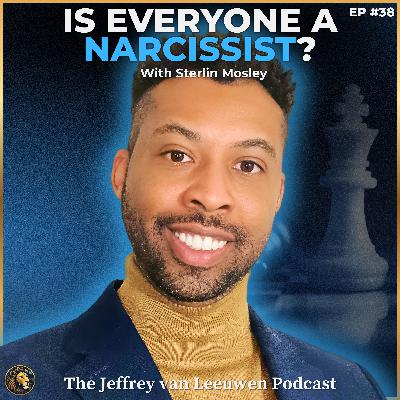
Is everyone suddenly a narcissist, or are we misusing the term? Dr. Sterlin Mosley, Professor of Human Relations and author of The Narcissist in You and Everyone Else, dives deep into the misunderstood realms of narcissism and empathy. Through an eye-opening conversation, Sterlin reveals why our culture casually labels selfish behaviors as narcissistic, and why real narcissism goes much deeper, intertwining with empathy. Or rather, the lack of it.
In our conversation, you’ll discover:
Why modern society sees NARCISSISM as a PERSONALITY TYPE instead of a nuanced SPECTRUM of behaviors.
How narcissistic traits form EMOTIONAL ARMOR protecting a hidden, VULNERABLE core.
The critical difference between EMPATHY and SYMPATHY, including four surprising types of empathy you never knew existed.
Proven STRATEGIES for spotting and dealing with narcissists both at home and at work.
How EMPATHY can be developed, and why COGNITIVE EMPATHY may be the key to healthier relationships.
Thank you for listening.
EPISODE LINKS:
Buy Center of the Universe (Book)
Buy The Narcissist in You and Everyone Else (Book)
By using these links, we earn commission from qualifying purchases.
SHOW LINKS:
Support the Show on: Patreon
Listen to the Podcast on: YouTube | Apple | Spotify
Follow us on: X | Reddit | Instagram | LinkedIn
OUTLINE:
00:00 Introduction
01:10 Who is Sterlin Mosley?
04:41 The Narcissist Label in Modern Society
08:37 Breaking Down the 27 Types of Narcissists
12:24 How to Identify a Narcissist: Common Misunderstandings
20:11 Strategies for Dealing with Different Narcissists
27:57 Do Narcissists Know They’re Narcissists?
35:49 Healthy Narcissism Explained
39:54 Is Narcissism a Choice?
47:47 Can Narcissism Be Cured or Managed?
52:53 Empathy vs. Sympathy: Clarifying the Differences
58:24 Narcissism, Envy, and Power Dynamics
01:04:11 Understanding Empathy: Definitions and Nuances
01:10:20 Cognitive Empathy and Human Connection
01:19:39 Practical Steps to Develop Your Empathy
01:24:24 Final Thoughts & Outro
STERLIN MOSLEY LINKS:
Sterlin's LinkedIn
Sterlin's Instagram
CONTACT LINKS:
Click here to come on the podcast, share feedback, ask a question, or reach out for any other reason.
This episode has been co-produced by Kate van Leeuwen.

In this heartfelt conversation, clinical psychologist Dr. Alison Greco challenges modern assumptions about emotional distress, uncovering why our everyday struggles with grief, anxiety, and life transitions shouldn’t be hastily labeled as disorders. Drawing on her experiences from prisons to college counseling and community mental health, Alison reveals an overlooked truth: not every emotional struggle is a pathology needing therapy. She shares eye-opening insights about how our current healthcare system forces therapists into diagnosing individuals simply to secure insurance coverage, and how this creates false narratives about our mental health.
In this episode you’ll learn:
- Why OVER-PATHOLOGIZING emotions like grief, stress, and exhaustion is BAD.
- How emotionally IMMATURE parents NEGATIVELY influence their children’s development.
- Practical ways to GENUINELY support someone during difficult life transitions without ASSUMING their emotional state.
- The untold risks of MISLABELING CHILDREN with disorders such as AUTISM or ADHD due to misunderstanding their true needs.
- How finding a MENTOR with a BIGGER VISION for you than you have for yourself can transform your life and career.
This conversation sheds much-needed light on understanding human emotions authentically, while redefining how we seek and offer emotional support.
Thank you for listening.
SHOW LINKS:
Support the Show on: Patreon
Listen to the Podcast on: YouTube | Apple | Spotify
Follow us on: X | Reddit | Instagram | LinkedIn
OUTLINE:
00:00 Introduction
01:08 Alison’s Background
08:10 Are We Over-Pathologizing Feelings?
13:17 Grief, Gender & Emotional Expression
22:18 Clean vs Dirty Pain
24:38 Helping Loved Ones in Crisis
33:28 Diagnoses, DSM-5 & Autism
48:01 Parenting, Misdiagnosis & Medication
01:04:51 People-Pleasing & Immature Parents
01:14:09 Psychologist vs Psychoanalyst
01:30:36 Women, Mentorship & Workplace Power
01:45:30 Victimhood, Power & Safety
02:09:36 Men’s Reactions to Female Leaders
02:14:45 Visionary Mentorship & Personal Growth
02:25:13 Final Thoughts & Outro
ALISON GRECO LINKS:
Parathera Website
Parathera Instagram
Alison's LinkedIn
CONTACT LINKS:
Click here to come on the podcast, share feedback, ask a question, or reach out for any other reason.
This episode has been co-produced by Kate van Leeuwen.
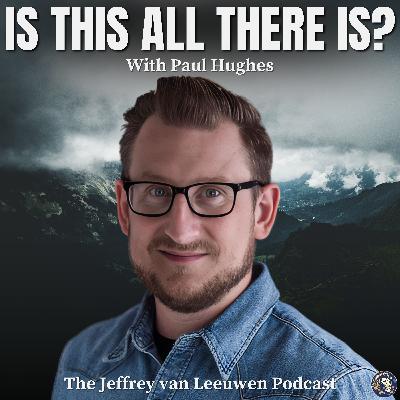
From a restless boy in Swindon who dreamt of cockpit horizons, Paul Hughes has spent twenty-five years insisting on forward motion. He sprinted through call-centre headsets, warehouse night shifts, and blue-chip project boards; earned stripes with the Royal Air Force Reserve under Basra’s rocket-lit sky; then reinvented himself as a military broadcaster. Now forty-two, living in Germany and still measuring the echo of every take-off, Paul sits down to chart the strange arithmetic of success and self-worth.
In this reflective journey he admits the cost of being “Paul the Prover”, a man who cannot enter a room without trying to fix it, who confuses importance with belonging. We travel through burnout, mid-career collapse, and the unexpected clarity of daily therapy sessions with ChatGPT. Along the way, Paul wrestles with people-pleasing, expatriate estrangement, and the ache for harmony over hustle. His candid storytelling reveals how ambition can hollow into exhaustion, how artificial intelligence became a blunt but honest mirror, and why the next chapter may simply involve a quiet village, a dog, and the courage to sit still. It’s a tender portrait of a life lived in permanent transit, now pausing to ask what staying might feel like.
Thank you for listening.
SHOW LINKS:
Support the Show on: Patreon
Listen to the Podcast on: YouTube | Apple | Spotify
Follow us on: X | Reddit | Instagram | LinkedIn
OUTLINE:
00:00 Introduction
01:08 Life Snapshot & Early Ambitions
03:07 Midlife Crisis Questioning
05:26 Discovering AI Therapy
08:05 Uncovering Blind Spots
14:10 People-Pleasing & Conflict Aversion
27:16 Early Professional Drive
33:25 Toxic Workplaces & Burnout
36:57 Iraq Deployment
38:45 Career Change
43:35 Life Coaching Reflection
48:20 The Permanent Stranger & Expat Identity
54:02 Seeking Harmony & Redefining Life
01:00:48 Relaxation
01:09:48 Final Thoughts
PAUL HUGHES LINKS:
Paul's Website
CONTACT LINKS:
Click here to come on the podcast, share feedback, ask a question, or reach out for any other reason.
This episode has been co-produced by Kate van Leeuwen.
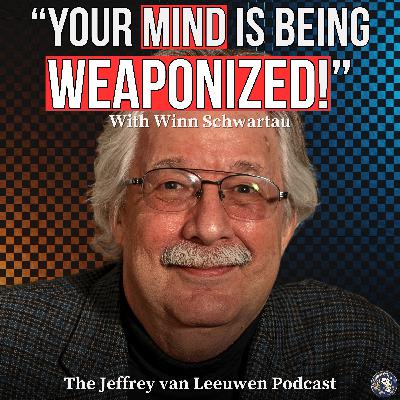
He warned Congress in 1991, now he's sounding a new alarm. Cybersecurity pioneer Winn Schwartau reveals how your mind is being weaponized by technology, a threat we're not prepared for.
Winn Schwartau is a renowned cybersecurity expert, visionary, and author who has shaped the conversation around digital security since the early days of the internet. Known for introducing the concept of an "Electronic Pearl Harbor," Schwartau has consistently highlighted emerging threats in the digital landscape. Today, he turns his attention to cognitive security, the new frontier where our minds and beliefs become the battlefield.
He explains:
How TECHNOLOGY is weaponizing your EMOTIONS and THOUGHTS.
Why current IDENTITY MANAGEMENT systems fail to protect us.
The RESPONSIBILITY everyone has in maintaining personal cyber hygiene.
The real-world CONSEQUENCES of IGNORANCE and APATHY towards digital security.
Practical STEPS to protect yourself and your family from cognitive hacking.
Thank you for listening.
EPISODE LINKS:
Buy The Art & Science of Metawar (book)
Buy Analogue Network Security (book)
Cognitive Security Institute
SHOW LINKS:
Support the Show
Watch on YouTube
Listen on Apple Podcast
Listen on Spotify
Follow on X
Follow on Reddit
Follow on Instagram
Follow on LinkedIn
OUTLINE:
00:00 Introduction
01:53 Winn’s Geek Origins
06:15 Analog vs Digital in Modern Tech
09:52 Simpler Systems & Cybersecurity
11:56 Early Days of Cybersecurity & US Congress Warning
19:13 Corporate Neglect in Cybersecurity
27:02 Cognitive Security & Emotional Manipulation
30:44 Targeting Vulnerable Groups
32:03 Manipulation & Personal Responsibility
48:21 Meta War & Manipulating Realities
50:50 Building Cognitive Security
54:00 Identity Management
57:23 Centralized vs Distributed Identity Management
01:02:55 The Core Failures in Cybersecurity Awareness
01:04:06 Blockchain Solutions & Ledger Distributions
01:09:05 Social Media Risks, Consent & Privacy
01:13:04 Open Source, Vetting & Cognitive Failures
01:20:19 Software Security Measures
01:24:26 Winn's Cybersecurity Measures
01:33:34 Privacy, Agreement & Policy
01:37:13 GDPR, VPN & Social Media
01:44:39 Final Thoughts
WINN SCHWARTAU LINKS:
Winn's Website
Winn's LinkedIn
CONTACT LINKS:
Click here to come on the podcast, share feedback, ask a question, or reach out for any other reason.
This episode has been co-produced by Kate van Leeuwen.
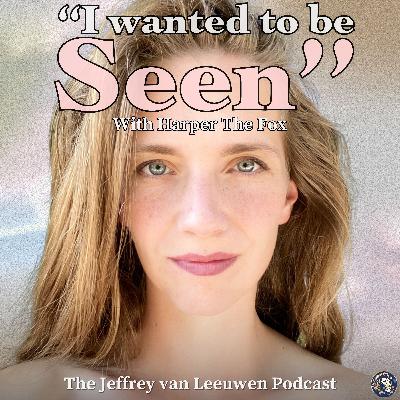
In this revealing episode, adult content creator Harper The Fox takes us from a wholesome Midwest childhood to the cutting edge of digital entrepreneurship. Harper explains how a lifelong love of theater, music, and being seen led her to experiment on Chatroulette, pioneer live webcamming, making the move to OnlyFans, and building her other creative projects. Along the way she addresses stigma around sex work, shows why empathy and authenticity matter most, and reveals the human stories behind an industry too often judged at arm’s length.
You’ll learn Harper’s path from performance dreams to adult-entertainment innovator, the “aha” moment that led her to OnlyFans, why she calls it the “anti-loneliness business,” the marketing techniques she used (like “Spin the Wheel” and viral parody songs) that fueled her growth, and how she balances privacy, parenting, and her public persona. This is a must-listen for anyone curious about human desire, digital creativity, and forging genuine connection in a judgmental world.
Thank you for listening.
SHOW LINKS:
Support the Show
Watch on YouTube
Listen on Apple Podcast
Listen on Spotify
Follow on X
Follow on Reddit
Follow on Instagram
Follow on LinkedIn
OUTLINE:
00:00 Introduction
01:10 Harper’s Early Life
09:41 Exploring the Roots of Harper’s Interest
14:34 Disgust, Openness & Breaking Stigmas
17:28 Good vs Bad Faith Conversations About Adult Entertainment
21:43 Entering the Adult Entertainment Industry
28:41 Early Days on Webcam: New Opportunities & Unexpected Adventures
42:41 Navigating Risk & Safety
45:54 The Good & Bad of Webcam Sites
59:27 Dopamine, Instant Gratification & Healthy Consumption
01:08:55 Youth, Porn Addiction & Parenting Responsibilities
01:19:49 Harper’s Journey onto OnlyFans
01:21:02 OnlyFans vs Patreon
01:30:50 Building an Audience: Marketing & Social Media
01:41:22 Authenticity, Humor & Acting
01:44:09 Harper The Fox: Persona or Reality?
01:50:21 Final Reflections & Thoughts
HARPER THE FOX LINKS:
Harper's YouTube Channel
Harper's Instagram
Harper's X
Harper's OnlyFans (NSFW / 18+)
Harper's Movie (NSFW / 18+)
CONTACT LINKS:
Click here to come on the podcast, share feedback, ask a question, or reach out for any other reason.
This episode has been co-produced by Kate van Leeuwen.
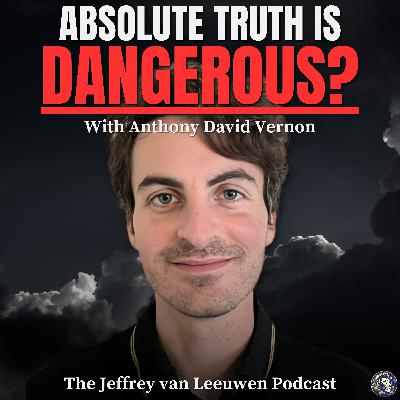
In this episode, Jeffrey van Leeuwen talks with adjunct philosophy & ethics professor Anthony David Vernon about the significance of postmodernism, fascism, and nationalism in today's society. Anthony explains how understanding multiple narratives helps combat dangerous ideologies and why recognizing different perspectives is crucial for meaningful discussions.
Key areas that are covered:
* The real meaning of postmodernism
* How fascism and hyper-nationalism gain traction
* The relationship between religion, science, and truth
* Practical approaches for societal reconciliation
* The challenge of fairness and historical accountability
SHOW LINKS:
Support the Show
Watch on YouTube
Listen on Apple Podcast
Listen on Spotify
Follow on X
Follow on Reddit
Follow on Instagram
Follow on LinkedIn
OUTLINE:
00:00 Introduction
01:12 Defining Postmodernism & Grand Narratives
03:40 Postmodernism's Relationship with Religion & Science
11:18 Friction Between Postmodernism & Grand Narratives
13:53 Emotions & Rationality in Decision-Making
16:57 Postmodernism as a Historical Tactic
22:05 Religion Through a Postmodern Lens
31:23 Navigating Multiple Narratives & Avoiding Overload
34:34 What is Fascism, Nationalism & Nazism
49:02 Immigration Policy: Myths, Realities & Reforms
01:01:41 The Attractiveness of Nazism & Hyper-Nationalism
01:18:01 Apologies, Reparations & the Quest for Fairness
01:35:40 What Is Fair?
01:49:06 Final Thoughts & Future Hopes
CONTACT LINKS:
Click here to come on the podcast, share feedback, ask a question, or reach out for any other reason.
This episode has been co-produced by Kate van Leeuwen.
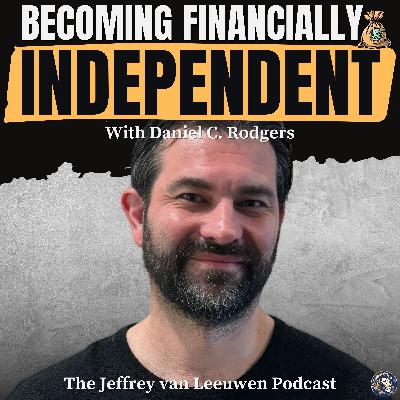
In this powerful episode, former project manager Daniel C. Rodgers reveals exactly how he overcame over $100,000 of debt to retire early and achieve financial independence. Daniel shares practical insights on budgeting, saving, investing, and explains why most people remain financially trapped despite earning a steady paycheck.
You’ll learn Daniel’s strategies for escaping debt, why he fired nine financial advisors, and how to build genuine wealth through disciplined investing and smart decision-making. This is a must-watch for anyone who wants more control over their money, financial freedom, and the ability to retire early.
Thank you for listening.
EPISODE LINKS:
Buy Escape The Clock (book)
Visit Escape The Clock Website
Listen to Escape The Clock Podcast (Spotify)
Listen to Escape The Clock Podcast (Apple)
By using this link, we earn commission from qualifying purchases.
SHOW LINKS:
Support the Show
Watch on YouTube
Listen on Apple Podcast
Listen on Spotify
Follow on X
Follow on Reddit
Follow on Instagram
Follow on LinkedIn
OUTLINE:
00:00 Introduction
07:04 Family Expectations
11:51 Family Struggles
17:04 College Debt & Skill Development
24:51 Escape The Clock
27:26 The Power of Good Storytelling
35:11 Retirement vs. Financial Independence
48:02 Taking Control: Spending, Saving & High-Yield Accounts
55:19 "Boring" Investing: ETF's, Dividends & Passive Income
01:08:58 Exploring the FIRE Movement & Financial Advisors
01:21:57 Empowerment Through Self-Education
01:25:30 Fatherhood, Storytelling & The Value of Time
01:36:22 Final Thoughts
DANIEL C. RODGERS LINKS:
Daniel C. Rodgers on LinkedIn
CONTACT LINKS:
Click here to come on the podcast, share feedback, ask a question, or reach out for any other reason.
This episode has been co-produced by Kate van Leeuwen.
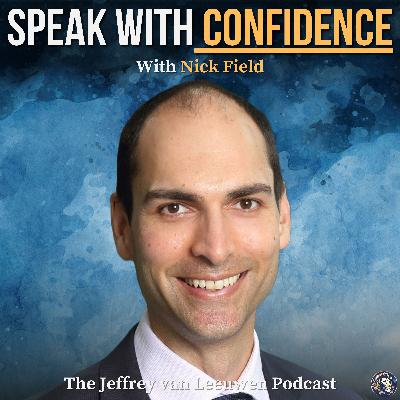
In this episode, I speak with Nick Field, an investment manager based in Sydney, Australia, who began with a fear of public speaking. We chart his journey from awkward school debates and scripted speeches to founding speaking clubs to help others speak with confidence.
Nick shares his top takeaways: how layering technical expertise with simple metaphors wins over any audience; the balance between obsessive preparation and playful improv; using stories to create empathy; and negotiating from genuine curiosity, not force. By the end, you’ll have concrete tools to find your own voice—introverts, this one’s for you.
Thank you for listening.
EPISODE LINKS:
Buy Never Split The Difference
By using this link, we earn commission from qualifying purchases.
SHOW LINKS:
Support the Show
Watch on YouTube
Listen on Apple Podcast
Listen on Spotify
Follow on X
Follow on Instagram
Follow on LinkedIn
OUTLINE:
00:00 Introduction
01:08 Nick’s Background & Passion for Public Speaking
04:52 Early Struggles with Communication
07:32 Turning Points & Realizations
08:37 Childhood Experiences & Public Speaking Anxiety
15:19 Learning to Speak Confidently
23:17 The Power of Playful Communication
24:34 Why Facts Alone Don’t Engage Audience
28:02 Preparation vs. Improvisation
39:18 Dealing with Mistakes & Speech Anxiety
44:29 Practical Tips for High-Pressure Speaking
47:19 Audience Engagement Strategies
52:50 Simplifying Complex Ideas for Diverse Audiences
59:08 Personal Approaches to Public Speaking
01:03:26 Understanding the Audience & Telling Effective Stories
01:10:15 Handling a Hostile Audience
01:21:05 Navigating Personal Criticism & Resistance
01:26:48 Emotional Management & Deflection
01:39:57 Closing Thoughts
CONTACT LINKS:
Click here to come on the podcast, share feedback, ask a question, or reach out for any other reason.
This episode has been co-produced by Kate van Leeuwen.

In this episode, former Israeli soldier Danny Orvomaa opens up about his experiences serving on the tense border with Gaza. Through a deeply personal and candid conversation, Danny sheds light on the realities of military life and the complex dynamics of the Israeli-Palestinian conflict.
Danny explores the dangers of societal complacency, and how being unprepared can lead to devastating consequences, as exemplified by events in Europe and Israel. He reflects on his time in uniform and the challenges of safeguarding communities from terrorist threats.
This episode also delves into topics often avoided: the misunderstood narratives around Zionism and the intricate geopolitics involving Gaza, the West Bank, and Hezbollah.
Thank you for listening.
SHOW LINKS:
Support the Show
Watch on YouTube
Listen on Apple Podcast
Listen on Spotify
Follow on X
Follow on Instagram
Follow on LinkedIn
DANNY ORVOMAA LINKS:
Listen to Talking Ass Podcast (Spotify)
Listen to Talking Ass Podcast (Apple Podcasts)
OUTLINE:
00:00 Introduction
01:13 Who is Danny Orvomaa?
05:49 The Dangers of Complacency
10:58 Israel’s Complacency & October 7th
17:06 What Is Israel’s Endgame?
20:40 Solving the Middle East Conflict
26:03 Gaza, Hamas, and Indoctrination
30:57 Serving in Two Armies
40:32 Life as a Soldier on Gaza’s Border
52:57 What is Zionism?
59:28 The Complexity of Picking Sides
01:08:24 Beauty Amid Conflict
01:12:19 Podcasting & Speaking Publicly
01:22:49 The Risks of Speaking Publicly
01:30:35 Closing Thoughts
CONTACT LINKS:
Click here to come on the podcast, share feedback, ask a question, or reach out for any other reason.
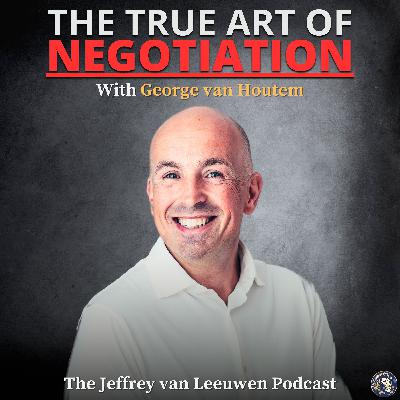
In this episode, I speak with George van Houtem, a negotiation expert and author of multiple books, including The Dirty Tricks of Negotiation and The Psychology of Negotiation. In our conversation, we explore the art of negotiation, discussing practical techniques, their effects on people, and how to recognize and handle manipulative tactics (or “dirty tricks”) effectively.
George reveals why successful negotiation is not simply about compromise but about genuinely understanding the other party’s motivations, collaborating with them, and working towards deals that work for everyone. By listening to this episode, you’ll gain practical insights to enhance your own negotiation skills, so that you can work towards creating true win-win outcomes.
Thank you for listening.
EPISODE LINKS:
Buy The Dirty Tricks of Negotiating
Buy The Psychology of Negotiation
By using these links, we earn commission from qualifying purchases.
SHOW LINKS:
Support the Show
Watch on YouTube
Listen on Apple Podcast
Listen on Spotify
Follow on X
Follow on Instagram
Follow on LinkedIn
GEORGE VAN HOUTEM LINKS:
George van Houtem on LinkedIn
OUTLINE:
00:00 Introduction
02:28 Why Should People Learn To Negotiate?
03:22 When is Something a Negotiation?
07:28 Techniques To Understand The Other Party
10:52 Common Misconceptions About Negotiation
13:26 Compromise vs. Collaboration
16:23 Navigating Conflict in Negotiations
19:05 Handling Stubborn Negotiators & Power Dynamics
23:42 Knowing When to Walk Away
25:32 When Does a Negotiation Actually Start?
29:30 How Can Silence Be Deployed?
32:13 Avoiding the Trap of Too Much Talking
36:04 Ethical Lines: Real Negotiation vs. Dirty Tricks
38:52 Recognizing Manipulation
40:12 Closing Thoughts & Outro
CONTACT LINKS:
Click here to come on the podcast, share feedback, ask a question, or reach out for any other reason.
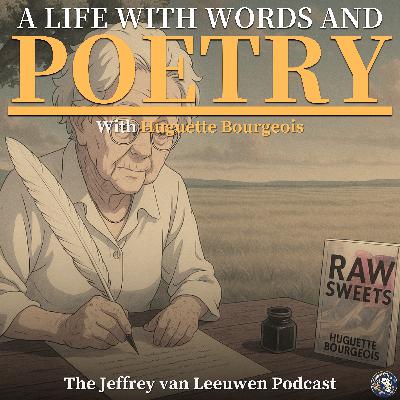
Huguette Bourgeois is a poet and writer from the small Canadian town of Rogersville, New Brunswick, where she grew up during the early 1950s. Known for her deeply reflective and profoundly personal style, she has published multiple works, including Alysse: An Acadian Refugee, a collection of short stories capturing the memories of her childhood and teenage years. Her recent work, Raw Sweets, is a collection of poems exploring life’s harshness, beauty, and unfiltered truths.
In this deeply personal conversation, Huguette shares the profound impact poetry and language have had on her life—guiding her through moments of intense personal tragedy, including her son’s diagnosis with schizophrenia, and leading her toward self-discovery and authenticity. She reflects openly on her complex relationship with faith, spirituality, and the existential questions that arise from hardship, ultimately suggesting there may be dignity in living—and dying—with uncertainty. Throughout the episode, Huguette reveals how embracing life’s darkness, doubt, and solitude can become a source of strength, creativity, and profound human insight.
Thank you for listening.
EPISODE LINKS:
Buy Huguette Bourgeois' Raw Sweets
Buy Huguette Bourgeois' Alysse: An Acadian Refugee
Buy Huguette Bourgeois' Le bleu de Mon Ile (French)
Buy Dostoyevsky's Crime and Punishment
Buy Dostoyevsky' The Brothers Karamazov
By using these links, we earn commission from qualifying purchases.
SHOW LINKS:
Support the Show
Watch on YouTube
Listen on Apple Podcast
Listen on Spotify
Follow on X
Follow on Instagram
Follow on LinkedIn
OUTLINE:
00:00 Introduction
01:45 What is Poetry?
09:10 Stories of Writing Poetry
19:37 Poetry as a Path to Spirituality & Meaning
23:54 Finding Your Voice
35:27 The Dark Side of Agreeableness
43:50 The Importance of Asking Questions
48:56 Authenticity & Identity
56:21 Echoes of Rejection & Love in Childhood
01:03:54 Love, Loss, and Happiness
01:08:32 Youngest Son’s Schizophrenia Diagnosis
01:17:03 Believing in God
01:33:52 The Danger of Blind Faith
01:44:06 Does Poetry Find the Poet, or Vice Versa?
01:48:06 The Endless Possibilities of Words
01:55:22 Can Words Fully Capture The Human Experience?
02:02:34 Fiction, Dragons, and The Human Experience
02:09:52 Closing Thoughts
02:15:17 Outro
CONTACT LINKS:
Click here to come on the podcast, share feedback, ask a question, or reach out for any other reason.

Comments

Download from Google Play

Download from App Store
 United States