


 Claim Ownership
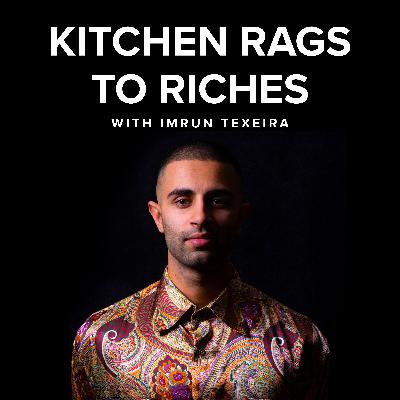
Kitchen Rags to Riches
Subscribed: 1Played: 3
Subscribe

© Imrun Texeira
Description
Thinking about a career in the food industry? There are more paths than you realize. I'm Imrun Texeira. After 15 years of experience as a chef in Michelin-star kitchens and on the Food Network, I've spent the last five years guiding thousands of students through career pathways in the food and hospitality industry. On Kitchen Rags to Riches, I interview successful restaurateurs, private chefs, food writers, content creators, foragers, and food tech entrepreneurs who share exactly how they built fulfilling careers. Subscribe now and start mapping out your journey.
17 Episodes
Reverse
Roger Mooking is a chef and a musician, and he does not treat those as two careers. In this episode he explains why food and music are the same thing to him. Both carry culture. Both tell you where someone comes from before they say a word.He starts with his upbringing. Growing up between cultures shaped how he cooks, what he reaches for, and why he never tried to pick a single lane.Then we talk about the move into media. Roger says leaving the kitchen for the camera was not a break from cooking, it was the next room. What carried over was storytelling, and he is firm that the story has to be real. Audiences can smell a made up narrative, and the industry is full of them.Fame comes up, and Roger is honest about it. He would rather have the work than the attention. He talks about protecting his privacy and why being known is not the same as being fulfilled.We also get into Canadian cuisine. Roger has watched it change, and he credits the cultural mix that made it what it is now. His take on where it goes next is worth the listen on its own.The back half turns to staying in this for the long run. Burnout is real, and Roger talks about learning to recognise his own limits. He shares the practices that keep him steady, meditation included, and why longevity in this industry is a skill you have to build on purpose.He finishes on travel, and why getting out and eating local food somewhere else is the fastest way to get your creativity back. Then his read on the future of the industry, which lands on sustainability and authenticity over spectacle.Topics: culinary identity, food and music, media transition, authentic storytelling, Canadian cuisine, fame and privacy, mental health, burnout, travel, future of the food industry.
Gen Z opens about 90 percent of their texts. About 30 percent of their emails. If you are still sending interview invites to an inbox, you are losing candidates before you meet them.That stat is where this conversation starts, and it goes somewhere most hiring advice does not.Val Upfold makes the case that the interview itself is broken. Not the questions, the experience. Candidates show up anxious, underprepared, and guessing, and then we judge them on how they perform under that pressure. Val's point is simple. A stressful interview does not test the person, it tests their nerves.The fix is not complicated. Send the questions in advance. Tell people who they are meeting, how long it will take, and what happens next. Let them prepare. Val explains why that does not make hiring easier for the candidate in a bad way. It just gets you a better look at how they actually think.We also get into the small stuff that changes everything. Personalising a template instead of firing off the same copy and paste rejection. Answering fast. Treating the whole process like the first impression of your workplace, because that is exactly what it is.And Val is direct about the complaining. Every operator says they cannot find good people. Fewer are willing to change how they look for them.If you hire cooks, servers, or anyone under 30, this one will cost you nothing to act on and could change your whole pipeline.Topics: Gen Z, recruitment strategies, interview process, candidate experience, hiring communication, texting candidates, reducing interview anxiety, hospitality hiring, staff retention, talent attraction.
Romain Avri was in Michelin kitchens in France at 17. Then he landed in Toronto and got a culture shock he still talks about.In this episode, Romain explains why starting that young is a real advantage. You get handed the right standards before you pick up bad habits. He says a couple of months in those kitchens can be worth years somewhere else.He also pushes back on the myth. Michelin culture is still misunderstood in North America, and Romain thinks talking plainly about the pressure is healthier than protecting the mystique. Hiding behind aura protects bad behaviour. It does not raise standards.Then we get into Canada. His take is blunt. The problem is not talent. It is rent, margins, and investor risk. Toronto could have far more serious restaurants, but the math punishes ownership before a room has time to mature. He also argues Canada needs to stop importing French validation and start trusting what grows here, from Ontario protein to coastal fish and berries.We talk about the scene itself. Romain says chefs here fight over the same slice of the cake instead of building a bigger one. Another chef winning should create lift, not resentment.The second half is the pivot. When the traditional path stalled, social media became a real lane. Recipe videos, brand deals, consulting, private chef work. Romain treats content as modern advertising, but he is clear on why his videos land. The recipes were tested in real kitchens first. Document the skill, do not perform it.He gets honest about the harder stuff too. Burnout, therapy, and how kitchen culture often mirrors patterns people never dealt with. His view is that the loudest guy in the room is usually the least regulated one, and that understanding why someone reacts makes you a better leader.He finishes with what is next. Bigger goals, a possible TV show built on food history, more charity work, and a reputation he guards closely.Topics: Michelin kitchens, French culinary training, Toronto food scene, Canadian cuisine, restaurant economics, chef burnout, mental health in kitchens, food content creation, social media for chefs, brand deals, culinary career pivot.
Chef Nuit started out in nursing. She ended up building one of the most respected Thai restaurant groups in Canada.In this episode she walks through that turn. Why she made it, what it cost, and how she kept going when the industry was not built for her. She is open about the challenges she faced as a woman in professional kitchens, and about what it takes to earn respect when you are running rooms in a new country.We talk a lot about food and culture. Dining in Thailand is not the same as dining in Canada, and Nuit explains where guests get Thai food wrong. Regional dishes. Real heat. The stuff that never makes it onto a standard menu here. She is still educating people every night, and she says that job is never finished.Then we get practical. Sourcing authentic ingredients, and how Toronto's diversity makes that easier than it used to be. Pricing, and why people will pay for one cuisine but push back on another. That part is honest and a little uncomfortable, in a good way.Nuit also talks about Michelin recognition. The doors it opened, and the pressure that came with it.She closes with advice for young cooks and what she wants for the next generation coming up behind her.Topics: Chef Nuit, Thai cuisine, Toronto restaurants, culinary journey, Michelin recognition, cultural dining, restaurant management, sourcing ingredients, cooking advice, women in hospitality.
Michel Falcon did not fall into hospitality. He grew up in it. In this episode, he traces his path from a family legacy in the business to running and scaling his own restaurants.The core of the conversation is people-first culture. Michel does not treat that as a poster on the wall. He explains why investing in your team is the long play, how employee engagement shows up in the guest experience, and what it actually costs to build a brand people want to work for.We also get into the money. Restaurant margins are thin, and Michel is blunt about it. Financial management is not the boring part of the job, it is the job. He shares how he thinks about numbers without letting them run the culture.Then we talk growth. Franchising is central to how Brasa is expanding, and Michel breaks down what he looks at before opening in a new market. Market dynamics, timing, and the discipline to say no to the wrong deal.He also opens up about the hard parts. The challenges, the resets, and how his own experiences shaped the way he leads now. His take is that leadership is a learning job, not a finished one.If you want to run your own place one day, or grow the one you already have, start here.Topics: hospitality, restaurant industry, consulting, people-first culture, employee engagement, franchising, business growth, culinary innovation, restaurant leadership, personal journey.

Comments

Download from Google Play

Download from App Store
 United States