


 Claim Ownership
 Radical Soul
Radical SoulSubscribed: 4Played: 14
Subscribe

© Jera Brown
Description
Formerly Left-Handed Journeys. Interviews with radical souls about their spiritual journeys, especially centering the stories of queer folks and sex workers.
This podcast is part of the larger Radical Soul brand which centers justice, strives to help others heal from religious trauma, and rejects white and Christian supremacy.
Want to be featured? Email jera@jerabrown.com.
radicalsoul.substack.com
This podcast is part of the larger Radical Soul brand which centers justice, strives to help others heal from religious trauma, and rejects white and Christian supremacy.
Want to be featured? Email jera@jerabrown.com.
radicalsoul.substack.com
36 Episodes
Reverse
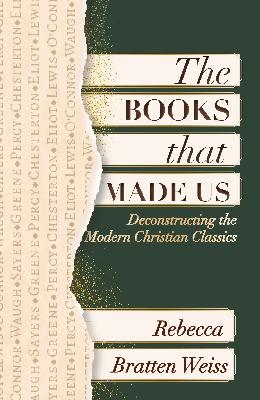
Many of us raised in the church grew up idolizing Christian authors like C.S. Lewis, Dorothy Sayers, and Flannery O’Conner. And you didn’t have to grow up in the church to learn to love J.R.R. Tolkien. But looking back, these authors can be problematic. Rereading them, it’s easy to spot sexism, racism, classism that we either internalized or brushed off before.In Rebecca Bretten Weiss’s new book The Books That Made Us: Deconstructing the Modern Christian Classics, Weiss revisits nine classic Christian authors while taking us through her own exodus from conservative Catholicism. About so much of the literature that young adults like Rebecca and I grew up reading and idolizing, she writes, “Maybe we weren’t all gung-ho for xenophobia, antisemitism, and white supremacy from the start, but we just didn’t take them seriously enough.”In this podcast episode, we discuss the impacts of these authors on our younger selves, how to read them now, how this literature fits into someone’s deconstruction process, and the difference between propaganda and protest literature.When we love writers, we want to forgive them. We want to come up with a good explanation for why they did that thing. It couldn’t possibly have been racist … And I think we have to be really much more willing to make tentative statements versus dogmatic ones and then be willing to retract them if we realize we’re wrong. That’s kind of part of what’s involved if we’re going to be good readers who are engaging with the literate works that are happening around us right now.Rebecca Bratten Weiss during the Radical Soul PodcastAbout the GuestRebecca Bratten Weiss is a writer, editor, and scholar who studies the intersection of religion and culture, with an emphasis on the dynamics of far-right ideology. She is digital editor at U.S. Catholic magazine, co-host of the Glad You Asked podcast, and a regular contributor to the National Catholic Reporter. She is the author of The Books That Made Us: Deconstructing the Modern Christian Classics (Orbis Books). This is a public episode. If you would like to discuss this with other subscribers or get access to bonus episodes, visit radicalsoul.substack.com
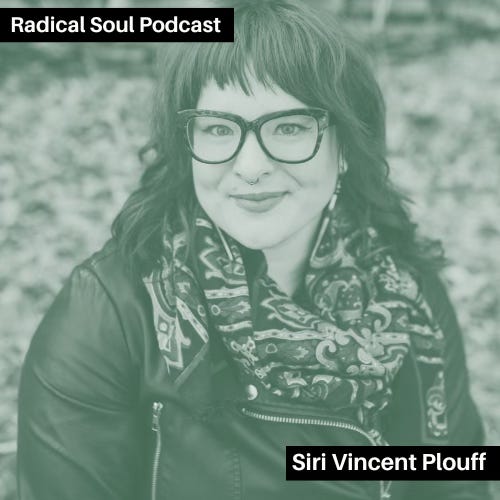
As early as the mid-19th century, white supremacists started using Norse mythology in an attempt to legitimize ideas that people with Scandinavian or Germanic heritage were of a superior race. Later, the Nazis used Nordic symbols, often the runes, as part of their party. To this day, white supremacists often claim Norse paganism, also known as heathenry, perverting the true meaning of the myths and symbols in order to fit their twisted ideology.But many modern Norse pagans are taking a stand: actively creating inclusive communities and stating exactly what they stand for. We can also find Nordic witches like Siri Vincent Plouff, my guest for today’s episode, who are teaching and practicing heathenry from an inclusive lens.For white folks with Nordic or Germanic ancestry (which includes me), there’s power in researching (and potentially even adopting) the beliefs of our ancestors.Yes, we need to confront the fact that many of our ancestors would have been colonizers, as well. And we have a responsibility to do better. But go back far enough, and our ancestors were also impacted by the forceful spread of Christianity, which turned their native practices into a crime.For me, the beauty of researching Nordic and Celtic stories and traditions is to understand a little of what my ancestors would have practiced before many of them were forced to convert. What gods or goddesses might they have prayed to? What animals or seasons did they find sacred? What herbs or trees did they have a special connection to or use to heal their families? What can I claim for myself to root myself in the traditions of my ancestors?[I need to add that heathenry isn’t just for white folks or for people with Nordic or Germanic heritage. That’s kinda the whole point: it should be for anyone for whom the stories, rituals, and the runes resonate.]For this newest episode of the Radical Soul podcast, I spoke to Siri, author of the newly released, Queering the Runes: Reclaiming Ancestral Wisdom in Rune Magic & Mythology.During our conversation, Siri offers a high-level overview of heathenry. We also chatted about how it was appropriated by the Nazis and continues to be misused by white supremacist groups, and how modern heathens are creating a more inclusive practice.As Siri mentions in the episode, “it can’t just be that we aren’t racist. It can’t just be we’re an inclusive group because we exclude the bad guys. It has to be like: then what are you actually doing? What are the good things that you are trying to spread in the world? What do you actually stand for?”For folks interested in learning more, Siri offers many anti-racist heathen resources on their website.You can also join us on Sunday January 19th 1-3pm ET for an introduction to queering the runes. This is a donation-based event. RSVP here.About the BookSiri’s new book, Queering the Runes: Reclaiming Ancestral Wisdom in Rune Magic & Mythology, is an inclusive guide to Nordic paganism and rune divination. In the first chapters, it covers some of what we discussed in the podcast in more detail. But the majority of the book is dedicated to understanding and working with the runes through a queer lens.Siri offers their own take on each rune, as well as recommendations for using a specific rune for ancestral work. Their recommendations are often queer- or nature-oriented.For instance, Siri associates the Jera rune, the rune of the harvest and summer, with Pride: “a moment of being celebrated by and among your chosen family and friends for being exactly who you are.” To use Jera energy to work with your ancestors, they recommend asking what the growing season might’ve looked like for your ancestors and how you might “pay tribute to your ancestors on specific harvest festivals.”About the GuestSiri Vincent Plouff (they/them) is a Nordic witch, rune reader, and tarot reader. They are the author of Queering the Runes: Reclaiming Ancestral Wisdom in Rune Magic & Mythology and coauthor with Cassandra Snow of Lessons from the Empress: A Tarot Workbook for Self-care and Creative Growth. As an unabashedly queer person, they are constantly interrogating runes and Nordic practices through a unique lens of sexual and gender identity. They see witchcraft as a way to break out of expectations and live outside of society. Siri is the brain behind the radical heathenry podcast The Heathen's Journey. They teach about runes, tarot, and witchcraft. This is a public episode. If you would like to discuss this with other subscribers or get access to bonus episodes, visit radicalsoul.substack.com
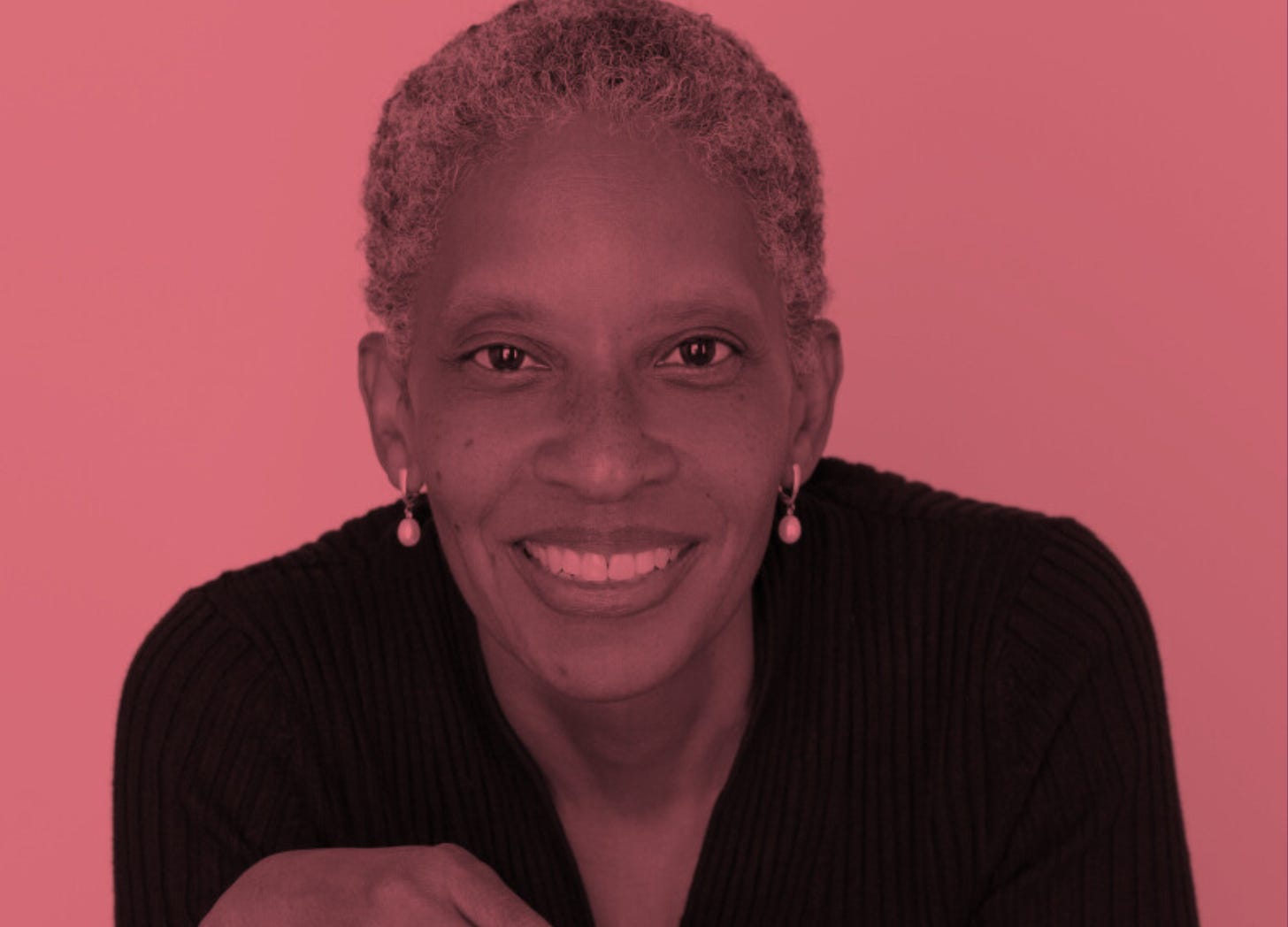
This is the longer of two episodes featuring author, pastoral counselor, and Dharma Leader Dr. Pamela Ayo Yetunde. In this full 90-minute interview, you’ll hear about Ayo’s experiences being a part of the school integration initiative in the 60s and 70s and being bussed to a mostly White school. You’ll hear about her transformative experience with Sister Soulah, her work as an asylum officer, and a lot more.In the 30-minute version, I pulled together moments from our interview that highlight Ayo’s insights about justice with a small j — which is justice on a personal level — versus justice with a Large J — which is systemic change — and how she makes sometimes daily decisions about which to focus on.About Dr. Pamela Ayo YetundeDr. Yetunde, JD, MA, ThD, is pastoral counselor, spiritual director, chaplain, and Community Dharma Leader in the Insight Meditation Community. She is coeditor of the Nautilus Gold Award-winning Black and Buddhist: What Buddhism Can Teach Us About Race, Resilience, Transformation, and Freedom; and the author of Songbird Birdsong: The Story, Casting Indra’s Net: Fostering Spiritual Kinship and Community, Object Relations, Buddhism, and Relationality in Womanist Practical Theology, and the Frederick J. Streng Award-winning Buddhist-Christian Dialogue, U.S. Law, and Womanist Theology for Transgender Spiritual Care. Ayo is the cofounder of Center of the Heart, and Buddhist Justice Reporter. Her upcoming book Dearly Beloved: Prince, Spirituality, and This Thing Called Life will be published in April 2025. Learn more at pamelaayoyetunde.com.This is part of a series honoring queer elders and ancestors. If a queer ancestor or elder has made a difference in your life, nominate them to be featured on Radical Soul. For other radical souls that aren’t queer or not quite an elder: nominate them here. This is a public episode. If you would like to discuss this with other subscribers or get access to bonus episodes, visit radicalsoul.substack.com
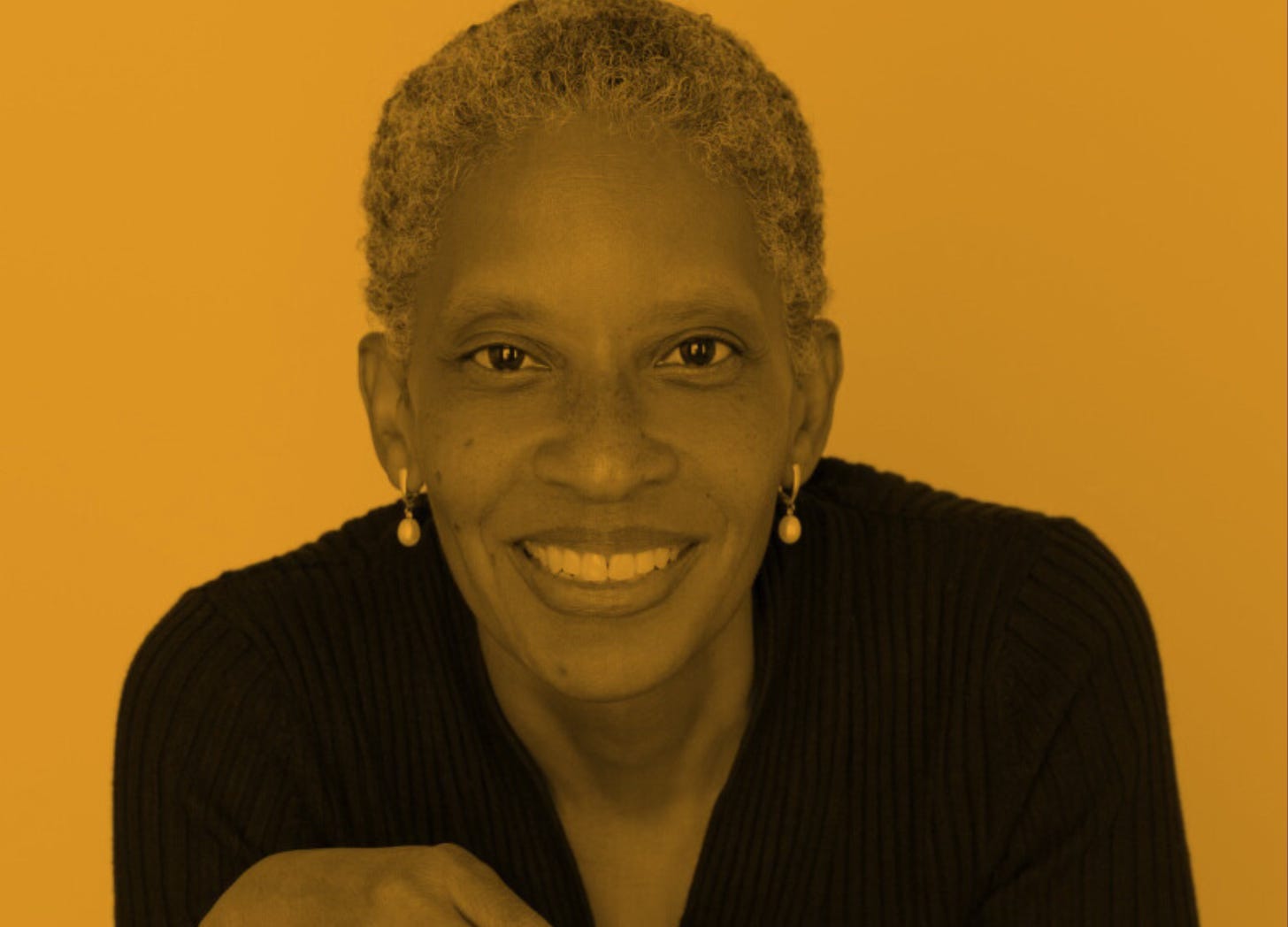
This is the shorter of two episodes featuring Dr. Pamela Ayo Yetunde. In this 30-minute version, I pulled together moments from our interview that highlight Ayo’s insights about justice with a small j — which is justice on a personal level — versus justice with a Large J — which is systemic change — and how she makes sometimes daily decisions about which to focus on.Check out the full 90-minute interview, if you find comfort and insights in the details of how someone’s life and mission radically transforms over the years. You’ll hear about Ayo’s experiences being a part of the school integration initiative in the 60s and 70s and being bussed to a mostly White school. You’ll hear about her transformative experience with Sister Soulah, her work as an asylum officer, and a lot more.About Dr. Pamela Ayo YetundeDr. Yetunde, JD, MA, ThD, is pastoral counselor, spiritual director, chaplain, and Community Dharma Leader in the Insight Meditation Community. She is coeditor of the Nautilus Gold Award-winning Black and Buddhist: What Buddhism Can Teach Us About Race, Resilience, Transformation, and Freedom; and the author of Songbird Birdsong: The Story, Casting Indra’s Net: Fostering Spiritual Kinship and Community, Object Relations, Buddhism, and Relationality in Womanist Practical Theology, and the Frederick J. Streng Award-winning Buddhist-Christian Dialogue, U.S. Law, and Womanist Theology for Transgender Spiritual Care. Ayo is the cofounder of Center of the Heart, and Buddhist Justice Reporter. Her upcoming book Dearly Beloved: Prince, Spirituality, and This Thing Called Life will be published in April 2025. Learn more at pamelaayoyetunde.com.This is part of a series honoring queer elders and ancestors. If a queer ancestor or elder has made a difference in your life, nominate them to be featured on Radical Soul. For other radical souls that aren’t queer or not quite an elder: nominate them here. This is a public episode. If you would like to discuss this with other subscribers or get access to bonus episodes, visit radicalsoul.substack.com
This is part three of a three part series on combating Christian Nationalism. The entire conversation was livestreamed on Wednesday, November 6, the day after the election. Part one covered what Christian nationalism is and who Christian nationalists are. Part two covered what doesn’t work in combatting Christian nationalism, or fascism in general. In this episode, we discuss strategies that do work.My guests for the talk were Blake Chastain, host of the Exvangelical podcast and author of the new book Exvangelical and Beyond: How American Christianity Went Radical and the Movement That’s Fighting Back, lenny duncan, an ordained Lutheran priest and author of Dear Revolutionaries: A Field Guide for a World Beyond the Church, and Redeem Robinson, an ordained minister within the fellowship of the department ministries, and a longtime civil rights activist.Books mentioned in this episodeTreason to Whiteness is Loyalty to Humanity by Noel IgnatievThe Revolution Will Not Be Funded: Beyond the Non-Profit Industrial Complex by Incite! Women of Color Against Incite!Highlights from the entire livestream about strategies to lean into1. Take practical training“It's time to get basic street medic training. If there's a de-escalation training in your area, you need to find one. You need to learn how to make someone realize that they might be making a mistake that will put them in prison for the rest of their life.” Lenny2. Invest in mutual aid“You got to get involved in mutual aid because mutual aid is baseline community living. Get into rent and tenant unions; figure out what they're doing at the encampments that you keep seeing on your highways that you've been ignoring for months.” Lenny3. Invest in other organizations that are BOTH led by and funded by the communities they support“We have to break away from this whole non-profit industrial complex. We have to break away from it. It is killing us. And it's sucking up actual resources that can go to directly impacted people.” Redeem4. Find your ride-or-die community, no matter what they believe or who they voted for.“These will be the people who run towards the gas and the bullets and the pain, and they'll show up the next day cause they're going to want to see what really happened for themselves. And they're going to have lots of ideas. You don't have to convince them of anything. The state does a really good job of convincing people of its violence. You just have to make sure you hold them in that space while they witness it.” Lenny5. Be prepared to welcome and un-condition people fleeing from toxic communities“There will be people who are hurt and they will leave their faith communities and they will go to a place that focuses on a part of their identity or their experience, whether that's because they're a Black Indigenous person of color and they need to focus on that, or because they're queer or because whatever else. We need lots of communities and we need them to do their own thing and focus on their own values and, at the same time, find ways to build meaningful alliances that can combat this sort of stuff.” Blake6. Get serious about supporting alternatives to the two-party system”The Democratic Party is not here to protect us. They are another face for the empire. And the sooner we get that through our heads, the better we can actually fight like supremacy, Christian nationalism, KKK, whatever you want to call fascism.” Redeem7. Resist through pleasure and joy“If you don't got some joy, like listen. After you get done being all serious with us … I hope you're ready to find some joy. I hope you're ready to use your body. I hope you're ready to have some pleasure,” LennyRelatedIn 2020, I wrote about why I regretted unfriending my family over the election and maintaining relationships with political differences for Rebellious Magazine. This is a public episode. If you would like to discuss this with other subscribers or get access to bonus episodes, visit radicalsoul.substack.com

This is part two of a three part series on combating Christian Nationalism. The entire conversation was livestreamed on Wednesday, November 6, the day after the election. If you haven’t heard it yet, part one covered what Christian nationalism is and who Christian nationalists are. A reminder that, when it comes to its impact, Christian nationalism is the same as White supremacy. It’s fascist power under a different name. So in this episode, we talk about what doesn’t work in fighting Christian nationalism, which is also what doesn’t work in fighting white supremacy. Stay tuned for part three, which covers what seasoned activists believe does work and what we should be leaning into right now. My guests for the talk were Blake Chastain, host of the Exvangelical podcast and author of the new book Exvangelical and Beyond: How American Christianity Went Radical and the Movement That’s Fighting Back, lenny duncan, an ordained Lutheran priest and author of Dear Revolutionaries: A Field Guide for a World Beyond the Church, and Redeem Robinson, an ordained minister within the fellowship of the department ministries, and a longtime civil rights activist. This is a public episode. If you would like to discuss this with other subscribers or get access to bonus episodes, visit radicalsoul.substack.com
On Nov 6, I went live on Instagram and YouTube with three spiritual leaders and activists to discuss how to combat Christian Nationalism. I’m breaking up the discussion into three podcast episodes. In this first one, we discuss what Christian Nationalism is and who Christian nationalists are. The second episode is all about what hasn’t worked in combatting it, and the third episode, we discuss what we should lean into now.We know that the majority of people who voted for Trump identify as Christian. And in this first episode, as we explore who these people are that voted for a fascist regime, I find some hope in knowing that it might’ve been me when I was younger. It might be a lot of 20 and 30 somethings who still haven’t woken up to their own trauma, who still haven’t popped the sheltered bubble around them.So if you listen to this episode, and as we organize, I hope it’s helpful to understand that at least some of these people that are currently your enemies will, at some point, be your allies.They aren’t today and I truly believe our responsibility is to protect the most at risk and marginalized among us.But if we’re to believe that change is possible, and as we’re forced to live alongside conservatives who don’t understand the danger they’ve put so many in, that’s what I’m holding onto.They’re not to be trusted right now. They won’t protect you. But they may be a future ally. So let’s figure out how to protect each other until that happens. And it starts by understanding who they are: our current enemy, our possible future ally.Books/Resources Discussed in this Episode Taking America Back for God: Christian Nationalism in the United States, Baptizing America: How Mainline Protestants Helped Build Christian Nationalism, and Exvangelical and Beyond: How American Christianity Went Radical and the Movement That's Fighting Back. Find the Baylor Religion surveys here and the Washington Post 2024 election exit polls here.Meet the Guestslenny duncan is a writer, speaker, scholar, and media producer working at the forefront of racial justice in America. They are the author of Dear Church, United States of Grace, Dear Revolutionaries, and Psalms of My People.In Dear Revolutionaries, lenny offers a series of peace-building practices that will give readers the tools to build, guide, and care for spiritual community in a world beyond the church.A PhD student in Historical and Cultural Studies of Religion, lenny's current research is what they have termed "a peoples history of magic." lenny is originally from West Philadelphia, has hitchhiked thousands of miles on American byways, and makes home up and down the I-5 to see found family, and in the Bay for research. Rev. Redeem Robinson is an openly queer minister, political and civil rights activist, and former school board member. He started the Black Lives Matter Chapter in Tucson in 2015 and was involved in 2020 through his former congregation, Ebenezer Church during the George Floyd protest. In November of 2022, he was appointed to be a commissioner on the Los Angeles County Commission on HIV by the Los Angeles County Board of Supervisors where he brings his ten years of HIV/AIDS ministry experience to the table. Redeem has worked on many political campaigns for federal and statewide races and helped organize around immigrant rights, police accountability, voting rights, climate change, reproductive rights, LGBTQ+ rights, and the impeachment of Donald Trump with NextGen America's Need to Impeach campaign.Blake Chastain is the host of the Exvangelical and Powers & Principalities podcasts, and writer of The Post-Evangelical Post newsletter. His first book, Exvangelical & Beyond: How American Christianity Went Radical and the Movement That's Fighting Back, was just published in September.In Exvangelical and Beyond, Blake offers a critical history of the political ties in the rise of US evangelicalism, and how former evangelicals are finding progressive community to heal and fight back.Blake coined the #exvangelical hashtag alongside the launch of the Exvangelical podcast in July 2016. Since then, exvangelical conversations and communities have proliferated online across social networks like Twitter, Instagram, TikTok, and Reddit. This is a public episode. If you would like to discuss this with other subscribers or get access to bonus episodes, visit radicalsoul.substack.com
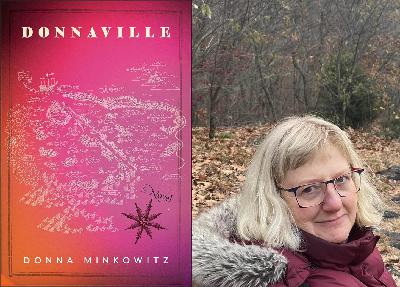
If you’re on a healing journey, you know what I mean by “ahah moments.” Those rare moments when something finally clicks and allows you to finally give up a hurtful habit or belief.These breakthroughs can take years to get to. And it’s not uncommon to believe they’ll never come. Or that they’ll never be enough.Sometimes it’s useful to hear stories about the work paying off. And that’s what author and journalist Donna Minkowitz provides in her newest book, Donnaville, out October 31 from Indolent Books.Donnaville is an autobiographical novel featuring a town that’s at the heart of the author’s internal landscape. The characters are aspects of herself, and we find them on the brink of a revolution. The book is the result of a revolution in Minkowitz’s only life when, after 20 years of traditional therapy, she switched to drama therapy.In this inaugural interview in the Queer Elder Series, I spoke to Donna about this switch and the result. We also spoke about her career, her new book, and what she’s learned about sex, love, and happiness. Has a queer elder made a difference in your life? Nominate them to be featured on Radical Soul! Submit your nomination here.About the GuestDonna Minkowitz is the Lambda Literary Award-winning author of the memoirs GrowingUp Golem and Ferocious Romance: What My Encounters with the Right Taught Me about Sex, God, and Fury. Author Mary Gaitskill has celebrated her as “original, energetic, witty, and meaty,” and Kirkus has praised the “defiant and playful energy” of her work. She was the Village Voice’s longtime columnist on queer politics and culture, and a columnist for The Advocate. Her writing has appeared in the New York Times Book Review, The Nation, Slate, and Salon, and she has frequently gone undercover to report on the far right. Minkowitz is the recipient of a GLAAD Media Award, an Exceptional Merit Media Award, an Art Omi residency, and an award for outstanding journalism from NLGJA: the Association of LGBTQ+ Journalists. This is a public episode. If you would like to discuss this with other subscribers or get access to bonus episodes, visit radicalsoul.substack.com
I’m launching a new series for Radical Soul, honoring queer elders and ancestors. What you can expect:* Podcast interviews with queer activists and authors in their 60s and 70s reflecting on their careers, their personal journeys, and their latest work.* Posts at radicalsoul.co on the legacies of queer activists that have passed on (hopefully a mix of content written by me and submitted by all of you!)Listen to this episode to learn why I’m launching this new series and the inspiration behind it.Nominate a queer elder or ancestor to be featured.I want your submissions! Tell us about someone whose life or work has been meaningful to you, and I’ll feature them on Radical Soul! Submit your nomination here.Music from Snoozy Beats This is a public episode. If you would like to discuss this with other subscribers or get access to bonus episodes, visit radicalsoul.substack.com
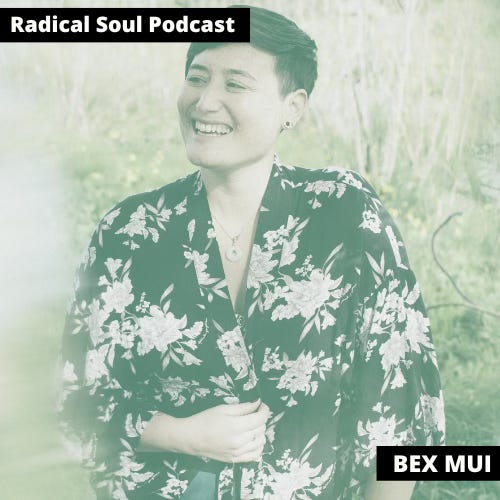
I hope you’re lucky enough to have a friend or friends who specifically check on your mental health. Folks who genuinely want to hear about your anxiety, depression, attempts to focus, regulate sleep, etc. It’s pretty wonderful to have permission to talk about these things.Spiritual activist Bex Mui is taking it one step further. She wants to talk about your spiritual health. In our interview, she explains:“We've always understood physical health. That's always been a part of our system and our societies. And now we're like growing in our understanding of mental health with its own needs and its own tools. I'm really interested and invested in our spiritual health, especially as queer and trans folks. It's crisis time of isolation and of attacks and of grief and I'm really curious about and always thinking about what are the strategies for our spiritual health that exist?”I spoke to Bex in anticipation of Radical Soul’s next book club on March 25 where we’re covering her book: House of Our Queer: Healing, Reframing, and Reclaiming Your Spiritual Practice.The book covers her personal journey to finding the sacredness of her own queerness and how she’s incorporated it into her spiritual practices and identity. It also offers examples of practices that center queerness from Bex’s own “spiritual toolbox.”Listen to the podcast for more of Bex’s history about growing up biracial with two cultural heritages, her spiralic relationship with the catholic church, her thoughts on spiritual leadership, and more.About The GuestBex Mui, M. Ed (she/her) is a biracial, queer witch and energy worker committed to the work of LGBTQ+ affirmation. As a spiritual organizer, Bex believes that a spiritually grounded approach to the work of LGBTQ+ advocacy is increasingly needed, as well as an expansive, shame-free, spiritually-grounded approach to sexuality. In 2021, Bex founded House Of Our Queer, a spiritual playspace committed to enhancing spiritual health for the LGBTQIA+ community. In her book, House of Our Queer: Healing, Reframing, and Reclaiming Your Spiritual Practice, she shares about her spiritual journey being raised Catholic with Buddhist influences, and her current practices including astrology, tarot, sacred sexuality, and honoring ancestors. Through House Of Our Queer, Bex hosts monthly virtual and in-person workshops focused on ritual and reflection. Learn more and stay connected via email, Instagram, or LinkTree. This is a public episode. If you would like to discuss this with other subscribers or get access to bonus episodes, visit radicalsoul.substack.com
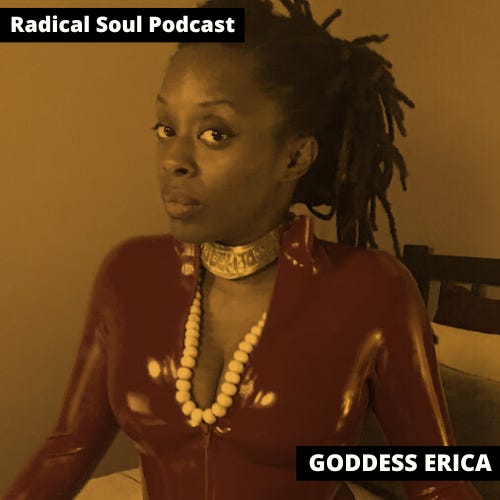
When Goddess Erica and her husband opened up their marriage, her husband helped demonstrate how she deserved to be treated. “I don't want to say that he gave me the standards, but he helped me get to a point where I realized that l my low bar is worship,” she explained in our interview.But this realization wasn’t the only thing that led to Erica claiming her Goddess title. Becoming a mom was also a big part of the journey of learning how she felt about herself:“I gave up my body and was willing to give up my personhood for my son. I chose to be an entity that would do anything for this kid. And then you take just a half step further and you're like, I'm willing to do anything for them — I'm willing to do anything for myself. And if that's not God, then what is?”To Goddess Erica, claiming divinity has everything to do with a fierce and radical self-love.Now she’s on a mission to change the world by helping others recognize their own divinity. She runs a mission-based agency that works with businesses and individuals to provide everything from marketing support to doula services.On the podcast, she tells us her history from growing up as the granddaughter of a Southern Baptist minister to the impact of having a child and opening up her marriage. We also explore the dynamics involved in goddess worship, how to live an orgasmic life and consider an orgasmic death.Goddess Erica is an Orgasmic Doula, specializing in personal empowerment and pleasure- centered childbirth. With a mission of normalizing kink, gender identity, polyamory and radical self-love, her creative services agency offers group workshops, individual coaching and marketing support for sex-positive businesses. To find more information on her body of work and service offerings visit www.YesGoddessErica.com This is a public episode. If you would like to discuss this with other subscribers or get access to bonus episodes, visit radicalsoul.substack.com
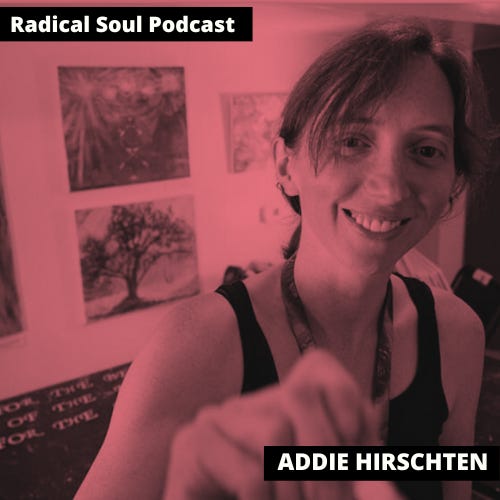
A friend and artist Addie Hirschten recently released her first book, The Alchemy of Symbols: How to Use the Power of Images to Transform Your Life. The book is about living an intentional life filled with symbols: noticing how symbols affect you and paying attention to how the universe may be speaking to you through them, and/or how you also may be speaking to yourself. Addie asks the reader (and podcast listener) to consider what symbols you surround yourself with and why.Symbology is just another tool to work with. It can be part of our self-care toolbox, as well as help us in our work to decondition from and challenge mainstream culture. A way to better understand what messages we absorb and what we choose to own.About The GuestAddie Hirschten, is a visionary painter, public speaker, and host of the Studio Alchemy Podcast. She teaches creativity classes from her studio in Indianapolis, Indiana. Learn more at studioalchemy.art.Books Mentioned On the Podcast* The Alchemy of Symbols by Addie Hirschten* She Who Runs with Wolves: Myths and Stories of the Wild Woman Archetype by Clarissa Pinkola* Goddess in Everywoman: Powerful Archetypes in Women's Lives By Jean Shinoda Bolen* The Myth of Normal: Trauma, Illness & Healing in a Toxic Culture by Gabor Maté* Self-Reliance by Ralph Waldo Emerson This is a public episode. If you would like to discuss this with other subscribers or get access to bonus episodes, visit radicalsoul.substack.com
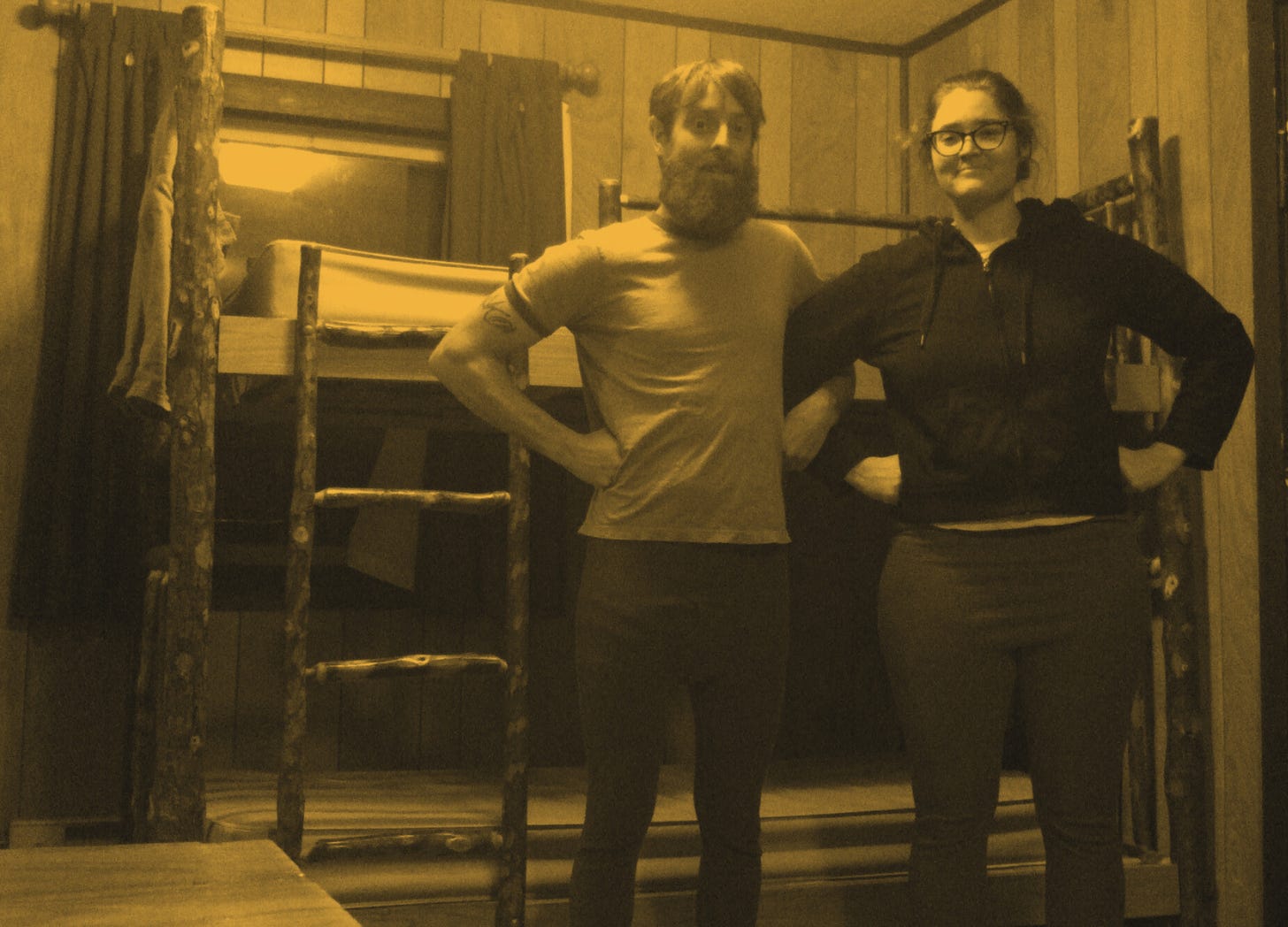
In a special episode of Radical Soul, my partner David Britton interviews me for a change! He asks me about growing up as a pastor’s kid and my move away from Christianity.For the past fifteen years, we’ve been there to witness each other’s spiritual evolutions. The result is a unique glimpse into the ways two people who love each other can impact each other, as well as what remains stable about someone’s personality or essence in the midst of massive change.During the interview, David jokes that the subtitle for this podcast could be “Spirituality, Whatever That Is Anyway,” and he’s completely right. Spirituality — whatever it is — is so often a source of hope, comfort, and meaning to others, that to rigidly define it in a way that takes away that hope, comfort, and meaning would be an act of violence.I offered a definition of what it means to me, which was “divine mystery and connection to the unknown.” But if you asked me tomorrow, I’d probably offer a different answer.I feel the same about defining queerness or justice or even love: these big topics that define us, how we understand ourselves, and how we interact with the world. I once heard activist Loretta Ross speak at a conference and one of the things she said that stuck with me is that a community that forces its members to believe all the same things is a cult. Instead, let’s wrestle with big ideas together and leave space for difference.About David BrittonDavid Britton grew up watching Marx Brothers movies (which his mother loved) and Mystery Science Theater (which his mother hated). He is a comedian, writer, and actor who has performed all over the United States. He has written for the Hard Times, The Daily Dot, and other publications. He recently starred as Reinfield in several sold out performances of Dracula, on Bannerman Island. His newest comedy album “Possum Pals” is a split with comedian Megan Gilbert and can be heard wherever you listen to the things you listen to. Learn more at davidbrittoncomedy.comMore From JeraI was recently interviewed by my friend Addie Herschel for her Alchemy of Art Podcast about being a sexuality writer. We talk about being “obsessed” with sexuality, what makes a relationship codependent, and all of my projects in the works! This is a public episode. If you would like to discuss this with other subscribers or get access to bonus episodes, visit radicalsoul.substack.com
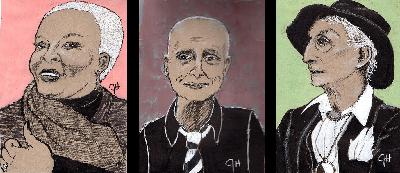
Janet Hardy has a very public body. As a traveling kink educator and public player, it’s no leap to believe that thousands of people around the world have studied her body in public scenes or demonstrations. And as an author, much of Hardy’s work has centered around her own embodied experiences. As such, she has given us access to her body in a profoundly intimate way.Now in her late sixties, Janet reflects on her aging body and her changing relationship with pain, sex, gender, time, and mortality.She opens the book by talking about how she used to teach classes on pain processing which teaches you to divorce “pain from all the feelings that usually accompany it, such as fear, anger or worry.” Learning to process physical pain is exceptionally helpful for kinksters who use pain in their play, not to mention anyone living with chronic pain, preparing for childbirth, recovery from injuries, etc. But she found the same advice could be applied to emotional pain and learning to process feelings like “jealousy, displacement, or insecurity.”“But all my techniques and practices fall short when I think about my own aging and especially about its inevitable endpoint — which is to say, death,” she writes. “That may be one sensation that’s too big for me to process.”The book is an attempt to process it all, from how her body is forcing her to slow down and change what she enjoys to the aging of her partner and the death of her father.Listen to the interview for more on ageism and accessibility issues in alternative communities, Janet’s warning to folks exploring kink and other intense embodied practices, and more.And pick up a copy of Notes of an Aging Pervert for a humorous reflection on aging as an alt-lifer.About the GuestJanet W. Hardy is the author or coauthor of more than a dozen groundbreaking books about relationships and sexuality, including The Ethical Slut, which has sold more than 300,000 copies to date.She spent the first three decades of her life believing that she was the only person in the world who got turned on by thinking about spanking. She wrote her first book, The Sexually Dominant Woman, to help create a world in which nobody else would ever be that clueless.Janet has traveled the world as a speaker and teacher on topics ranging from ethical multipartner relationships to erotic spanking and beyond. She has appeared in documentary films, television shows,and more podcasts and radio shows than she can count. She has narrated audio versions of many of her books, and looks forward to doing more.Janet spent a quarter century as editor-in-chief of Greenery Press, the firm she founded in 1992, which went on to publish dozens of books about alternative sexuality and relationships. While she has retired from being a publisher, she goes on writing, drawing, editing and educating about sexuality.Janet lives the life of a kinky poly queer genderbent geezer in Eugene, Oregon, with her spouse and a whole lot of pets. This is a public episode. If you would like to discuss this with other subscribers or get access to bonus episodes, visit radicalsoul.substack.com

Tristan Taormino’s new memoir A Part of the Heart Can’t Be Eaten combines her relationship with her father who died from AIDS, coming into her own queer identity, and becoming the sex educator and porn creator that she is today.As her astrologer who read her birth chart explained, Tristan is living in her dharma.There’s a beautiful theme of learning to trust her intuition throughout the book, and I asked Tristan about this. How do we learn to build a sense of intuition? You’ll find some of the highlights about this topic below.Listen to the full episode for more about relationships with dykes, acknowledging and exploring power dynamics, what it means to be a spiritual leader, and more.About My GuestTristan Taormino is a writer, speaker, sex educator, and host of the podcast Sex Out Loud. A former syndicated columnist for The Village Voice, she is the author of numerous books, including Opening Up: A Guide to Creating and Sustaining Open Relationships, Down and Dirty Sex Secrets, and The Ultimate Guide to Anal Sex for Women. She is the founding editor of the annual Best Lesbian Erotica anthologies, editor of The Ultimate Guide to Kink: BDSM, Role Play, and the Erotic Edge, and coeditor of The Feminist Porn Book: The Politics of Producing Pleasure. Taormino has won four Lambda Literary Awards and eight Feminist Porn Awards. She lives in Los Angeles.Follow Tristan on Instagram or Twitter @tristantaormino. Follow Jera on Instagram or Twitter @thejerabrown. This is a public episode. If you would like to discuss this with other subscribers or get access to bonus episodes, visit radicalsoul.substack.com
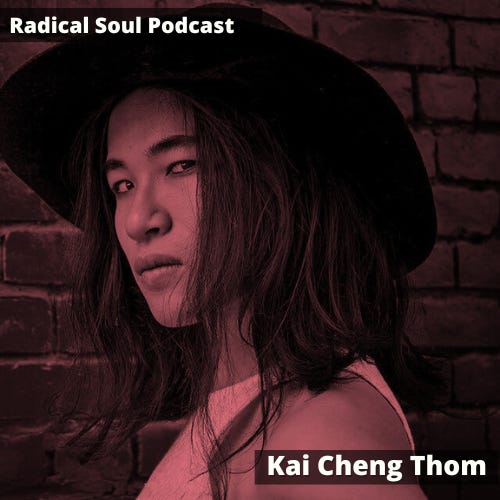
Kai Cheng Thom’s most recent book, Falling Back in Love With Being Human, is a series of letters to people or groups of people who are hard to love. Which is everyone. She addresses trans-exclusionary radical feminists (TERFs) and trans women. She writes to sex workers and their clients. She has letters to mass shooters and their victims. She writes to J.K. Rowling. She writes to herself.The current state of the world can make it awfully hard to ground ourselves in love. It can be hard to love ourselves when we represent something that society is raging against. And it’s just as hard to look at those doing the raging with compassion and curiosity.In this newest episode of the podcast, I spoke to Kai Cheng about her book, what she learned from doing sex work in her twenties, and how she’s cultivating a spiritual practice grounded in love and recognizing the inherent worth of everyone. Basically: who is this wonderful person capable of writing love letters to those who hate her? And how did she become who she is?---Kai Cheng Thom is an award-winning writer, performance artist, and community healer in Toronto. She was a finalist for the Lambda Literary Award and won the Writers’ Trust of Canada’s Dayne Ogilvie Prize for LGBTQ2S+ Emerging Writers for her surrealist novel, Fierce Femmes and Notorious Liars: A Dangerous Trans Girl’s Confabulous Memoir. She is also the author of several other books, including a poetry collection, an essay collection, and two children’s picture books. Kai Cheng writes the advice column Ask Kai: Advice for the Apocalypse for Xtra. Find her on Twitter: @razorfemme or Instagram: @kaichengthom. This is a public episode. If you would like to discuss this with other subscribers or get access to bonus episodes, visit radicalsoul.substack.com
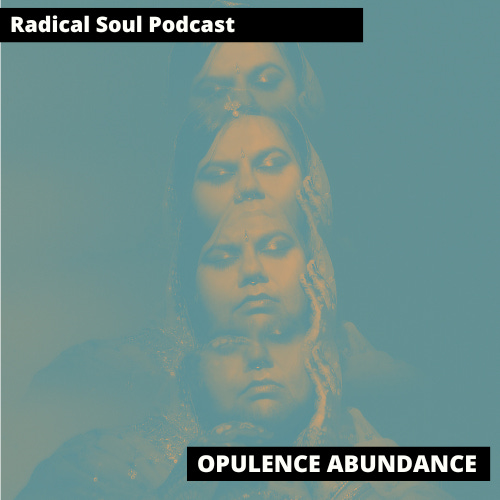
“Healing our relationship to desire, and being able to acknowledge, verbalize, and celebrate our desires is key to living a life of joy, presence, and meaning,” explained conflict navigator and healer Opulence Abundance in a recent newsletter/blog post.We spoke about Opulence’s relationship with desire for the podcast, along with the relationship between yoga and the caste system, embracing one’s identity as a healer, and the loss of wisdom in communities that shun their elders.Resources Mentioned In This Episode* @thefatsextherapist* Tara Brach’s podcast* Radical Acceptance by Tara Brach* Opulence’s Substack and podcastAbout the GuestOpulence Abundance is a speaker, conflict navigator, and healing professional. As a queer intersex person of color born and raised in the Carolinas, Opulence learned how to diffuse conflict and build community at a young age. In 2014 Opulence moved to California and in 2016 they graduated from the University of Southern California with their Masters in Social Work. They went on to work in grants management and healthcare, creating one of the first healthcare programs for people exiting incarceration. Opulence now works with individuals and groups to navigate conflict in new ways so they can break patterns, harness their power, and change the world. Check out their Substack and podcast. This is a public episode. If you would like to discuss this with other subscribers or get access to bonus episodes, visit radicalsoul.substack.com
Quick announcement about rebranding this podcast to the Radical Soul Podcast.Follow me on Twitter, Instagram, or Threads. And if a certain newsletter or episode of this podcast resonated for you, please share it with others.Thank you so much for your support, and expect new content soon! This is a public episode. If you would like to discuss this with other subscribers or get access to bonus episodes, visit radicalsoul.substack.com
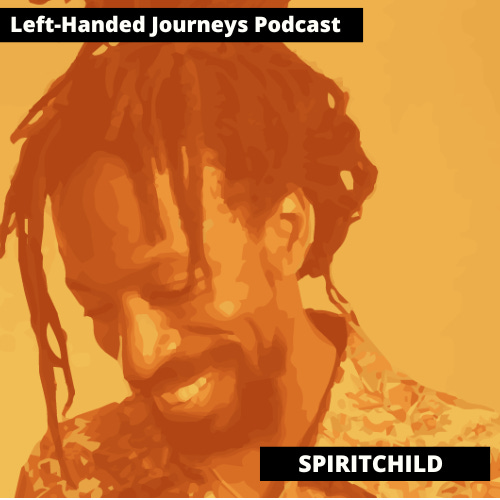
My latest guest for Left-Handed Journeys is spirit, also known as spiritchild. We talked about:* spirit’s spiritual roots as a Yaruba or Santerio priest.* Traveling as a freedom artist and giving back to communities he visits.* spirit’s work as a Somatica practitioner, helping people embrace their core desires.* What it means to be a spiritually-rooted person and a revolutionary.Transcript for this episode available here.spirit is an afro-indgenía maroon (of Puerto Rican and Jamaican descent) who was born, raised and currently resides in New York City. spirit's a rEvolutionary Somatica practitioner incorporating elements of sensuality, sexuality, spirituality and the various “realities” (our society and daily practical challenges) to holistically obtain desired effects of eroticism and greater intimate relations with self and the world that surrounds us. spirit also has 30 years of experience as a spiritual advisor and counselor along with; community organizing, mentorship, prison/school/community workshops on arts and exploration of another world for the liberation of all beings, being an international touring freedom singer (musician) who devotes songs that speak to liberation and a pedagogue that assist with the professional development with individuals as well as organizations.Learn more about them or follow spirit on Instagram @xpiritmental. This is a public episode. If you would like to discuss this with other subscribers or get access to bonus episodes, visit radicalsoul.substack.com
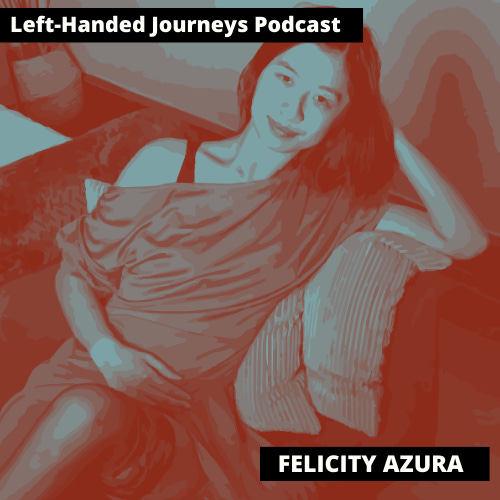
“I understand why self-care is important, but self-care cannot be a replacement for community care. You cannot ‘self-care’ your way out of horrible mistreatment, and mistreatment is often systemic,” explained Felicity Azura, my guest for this episode of the Left-Handed Journeys Podcast.Felicity is a writer, professional cuddler, sex worker, and host of Pro Cuddle Hustle —the world's first podcast on the cuddle industry. We talked about the unique space that professional cuddling holds in society, how loneliness is the result of late-stage capitalism, the problems of always being the caretaker, and more.For more, check out Pro Cuddle Hustle here and follow Felicity on Twitter.Transcript for this episode available here. This is a public episode. If you would like to discuss this with other subscribers or get access to bonus episodes, visit radicalsoul.substack.com

Comments

Download from Google Play

Download from App Store
 United States