


 Claim Ownership
Made For Us
Subscribed: 7Played: 15
Subscribe

© Copyright 2026 Tosin Sulaiman
Description
Made For Us is an award-winning podcast for anyone who’s curious about how to design for inclusivity. An Apple Podcasts Editors' Choice, Made For Us entered Apple's top 10 Design chart this year, reaching #2 in Canada and #3 in the U.S. and Australia.
Join us each week for conversations with founders, designers, product inclusion leaders and other creative minds who are challenging the status quo of how everyday products are designed. Each episode will bring you insights from people who've spent years thinking, perhaps even obsessing, about how to develop products or build companies that are inclusive from the start.
AWARDS
2025 International Women's Podcast Awards:
Runner-up: Moment of Absolute Honesty
Finalist: Moment of Behind-the-Scenes Briliance
2024 Signal Awards:
Bronze winner: Most Inspirational Podcast
2024 International Women's Podcast Awards:
Finalist: Moment of Insight from a Role Model & Moment of Visionary Leadership
Join us each week for conversations with founders, designers, product inclusion leaders and other creative minds who are challenging the status quo of how everyday products are designed. Each episode will bring you insights from people who've spent years thinking, perhaps even obsessing, about how to develop products or build companies that are inclusive from the start.
AWARDS
2025 International Women's Podcast Awards:
Runner-up: Moment of Absolute Honesty
Finalist: Moment of Behind-the-Scenes Briliance
2024 Signal Awards:
Bronze winner: Most Inspirational Podcast
2024 International Women's Podcast Awards:
Finalist: Moment of Insight from a Role Model & Moment of Visionary Leadership
54 Episodes
Reverse
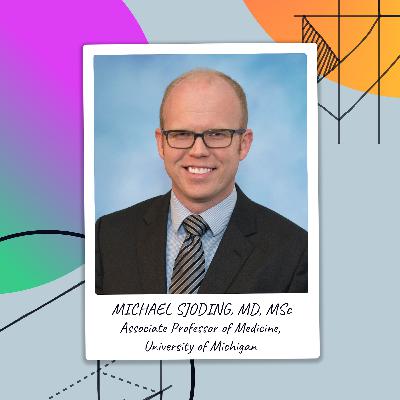
A flaw in one of medicine's most trusted devices - the pulse oximeter - was first documented in the 1990s, then largely forgotten. It took the COVID-19 pandemic to bring it back to the forefront.Michael Sjoding, a pulmonologist and associate professor of medicine at the University of Michigan, was treating critically ill patients during the pandemic when he noticed something that didn't add up: pulse oximeter readings were overestimating blood oxygen levels compared with arterial blood gas tests. The discrepancy wasn't random. Black patients were significantly more likely to receive inaccurate readings than White patients.In this episode, we talk about the impact of the study Dr. Sjoding and his colleagues published in the New England Journal of Medicine, what it reveals about the design of medical devices - and why he believes this is a problem that can be solved.We discuss:Why pulse oximeters can produce less accurate readings in patients with darker skin - and what that means for clinical decision-makingWhat the pulse oximeter problem reveals about inclusive design in medicineWhy Dr. Sjoding believes his study gained traction where earlier research did notAbout Michael SjodingDr. Michael Sjoding is an Associate Professor in the Division of Pulmonary and Critical Care at the University of Michigan. His research focuses on developing new computational tools to support diagnosis and identify optimal treatment for patients with lung disease. He also studies how to effectively deploy these tools to support clinical decisions at the bedside.Read the NEJM study on racial bias in pulse oximetry measurement: https://www.nejm.org/doi/10.1056/NEJMc2029240---Other episodes you might like:How to design a fairer healthcare system---Connect with Made for UsShow notes and transcripts: https://made-for-us.captivate.fm/LinkedIn: https://www.linkedin.com/company/madeforuspodcastInstagram: https://www.instagram.com/madeforuspodcast/Newsletter: https://madeforuspodcast.beehiiv.com/
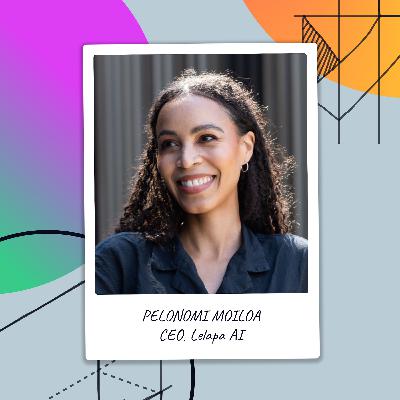
What happens when AI doesn’t understand you?For millions of people across Africa, speaking a language that AI doesn’t recognise can be a barrier to accessing services like healthcare and participating in the digital economy.Pelonomi Moiloa is CEO of Lelapa AI, a research and product lab building language AI for a continent with 2,000+ languages. Named one of TIME's 100 Most Influential People in AI in 2023, Pelonomi unpacks the technical and linguistic challenges she and her team are up against - from the data collection hurdles unique to oral cultures, to the compute constraints on the African continent.In this episode, we discuss:Why mainstream AI struggles with African languagesThe creative approaches Lelapa AI is pioneering since scraping the internet or the archives isn't an optionWhat Pelonomi really thinks about being called one of the most influential people in AIAbout Pelonomi MoiloaPelonomi Moiloa is CEO of Lelapa AI, a socially-grounded research and product lab driving AI for Africans by Africans. A biomedical and electrical engineer by training, Pelonomi has spent almost a decade deriving insights from data to address complex problems.Learn more about Lelapa AI: https://lelapa.aiFollow Lelapa AI on LinkedIn: https://www.linkedin.com/company/lelapa-ai/Follow Pelonomi Moiloa on LinkedIn: https://www.linkedin.com/in/pelonomi-moiloa---Love what you heard? Leave us a rating or review on Apple Podcasts or Spotify. It makes our day (and helps others find the show).Other episodes you might like:What's in a name? When your device thinks you're a typo---Connect with Made for UsShow notes and transcripts: https://made-for-us.captivate.fm/LinkedIn: https://www.linkedin.com/company/madeforuspodcastInstagram: https://www.instagram.com/madeforuspodcast/Newsletter: https://madeforuspodcast.beehiiv.com/
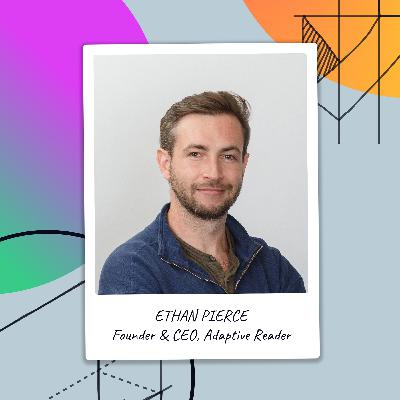
Ethan Pierce couldn't read when he finished third grade, but years later went on to win a full scholarship to Harvard. Recognising that not all students have the support he had, he founded Adaptive Reader, an AI-powered platform that adapts classic literature and other books to different reading levels and languages.In this episode, Ethan talks about building a product around the learners the education system leaves behind, why your first startup idea is probably wrong (and why that's a good thing), and how listening to teachers changed everything he thought he knew about edtech design.We discuss:How Ethan's own struggles with reading in school inspired Adaptive Reader’s missionWhy 130 user research interviews convinced him that print was a non-negotiable equity needHow Adaptive Reader designs for learners across neurological differences, physical disabilities, and languagesAbout Ethan PierceEthan Pierce is the Founder and CEO of Adaptive Reader, an AI-powered accessibility platform that makes any text accessible to any reader—across languages, reading levels, and formats. A former struggling reader who went on to earn a full scholarship to Harvard, Ethan is passionate about using technology to break down barriers to literacy and learning.Adaptive Reader has been recognized globally for advancing accessibility and inclusive learning, winning the Harvard President’s Innovation Challenge and the MIT Solve E Ink Prize.Learn more about Adaptive Reader: https://adaptivereader.com/Follow Ethan Pierce on LinkedIn: https://www.linkedin.com/in/ethanpierce13/Follow Adaptive Reader on LinkedIn: https://www.linkedin.com/company/adaptive-reader/---If you enjoyed this episode, please leave a rating or review on Apple Podcasts or Spotify. Send questions for our guests or any feedback to: madeforuspod@gmail.comOther episodes you might like:Speechify CEO Cliff Weitzman on building the 'voice of the internet'---Connect with Made for UsShow notes and transcripts: https://made-for-us.captivate.fm/LinkedIn: https://www.linkedin.com/company/madeforuspodcastInstagram: https://www.instagram.com/madeforuspodcast/Newsletter: https://madeforuspodcast.beehiiv.com/
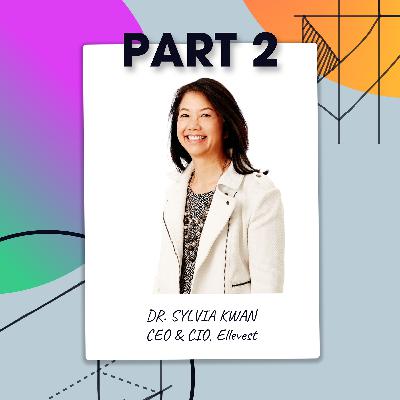
What does the world look like when women control more wealth than ever before? In part two of our conversation with Sylvia Kwan, CEO and chief investment officer of Ellevest, we discuss the “feminization of wealth” and why many companies are unprepared for this shift.Kwan makes the case that financial power isn't just for the wealthy: every woman with capital, no matter how small the sum, has the power to create change.Catch up on part 1 here:The women finance forgot: Ellevest CEO Sylvia Kwan on closing the gender wealth gapIn this episode:How the Great Wealth Transfer is driving the feminization of wealthWhy women invest differently and what that means for societyHow Ellevest is preparing for a “seismic shift” in spending and investmentIf you enjoyed this episode, don’t forget to leave a rating or review on Apple Podcasts or Spotify. Send questions for our guests or any feedback to: madeforuspod@gmail.comYou might also like:Where is the female crash test dummy?---About Sylvia KwanSylvia Kwan is the CEO and Chief Investment Officer of Ellevest, a women-founded and women-led financial services firm dedicated to closing the gender wealth gap. Prior to Ellevest, she founded SimplySmart Asset Management and held senior portfolio management positions at Financial Engines and Charles Schwab. A Chartered Financial Analyst with more than 30 years of industry experience, Sylvia serves on the Board of Exit 182, the investment committee that oversees the endowment of Grinnell College.Learn more about Ellevest: https://www.ellevest.com/Sylvia’s Monthly Market Insight (Sept. 2025): https://www.ellevest.com/magazine/2025-september-market-insightsFollow Ellevest on LinkedIn: https://www.linkedin.com/company/ellevest/Follow Ellevest on Instagram: https://www.instagram.com/ellevest---Connect with Made for UsShow notes and transcripts: https://made-for-us.captivate.fm/LinkedIn: https://www.linkedin.com/company/madeforuspodcastInstagram: https://www.instagram.com/madeforuspodcast/Newsletter: https://madeforuspodcast.beehiiv.com/
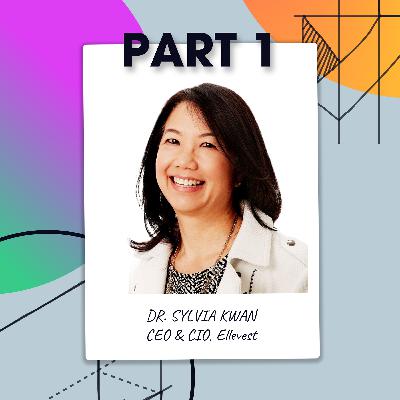
Ellevest CEO Sylvia Kwan has a striking statistic she uses to explain why the company was founded: in a survey of asset managers by BNY Mellon Investment Management, 86% said their default customer is a man.In this episode, the first of a two-part conversation, Sylvia Kwan shares why Ellevest is on a mission to close the gender investing gap and why it may be just as important as the gender pay gap.We discuss:Why the gender investing gap exists and how it contributes to the wealth gapWhat Ellevest discovered about women’s attitudes towards riskSylvia's surprising route to becoming chief investment officer and then CEOHow Ellevest is breaking down the barriers that keep women from investing---About Sylvia KwanSylvia Kwan is the CEO and Chief Investment Officer of Ellevest, a women-founded and women-led financial services firm dedicated to closing the gender wealth gap. Prior to Ellevest, she founded SimplySmart Asset Management and held senior portfolio management positions at Financial Engines and Charles Schwab. A Chartered Financial Analyst with more than 30 years of industry experience, Sylvia serves on the Board of Exit 182, the investment committee that oversees the endowment of Grinnell College.Learn more about Ellevest: https://www.ellevest.com/Follow Ellevest on LinkedIn: https://www.linkedin.com/company/ellevest/Follow Ellevest on Instagram: https://www.instagram.com/ellevest---If you enjoyed this episode, don’t forget to leave a rating or review on Apple Podcasts or Spotify. Send questions for our guests or any feedback to: madeforuspod@gmail.comOther episodes you might like:Where is the female crash test dummy?AI vs the feedback gap---Connect with Made for UsShow notes and transcripts: https://made-for-us.captivate.fm/LinkedIn: https://www.linkedin.com/company/madeforuspodcastInstagram: https://www.instagram.com/madeforuspodcast/Newsletter: https://madeforuspodcast.beehiiv.com/

Made For Us is back for Season 3 - and we’re talking about ambition. Hear from founders building AI for underserved languages and designing inclusive medical devices, and investors closing wealth gaps. Listen to the trailer and subscribe to get notified of new episodes.---Connect with Made for UsShow notes and transcripts: https://made-for-us.captivate.fm/LinkedIn: https://www.linkedin.com/company/madeforuspodcast Instagram: https://www.instagram.com/madeforuspodcast/ Newsletter: https://madeforuspodcast.beehiiv.com/
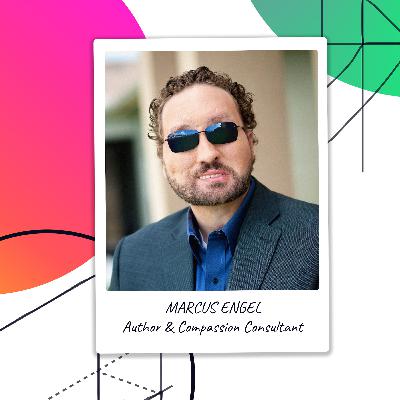
If some of the conversations you've heard in this season of Made For Us have felt like a glimpse into the future, then you're not alone. Our final guest of season 2, Marcus Engel, feels like he's already living in the future, thanks to AI, apps like Be My Eyes and other assistive devices. Marcus is a speaker, author and compassion consultant. He's also an advisor to Haptic, whose founder, Kevin Yoo, was our guest last week. Haptic is the company behind one of the world's first touch-based navigation apps and it was a meeting with Marcus that inspired Kevin to start the company.Today, we'll hear Marcus' story, how surviving massive trauma led him to become a compassion consultant and how he thinks haptic technology could impact mobility for people who are blind or low vision. You’ll learn:Haptic technology's potential to guide people living with sight lossMarcus’s four-part definition of compassion and how it’s different to empathy Which products Marcus considers to be ‘compassionate' Enjoyed the episode? Text it to a friend. Loved the episode? Tell the world with a 5-star review.You might also like:Navigation you can feel: the startup making the world accessible through touchHow to design a fairer healthcare system---About Marcus EngelMarcus Engel is an adjunct professor at the University of Notre Dame teaching compassion science to pre-meds. He's also a survivor of massive trauma, a keynote speaker, author and hospital/system consultant. He's written two books that have been adopted by scores of nursing and health profession programs across the country. Learn more about Marcus Engel: www.MarcusEngel.comCompassion & Courage podcastCompassion is Action training videoBooks by Marcus EngelFollow Marcus on LinkedIn---Connect with Made for UsShow notes and transcripts: https://made-for-us.captivate.fm/ Social media: LinkedIn and InstagramNewsletter: https://madeforuspodcast.beehiiv.com/
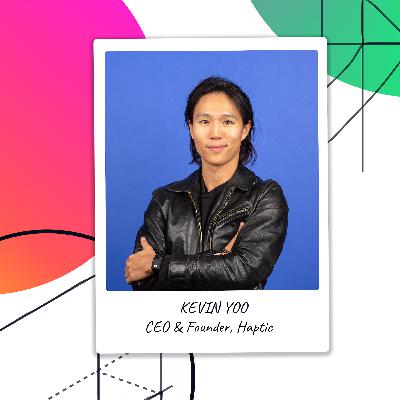
What if navigating the world didn't rely on sight at all? In this episode, Kevin Yoo, the CEO and founder of Haptic, joins us to tell the story of one of the world’s first haptic navigation apps. Kevin shares how he was motivated by his friend’s experience of becoming blind, how haptic technology is shaping a more accessible future and the challenges that come with rethinking how we move through the world.This episode dives into: - Why the sense of touch has been underutilized in tech and how Haptic is trying to change that- What guiding a blind runner at the New York City Marathon revealed about the potential of haptic technology for blind and low vision runners- Kevin’s experience of putting himself in the shoes of a blind person for a few weeks and the lessons that came from it ⭐️Enjoyed the episode? Leave us a 5-star rating on Apple Podcasts and help more listeners discover the show!You might also like: Be My Eyes: the app powering a global volunteer movement for accessibility | Hans Jørgen Wiberg'I don't need fixing - the world does.' Lucy Edwards on redefining disability ---About Kevin Yoo Kevin is the CEO and Founder of Haptic, a technology company creating a universal language of touch. Haptic is developing products and experiences that communicate information through vibrations. Kevin’s mission is to redefine the way we intake information through technology, especially for people with disabilities. Haptic's flagship product, HapticNav, made history by guiding the first blind runner in the NYC Marathon without sighted or audio assistance. Learn more about Haptic: https://haptic.works/Download HapticNav on IOS and AndroidFollow Haptic on Instagram and LinkedInFollow Kevin Yoo on Instagram---Connect with Made for UsShow notes and transcripts: https://made-for-us.captivate.fm/ Social media: LinkedIn and InstagramNewsletter: https://madeforuspodcast.beehiiv.com/
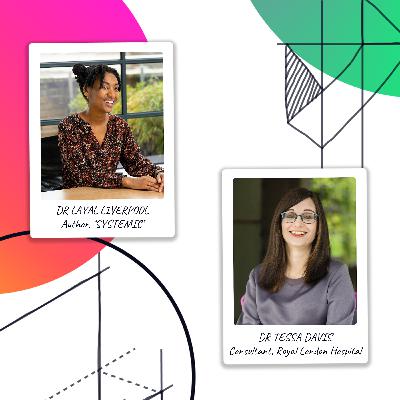
When science journalist Layal Liverpool was finally diagnosed with eczema as a teenager, it came as a shock. Not because of the condition itself, but because only one doctor had recognized it on her skin tone.Pediatrician Tessa Davis had a similar wake-up call: she noticed that a Google search for common skin conditions only returned images of white patients. So she started collecting images of conditions on diverse skin tones, and launched a movement in the process.In this episode, Layal Liverpool, author of Systemic: How Racism is Making Us Ill, and Tessa Davis, a consultant at the Royal London Hospital, shed light on how racial inequities show up in diagnosis, treatment and outcomes — and how more inclusive care can lead to better health for all. We discuss:How racial health inequities harm not just marginalised communities, but all of usThe alarming disparities in maternal health in the UK and US that can’t be explained by income aloneThe lack of diversity in medical textbooks and efforts to diversify the medical curriculumIf you found this episode as eye-opening as we did, share it with a friend and leave us a 5-star review on Apple Podcasts or Spotify to spread the word!---About Layal Liverpool:Layal Liverpool is a science journalist and author of SYSTEMIC: How Racism is Making Us Ill,’ a book exploring the health harms of racism. She was a reporter for Nature and New Scientist and worked as a biomedical researcher at University College London and the University of Oxford. She holds a PhD in virology and immunology from the University of Oxford.Learn more about Layal Liverpool: https://layalliverpool.com/Follow Layal Liverpool on InstagramAbout Tessa Davis:Tessa is a Paediatric Emergency Medicine Consultant at the Royal London Hospital, and an Honorary Clinical Reader at Queen Mary University of London. She is also an interview coach helping doctors in the UK prep for their NHS Consultant Interviews.Learn more about Skin Deep: www.DFTBSkinDeep.comFollow Tessa on Instagram---Connect with Made for UsShow notes and transcripts: https://made-for-us.captivate.fm/ Social media: LinkedIn and InstagramNewsletter: https://madeforuspodcast.beehiiv.com/
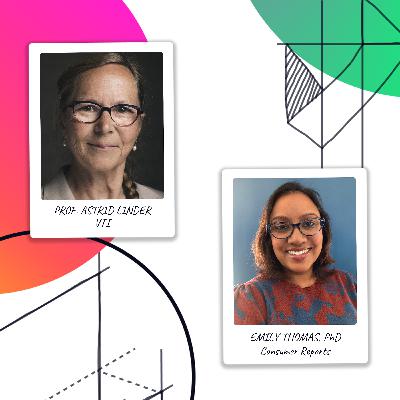
Help us make this podcast better for you! Our quick listener survey is your chance to shape the next season: https://bit.ly/madeforuspod---What happens when women aren’t considered in car safety design? For decades, crash test dummies have been modeled on the average male, but studies now show that women are more likely to be injured or killed in certain types of crashes. As the data mounts, so does the urgency to fix the gender gap in car safety.This week, we’re joined by Emily Thomas, PhD, Associate Director of Automotive Safety at Consumer Reports, and Astrid Linder, Professor of Traffic Safety at the Swedish National Road and Transport Research Institute, who developed the world’s first crash test dummy representing an average woman. Together, we’ll explore what it will take to design truly inclusive and safe cars.The conversation covers:Why women face higher injury risks in car crashesWhat’s involved in designing a female crash test dummyHow the shift to driverless cars presents a chance to correct past biases---ResourcesAstrid Linder’s researchUniversity of Virginia study U.S. Government Accountability Office recommendations---About Professor Astrid LinderAstrid Linder is Professor of Traffic Safety at Swedish National Road and Transport Research Institute, VTI, and an Adjunct Professor of Injury Prevention at Chalmers University. She received her PhD in traffic safety from Chalmers from where she also has a MSc in Engineering Physics. Prof Linder initiated and led the research resulting in the world’s first physical dummy model based on the average female, the Seat Evaluation Tool (SET 50F) and was named one of the BBC's 100 most inspiring and influential women in 2023.Learn more about Astrid Linder: https://www.vti.se/en/employees/astrid-linderFollow Astrid Linder on LinkedIn: https://www.linkedin.com/in/astrid-linder-2a0b5a53/About Emily Thomas, PhDEmily Thomas leads the occupant protection and vulnerable road user safety programs at Consumer Report’s Auto Test Center. Her expertise extends to crash safety, vehicular heatstroke prevention, and child passenger safety. Emily has 15 years of automotive safety experience and holds a PhD in pediatric injury biomechanics from Drexel University and The Children’s Hospital of Philadelphia.Learn more about Emily Thomas: https://www.consumerreports.org/about-us/our-people/our-experts/emily-thomas/---Connect with Made For UsShow notes and transcripts: https://made-for-us.captivate.fm/Social media: LinkedIn and InstagramNewsletter: https://madeforuspodcast.beehiiv.com/
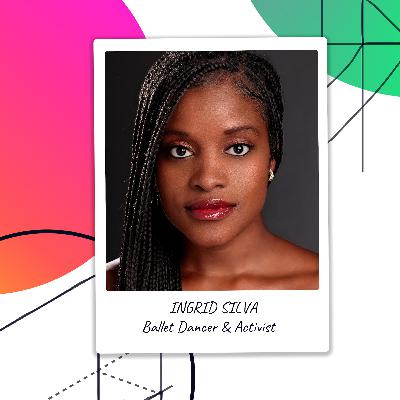
Season 2 is wrapping up and we want to hear your feedback. Loved something? Have a question you want answered? Tell us in this quick survey: https://bit.ly/madeforuspod---This week's episode:What does it take to thrive as a Black ballerina in an art form that prizes uniformity? In this episode, renowned Brazilian ballerina Ingrid Silva reflects on the professional breakthroughs and battles behind her rise in the ballet world - from spending 11 years dyeing her pointe shoes by hand to match her skin tone, to persuading the industry to prioritize inclusivity. She shares her journey from Rio de Janeiro to Dance Theatre of Harlem and how becoming a mother has impacted her career.The episode also dives into:Ingrid's childhood in Brazil and how a kind neighbour changed the course of her lifeThe unspoken emotional and financial costs for dancers of colour in balletHow her personal experience drove her to create the Blacks in Ballet movementWhat ballet still gets wrong about representation, motherhood, and belonging Enjoyed the episode? Text it to a friend and leave us a 5-star rating on Apple Podcasts to help more listeners discover the show!You might also like:Cassa Pancho on designing the future of ballet'The door is opening for us': Cira Robinson on ballet's turning pointe---About Ingrid SilvaIngird Silva is a celebrated Brazilian ballerina and changemaker with Dance Theatre of Harlem. Born in Rio de Janeiro, she began dancing at age 8 through a social project in the Mangueira favela and later earned a full scholarship to study in New York. She has performed leading roles in works by George Balanchine, Alvin Ailey, and others, and collaborated with renowned choreographers worldwide. A dedicated advocate for equity in the arts, she is the founder of podHER and co-founder of Blacks in Ballet. Her accomplishments have been recognized globally – from having her pointe shoes exhibited at the Smithsonian, to working on global brand campaigns.Learn more about Ingrid Silva: https://www.ingridsilvaballet.com/Follow Ingrid Silva on Instagram: @ingridsilva Follow Dancers and Motherhood: @dancersandmotherhoodFollow Blacks in Ballet: @blacksinballetFollow PodHer: https://www.podher.org/---Connect with Made for UsShow notes and transcripts: https://made-for-us.captivate.fm/Social media: LinkedIn and InstagramNewsletter: https://madeforuspodcast.beehiiv.com/
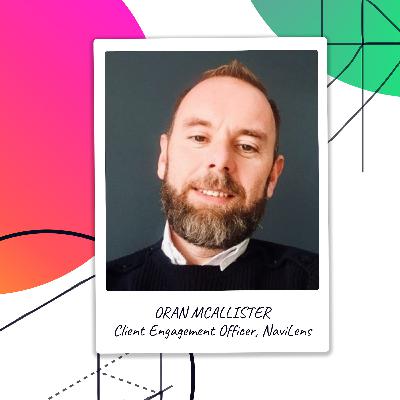
Your feedback matters to us - shape the future of Made For Us by taking our quick survey: https://bit.ly/madeforuspod---This week's episode:It's been called 'a phenomenal example of inclusive design' and it's spreading across subway stations, museums and supermarkets around the world.NaviLens is a new technology designed to help blind and partially sighted people navigate cities and indoor spaces by scanning a QR code with their phone. Unlike traditional QR codes, users don’t need to focus on the code or know its precise location.In this episode, we sit down with Oran McAllister, NaviLens’ Client Engagement Officer, to explore this new frontier in accessibility and how it can help people who are blind or low vision gain more independence.We also cover: NaviLens’ origins in Spain and how the technology has gained traction in over 100 countries, from the US to Australia Why major transport systems from London to Tokyo and brands like Kellogg’s and P&G are signing on How NaviLens makes grocery shopping more accessible for everyone, from tourists to people with autism Loved the episode? Leave us a 5-star rating on Apple Podcasts and help more listeners discover the show!You might also like: 'I don't need fixing - the world does' Lucy Edwards on redefining disability 'No going back': lessons from P&G's product inclusion journey with Sam Latif---About Oran McAllisterOran McAllister is the Client Engagement Officer at NaviLens. Oran is tasked with developing new relationships and sustaining established partnerships with organisations, associations and users of NaviLens around the world. His passion in the pursuit of accessibility not only comes from his professional background but also stems from his personal experience.Learn more about NaviLens: https://www.navilens.com/en/Youtube: https://www.youtube.com/@NaviLensLinkedIn: https://www.linkedin.com/company/navilens/Reach out to NaviLens: info@navilens.com ---Connect with Made for UsShow notes and transcripts: https://madeforuspodcast.beehiiv.com/ LinkedIn: https://www.linkedin.com/company/madeforuspodcast Instagram: https://www.instagram.com/madeforuspodcast/ Newsletter: https://madeforuspodcast.beehiiv.com/
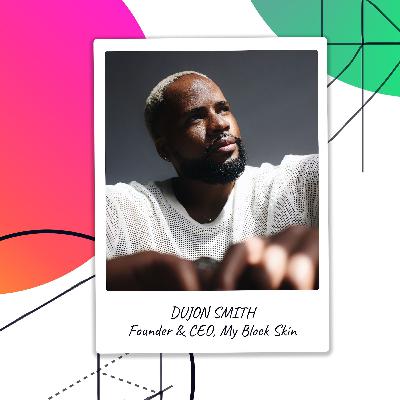
Help us make this podcast better for you! Our quick listener survey is your chance to shape the next season: https://bit.ly/madeforuspod---We all need to protect our skin from the sun's rays, so why are so many sunscreens not formulated with darker skin tones in mind?In this episode, we sit down with Dujon Smith, founder of the inclusive sun care brand My Block Skin. We unpack the myths around sunscreen, the marketing gaps and the sobering stats, including why men of color have the lowest survival rates from melanoma.This episode also dives into:Dujon’s founder journey – from ideation and testing formulations to creating a lifestyle brandHow My Block Skin became the first black-owned sun care brand stocked at the UK pharmacy chain Boots in its 175-year historyHow companies can cater to overlooked audiences through social listening If this episode made you think, laugh, or go “hmm,” leave us a 5 star rating - and text it to a friend.You might also like:Rooting for you: the men's grooming brand winning over big retailers---About Dujon Smith Dujon Smith is the founder and CEO of My Block Skin, a sun care brand redefining the industry with high-performance, melanin-inclusive formulas. Dujon launched My Block Skin in 2023 as a testament to his mission of inclusivity and innovation. Beyond My Block Skin, Dujon is a full-time investor at Accenture Ventures, where he leads the Founders Development Program, helping underrepresented entrepreneurs scale their technology businesses through access to capital, mentorship, and strategic partnerships. Learn more about My Block Skin: http://www.myblockskin.comFollow Dujon C Smith on Instagram: https://www.instagram.com/dujoncsmith/Follow Dujon C Smith on LinkedIn: https://www.linkedin.com/in/dujoncsmith/Resources: Accenture Thought Leadership on the Black Founders Venture Capital Gap: https://www.accenture.com/content/dam/accenture/final/a-com-migration/r3-3/pdf/pdf-172/Accenture-Bridging-Black-Founders-VC-Gap.pdfSkin Cancer Study on Men of Color: https://www.aad.org/news/melanoma-study-men-skin-of-color-lowest-survival-rates---Connect with Made for UsShow notes and transcripts: https://made-for-us.captivate.fm/LinkedIn: https://www.linkedin.com/company/madeforuspodcast Instagram: https://www.instagram.com/madeforuspodcast/ Newsletter: https://madeforuspodcast.beehiiv.com/
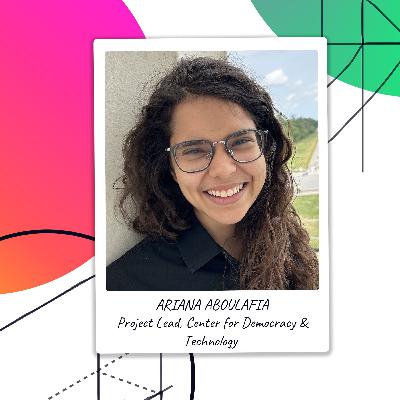
Help shape the next season of Made For Us! Please answer a few quick questions and tell us how we can make this show better : https://bit.ly/madeforuspod---In this episode, we explore the often-overlooked disability data gap in AI, and why it matters for equitable hiring. Ariana Aboulafia, who leads the Disability Rights in Technology Policy Project at the Center for Democracy & Technology (CDT), joins us to share insights on designing more inclusive algorithmic systems and creating datasets that are more representative of disability. Whether you’re building AI, hiring talent, or advocating for accessibility, this episode is a great starting point for understanding how to reduce disability bias in technology.In the conversation, we explore:How effective AI hiring tools are at reducing human biasThe importance of including people with disabilities at every stage of AI development The challenges of getting accurate disability dataHow understanding the different definitions of disability can improve data collection Missed last week's episode? Would Stephen Hawking get hired today? The hiden bias in AI recruiting tools---About Ariana AboulafiaAriana Aboulafia leads the Disability Rights in Technology Policy Project at the Center for Democracy & Technology, which focuses on the ways in which certain technologies impact disabled people.An attorney with a strong background in public interest advocacy, and with particular expertise in disability, technology, criminal law, and the First Amendment, Ariana has also worked as a public defender.Learn more about Ariana: https://cdt.org/staff/ariana-aboulafia/Follow Ariana on LinkedIn: https://www.linkedin.com/in/arianaaboulafia/ Follow Ariana on Twitter: https://twitter.com/ArianaAboulafiaRead the disability data report: https://cdt.org/wp-content/uploads/2024/07/2024-07-23-Data-Disability-report-final.pdf ---Connect with Made for UsShow notes and transcripts: https://made-for-us.captivate.fm/ Newsletter: https://madeforuspodcast.beehiiv.com/ LinkedIn: https://www.linkedin.com/company/madeforuspodcast Instagram: https://www.instagram.com/madeforuspodcast/
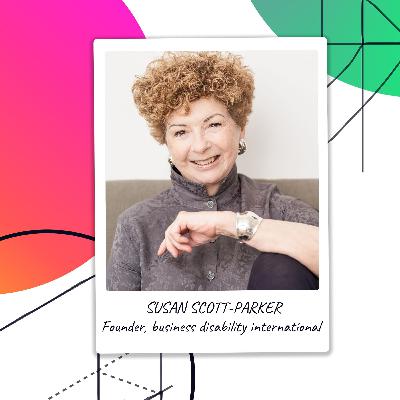
Could AI hiring create more barriers for people with disabilities instead of levelling the playing field? In this episode, Susan Scott-Parker, founder of business disability international, says standardised and inflexible AI hiring systems risk shutting many people with disabilities out of the workforce. She makes the case for more inclusive HR technologies that are designed for the full range of human experience. Tune in to learn more about: The unsettling truth about how AI hiring tools are screening out candidates with disabilities - and how to make them fairerHow HR leaders can challenge biases in AI hiring tools and demand more from the technology they invest inWhy Susan coined the term “disability confidence” and why it’s not just about “being nice” to disabled peopleFurther listening: How to innovate responsibly, with McKinsey's Rikki Singh---About Susan Scott-Parker Susan Scott-Parker OBE is a creative thought leader internationally recognised for her work on how to mobilise business leadership behind disability equality. She founded the world’s first business disability network, now the Business Disability Forum (UK). In 2016, she established business disability international and advises a growing global community on how to work productively with businesses as valued allies.Follow Susan Scott-Parker on LinkedIn: https://www.linkedin.com/in/susanscottparker1/Learn more about business disability international: https://www.businessdisabilityinternational.org/Learn more about Project Nemo: https://projectnemo.co.uk/Follow Amit Ghose: https://www.tiktok.com/@amitghosenf1---Connect with Made for UsShow notes and transcripts: https://made-for-us.captivate.fm/ Newsletter: https://madeforuspodcast.beehiiv.com/ LinkedIn: https://www.linkedin.com/company/madeforuspodcast Instagram: https://www.instagram.com/madeforuspodcast/
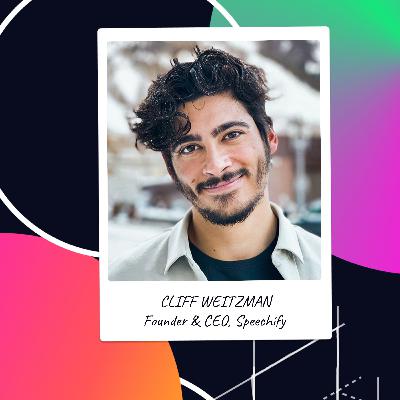
This week, we're taking you back to the first ever episode of Made For Us (and the most downloaded in Season 1). It’s an interview with Cliff Weitzman, the founder and CEO of Speechify, a text to speech app that has made reading more accessible for people with dyslexia, ADHD, low vision and other conditions that make reading difficult. Speechify now has 50 million users who can listen to the internet, emails and other documents with over 200 AI voices, including those of celebrities like Snoop Dogg and Gwyneth Paltrow.We also have a special announcement about a big milestone that Made For Us reached this week.If you enjoyed this episode, please leave us a 5-star rating on Apple Podcasts or wherever you listen! And be sure to subscribe to the free Made For Us newsletter to get bonus content.Also from the archives: Ade Hassan on moving beyond 'one-nude-fits-all'---Learn more about SpeechifyWebsite / InstagramFollow Cliff WeitzmanInstagram / Youtube / Medium---Connect with Made for UsShow notes and transcripts: https://made-for-us.captivate.fm/ LinkedIn: https://www.linkedin.com/company/madeforuspodcast Instagram: https://www.instagram.com/madeforuspodcast/ Newsletter: https://madeforuspodcast.beehiiv.com/

Help us make this podcast better for you! Please answer a few quick questions to help shape the next season: https://bit.ly/madeforuspod---When Danish furniture craftsman Hans Jørgen Wiberg launched Be My Eyes, an app connecting people who are blind and low vision with sighted volunteers, he had no idea it would grow into a global movement. But ten years after its launch, the app now boasts 850,000+ users and over 9 million volunteers, more than the population of his country. In this episode, Hans, who is blind himself, tells the origin story of the app, how it “spread like wildfire” and Be My Eyes’ partnerships with companies like Microsoft and OpenAI.The conversation covers:The diverse and innovative ways people use the Be My Eyes appWhy microvolunteering - helping out for just a few minutes - has become such a powerful force for goodThe rapid growth of Be My AI, a new AI-powered feature providing users with quick visual assistance for everyday tasksThe challenges Be My Eyes faces in reaching underserved communitiesMissed last week's episode? Inside Adobe’s mission to build more inclusive tech---About Hans Jørgen WibergHans Jørgen Wiberg is the founder of Be My Eyes, a groundbreaking app that connects blind and low vision individuals with sighted volunteers for real-time assistance via video calls. Born in Denmark and living with sight loss himself, Hans created Be My Eyes in to address everyday challenges faced by people who are blind and low vision. Under his leadership, the app has grown into a global community with 800,000 users and over 8 million volunteers in 150+ countries.---Learn more about Be My Eyes : https://www.bemyeyes.com/ Follow Be My Eyes on Instagram: https://www.instagram.com/bemyeyesapp/?hl=en Follow Hans Jørgen Wiberg on LinkedIn: https://dk.linkedin.com/in/hans-j%C3%B8rgen-wiberg-8a16b915 ---Connect with Made for UsShow notes and transcripts: https://made-for-us.captivate.fm/ Newsletter: https://madeforuspodcast.beehiiv.com/ LinkedIn: https://www.linkedin.com/company/madeforuspodcast Instagram: https://www.instagram.com/madeforuspodcast/

Help us make this podcast better for you! Please answer a few quick questions to help shape the next season: https://bit.ly/madeforuspod---TB Bardlavens, Director of Product Equity at Adobe, joins us for this special edition featuring questions from Made For Us listeners. We discuss what it really means to build technology that works for everyone and how the Product Equity team tackles this challenge across all 137 of Adobe’s products. TB also shares how his team shaped Firefly, Adobe’s suite of generative AI tools, ensuring that its outputs truly reflect human diversity. Along the way, TB answers listeners' questions on the impact of DEI rollbacks in the US and Adobe’s approach to building inclusive global products that respect cultural nuances.Other topics we explore:Why traditional product development often fails to meet human needsHow Adobe is embedding equity and accessibility across its entire product ecosystemThe human case and the business case for product equityThe role of AI in creativity and Adobe’s mission to empower, not replace, creativesMissed last week’s episode? AI vs the gender feedback gap---About TB BardlavensTB Bardlavens is chaotic good in its purest form. He is a Gay, Black man from the Carolinas, a highly regarded social intrapreneur, and an advocate for equity in technology and design. He is a Product Executive, Cultural Strategist, Diversity, Equity, and Justice expert, Co-Founder, Writer, and International Speaker and Facilitator.For more than a decade, TB has dedicated his career to dismantling systemic barriers, building and scaling teams, and launching innovative digital products for companies like Microsoft, Meta and Adobe. Learn more about TB Bardlavens: https://www.bardlavens.com/ LinkedIn: https://linkedin.com/in/bardlavens Instagram: https://instagram.com/bardlavens --- Connect with Made for Us on LinkedIn and Instagram.Show notes and transcripts: https://made-for-us.captivate.fm/Newsletter: https://madeforuspodcast.beehiiv.com/

Join the Made For Us community by signing up for our free newsletter: https://madeforuspodcast.beehiiv.com/---How does bias show up in workplace feedback, and can AI help fix it?In this episode, we speak with Mykel Rangel, VP of Engineering at Textio, a company that has built AI-driven tools that are reshaping the way managers give feedback and how recruiters craft job ads. We explore the hidden biases in performance reviews, how feedback impacts employee retention and pay, and what leaders can do to create more equitable workplaces.We also cover:Textio’s research on workplace feedback and what language can reveal about a company’s cultureWhy women tend to get more personality-based feedback than menHow AI can help managers close the feedback gapStrategies for evaluating AI tools for bias mitigationEnjoyed what you heard? Pass it on to a friend - or tell the world with a 5-star review.Missed last week's episode? Subtitles for real life? There's a pair of glasses for that---About Mykel Rangel Mykel Rangel is the Vice President of Engineering at Textio, a company using artificial intelligence to help organisations create more inclusive, effective, and engaging written communication. Starting off as a tech writer, Mykel transitioned into software before joining Textio. Learn more about Textio: https://textio.comFollow Mykel on LinkedIn: https://www.linkedin.com/in/mykel-rangel-18963322/Read the report on bias in performance feedback: https://textio.com/feedback-bias-2024 ---Connect with Made for UsNewsletter: https://madeforuspodcast.beehiiv.com/ Show notes and transcripts: https://made-for-us.captivate.fm/ LinkedIn: https://www.linkedin.com/company/madeforuspodcast Instagram: https://www.instagram.com/madeforuspodcast/

Transcripts for this episode are available here: https://made-for-us.captivate.fm/---What if you could subtitle everyday life? That question sparked the creation of XRAI, a company developing augmented reality glasses that display real-time subtitles right before your eyes. In this episode, XRAI CEO and founder Dan Scarfe joins us to share how AI and augmented reality (AR) are making conversations more accessible - for the 1.5 billion people worldwide with hearing loss, but also for anyone who’s ever struggled to hear in a noisy café, missed a detail in a conversation, or needed instant translation.In this episode, we cover:The highs and lows of building inclusive techHow XRAI’s earliest users (and Dan’s granddad) helped refine the productThe different use cases for the technology - benefits for the deaf and neurodivergent communities as well as global businessesThe future of AI-driven assistive technology and what’s next for XRAIEnjoyed the conversation? Tell a friend - or tell the world with a 5-star review. Missed last week's episode? Listen here: https://pod.fo/e/2af77d---About Dan Scarfe:Dan Scarfe is the CEO and founder of XRAI, a company using AI and augmented reality to improve accessibility. Inspired by his grandfather’s hearing loss, he developed XRAI Glass, smart glasses that provide real-time subtitles. Under his leadership, XRAI is expanding into live translation and workplace integration, aiming to make communication more inclusive worldwide.Learn more about XRAI: https://xrai.glass/LinkedIn: https://www.linkedin.com/company/xraiglass/Instagram: https://www.instagram.com/xraiglass/---Connect with Made for UsShow notes and transcripts: https://made-for-us.captivate.fm/ LinkedIn: https://www.linkedin.com/company/madeforuspodcastInstagram: https://www.instagram.com/madeforuspodcast/Newsletter: https://madeforuspodcast.beehiiv.com/

Comments

Download from Google Play

Download from App Store
 United States