


 Claim Ownership
Make Me Smart
Subscribed: 19,980Played: 1,370,021
Subscribe


© Copyright 2026 Minnesota Public Radio
Description
Each weekday, Marketplace’s Kimberly Adams makes today make sense along with her Marketplace colleagues, breaking down happenings in tech, the economy, and culture. Because none of us is as smart as all of us.
434 Episodes
Reverse

It’s peak bloom in Washington, D.C.! Cherry blossom viewing is deeply rooted in Japanese culture, and it goes hand-in-hand with enjoying Japan’s national beverage: sake. On today’s show, Kimberly is joined by Reiko Hirai, founder of D.C. Sake Co., to talk about the ins and outs of the sake industry and why more breweries are popping up in the United States. Oh, and we’ll taste some sake too!Here’s everything we talked about:"Hanami - Cherry Blossom Festival" from the U.S. National Park Service"Sake brewers toast big rise in global sales" from BBC News"American Sake Is Having a Major Moment" from Bloomberg"How to Drink Sake, According to Pros" from Wine Enthusiasthttps://www.instagram.com/p/DI0C02mRKbB/ If you count on this show to bring a little clarity to the chaos, consider pitching in. Donate now: https://support.marketplace.org/smart-sn
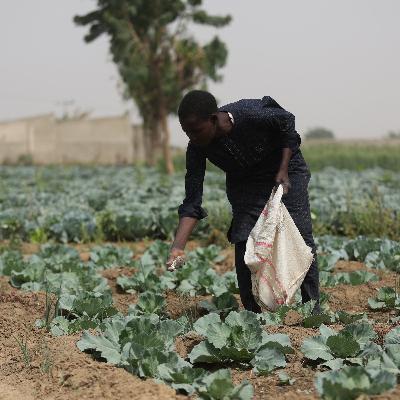
The effective closure of the Strait of Hormuz due to the war with Iran is having all sorts of effects on energy markets and the flow of other commodities—like fertilizer. Roughly one third of the world’s fertilizer passes through the narrow waterway in the Persian Gulf. On today’s show, the Council on Foreign Relations’ Michael Werz joins Kimberly to make the case that the ongoing disruption to the fertilizer trade is causing a chain reaction that could raise food prices and intensify humanitarian crises across the globe. Here’s everything we talked about today:"The Iran War’s Hidden Front: Food, Water, and Fertilizer" from the Council on Foreign Relations "The Iran War’s Other Energy Shortage—Food" from The Wall Street Journal "Energy shock talk grabs headlines but the Iran war is also driving the world towards a food crisis" from The Guardian "Russia reaps fertiliser windfall from Iran war" from The Financial TimesIf “Make Me Smart” adds something meaningful to your week, we’d love your help keeping it going. Donate now: https://support.marketplace.org/smart-sn
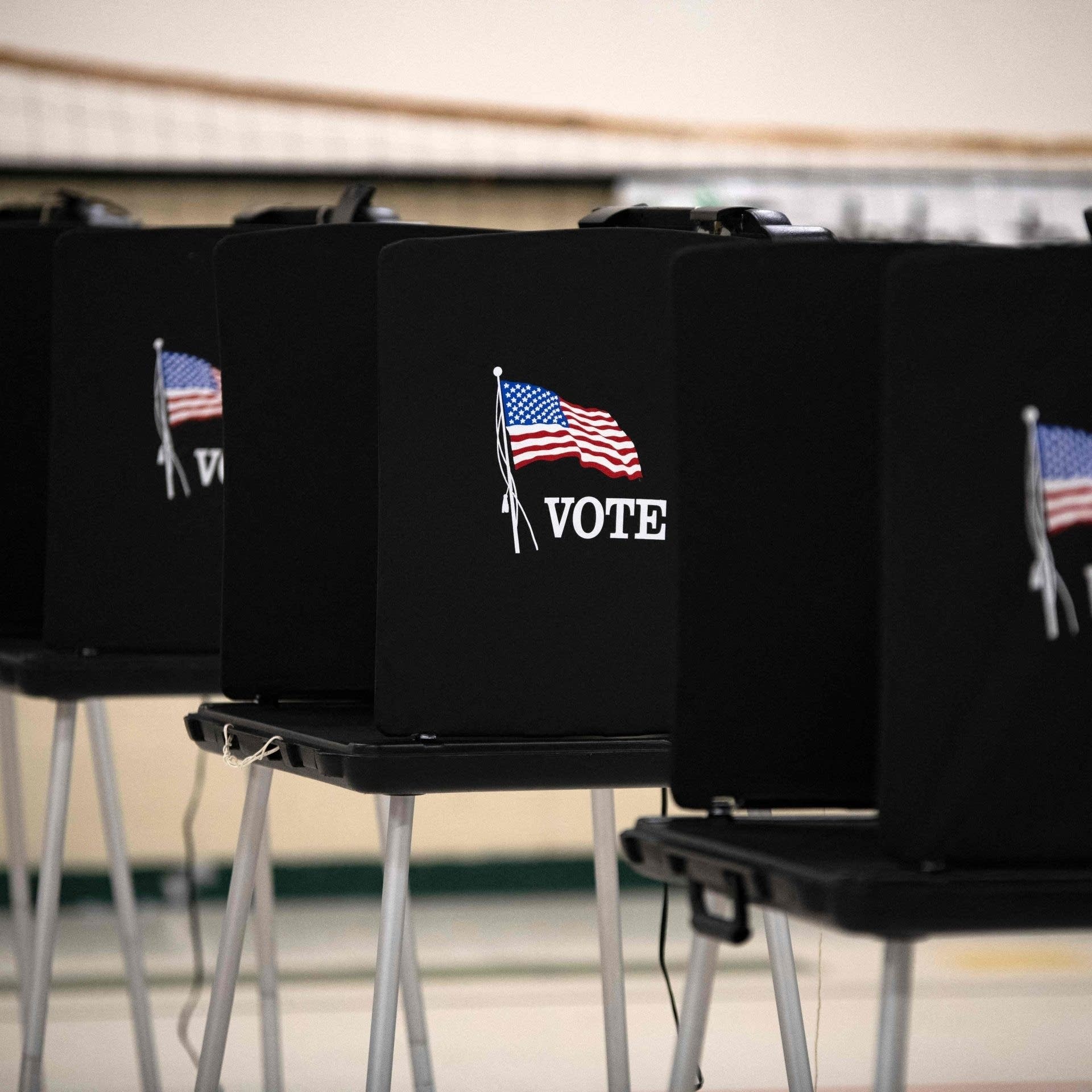
Primary season for the 2026 midterm elections is underway. And the money from super PACs is already flowing. But how well is it working? On today’s show, Kimberly talks with democratic strategist Tim Lim about how spending from outside groups is shaping this year’s races so far and why strategists are waiting on the outcome of an under-the-radar Supreme Court case that could loosen the rules on how parties can coordinate with candidates.Here’s everything we talked about today:"MAGA Inc.’s $300 Million War Chest Waits for Go-Ahead From Trump" from Bloomberg "Super PAC spending passes $200M, with some groups hiding their cause" from The Washington Post"Big-spending Democratic PACs see mixed results in Illinois" from Semafor"This Supreme Court decision could upend millions in political spending ahead of the midterms. Here’s how the parties are preparing." from Politico "Pivotal U.S. Supreme Court Case Could Further Reshape Federal Campaign Finance Law" from Bernstein Shur Got a question about the Iran war and its impact on the global economy? Leave us a voicemail at 508-U-B-SMART or email makemesmart@marketplace.org.

From the success of “K-pop Demon Hunters” to the return of BTS, K-pop is having a moment. But the rise of Korean culture was no accident—it has a decades-long backstory of investment by the South Korean government. On “Economics on Tap,” Kimberly talks with Michelle Cho, researcher of East Asian pop cultures at the University of Toronto, about the history behind the spread of Korean culture and how it’s shaped industries from entertainment to beauty. Speaking of K-beauty: sunscreen or sheet masks?Here’s everything we talked about today:‘KPop Demon Hunters’ Leads the Wave Back to Korea from Foreign PolicyBTS Is Back With ‘Arirang,’ but the K-Pop Landscape Has Changed from The New York TimesK-everything: the rise and rise of Korean culture from The Guardian "Americans Are Learning Korean Because of ‘KPop Demon Hunters’" from The New York Times"What’s So Special About Korean Sunscreens?" from Vogue"How K-pop Stars Are Leading Mental Health Conversations for AAPI People and Beyond" from Teen VogueWe love hearing from you. Leave us a voicemail at 508-U-B-SMART or email makemesmart@marketplace.org.
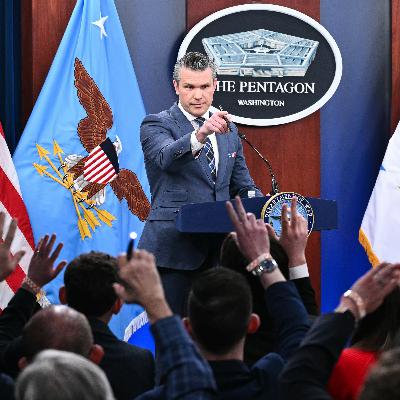
In line with the Pentagon’s ambitions to build an “AI-first warfighting force,” earlier this year, U.S. Defense Secretary Pete Hegseth demanded unrestricted use of Anthropic’s Claude model. Anthropic had concerns. Now the two parties are engaged in a legal battle that could shape the future of AI safety. Kimberly talks with Justin Hendrix, CEO and editor of Tech Policy Press, to explain Anthropic’s lawsuit and why this could signal a turning point in the tech industry’s chummy relationship with the Trump administration.
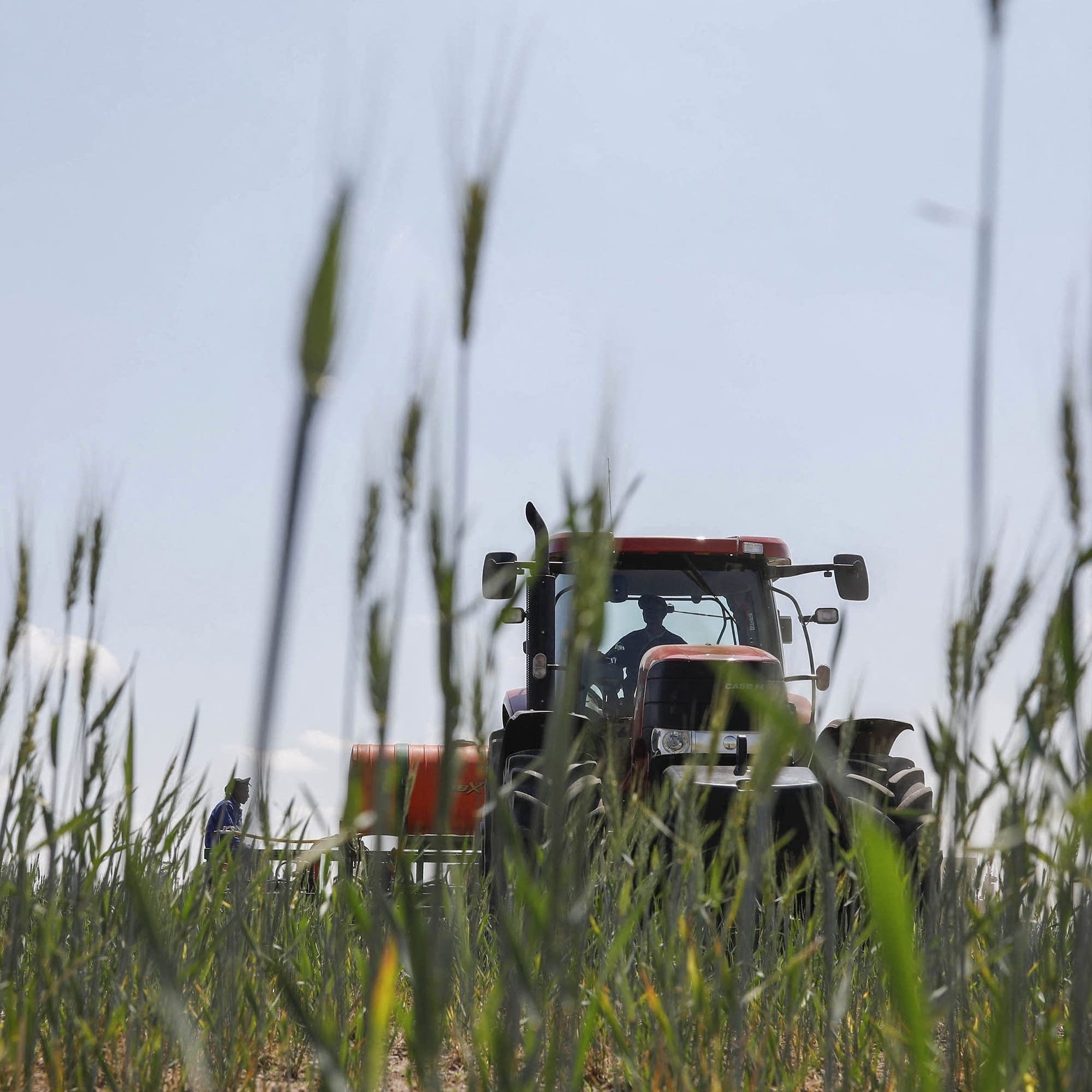
Farm bills are huge, sprawling pieces of legislation that affect all Americans — not just farmers. But as they’ve gotten more expensive, they’ve gotten tougher to pass. And due to the SNAP cuts in Congress’s big budget bill passed last summer, the coalitions that have historically gotten this legislation over the finish line may be fractured beyond repair. Kimberly talks with Chris Neubert, agriculture policy expert at Arizona State University, about what this could mean for this year’s farm bill prospects.
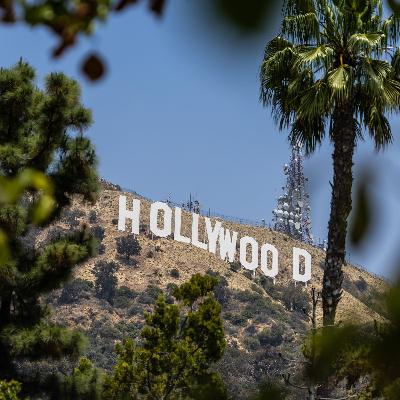
On today’s show, we’re preparing for the Oscars by checking in on the state of the film industry. Marketplace’s Amy Scott sits down with Wall Street Journal entertainment reporter Ben Fritz to discuss what slumping ticket sales means for the future of movies, why the Paramount-Warner Bros. merger has Hollywood workers worried, and what it would take for the industry to make a comeback. Plus, movie watchers weigh in: subtitles on or off?Here’s everything we talked about today:A look at how the Oscar best picture nominees have fared at the box office from AP News"Disney’s Surprise Box-Office Champion is ‘Zootopia 2,’ Thanks to China" from The Wall Street Journal "The Movie Theater Comeback That Wasn’t: Why 2025 Was Such a Dud for Struggling Cinemas" from Variety "Teamsters Call on DOJ to Stop Paramount-Warner Bros. Merger: “We’ve Seen What Happens When Corporations Consolidate Power'" from The Hollywood Reporter"Paramount Wins, Everybody Loses" from Vulture "Hollywood Jobs Are Disappearing" from “The Journal” Amy’s documentary film: ”Saving Etting Street”We love hearing from you. Leave us a voicemail at 508-U-B-SMART or email makemesmart@marketplace.org.
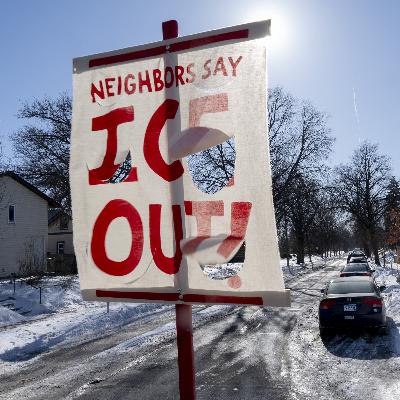
ICE may have wound down its operations in Minnesota, but the state is still facing the economic consequences of Operation Metro Surge. This has fueled concerns that an eviction crisis could take hold, particularly in the Twin Cities. On today’s show, Kimberly joins MPR News correspondent Dana Ferguson in St. Paul, Minnesota to discuss measures the state legislature is taking to provide economic relief to renters, and what life has been like since she last checked in with us on “Make Me Smart.”
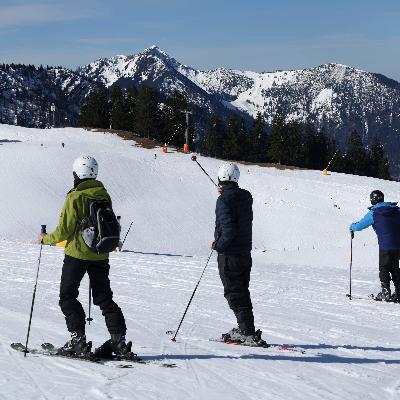
As prices have risen over the past decade, snow sports have gotten farther and farther out of reach for many Americans. And this has big implications not just for the ski-inclined, but also for the workers and local businesses that rely on steady ski area traffic. On today’s show, Kimberly talks with University of Waterloo professor and sustainable tourism expert Daniel Scott about what’s driving up the cost of snow sports and how the effects of climate change are shaping the future of the industry.
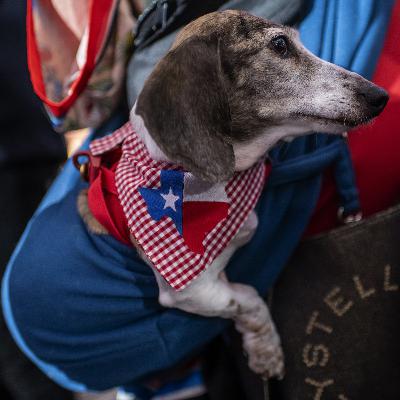
This week’s Texas primary elections were heated — and historic in terms of campaign spending. On today’s show, Blaise Gainey, state politics reporter for The Texas Newsroom, joins Kimberly to share his election takeaways and the economic issues that brought voters out to the polls. Plus, what does the Texas Railroad Commissioner have to do with oil and gas? And, we’ll pit Texas icons against each other during a round of This or That.Here’s everything we talked about today:"Winners, losers and runoffs: How Texans’ November ballot is shaping up after the primaries" from KUT News "Across Texas, early voters share what’s pushing them to the polls for the 2026 party primaries" from KUT News"Big money moved the needle and down-ballot chaos reigned in Texas' action-packed primaries" from The Texas Tribune"Bo French, Jim Wright head to runoff for seat on Texas Railroad Commission" from The Texas Tribune"Big Red Is Texas Barbecue’s Unofficial Signature Soda" from Texas Highways"Why Topo Chico Is The Fizzy Water With A Loyal Fan Base" from Southern LivingWe love hearing from you. Leave us a voicemail at 508-U-B-SMART or email makemesmart@marketplace.org.
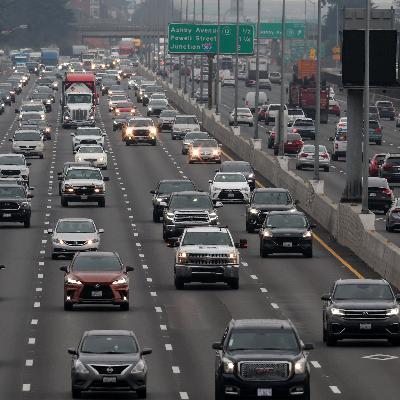
The endangerment finding paved the way for federal regulation of greenhouse gas emissions from cars, trucks, and power plants. Now that the Environmental Protection Agency has repealed the finding, the future of U.S. climate policy is in limbo. Marketplace’s Amy Scott joins Kimberly to explain what the repeal could mean for the auto industry, American consumers, and the United States’ place in the global transition to clean energy.
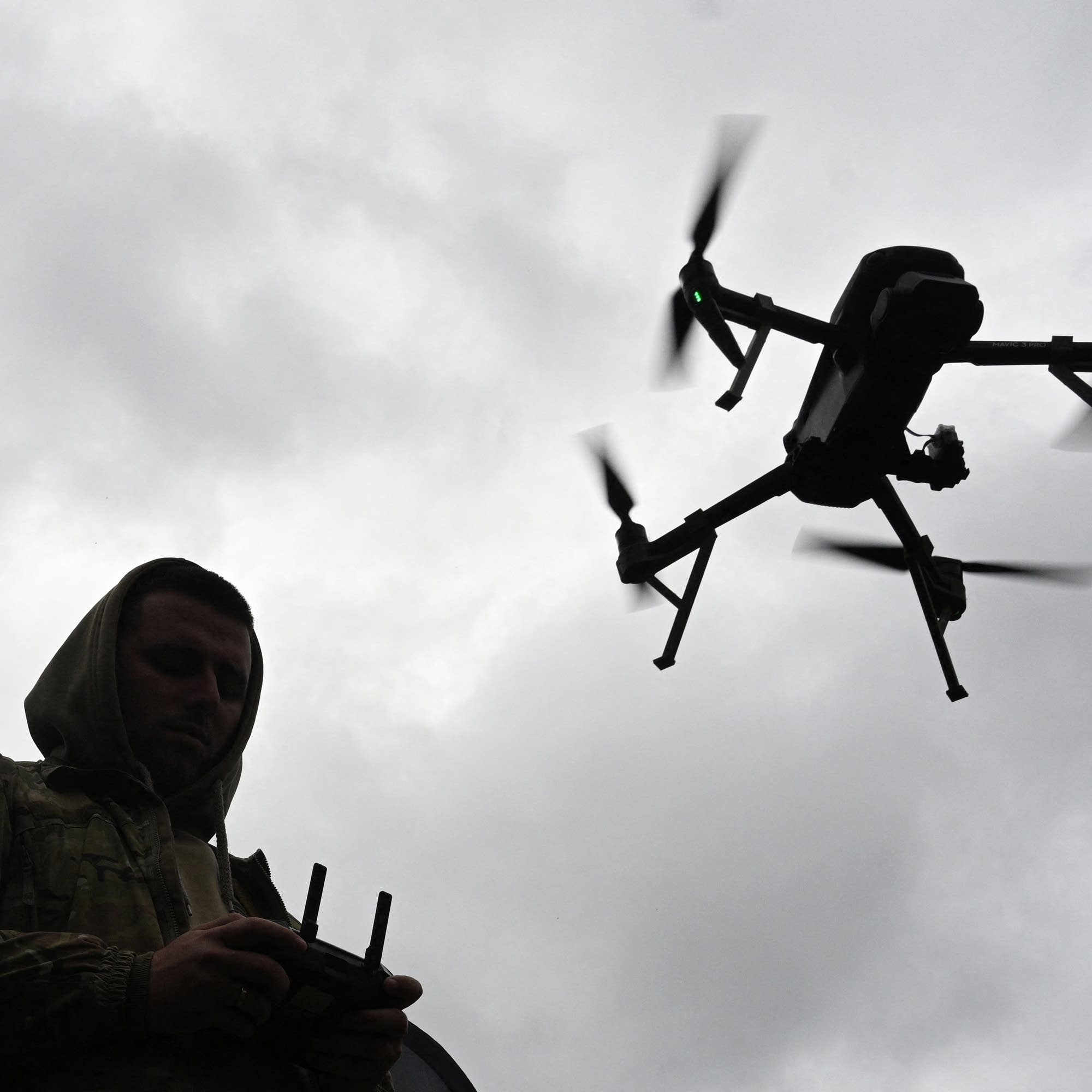
As war in the Middle East widens, it’s become clear that drones now play a fundamental role in global conflict. They’ve changed the way wars are fought—and how much they cost. On today’s show, Kimberly talks with Sarah Kreps, director of the Tech Policy Institute in the Cornell Brooks School of Public Policy, about how drone technology has evolved over the years, how the rise of drone warfare has changed the way global conflicts play out, and what that means for civilians.Here’s everything we talked about today:"Iran strike marks first time U.S. used new one-way attack drones in combat" from Task and Purpose "Iran Fires Cheap Drones Into Arab Countries, Wreaking Havoc" from The New York Times"How are Drones Changing War? The Future of the Battlefield" from the Center for European Policy Analysis "America’s Eroding Airpower" from the Center for New American Security Obama’s Final Drone Strike Data from the Council on Foreign Relations We love hearing from you. Leave us a voicemail at 508-U-B-SMART or email makemesmart@marketplace.org.
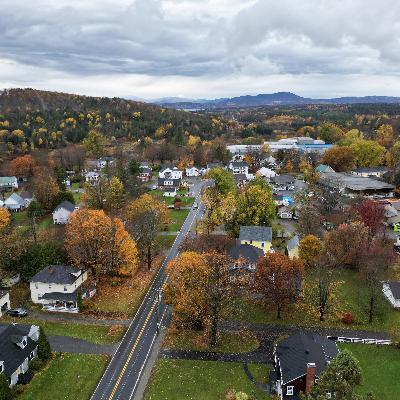
On today’s show, we’re taking a trip to the Green Mountain State for an up close look at one of Vermont’s most pressing economic issues: housing. Kimberly is joined by Carly Berlin, housing reporter for VTDigger and Vermont Public, to talk about the factors driving Vermont’s housing crisis and how solutions, like a catalog of pre-approved home designs, could help fix it. Plus, are you more of a Vermont cheddar or a Ben & Jerry’s type of person?Here’s everything we talked about today:"Vermont Housing Needs Assessment" from the State of Vermont"Vermont is overhauling Act 250. Here’s what the development maps look like so far" from Vermont Public"Vermont develops catalog of prevetted home designs for faster building" from VTDigger"Green Mountain Grub: The Best Things to Eat in Vermont" from Food NetworkWe love hearing from you. Leave us a voicemail at 508-U-B-SMART or email makemesmart@marketplace.org.
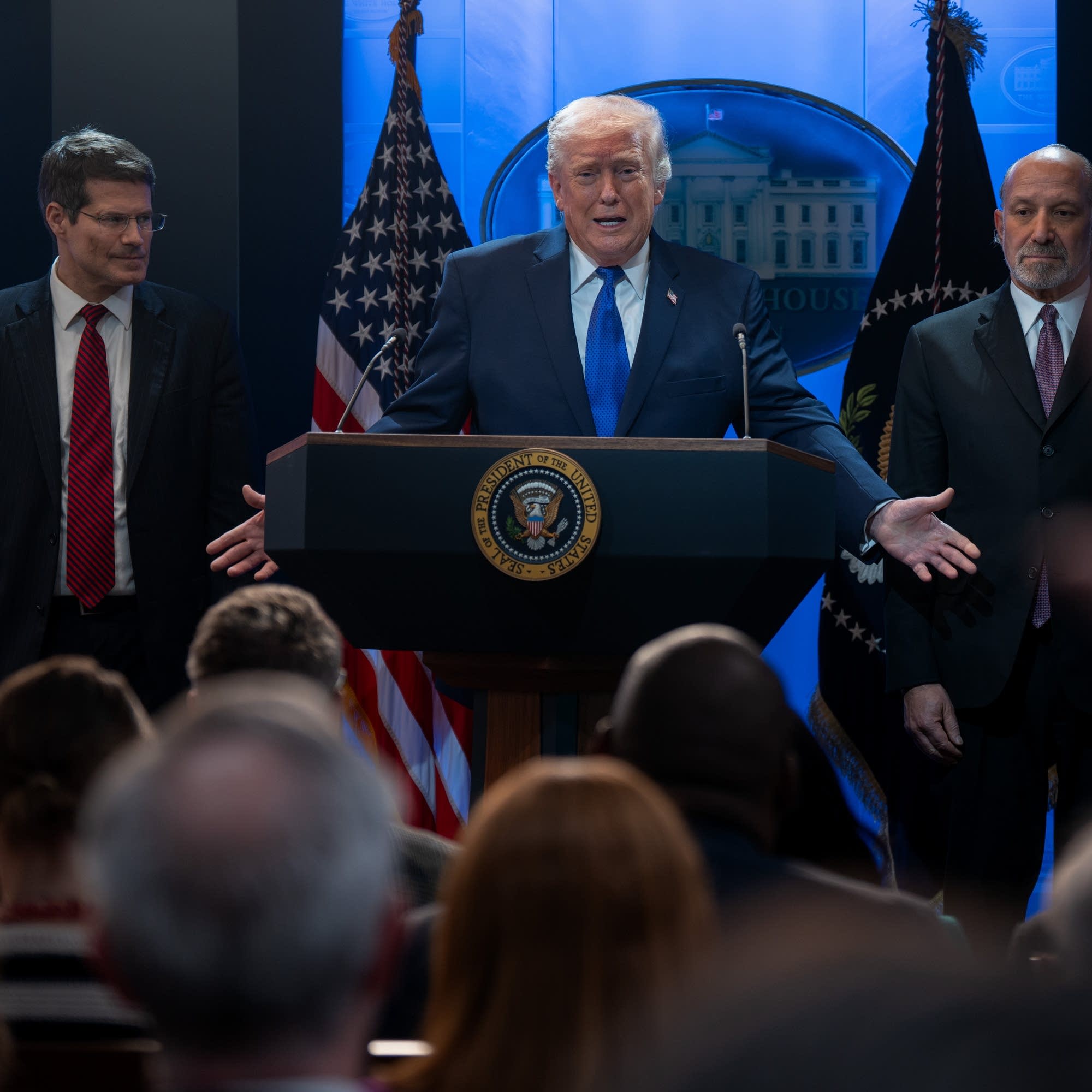
Things have felt pretty chaotic in this economy since the Supreme Court struck down President Trump’s signature tariffs last week. On today’s show, Kai Ryssdal joins Kimberly to share his takeaways from the decision and the legal questions surrounding Trump’s new global tariff. Plus, how would tariff refunds actually work?

Want more of the Winter Games? We have good news for you: The Winter Paralympics kick off in Milan next week. On today’s show, three-time Paralympic gold medalist Declan Farmer joins Kimberly to break down the basics of para ice hockey and how more eyes on the Paralympics can translate to more opportunities for adaptive athletes. Plus, we’ll get into the financial struggles many Paralympians face.Here’s everything we talked about today:"Milan Cortina Paralympics guide: Winter Games celebrate 50 years and Russian flag returns" from AP News "Para Ice Hockey - About the Sport" from the International Paralympic Committee"Record 15.4 Million Total Viewers Watch Paris 2024 Paralympic Games Across NBCUniversal" from NBCUniversal"It Shouldn’t Be This Expensive to Be a Paralympic Athlete" from Self MagazineWe love hearing from you. Leave us a voicemail at 508-U-B-SMART or email makemesmart@marketplace.org.
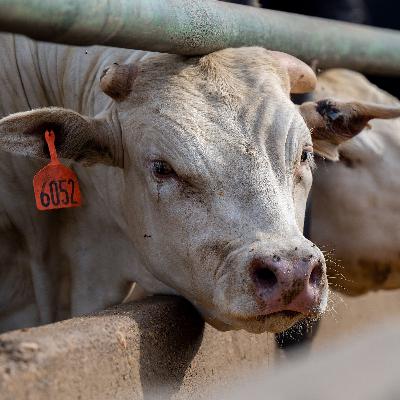
On today’s edition of “Economics on Tap,” Kimberly is joined by Anna Pope, agriculture and rural affairs reporter for KOSU and Harvest Public Media, to talk about how Oklahoma’s agricultural workers are faring amid wildfires, federal workforce reductions and shifting global trade tensions. One bright spot: beef prices! And, we’ll play a round of Half Full/Half Empty.Here’s everything we talked about today:"Oklahoma fire crews battling several wildfires" from KOSU"Oklahoma-based federal ag workforce lost nearly 1 in 5 of its employees last year" KOSU"Hunger rose slightly in the U.S., a new report shows. The USDA says it will stop tracking the data" from Harvest Public Media "Oklahoma had a bumper wheat crop, but it's not alone. Here's what that means for producers" from KOSU"Beef prices keep rising. What will it take to bring them down?" from Marketplace"Gen Z Doesn’t Go to the Club. They Party at Coffee Shops Instead." from Texas Monthly"Job hunters turn to "reverse" recruiters to get an edge" from Marketplace"Americans drank more milk in 2024, reversing a decade-long decline" from Harvest Public Media We love hearing from you. Leave us a voicemail at 508-U-B-SMART or email makemesmart@marketplace.org.
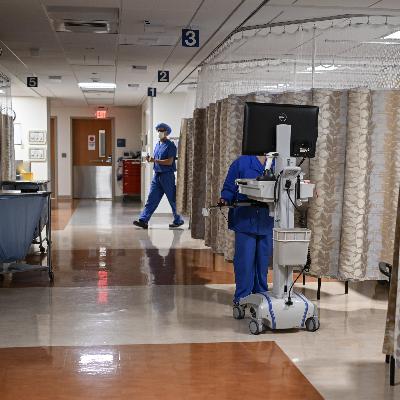
A $50 billion pot of money for rural health care made it into last year’s One Big Beautiful Bill Act, President Trump’s hallmark tax and spending law. But the funding comes in tandem with massive cuts to Medicaid spending — an existential risk to many rural hospitals. On today’s show, Kimberly speaks with KFF Health News correspondent Arielle Zionts about the potential benefits of the Rural Health Transformation Program and its potential shortfalls. Plus, Congress never came to an agreement on the Obamacare subsidies at the heart of last year’s government shutdown. What does that mean for rural communities?
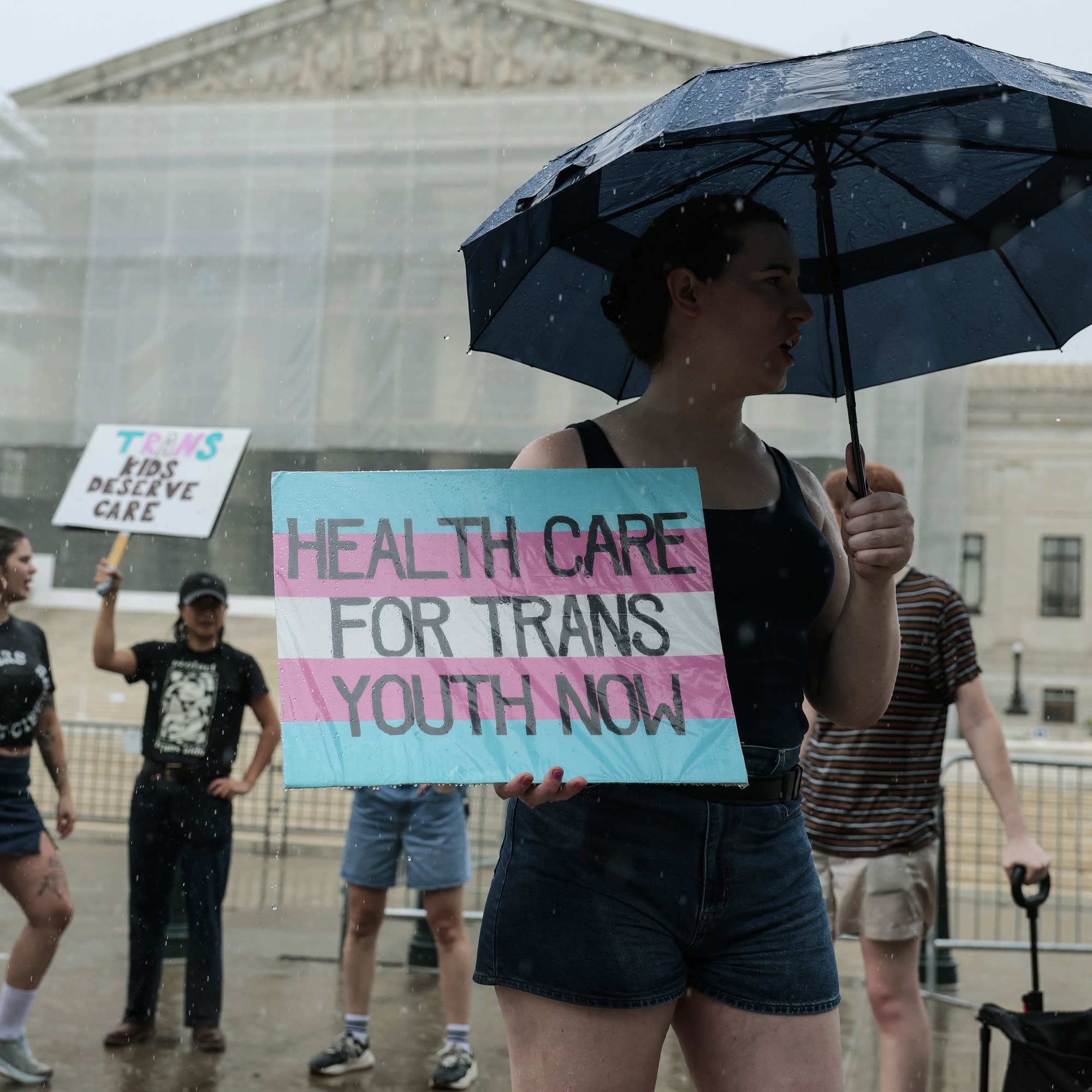
In December, the Department of Health and Human Services proposed a new rule that would ban hospitals from receiving any Medicare and Medicaid funding if they offer gender-affirming care for minors. Today, Kimberly checks in with Marketplace’s Samantha Fields to hear about her reporting on how this is affecting health care providers across the country. Plus, we’ll get into how the proposed rule fits into a larger wave of restrictions on transgender health care, years in the making.

Hey Smarties! There won’t be a livestream for “Economics on Tap” today. But don’t worry! “Economics on Tap” will return soon on Feb. 20. For now, we’re sharing a new episode from our friends over at “This Is Uncomfortable.” Enjoy!Author and journalist Aymann Ismail wants his kids to grow up with a real connection to their Egyptian roots, including speaking Arabic. For his family, that means committing to a private Islamic school — and figuring out how to afford tuition.“This Is Uncomfortable” host Reema Khrais sits down with Aymann as he walks through his family budget and the financial trade-offs that decision requires. They talk about what’s at stake for him, financially and culturally, and why holding onto Arabic feels especially urgent right now.If you liked this episode, share it with a friend. And if you want to tell us what you thought about the episode or about a tricky financial decision you’ve made, email us at uncomfortable@marketplace.org or call 347-RING-TIU. And follow our new social accounts on Instagram and Tiktok @ThisIsUncomfortablePod

With Valentine’s Day around the corner, in this episode we’re taking a look at what it’s like to be looking for love right now — and the technology that’s meant to help us do it. Lots of dating apps are integrating AI features these days, but are they making it easier to find real-life connections? We talk to Jason Parham, senior writer at Wired magazine, to try to find out.


Download from Google Play

Download from App Store
 United States
cool
I am not able to play or download this episode. Is anyone else having the same issue?
That was so good. thank you all
Did Kai get baked before this episode?
I am not able to stream or download this episode. anyone else having an issue?
💚WATCH>>ᗪOᗯᑎᒪOᗩᗪ>>LINK>👉https://co.fastmovies.org
I love the idea behind "Make Me Smart"! In a world where information is constantly evolving, it's crucial to keep up with the latest insights and trends. This forum seems like the perfect place to exchange ideas and learn from each other. To truly be "smart," I believe it's important to cultivate a curious mindset. Don't be afraid to ask questions, challenge assumptions, and dive deep into topics that intrigue you. Whether it's discussing technological advancements, exploring scientific breakthroughs, or understanding complex social issues, this forum can be a valuable resource for expanding our knowledge. https://docs.google.com/spreadsheets/d/19yAqHHTdNLF0_Pp5Yd_KIyZxxZ2oNCPu9S6cbdKwg8Y/edit?usp=sharing
I too have been listening since episode 1! My favorite podcast.
Purrrfect ending
Yay! So thrilled for Kimberly and all of us!
Download fails 😟
unable to download -- my podcast app says broken source
FYI I couldn’t get this to play. I tried several times.
link seems broken. won't download
LOVE “out of my nether regions!”
I love Kai, except when he says “cray cray”
Avenue Q! Thanks Molly!
Molly, you haven't listened to Throughline. July 15, 2020 episode
I most of the days listen to your fantastic podcast not because I care about the news, but because listening to the intro is the best thing can happen in a day.
can you talk about the vaccine on your Wednesday show? specifically are we going to need the cord vaccine every year? is it a one and done vaccine like the polio vaccine? thank you! love your show!