


 Claim Ownership
Makers of the USA
Subscribed: 22Played: 250
Subscribe

© 2020 Makers of the USA
Description
Taking you on a journey through the lives of Makers. From cut and sew to woodworking to craft beer to consumer packaged goods and much more.
99 Episodes
Reverse
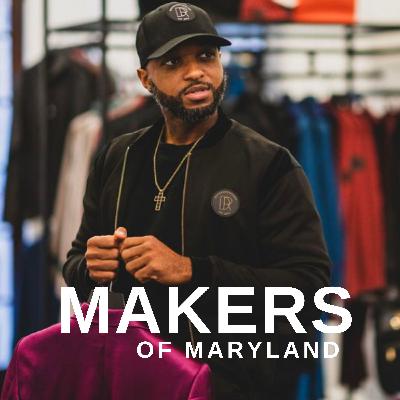
Guest:🧍♂️ Steven White — Co-Founder & Creative Director, [Different Regard](https://differentregard.com)📍 Location: Howard Street, Baltimore, MarylandHighlights:* Steven’s journey from finance to fashion — and how narcolepsy changed his path* Founding story of Different Regard (2010–2011) and building an in-house factory by 2013* Transition from T-shirts to fully tailored suits and small-batch production* The philosophy behind custom consultations and valuing craftsmanship* Baltimore’s role as a creative hub and why Steven chooses to stay and build there* Mentorship and youth education initiatives teaching pattern-making, sewing, and design* Global yet local sourcing — from Baltimore to the UK and back* Creating standout custom pieces for clients like Real Housewives of Potomac’s Robin Dixon* How Different Regard balances high-end design with community values and sustainability* Kristan’s personal connection: Steven designed her suit for her national pageantKey Quotes:> “I want to show young people that you don’t have to sew to be in this space — there are so many ways to build a career in fashion.”> “We don’t just make clothes; we make people feel different, confident, and connected to the process.”> “Baltimore is where my story began — and it’s where I want to give back."Connect:🎧 Listen to more episodes: makersoftheusa.com📸 Follow @makersoftheusa and @differentregard on Instagram
If you enjoyed this Makers of the USA episode, please leave a rating and review on Apple Podcasts, Spotify or Facebook. Please check out Makers of the USA's YouTube channel, Facebook and Instagram. Thank you all and stay safe and healthy.

Episode Notes: Makers of the USA with Elise Marie DesignsIn this episode of Makers of the USA, host Kristan Vermeulen welcomes Elise Marie Designs, a Maine-based jewelry artist whose work blends sustainability, elegance, and storytelling. Elise opens up about her journey as a designer, how nature and the Maine coastline inspire her collections, and what it takes to build a thriving creative business in today’s world.Elise doesn’t just create—she teaches. Through workshops and classes, she shares her craft with others, giving participants a chance to learn jewelry-making techniques, explore their creativity, and leave with something truly handmade. It’s all part of her mission to expand the maker movement and keep the spirit of craftsmanship alive.You’ll hear about:✨ Elise’s path from experimenting with design to building her own brand✨ How sustainability shapes her process and material choices✨ Why teaching workshops has become one of the most rewarding parts of her journey✨ The challenges and triumphs of being a Maine-based maker✨ Advice for aspiring artisans and entrepreneursWhether you’re an artist, a maker, or someone who simply loves meaningful jewelry, Elise’s story will inspire you to celebrate craftsmanship and support local makers.Explore Elise Marie Designs: www.elisemariedesigns.comMore episodes of Makers of the USA: www.makersoftheusa.com
If you enjoyed this Makers of the USA episode, please leave a rating and review on Apple Podcasts, Spotify or Facebook. Please check out Makers of the USA's YouTube channel, Facebook and Instagram. Thank you all and stay safe and healthy.

Key Topics Covered:The Spark Behind Origin USAPete talks about how he saw an opportunity—and responsibility—to bring manufacturing back to America, starting with jiu-jitsu gis.Manufacturing in MaineThe commitment to American supply chains and reviving long-lost skills in the state of Maine.Resilience & RiskWhy Pete bet everything he had—literally—to get his business off the ground and why he never looked back.Partnership with Jocko WillinkHow teaming up with the Navy SEAL turned podcaster and author helped scale Origin’s mission and visibility.What "Made in America" Really MeansThe difference between a marketing label and a mission-driven movement.Advice for Makers & EntrepreneursPete shares powerful insight on grit, self-belief, and doing hard things—even when no one else believes in you.Notable Quotes:“If you're not willing to put it all on the line, then you're not building something that’s going to last.”“We don't just manufacture here. We grow our own cotton. We spin our own yarn. We dye, cut, and sew—all in America.”“You have to live the hard days to earn the good ones.”
If you enjoyed this Makers of the USA episode, please leave a rating and review on Apple Podcasts, Spotify or Facebook. Please check out Makers of the USA's YouTube channel, Facebook and Instagram. Thank you all and stay safe and healthy.
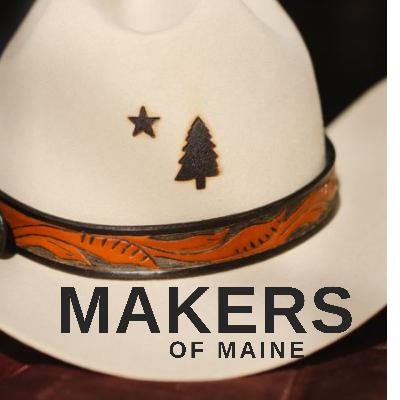
Hats, Hustle, and Heritage: How John Brubaker Wears Every Role with PurposeIn a world where reinvention is often just a buzzword, John Brubaker is living proof that you can evolve without losing the core of who you are. Known to many as Coach Bru, a celebrated author, speaker, and performance coach, Brubaker has turned his passion for leadership into bestselling books and transformative programs. But in a bold pivot, he's added a new title to his resume—master hatmaker and founder of Hats by Bru.This podcast episode dives into the story behind that transformation, revealing how a deep love for craftsmanship, style, and storytelling led him to create a brand that sits at the intersection of identity and artistry.From Coaching Greatness to Crafting CrownsIn the episode, Brubaker shares how he went from writing leadership books and speaking on big stages to hand-shaping hats in his workshop in Maine. What started as a personal passion evolved into Hats by Bru, a bespoke hat company rooted in tradition and individual expression."Every hat I make is a reflection of someone’s story,” Brubaker says in the episode. “It’s not just an accessory—it’s a statement."Listeners learn how he immersed himself in the craft, studying under master hatters in Texas and Colorado, and why attention to detail—something he honed as a coach—is now the soul of his business.Why Hats by Bru is More Than a BrandBrubaker doesn’t just make hats—he creates an experience. Whether it’s a custom fitting, a storytelling session during the design process, or a community event, Hats by Bru reflects a lifestyle of confidence, authenticity, and legacy.In the episode, Brubaker talks about how his clients range from country musicians and executives to creatives and everyday folks who want to wear something uniquely theirs. His custom events—private hat parties and pop-ups—turn craftsmanship into connection.“People light up when they put on the hat that’s made for them. It’s like they’re stepping into who they really are,” he shares.A Legacy of LeadershipBefore hats, Brubaker was (and still is) a powerhouse in performance coaching. With titles like Seeds of Success, The Coach Approach, and Stadium Status, he’s helped leaders unlock potential through mindset shifts and strategic focus. His work has been featured in Forbes, Entrepreneur, and Fast Company, and he’s hosted The Coach Bru Podcast, where leadership and life intersect.Interestingly, the two worlds—coaching and hat-making—aren’t so different. As he explains in the episode:“Coaching is about seeing people clearly. So is crafting a hat. Both require listening, understanding, and shaping something with intention.”Blending Purpose with PracticeThe episode touches on the importance of slowing down, working with your hands, and creating something meaningful in a digital-first world. Brubaker reflects on the joy of building with intention and the creative peace he’s found in hat making. It’s a refreshing take on entrepreneurship that values depth over speed and connection over clicks.He’s also authored a companion guide, The Care and Feeding of Your Hat, which mirrors his leadership ethos: take care of your tools, your story, and yourself.Final Stitch: What This Episode Teaches UsThis conversation with John Brubaker reminds us that our paths don’t have to be linear. You can write books, lead teams, and shape fedoras—all with the same heart. Whether you're a creative, a leader, or someone in search of a new beginning, Hats by Bru is more than a business—it's a metaphor for reclaiming your identity, one stitch at a time.Listen to the full episode to hear how Coach Bru weaves storytelling, legacy, and leadership into every brim and every brand he builds.
If you enjoyed this Makers of the USA episode, please leave a rating and review on Apple Podcasts, Spotify or Facebook. Please check out Makers of the USA's YouTube channel, Facebook and Instagram. Thank you all and stay safe and healthy.
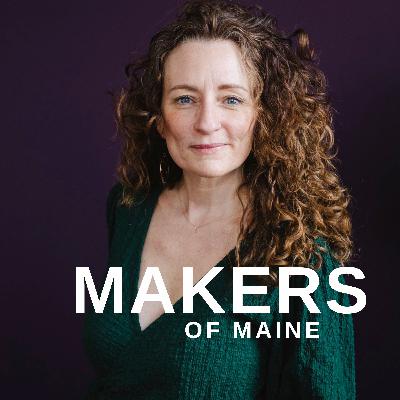
Meet Jen Dean: Photographer, dark alchemist, and guide for personal transformationThe healing power of boudoir photographyWhat is “dark alchemy”? Jen explains the process of facing shadow to reveal the lightReclaiming identity through vulnerability and embodimentJen’s personal journey: how she came to this work and why it mattersThe importance of self-love in a culture that profits from insecurityHow her sessions go beyond the photoshoot — creating space for emotional breakthroughsAdvice for women beginning their path of self-explorationLearn more or book with Jen at JenDean.com
If you enjoyed this Makers of the USA episode, please leave a rating and review on Apple Podcasts, Spotify or Facebook. Please check out Makers of the USA's YouTube channel, Facebook and Instagram. Thank you all and stay safe and healthy.
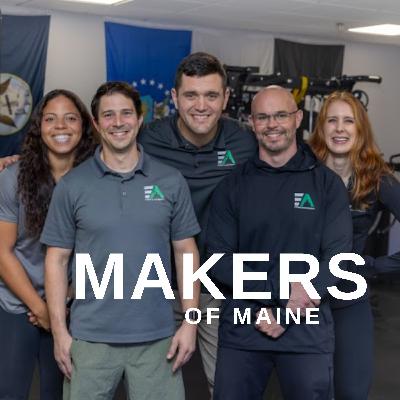
Episode Title: Building Strength, Inside and Out: The Journey of Evan Amell and EA FitnessGuest: Evan Amell, Owner of EA Fitness & PerformancePodcast: Makers of the USAEpisode Summary: In this inspiring episode of Makers of the USA, host Evan Amell, the young entrepreneur behind EA Fitness & Performance, shares his remarkable journey from athlete to fitness coach and business owner. From overcoming personal health challenges to building a thriving fitness community, Amell’s story is one of determination, mentorship, and a passion for helping others achieve their best selves—physically, mentally, and emotionally.As a young entrepreneur, Amell discusses how he navigated the challenges of starting his own fitness business, learning from a seasoned mentor in the wellness industry, and creating a supportive community at EA Fitness. He also explains his unique, holistic approach to fitness that goes beyond just physical performance and focuses on mental wellness, personal growth, and building a lasting fitness mindset.Key Takeaways:Evan’s Personal Transformation – How Amell’s own fitness journey led him to pursue a career in coaching and eventually open his own fitness business.The Importance of Mentorship – The crucial role that Amell’s mentor played in his entrepreneurial journey and how guidance from an industry veteran shaped his approach to fitness coaching and business management.EA Fitness: A Community, Not Just a Gym – How Amell built a community-driven fitness space where clients are supported both physically and mentally, and how that community culture has contributed to the success of EA Fitness.A Holistic Approach to Fitness – Amell’s philosophy is that true fitness is a combination of physical health, mental resilience, and sustainable lifestyle changes.Building a Business with Core Values – How Amell’s commitment to authenticity, hard work, and consistency has played a key role in the success and growth of EA Fitness.Vision for the Future – What’s next for EA Fitness & Performance and how Amell is planning to continue growing his business while staying true to his mission of improving lives through fitness.Listen to the Full Episode for:Insights into what it takes to build a fitness business from the ground upHow fitness can be more than just physical appearance—it's about mental health tooThe impact of a strong support network and community in reaching your goalsThe power of mentorship in shaping the career of a young entrepreneurWhere to Find Evan Amell and EA Fitness:Website: EA Fitness & PerformanceInstagram: @eafitnessandperformanceEpisode Resources:EA Fitness & Performance Coaching: Coaching PageConnect with the Podcast:Subscribe to Makers of the USA for more interviews with inspiring entrepreneurs and industry leaders.Follow us on Instagram and Twitter to stay updated on future episodes!
If you enjoyed this Makers of the USA episode, please leave a rating and review on Apple Podcasts, Spotify or Facebook. Please check out Makers of the USA's YouTube channel, Facebook and Instagram. Thank you all and stay safe and healthy.
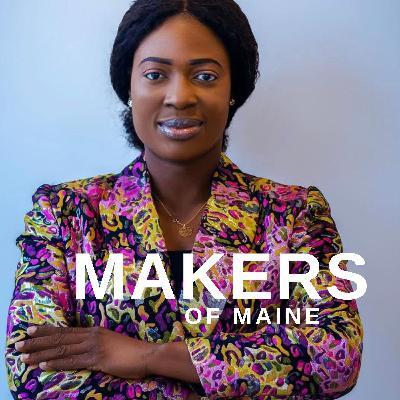
Podcast Notes: Olagunju Busola Dorcas – Fashion, Storytelling, and Community Impact**Episode Overview:In this episode, we speak with Olagunju Busola Dorcas, a Maine-based fashion designer originally from Nigeria. Olagunju shares her inspiring journey from studying project management in Maine to following her true passion for fashion. Alongside her design work, she supports refugees as they settle in Maine, weaving together her love for creativity and community.Key Topics:1. Background & Journey: - Olagunju’s move to Maine to study project management. - Despite focusing on a degree in project management, her passion for fashion never faded. - How she transitioned from academics to pursuing a full-time career in fashion design. - The importance of following one's true passion and making career shifts.2. Fashion Design & Creative Vision: - Her approach to fashion design – blending personal stories with each creation. - Custom designs and bespoke dresses tailored to tell a meaningful narrative. - Notable figures she’s worked with in Maine, including the owner of Coffee Be Design and USOA Ms. Maine.3. Fashion as Storytelling: - How Olagunju uses fashion to communicate deeper personal stories. - The power of design as a tool for self-expression and narrative. - Examples of her work and how each piece tells a unique story.4. Community Impact: - Olagunju’s role in supporting refugees in Maine and helping them settle. - The intersection of fashion and community engagement in her life and work. - How her career enables her to make a positive difference in people’s lives.5. Advice for Aspiring Designers & Creatives: - The importance of persistence and staying true to one's passion. - How to balance creative dreams with practical life responsibilities. - Tips for anyone looking to start their own business in the fashion industry.Takeaways:- The importance of combining passion with purpose, as Olagunju does through both her fashion design and refugee support work.- Fashion as a means of storytelling and cultural expression.- How personal experiences can shape creative pursuits and contribute to broader community support.Listener Action Points:- Reflect on how creativity and passion can be integrated into your own career.- Support local designers and businesses in your community.- Consider how fashion and other creative industries can be used as a platform for social good and storytelling.Closing Thoughts:Olagunju’s journey is a testament to the power of following one's passion, the impact of community support, and how creativity can be used to inspire and make a difference in the world. Tune in to hear more about her journey and the lessons she’s learned along the way.
If you enjoyed this Makers of the USA episode, please leave a rating and review on Apple Podcasts, Spotify or Facebook. Please check out Makers of the USA's YouTube channel, Facebook and Instagram. Thank you all and stay safe and healthy.
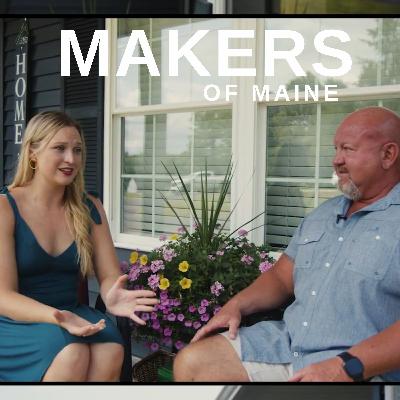
In this episode, host Kristan Vermeulen sits down with Bobby Miller, a highly experienced asset developer in Maine, to discuss the current state of the housing market, the lack of inventory, and the development landscape throughout the state. Bobby shares his journey from his upbringing in Camden to becoming a key player in Maine’s real estate scene.Key Topics Covered:The Housing Crisis in Maine:Bobby talks about the ongoing shortage of inventory in Maine’s housing market and the impact it’s having on potential homeowners.He shares his insights into the causes behind this shortage and explores possible solutions to ease the crisis moving forward.Bobby’s Experience in Maine’s Development Sector:With years of experience in asset development, Bobby discusses the various projects he’s been a part of in Maine and the unique challenges and rewards of working in the state.He highlights some of his most memorable developments and the lessons he’s learned along the way.Growing Up in Camden:Bobby reflects on his childhood in Camden, Maine, and how it influenced his values and approach to both business and life.He shares stories from his early years in Camden and how the community spirit there shaped his outlook on development.Why Bobby Loves Kennebec County:As a developer in Kennebec County, Bobby explains what draws him to the area and why he enjoys working there.He discusses the balance between maintaining the area’s charm and supporting growth to meet the demand for housing and infrastructure.Insights into Asset Development:Bobby offers a deep dive into the asset development process, offering advice for navigating the complexities of developing properties, especially in Maine’s more rural areas.He reflects on how the industry has evolved over the years and provides a glimpse into future trends that may shape the housing market.Personal Reflections & Future Outlook:Looking ahead, Bobby talks about his future plans in asset development, what excites him about Maine’s real estate market, and the potential for growth in both urban and rural areas.He shares his thoughts on the challenges and opportunities that lie ahead in Maine’s development sector.Tune in to hear Bobby’s insightful reflections on Maine’s housing market, his development experiences, and the bright future of asset development in the state.
If you enjoyed this Makers of the USA episode, please leave a rating and review on Apple Podcasts, Spotify or Facebook. Please check out Makers of the USA's YouTube channel, Facebook and Instagram. Thank you all and stay safe and healthy.

Treading New Paths: Jax & Bard’s Shoemaking MasteryIn the heart of Gray, Maine, a small town known for its scenic beauty and quiet charm, a unique brand has emerged, one that combines age-old shoemaking traditions with modern sensibilities. That brand is Jax & Bard, a name synonymous with high-quality, handcrafted footwear. Whether you’re a connoisseur of custom shoes or simply someone who values craftsmanship, Jax & Bard offers more than just shoes—they offer a story, a legacy, and a testament to the enduring art of shoemaking.The Origins of Jax & BardFounded by Jackie Lindstedt—the company started with a love for shoe design and craft as well as quality and sustainability. Jackie was driven by a desire to create shoes that not only looked stunning but also felt exceptional to wear. Jax & Bard shoes are designed with a focus on comfort, durability, and, most importantly, craftsmanship.Both Jax and Bard bring a personal touch to every pair of shoes they create, infusing their distinct styles into their work while honoring the legacy of traditional shoemaking techniques but also making the process more modern and sustainable. Their commitment to quality is evident in every stitch and the fabric she uses is unique as she can craft a custom piece for her clients.Handcrafted from Start to FinishWhat sets Jax & Bard apart from other footwear brands is their dedication to the art of handcrafting. From the moment a customer places an order to the time they slip their feet into their new shoes, the experience is steeped in artistry. Jackie carefully and strategically prints out a design onto sustainable fabric and then places the fabric on clogs or an espadrille base sourced by a local company.The design process is highly personalized. Jax and Bard work closely with each client to ensure the shoes not only fit perfectly but also reflect the wearer’s style. Each pair is made-to-order, meaning no two shoes are exactly the same, and this level of bespoke care is what makes Jax & Bard shoes a unique treasure for those who appreciate the value of true craftsmanship.Every step in the creation of a Jax & Bard shoe is done with precision and care. The process includes hand-stitching, custom fitting, and finishing techniques that ensure a level of comfort and durability not often seen in mass-produced footwear. The result is a pair of shoes that don’t just serve as a piece of clothing but as an investment in craftsmanship, style, and longevity.A Commitment to Local CraftsmanshipThough Jax & Bard has expanded its reach beyond Gray, Maine, the company remains deeply rooted in its local community. They take pride in their artisanal approach and in supporting the local economy by sourcing materials and services from nearby suppliers whenever possible. The brand is also committed to sustainable practices, ensuring that its shoes are built to last, thereby reducing waste and the environmental footprint of fast fashion. She even takes leftover fabrics and turns them into earrings.The Future of Jax & Bard: Crafting New PathsAs the company grows, Jax & Bard remains committed to its core values. They continue to build upon their legacy by expanding their collections and experimenting with new designs and techniques while staying true to their roots. The world of custom footwear is evolving, and Jax & Bard is at the forefront of this evolution, bringing old-world craftsmanship into the modern age. She is even considering diving into slippers which is a huge passion of hers.But while the future is exciting, Jax & Bard hasn’t lost sight of what makes their shoes special: the personal connection they have with their customers. Each pair of shoes is more than just a product; it’s a collaboration between the maker and the wearer, ensuring a perfect fit, both physically and stylistically.Discovering Jax & BardTo explore their collections or learn more about the artisans behind Jax & Bard, visit https://jaxandbard.shoes/. Whether you’re based in Maine or beyond, there’s no better time to step into a pair of shoes that are as unique as you are.If you enjoyed this Makers of the USA episode, please leave a rating and review on Apple Podcasts, Spotify, or Facebook. Please check out Makers of the USA's YouTube channel, Facebook, and Instagram. Thank you all and stay safe and healthy.
If you enjoyed this Makers of the USA episode, please leave a rating and review on Apple Podcasts, Spotify or Facebook. Please check out Makers of the USA's YouTube channel, Facebook and Instagram. Thank you all and stay safe and healthy.

Rogue Life Maine: A Story of Craftsmanship, Community, and PassionIn the heart of Maine, where the rugged coastline meets vast forests and small towns built on hard work, a brand was born — a brand that would eventually redefine the world of fitness equipment and inspire a lifestyle grounded in strength, resilience, and pride. This is the story of Rogue Life Maine.The Beginning: A Vision Takes RootThis business started as an award and trophy business owned by Mark Rodrigue's parents and now it's a commitment to continue producing American-made apparel and accessories that are both built to last and designed for performance.In a state known for its natural beauty and hardworking, no-nonsense people, Rogue Life Maine has all of its operations in Lewiston. Maine’s deep-rooted culture of craftsmanship, from shipbuilders to loggers to artisans, resonated with the Rogue team. The decision to keep this business in Maine wasn’t just about logistics; it was about a philosophy that aligned with Maine’s spirit — a place where quality and hard work were not negotiable but ingrained in everything people did.The Heart of Rogue Life Maine: Craftsmanship and QualityIn a small town in Maine, nestled among forests and fields, the Rogue team set up shop. And here, the true essence of Rogue Life Maine began to take shape.Maine’s factories are often humble, yet they produce some of the most enduring and well-crafted products in the country. This tradition of attention to detail and pride in one’s work was infused into every piece of apparel, outdoor pack, hat, etc. produced by Rogue. Every stitch, every screenprint, every embroider was a testament to the skill of local craftsmen who took pride in their work, just as the Rogue team did. Rogue Life Maine wasn’t just a name — it was a commitment to producing materials that reflected the values of this quiet, hardworking state.A Lifestyle Built on ResilienceBut Rogue Life Maine wasn’t just about manufacturing — it was about building a community of individuals who shared the same drive and dedication that the brand embodied. Whether in Maine or across the globe, those who used Rogue products became part of a greater movement.The rugged landscapes of Maine, with its steep mountains, coastal cliffs, and winter winds, provided the perfect metaphor for the type of person who was drawn to Rogue Life. It was a life built on grit, endurance, and a love for the challenge. It didn’t matter if you were climbing mountains in the backwoods of Maine or just pushing yourself to be the best version of yourself — Rogue Life was about embracing that challenge with everything you had.At the heart of Rogue Life Maine is a community of athletes, fitness enthusiasts, and everyday people who know that true strength comes not just from the muscles you build, but from the mindset you cultivate. The same values that shaped the production of Rogue’s products — durability, reliability, and strength — became the foundation for the community that formed around them.The Future of Rogue Life MaineLooking ahead, Rogue Life Maine continues to evolve, with new products, new initiatives, and a growing community of like-minded individuals. As the brand expands its reach globally, the roots in Maine remain firm — a constant reminder of where it all started and the values that continue to drive it forward. It’s about maintaining that commitment to craftsmanship, community, and strength that has always been at the heart of Rogue Life Maine.Whether you're hiking the rugged Maine coast, or simply living your life with determination and grit, Rogue Life Maine is a reminder that true strength — like the land of Maine itself — is built slowly, steadily, and with purpose. And it’s a life worth living.You can learn more about Rogue Life Maine by visiting their website.
If you enjoyed this Makers of the USA episode, please leave a rating and review on Apple Podcasts, Spotify or Facebook. Please check out Makers of the USA's YouTube channel, Facebook and Instagram. Thank you all and stay safe and healthy.
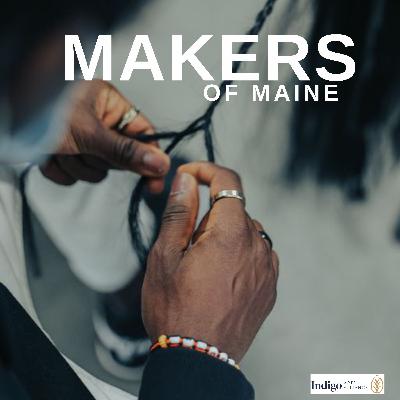
Jordia Benjamin, recognized in MaineBiz's "40 Under 40," is a prominent figure in the arts community. As the Executive Director of Indigo Arts Alliance, she focuses on supporting artists of color and fostering cultural representation. Benjamin's leadership emphasizes collaboration, creativity, and community engagement. Her work has significantly impacted the Maine arts landscape, promoting diversity and inclusion while nurturing emerging talent. Through her initiatives, she aims to inspire social change and enhance the visibility of underrepresented artists.Kristan speaks to Jordia about her previous careers that helped her get to where she is today. The ones that have a really special place are those that continue to have an impact today. Twelve years ago, under the auspices of the National Art Gallery of the Bahamas, she created the first teacher's art resource guide (over 100 pages) that provided an art curriculum for each grade school level based on Bahamian artists and history. The guide is still in use today.In addition to her work on an art resource guide, she fostered a program allowing gifted emerging Bahamian artists to exhibit their work alongside Bahamian masters in conjunction with the gallery, many of whom are now represented by international galleries and have exhibited in international museums.Today, her work at Indigo Arts Alliance allows her to advance the professional development of Black and Brown artists aligning with her moral compass. With an amazing team, they can advance through their residency program, the artistic excellence of local/national and global creatives.You can learn more about Indigo Arts Alliance by visiting their website.
If you enjoyed this Makers of the USA episode, please leave a rating and review on Apple Podcasts, Spotify or Facebook. Please check out Makers of the USA's YouTube channel, Facebook and Instagram. Thank you all and stay safe and healthy.

[00:02:56] Organ building craftsmanship.[00:03:58] Organ building and inspiration.[00:10:37] Knowing music for organ building.[00:14:22] Perfect facility for craft.[00:20:53] The cost of organs.[00:21:43] Organ building as mechanical design.[00:27:11] Moon and farming practices.[00:30:43] Two temperaments in organs.[00:38:15] Organ pipes collapsing over time.[00:40:21] Organ builders and bone materials.[00:45:09] The gold leaf process.[00:48:06] The weight of the organ.[00:52:02] Community involvement in instrument care.Organ building is a complex and intricate process that demands a significant investment of time and financial resources. In the episode, it is highlighted that churches and other organizations often face the challenge of securing funding and going through a lengthy organizational process before they can even begin constructing an organ. This can take years to accomplish as they work towards securing the necessary funds and finalizing arrangements.The episode also sheds light on the cost of building an organ. It is mentioned that the average cost of an organ is around a million dollars, although this can vary depending on the size and complexity of the instrument. Larger organs can cost up to two million dollars or even more, while smaller organs may be priced at around five hundred thousand dollars.The episode emphasizes the crucial role of careful planning and design in organ building. Before commencing the construction process, the organ builder must create a detailed design that ensures all components fit together harmoniously and allows each pipe to have sufficient space to produce sound. This meticulous process involves laying out thousands of pipes on templates and ensuring each one is of the correct size and position.Organ building is a costly and time-consuming endeavor that necessitates extensive planning, funding, and organization. It is a process that requires both craftsmanship and artistry and scientific and mathematical skills.The episode discusses the average cost of an organ, which is approximately a million dollars. The host inquires about the cost of organs, and the builder confirms that a million dollars is a typical average cost. However, the builder also mentions that the cost can vary, potentially reaching two million dollars or more for larger organs, or as low as five hundred thousand dollars for smaller organs. Therefore, while a million dollars is the average, the actual cost depends on the size and complexity of the organ.Martin initially developed a passion for organ building at the age of 15. However, their parents discouraged them from pursuing it at that time, leading them to choose a business high school instead. Despite this, the desire to become an organ builder never left their mind.After completing high school and entering adulthood, Martin felt a strong urge to engage in a craft and work with their hands. Organ building remained a lingering passion. Fortunately, they secured an apprenticeship position with a well-known and reputable organ-building company. Through this apprenticeship, they acquired the necessary skills and knowledge to install organs, tune them, and perform maintenance.Eventually, Martin had the opportunity to travel to the United States multiple times a year for work. They received job offers from various organ builders, first in Minnesota and then in the Montreal area of Canada. Finally, they decided to move to the United States and work with another organ builder who intrigued them. This experience ultimately led the host to establish their own organ-building business.Despite initially facing discouragement from their parents, Martin's passion for organ building never wavered. They pursued their passion, gained experience and knowledge through apprenticeships and job opportunities, and eventually established their own successful business in the field.
If you enjoyed this Makers of the USA episode, please leave a rating and review on Apple Podcasts, Spotify or Facebook. Please check out Makers of the USA's YouTube channel, Facebook and Instagram. Thank you all and stay safe and healthy.
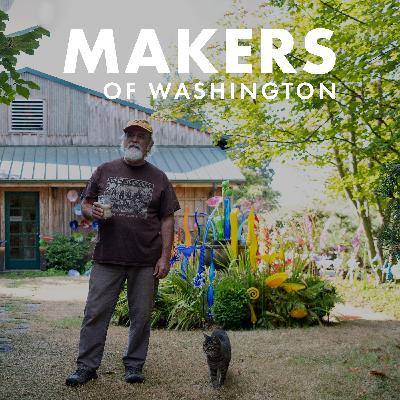
[00:02:12] Meditation and spirituality.[00:06:52] Eye-opening experiences in Colombia.[00:08:03] Colorful nature in Colombia.[00:12:24] Incorporating nature in glass art.[00:16:00] Artistic inspiration from family.[00:19:59] Getting into meditation.[00:25:38] Challenging glass projects.[00:29:38] Changing creative direction[00:34:21] Seattle becoming a glassblowing center.[00:36:10] Passing on glass blowing.In this episode, Kristan and Rob delve into the practice of meditation, emphasizing its dedicated and daily nature, which takes several years to truly master. Drawing a parallel, Rob compares meditation to glassblowing, explaining that both require consistent practice over an extended period of time. They stress the importance of having a teacher to guide individuals through their meditation practice and also mention the benefits of having a dedicated meditation partner. The discussion highlights how meditation cultivates a calm and joyful state of mind, which in turn enhances creativity. The guest shares that their meditation practice is separate from their glassblowing, indicating that the two practices are distinct yet complementary. Overall, the episode underscores the commitment and daily practice required for meditation, emphasizing its positive impact on creativity.The episode also explores how glassblowing can serve as a meditative activity, creating a serene and joyful space for creativity. The guest shares their personal experience, describing how glassblowing feels like a form of meditation to them. They explain that combining glassblowing with meditation brings about a sense of calm and joy that they cannot live without. The host agrees, adding that glassblowing helps individuals enter a calm and creative mindset, enabling them to work joyfully with their teams. Rob further emphasizes that despite any frustrations that may arise during the glassblowing process, one can always step back and find humor in the situation. This suggests that glassblowing not only provides a meditative and tranquil environment but also fosters a sense of joy and lightheartedness in the creative process. The host deepens the connection between glassblowing and meditation by inquiring if the guest's meditation teacher helped them understand how glassblowing can be a meditative practice. The guest confirms that while the teachings of glassblowing and meditation are separate, meditation has played a significant role in their life for several years.Nature serves as a major source of inspiration for the artist's work, influencing their projects in profound ways. The artist explains that when they practice or seek to be creative, they tap into a place in their mind or on paper where ideas and colors flow, and nature is their primary wellspring of inspiration. They express that most of their work is influenced by nature, as they believe it excels in providing ideas worth borrowing. The artist also shares a favorite project in Seattle, where they were tasked with creating 200 pieces for a building's entrance. The client desired an ambiance that evoked a connection to nature. The artist designed a piece consisting of 250 glass elements, incorporating flowers, leaves, and cattails to capture the essence of nature. Throughout the episode, the artist's passion for nature and their desire to infuse its beauty into their work shines through.
If you enjoyed this Makers of the USA episode, please leave a rating and review on Apple Podcasts, Spotify or Facebook. Please check out Makers of the USA's YouTube channel, Facebook and Instagram. Thank you all and stay safe and healthy.

[00:02:45] David Seery's artistic journey.[00:05:28] Selling milk at age seven.[00:08:00] Land investments in North America.[00:12:55] The elephant trailer.[00:18:03] How long does it typically take you to make a piece?[00:21:20] Dealing with pandemic challenges.[00:25:02] Wine making.[00:28:18] New stories wind their way.David Syre's artistic practice is deeply rooted in spirituality, with their strongest mentors being the Dalai Lama and Mother Teresa. They believe that spirituality forms the foundation of their art, equating it with love, compassion, and forgiveness. Their art goes beyond aesthetics, aiming to evoke emotions and create a sense of awe through vibrant colors and a "wow factor." The influence of their mentors and spiritual beliefs is evident in shaping their artistic practice.In the episode, David Syre emphasizes the importance of daily meditation and yoga practice. They believe that this routine sets the tone for their art, allowing them to tap into their subconscious mind and find inspiration. Living in the present moment and harnessing the energy from their core and heart brings forth images and ideas. The speaker also mentions the significance of daily walks, meditation, and breathing exercises in fueling their creativity. Their dedication to these practices is further highlighted by the presence of a dedicated yoga and meditation room on their property.David Syre, shares his personal journey of transitioning from a career in business development to becoming an artist. Encouraging listeners to follow their passion, he believes that everyone has the potential to be an artist, regardless of their background or previous career. Seery emphasizes the importance of courage in pursuing a creative path, urging individuals to step forward and make their artistic aspirations a reality. Drawing inspiration from spiritual mentors and incorporating daily meditation and yoga, Syre's art is a testament to the power of embracing one's creativity.Overall, the episode underscores the significance of embracing one's artistic side and having the courage to pursue a creative route. It highlights the role of spirituality, daily practices, and influential mentors in shaping an artist's journey.
If you enjoyed this Makers of the USA episode, please leave a rating and review on Apple Podcasts, Spotify or Facebook. Please check out Makers of the USA's YouTube channel, Facebook and Instagram. Thank you all and stay safe and healthy.
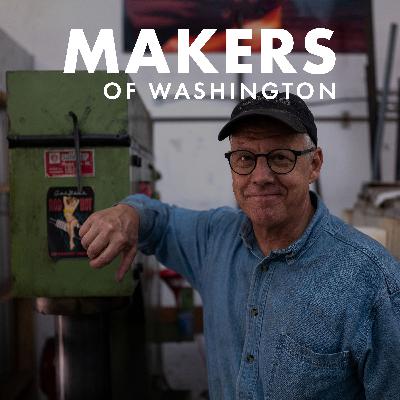
[00:04:13] High school challenges and dyslexia.[00:09:23] Intriguing lifestyle at the country club.[00:13:38] Reconsidering life and taking risks.[00:18:40] Learning to sharpen knives.[00:19:13] Knife sharpening journey.[00:23:20] Science of steel and knives.[00:28:25] Making your own steel.[00:32:41] Making Japanese steel replica.[00:36:02] Understanding steel and challenges.[00:39:15] Overcoming failures in craftsmanship.[00:44:21] The story behind Transformation.[00:47:34] Putting energy into handmade objects.[00:51:29] The business side of creativity.[00:55:08] Crafts and minimalism trends.[01:00:31] Midnight storms and love.In the episode, Bob Kramer shared their struggles with college and their decision to pursue a non-traditional career path through travel. They expressed difficulty in succeeding academically, particularly with note-taking and retaining information. As a result, they reevaluated their aspirations of attending medical school, finding it overwhelming. They also dismissed career options like accounting or law, as they lacked passion and excitement.Instead, the speaker felt a strong desire to explore the world and embrace a more adventurous lifestyle. They were inspired by the book "Dove," which ignited their dream of sailing from San Diego to Hawaii. Unlike the challenges of college, this book provided a sense of joy and excitement. The speaker set a goal to drive across the country, reach San Diego, and find a boat to embark on their sailing adventure, despite having limited sailing experience.This decision to prioritize travel over a conventional career path reflects the speaker's yearning for a different kind of lifestyle. They sought adventure, excitement, and a sense of freedom that they couldn't find within the confines of traditional education. It also signifies a shift in priorities, as the speaker prioritizes personal fulfillment and happiness over societal expectations and conventional success.Overall, the speaker's experience of struggling in college and subsequently choosing to travel underscores the importance of aligning one's path with their passions and desires. It highlights the value of exploring unconventional options and pursuing a lifestyle that brings joy and fulfillment, even if it deviates from societal norms.In the episode, the host and guest discuss the growing trend of people valuing handmade and high-quality goods over mass-produced items. They observe that an increasing number of individuals are engaging in crafts such as leatherworking and metalworking, finding contentment in owning fewer possessions as long as they are of superior quality or handmade. This trend is not limited to the United States but is observed worldwide, with individuals in Asia also expressing a desire for a simpler lifestyle and a departure from long working hours. The host suggests that adjustments will be necessary in response to this trend, indicating that changes need to be made. They also note that younger people are opting out of the corporate world and embracing a more sustainable lifestyle, including traveling and building their own travel vans. Overall, the episode highlights the shift towards valuing handmade and high-quality goods and the potential impact this trend may have on various industries.In the episode, the speaker emphasizes the significance of having a strong understanding of business and finances to succeed in a creative endeavor. They acknowledge that many creatives tend to overlook the business side of their work due to its challenging and dry nature. However, they stress that comprehending the business aspect is absolutely essential.The speaker suggests that if someone recognizes their lack of aptitude for the business side, they should seek an ally who can assist them in that area. They specifically mention finding a business-minded bookkeeper and compensating them to provide guidance and direction for the creative individual. By acknowledging the importance of the business side and seeking assistance, one can avoid potential struggles and setbacks in the future.The episode also dispels the romantic notion of instant success, emphasizing that there is much to learn in both the craft and business aspects of a creative endeavor. The speaker highlights the need to study the field, learn from past successes, and pay attention to the business side, even if it doesn't come naturally to the creative individual.Overall, the episode underscores the necessity of having a strong understanding of business and finances or finding someone who can provide support in those areas, to thrive in a creative endeavor. It emphasizes the importance of being realistic about the challenges and being willing to put in the necessary work to navigate them.
If you enjoyed this Makers of the USA episode, please leave a rating and review on Apple Podcasts, Spotify or Facebook. Please check out Makers of the USA's YouTube channel, Facebook and Instagram. Thank you all and stay safe and healthy.
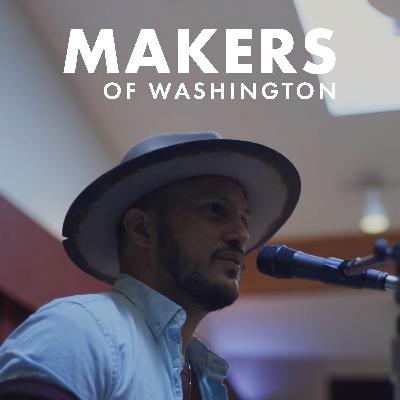
[00:02:13] Exploring Seattle's local makers.[00:05:22] The history behind London Bridge Studios.[00:08:01] The London Bridge sound.[00:12:31] Rock and roll influence.[00:16:29] Local musicians in Washington.[00:19:13] Recording and releasing music.[00:22:10] Painting and creativity in music.[00:26:58] Painting as therapeutic during pandemic.[00:30:11] A spontaneous trip to Seattle. The pandemic has had a profound impact on the mental health of musicians and those in the entertainment industry. Some musicians have found solace in their art, using it as a means of expression during these challenging times. However, for others, the pandemic has brought about deep depression as their livelihoods have been drastically affected. The cancellation of shows, the inability to rehearse with bandmates, and the loss of revenue have all contributed to the mental health challenges faced by musicians and those working behind the scenes in the entertainment industry. This episode highlights the contrasting experiences, with some individuals finding inspiration in their art while others struggle with the changes brought about by the pandemic. Overall, the pandemic has had a significant and dual effect on the mental health of musicians and those in the entertainment industry, leading to both creative expression and emotional challenges.The episode focuses on the presence and importance of makers and creatives in the United States. The host emphasizes that many people tend to overlook the numerous artisans, craftsmen, photographers, musicians, and makers of all sorts in America, opting instead to buy products from major online retailers. The host highlights the historical significance of makers in America, dating back to the Industrial Revolution and even earlier, and emphasizes their contribution to the country's economy.Furthermore, the episode explores the concept of being a "creative" and delves into the comfort level and self-consciousness that individuals may experience when identifying themselves as such. The guest shares their own creative process and mentions their interest in reading books as a hobby.Additionally, the episode delves into the role of a producer in the music industry. The guest emphasizes the importance of understanding and embracing the individuality of the artist they work with, rather than imposing a signature sound or style on them. They stress the need to help the artist become the best version of themselves and fully understand their artistic identity.Lastly, the episode briefly discusses the concept of "magic" in the context of a recording studio. The guest describes it as an intangible moment when everyone in the studio feels a connection and realizes that they have stumbled upon something special. This moment of magic can occur during playback, in the moment of recording, or even when listening back to a finished record later on.The transcript highlights the roller coaster nature of the pandemic for musicians. The speaker mentions that they are currently under a mask mandate again, indicating the fluctuation between periods of reopening and closures. This inconsistency in restrictions and regulations has made it challenging for musicians to navigate and find stability. Some musicians have been inspired to write songs and express themselves during these challenging times, while others have experienced deep depression and a significant shift in their livelihoods. The transcript also touches on the mental health challenges faced by musicians and those in the entertainment industry, as well as the loss of revenue due to canceled shows and the impact on production managers and operations roles. Overall, the transcript suggests that the roller coaster nature of the pandemic has had a significant impact on musicians and their ability to find stability in their careers.The episode expands on the presence of makers and artisans in the United States. It highlights the fact that many people tend to overlook the craftsmanship and creativity that exists within the country, opting instead to buy from major online retailers. The host emphasizes that America has a long history of makers, and there are thousands of artisans, craftsmen, photographers, musicians, and creatives who contribute to the country's economy.Furthermore, the episode explores the idea of labeling oneself as a creative and the comfort level associated with it. The conversation between the host and the guest delves into their creative processes and hobbies outside of their main artistic pursuits. The guest mentions reading as a hobby, emphasizing the importance of books and the pleasure of flipping through their pages. The host also mentions painting as a therapeutic activity, which they had done before but rediscovered during the pandemic.Additionally, the episode discusses the challenges faced by artisans in maintaining their craft. The guest talks about their studio's equipment, specifically a piece that was built in 1974 and is difficult to maintain due to the scarcity of certain parts. They highlight the importance of expertise in preserving the integrity of the equipment and the unique sound it produces.Overall, the episode highlights the presence and importance of makers and artisans in the United States, their creative processes and hobbies, and the challenges they face in maintaining their craft.In the episode, the guest discusses how engaging in creative outlets, particularly painting, can be therapeutic during difficult times. They mention that painting was a source of therapy for them during the pandemic. They also attribute their passion for painting to their bandmate, Kate, who is a true artist. The guest explains that while painting was always something they did on the side, mainly for album artwork or other auxiliary purposes, it became a significant outlet for them during the pandemic. This highlights the idea that engaging in creative activities, such as painting, can provide comfort and healing during challenging times.Additionally, the guest and the host discuss the labeling of oneself as a creative and the associated comfort level. The guest mentions feeling self-conscious about identifying as a painter, suggesting that there may be a stigma or pressure associated with being labeled as a creative. This conversation suggests that individuals may have different perceptions of themselves as artists or creatives, and these perceptions can influence their engagement with creative outlets.Overall, the episode highlights the therapeutic benefits of engaging in creative activities, particularly painting, during difficult times. It also explores the influence of other artists in inspiring and encouraging individuals to pursue their creative passions.
If you enjoyed this Makers of the USA episode, please leave a rating and review on Apple Podcasts, Spotify or Facebook. Please check out Makers of the USA's YouTube channel, Facebook and Instagram. Thank you all and stay safe and healthy.
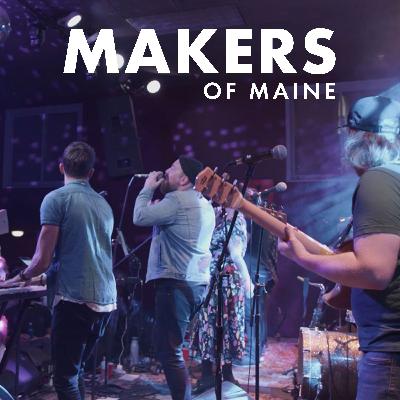
"I think our craft is just fun, partying. It's about playing music that we love with people that we love. I feel like a place called home is kind of the best representation of what we do, because I think we are a family. No matter whether anybody's here or not, we are going to be just laughing our asses off having a great time smiling at what everybody's doing. It feels like home every time that we play on stage. I think that we provide that for people that come through....we've been best friends since first grade, and second grade. And then we make a new best friend through our best friends who are all super talented and awesome and great to be around," said Lyle Divinsky, one of the founders and lead singer of Model Airplane.Model Airplane is a collection of musicians that comes together every year to perform an ultimate show right around Thanksgiving, I find it quite unheard of as you would think musicians want to do their own thing or play with their band because they're used to it. They jibe with one another. It's their thing. Not only does the band see the curation of amazingly talented artists family, but they consider the audience family too. I've seen them three years in a row. And I truly feel this connection, the connection is unreal. And I want you to listen on what that connection entails. The band started as friends who knew each other growing up to then adding more members that are new friends."I'd say if there's one common denominator, it's relationships and word of mouth. People who know people refer those people and it's all just a mess, like, now a lot of it can be helped with like, online and stuff. But like, we are old school, it was totally just friends of friends. If it wasn't this core right here is just a referral kind of thing, but nothing formal about it."The show is quite the production as the musicians are coming together from all over the nation. But in the end it's all worth it."I come here and this is how I hang out with my friends, we make music together. We're lucky to do it at a really high level, you know, make really great music together. If the vibe is right, then you're in the family, and that's where you stay, you know, you do your work, we all work really hard. I mean, we've got this kind of monster rehearsals and these weeks are always really interesting. Like Thanksgiving week is like two, five or six-hour rehearsals and then two, like full day long kind of shows that go on and on and on. It's long days, but there, but it's like a family reunion the whole time. You know, like, these are my people,"Tune in to this episode to learn more about Model Airplane. They will be performing at Aura on Saturday, November 25th at Aura. Doors open at 8pm and the show starts at 9pm. Tickets are sold here.
If you enjoyed this Makers of the USA episode, please leave a rating and review on Apple Podcasts, Spotify or Facebook. Please check out Makers of the USA's YouTube channel, Facebook and Instagram. Thank you all and stay safe and healthy.

"Most of our theme is maps and charts, we are map and chart people. So wherever that little corner of the world is special to you or to somebody you love or somebody wants to give well wishes to, we can pinpoint it down to a street address or we can design an entire country from an actual nautical chart, graphic, map topo, aerial map, aeronautical map, anything that's close to your heart," said Janice Sears, Owner of CHART Metalworks.Founded in 2008, CHART Metalworks has been handcrafting beautiful jewelry, accessories, and home decor pieces that are all about charts and maps put together with boat resin in the heart of downtown Portland. Janice Sears took over as owner right before the pandemic and while it was challenging their customers grew as they wanted more one-of-a-kind pieces that tell a story of one's life journey. "I have to tell you, that the community and I don't know if it's just Maine or just Portland or just the women in Portland, but everybody is so supportive, so friendly. 'How can I help?' It's so quick to become a friend, you know, so quick to help when I asked for it. Especially because six months later, we entered into the COVID scene. The city of Portland just came to our rescue and did everything they could to help us and I just can't say enough about the people of Maine. I am proud to live here. I'm proud to say that I'm from here and it is my mission to go to every place," said Janice.Not only has the small business focused on jewelry and charts and map designs. They have also expanded into new designs."One thing we just launched was, instead of an actual graphic piece under the resin, we're taking mussel shells that we collect on the beaches in Maine, we crush them up, and every piece is different. We'll put it under the resin and pour the resin on top of it. So sometimes it might be a little more of the opalescent side of the muscle or sometimes it's more blue but that blue after the sun has drenched it is beautiful. After you put that resin on top it's a pretty shade of blue and it has become really popular. We put it in all our pieces. barware, jewelry, men's gifts, anything, and we crush all those shells up on your own," said Janice.Janice has expanded the team to four which is the perfect size for the small-batch collections they make. She has also made processes a bit leaner and has partnered up with many artisans that best fit her brand to showcase their work in their pieces such as photography and art pieces. But the one thing captured from the interview that Kristan found important was Janice's passion for Maine and she will always keep the business of CHART Metalworks in Portland."Maine, New England, you know, has been a part of CHART Metalworks for years. It was going great, but it needed a little love. I chose Maine because the business was here, and it's my happy place. So it's a win-win for Janice. But like I said before, Maine has been fabulous. It's the most beautiful state in the world, in my opinion, the rocky coast. I can't get enough of it. And the people are so supportive and wonderful. Our longest-standing repeat customers are Mainers and yeah, they love the fact that we're here," said Janice.Tune in to this episode to learn more about CHART Metalworks and how Janice has continued its legacy.
If you enjoyed this Makers of the USA episode, please leave a rating and review on Apple Podcasts, Spotify or Facebook. Please check out Makers of the USA's YouTube channel, Facebook and Instagram. Thank you all and stay safe and healthy.

"Our craft is making snowboards with Winterstick snowboards. Winterstick is the oldest snowboard company in the world. It was started in 1972 by Dimitrije Milovich out in Salt Lake City and for the last 23 years, we've run our business out of Maine. I came on about six and a half years ago and I've always been a lifelong snowboarder. I've based my whole education and life around snowboarding. Somehow I ended up in a position where I actually get to design and make snowboards," said Rob Lu, President of Winterstick.Rob had quite the career journey in getting into the position he is in today. He studied Mechanical Engineering and wound up working for a government contractor before heading up to Maine to work for Winterstick. "I think it was about 2015 or so they were talking with Seth Wescott, who's a Maine snowboarding legend, two-time gold medalist in snowboarding, and longtime Sugarloafer and they were talking to him about wanting to help out the Carrabassett Valley, bring jobs back to the valley and make better snowboards. They brought Seth on as one of the owners of Winterstick. We secured the manufacturing location here at Sugarloaf through Seth's connections with the mountain. We were able to start making our own boards again, six and a half years ago. Since then we've been working here to keep the manufacturing going make it better and better and continue to improve our craft of making snowboards," said Rob.They have continued to innovate their styles yet keep their traditional board alive."We have about ten models of snowboards that are what we sell as our inventory boards. But we also offer customizations on all of those models. Then we also offer customizations to a fully custom board depending on the needs of the customer. For our in-stock models, we have everything from powder boards to park boards, but we also will take those and we can offer them in a custom option. Such as custom boards for bigger-footed riders for guys with size 13 and up feet," said Rob.The process in designing and creating a snowboard is a lot of work but to Winterstick it's an everyday activity."We go through some new prototyping designs and we jam a Sharpie into our CNC machine so that we can draw shapes on cardboard. We draw shapes until we like the feeling of them and then we can stand on them. Then we can go and we can actually take that from the console, the Sharpie concept to a working board, and in about a day it comes out of our factory, we can just jump on, go test it out, see how it feels, and then make tweaks as we need to from there," said Rob.Tune in to learn more about Winterstick and how Rob Lu got involved in the business after his time in mechanical engineering with the government.
If you enjoyed this Makers of the USA episode, please leave a rating and review on Apple Podcasts, Spotify or Facebook. Please check out Makers of the USA's YouTube channel, Facebook and Instagram. Thank you all and stay safe and healthy.

"My craft is hand hewing, which is basically turning a log into a square beam using only an axe. It's a craft that's been around for thousands of years. Most of the old homes and barns and structures throughout New England were timber framed, and those beams were hewn just with an axe. So it's a craft that is not common anymore. But you can still learn about it through books or YouTube videos. And as soon as I learned about it, it just resonated. I just knew I was going to enjoy it," said Steve Smith with Renaissance Timber.Steve traveled far from home to attend school to receive a degree in history and worked in various roles along his career journey but when he came home he wanted to do something with his hands. "I grew up on this property here in Cumberland, Maine. And you know, growing up in the fields in the forest with my twin brother, adventuring out in the woods, always working on the old farmhouse with our dad, there's always something to fix. So working with our hands and kind of having that five senses experience of nature with the sounds in the sense. I went to college in the midwest and was a history major. So I was always interested in history, and then worked at a medical school in Biddeford, Maine for a while, and then went to grad school in Dallas for theology, and then communications. So I was writing and storytelling for a while. And it was there in Ohio, where we moved to that I kind of got bitten by this bug of really wanting to work with my hands again, and not just be in an office behind a screen, not seeing the product of my hands," said Steve.Hand-hewn was the craft that Steve turned to when he ventured back to Maine. Steve did a ton of research by reading books and viewing things online to learn how to hand-hew. "Hand hewing is just taking an axe and squaring off around log into a beam that then is useful for timber framing, and timber framing is joining beams to form a structure. The reason is that for thousands of years, people used axes because they didn't have sawmills. They sometimes had saws like hand saws, or pit saws, where guys would saw planks or beams, but it was usually more efficient to square off a log with an axe for hundreds of years here in America, the process looked like this, he would take a round log, you would fix it so it wouldn't move, you know, to either dunnage underneath it or you would have these big, basically metal staples that you would staple it to logs underneath. Then you would take a felling axe, the type of axe you'd use to cut down a tree and you would score down the side of the log, you would mark a square on each end of the log, and establish a plane with a chalk line. As I mentioned, you'd score then you'd come back with that felling axe and knock out the billets in between those scoring marks. So if you think of a bunch of wedges down the side of a log, now you're knocking those billets out between those wedges going along with the grain so they kind of pop right out. That's rough hewing, you've basically had a rough squared-off side. And if you want to smooth that you take a broad axe which has a much longer bit, and usually is a single bevel. So it wants to follow a straight line and you smooth off that face and you can get it really smooth. And if you do that on four faces, you have a squared-off beam. That's hand-hewing," said Steve.Steve is the only commercial hand-hewer doing this full-time in the United States."I wasn't sure if I could make a living at it. But what I discovered was not only that I was very passionate about it, and I do love the lifestyle. But there's a whole niche of Americana, who also appreciate the crafts. And there's homesickness in our country for traditional values and aesthetics. People want to have the warmth of a hewn beam, you know, exposed in their home either as a mantel for a fireplace or a structural beam. And, you know, these people, I don't need thousands of customers because I'm just an individual. So I'm low volume, high value, and you know, I'm able to make a living doing this," said Steve.Tune in to learn more about the craft of hand-hewing, Steve's history prior to taking on hand-hewing, and what he looks forward to in the future with his craft.
If you enjoyed this Makers of the USA episode, please leave a rating and review on Apple Podcasts, Spotify or Facebook. Please check out Makers of the USA's YouTube channel, Facebook and Instagram. Thank you all and stay safe and healthy.

Comments

Download from Google Play

Download from App Store
 United States