


 Claim Ownership
Management Today's Leadership Lessons
Subscribed: 62Played: 709
Subscribe

© Management Today
Description
Management Today's Leadership Lessons podcast is aimed at entertaining, educating and inspiring people to be better leaders.
The podcast delves into the world of leadership and management, bringing fresh insights, trends and advice to the ears of busy senior leaders.
We interview CEOs, founders, authors, executive coaches, business professors and other experts to discover the real secrets to effective leadership.
We also provide crucial insight into some of the biggest business stories of the day to help you stay ahead of the curve.
Hosted on Acast. See acast.com/privacy for more information.
122 Episodes
Reverse
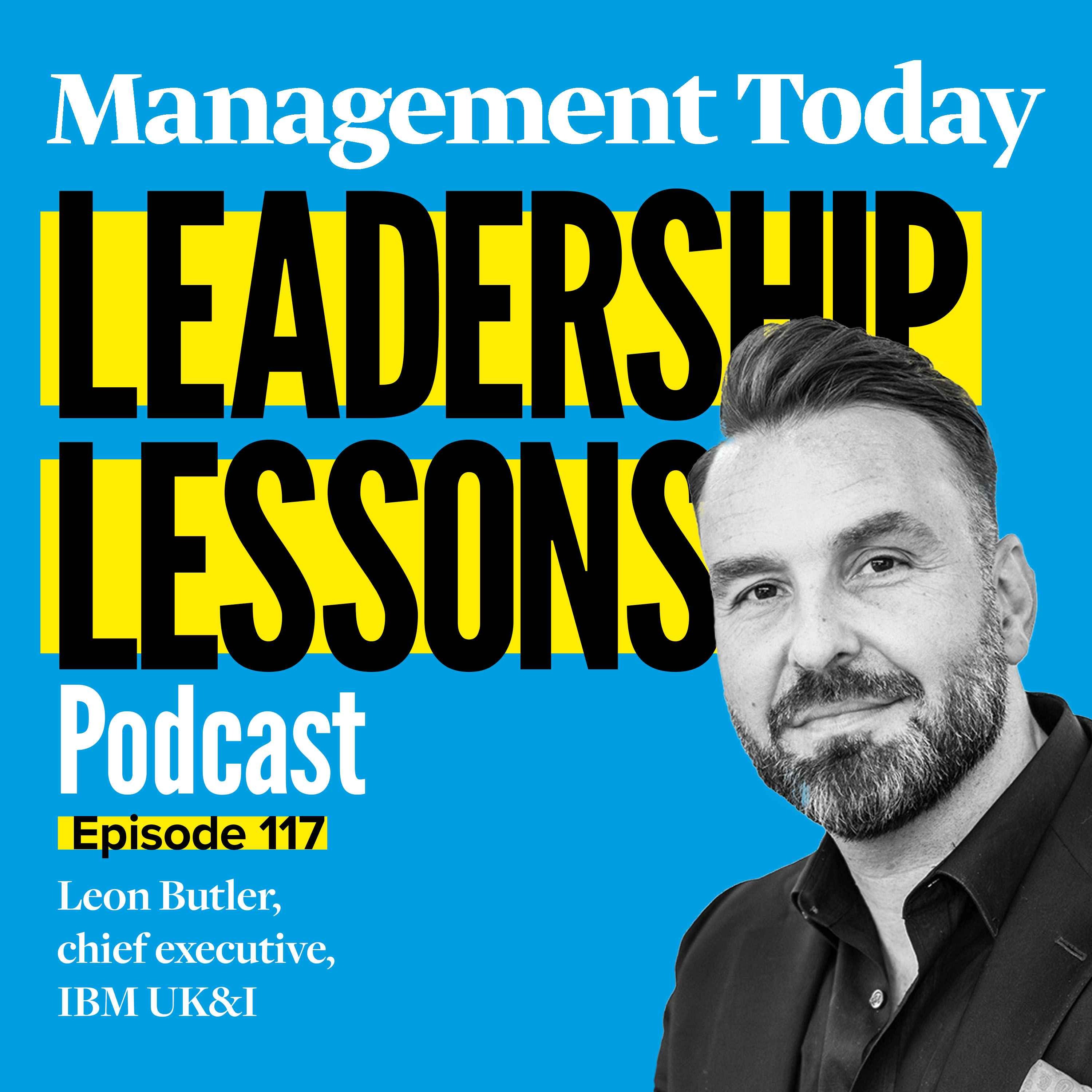
On this week’s episode, MT’s former staff writer Éilis Cronin talks to Leon Butler, general manager of IBM UK and Ireland. Having previously been IBM vice president responsible for global AI sales, Butler has a clear viewpoint on what businesses need to do to get the most out of the technology.As far as those at the top of the organisation are concerned, this comes down to the need to “lean in” more and actually use the technology themselves, as this enables leaders to not only talk about it but really to understand it and, in turn, effectively implement it within their organisation.By the same token, initiatives often fall short when they are treated like a “science experiment”, as opposed to rooted in clearly defined objectives.Butler is an IBM veteran in the truest sense of the word, having spent more than two decades at the company and worked his way up the ranks before clinching the top UK job a year and a half ago. He talks about the lessons he has acquired along the way – not least the need as a leader to really understand your business. “I’m in the technology industry, and if you don’t understand technology, how on earth will you run a company that rolls it out?” This understanding underpins everything, he says, from the quality of your communication with your teams to their ability to convey the company’s offer, to ultimately the strength of your clients’ understanding of your solutions.The episode also covers how AI is changing the in-demand leadership attributes, the challenge and opportunity of upskilling, and the importance of psychological safety in harnessing AI’s gains.Credits:Presenters: Éilis Cronin and Antonia Garrett PeelProducer: Inga MarsdenArtwork: Chris Barker
Hosted on Acast. See acast.com/privacy for more information.

Are organisations getting it right or wrong on workplace culture? While the answer to that question isn’t straightforward, it would seem that something is slightly amiss across British businesses.As workplace culture expert Bruce Daisley says, it is clear that the last few years have been difficult and many organisations are probably aware that their culture is just not as good as it used to be.“I think it’s not through a lack of desire or will to make culture better that it’s not working right now, but I just think some of the tricks that used to work in the past aren’t proving as effective, and that’s why firms are getting it wrong,” he says. “Work used to be more fun than it is now.”Daisley became one of the best-known technology leaders in the country, during a 12-year stint first running YouTube in the UK for Google and then what was at the time Twitter across Europe, the Middle East & Africa. Today he is the bestselling author of The Joy of Work and Fortitude, the voice behind the award-winning podcast, Eat Sleep Work Repeat, and a keynote presenter and culture coach.In this episode of Leadership Lessons podcast, Daisley discusses why, in an age of AI, getting workplace culture right is more important than ever and offers some helpful advice on how to make improvements, from optimising face-to-face time to the importance of looking at what behaviour is encouraged, what is rewarded and what is – but no doubt shouldn’t be – tolerated. Credits: Presenter: Claire WarrenProducer: Inga MarsdenArtwork: Chris Barker
Hosted on Acast. See acast.com/privacy for more information.

Shevaun Haviland is a born optimist – a trait it seems safe to suppose has helped see her through some tough – or as she jokes is the more characteristically understated British way of putting it – “interesting” times.As deputy director of business partnerships at the Cabinet Office and later also head of business engagement at Number 10, Haviland served the government for five years – a period that, as she tells Leadership Lessons, spanned “three prime ministers, two general elections, an EU referendum, an actual leaving of the EU, and a year of Covid”.Things weren’t set to slow down when she assumed the role of director general of the British Chambers of Commerce (BCC) in spring 2021. The intervening years have seen war in Europe and the Middle East – with concomitant energy price shocks – three prime ministers in one year, as well as new costs for business, notably around national insurance.As well as being the first female leader in the BCC’s history, Haviland is also an entrepreneur and a veteran of big business, with stints at WPP and The Walt Disney Company under her belt. In the episode, we talk about how this combination of business and government experience has benefitted her in her current post, the key priorities for the BCC and how Haviland sees its role evolving.Credits:Presenter: Antonia Garrett PeelProducer: Inga MarsdenArtwork: Chris Barker
Hosted on Acast. See acast.com/privacy for more information.
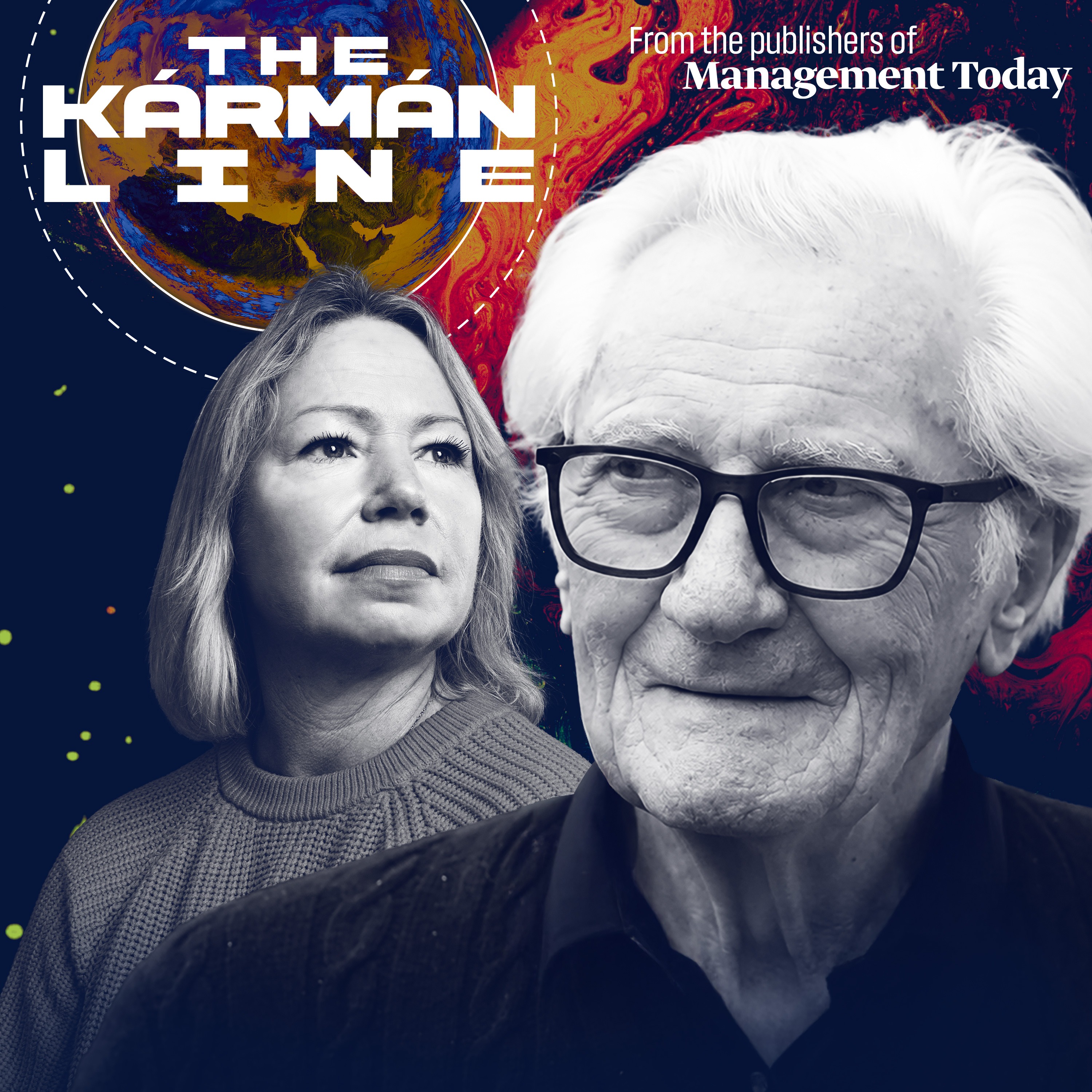
Lord Heseltine tells the story of the birth of the European Space Agency. Why post-Apollo, when the US was spending £1.2 billion a year on space, the whole of Europe was spending just £200 million. Why the birth of ESA was driven by the self-interest of three major countries. Why the US general with a $29 billion budget for the Star Wars project wanted to invest in Heriot-Watt University in Edinburgh. Why, the idea that Britain could compete alone with the technologies that were accumulated and available to the American capitalist system was “simply laughable”. Why “being European is not selling out British interests”. And why Margaret Thatcher told him: “If you want to get on and put your budget into this, you can, but you're not getting any of mine." Join Alice and Lord Heseltine as they pick apart the negotiating contrivances and the wheeling and dealing to circumnavigate “turkeys not voting for Christmas” that ultimately put European space on the map.Contributors:Alice Bunn, President of UKspace Dr Alice Bunn OBE FIMechE FRAeS CEng | LinkedInUKspace: Overview | LinkedIn Lord Heseltine, Member of the House of LordsKey topics covered:Creation of the European Space Agency (ESA)US "Star Wars" program and brain drainGeopolitical case for European R&D collaborationImpact of Brexit on science and technology
Hosted on Acast. See acast.com/privacy for more information.

On this week’s episode, we hear from Ivan Doruda, CEO of native advertising platform MGID.Doruda was plotting a new venture when the full-scale invasion of Ukraine began in early 2022 and over the next couple of years served in the army as a reconnaissance soldier, then a drone operator, before rising to become a commanding officer. In the episode, we talk about the different ways in which his military service has impacted on his view of leadership and the existing skills and qualities that helped him on the frontline. He says that faced with an extraordinary situation, “you can still adapt your lessons and experience from previous times, even to circumstances like those”.Doruda also explains how his return to the ad world – in the shape of a job as managing director of the Ukrainian division of GroupM (now WPP Media) – provided the anchor for his readjustment to civilian life. To this day, he says he is “incredibly thankful” to WPP for taking a chance on a veteran. Then, last year, Doruda took up the role of CEO of MGID, the global advertising platform he first joined 15 years ago.We discuss what business ‘resilience’ means in the context of a country at war, why integrating AI into your product is easier than into your processes, and the risk of seeing mistakes as a “dead end”.Credits:Presenter: Antonia Garrett PeelProducer: Inga MarsdenArtwork: Chris Barker
Hosted on Acast. See acast.com/privacy for more information.

Comments

Download from Google Play

Download from App Store
 United States