


 Claim Ownership
Media and the Machine
Subscribed: 1Played: 1
Subscribe

© Media and the Machine
Description
AI is the biggest technology shift of our lifetime. This show is about how to profit from it together.
Each week I talk with the founders and CEOs closest to AI and Content, the ones figuring this out in real time.
I’m also building an AI content business myself and share the lessons I learn along the way.
WHAT WE COVER
The Titans -- How companies like OpenAI, Anthropic, Google, Meta, and xAI are moving, and why their decisions matter.
The Incumbents -- How content giants like Disney, News Corp, Universal Music Group, and Reddit are responding to AI, and what it means for creators and publishers.
The Playbook -- Real lessons on AI business models, content strategy, creativity, IP licensing, distribution, and getting paid.
Family & Our Future -- Every episode ends with me asking my guest what AI means for our jobs, our families, and the next generation.
ABOUT YOUR HOST
Rob Kelly has interviewed Steve Jobs and Bill Gates, helped pioneer early web content licensing, and built multiple companies with more than $100 million in total sales. His work has appeared on CNBC, CNN, TIME, and Entrepreneur.
Thanks!
-Rob Kelly
Each week I talk with the founders and CEOs closest to AI and Content, the ones figuring this out in real time.
I’m also building an AI content business myself and share the lessons I learn along the way.
WHAT WE COVER
The Titans -- How companies like OpenAI, Anthropic, Google, Meta, and xAI are moving, and why their decisions matter.
The Incumbents -- How content giants like Disney, News Corp, Universal Music Group, and Reddit are responding to AI, and what it means for creators and publishers.
The Playbook -- Real lessons on AI business models, content strategy, creativity, IP licensing, distribution, and getting paid.
Family & Our Future -- Every episode ends with me asking my guest what AI means for our jobs, our families, and the next generation.
ABOUT YOUR HOST
Rob Kelly has interviewed Steve Jobs and Bill Gates, helped pioneer early web content licensing, and built multiple companies with more than $100 million in total sales. His work has appeared on CNBC, CNN, TIME, and Entrepreneur.
Thanks!
-Rob Kelly
28 Episodes
Reverse
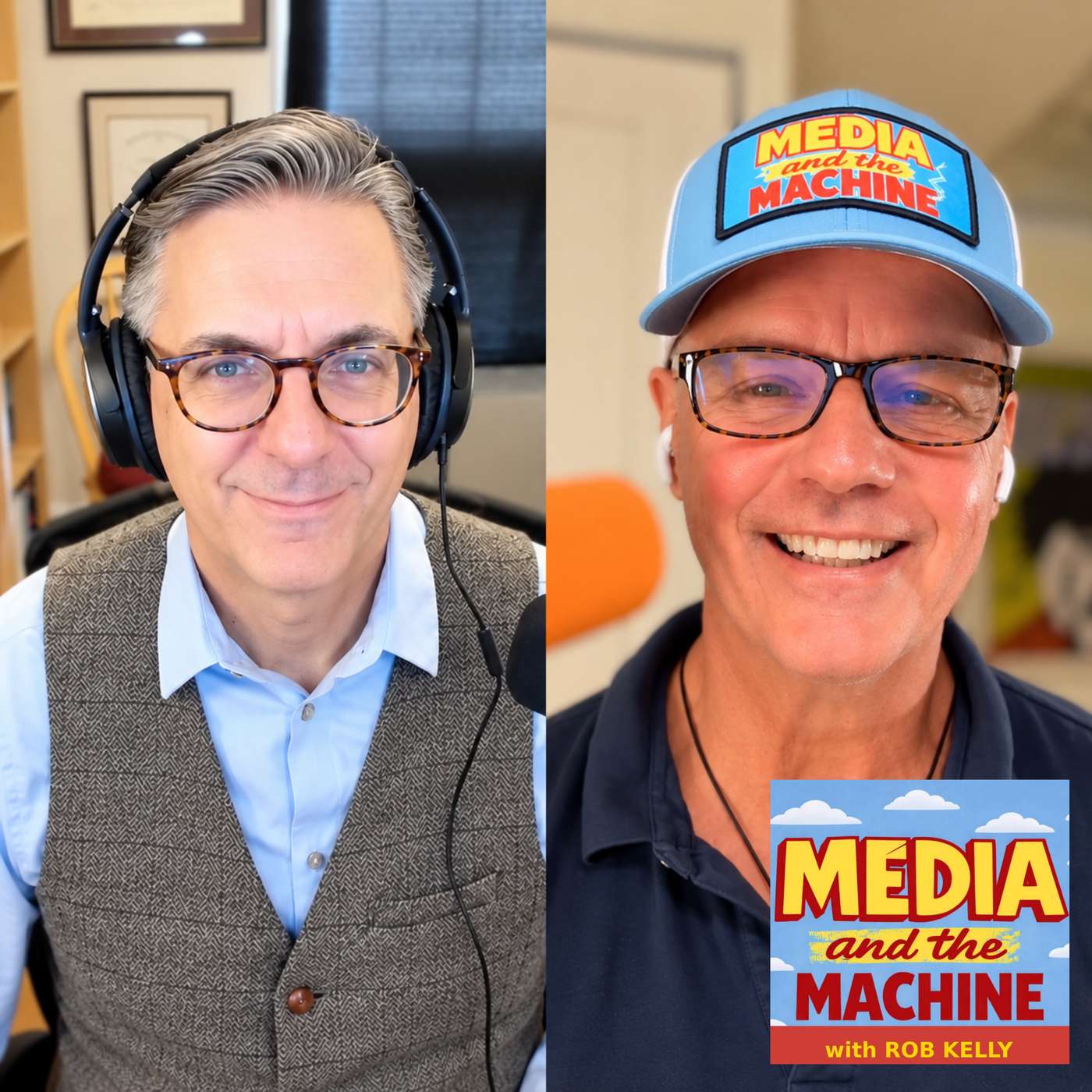
This week’s episode is a little different -- because I’m the guest!I was honored to appear on The Media Copilot podcast, hosted by Pete Pachal. Pete has spent more than two decades in tech and media, including senior roles at CoinDesk and Mashable. Today, he teaches folks in PR, journalism and media how to keep up with AI.Pete and I covered a lot of ground:• We get into the spreadsheet I keep tracking 99 AI licensing deals — and what I’ve learned from studying them.• I share when and why I think OpenAI will settle its lawsuit with The New York Times before its IPO — and how OpenAI can help grow the Times’ business.• We dig into Yelp’s content licensing deal with OpenAI and a business model I call “licensing content to commerce” — where Yelp can turn an AI answer into revenue. • Pete gets my take on why I believe we are far from running out of content to train AI on.• And we get into my own use of AI — including how I increased my writing productivity 8.7x for my Daily Doc newsletter recommending documentaries (without being a spammer)Now please enjoy my conversation with Pete Pachal (where, this time, he’s the one asking all the questions).Thx!Rob Kelly
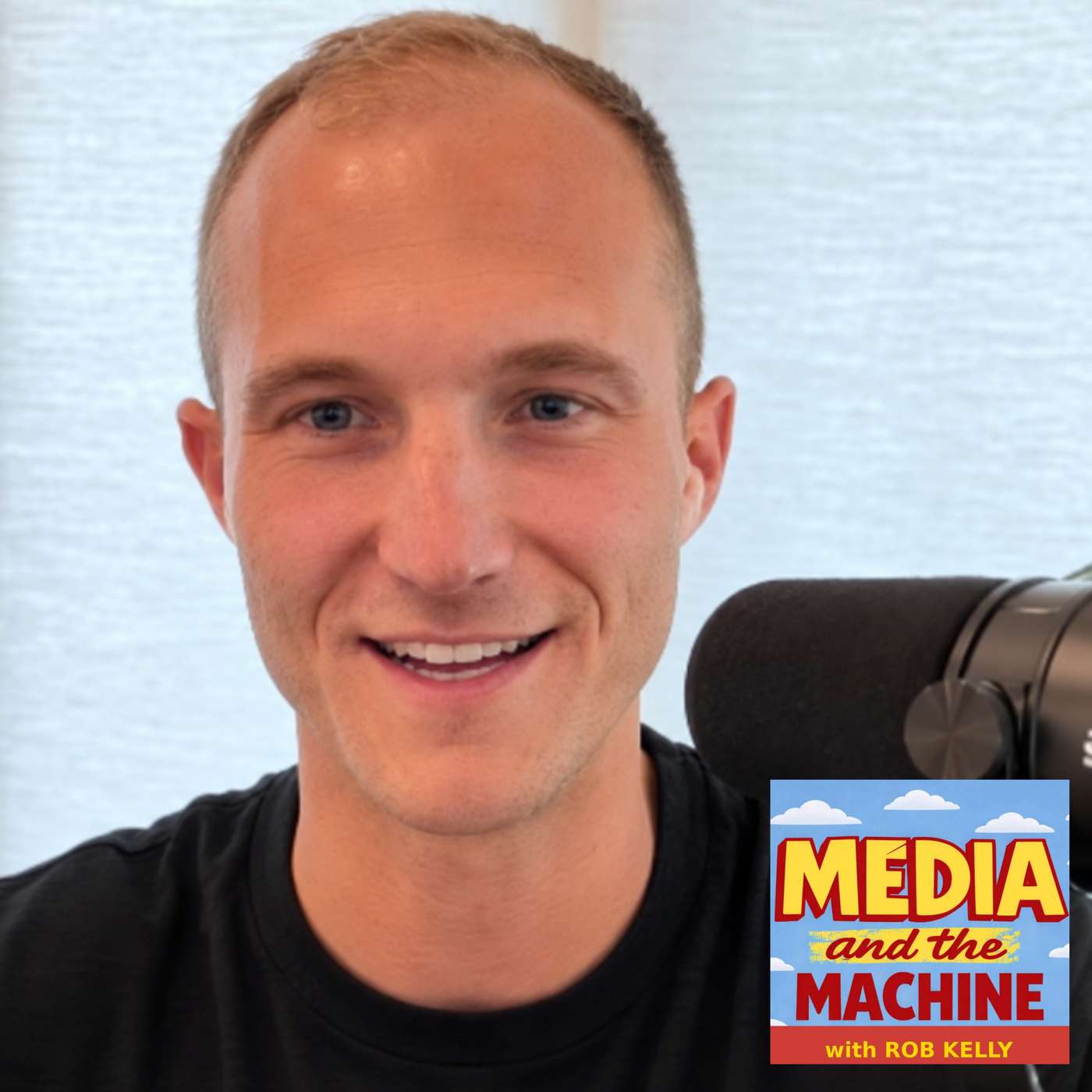
My guest today is Gavin King, founder and CEO of Known Agents. He was a software engineering manager for Meta’s Instragram for 7 years before that. This man lives and breathes AI bot trafficGavin and I dig into a remarkable shift happening on the web: 1/3rd of website traffic is now coming from bots. We break down what those bots are actually doing.And bots often get a bad rap. But, according to Gavin’s data, 96% of the bots actually follow the rules when publishers tell them to stay away.Meanwhile, publishers block only 22% of bots. We go over live data about what % of bots are blocked by such co.s as Gannette, CNN, and AdWeekWe also get into the bad news: just 0.1% of human traffic is currently coming from AI chat referrals—and what publishers can do about it, from paywalls and subscriptions to MCPs and building businesses that AI agents can transact with directly.And at the end, Gavin shares his advice for young people entering a job market being reshaped by AI—and whether his own future kids will even go to college.Please enjoy my conversation with Gavin King.Rob Kelly
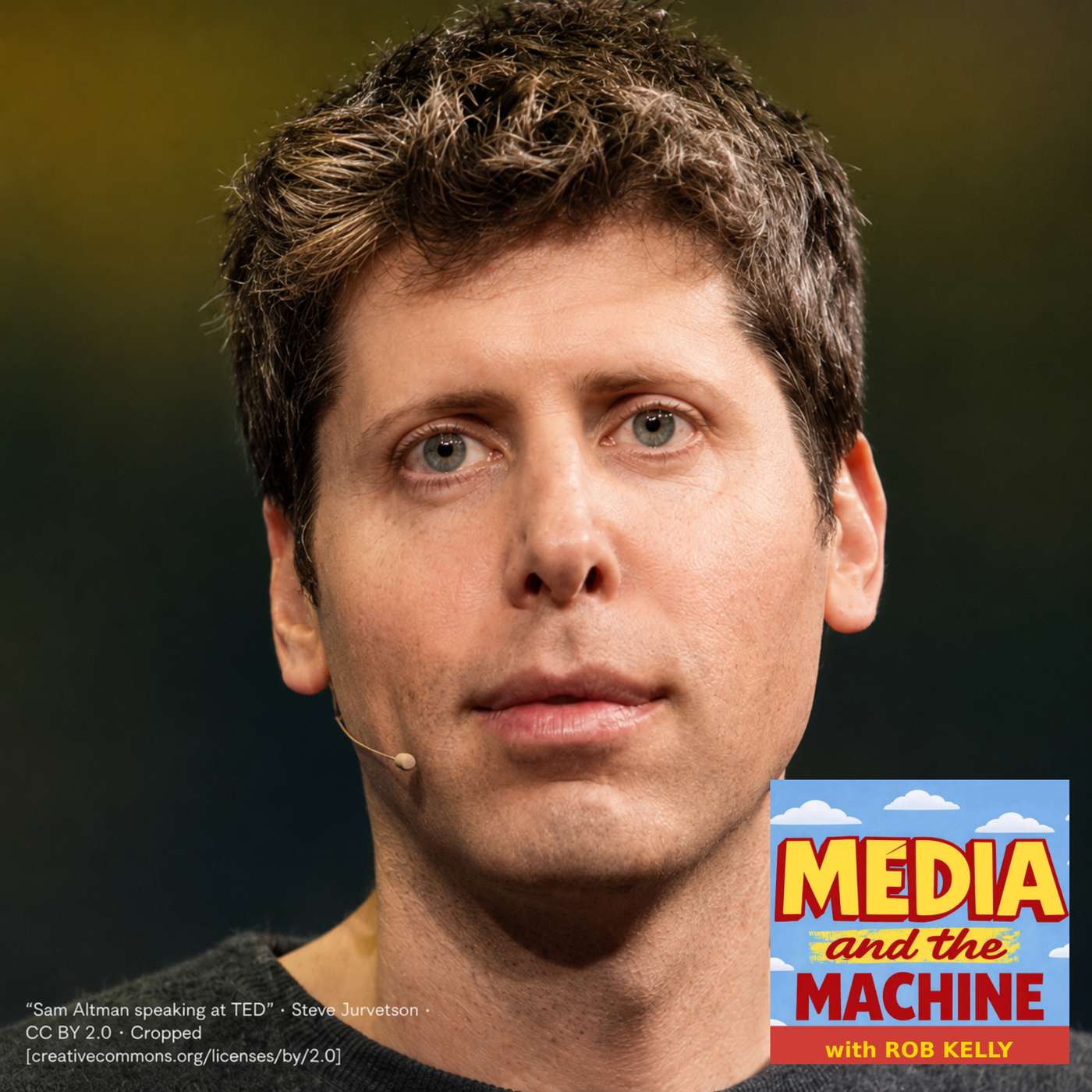
The Optimist: Sam Altman, OpenAI, and the Race to Invent the Future by Keach Hagey is one of the best windows I’ve found into the human being behind OpenAI.Hagey, a Wall Street Journal reporter, conducted more than 250 interviews with Sam’s family, friends, teachers, mentors, co-founders, colleagues, investors and portfolio companies—and spent hours interviewing Sam himself.So who is Sam Altman, and how did he get here?• Why Peter Thiel says we should think of Sam as “more of a messiah figure”• Why Paul Graham compared 19-year-old Sam to Bill Gates—and later called him “the god of fundraising”• How a $15,000 investment in Stripe turned into a stake believed to be worth more than $600 millionThen there’s the question of how Sam actually accumulates power.• The 2015 email where Sam pitched Elon Musk on a “Manhattan Project for AI”• The early OpenAI power struggle where Elon wanted the CEO title, majority equity and board control—and Sam convinced Greg Brockman to change his mind about putting Elon in charge• How Sam built enormous power at OpenAI while taking zero equity and no super-voting sharesAnd the book gets much more uncomfortable when it turns to trust.• Why one longtime YC partner described Sam as moral and well-intentioned—but also “conflict avoidant,” a poor communicator, and someone who moves so fast he can break trust• The tensions with Ilya Sutskever and OpenAI’s board that eventually led to Sam’s firing—and extraordinary return just days laterThen there’s the future Sam is trying to build.• His favorite sci-fi story about humanity being gradually seduced into merging with technology• His view of Burning Man as a glimpse of what life after AGI could look like• The “shrine to human progress” inside his San Francisco home, from a 1.5-million-year-old hand axe to an OpenAI robot hand• And the belief underneath it all: superintelligence may be only “a few thousand days” awayWhat fascinated me most is the contradiction.Sam's an optimist with a doomsday-prepper streak.He's a man with immense power who owns no equity in OpenAI.And he's a connector who helped assemble OpenAI but repeatedly left some of the people closest to him questioning whether they could trust him.Thx, -Rob Kelly
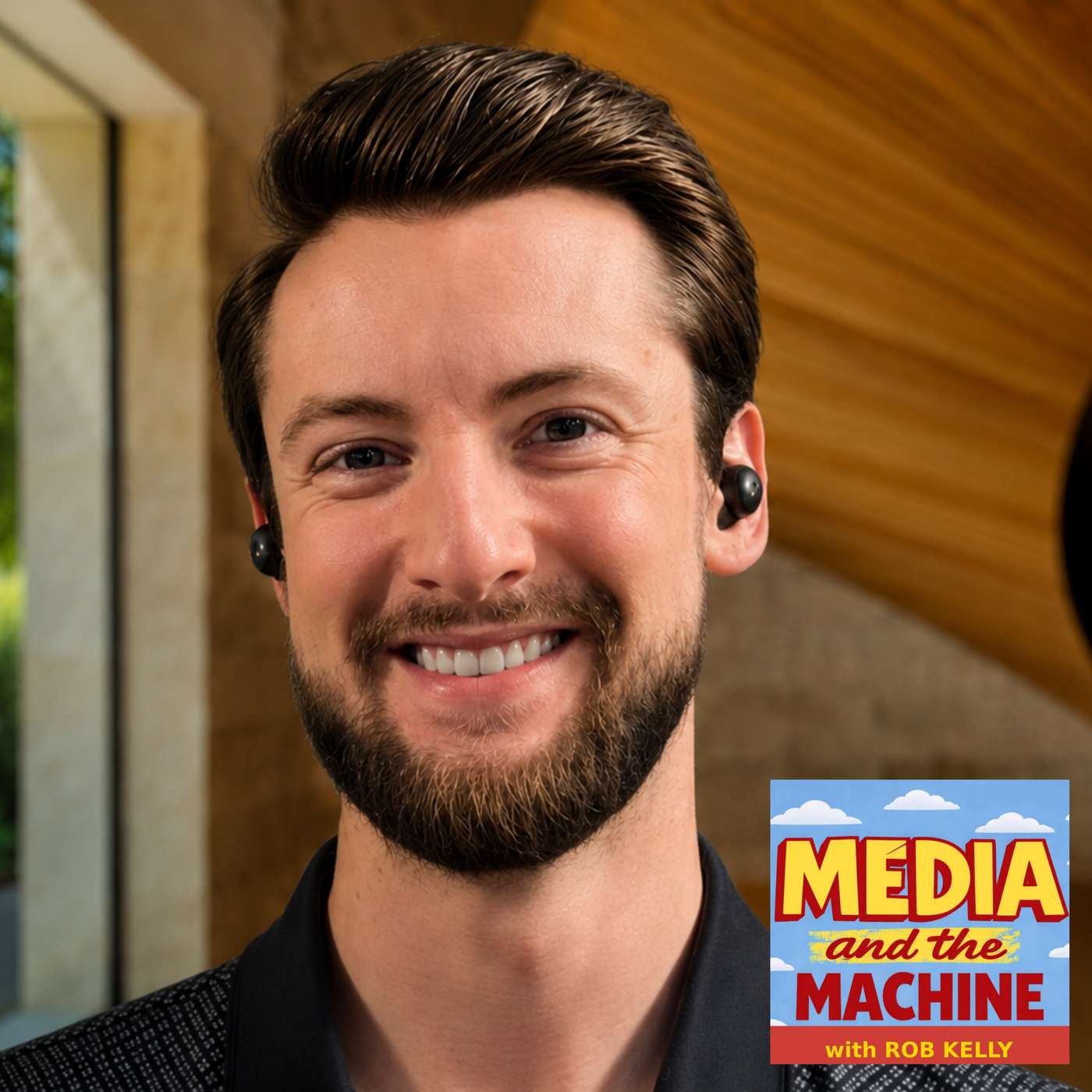
My guest today is Erik Svilich, the CEO of Encypher, a technology company that lets you prove who created a piece of content — and whether AI made it, changed it, or took it.The tech is called C2PA -- think of it as a nutrition label for content…And Anthropic just announced they're using it to watermark everything created on Claude.Erik authored the text provenance spec for C2PA and co-chairs its task force alongside Google, OpenAI, Adobe, Microsoft, and the BBC.• We talk about what this Claude watermarking moment means for AI companies who are now required by law to do it — under the EU AI Act and California's AI Transparency Act• Erik explains how this finally gives publishers and creators visibility into what AI is doing with their content — and gives them a stronger hand in AI licensing deals.• GEO/AI SEO -- He explains why chasing AI search rankings is a red herring — including how AI answers citing Reddit dropped from 3-5% to half a percent in just two weeksLike I do with all my guests, we end by talking about AI's impact on our jobs, our families, and the future. I especially enjoyed Erik's advice for kids ages 10 to 18 in this new era of AI -- including what a new form of college looks like. And his prediction on how soon he thinks we'll see a billion-dollar company run by zero people.Enjoy! Rob Kelly
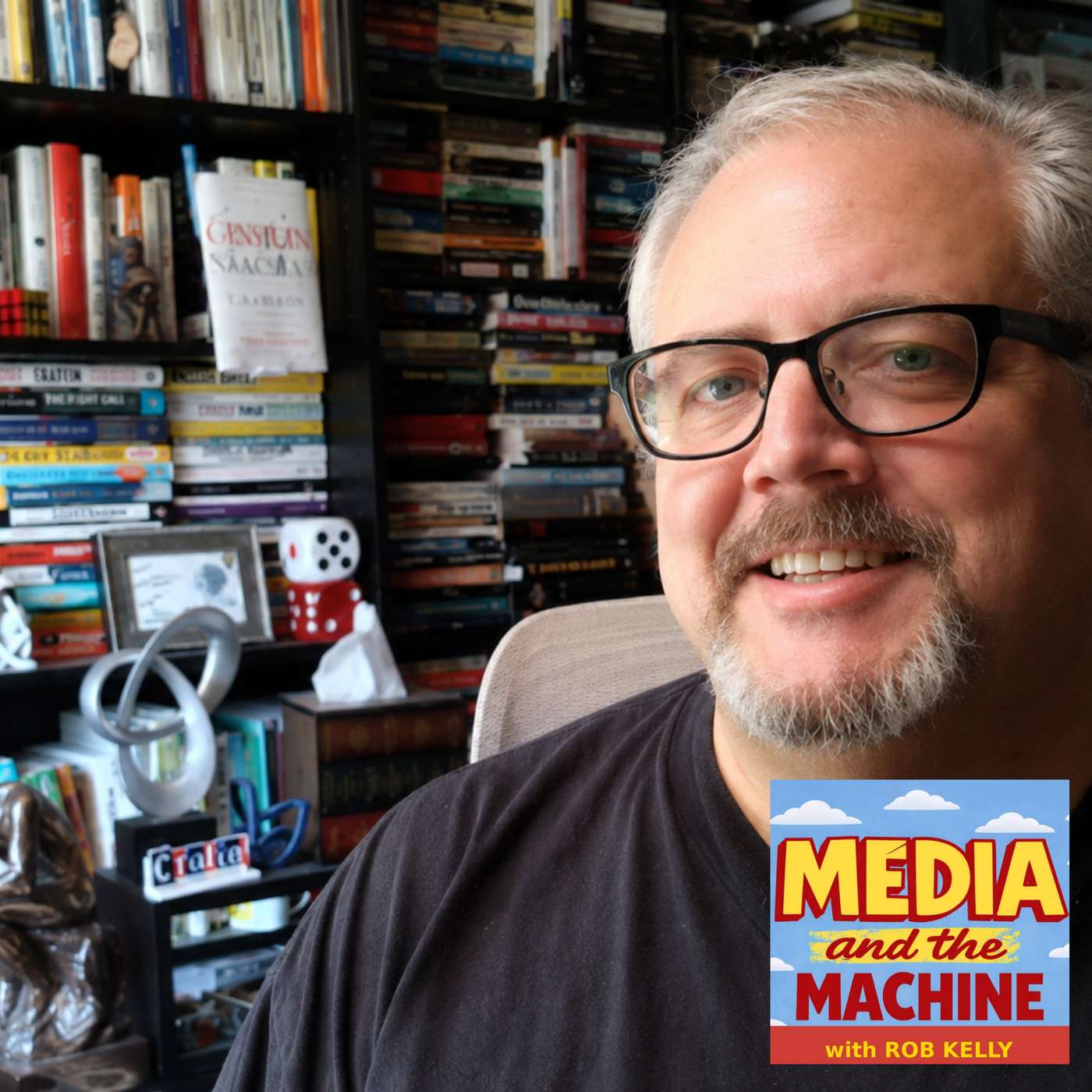
My guest today is Eric Burgess, CEO of Credtent, a Public Benefit Corporation devoted to getting creators paid by AI.He's also a professional game designer.I loved Eric’s critical thinking on things we covered such as:• Why OpenAI should pay Studio Ghibli $20 million a year for the style he says they ripped off• Why the new AI SEO should “die in the crib• What the favorite games of Sam Altman, Demis Hassabis, Dario Amodei, Mark Zuckerberg and Elon Musk reveal about how they think• What an AI bubble could mean for M&A—including predictions on who buys OpenAI, Anthropic and Perplexity• Whether “the pitchforks” are coming for Big AI• How Eric runs Credtent with nine humans and 35 AI agentsI also pin Eric down on his prediction for when we reach the "age of abundance".Please enjoy my conversation with Eric Burgess.Thx!Rob Kelly

Comments

Download from Google Play

Download from App Store
 United States