


 Claim Ownership
Mega Bluster
Subscribed: 2Played: 12
Subscribe

© Stefan Claypool
Description
Mega Bluster is an exhaustive exploration of the Mega Man franchise, tracing its winding path from NES blockbuster to retro nostalgia curio.
17 Episodes
Reverse
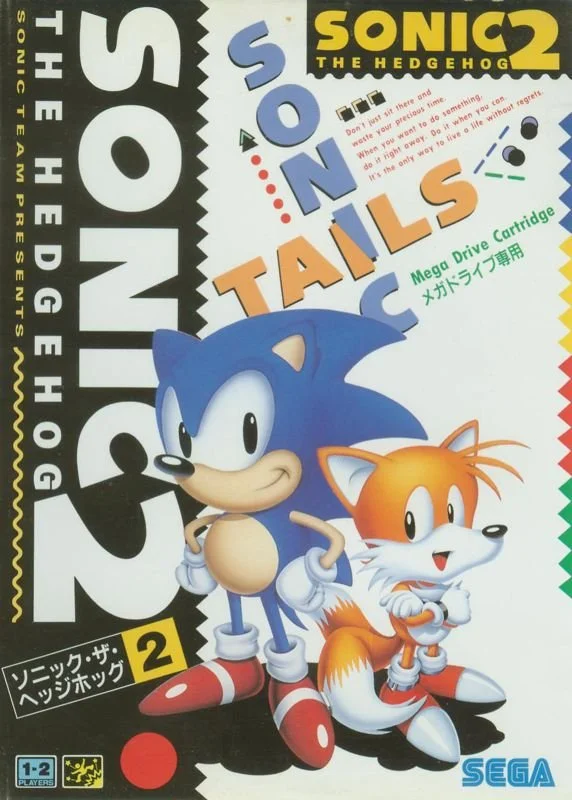
In 1992, Sega followed up its smash Sonic the Hedgehog with a sequel purpose-built to ensure that its new mascot didn’t become a one-hit wonder. Sonic the Hedgehog 2 proved a definitive platformer of its era, spawning countless imitators and influencing even its most confident and established competitors. As Capcom prepared to bring Mega Man to 16-bit consoles, it couldn’t have ignored Sonic 2 - for better or worse.Game: Sonic the Hedgehog 2Developer: Sega Technical InstitutePublisher: SegaDirector: Masaharu YoshiiProducer: Shinobu ToyodaDesigners: Hirokazu Yashuhara; Takahiro Anto; Ytaka SuganoProgrammers: Yuji Naka, Bill Willis, Masanobu YamamotoComposer: Masato NakamuraReleased:JP: November 21, 1992US: November 24, 1992EU: November 24, 1992Music Used In This EpisodeRuinous Ruins by Ben Briggs and Pete LepleyDark Waters by MkvaffDream Pipe by DarkeswordEthereal Skies by Pumpkin KingAll sourced from OCRemix.org and used under its Content Policy’s Terms of Use.If you have any feedback on this podcast, you can email [email protected].

By 1992, Takeru was on its last legs. In the parlance of Jake Taylor, all that was left to do was win the whole thing. In this case, “the whole thing” meant the dying days of the Famicom, and win it did. But as always with Little Samson, we are left to ask: at what cost? Join us as we put a button on Akira Kitamura’s career.Music Used In This EpisodeQuiron’s Mallets by Abreu ProjectWalking Weapons Unit by WillRockOdyssey Beyond The Falls by VurezGood Night Li’l Man by texxsoundBubble Man (wants to get) Funked Up by Disco DanWonderful Shadows by the Electric Sheep Orchestra by fredrikdAll sourced from OCRemix.org and used under its Content Policy’s Terms of Use.If you have any feedback on this podcast, you can email [email protected].

Let’s see if we’ve learned anything.Music Used In This EpisodeOdyssey Beyond the Falls by VurezQuiron’s Mallets by Abreu ProjectWalking Weapons Unit by WillRockCossack Skies2 by bsolmaz13Good Night Li’l Man by texxsoundLet There be Light by AmIEviLWonderful Shadows by the Electric Sheep Orchestra by fredrikdAll sourced from OCRemix.org and used under its Content Policy’s Terms of Use.If you have any feedback on this podcast, you can email [email protected].
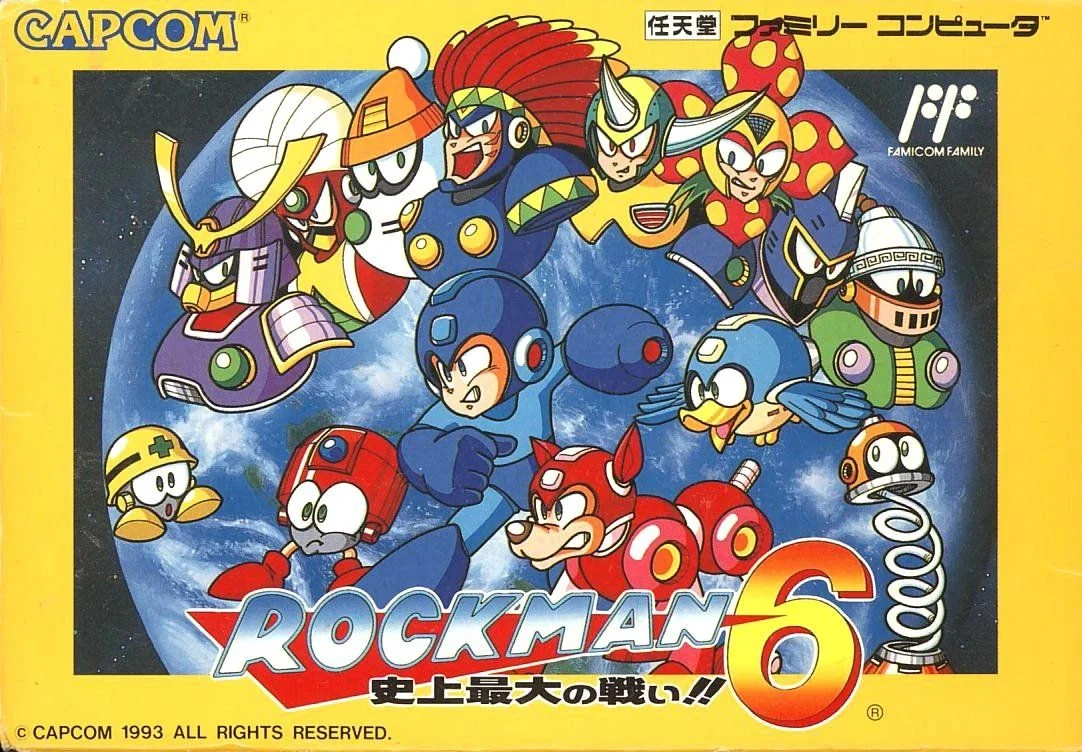
As priorities shifted inside of Capcom and the third generation of video game consoles wound down, the company finally faced the inevitable: the Mega Man series simply could no longer continue on the Nintendo Entertainment System because the Nintendo Entertainment System itself would soon no longer continue on. With the franchise’s migration to next-generation hardware (or at this point, current-generation hardware) imminent, Capcom decided to try to squeeze one more drop of milk from its 8-bit cash cow. Mega Man 6 is not a triumphant last hurrah, but rather a coda. So disinterested in the game was Capcom that it fell to Nintendo to publish the game outside of Japan. So what can we learn from playing it? If anything, that its makers were likely as bored of this same old routine as its players were.The Game: Mega Man 6 or Rockman 6: Shijō Saidai no Tatakai!! (ロックマン6 史上最大の戦い!! Rokkuman Shikkusu: Shijō Saidai no Tatakai!!)Original Platform: Nintendo Family Computer / Nintendo Entertainment SystemDeveloper: CapcomPublisher: Capcom (JP), Nintendo (US)Release Date:November 5, 1993 (JP)March 15, 1994Music Used In This EpisodeFlurry of Frozen Fury by VurezQuiron’s Mallets by Abreu ProjectYamato Spear by Joshua MorseOdyssey Beyond the Falls by VurezGood Night Li’l Man by texxsoundWonderful Shadows by the Electric Sheep Orchestra by fredrikdAll sourced from OCRemix.org and used under its Content Policy’s Terms of Use.If you have any feedback on this podcast, you can email [email protected].

With two Game Boy Mega Man games under its belt, Minakuchi Engineering had built up enough expertise to feel confident pushing boundaries. Developed in an environment of expanding scope and increased technical sophistication in handheld gaming, Mega Man IV introduces narrative and mechanical flourishes surpassing some NES entries’, while also adding an economy and improving on the game’s presentation. But even with these improvements, Mega Man IV gives us the impression not of something that was continuing to thrive, but rather of something that was beginning to wind down.The Game: Mega Man IV, or Rockman World 4 (ロックマンワールド4)Original Platform: Nintendo Game BoyDeveloper: Minakuchi EngineeringPublisher: Capcom Release Date: October 29, 1993 (JP)Music Used In This EpisodeElectrolytic Man by ambient, MaJIN_SaN, tomatsuRock My Socket by NostalvaniaThe Jazzassin by NostalvaniaWonderful Shadows by the Electric Sheep Orchestra by fredrikdAll sourced from OCRemix.org and used under its Content Policy’s Terms of Use.If you have any feedback on this podcast, you can email [email protected].

Comments

Download from Google Play

Download from App Store
 United States