


 Claim Ownership
 Mill House Podcast
Mill House PodcastSubscribed: 279Played: 13,492
Subscribe

© 2021 Mill House Podcast
Description
With a passion for storytelling, Mill House is more than a fishing podcast. Comprised of in-depth conversations with innovators, legends, and pioneers of the outdoors, we expose untold and compelling stories from industry leaders.
154 Episodes
Reverse
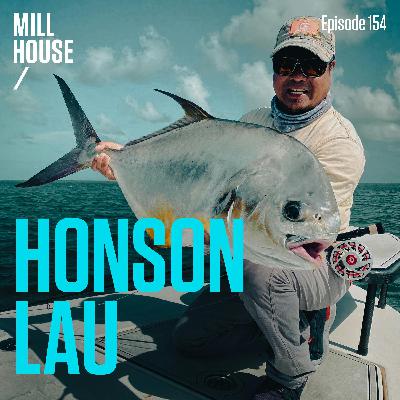
Honson Lau is a respected part-time fishing guide based in South Florida, balancing his time on the water with a professional career in IT at Baptist Health South Florida. Every opportunity outside of work is devoted to the flats, where Honson has built a reputation as a technical, and highly skilled guide.
While well-versed in targeting all flats species, Honson’s true specialty is hunting big, intelligent bonefish on fly. His success is reflected in competition results—together with angler Jeremy Alderman, Honson has captured two Spring Fly Bonefish Tournament wins and two Fall Fly Bonefish Tournament wins, firmly establishing their team among the very best in competitive bonefishing.
Honson began fishing the waters of Miami, Biscayne Bay, and Everglades National Park in the 1990s, where he was mentored and influenced by accomplished anglers & guides Frank Perez and Tim Mahaffey. Those early years laid the foundation for a lifetime of learning, observation, and respect for South Florida’s complex fisheries. He officially began his guiding career in 2009, and since then has continuously refined his skills to become a top guide for all species on the flats, including bonefish, permit, tarpon, snook, and redfish.
Beyond guiding, Honson is an accomplished fly tyer, photographer, hunter, and cook, pursuits that reflect his deep appreciation for the outdoors and the full experience of life on the water. Analytical by nature and passionate by choice, Honson brings a unique blend of technical expertise, competitive experience, and genuine enthusiasm to every day on the flats.

Drew Chicone is a renowned fly designer, author, and educator based in Fort Myers, Florida. Widely respected throughout the fly-fishing community, he is best known for his innovative saltwater fly patterns, hands-on teaching style, and deep knowledge of the species and ecosystems on the west coast of Florida & the Bahamas.
A lifelong angler, Drew has devoted his career to studying fish behavior, refining fly-tying techniques, and creating patterns that solve real-world challenges on the water. His work has been featured in numerous national publications, and his patterns are fished by guides and anglers across the country.
Drew is the founder of Salty Fly Tying, a platform through which he teaches classes, produces instructional materials, and shares the research and experimentation behind his designs. He has authored 17 fly-tying books, many of which have become staples for saltwater anglers and tiers seeking to improve their craft. He also collaborates with leading brands, guides, and conservation groups to support responsible fisheries and help anglers elevate their skills.
When he’s not writing or teaching, Drew can usually be found on the flats or in the backcountry around Southwest Florida—testing new materials, observing local fish, and refining the patterns that have made him one of the most recognizable names in modern fly tying.
 1
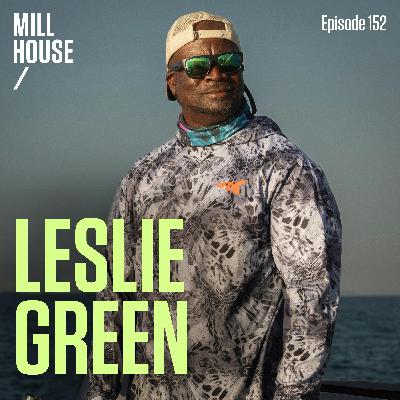
1Leslie Green, founder of Bonefish Sailor Lodge on Mangrove Cay in the Bahamas, has spent a lifetime mastering the art of bonefishing. Born and raised on Andros, Leslie grew up on the water, developing an intimate understanding of the island’s vast flats, hidden creeks, and winding mangrove channels. Many of today’s local guides began their careers under his mentorship, learning not only how to find bonefish but how to read the water, respect the environment, and welcome guests with genuine warmth.
Leslie’s skill on the flats is matched only by his passion for sharing the experience with others. Whether guiding seasoned anglers or teaching newcomers their first cast, he brings patience, enthusiasm, and a deep love for the pristine ecosystem he calls home. His uncanny ability to track the elusive “ghost of the flats” comes from decades of exploring both the East and West sides of Andros, often navigating remote areas known only to him.
Bonefish Sailor Lodge is the realization of Leslie’s long-held dream: a place where the stories, camaraderie, and spirit of bonefishing could be shared with like-minded adventurers. While the Lodge provides comfort and community for visiting anglers, it ultimately serves as an extension of Leslie himself—his values, his experience, and his desire to introduce others to the thrill of pursuing bonefish in one of the most extraordinary environments on earth.
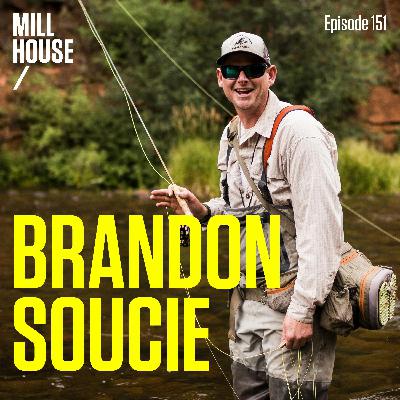
Brandon Soucie is a full-time fly-fishing guide at Taylor Creek Fly Shop in Basalt, Colorado, and one of the most recognized local experts in the Roaring Fork Valley. Born and raised in Basalt, Brandon grew up fishing the Fryingpan, Roaring Fork, Crystal, and Colorado Rivers — waters that would later become both his playground and his office. He picked up his first fly rod around the age of eight and began spending every spare moment learning the local honey-holes and trout behavior. By fourteen, he was working in the fly shop, and just a few years later, at eighteen, he transitioned to guiding full-time — beginning what would become a lifelong career on the water.
Guiding more than 200 days a year, Brandon has built a reputation for his deep understanding of local rivers and his patient, educational approach to guiding. He’s known not just for putting clients on fish, but for helping them understand why the fish are there and how to catch them. His calm, friendly personality and ability to tailor each trip to a client’s experience level make him a favorite among both first-time anglers and seasoned fly anglers. Whether floating the Colorado, walking the Fryingpan, or wading the Roaring Fork, Brandon brings an unmatched level of local insight and enthusiasm to every outing.
Outside of his professional guiding, Brandon continues to live and breathe the fly-fishing lifestyle. When he’s not working with clients, he can be found fishing with his wife and daughter, tying flies, or exploring new fisheries for both freshwater and saltwater species. His lifelong dedication to fishing and his deep roots in the Roaring Fork Valley make him not just a guide, but a true ambassador for Colorado fly-fishing — someone who embodies the passion, patience, and respect for the water that defines the sport.
In this episode, it’s just the two of us sitting down to answer your questions — no guest, just real talk. We’re thinking about making this style of episode a regular part of the podcast rotation to mix things up and stay connected with what you want to hear.
We dive into a wide range of listener-submitted topics, including:
Thoughts on technology entering tarpon fishing — trolling motors, sonar, and more
How to properly honor the legends our sport seems to be losing all too often
Advice for getting into competitive saltwater fly fishing
Practice tips to level up your skills
Our favorite DIY fishing destinations and what’s on our bucket list
Rods, fly lines, and the brands we trust (and why)
How to pass the fly fishing passion down to our kids — without pushing them away
Have a question you’d like us to answer in a future Q&A episode? Email us at Nicky@millhousepodcast.com or DM us on social. Hope you enjoy!
About 30 years ago, I spent a few unforgettable days with Mark Nichols on his home waters near Stuart, Florida, chasing big jacks in the St. Lucie River. At the time, Mark was becoming a well-respected entrepreneur and angler, thanks to his young lure company, D.O.A.—short for Deadly on Arrival.
Back in 1983, he had begun crafting a hyper-realistic plastic shrimp that proved irresistible to a wide range of saltwater species. It was a game-changer—not just for the anglers who used it, but for Mark himself. A man who loved the outdoors and the challenge of fooling fish, he had found his calling.
Over the next 42 years, D.O.A. would go on to develop 27 innovative products capable of catching just about anything that swims—from snook and tarpon to bass and flounder.
On today’s episode, we reconnect with an old friend and dive into the mind of Mark Nichols—exploring the genius behind his bait designs and how he continues to stay one step ahead of the fish.
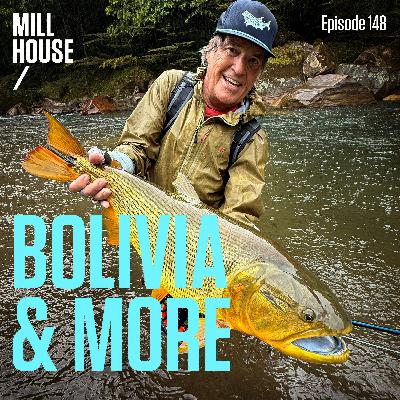
In this episode, Nicky and I sit down to recap the unforgettable Golden Dorado trip to the Bolivian jungle with Untamed Angling. I've fished all over the world — from elite lodges to hidden honey holes — and this trip easily ranks in my top five of all time.
The lodge, the food, staff and guides were all great. But the fishing? Absolutely next level. Every morning, we’d hop in a helicopter and fly out to a remote river, spending the day wading upstream in search of Golden Dorado — and occasionally, Pacu.
There’s no such thing as “feeding the fish” out here. Once a Dorado locks eyes with your fly, it’s already in full kill mode — attacking with such insane speed and aggression that staying tight and setting the hook is a challenge in itself. It was pure adrenaline, start to finish. This is a trip I’d go on again in a heartbeat.
We also take some time to reflect on the passing of the legendary Flip Pallot. Flip was larger than life — a true icon who inspired generations of anglers, guides, and outdoorsmen. His presence and legacy will be deeply missed.
Other topics in this episode include: The IGFA Hall of Fame induction, a recap of tarpon season, and much more.
Today, we’re diving into one of the most storied arenas in saltwater fly fishing —the Gold Cup Tarpon Tournament. Since 1964, it’s been considered the Super Bowl of tarpon fishing, attracting a who’s who of legends—names like Billy Pate, Ted Williams, and Glen Flutie, who famously won it five years in a row. I’ve been fortunate to win it five times in six years myself.
And now, there’s a new name knocking on the door of tournament history: Dave Preston.
Fishing alongside Louis Cortez, Dave has won four Gold Cups in the last five years, putting him third all-time in wins—a staggering achievement in a field that’s more competitive than ever.
An avid fly fisherman and outdoorsman, Dave was born and raised in Miami, and spent the 80s and 90s exploring the waters of Florida Bay, the Everglades, Biscayne Bay, and the Keys. He’s a proud University of Florida alum, and since graduating in 2003, has worked across the state as a commercial real estate broker. These days, he lives in Jupiter, but come spring and summer, you can usually find him anywhere tarpon are swimming.
Beyond the tournament leaderboard, Dave is deeply committed to conservation. He serves on the Board of Directors for Friends of the Everglades, and works closely with a number of organizations tackling the urgent water issues affecting South Florida’s ecosystems—from the Everglades to the coastal estuaries.
Today, we talk to Dave about what this tournament means to him, how his upbringing shaped his passion for the water, and why protecting Florida’s fragile ecosystems is more critical now than ever.
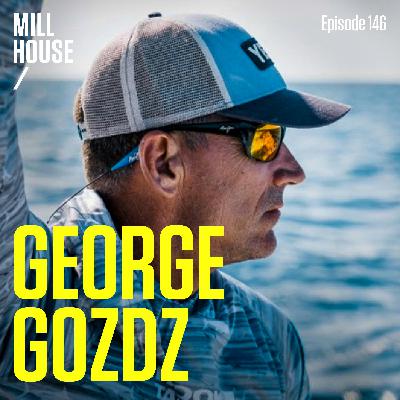
George Gozdz’s first fishing experience was with his father—just like it is for many of us. He fell in love with the sport early on and began dreaming of one day making it big in the fishing world. Five decades later, that dream became a reality. Today, George is a renowned TV host of Unfathomed and a brand ambassador for numerous companies.
Before diving into life on the water, George worked as an emergency room nurse for 15 years. But eventually, the call of the ocean became too strong to ignore.
In 2004, he earned his captain’s license and began guiding professionally full-time. He had fished his home waters throughout his life—even during his nursing days—so transitioning into guiding came naturally. Still, his ultimate dream was to host a TV show.
That dream came true in 2010 when he landed his first hosting gig on the popular Reel Time Florida Sportsman show, which he led for eight years. Then came his breakout success: Unfathomed—a show that takes viewers on unforgettable journeys to remote destinations, documenting not just the incredible fishing but also the surrounding flora, fauna, and some true giants from the deep.
On today’s podcast, we dive into George’s incredible journey—chasing dreams, embracing change, and living a life defined by passion and adventure.
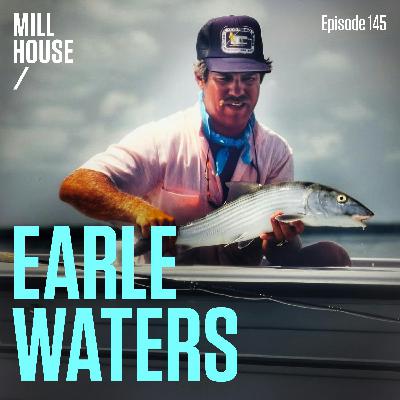
I fished the fabled Homosassa flats for a few years in the late eighties, before it was obvious I couldn’t get much better at this game because of the lack of fish. Sure, they came and went—big ones too—and great records were caught a few years after, but I wasn’t fishing for records. I wanted to be around the best anglers and see what this big tarpon house was all about. Some of the famous names were still there, like Billy Pate and Tom Evans, and Doparik, of course.
I stayed in Bayport, where there were a number of rooms all in a line. This is where the guys I gravitated to took residence for the month of May. All the boats would be lined up, with their batteries charging after the long days of fishing. I loved every second of the tarpon pulse that you could feel in the air. I wanted to meet everyone and ask every question I had.
There was a name that I heard often but never met: Earl Waters!
I read everything I could about this tarpon fever that had a hold of me. Earl was one that had his hand in about everything over there—whether he was guiding a famous name or writing about how he was catching all these great fish. I know that many went to him when they had trolling motor issues, because he was a genius with the air switches that would turn them on and off with a step of your foot on a button on the tower. Then there was his big cobia he became famous for—and yes, a thirty-pound world record permit he caught on 6-pound test.
He was a local with the desire to unturn every rock to find the answers of this incredible fishery he called home.
On today's podcast, he gives us a detailed look at how he built a life in fishing around one of the greatest tarpon flats the world has ever known: Homosassa, Florida.
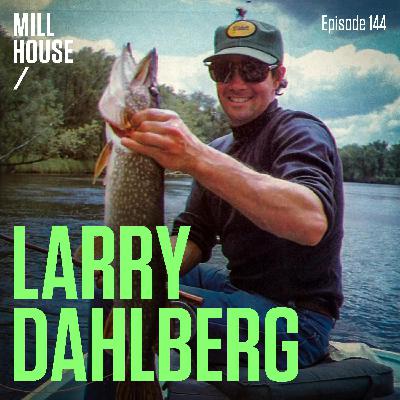
Larry Dahlberg didn’t just fish—he redefined the very essence of the sport. As the creator and host of the groundbreaking TV series, "The Hunt for Big Fish," Larry captivated audiences for over two decades with a rare blend of adventure, expertise, and innovation that set a new standard for what fishing could be.
More than a television host, Larry was a true visionary and master angler. He had an uncanny ability to read water, analyze structure, understand thermoclines and bait movement, and then apply that knowledge to target species most had only dreamed of. Whether it was giant peacock bass in the jungle or Nile perch in remote African rivers, Larry consistently arrived in unfamiliar territory and fished it better than most locals—often teaching guides new strategies for their own waters.
Over a span of 27 years, Larry traveled to 87 countries, armed with custom-made plugs, advanced sonar, and a tackle arsenal built for any possibility. His five-minute TV segments delivered more trophy-class fish than many full-length series combined. While world records almost certainly passed through his hands, Larry never cared for the spotlight—he fished for the love of the chase and the thrill of discovery.
Larry also developed several highly influential flies, including the iconic Dahlberg Diver and the introduction of the Flashabou fly, both of which were groundbreaking innovations at the time. His lure designs were equally ahead of their time, with creations like the Whopper Plopper and Clackin’ Crayfish standing out as some of the most effective baits in modern fishing.
Larry isn’t just an expert fisherman—he’s the embodiment of what it means to be a complete angler. His knowledge, creativity, and relentless curiosity have left an indelible mark on the sport. For us, sharing a few days with Larry was not only a privilege—it was one of the greatest gifts we’ve ever received.
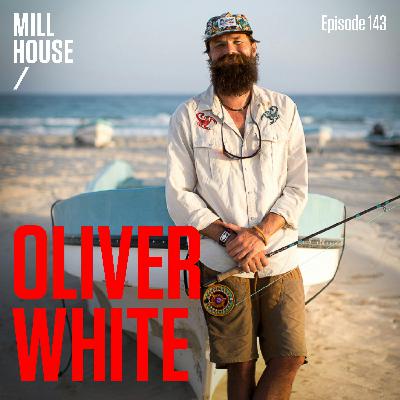
Oliver White is a world-renowned fly fishing guide, lodge owner, entrepreneur, and conservationist whose career bridges wild rivers and Wall Street. He began his guiding journey in college after a skiing injury, quickly developing a reputation as a skilled and passionate angler. This passion led him from the rivers of North Carolina to international waters in Argentina and the Bahamas. Along the way, a chance encounter with hedge fund manager Bill Ackman opened the door to a brief but formative stint in finance, sharpening White’s business acumen and laying the groundwork for his future as a fishing industry entrepreneur.
In 2008, White channeled that experience into building Abaco Lodge in the Bahamas, followed by partnerships in other elite destinations like South Fork Lodge in Idaho, which he co-owns with late-night host Jimmy Kimmel. His lodges have become known not only for their world-class fishing but also for their immersive guest experiences and commitment to sustainability. White continues to guide and host trips around the world, sharing his expertise with a growing community of anglers while advocating for the health of the ecosystems they explore.
A dedicated conservationist, White co-founded Indifly, a nonprofit that empowers Indigenous communities through sustainable fly fishing tourism. The organization has helped transform remote villages like Rewa in Guyana into thriving ecotourism hubs, ensuring local control and environmental stewardship. In recognition of his contributions to angling, conservation, and community development, White was recently honored with the 2025 Heritage Award by the American Museum of Fly Fishing—the highest distinction the museum bestows. His life reflects a rare blend of adventure, entrepreneurship, and social impact.
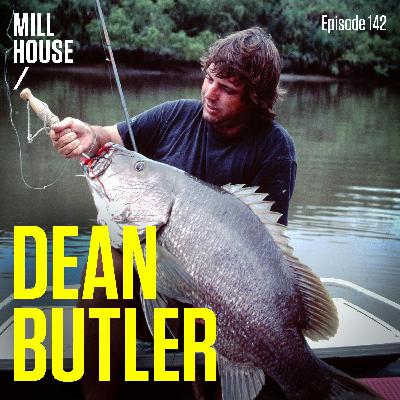
I’m not exactly sure when I first met Dean Butler, but I remember the moment well—he carried an unmistakable aura of quiet assurance. Being an Aussie with that indelible accent only added to the intrigue. Dean had the weathered look only the high seas can carve into a fisherman’s face, hair, and attire. And that smile—like someone who’d just robbed a bank and knew he was going to get away with it.
Long before I met him, Dean's reputation was already etched into the billfish world. Years ago, I became a disciple of Tom Evans and his tarpon game, and I’d heard about the two of them—catching all the world-record marlin you see in The Book.
Dean’s done a lot in his fishing life. Sure, he’s caught his own marlin records. But I can’t help thinking one of his finest moments was gaffing Enrico Compozzi’s 735-pound marlin on 6-pound test—truly one for the ages. Or maybe it was that 600-pounder he gaffed for Evans, the one that broke the gaffs clean in half. That’s who Dean Butler is—a fisherman through and through. As Lefty once said, “Dean Butler is the best all-around fisherman in the world.”
In 2015, Tom was inducted into the IGFA Hall of Fame. Dean followed in 2023.
No doubt about it: Dean Butler and Tom Evans were the greatest marlin fly-fishing team ever assembled.
On today’s podcast, we travel to Homosassa, Florida, to finally catch up with Dean—and hear the remarkable story of one of fishing’s true legends.
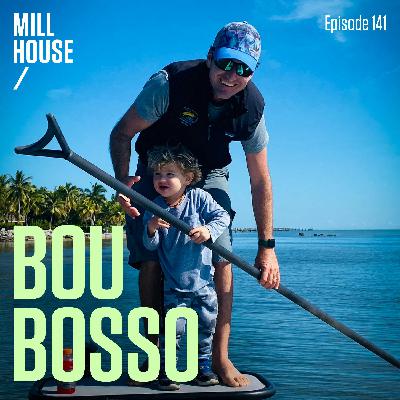
Bou Bosso is a fiery, articulate man that seeks out every ounce of everything he touches or talks about. We’ve seen his antics on the water chasing tournaments wins on the hit tarpon television show he created, “Silver Kings." It’s when he explodes at the man on his bow, you ask yourself why the discord… There really is no reason for all this but maybe it’s the will and perfection in others that he demands from himself?
At a very young age he pursed giant bonefish while wading down the beach in front of his parents home in Islamorada, Florida. These fish deeply hit home and a life in guiding for him was a no brainer. At one point he thought of a more structured life. His father was a lawyer so he studied hard and passed the bar and a law practice was briefly dappled with. But the magnetic energy of the the ocean and the fish that he loved pulled him back to it, where he could create the magic he loved, watching giant Tarpon jumping out of it!
On today's podcast, Bou weaves us through his compelling life’s story, filled with some heavy ups and downs and clearly explaining how he got back on top of his game…
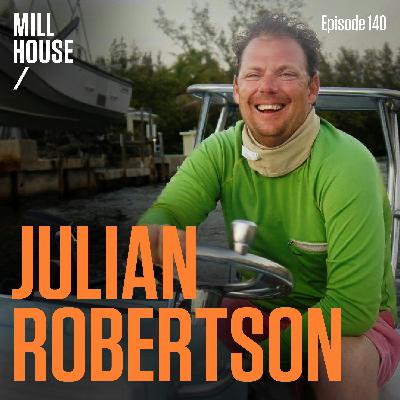
When athletes reflect on their careers, it's often the friendships that shine brightest—long after the trophies have gathered dust. One of my favorite people from those years is Julian Robertson. Julian first fished the Don Hawley in 2006. He was a young angler then—full of energy, curiosity, and kindness. His smile and bright eyes radiated joy. I loved spending time with him, fielding the endless stream of questions he’d throw my way.
He didn’t notch his first tournament win until 2013, when he and Captain Joe Rodriguez took home the Golden Fly Tarpon Tournament title. Fast forward twelve years to 2025, and Julian has firmly established himself as one of the sport's greats—with victories in all three major tarpon tournaments: the Gold Cup, two Don Hawley titles, and two Golden Fly wins. Only four anglers have ever won all three, and if Julian takes the Gold Cup again this year, he'll be the only one to win each tournament twice. But beyond his achievements on the water, Julian is an even better father and husband—to his two children, Julian IV and Josephine (Jinny), and his wife Claire.
On today’s podcast, we dive into his journey in the world of fishing, the tournament circuit, his father’s legacy with the Tiger Fund, and the pursuit of Junior World Records with his son.
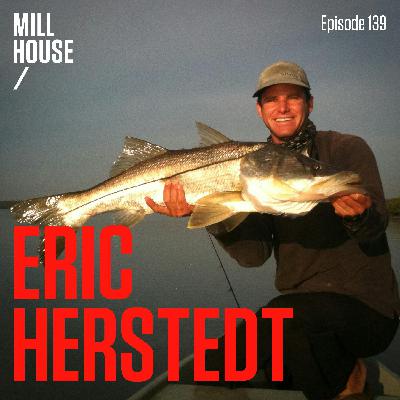
Capt. Eric Herstedt is a seasoned and versatile fishing guide based in Everglades National Park and the Florida Keys, specializing in light tackle and fly fishing. Whether it’s spin, bait, plug, artificial, or fly—Eric does it all, and he does it with the best of them. With decades of experience and an unmatched passion for the water, Eric has built a reputation as a top-tier guide known for his skill, adaptability, and commitment to providing unforgettable days on the water.Born in Miami and raised on Long Key in the heart of the Florida Keys, Eric developed a deep connection to the outdoors and the rich fishing grounds surrounding him. By the age of 3, he was already casting a spin rod, and at just 14 years old, he achieved his first Flats Grand Slam—landing a bonefish, permit, and tarpon in a single day. Though spin and plug fishing were his early go-tos, Eric discovered fly fishing at age 9 and quickly embraced its challenges and rewards.Eric’s talent and dedication have made him a fixture in the tournament scene. He and Nicky fished the Golden Fly Tarpon Tournament together for nine consecutive years, narrowly missing a victory a couple of times. In 2022, Eric and angler Mike Criscola finished as runners-up in the legendary Gold Cup Tarpon Tournament—further proof of Eric’s consistency and sharp instincts under pressure.Beyond the tournaments, Eric has contributed to conservation efforts with Bonefish & Tarpon Trust (BTT), working alongside Capt. Doug Kilpatrick and Dr. Ross Boucek to help establish best practices for handling bonefish safely at the boat.Eric is known not only for his skills on the water but also for his honesty and authenticity—he’s a straight shooter who tells it like it is. Whether you’re chasing tarpon on fly or just getting your feet wet, Eric is the kind of guide who makes the day memorable.We hope you enjoy getting to know Capt. Eric Herstedt as much as we have.
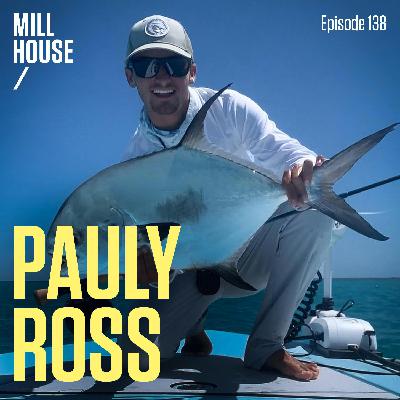
Capt. Pauly Ross is quickly becoming one of the most respected young guides in the Florida Keys, and for good reason. At just 24 years old, he’s already earning a reputation that many seasoned captains spend a lifetime building. Born and raised in Islamorada, Pauly grew up on the deck of the Relentless, the legendary offshore fishing vessel captained by his father, Paul Ross—an icon in the sportfishing world with seven Gold Cup Sailfish Series titles to his name.
The Ross family name carries serious weight on the water, and Pauly is honoring that legacy while forging his own path in the backcountry and tarpon arenas. With a quiet confidence and humble nature, Pauly operates with the precision, calm, and instincts of someone twice his age. He’s a natural guide—sharp-eyed, tactical, and relentlessly focused on giving his anglers the best possible shot.
Pauly’s list of accolades is already impressive. He’s a multi-time winner of the Poor Boys Tarpon Tournament and a champion of the Herman Lucerne Backcountry Tournament. His name is consistently in the mix during tarpon season, where he's recognized as a serious threat across all the major tournaments. Although, the most amazing accomplishment, I believe, is that he recently caught a super slam (Tarpon, Permit, Bonefish, Snook, & Redfish) solo on fly in one day! I am not sure anyone has done that to date - but could be wrong.
But accolades only tell part of the story. What sets Pauly apart is his work ethic and presence on the water. Whether poling through skinny flats or chasing rolling tarpon at dawn, he brings the same level of preparation, quiet intensity, and deep respect for the sport every day. His guests quickly realize they’re fishing with someone special—a guide with both heart and heritage.
Capt. Pauly Ross represents the next generation of elite Florida Keys fishing. And if his early success is any indication, he’s just getting started.
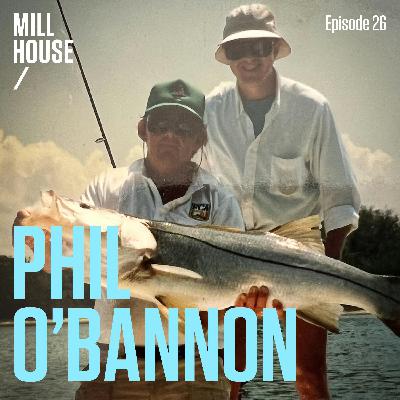
Phil O’Bannon is a sixth-generation Boca Grande fisherman whose life has been defined by the water. He left college to chase giant bluefin tuna across the white sands of the Bahamas, a move that launched a global fishing career—from big-money marlin tournaments to captaining motherships for the elite. But it was fly fishing for tarpon in his home waters that made him a legend.
Now 72, Phil is still regarded as the most respected name in Boca Grande—widely known as the Tarpon Fishing Capital of the World. He’s chased Tarpon with the best, from John Emory in the Keys to Billy Pate in Homosassa, and to this day, he still fishes IGFA leaders with old-school precision. But it was his guiding career with the Bush family that secured his legacy, and having President Bush as his friend for two decades remains as some of his fondest memories.
On today’s podcast, we talk about the early years, his father “Fingers,” a life on the water, and the enduring magic of Boca Grande.
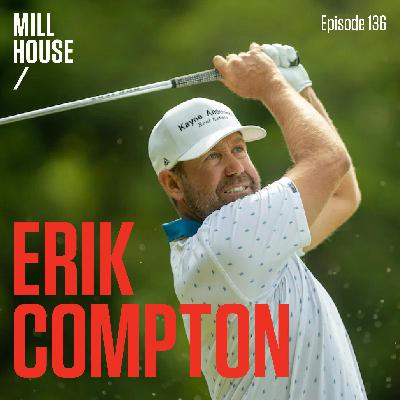
Erik Compton is truly an extraordinary individual and a dear friend! Diagnosed with viral cardiomyopathy at just 9 years old, a condition that weakens the heart muscle and impairs its ability to pump effectively, Erik’s journey has been one of incredible resilience. This condition led him to undergo two heart transplants—one at the age of 12 and another at 29. Yet, despite these challenges, Erik has spent 24 years playing professional golf. He’s competed in six major tournaments, even finishing second in the 2014 U.S. Open.
In 2009, during the Masters, Erik was honored with the prestigious Ben Hogan Award, which is given each year to a golfer who has overcome a significant illness or physical challenge.
As a long-time golf fan, I followed Erik’s career for years before finally meeting him on a driving range—a truly lucky day for me!
We hit it off immediately, bonding over our shared love for golf and fishing.
Despite his heart condition, Erik’s zest for life is infectious. His eyes light up when he talks about catching a big snook or that giant tarpon we landed together, or when he shares stories about his daughter Petra and her impressive golf skills.
For years, we’ve been trying to get an interview with Erik, and we’re thrilled to finally have him with us.
Here he is, Erik Compton—an absolute hero!
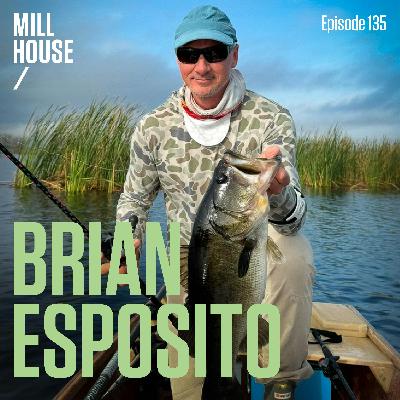
In this podcast Brian talks about growing up surfing, skating, and snook fishing south Florida, later becoming a highly respected guide and boat builder.


Download from Google Play

Download from App Store
 United States
one of your best guests ever
Absolute killer podcast, long form conversations from outdoor greats, sharing timeless stories to understand the mindset.