


 Claim Ownership
Move the City FWD Podcast
Subscribed: 4Played: 2
Subscribe

© My City My Health INC
Description
Move the City FWD Podcast is where community meets action.
Hosted by Corey Dion Lewis, the podcast explores the ideas, people, and systems shaping healthier, stronger communities. Each episode features conversations with leaders, entrepreneurs, advocates, public health professionals, elected officials, artists, and everyday changemakers who are building solutions where they live.
This isn’t a podcast about problems. It’s about progress.
You’ll hear stories about health, economic mobility, housing, education, mental health, entrepreneurship, civic engagement, and the connections that make communities thrive. Whether we’re breaking down policy, highlighting grassroots organizations, or sharing lessons from people doing the work, every conversation is rooted in one question:
How do we move the city forward?
If you believe healthier communities are built together, you’re in the right place.
Hosted by Corey Dion Lewis, the podcast explores the ideas, people, and systems shaping healthier, stronger communities. Each episode features conversations with leaders, entrepreneurs, advocates, public health professionals, elected officials, artists, and everyday changemakers who are building solutions where they live.
This isn’t a podcast about problems. It’s about progress.
You’ll hear stories about health, economic mobility, housing, education, mental health, entrepreneurship, civic engagement, and the connections that make communities thrive. Whether we’re breaking down policy, highlighting grassroots organizations, or sharing lessons from people doing the work, every conversation is rooted in one question:
How do we move the city forward?
If you believe healthier communities are built together, you’re in the right place.
33 Episodes
Reverse
What if economic mobility starts in kindergarten?Corey sits down with Emily Westergaard, Executive Director of By Degrees Foundation, to explore how early exposure to education, careers, financial literacy, and trusted mentors can shape a child’s future.Emily shares how By Degrees works alongside Des Moines students and their families from kindergarten through graduation, helping young people see possibilities they may not have known existed.The conversation also explores the connection between education, financial stability, mental and physical health, and why creating healthier communities requires more than healthcare alone.Emily will join the Economic Mobility & Access panel at the 5th Annual My City My Health Conference on November 13, 2026.SHOW NOTESIn this episode of the Move the City FWD Podcast, Corey talks with Emily Westergaard, Executive Director of By Degrees Foundation, about what it takes to create real pathways toward economic mobility.Emily explains why By Degrees starts working with students and families in kindergarten rather than waiting until high school to begin conversations about college, careers, trades, apprenticeships, and other opportunities.They discuss:Why conversations about careers and education should start in elementary schoolHow early exposure helps young people imagine new possibilities for themselvesWhy families must be included in conversations about a child’s futureHow By Degrees brings college and career experiences directly to studentsThe role of mentors and representation in helping young people see what is possibleHow 529 education savings accounts can help build both financial resources and hopeWhy financial aid, FAFSA, scholarships, and college costs need to be explained much earlierHow By Degrees has helped parents pursue their own education and high school equivalency credentialsWhy meeting people where they are can remove barriers to educationThe connection between education, financial stability, mental health, and physical healthHow healthcare organizations can expose students to careers beyond doctors and nursesEmily’s idea of connecting preventive health behaviors with incentives that contribute to students’ education savingsWhy critical thinking, communication, creativity, and problem solving can keep opportunities open throughout someone’s careerEmily’s personal journey from North High School to Grinnell College and how educators helped change her trajectoryWhy every student deserves someone who can help them navigate their optionsWhat Emily hopes comes from the Economic Mobility & Access panel at this year’s My City My Health ConferenceABOUT EMILY WESTERGAARDEmily Westergaard is the Executive Director of By Degrees Foundation, a Des Moines-based organization working to help more students graduate from high school prepared to pursue education, training, apprenticeships, military service, careers, and other opportunities after graduation.By Degrees works with students, families, schools, businesses, colleges, universities, nonprofits, and community organizations to build long-term systems of support around students.Learn more about By Degrees Foundation:www.bydegreesfoundation.orgMY CITY MY HEALTH CONFERENCEEmily will be part of the Economic Mobility & Access panel at the 5th Annual My City My Health Conference.November 13, 2026Des Moines, IowaLearn more and register:www.mycity.health
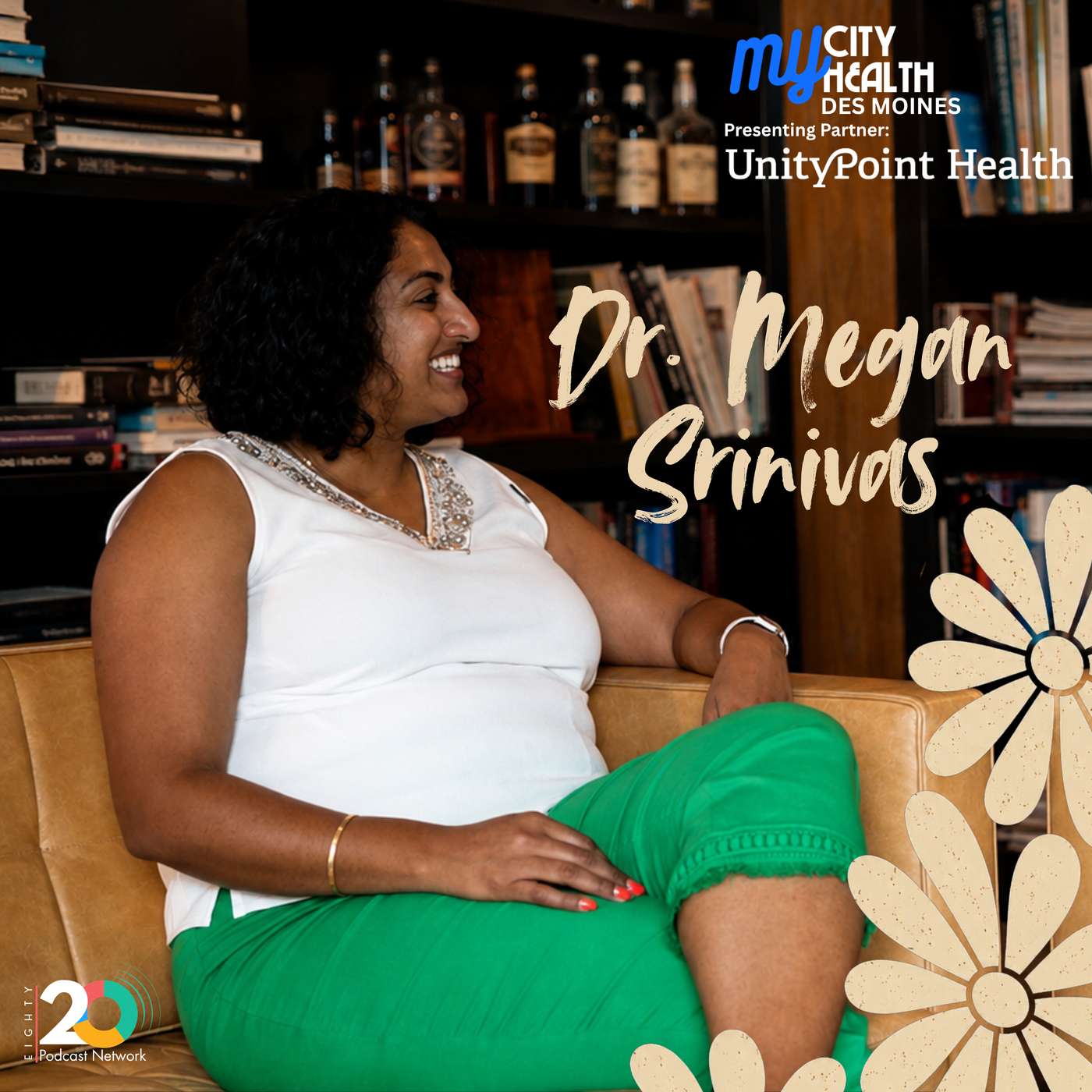
What happens when the problems affecting your patients cannot be solved with a prescription?Corey Dion Lewis sits down with Dr. Megan Srinivas, physician, Chief Medical Officer at Primary Health Care, and Iowa legislator, to talk about the connection between medicine, policy, housing, and community health.Dr. Srinivas shares how her experiences caring for patients pushed her toward policymaking. She explains why housing can shape nearly every part of a person’s health, from safety and medication access to transportation, insurance coverage, and the ability to focus on anything beyond immediate survival. They also discuss the role of nurses, community health workers, case managers, and social workers in extending care beyond a short clinical visit, the challenges created by Medicaid redetermination, and why you do not have to hold elected office to influence policy. The conversation closes with a reminder that advocacy can start anywhere, including with young people willing to ask one simple question: “What can I do?”Show NotesIn this episode: 02:40 — Dr. Srinivas’ path through internal medicine, infectious disease, global health, and health equity 04:01 — Why she realized there was only so much she could accomplish with a prescription pad 07:25 — What medicine taught her about listening, disagreement, and meeting people where they are 08:59 — Why “housing is medicine” 10:54 — What clinicians can do when a patient is experiencing housing instability 13:46 — How nurse-led visits and team-based care can strengthen patient trust and understanding 16:08 — Medicaid work requirements, redetermination, and the problem of not having a stable address 18:33 — How Primary Health Care is preparing patients who may be at risk of losing coverage 21:23 — Managing the emotional weight of caring for patients while working to change the system 22:24 — Turning patient experiences into advocacy and policy 23:49 — Why health professionals across disciplines have a role in advocacy 26:19 — The influence young people can have on policy and community change 27:57 — Using social media to push accurate information into the public conversation 29:36 — What Dr. Srinivas is looking forward to at the My City My Health Conference 33:50 — Why difficult moments require more than acknowledging the problem. They require people willing to work together to change it. Dr. Srinivas describes health as something shaped by far more than what happens inside a clinic. Housing, transportation, food, insurance, safety, and public policy all influence whether someone has the opportunity to be healthy. She also makes the case that advocacy does not require a title. Testifying, contacting elected officials, sharing your expertise, and raising an issue that others may not see can all influence what happens at the decision-making table. Connect with Dr. Megan SrinivasDr. Srinivas shares that people can connect with her through her legislative email and across Instagram, Facebook, LinkedIn, X, and TikTok. My City My Health ConferenceDr. Srinivas will join the Housing Is Medicine conversation at the 5th annual My City My Health Conference on November 13, 2026.Learn more and register at mycity.health.Move the City FWD is powered by My City My Health.
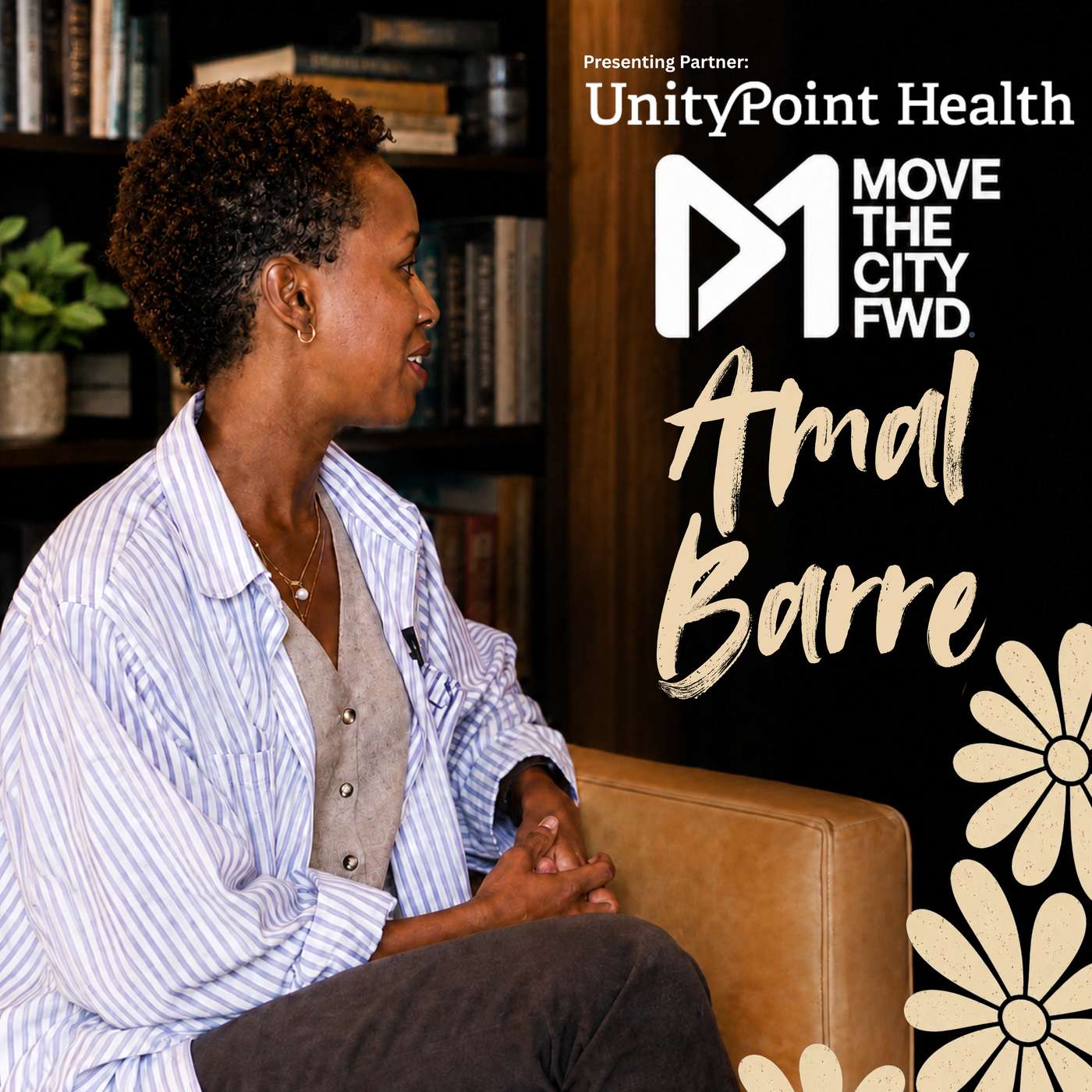
Special thanks to UnityPoint Health, the presenting sponsor of the 2026 My City My Health Conference, for supporting this work and helping us move the city forward. Urban planner, housing researcher, and filmmaker Amal Barre joins Corey Dion Lewis for a conversation about why housing should be treated as a core part of health.Amal brings more than a decade of experience in affordable housing, homelessness services, urban planning, and community development to the conversation. She explains why stable, accessible, quality housing cannot be separated from healthcare, economic mobility, education, transportation, neighborhood design, and the other systems that shape our daily lives.Corey and Amal discuss what happens when healthcare and housing operate in silos, why professionals need to build relationships outside their traditional spaces, and how showing up in “unexpected places” can create new opportunities for collaboration and change.They also explore Amal’s path into housing work, what she learned working alongside families navigating homelessness and social service systems, and why planners, healthcare professionals, nonprofits, developers, and community members need to better understand what each other is doing.Amal will join the Housing Is Medicine panel at the 2026 My City My Health Conference in Des Moines on November 13.In this episode:Why housing and health are inseparableHow the built environment shapes health outcomesThe cost of navigating fragmented systemsWhy relationships matter in solving housing challengesWhat healthcare organizations can do beyond making referralsHow planning, housing, healthcare, and community organizations can work togetherWhy breaking down silos can lead to better community solutionsLearn more about My City My Health and register for the 2026 conference at mycity.health.
Getting someone into an apartment is not the end of the work. It is often where the real work begins. Corey talks with Austin Neal about youth homelessness, housing instability, and what it takes to help young people build a life beyond survival mode. Austin shares lessons from nearly a decade of serving people experiencing homelessness through Joppa, Boys & Girls Clubs of Central Iowa, and Iowa Homeless Youth Centers. They discuss hidden homelessness, the lack of affordable housing in Des Moines, and why housing must include safety, stability, mental health support, employment, food, and long-term relationships. They also explore a central question: What becomes possible when a young person finally has a safe place to sleep? Austin will continue this conversation as part of the Housing Is Medicine panel at the 2026 My City My Health Conference.Learn more and register at mycity.health.SHOW NOTESIn this episode:How volunteering helped Austin discover his purposeWhat Austin learned serving people through JoppaThe realities facing students and families experiencing homelessnessWhy youth homelessness cannot be reduced to drugs, alcohol, or personal choicesThe difference between placing someone in housing and helping them remain housedWhy safety matters when evaluating housing outcomesHow young people experience hidden homelessness through couch surfing, cars, and temporary living arrangementsWhy traditional homelessness counts miss many young peopleThe connection between housing, mental health, trauma, and preventive careWhat it means to meet someone’s immediate needs before asking about long-term goalsHow stable housing gives young people room to dream againWhy communities must work with people instead of making decisions for themThe relationship between housing conditions, cancer, and community healthKEY QUOTES“At the root of it, it’s a housing issue.”“My judgment came first rather than my help.”“If they don’t have shelter, they can’t begin to dream. They can’t begin to think about what’s next.”“We can say we housed this many young people, but how many feel safe and equipped to keep those apartments?”ABOUT THE GUESTAustin Neal has nearly a decade of experience serving people experiencing homelessness and housing instability. His work has included volunteering with Joppa, supporting students through Boys & Girls Clubs of Central Iowa, and working with young adults at Iowa Homeless Youth Centers.Austin is also joining Above + Beyond Cancer as an outreach manager and will serve as a panelist during the Housing Is Medicine discussion at the 2026 My City My Health Conference.CONNECT WITH MY CITY MY HEALTHLearn more about the conference, community education, and upcoming events at mycity.health.The Move the City FWD Podcast is powered by My City My Health.
When the world feels heavy, how do you acknowledge what you are feeling without losing your ability to move forward?Keynote speaker and life coach Vanessa McNeal joins Corey Dion Lewis to discuss burnout, hopelessness, anger, personal responsibility, and the pressure many helpers and community leaders feel to do more.Vanessa explains why the questions you ask yourself shape how you see your work and your impact. She also shares practical ways to understand anger, reconnect with what gives you life, manage expectations, and remember that meaningful change does not happen through one person alone.Vanessa will also serve as a panelist on the Mental Health Panel at the 2026 My City My Health Conference Des Moines.REGISTER FOR THE CONFERENCEJoin us November 13, 2026, at Curate in Des Moines for conversations focused on mental health, housing, economic mobility, community resources, and the issues shaping the health of our communities.Presented in partnership with UnityPoint Health.Register here:https://www.zeffy.com/en-US/ticketing/my-city-my-health-des-moines--2026The conference is open to community members, advocates, professionals, organizations, and anyone who wants to help move the city forward.

Comments

Download from Google Play

Download from App Store
 United States