


 Claim Ownership
Movement Optimism
Subscribed: 67Played: 1,195
Subscribe

© 2024
Description
A deep dive into the world of exercise, pain and injury with a Movement Optimism spin as opposed to the kinesiopathological model. The traditional view of the human body has considered to be much more akin to car when we should have been viewing like a robust ecosystem.
This is a masterclass on critical thinking and hopes to get you challenging your biases as well as ours.
This is a masterclass on critical thinking and hopes to get you challenging your biases as well as ours.
34 Episodes
Reverse

This solo episode explores the implications of a recent paper by Dr Lauren Pringel investigating whether it is better to minimize compressive loading on a tendon versus choosing movements and exercises which have high tendon compressive loading. But the secondary aim of the podcast is to explore other ways that we can explain the findings. We want to look at other implications for the results to improve our critical thinking skills. The paper is here
Biomechanics matter just not how we always think. 1. High Loads. 2. Too much too soon 3. Stress Shifting & Symptom Modification 4. Movement Preparation 5. Performance
Solo mini show today. We often hear that hip bone is connected to the knee bone and pain in one area is a victim of a "dysfunction" somewhere else. Its a foundation of the kinesiopathological model and lead to the idea that if someone has joint pain you should train at a joint around that pain. Eg. If your knee hurts you train the hips as well. And we have plenty of pragmatic evidence that it helps. Hip exercises should be added to knee exercises when you have knee pain. The problem is that we don't know why. Hence, I reject the impairment correction model of this and offer another way to prescribe exercise and give different opinions on how to tailor you exercise prescriptions to people in pain. Providing options should be a foundation of person centred care.
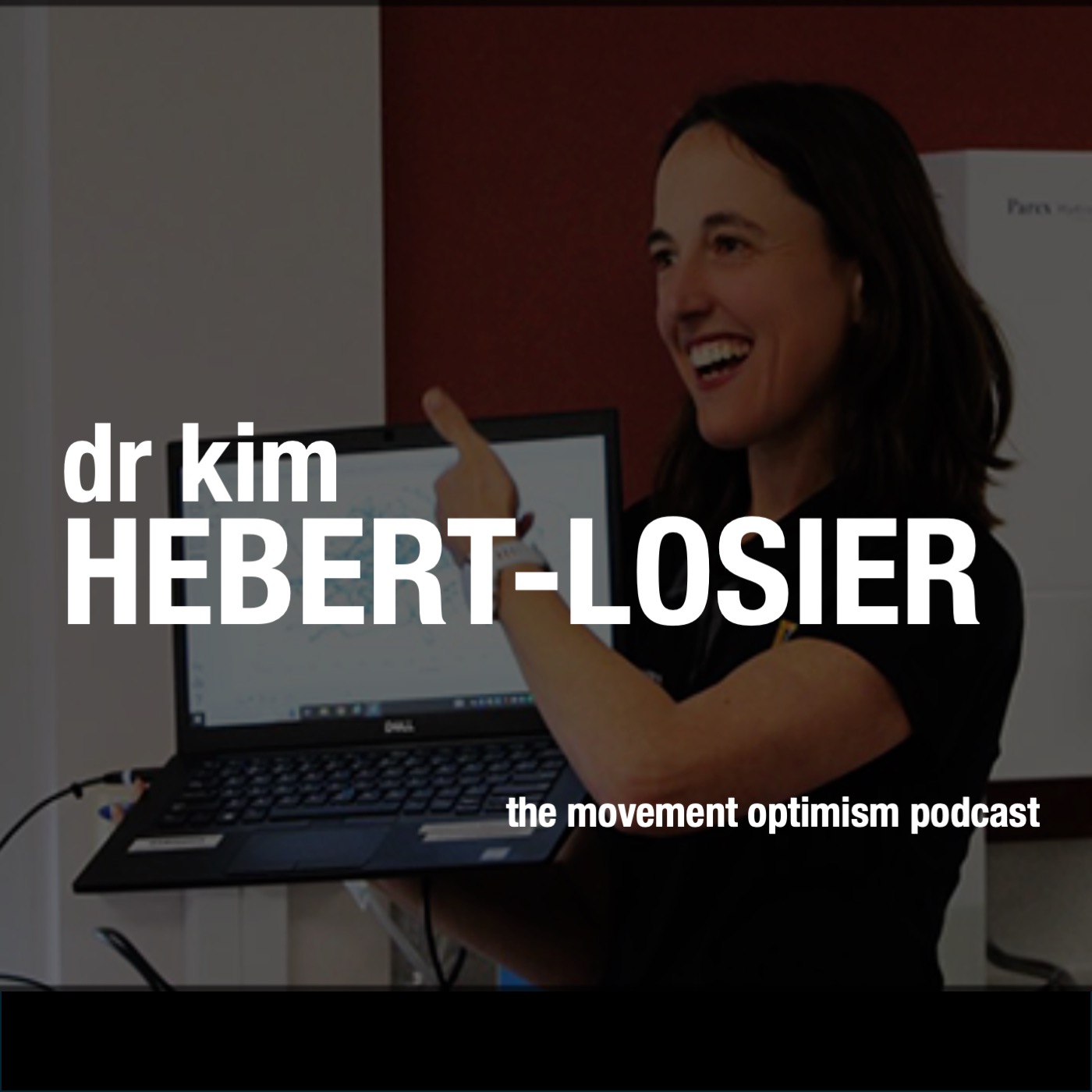
I talk with Dr Kim Hebert-Losier. An associate professor, biomechanist and physiotherapist out of The University fo Waikato. You can see her profile here. Some topics discussed: running as rehab her Calf App to evaluate plantar flexion strength and its potential relevance to clinical practice whether body weight training, as opposed to heavy resistance training, can improve running economy (Kim was involved in a paper that showed this!) whether you need to bend the knee to appropriately target the soleus (hint - you don't but there are some caveats) super shoes and running economy running technique and running economy
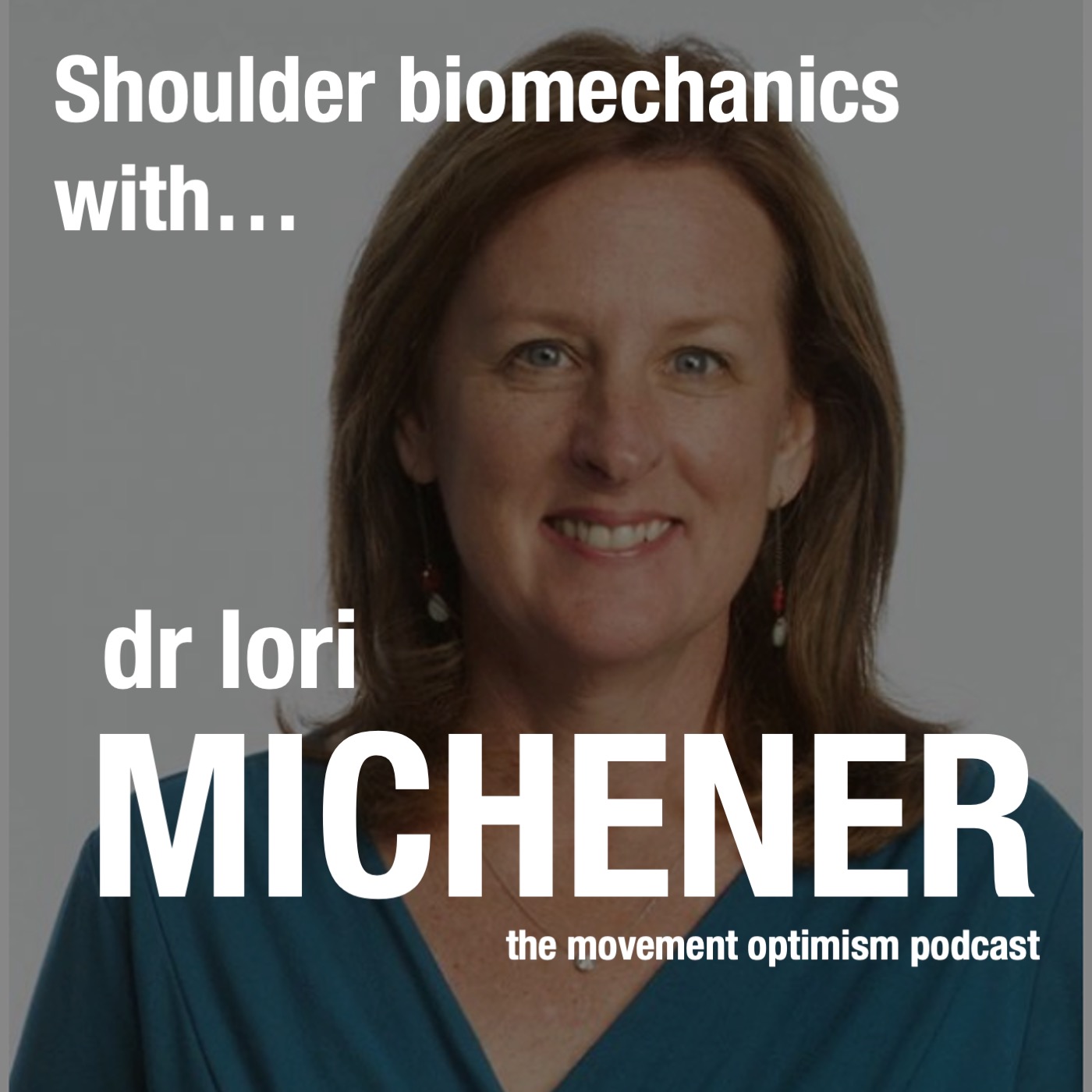
Dr Lori Michener (Professor of Biomechanics and Physical therapist) is a super expert on shoulder biomechanics and rehabilitation. Today we talked about: - the role of biomechanics in pain and injury - whether you need to be concerned with scapular movement/control - changes in her clinical opinion - shoulder "impingement" debates and so much more. More about Dr Michener The central theme of Michener's funded research is to define optimal treatment pathways for patients with musculoskeletal shoulder disorders by focusing on characterizing mechanisms, defining classification and management approaches and determining optimal outcomes of care. Specifically, her main research aims are: 1) to elucidate the biomechanical and neurophysiological mechanisms related to the presence of pain and poor recovery, in order to 2) develop classification and management strategies to optimize functional outcomes and simultaneously 3) determine the optimal set of patient outcome measures that comprehensively capture activity limitations and participation restrictions to judge treatment outcomes. She is director of the Clinical Biomechanics and Orthopedic Outcomes Research Laboratory, and directs the development, collection and analysis of patient-rated outcomes and process of care in the USC Physical Therapy clinics, and serves as a resource for clinical research.

Comments

Download from Google Play

Download from App Store
 United States