


 Claim Ownership
Nature Snippets
Subscribed: 6Played: 131
Subscribe

© Declan McCabe
Description
This podcast is devoted to celebrating the natural world. Topics include discussions of specific organisms, natural phenomena, and actions to protect the natural world and our fellow travelers. As an aquatic ecologist, I often focus on life in freshwater. Many episodes will be based upon writings published in the last several years on biodiversity and the natural history of diverse organisms including invertebrates.
The new cover art was designed by Lauren McCabe and is based on a calligrapha beetle. See more of Lauren's art here: https://www.instagram.com/lauren.mcc.photography/
The new cover art was designed by Lauren McCabe and is based on a calligrapha beetle. See more of Lauren's art here: https://www.instagram.com/lauren.mcc.photography/
56 Episodes
Reverse
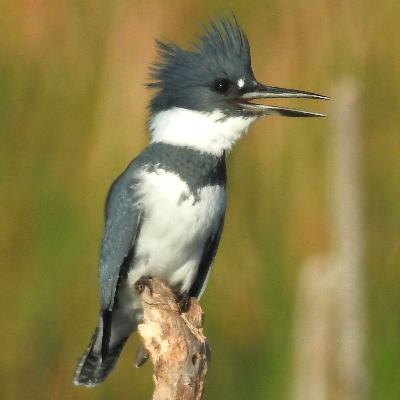
Kingfishers are incredible fliers, divers, and of course fishers. A lamp mussel at first blush seem to present all of the complex behaviors .... of a rock. But there is far more fascinating biology happening than meets the eye. This episode documents the interactions between at least one individual each of these two species. Life is interesting, strange, and there is unimaginable complexity if we care to investigate even just a little bit. This essay and now podcast was inspired by a photograph posted on social media. Here's a link to Adelaide Tyrol Murphy's incredible art to go with the story. And the story I presented at a conference a while back inspired Chris Maynard to create more incredible art linked here. I'd like to give a shout out to J Drew Lanham's "Writers of Fox Run Veranda" ....you know who you are! Thank you for inspiration to keep putting words out there; please keep sharing your wonderful words on paper or in the ether!
Update 12/30/2023: I'm back filling episode art because I just noticed how they present on various platforms. Wikimedia commons is my favorite source where people share art seeking only attribution. This image came from here.
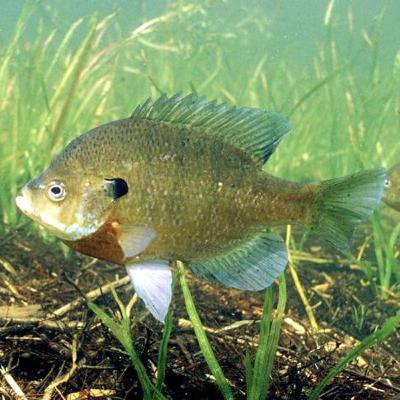
Why do we fish and should we fish at all? When I fish, it is usually for recreation or education. I encourage others to fish because I believe that familiarity with the fascinating organisms in the natural world fosters appreciation for the environment. When a person catches a fish in a nondescript pond, dots are connected. A previously boring water body becomes a habitat. Certainly it was habitat before anyone caught a fish, but an appreciation for the pond as habitat is built. And when we appreciate organisms and habitats, we are more likely to value and protect that habitat.
In this episode, several St. Michael's College Environmental Science tell us why they fish and what they caught.
Update 12/29/2023: episode art is from Wikimedia Commons and found here: https://upload.wikimedia.org/wikipedia/commons/f/f7/Lepomis_macrochirus_photo.jpg
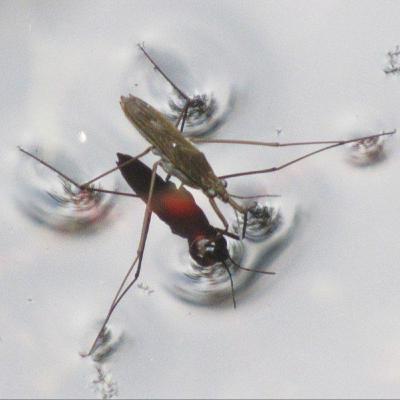
There are many caddisfly species feeding under the ice in our ponds, streams, and wetlands. Most aquatic insect growth happens in winter when the stream bed food supply is at its peak. The base of the stream food web is not provided by plants growing in the stream but instead drops in in the form of falling leaves. You might expect the peak to therefore happen in fall, but the leaves must first soak and steep. This process leaches out the chemicals that protected the leaves from herbivores during their productive lives. Next, fungi and bacteria colonize the leaves after which time, the leaves are edible to insects. But most of us notice aquatic insects including caddisflies, when they emerge as winged adults. One caddisfly in particular emerges in winter and is the subject of this first podcast of 2023. Welcome to season three and thanks for listening.
Duckweed can entirely coat summer ponds, but have you ever wondered what happens to them in winter when the ponds ice over? This episode gets into exactly where duckweeds go when the snow flies, and how they make it back from their wintering grounds.
As the name suggests, drain flies may well emerge from floor drains. They are not a sign of poor house keeping....rather they are a sign that you have drains. The larvae inhabit your plumbing in places like shower drains and floor drains. You may well see them at any time of year and so September is a perfect time to release this episode and kick off a new season.

Comments

Download from Google Play

Download from App Store
 United States