


 Claim Ownership
Off the Chart: A Business of Medicine Podcast
Subscribed: 23Played: 167
Subscribe

© MJH Life Sciences
Description
Off the Chart: A Business of Medicine Podcast features lively and informative conversations with health care experts, opinion leaders, and practicing physicians about the challenges facing medical practices today. New episodes release every week. Brought to you by Medical Economics and Physicians Practice.
Off the Chart: A Business of Medicine Podcast Staff
Hosts: Keith Reynolds, Austin Littrell
Contributors: Chris Mazzolini, Todd Shryock, Richard Payerchin, Austin Littrell
Inquiries: Please email Host Keith Reynolds with feedback, questions, guest suggestions and more.
Off the Chart: A Business of Medicine Podcast Staff
Hosts: Keith Reynolds, Austin Littrell
Contributors: Chris Mazzolini, Todd Shryock, Richard Payerchin, Austin Littrell
Inquiries: Please email Host Keith Reynolds with feedback, questions, guest suggestions and more.
154 Episodes
Reverse

Patient Care Online Editor Sydney Jennings and Dr. Steven P. Furr, Former President of the American Academy of Family Physicians sit down to discuss immunizations.
Music Credit: COCKTAIL by Mythical Audio - stock.adobe.com
Editor's note: Episode timestamps and transcript produced using AI tools.
Introduction to Immunizations (00:00:05)
Overview of the podcast and introduction of speakers discussing immunizations in primary care.
Decline in Vaccination Coverage (00:00:32)
Discussion on the decrease in vaccination rates among kindergarten students and its implications.
Impact of COVID-19 on Well-Child Visits (00:00:54)
How COVID-19 disrupted routine well-child visits affecting vaccination rates.
Measles Cases and Vaccination (00:01:33)
Increase in measles cases linked to unvaccinated individuals and the importance of herd immunity.
Vaccine Hesitancy Post-COVID (00:03:15)
Concerns about ongoing vaccine hesitancy and misinformation stemming from the COVID-19 pandemic.
Addressing Vaccine Confusion (00:03:30)
Need for clear communication from primary care providers regarding vaccination updates and schedules.
Encouraging Vaccination During Visits (00:04:44)
Strategies for clinicians to suggest vaccinations during patient visits to improve uptake.
Adult Vaccination Recommendations (00:05:52)
Changes in adult vaccination recommendations as respiratory virus season approaches.
Challenges with Medicare Vaccine Coverage (00:07:27)
Issues with Medicare coverage affecting access to certain vaccines for patients.
Advocacy for Vaccine Coverage (00:09:09)
Discussion on the need for advocacy to improve vaccine coverage under Medicare Part B.
Two hours. One studio. Zero confetti (almost).
In the 2025 Off the Chart Holiday Spectacular, Off the Chart hosts Keith Reynolds and Austin Littrell race to clean the studio before a holiday party — and along the way, revisit some of the most important conversations of the year.
Listeners hear from Anders Gilberg of MGMA on what 2026 health care policy could actually bring for physician payment, prior authorization and value-based care. Deepika Srivastava breaks down how artificial intelligence is reshaping malpractice risk and what physicians need to do now to protect themselves. David Tawes of the HHS Office of Inspector General offers a clear warning on skin substitutes and sketchy offers targeting primary care. The episode also revisits leadership lessons from Dave Gans, practical branding advice from Scott Bartnick, and a quick victory lap from the show’s 100th episode.
It’s part year-in-review, part behind-the-scenes chaos and fully grounded in the real issues physicians are heading into the new year with — teamwork, boundaries and absolutely no confetti.
Happy holidays from the crew at Off the Chart: A Business of Medicine Podcast!
Music Credits:
Joyful Christmas Adventure by TheRatu - stock.adobe.com
Various Holiday Songs by Elizabeth Klucher Reynolds
Editor's note: Episode timestamps and transcript produced using AI tools.
0:00–3:49
Cold open chaos: last-minute studio cleanup, holiday banter and rules about boxes, soundboards and “fast, ugly cleaning.”
3:49–4:39
The temptation to turn cleanup into a clip show — and why this year actually matters.
4:39–8:21
MGMA policy outlook: Anders Gilberg on what health care policy could realistically look like in 2026, from physician payment reform to prior authorization and value-based care tensions.
8:21–10:45
Back to cleaning: aging, disco lights, mystery cables and why some boxes must never be opened.
10:45–12:24
Artificial intelligence and malpractice risk: Deepika Srivastava on informed consent, documentation, AI scribes and why physicians remain ultimately responsible.
12:24–15:07
Mops, closets, confetti debates and the hidden costs of sticky floors.
15:07–16:27
Compliance warning for primary care: HHS Office of Inspector General’s David Tawes on skin substitutes, red flags and when “too good to be true” really is.
16:27–17:08
Banner hanging, tape as the “EHR of the party world” and clinical perfectionism.
17:08–18:08
Milestone moment: a quick victory lap from the Off the Chart 100th episode lightning round.
18:08–19:08
Holiday music, near-confetti incidents and metaphors for practice management debt.
19:08–20:33
Leadership and retention: Dave Gans on why taking care of staff directly improves efficiency and practice performance.
20:33–21:06
Mic stand mishaps and festive elbows.
21:06–22:11
Physician personal branding: Scott Bartnick on reviews, local reputation and why doctors don’t need national brands to stand out.
22:11–23:36
Final checks: chairs set, snacks staged, disco light defeated.
23:36–25:14
Wrap-up, holiday thanks, subscription reminders and a firm no-confetti policy.
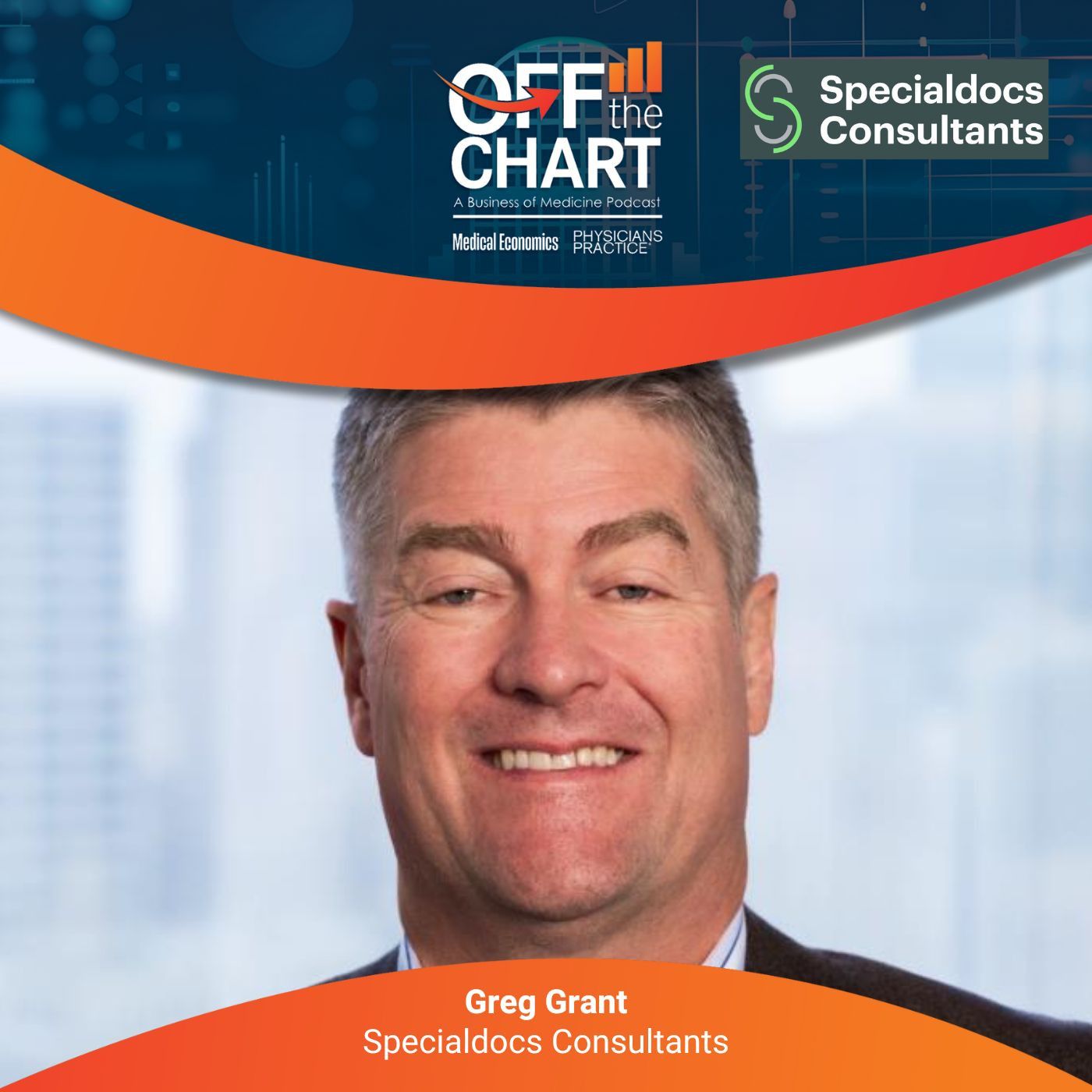
Today’s episode is brought to you by Specialdocs Consultants, and our topic today is the growing popularity of concierge medicine. As physician burnout, payer pressures, and patient expectations reach new inflection points, many doctors are rethinking how they practice medicine.
For this episode, Medical Economics Content Vice President Chris Mazzolini sat down with Greg Grant, the Chief Operating Officer of Specialdocs Consultants to explore why 2026 may be a pivotal year for physicians considering the transition to membership-based care. From financial models and patient demand to technology and lifestyle balance, Greg uncovers what’s driving the next wave of concierge medicine and what it could mean for your future in practice.
Music Credits:
Coffee Shop Sketches by Buurd - stock.adobe.com
A Textbook Example by Skip Peck - stock.adobe.com
Editor's note: Episode timestamps and transcript produced using AI tools.
(00:00:00)
Overview of physician administrative burden, episode introduction, and the focus on concierge medicine trends.
Macro trends shaping concierge medicine (00:01:32)
Discussion of macro trends: physician burnout, patient expectations, and the mainstreaming of concierge medicine.
Economic pressures and growth trajectory (00:04:06)
Impact of inflation, payer pressures, physician shortages and economic data on the growth of concierge medicine.
Physician specialties adopting concierge models (00:07:48)
Analysis of which specialties (primary care, cardiology, endocrinology, geriatrics, pediatrics, OB/GYN) are moving into concierge medicine.
Patient willingness to pay and changing expectations (00:11:22)
Exploration of patient attitudes toward paying for personalized care and the rise of health optimization trends.
Structure of modern concierge practices (00:14:45)
Details on practice structure: panel size, visit length, communication, care coordination, and work-life balance.
Integration with hospital systems (00:18:57)
Challenges and models for integrating concierge medicine within hospital systems and health networks.
Specialdocs’ unique approach (00:22:03)
What differentiates Specialdocs in the concierge medicine space and their support model for physicians.
Physician burnout and post-conversion experiences (00:26:24)
Physician stress and burnout before conversion, and improvements after transitioning to concierge medicine.
Hospitality mindset in concierge medicine (00:29:08)
How hospitality principles enhance patient experience and satisfaction in concierge practices.
Transition timeline and readiness signs (00:32:08)
Typical timeline for converting to concierge medicine and indicators that a physician is ready for the change.
Financial realities and misconceptions (00:35:31)
Common misconceptions about the economics of concierge medicine and financial outlook for 2026.
Advice for hesitant physicians (00:38:11)
Guidance for physicians considering the transition and reassurance about the mainstream status of concierge medicine.
Future outlook and excitement (00:40:14)
Predictions for the future growth of concierge and direct primary care, and reasons for optimism.
Closing remarks (00:42:41)
Final thanks, episode wrap-up, and information on subscribing and future episodes.
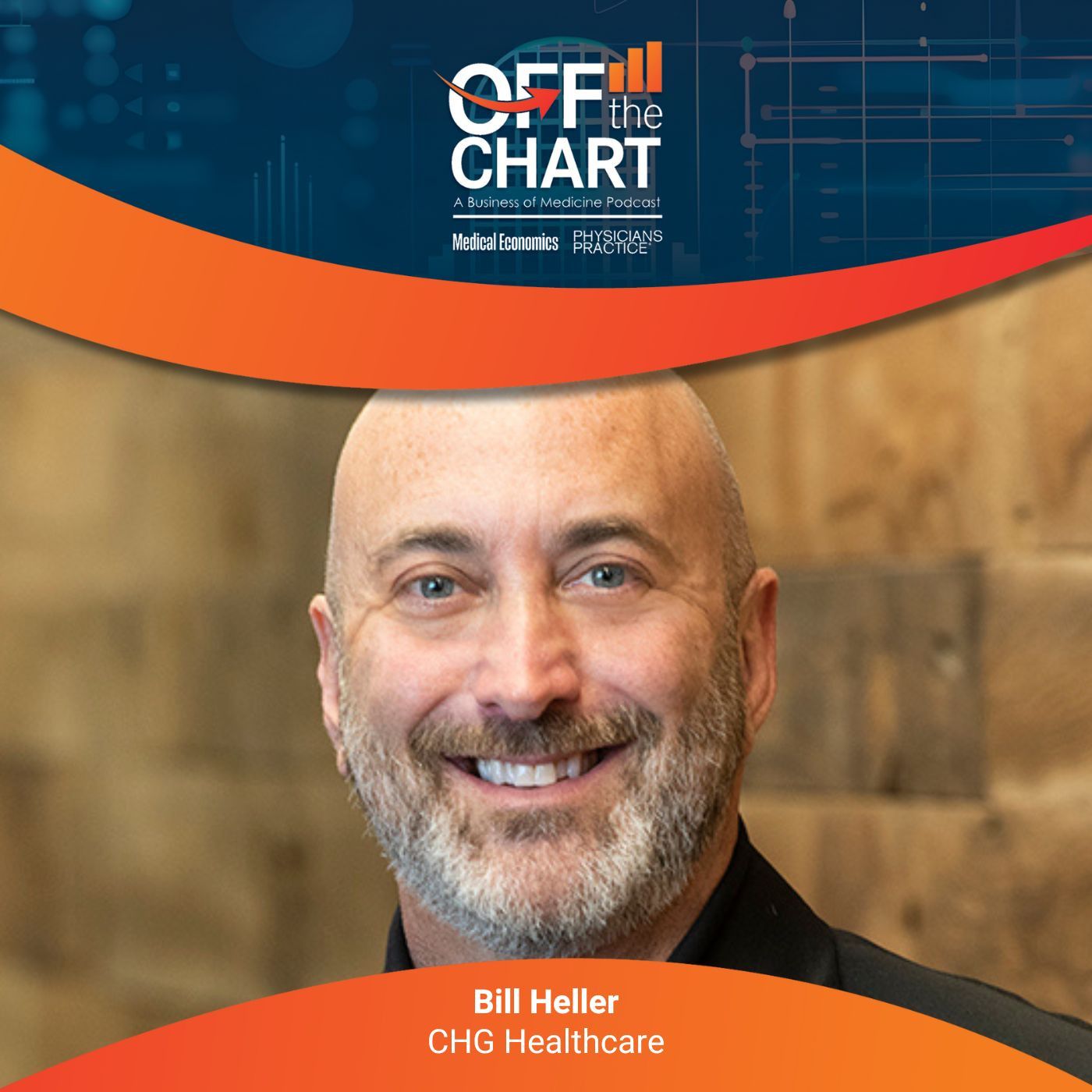
Most physicians say they’re satisfied with their jobs — but far fewer say they feel engaged at work. That disconnect is at the center of CHG Healthcare’s 2025 Physician Sentiment Survey, which draws on responses from more than 900 physicians nationwide.
In this episode of Off the Chart, Medical Economics Assistant Editor Austin Littrell speaks with Bill Heller, chief operating officer at CHG Healthcare, about what’s driving low engagement despite relatively high satisfaction. They break down the survey’s findings on trust in leadership, communication gaps, administrative burden, economic pressure and why engagement plays such a critical role in retention.
Heller also discusses what highly engaged physicians say makes the biggest difference in their day-to-day work, why involvement in decision-making, including around technology and artificial intelligence (AI), matters more than ever, and what health care leaders can do now to improve engagement without major new spending.
Music Credits:
Midnight Serenade by MORRIX Holyhold - stock.adobe.com
A Textbook Example by Skip Peck - stock.adobe.com
Editor's note: Episode timestamps and transcript produced using AI tools.
0:00 — Cold open
Why physician engagement is one of the most powerful retention tools health systems have.
0:16 — Intro
Austin Littrell introduces CHG Healthcare’s 2025 Physician Sentiment Survey and its core findings.
1:31 — Satisfaction vs. engagement
Why 75% job satisfaction doesn’t prevent turnover when only 18% of physicians feel engaged.
2:55 — What highly engaged physicians report differently
Transparency, open communication and trust in leadership stand out.
3:09 — How leaders build trust day to day
Visibility, explaining the “why,” frequent check-ins, and closing feedback loops.
5:40 — Trust gaps between physicians and executives
Why physicians trust direct supervisors far more than executive leadership.
7:46 — Net Promoter Score and physician loyalty
What a negative NPS says about physician advocacy and organizational risk.
10:56 — Physicians want a voice — but feel excluded
Why most doctors want input into decisions and how leaders can meaningfully involve them.
13:10 — When physician input becomes performative
Why late-stage consultation undermines trust and better decision-making.
15:13 — P2 Management Minute
Keith Reynolds on practical, real-world workflow and engagement ideas.
16:02 — Moonlighting, job changes and economic uncertainty
How engagement dramatically lowers the likelihood physicians will leave.
19:16 — Financial stress and physician decision-making
Why economic uncertainty affects physicians more than leaders may assume.
21:16 — Administrative burden and documentation pressure
What engaged physicians say helps make daily pressures more manageable.
24:44 — Artificial intelligence: hope and concern
Why physicians want AI to reduce burden — not simply increase patient volume.
27:01 — The message physicians want leaders to hear
Visibility, listening, well-being and time for patient care.
27:50 — What leaders may be underestimating
Why small changes can produce meaningful gains in engagement.
29:13 — Outro
Final thanks, credits and where to find future episodes.
Vaccine conversations have changed. Sure, there have always been skeptics, but since the COVID-19 pandemic — and especially since Robert F. Kennedy, Jr., has headed Health and Human Services (HHS) — debates have only intensified.
For physicians, what used to be occasional questions in the exam room have become daily conversations that are more emotional, more complex and more consequential for public health.
Paul Offit, M.D., one of the nation’s leading vaccine experts, joins the show to talk about the state of vaccine and public health skepticism we’re in — and what it means for physicians.
Offit explains why confidence in vaccines has slipped, how federal advisory processes have become more politicized and why rising outbreaks of measles, pertussis and other preventable diseases are a warning sign of things to come.
He discusses how misinformation shows up in the exam room, what’s worked for him when talking with hesitant patients and what physicians should keep in mind as they navigate these increasingly complex conversations.
This interview was conducted in preparation for Medical Economics November-December cover story, "Medicine under attack: How physicians can help their patients navigate the disinformation age."
Read more: https://www.medicaleconomics.com/view/medicine-under-attack-how-physicians-can-help-their-patients-navigate-the-disinformation-age
Music Credits:
After Hours by Yigit Atilla - stock.adobe.com
A Textbook Example by Skip Peck - stock.adobe.com
Editor's note: Episode timestamps and transcript produced using AI tools.
0:00 — Cold open
Dr. Offit on public health being “under siege.”
0:21 — Intro
Austin sets up the episode on vaccine skepticism and the rise of patient uncertainty.
1:18 — Where trust in science stands now
Offit describes the erosion of confidence in medicine and the rise of “make-your-own-truth” thinking.
2:06 — Vaccine skepticism before and after COVID
How distrust long predates the pandemic — and why mandated vaccines have always faced pushback.
2:38 — Vaccines as “victims of their own success”
Why younger parents must rely on faith, not firsthand memory of disease.
4:22 — Do people need to see disease return to believe in vaccines?
The Maurice Hilleman story and why outbreaks often precede attitude shifts.
6:37 — The politicization of immunization
Why Offit says vaccine science has collided with politics in unprecedented ways.
8:05 — What’s happened to ACIP
Offit’s concerns about expertise, bias, and the breakdown of federal vaccine guidance.
10:04 — Following ACIP’s recent votes
Why Offit saw “anti-science” decisions in 2025 influenza and hepatitis B deliberations.
12:20 — Debating unproven harm vs. studying real risk
How flawed research diverts attention, funding, and global vaccine support.
14:28 — P2 Management Minute
Keith Reynolds with practical, daily practice-improvement insights.
15:19 — Global ripple effects of U.S. vaccine misinformation
How America’s internal debates are shaping vaccine attitudes overseas.
16:26 — Communication strategies for frontline clinicians
How physicians can respond when patients bring vaccine misinformation into the exam room.
19:10 — How vaccines continue to be monitored
Why post-approval surveillance is essential — and how rare events are detected.
19:35 — Where COVID vaccine communication went wrong
Offit on “warp speed,” emergency-use confusion, breakthrough infections, and lost public trust.
21:30 — Will young scientists avoid vaccine research?
How funding cuts and political hostility may shift innovation overseas.
24:07 — States stepping in with their own guidance
Fragmented recommendations and the risks for states that do nothing.
25:08 — Surveillance breakdown and rising outbreaks
Why the U.S. is undercounting measles, flu, and pertussis — and the consequences of “see no evil” policies.
27:32 — Responding to conflict-of-interest accusations
Offit addresses claims about patent profits and ACIP voting.
29:11 — What changes things now?
Why Offit says the turning point will come from parents, not politicians.
30:41 — Closing with Richard Payerchin
Final thoughts and thanks.
31:01 — Outro
Austin wraps with credits and where to find future episodes.
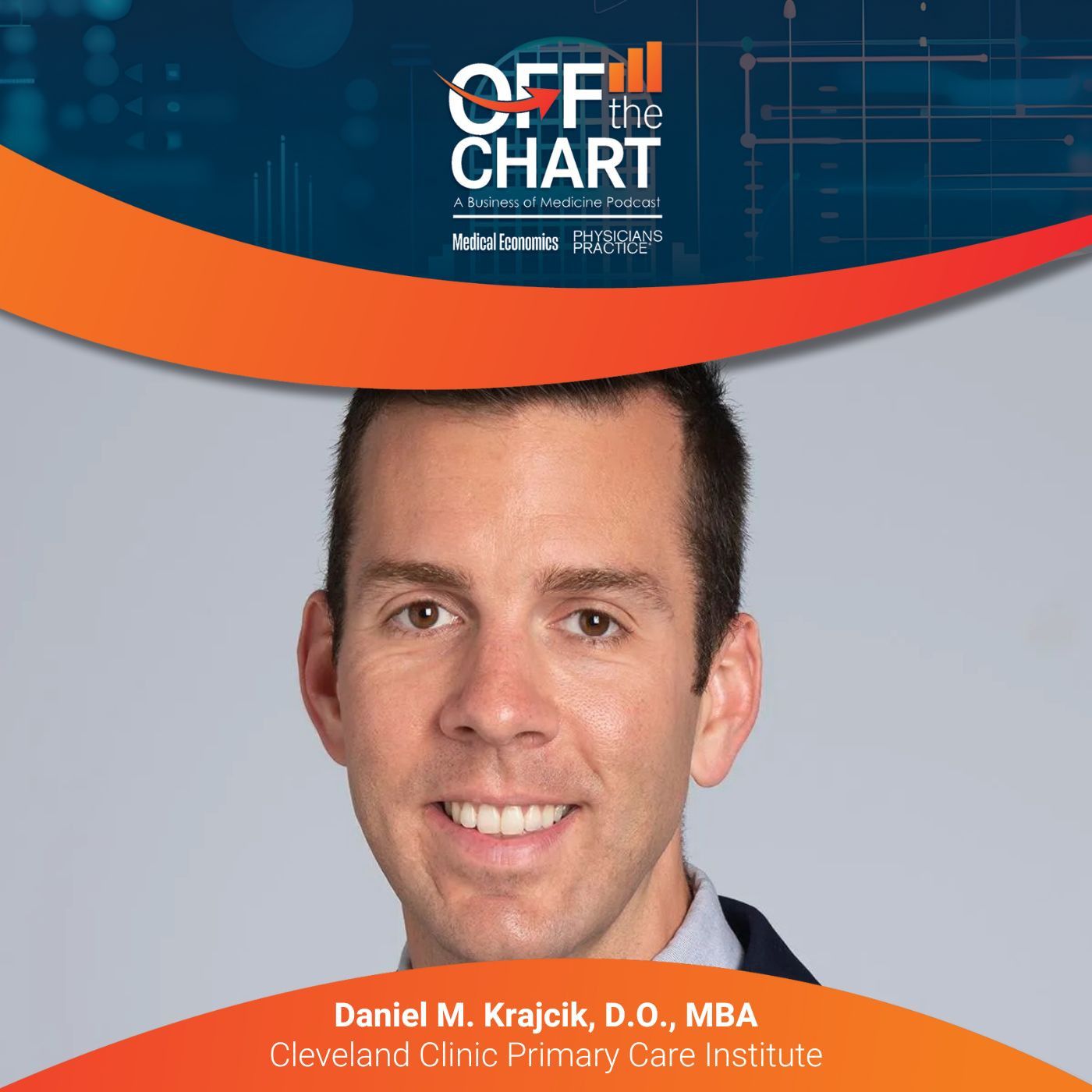
Point-of-care testing has become a core part of how many primary care practices diagnose, treat and manage patients — but deciding which tests to offer, how to implement them and whether the investment makes sense isn’t always straightforward.
Daniel Krajcik, D.O., MBA, a primary care physician with the Cleveland Clinic, joins the show to break down the real-world considerations of bringing rapid testing into the office. He talks about which low-cost tests make sense for small practices, how to evaluate your patient population, what fixed and variable costs look like, and what it actually takes to manage staffing, training and compliance.
This interview was conducted in preparation for the feature-length Medical Economics article: "Rapid Testing: Is it right for your practice?"
Read more: https://www.medicaleconomics.com/view/rapid-testing-is-it-right-for-your-practice-
Music Credits:
FUN PLAYFUL POWERFUL FUNK by Resolute Audio - stock.adobe.com
A Textbook Example by Skip Peck - stock.adobe.com
Editor's note: Episode timestamps and transcript produced using AI tools.
0:00 — Cold open
Why rapid COVID and flu diagnosis can reduce hospitalization risk.
0:21 — Intro
Austin Littrell sets up the conversation on point-of-care testing in primary care.
1:23 — Where practices should start with testing
How patient population and practice location shape which tests make sense.
1:41 — Low-cost testing essentials
Why urine dip tests and glucometers offer high clinical value with minimal upfront cost.
3:05 — What a CLIA waiver is and how to get one
What practices need to know about federal requirements and eligible tests.
4:37 — Which rapid tests practices can offer
Strep, STIs, pregnancy, A1C, INR and the real cost tradeoffs.
6:27 — Who manages and runs point-of-care tests
Training staff, assigning a compliance lead and maintaining quality control.
7:36 — How rapid testing changes clinical workflow
When testing adds time—and when it actually saves visits and improves care.
8:50 — Revenue and patient satisfaction impact
How in-office testing boosts both billing opportunities and patient experience.
9:05 — Competing with urgent care centers
Why rapid testing has become part of primary care’s market positioning.
9:54 — P2 Management Minute
Keith Reynolds on real-world practice workflow, efficiency and engagement.
10:48 — Legal, documentation and ethical considerations
What physicians must disclose about test accuracy and limitations.
12:53 — Inventory, expiration dates and waste
Why test tracking matters for small practices and revenue protection.
13:56 — How molecular rapid tests expand primary care capabilities
STIs, COVID, flu and testing for vulnerable populations.
15:15 — Value-based care and reimbursement incentives
How point-of-care diagnostics support chronic disease quality metrics.
16:28 — Advice for overwhelmed small practices
Why starting with a single test often leads to sustainable growth.
17:29 — Geography, labs and rural access challenges
When in-office testing matters most based on distance to labs.
19:23 — The economics of primary care
Why prevention and early intervention are finally gaining financial recognition.
20:03 — Outro
Final thanks, credits and where to find future episodes.
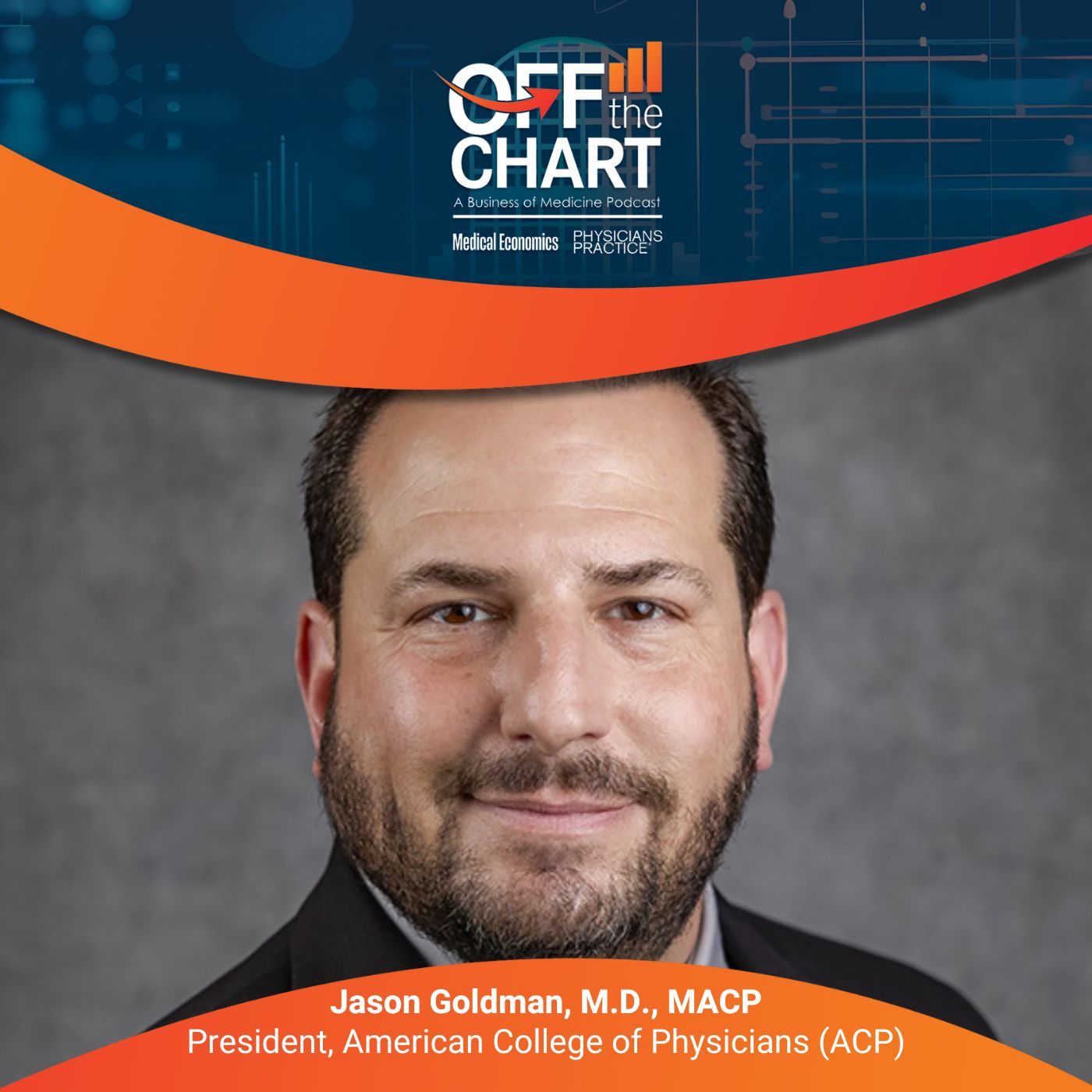
American College of Physicians President Jason Goldman, M.D., MACP joins the show to talk about one of the most difficult realities in clinical practice today: medical misinformation.
Goldman discusses the ripple effects he sees in the exam room — confused patients, politicized vaccine debates and growing skepticism toward scientific evidence. He also shares his perspective on the broader challenges weighing on primary care, including stagnant reimbursement, administrative overload and the deepening physician shortage.
Music Credits:
Coffee Lo-Fi by Mit-Rich - stock.adobe.com
A Textbook Example by Skip Peck - stock.adobe.com
Editor's note: Episode timestamps and transcript produced using AI tools.
0:00 — Intro
Trust in medicine breaks down as misinformation and politicization reshape patient care.
1:12 — The current state of trust in science
Jason Goldman, M.D., MACP, describes a “polarized” environment where echo chambers replace evidence.
2:17 — A public challenge to federal vaccine advisors
Why Goldman says the Advisory Committee on Immunization Practices must return to basic evidence standards.
4:59 — The real damage of vaccine politicization
How confusion, outbreaks, and patient doubt are reshaping public health.
7:58 — Vaccine access vs. vaccine uptake
Supply barriers, pharmacy restrictions, and rising patient hesitation collide in clinical practice.
10:53 — How physicians fight misinformation in the exam room
Goldman walks through the communication strategies that work — and the ones that fail.
13:31 — When vaccine resistance harms families
Preventable disease, household transmission, and the limits of “personal choice.”
19:43 — Autism, Tylenol and recycled health rumors
Why debunked claims still gain traction — and what real science says.
23:00 — Life inside the misinformation echo chamber
Why patients rely on filtered sources instead of public data and primary evidence.
25:04 — P2 Management Minute
Keith Reynolds on real-world practice workflows, staff morale and engagement.
26:03 — The reality of private practice economics
Flat reimbursements, crushing regulation and why primary care is financially fragile.
28:53 — Prior authorization: promises vs. reality
Why physicians still aren’t seeing relief from payer restrictions.
31:19 — Fixing the physician shortage
Medical education reform, student debt, and why primary care needs structural investment.
34:01 — A message to primary care physicians
Advocacy, resilience and unity in a strained system.
35:08 — Outro
Final thoughts, credits and where to find future episodes.
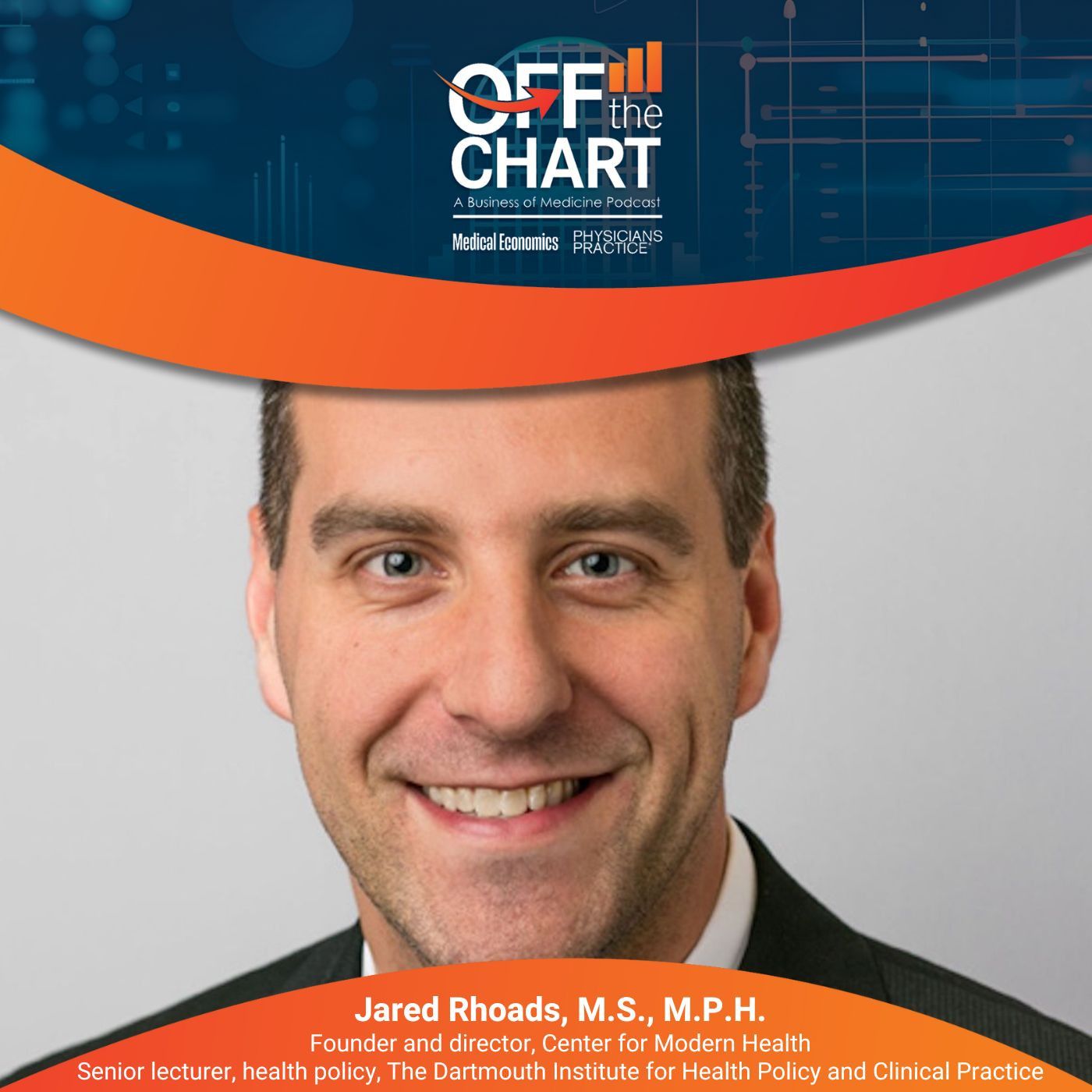
Jared Rhoads, M.S., M.P.H., founder of the Center for Modern Health and senior lecturer of health policy at the Dartmouth Institute for Health Policy and Clinical Practice, joins the show to talk about private equity’s role in health care and how politics are reshaping policy.
Rhoads offers a different take on private equity, arguing that current research is too mixed and fragmented to justify sweeping conclusions or aggressive regulation. He notes that outcomes differ widely across sectors and that positive cases are likely underreported. He also outlines findings from his 2024 prediction survey on health reform, highlighting rising expectations for psychedelic-assisted therapy legalization, growth in direct-pay models, expanded direct primary care and loosened HSA limits.
Throughout, he emphasizes market incentives, empirical evidence and caution against ideology-driven policymaking.
Check out Rhoads' September 2025 article in Medical Economics, "In defense of private equity in health care, mostly."
Music Credits:
Rooftops by Buurd - stock.adobe.com
Relaxing Lounge by Classy Call me Man - stock.adobe.com
A Textbook Example by Skip Peck - stock.adobe.com
Editor's note: Episode timestamps and transcript produced using AI tools.
00:00 — Why it’s too early to vilify private equity
Rhoads questions strong anti–private equity narratives and discusses limitations in current evidence.
01:20 — How the literature frames costs, outcomes, and price effects
He points to the BMJ systematic review and mixed findings on quality, utilization, and pricing.
04:55 — The case against broad private equity regulation
Concerns about deal-size review thresholds, bans, and financial instruments; Rhoads favors targeted guardrails over blanket restrictions.
08:50 — When private capital may actually help
Why hospitals in financial distress or needing infrastructure upgrades might benefit from outside investment — and why positive cases rarely surface.
12:30 — Surveying policy under Make America Healthy Again
Rhoads outlines his prediction survey on 28 health policy propositions tied to the Trump administration.
14:50 — Psychedelic-assisted therapy on the rise?
Why he sees legalization in several states as increasingly likely.
16:15 — Direct pay surgery centers and direct primary care
Cultural alignment with MaHA principles driving expectations of growth.
18:10 — HSAs: modest movement, but real movement
Contribution-limit changes and why he sees further shifts ahead.
20:35 — Call for clinicians to join the next prediction survey
Rhoads encourages physicians to participate in the 2025 policy outlook assessment.
21:00 — Close
Final thoughts.
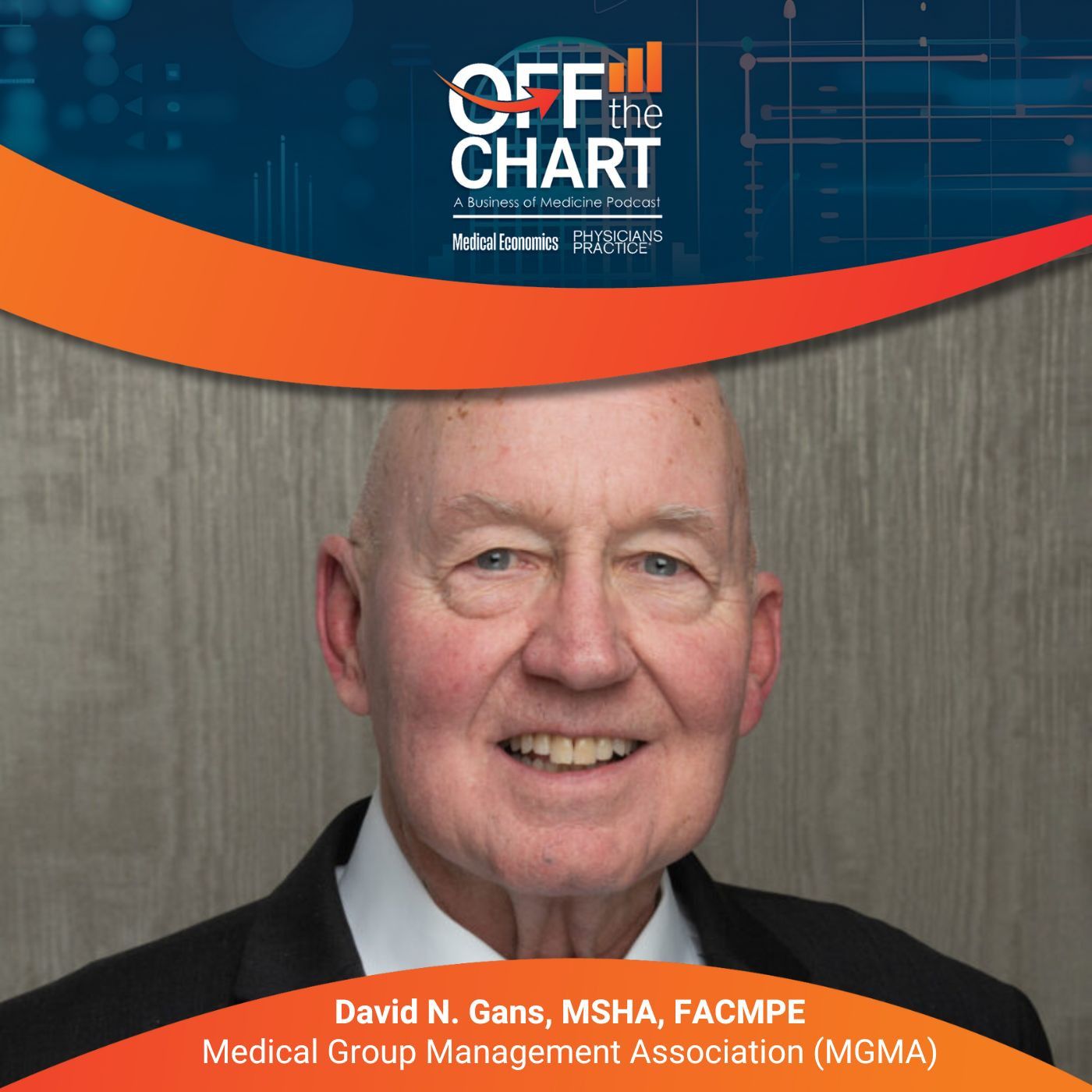
David N. Gans, MSHA, FACMPE, retired senior fellow at MGMA, joins the show to talk about the real pressures facing practices today — rising costs, flat reimbursement, staffing strain and the push for efficiency.
Gans breaks down the key metrics leaders should watch in 2026, the compliance gaps he sees most often, and how to evaluate new technologies like automation and artificial intelligence. He also shares why private-practice profits may have peaked and what that means for administrators planning ahead.
Music Credits:
SEDUCCION by Bopper Beats - stock.adobe.com
A Textbook Example by Skip Peck - stock.adobe.com
Editor's note: Episode timestamps and transcript produced using AI tools.
00:00 — Introduction
Austin opens the episode and tees up the conversation with David Gans, retired senior fellow at MGMA.
01:15 — Setting the stage
Keith greets David and dives straight into the big-picture question: which operational and financial trends practice leaders are still underestimating.
01:38 — The real cost pressures
David breaks down rising costs, static reimbursement, wage competition, and why efficiency is now non-negotiable for practices.
03:19 — The reimbursement squeeze
How Medicare, commercial insurers, and Medicaid leave little room for negotiation—and what that means for practices of different sizes.
04:22 — Efficiency or bust
Why “doing more with less” has become the only path forward, and how automation, workflows, and scheduling changes help practices stay afloat.
05:00 — Primary care vs. surgical pressures
David explains why cognitive specialties feel revenue constraints differently than procedural ones.
06:34 — What can practices actually control?
Coding accuracy, revenue cycle discipline, and the push to optimize every minute.
06:55 — What data should leaders watch in 2026?
David lays out the essential metrics: top-line revenue, encounter mix, RVUs, staffing costs, and net income trends.
07:33 — Productivity & expense alignment
Why practices need to understand revenue drivers and compare staffing benchmarks against peers.
08:52 — Quality and safety without more admin burden
David shares a framework: right staff, right tasks, right incentives, right outcomes.
09:46 — Technology and environment matter
How COVID reshaped expectations for clinical environments and cleanliness standards.
10:40 — Accreditation realities
David describes Triple-A-HC and where practices most often fall short in compliance.
12:23 — The metrics administrators misinterpret
David explains why FTE calculations are often flawed—and how job-sharing, varied schedules, and workload mismatches distort perceptions.
14:54 — Tech adoption: what’s really new?
Keith asks about telehealth, automation, and artificial intelligence. David places today’s tech challenges in a 100-year historical context.
16:31 — Practices have always adapted
From telephones to punch-card records to EHRs, David highlights the through-line of efficiency.
18:00 — How to evaluate AI today
Use case frequency, patient impact, niche opportunities, and reimbursement potential.
19:49 — Leadership in uncertainty
David identifies the core leadership trait that matters most: cultivating a healthy work environment that boosts efficiency.
20:02 — Staff morale as a performance driver
How workplace culture alone can lift productivity by up to 20%.
20:54 — The surprising trend in private-practice profits
David breaks down his recent Data Mine column on revenue after operating expenses and why private practices may have hit “peak profits.”
22:39 — A 15-year look at the numbers
Inflation-adjusted revenue trends, productivity gains, and why the recent plateau is worrisome.
25:00 — Why profits finally dropped
Payment constraints, supply-chain fallout from COVID, and shifts in patient services.
25:40 — Closing thoughts
Keith and David wrap up and agree to revisit the data when the next column comes out.
26:16 — Outro
Austin closes the show and promotes upcoming episodes, newsletters, and subscription options.
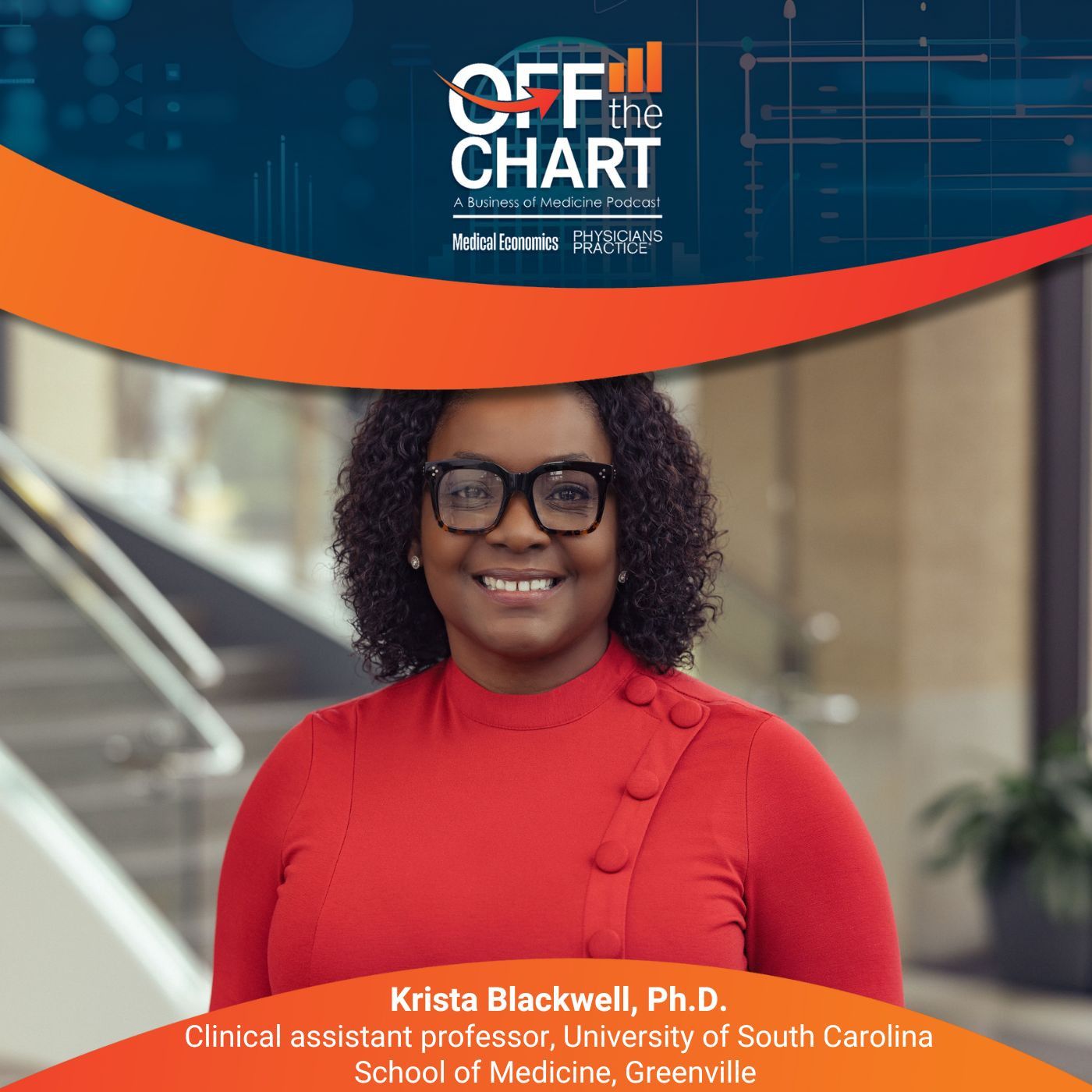
Krista Blackwell, Ph.D., clinical assistant professor of biomedical sciences at the University of South Carolina School of Medicine, Greenville, joins the show to talk about two new reports from the U.S. Centers for Disease Control and Prevention (CDC) and the American Heart Association (AHA) examining ultraprocessed foods and their growing role in the American diet.
Blackwell explains why youth consumption stood out in the data, how convenience, family routines, school meals and food marketing influence eating patterns, and what the latest research says about cardiometabolic risks. She also discusses how primary care physicians can approach nutrition counseling more effectively using motivational interviewing and principles of culinary medicine.
AHA report:
"Ultraprocessed Foods and Their Association With Cardiometabolic Health: Evidence, Gaps, and Opportunities: A Science Advisory From the American Heart Association" https://www.ahajournals.org/doi/epub/10.1161/CIR.0000000000001365
CDC report:
"Ultra-processed Food Consumption in Youth and Adults: United States, August 2021–August 2023"
https://www.cdc.gov/nchs/products/databriefs/db536.htm
Music Credits:
Midnight Jazz by Alexey Anisimov - stock.adobe.com
Relaxing Lounge by Classy Call me Man - stock.adobe.com
A Textbook Example by Skip Peck - stock.adobe.com
Editor's note: Episode timestamps and transcript produced using AI tools.
0:00 — Intro
Overview of today’s topic: new CDC and American Heart Association reports on ultra-processed foods.
1:30 — First impressions of the new data
Dr. Blackwell explains why the findings align with lifestyle-medicine training and culinary-medicine education.
2:43 — CDC survey surprises
Why children ages 6–11 had the highest intake of ultra-processed foods.
3:56 — Pandemic effects on diet
How COVID-19 changed food preparation, access, and reliance on processed foods differently for different populations.
5:56 — Why kids consume so many ultra-processed foods
Marketing, school meals, fast-food access, and environmental factors.
6:40 — Key takeaways from the AHA scientific advisory
What the advisory says about saturated fat, sugar, sodium, additives, and unknowns about processing techniques.
8:47 — Are 70% of grocery-store products “bad”?
How to evaluate ultra-processed foods using nutrition labels and the “1:1 sodium-to-calories” rule taught in culinary medicine.
10:24 — How physicians can approach nutrition counseling
Motivational interviewing, identifying small changes, and real-world examples for primary care.
12:20 — How patients respond to motivational interviewing
Why meeting people where they are leads to better engagement.
14:09 — What culinary medicine looks like in practice
Hands-on patient cases, meal prep, and teaching medical students practical nutrition skills.
16:29 — What future research needs to explore
Additives, processing methods, and understanding their impact on cardio-metabolic disease.
17:41 — The GLP-1 conversation
How GLP-1 drugs fit into the gut-brain axis research and what they mean for individualized patient care.
19:29 — Ultra-processed foods and national policy
How MAHA and recent federal attention could accelerate progress.
21:03 — Defining “ultra-processed” foods
Why the lack of a unified definition complicates dietary guidelines.
22:23 — Where primary care physicians can learn more
Culinary-medicine certification and integrating nutrition into practice.
24:12 — What global models can teach the U.S.
Australia and EU “health scores” and how clearer labeling could help patients.
25:47 — Closing thoughts
Full-circle wrap-up and final remarks from Richard Payerchin and Dr. Blackwell.
26:12 — Outro
Show credits and where to find future episodes.
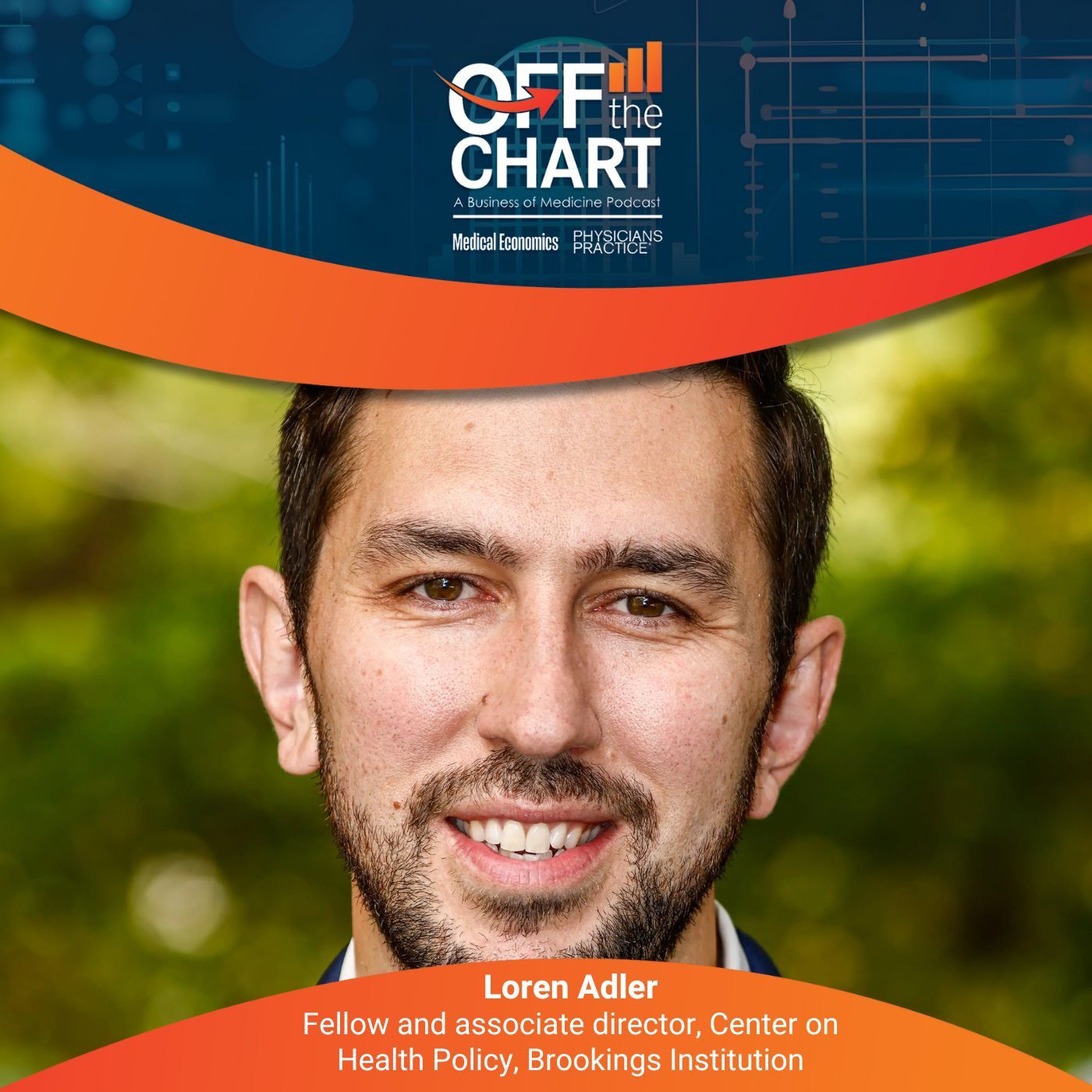
Loren Adler, fellow and associate director at the Brookings Institution's Center on Health Policy, joins the show to talk about his new Health Affairs study examining the rise of insurer-owned primary care practices.
Adler breaks down how quickly payer ownership has expanded, why certain markets are seeing far higher concentrations and what this consolidation means for costs, competition, Medicare Advantage and independent physicians. He also discusses the data sources behind the research, the role risk adjustment plays in shaping insurer incentives and the policy questions that come with these trends.
Music Credits:
Cozy Evening Time Coffee by BJBeats - stock.adobe.com
Relaxing Lounge by Classy Call me Man - stock.adobe.com
A Textbook Example by Skip Peck - stock.adobe.com
Editor's note: Episode timestamps and transcript produced using AI tools.
0:00 – Cold open
“There are a few markets where nearly half of the primary care market is payer-operated — and typically those are largely Optum operated.”
0:20 – Introduction
Austin Littrell introduces Off the Chart and previews the conversation between Richard Payerchin and Brookings Institution health policy expert Loren Adler.
1:35 – How the study began
Richard asks Adler what sparked the analysis behind The Changing Landscape of Primary Care, and why payer ownership needed real measurement.
1:54 – Why insurers are acquiring practices
Adler explains the motivations behind payer acquisitions and the lack of hard data before this study.
3:05 – Key findings
A breakdown of how payer-owned primary care grew from under 1% in 2016 to more than 4% by 2023 — and why 6% of clinicians now work for a payer.
4:17 – The biggest surprises
Adler discusses misconceptions about Optum’s size and the complexity of “affiliated” versus employed clinicians.
4:22 – Where consolidation is happening
Why markets with high Medicare Advantage penetration and less hospital consolidation are hotspots for insurer acquisitions.
7:10 – Why 4–6% matters
Adler explains how national averages hide dramatic geographic concentration — including counties where Optum controls nearly 40–50% of primary care.
7:35 – Antitrust implications
A look at counties with more than 10% payer ownership and the antitrust concerns that follow.
9:31 – Input from payers
What Brookings learned from stakeholder interviews — and why major insurers didn’t influence the data.
9:54 – Why Kaiser and Intermountain were excluded
Adler clarifies why hospital-integrated payers were left out of this analysis.
11:29 – How the data was built
Behind the scenes of the dataset: Medicare claims, ownership tracking, press releases, and acquisition timelines.
14:11 – P2 Management Minute
A quick workflow and operations segment with Keith Reynolds.
14:57 – Core concerns about integration
Adler outlines the biggest risks: antitrust issues, risk-coding incentives, and how payer ownership can change documentation behavior.
15:27 – Risk adjustment and coding intensity
How Medicare Advantage payment design creates incentives to document as many diagnoses as possible.
17:12 – Market foreclosure concerns
Could payer-owned practices limit access to rival insurers? Adler explains the risk — and the open questions.
18:40 – Potential benefits
Areas where payer ownership could improve care coordination, cost alignment, or reduce hospital use.
21:12 – What the study didn’t yet measure
Why patient outcomes remain an open research area — and what anecdotal reports suggest.
23:15 – Pressure on independent practices
Adler discusses aggressive contracting tactics, including first-right-of-refusal clauses.
25:19 – The reality for small practices
Why some independents join IPAs or third-party organizations for leverage and better reimbursement.
25:37 – How this fits into MAHA
Adler’s take on how consolidation trends intersect with federal policy priorities.
26:32 – Policy actions that matter most
The need for transparency, antitrust scrutiny, and major changes to Medicare Advantage risk adjustment.
29:08 – The role of AI
How large language models can help track ownership and consolidation across markets.
30:19 – What’s still unknown
Will payer ownership keep accelerating, or level off? Adler outlines the unanswered questions.
31:26 – What independent physicians should know
Why hospitals — not payers — remain the dominant consolidator of primary care, and how Medicare policy shapes that.
33:04 – Closing thoughts
Richard wraps up the conversation and thanks Adler for joining.
33:27 – Outro
Austin closes the episode with subscription reminders, publishing schedule, newsletter information, and production credits.
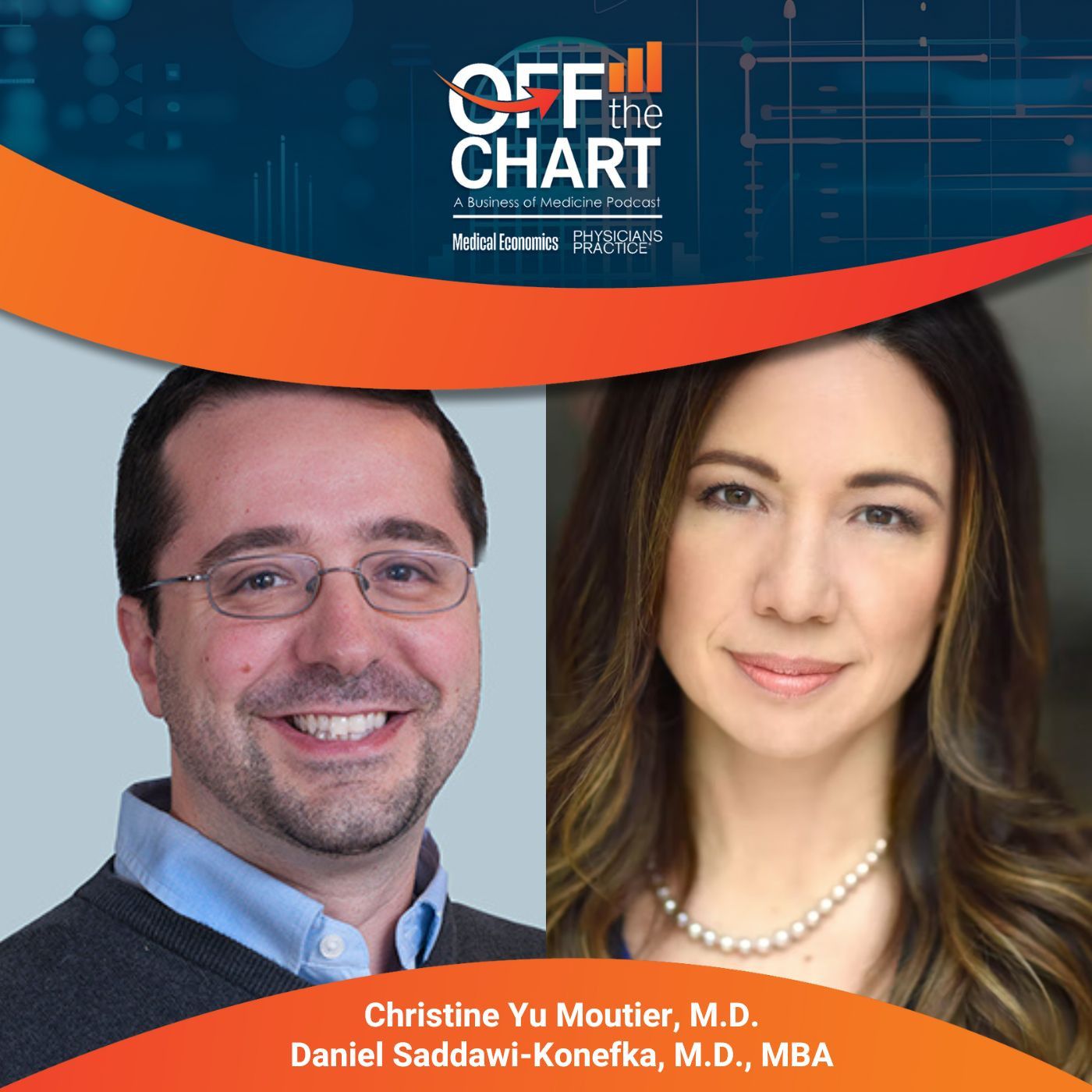
Mental health remains a silent crisis among physicians.
Medical Economics Senior Editor Richard Payerchin sat down with Daniel Saddawi-Konefka, M.D., MBA, and Christine Yu Moutier, M.D., to learn more about the rising rates of depression and suicidal ideation among physicians, why stigma and licensing questions still keep many from seeking help, and how to separate burnout from true mental health conditions.
They also outline practical steps that can make care safer and more accessible for clinicians at every stage of training and practice.
Saddawi-Konefka and Moutier are co-authors of a JAMA Special Communication on reducing barriers to mental health care for physicians, published earlier this year.
Learn more: https://www.medicaleconomics.com/view/barriers-remain-between-physicians-and-needed-mental-health-care
Music Credits:
Lo Fi Warm Piano by Elonix - stock.adobe.com
Relaxing Lounge by Classy Call me Man - stock.adobe.com
A Textbook Example by Skip Peck - stock.adobe.com
Editor's note: Episode timestamps and transcript produced using AI tools.
00:00 — Opening statistic: Hidden physician mental health crisis
Depression, suicidal ideation and suicide attempts among physicians.
00:22 — Welcome + episode setup
Austin introduces the guests and framing of the discussion.
01:24 — Conversation begins
Richard welcomes Dr. Saddawi-Konefka and Dr. Moutier.
01:29 — Why the JAMA special communication was needed
How the paper came together and why the topic remains urgent.
02:28 — Personal stakes: Colleagues lost, suffering overlooked
Both guests explain how their own experiences pushed this work forward.
03:47 — The current state of physician mental health
What the latest data reveals — and why so much remains hidden.
04:49 — Silence, stigma and the treatment gap
Why physicians rarely seek help even when symptoms are severe.
05:54 — Burnout vs. diagnosable mental health conditions
A clear distinction — and why conflating the two can be dangerous.
08:48 — How burnout gets mislabeled — and why it matters
Why calling every form of distress “burnout” can delay real treatment.
09:41 — The culture of medicine: perfectionism, toughness and silence
How training and tradition fuel stigma and avoidance.
11:15 — Stigma beyond medicine: Broader cultural misunderstandings
Why mental health remains poorly recognized even at the societal level.
14:25 — The role of medical schools
Accreditation requirements, missed opportunities and needed reforms.
15:44 — What med schools still get wrong
How fear of stigma grows during training — and what could change it.
17:15 — Normalizing vulnerability through education
Why modeling “being human” matters for future physicians.
18:35 — Self-prescribing: How common it is and why it’s risky
Data on antidepressant self-prescribing and its consequences.
19:50 — Suicide data: Physicians less likely to be in treatment
How self-management and avoidance increase long-term danger.
21:45 — Fixing licensing and credentialing questions
Why outdated forms perpetuate stigma — and where reforms stand.
24:10 — Why changing the forms isn’t enough
Remaining cultural barriers even after policy fixes.
25:22 — Multi-level solutions: What leaders can actually do
Approaches from screening tools to sustained institutional strategy.
26:45 — Opt-out therapy programs
A promising model that flips the default on seeking help.
28:12 — The most vulnerable moments in training
ACGME mortality findings and early-year risk.
28:28 — Closing reflections + sign-off
Richard wraps the discussion; Austin closes the show.

After the longest federal shutdown in U.S. history, the government is finally open again — but for medical practices, the relief is short-lived. In this episode, Physicians Practice editor Keith Reynolds sits down with Anders Gilberg, senior vice president of government affairs at the Medical Group Management Association (MGMA), to talk about what the reopening actually means for medical groups.
Gilberg breaks down the temporary deal that extends key health policies only through January 30, including Medicare telehealth flexibilities and the geographic work floor. He explains the ripple effects practices are already feeling — from underpaid Medicare claims that now need to be reprocessed to renewed uncertainty around ACA premium tax credits heading into 2026.
Read more from Physicians Practice: "Shutdown deal offers short-term relief, long-term headaches for medical practices"
Music Credits:
Tempting Conversations by Frequently Asked Music/MusicRevolution - stock.adobe.com
Relaxing Lounge by Classy Call me Man - stock.adobe.com
A Textbook Example by Skip Peck - stock.adobe.com
Editor's note: Episode timestamps and transcript produced using AI tools.
0:00 – Cold open
Anders on key issues for medical practices being delayed only a few months.
0:18 – Intro
Austin introduces the show, Keith, and Anders, and sets up the shutdown, short-term deal, ACA credits, telehealth, and Medicare underpayments.
1:22 – Setting the scene
Keith welcomes Anders and notes the government reopening after a historic shutdown.
1:49 – 6:13 | What’s in the deal?
ACA premium tax credits, short-term telehealth extension, 1.0 work floor issues, Medicare underpayments, and avoided PAYGO cuts.
6:13 – 7:36 | Immediate impact on practices
Reprocessing guidance, telehealth coverage, and the 2.5% conversion factor bump for 2026.
7:36 – 9:02 | How hard did the shutdown hit?
Different effects depending on Medicare volume, telehealth use, and location.
9:02 – 13:37 | 2026 Medicare fee schedule
Conversion factor increase, work RVU “efficiency” cut, practice expense changes, and which specialties may see real hits.
13:37 – 18:11 | Shutdown politics and ‘health care extenders’
How short-term budget bills, telehealth, rural floors, and APM incentives keep getting tied together and delayed.
18:11 – 18:59 | P2 Management Minute promo
Keith invites listeners to share practice tips and workflow hacks.
18:59 – 22:59 | Looking ahead to 2026
Telehealth flexibilities, ACA tax credits in an election year, and a historically unproductive Congress.
22:59 – 26:46 | Noncompetes
FTC interest in noncompete bans, state patchwork, and MGMA’s balanced view for employed physicians vs independent groups.
26:46 – 30:41 | Policy horizon
Physician payment reform, new prior auth rules, value-based care concerns, and what MGMA will push for next.
31:22 – 31:58 | Outro
Austin closes the episode, plugs subscriptions, and gives production credits.
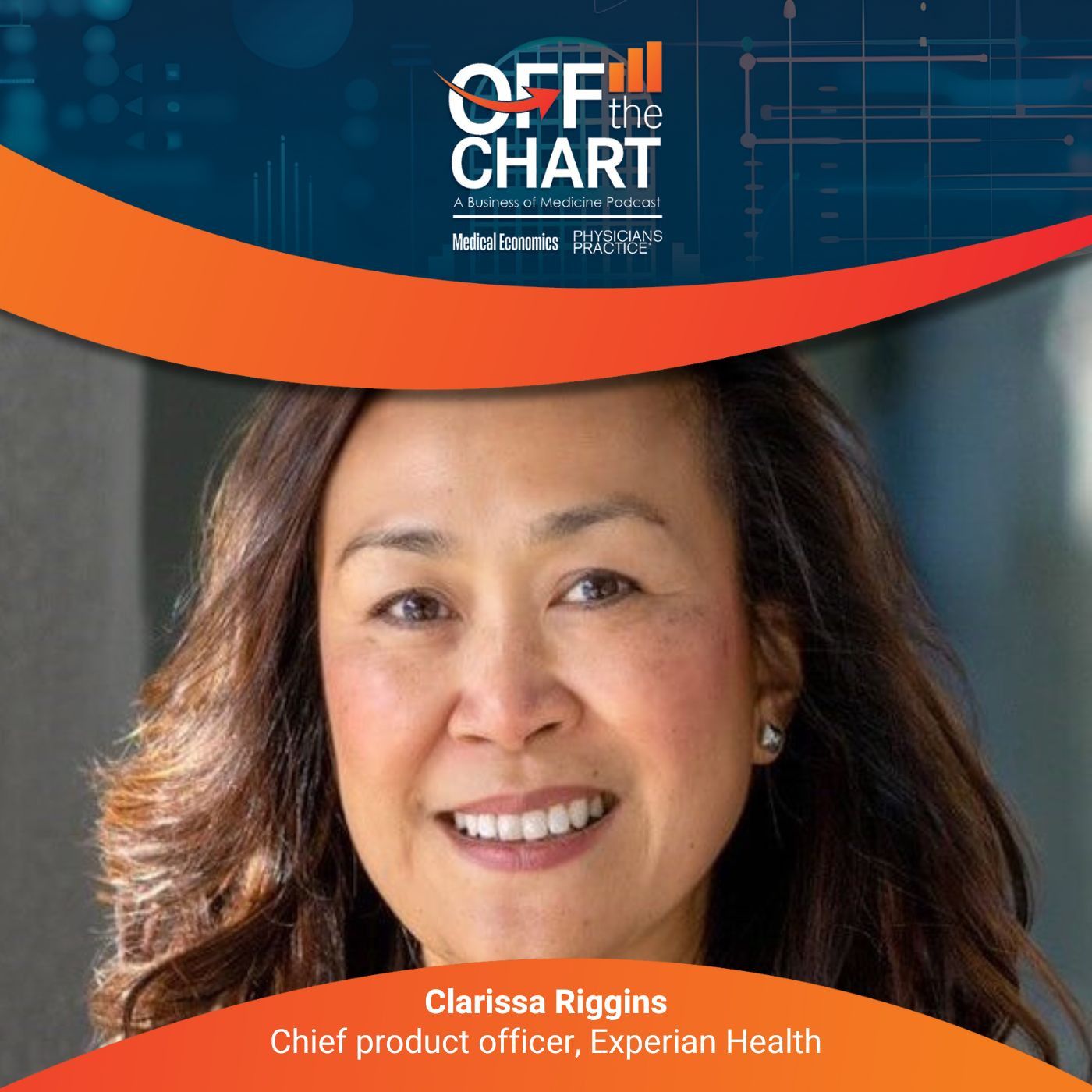
Denied claims are cutting deeper into practice revenue — and the numbers are getting worse.
In this episode, Medical Economics Managing Editor Todd Shryock talks with Clarissa Riggins, chief product officer at Experian Health, about the company’s 2025 State of Claims Report.
Riggins explains why claim denials are rising, how inaccurate patient data and staffing shortages are fueling the problem, and where artificial intelligence (AI) can make a measurable difference. She also discusses how practices can use automation and predictive analytics to prevent denials before they happen, and why getting ahead of payer complexity is now essential to financial survival.
Music Credits:
Ambient Jazz by AurbanniAudio - stock.adobe.com
Relaxing Lounge by Classy Call me Man - stock.adobe.com
A Textbook Example by Skip Peck - stock.adobe.com
Editor's note: Episode timestamps and transcript produced using AI tools.
0:00 – Cold open
“If you can address the issues from the outset of the revenue cycle, it makes everything so much easier — and helps prevent denials before they happen.”
0:20 – Introduction
Austin Littrell introduces Off the Chart and previews the conversation between Todd Shryock and Clarissa Riggins, Chief Product Officer at Experian Health.
1:22 – Setting the stage
Todd introduces the 2025 State of Claims Report and asks what’s driving the sharp rise in claim denials.
1:59 – The top cause: bad data
Riggins explains how missing or inaccurate patient data has become the leading driver of denials — and why AI could help fix it.
2:32 – Why clean claims are harder to submit
Riggins discusses new regulatory pressures, workflow friction, and the challenges of preparing for complex documentation requirements.
4:01 – Staffing shortages and technology gaps
How workforce turnover and fragmented tech stacks compound denial problems and strain practice operations.
5:34 – The biggest problem areas
Why fixing inaccurate data and registration errors at intake remains the most urgent step for revenue recovery.
6:32 – The AI awareness gap
Although 62% of providers say they understand AI, only 14% use it. Riggins explains the hesitation — and how to start small.
7:59 – Lessons from early adopters
Practices seeing ROI from AI share common traits: they start small, track measurable outcomes, and scale success.
9:01 – Building trust in AI
Riggins discusses HIPAA, payer rules, and why transparency is key to physician confidence in AI-driven claims tools.
12:01 – Falling confidence in tech
Todd asks why fewer providers feel their claims systems are effective — and what’s behind the frustration.
12:56 – Fixing payer–provider collaboration
Why better technology and open communication are both needed to reduce denials for good.
13:59 – Where providers should start with AI
Practical first steps for adopting automation — from identifying pain points to choosing the right technology partners.
16:36 – Training and workflow integration
How to implement new AI tools with minimal disruption and staff retraining.
18:28 – What surprised Experian most
Riggins shares the biggest takeaways from the State of Claims data — and why adoption still lags optimism.
19:30 – Final takeaways
Why AI works best when it starts small, delivers measurable ROI, and helps staff focus on higher-value work.
22:12 – Closing
Todd thanks Clarissa for joining, followed by Austin’s closing credits and subscription reminder.
In the 100th episode of Off the Chart: A Business of Medicine Podcast, host Austin Littrell is joined by Todd Shryock, Richard Payerchin, and Keith Reynolds — the editors from Medical Economics and Physicians Practice who helped build Off the Chart into what it is today. Together, they look back on favorite conversations, memorable guests and defining trends from the show’s first 100 episodes.
From the rise of artificial intelligence and new liability concerns to the return of independent practice, rising costs and shifting patient trust, the team discusses how medicine’s business landscape continues to evolve — and what stories they plan to chase next.
Music Credits:
Cup of Coffee by Ionics - stock.adobe.com
Relaxing Lounge by Classy Call me Man - stock.adobe.com
A Textbook Example by Skip Peck - stock.adobe.com
Editor's note: Episode timestamps and transcript produced using AI tools.
0:00 – Opening thanks
Richard opens with gratitude to guests and listeners who helped shape 100 episodes of Off the Chart.
0:20 – Introduction
Austin welcomes listeners to the 100th episode and introduces Todd Shryock, Richard Payerchin and Keith Reynolds.
1:17 – Looking back on the journey
Austin recalls joining the show at episode 48 and asks what the 100-episode milestone means to the team.
1:42 – Milestone reflections
Austin shares appreciation for the show’s growth and its role as a forum for fresh ideas in medicine.
2:17 – Podcast evolution
Todd Shryock on how Off the Chart grew from a side project into a polished, professional production.
3:01 – Early days and transition
Keith Reynolds describes taking over around episode 35 and credits Austin for elevating production and consistency.
4:15 – Memorable episodes
Austin asks which episodes have stuck with the editors over the years.
4:24 – Running for office
Richard Payerchin highlights Episode 43: The Physician’s Guide to Running for Office and lessons from doctors-turned-policymakers.
5:06 – What’s broken in healthcare
Todd Shryock revisits his interview with Michigan Medicine’s Marschall Runge, M.D., Ph.D., and how academic leaders see systemic challenges.
6:18 – Behind the mic
Keith recalls producing the “Running for Office” episode, his conversations with MGMA’s Anders Gilberg, and his latest chat with attorney Katie Russell, J.D.
8:03 – AI and malpractice
Austin reflects on Episode 97: AI, malpractice and the future of physician liability, and the October cover story on artificial-intelligence liability in medicine.
8:28 – Team reflections
Keith shares why editor roundtables and behind-the-scenes episodes remain his favorite part of the job.
9:04 – How medicine has changed
Austin asks how the health care landscape has shifted since the podcast began.
9:30 – AI everywhere
Todd explains how artificial intelligence went from novelty to necessity — and raises the looming question: who pays for it?
12:05 – The changing public mood
Keith discusses how public perception of physicians has evolved since the pandemic and why trust feels more fragile today.
13:41 – Independence and private practice
Richard points to episodes 70 and 95 on physician autonomy and the growing nuance around private-equity partnerships.
15:25 – Lightning round: trends for 2026
Austin asks each editor for one trend to watch in the year ahead.
15:35 – Price transparency
Richard predicts renewed momentum for transparency policy under the current administration.
15:53 – Trust in AI
Todd warns that adoption will hinge on physicians’ confidence in AI accuracy.
16:29 – Return to independence
Keith expects a migration back to physician-owned practices as consolidation stalls.
17:14 – P2 Management Minute
Keith delivers a quick interlude of practice-management advice and listener call-to-action.
18:04 – Looking ahead: the next 100
Austin asks what stories or themes should shape Off the Chart going forward.
18:16 – Keith: More creative episodes
Keith lobbies (again) for holiday specials and continued AI coverage.
19:06 – Richard: Rural healthcare and affordability
Richard calls for deeper dives into rural access, insurance costs and medical debt.
20:08 – Todd: Front-line voices
Todd wants more firsthand perspectives from practicing physicians on fixing medicine.
20:47 – Austin: Financial literacy
Austin advocates expanding coverage of physician wealth-building, taxes, and loan repayment.
21:08 – Lightning round: advice for 2026
One-sentence takeaways from each editor for practice leaders.
21:08 – Richard's advice
“Tune in twice a week to Off the Chart.”
21:15 – Todd’s advice
“You can’t save the world — start with the patient in front of you.”
21:25 – Keith’s advice
“Take care of your coders; they make everything work.”
21:33 – Closing and gratitude
Austin thanks the editorial team and listeners for helping reach the 100-episode milestone.
21:57 – Outro
Final wrap-up, subscription reminder and acknowledgments to the Medical Economics and Physicians Practice teams.
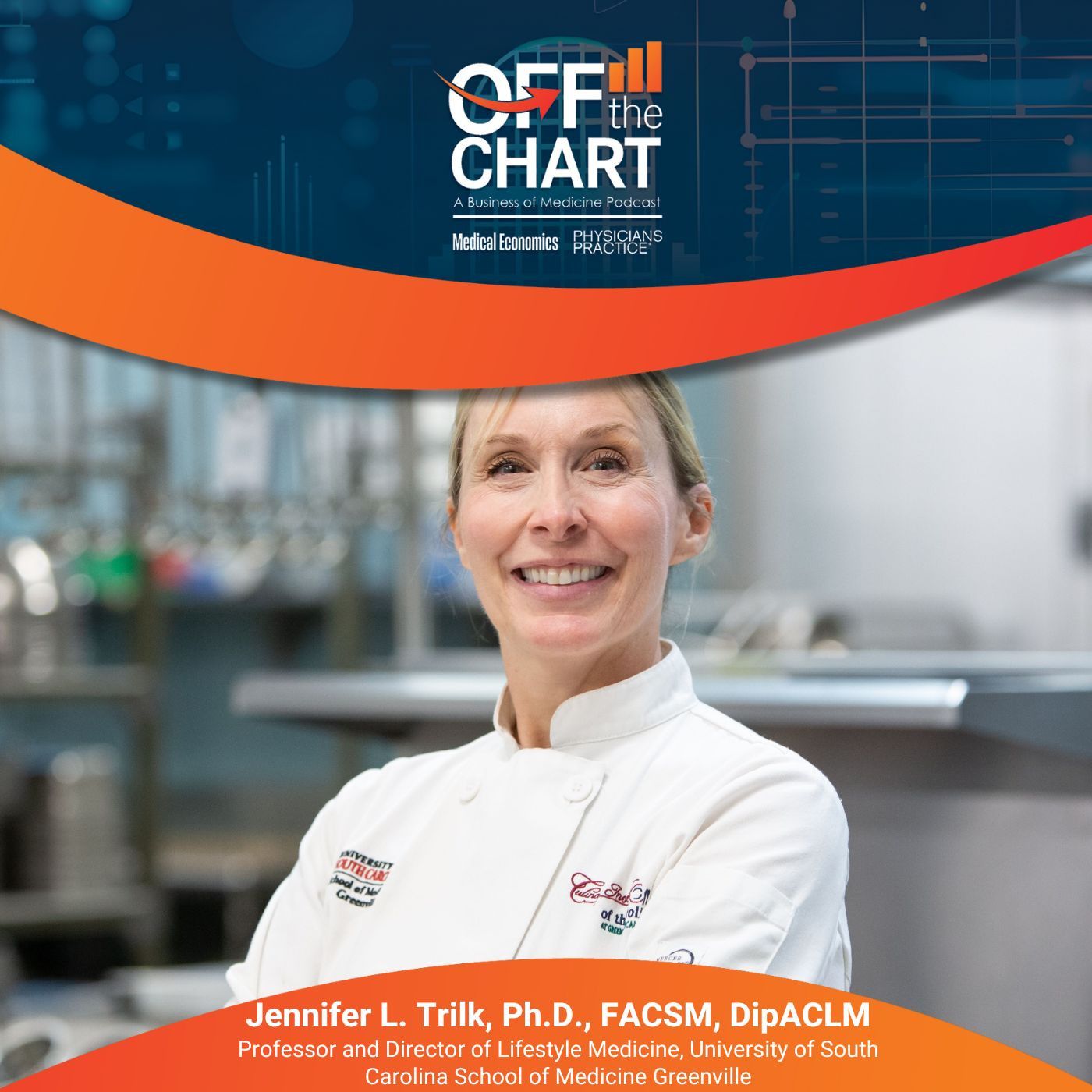
Jennifer Trilk, Ph.D., FACSM, DipACLM, professor of biomedical sciences and director of lifestyle medicine programs at the University of South Carolina School of Medicine Greenville, joins the show to discuss how her program is reshaping physician education through lifestyle medicine.
Trilk explains how training future doctors in nutrition, physical activity, behavior change and self-care is key to preventing chronic disease — and why prevention needs to be valued as highly as treatment. She also shares how the school’s hands-on approach, including culinary and teaching kitchens, helps students translate science into real-world patient care.
The discussion covers the evolution of nutrition education in medical schools, national policy efforts to prioritize “food as medicine,” and what it will take for lifestyle medicine to become a standard part of every physician’s toolkit.
Music Credits:
Paper Cranes by Buurd - stock.adobe.com
Relaxing Lounge by Classy Call me Man - stock.adobe.com
A Textbook Example by Skip Peck - stock.adobe.com
Editor's note: Episode timestamps and transcript produced using AI tools.
0:00 – Cold open
Hippocrates said, “Let food be thy medicine, and medicine be thy food.” If that was said so long ago — how did we miss that in treating our patients?
0:20 – Introduction
Austin Littrell introduces Off the Chart and previews the conversation between Richard Payerchin and Dr. Jennifer Trilk, professor and director of lifestyle medicine programs at the University of South Carolina School of Medicine Greenville.
1:30 – Why nutrition belongs in medical education
Dr. Trilk explains why future physicians need formal training in nutrition, exercise, and behavior change to help patients prevent and reverse chronic disease.
2:23 – Lifestyle medicine vs. conventional medicine
She describes how lifestyle medicine focuses on root causes of illness, shared decision-making, and long-term patient partnerships — not just symptom management.
7:13 – Why doctors weren’t taught nutrition
Dr. Trilk traces the history of medical education, from the Nutrition Academic Award in the 1990s to why most schools still lack meaningful nutrition training.
11:55 – Sorting fact from fad
How physicians can navigate conflicting diet advice, dispel misinformation, and focus on evidence-based nutrition — starting with the Mediterranean diet.
17:14 – Reimbursement for prevention
Dr. Trilk calls for Medicare, Medicaid, and private payers to reimburse physicians for lifestyle and nutrition counseling to make prevention financially sustainable.
20:12 – Inside the teaching kitchen
She describes Greenville’s hands-on culinary medicine program — where medical students and patients cook together — and how it’s changing health outcomes.
25:06 – Cooking as CME
How practicing physicians and fellows are returning to the kitchen to earn CME credit and rediscover the joy of learning through food and connection.
26:22 – Creating national nutrition competencies
Dr. Trilk explains how the new consensus statement, “Proposed Nutrition Competencies for Medical Students and Physician Trainees,” is shaping the future of medical education.
30:09 – The ‘Make America Healthy Again’ initiative
A look at current federal efforts to promote prevention, lifestyle medicine, and nutrition under HHS and CMS.
32:34 – A message to primary care physicians
Dr. Trilk thanks primary care clinicians for their foundational role in patient wellness and encourages them to explore lifestyle medicine in their own practices.
34:29 – Closing
Austin Littrell wraps up the episode with production credits and links to subscribe and learn more at MedicalEconomics.com and PhysiciansPractice.com.
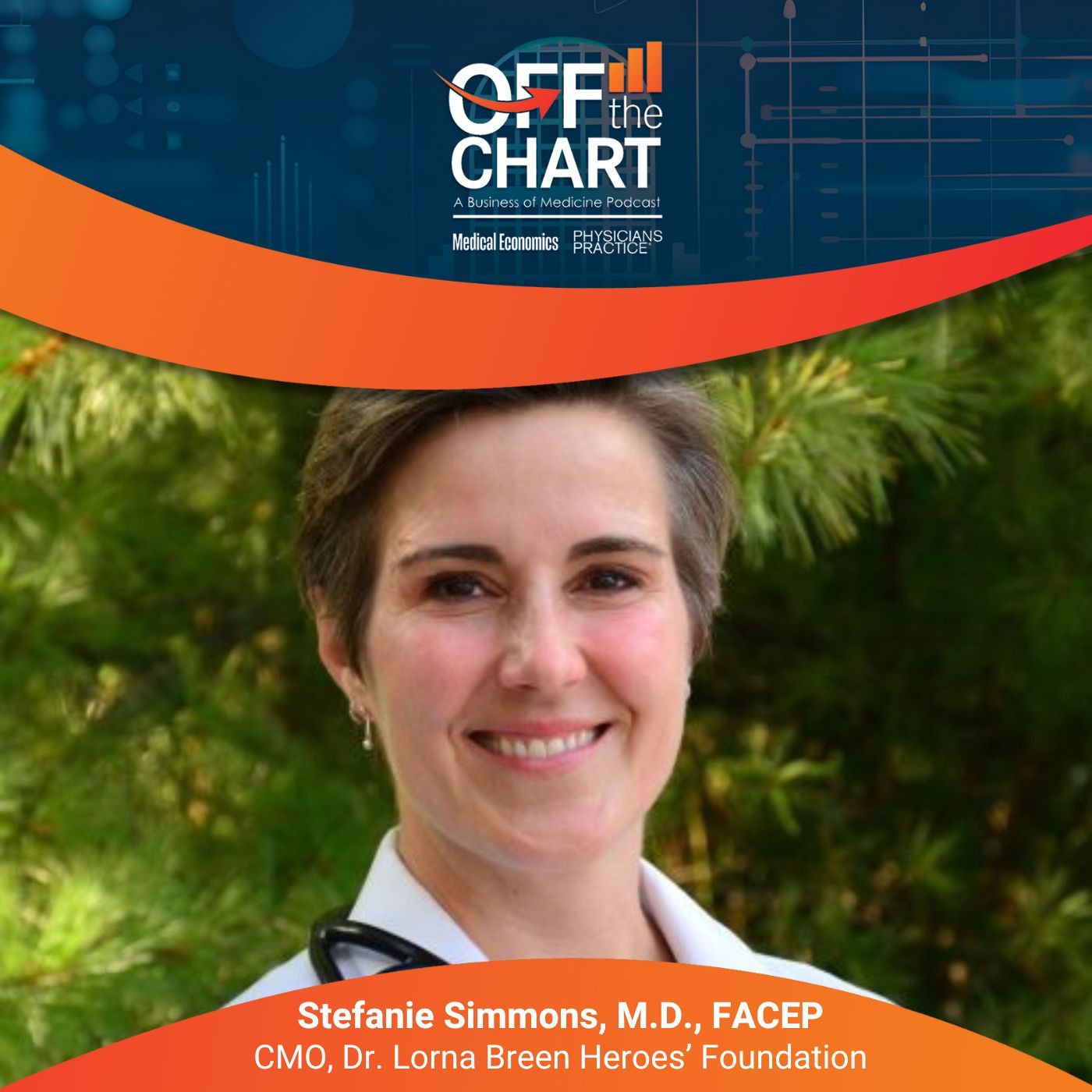
Stefanie Simmons, M.D., FACEP, chief medical officer of the Dr. Lorna Breen Heroes’ Foundation, joins the show to talk about the state of burnout in health care and what’s being done to fix it.
She explains how the foundation is working to remove stigmatizing mental health questions from licensing and credentialing forms, and why addressing burnout requires systemic change — not just resilience training. Simmons also shares what’s giving her hope, how organizations can better support their teams and what a healthier culture in medicine could look like.
Music Credits:
Paper Notes by Eden Keyes - stock.adobe.com
Relaxing Lounge by Classy Call me Man - stock.adobe.com
A Textbook Example by Skip Peck - stock.adobe.com
Editor's note: Episode timestamps and transcript produced using AI tools.
0:00 – Cold open
Stefanie Simmons, M.D., FACEP, on how changing licensing language is helping health care workers seek mental health care without fear of losing their ability to practice.
0:29 – Introduction
Austin Littrell introduces Off the Chart and previews the conversation with Stefanie Simmons of the Dr. Lorna Breen Heroes’ Foundation.
1:34 – About the Foundation
Simmons explains the mission of the Dr. Lorna Breen Heroes’ Foundation and its national coalition, “All In: WellBeing First for Healthcare.”
3:02 – The state of burnout
How burnout has changed since the pandemic, and why administrative burden continues to strain the workforce.
4:41 – Which specialties are most affected
Emergency medicine and mid-career physicians continue to report the highest burnout rates.
6:15 – Signs of progress
A look at licensing and credentialing reforms across the country — and why they matter for clinician mental health.
8:07 – The importance of peer support
Simmons explains why peer support is one of the most powerful tools for health care workers in crisis.
10:17 – Generational perspectives
How younger clinicians are changing attitudes about work-life balance and mental health in medicine.
15:00 – Human performance and system design
Why medicine should take lessons from athletic performance — and how rest, coaching, and system design improve care.
16:50 – The Impact Wellbeing Guide
How the foundation’s guide and the Caring for Caregivers program are helping hospitals and states build sustainable well-being initiatives.
19:54 – The Lorna Breen Act reauthorization
Updates on federal legislation to reduce administrative burden and support clinician mental health.
21:02 – Technology and AI
The promise and limits of artificial intelligence in reducing administrative work for clinicians.
23:45 – Hope and the path forward
Simmons shares why she’s optimistic about the growing attention to workforce well-being.
25:49 – A message to primary care physicians
Encouragement and gratitude for primary care clinicians — and a reminder that improving care starts with supporting the whole team.
28:16 – Closing
Austin Littrell closes the episode with show credits and information on where to find Off the Chart and related Medical Economics content.

Artificial intelligence (AI) is entering everyday care, so of course it’s raising questions about malpractice. In this episode, we sat down with three national experts shaping how AI liability will evolve: Sara Gerke, associate professor of law at the University of Illinois Urbana-Champaign; David A. Simon, J.D., LL.M., Ph.D., associate professor of law at Northeastern University; and Deepika Srivastava, chief operating officer at The Doctors Company.
They explain how AI could redefine the standard of care, what happens when an algorithm contributes to patient harm, and practical steps physicians can take now to protect themselves — including documentation, communication and clear internal policies.
Check out our October cover story for a deeper look at how AI is reshaping medical malpractice: "The new malpractice frontier: Who’s liable when AI gets it wrong?" available online at: www.medicaleconomics.com/view/the-new-malpractice-frontier-who-s-liable-when-ai-gets-it-wrong-
Music Credits:
Groovy 90s Hip-Hop Acid Jazz by Musinova - stock.adobe.com
Relaxing Lounge by Classy Call me Man - stock.adobe.com
A Textbook Example by Skip Peck - stock.adobe.com
Editor's note: Episode timestamps and transcript produced using AI tools.
0:00 – Opening: The AI malpractice paradox
Why using too little or too much AI can both create legal risk.
0:13 – Episode setup
Austin introduces the guests and frames the core question: How does AI shift malpractice liability?
1:14 – AI and the standard of care
Gerke explains how jurors already view AI-guided decisions as potentially “reasonable.”
2:07 – Adoption drives legal expectations
Simon outlines how widespread use — not hype — determines when AI becomes mandatory practice.
4:03 – When AI harms a patient
Gerke on physician and hospital exposure today — and surgeons’ skepticism of manufacturer liability.
5:51 – Regulated devices enter the chat
Why manufacturers get pulled in when AI tools behave like medical devices.
6:04 – Device pathways and lawsuits
Simon details 510(k) vs. De Novo vs. PMA — and how each influences manufacturer accountability.
8:27 – Policy levers
How FDA and state decisions could shift responsibility upstream.
9:25 – Insurance reality check
Srivastava: Physicians still bear primary legal risk since they make the clinical call and sign the chart.
10:29 – Transition: From risk to action
Before pulling the plug on AI tools — what physicians should actually do.
10:43 – Practical protections
Srivastava’s immediate steps: informed consent, chart review, governance, and patient disclosure.
12:01 – Transparency as defense
How clear communication about AI use strengthens trust and reduces exposure.
13:20 – Training + governance gaps
Keeping workflows tight matters just as much as clinical judgment.
14:02 – Vetting tools and contracts
Simon: If AI claims accuracy, ask for validation — and liability protections.
15:30 – Labeling matters
Gerke calls for food-style transparency labels for AI devices.
16:27 – The “learned intermediary” burden
Even with better labels, liability flows back to the physician.
17:01 – P2 Management Minute
Quick interlude from Keith Reynolds.
17:54 – Rapid compliance playbook
Five habits that will hold up in court — whether you follow or override AI suggestions.
18:40 – Closing
Why AI is here to stay — and why documentation discipline must evolve with it.
19:10 – Outro
Credits, subscription reminder and link to October cover story.
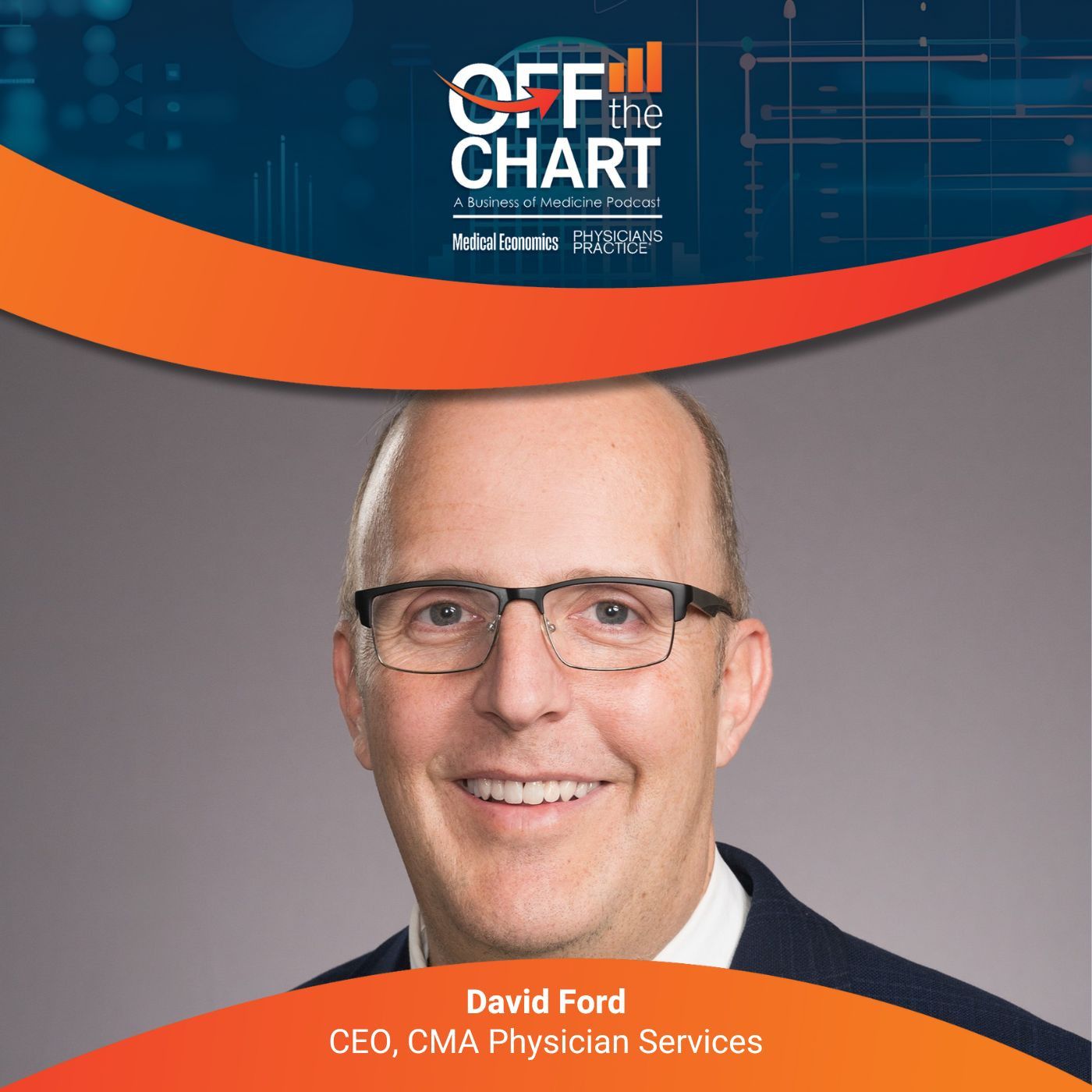
David Ford, CEO of MedWay, joins the show to discuss how the California Medical Association’s (CMA's) new business support program is helping independent physicians take control of their practices without taking on more administrative work.
Launched in 2025, MedWay is a subscription-based management service designed to handle HR, payroll, benefits, insurance and other day-to-day business operations for smaller, physician-owned practices. Ford explains how the program was built, what kinds of support it offers and how it aims to give doctors more time to focus on patients instead of paperwork.
He also talks big picture — why independent practice remains vital to the health care system, how administrative complexity drives burnout and what MedWay’s success could mean for the future of independent medicine in California.
Music Credits:
Sleepy Sunday by Buurd - stock.adobe.com
Relaxing Lounge by Classy Call me Man - stock.adobe.com
A Textbook Example by Skip Peck - stock.adobe.com
Editor's note: Episode timestamps and transcript produced using AI tools.
0:00 — Why Medway?
Independent physicians didn’t spend 20 years training to run payroll. Ford explains the need for a business-support solution.
0:22 — Welcome to Off the Chart
Austin introduces the episode and outlines what Medway offers for practices.
1:14 — Who is David Ford?
Ford shares his background in practice transformation and supporting physician practices.
2:30 — The Birth of Medway
How CMA identified the universal administrative struggles facing independent practices.
4:29 — A Platform Built for Doctors
HR, payroll, benefits, compliance — and real human support when physicians need it.
5:32 — Early Success & Expansion Plans
Medway launches in California and gains national interest quickly.
7:08 — The Business Burden Behind Burnout
Why administrative stress is driving physicians out of independent practice.
8:58 — Burnout in the Post-Pandemic Era
Workload, staffing strain, and the need for relief.
10:00 — California Challenges
The state’s strong but complex regulatory environment for independent practices.
11:47 — Why Independent Physicians Matter
Better access for underserved patients and stronger provider-patient relationships.
14:05 — Supporting the Support Staff
Freeing clinical teams for patient care — and allowing everyone to go home on time.
15:14 — How Practices Enroll
Fast onboarding, one login, and training for staff.
17:33 — Cybersecurity Boundaries
Medway stays away from EMRs and patient data to simplify compliance.
18:44 — Transparent Pricing
A flat $89 per employee per month — and no co-employment arrangement.
22:00 — Billing & Reimbursement?
Not yet — but potentially on the roadmap.
23:10 — Conservative Growth Strategy
Ensuring excellent service for every early adopter.
26:01 — A First-of-Its-Kind Model
Medical societies in other states want to replicate Medway’s approach.
28:47 — Expansion Beyond Medicine
Dental practices begin adopting the service as well.
29:50 — For Any Specialty
Applicable whether pediatrics, ENT, surgery, or anything in between.
30:52 — Final Thoughts
Where to find Medway and who it’s designed to help.
32:19 — Helping New Practices Get Started
Supporting physicians launching their own groups from the ground up.
33:40 — Closing & What’s Ahead
Austin wraps the episode and encourages listeners to subscribe.
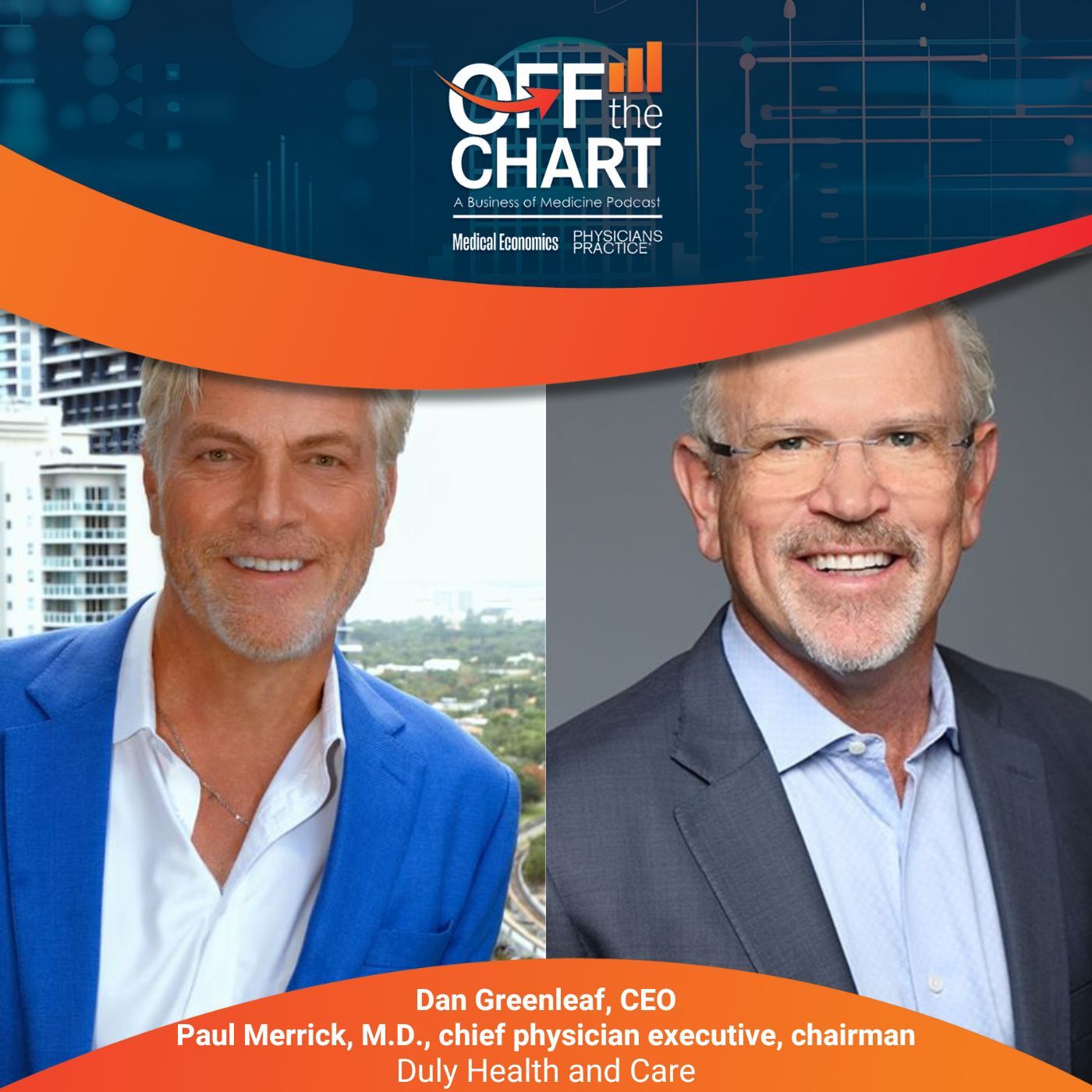
Paul Merrick, M.D., and Dan Greenleaf of Duly Health and Care join the show to discuss why independent medical practices deliver high-quality care at lower costs — and why that matters for the future of U.S. health care.
They share insights from a Duly study on health care spending, the importance of physician autonomy and how independent groups can stay competitive amid industry consolidation.
Learn more about their report, “Chicago provider market trends: Key considerations for employers,” here: https://www.medicaleconomics.com/view/independent-physicians-are-a-viable-alternative-to-hospitals-for-patient-outcomes-lower-costs-study-says
Music Credits:
Light Jazz Piano Trio by Summer Nights - stock.adobe.com
Relaxing Lounge by Classy Call me Man - stock.adobe.com
A Textbook Example by Skip Peck - stock.adobe.com
Editor's note: Episode timestamps and transcript produced using AI tools.
0:20 – Introduction
Austin Littrell introduces the guests and outlines the episode’s focus on independent medicine.
1:35 – Defining independence
How Duly differs from large hospital systems despite its size and reach.
2:10 – Governance and ownership
Merrick explains Duly’s physician-led board and private equity partnership structure.
5:00 – Cost and quality advantage
Greenleaf compares Duly’s lower prices and stronger outcomes against Chicago hospital systems.
8:20 – The Avalere Health study
How Duly’s collaboration quantified the value of independent practice in the Chicago market.
11:00 – Breaking nonprofit myths
Merrick argues that outcomes — not ownership status — define real community value.
14:10 – Study findings
Duly patients experience lower costs, fewer hospital stays and faster follow-up care.
19:20 – Primary care and coordination
Why integrated teams and close specialist ties improve patient outcomes.
21:10 – Using AI to cut friction
How Duly applies artificial intelligence to streamline documentation, scheduling and coding.
23:50 – Battling burnout
Inside Duly’s “Joy in Medicine” program and how it helps physicians rediscover purpose.
27:35 – Prevention and wellness
Duly’s “Make America Healthy Again” initiative, culinary medicine and supplement education.
32:15 – Message to independents
Advice for smaller practices on collaboration, technology and sustaining autonomy.
36:40 – Closing thoughts
Greenleaf and Merrick on the future of physician-led medicine.
37:10 – Outro
Host wrap-up, credits and subscription reminder.

Comments

Download from Google Play

Download from App Store
 United States