


 Claim Ownership
Okay, But... Birds
Subscribed: 29Played: 202
Subscribe

© Okay Media
Description
Hosted by evolutionary biologist Dr. Scott Taylor, Okay, But... Birds explores the drama, brilliance, and science behind bird life. Each snackable 30-minute episode blends smart storytelling, expert interviews, and a touch of humor to reveal how birds shape our world . No jargon. No binoculars required. Just real science, quirky insights, and bird-brained drama you’ll want to share at brunch. Because birds aren’t background. Birds are cool.
17 Episodes
Reverse
What if the secret to raising more babies was to never raise a single one yourself? Dr. Chris Balakrishnan, Associate Adjunct Professor of Biology at East Carolina University and co-founder of Nerd Nite, has spent his career studying the strangest birds on the planet: the ones that outsource parenthood entirely.In this episode you'll hear about:The evolutionary arms race between brood parasites and their hosts, from mimetic eggs to alien-looking chick mouth patternsHow the "password hypothesis" explains how brown-headed cowbirds avoid imprinting on the wrong speciesWhy host-switching in African parasitic finches can drive the rapid formation of new speciesAll audio, video, and images in this episode are either original to Okay, But... Birds (© Okay Media, LLC) or used under license/permission from the respective rights holders. Bird media from the Macaulay Library is used courtesy of the Cornell Lab of Ornithology as follows:Brown-headed Cowbird audio contributed by Wil Hershberger, ML94262Brown-headed Cowbird audio contributed by Wil Hershberger, ML516718Redhead audio contributed by Jessie Berry, ML139672Canvasback audio contributed by Arthur A. Allen, ML3537Greater Honeyguide audio contributed by Mike Andersen, ML140981Pin-tailed Whydah audio contributed by Myles E. W. North, ML14489Village Indigobird audio contributed by Myles E. W. North, ML14484Zebra Finch (Australian) audio contributed by Vicki Powys, ML226233Prothonotary Warbler audio contributed by Wil Hershberger, ML85158Kirtland's Warbler audio contributed by Rudolph Little, ML13982
Most people picture a bird-friendly yard and imagine feeder, birdbath, maybe a decorative birdhouse with mortgage vibes. And feeders are great. But a feeder can give you the illusion of helping birds without creating the thing birds need most: habitat.In this episode, Dr. Doug Tallamy, Professor in the Department of Entomology and Wildlife Ecology at the University of Delaware, joins Scott to explain why your yard is conservation infrastructure in disguise, and what it actually takes to turn it into a place birds can live, breed, and thrive.In this episode you'll hear about:Why "plant natives" is just the beginning, and which keystone plants actually move the needle for birdsThe surprising reason a beautiful all-native garden can still function like a food desertWhat Homegrown National Park is, and how your yard fits into a continent-wide conservation strategyReady to do more than feed birds? Join the Homegrown National Park pledge at homegrownnationalpark.org and start shifting your patch of earth.All audio, video, and images in this episode are either original to Okay, But... Birds (© Okay Media, LLC) or used under license/permission from the respective rights holders. Bird media from the Macaulay Library is used courtesy of the Cornell Lab of Ornithology as follows:Chestnut-sided warbler audio contributed by Jay McGowan, ML191085Northern parula audio contributed by Wil Hershberger, ML79471Carolina chickadee audio contributed by Wil Hershberger, ML100756Oriental pied-hornbill audio contributed by Warren Y. Brockelman, ML170843Northern cardinal audio contributed by Wil Hershberger, ML249823Black-capped chickadee audio contributed by Jay McGowan, ML202239

What do feathers, toothless beaks, and a 66-million-year-old asteroid have in common? Paleontologist Dr. Daniel Field, University of Cambridge, joins Scott to unpack how birds evolved from dinosaurs, and why defining "bird" is trickier than you think.In this episode you'll hear about:Why Archaeopteryx had half the features of a modern bird and lacked the other half, and what that tells us about 150 million years of evolutionThe "Wonderchicken," a tiny fossil from the border of Belgium and the Netherlands that rewrote what we know about birds surviving the asteroid impactHow micro CT scanning lets scientists digitally peer inside rocks to study fossils at micron scale without ever touching themListen wherever you get your podcasts, and don't forget to subscribe so you never miss an episode.All audio, video, and images in this episode are either original to Okay, But... Birds (© Okay Media, LLC) or used under license/permission from the respective rights holders. Bird media from the Macaulay Library is used courtesy of the Cornell Lab of Ornithology as follows:Great Spotted Kiwi, William V. Ward, ML810Southern Cassowary, Linda Macaulay, ML57219Elegant Trogon, David L. Ross, Jr., ML199536Green Heron,, Bob McGuire, ML229117Asteriornis imagery and video courtesy of Dr. Daniel Field, University of Cambridge.
Some birds skip having their own families and spend years helping raise their siblings instead. It sounds like altruism, but it's probably more complicated than that. In this episode, host Dr. Scott Taylor is joined by Dr. Nancy Chen, UCLA, to unpack the notion that it takes a village to raise a child chick.In this episode, you'll hear about:Why some birds spend years as unpaid helpers before starting families of their ownWhat the Florida Scrub-Jay's 50-year study at Archbold Biological Station revealed about cooperative breedingWhether helping your siblings is really altruism or just evolution doing it’s thingIf you enjoy this one, follow Okay, But... Birds and share it with a friend who thinks family is complicated.All audio, video, and images in this episode are either original to Okay, But... Birds (© Okay Media, LLC) or used under license/permission from the respective rights holders. Bird media from the Macaulay Library is used courtesy of the Cornell Lab of Ornithology as follows:Florida Scrub-Jay audio contributed by Bob McGuire, ML229211American Crow video contributed by Jay McGowan, ML472843Superb Fairywren audio contributed by Vicki Powys, ML233810Superb Starling audio contributed by Myles E. W. North, ML14855Red-necked Phalarope audio contributed by Bob McGuire, ML235440Northern Jacana audio contributed by Gerrit Vyn, ML140224
Winter isn’t just “cold” for a bird, it’s a nightly survival math problem: generate enough heat, lose as little as possible, and don’t get eaten while you’re fueling up. In this episode, host Dr. Scott Taylor is joined by Dr. Maria Stager, UMass Amherst, to break down the clever physiology and weird little behaviors that let birds ride out freezing temps, from icy duck feet to “feather puffball” mode to energy-saving torpor. In this episode, you’ll hear about:How birds keep their feet from freezingHow feathers and shivering muscles act like a built-in winter jacketHow birds manage energy overnight, including fat, roosting, and torporAll audio, video, and images in this episode are either original to Okay, But... Birds (© Okay Media, LLC) or used under license/permission from the respective rights holders. Bird media from the Macaulay Library is used courtesy of the Cornell Lab of Ornithology as follows:Dark-eyed Junco audio contributed by Wil Hershberger, ML94361Purple Martin audio contributed by Arthur A. Allen, ML8086Willow Ptarmigan audio contributed by Leonard J. Peyton, ML50031Common Poorwill audio contributed by Wil Hershberger, ML191125Snowy Owl audio contributed by Gerrit Vyn, ML138288Ruffed Grouse audio contributed by Bob McGuire, ML216783Mallard audio contributed by Mike Andersen, ML136504Tree Swallow audio contributed by Bob McGuire, ML233306Black-capped Chickadee audio contributed by Jay McGowan, ML202239Redpoll (Common) audio contributed by William V. Ward, ML12745

E11: Okay, but why is a bird’s world more colorful?Bird vision isn’t just “better than ours,” It’s operating in a different color space, including ultraviolet. In Host Dr. Scott Taylor is joined by Dr. Allison Shultz, Associate Curator at the Natural History Museum of Los Angeles County, to break down what birds can actually see, how scientists measure color in the real world, and why feather color is one of evolution’s most powerful (and misunderstood) tools.In this episode, you’ll hear about:How birds see a whole extra dimension of color (including UV) and why we can’t truly experience “bird vision” without the biology to matchHow feathers make color through pigments and nano-structuresHow studying bird color is changing fast, from spectrophotometers to UV-capable cameras, plus why female coloration and “dirty birds” are reshaping what we think we knowAll audio, video, and images in this episode are either original to Okay, But... Birds (© Okay Media, LLC) or used under license/permission from the respective rights holders. Bird media from the Macaulay Library is used courtesy of the Cornell Lab of Ornithology as follows:Northern Cardinal audio contributed by Wil Hershberger, ML249823House Finch audio contributed by William R. Fish, ML12932Guinea Turaco audio contributed by Mike Andersen, ML140992Northern Jacana audio contributed by Gerrit Vyn, ML140224Common Eider audio contributed by Bob McGuire, ML235534Mountain Bluebird audio contributed by Dave Herr, ML47592Palm Tanager audio contributed by Curtis Marantz, ML88937Greater Bird-of-Paradise video contributed by Tim Laman, ML465370King Bird-of-Paradise video contributed by Tim Laman, ML455252Paradise Tanager audio contributed by Curtis Marantz, ML127399Additional media used with permission under Creative Commons:Plum-throated Cotinga (Cotinga maynana) in Peru image contributed by Harsha Jayaramaiah, CC BY 4.0, via Wikimedia CommonsLovely Cotinga (Cotinga amabilis) image contributed by desertnaturalist, CC BY 4.0, via Wikimedia Commons
Seasons used to feel predictable. Winter showed up, spring arrived on cue, and birds could run their annual schedules like clockwork. But now the timing is weird: early heat, late snow, shifting green-up, and food peaks that don’t always line up. In this episode, host Dr. Scott Taylor is joined by Dr. Morgan Tingley, Professor of Ecology and Evolutionary Biology at UCLA, to unpack what “keeping up” with climate change actually means for birds, how scientists measure it, and what gives birds a fighting chance on a rapidly warming planet.In this episode, you’ll hear about:How birds “keep up” by shifting their ranges to cooler places, and the clearest real-world examples of birds already moving northWhy the story is more complicated than “north and uphill,” including microclimates, precipitation shifts, and the messy reality of predicting habitat changesThe full bird toolkit for coping with climate change: movement, timing (phenology), and even shrinking body size over generations, plus what we can do right now that actually helps birdsAll audio, video, and images in this episode are either original to Okay, But... Birds (© Okay Media, LLC) or used under license/permission from the respective rights holders. Bird media from the Macaulay Library is used courtesy of the Cornell Lab of Ornithology as follows:Northern Cardinal audio contributed by Wil Hershberger, ML249823Carolina Wren audio contributed by Wil Hershberger, ML191224Red-bellied Woodpecker audio contributed by Wil Hershberger, ML306064Orange-crowned Warbler audio contributed by Bob McGuire, ML206459Orange-crowned Warbler video contributed by Timothy Barksdale, ML402530House Finch audio contributed by William R. Fish, ML12932
Birdwatching, birding, twitching… whatever you call it, it’s got everything: quests, rare finds, elaborate gear, a sprawling universe of characters, and a deeply committed fandom. Sound familiar? In this episode, host Dr. Scott Taylor is joined by NYT best-selling author and Pulitzer Prize-winning journalist Ed Yong to explore how modern birding became more accessible than ever (hello, Merlin and eBird), why it can feel like an open-world RPG, and what the Pokémon comparison misses.In this episode, you’ll hear about:How Ed Yong fell into birding after moving to Oakland, and why the “virtuous cycle” of noticing more makes you want to keep lookingWhy Merlin is more than an ID tool, and how eBird functions like “the last good social network” without clout-chasingThe ethics and culture of birding today, from playback debates to the weird social dynamics of rare sightings, plus why birding is such a powerful way to connect to place, community, and changeAll audio, video, and images in this episode are either original to Okay, But... Birds (© Okay Media, LLC) or used under license/permission from the respective rights holders. Bird media from the Macaulay Library is used courtesy of the Cornell Lab of Ornithology as follows:Oak Titmouse audio contributed by Thomas G. Sander, ML110924Oak Titmouse video contributed by Timothy Barksdale, ML406704Northern Pygmy-Owl (Rocky Mts.) audio contributed by Rob Faucett, ML25653Pine Siskin audio contributed by Matthew D. Medler, ML163369Northern Shrike (American) audio contributed by Lucas DeCicco, ML515306Surf Scoter video contributed by Timothy Barksdale, ML402125
Cities can look like a concrete nightmare for wildlife… yet some birds are absolutely crushing it, while others vanish. In this episode of Okay, But... Birds, host Dr. Scott Taylor is joined by Dr. Fran Bonier, Professor at Queen’s University, to unpack what “urban birds” really are, why cities create winners and losers, and what it actually costs a bird to live the high-rise life.In this episode, you’ll hear about:Which birds tend to become “city birds,” and why some species thrive in urban spaces while others disappearThe concrete benefits and hidden costs of city living, plus the traits that predict an urban “winner”How scientists test whether birds are adapting and learning fast vs. being filtered by city conditions, and what the biology says about stress in urban birdsAll audio, video, and images in this episode are either original to Okay, But... Birds (© Okay Media, LLC) or used under license/permission from the respective rights holders. Bird media from the Macaulay Library is used courtesy of the Cornell Lab of Ornithology as follows:House Sparrow audio contributed by Wil Hershberger, ML539706Peregrine Falcon audio contributed by Mike Andersen, ML136378Rosy-faced Lovebird audio contributed by Derek Solomon, ML168222Sulphur-crested Cockatoo audio contributed by Mark Robbins, ML529861White-crowned Sparrow audio contributed by Bob McGuire, ML207181Sharp-shinned Hawk (Northern) audio contributed by David McCartt, ML137605Chimney Swift audio contributed by Wil Hershberger, ML107413Chimney Swift video contributed by Timothy Barksdale, ML440546
Every bird song you’ve ever heard on a hike, through an open window, or sampled in a nature documentary has a story behind it. In this episode, host Dr. Scott Taylor is joined by Linda Macaulay, Chairman of the Board of the Cornell Lab of Ornithology, to explore how bird sounds get recorded, preserved, and shared with the world, and why audio might be one of the most powerful tools we have for understanding and protecting birds. And yes, it’s THAT Macaulay; the one with the library named after her. Casual.In this episode, you’ll hear about:How Linda helped build the world’s bird sound library and why it mattersWhat it takes to record a clean bird vocalization in the wild and the even wilder stories behind the scenesThe role of the Macaulay Library and what’s next for apps like MerlinIf you enjoy this one, follow Okay, But… Birds and share it with a friend who thinks bird songs are just background noise.All audio, video, and images in this episode are either original to Okay, But… Birds (© Okay Media, LLC) or used under license/permission from the respective rights holders. Bird media from the Macaulay Library is used courtesy of the Cornell Lab of Ornithology as follows::Merlin (Taiga) audio contributed by George B. Reynard, ML4408Egyptian Plover audio contributed by Linda Macaulay, ML50441Whitehead’s Trogon audio contributed by Linda Macaulay, ML75416Yellow-Rumped Warbler (Myrtle) audio contributed by Wil Hershberger, ML85245Yellow-Rumped Warbler (Myrtle) video contributed by Eric Liner, ML472204Red-Backed Fairywren audio contributed by Tony Baylis, ML233591Superb Lyrebird audio contributed by Linda Macaulay, ML128376
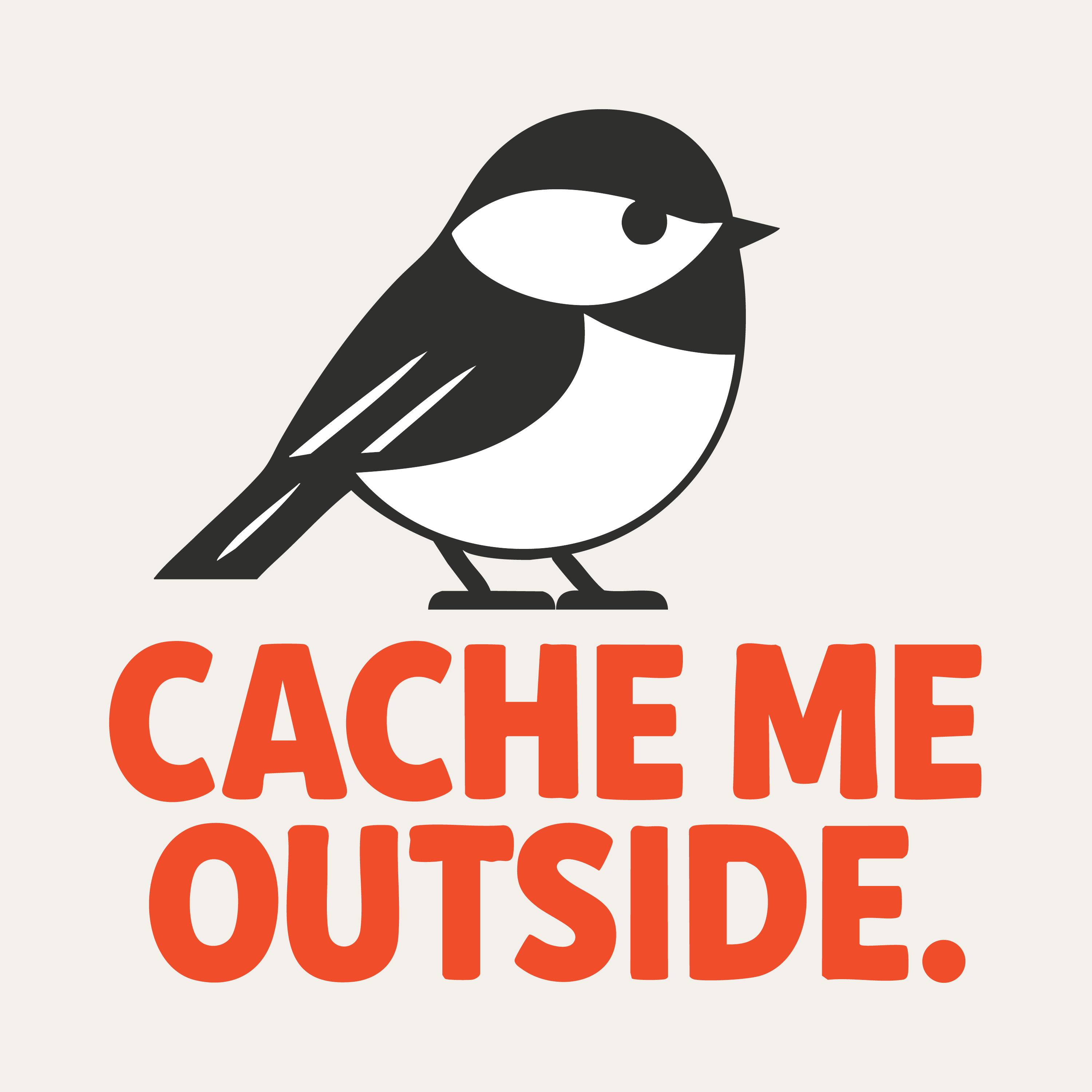
While chickadees look cute, they are also running one of the most impressive memory systems in the animal world. They hide food across the landscape, then somehow return to an insane number of individual spots later, even after snow, wind, and chaos try to erase the evidence. In this episode, host Dr. Scott Taylor is joined by Dr. Vladimir Pravosudov, Professor at the University of Nevada, Reno, to dig into how chickadee brains pull off this feat, what we know from decades of experiments.In this episode, you’ll hear about:How many caches chickadees actually makeWhy birds from harsher climates often have larger hippocampiHow flexible brain structure really can be within an individual’s lifetime (we’re busting some myths here!)Studying these little geniuses in the lab vs. the wildIf you enjoy this one, follow Okay, But… Birds and share it with a friend who thinks “bird brain” is an insult.
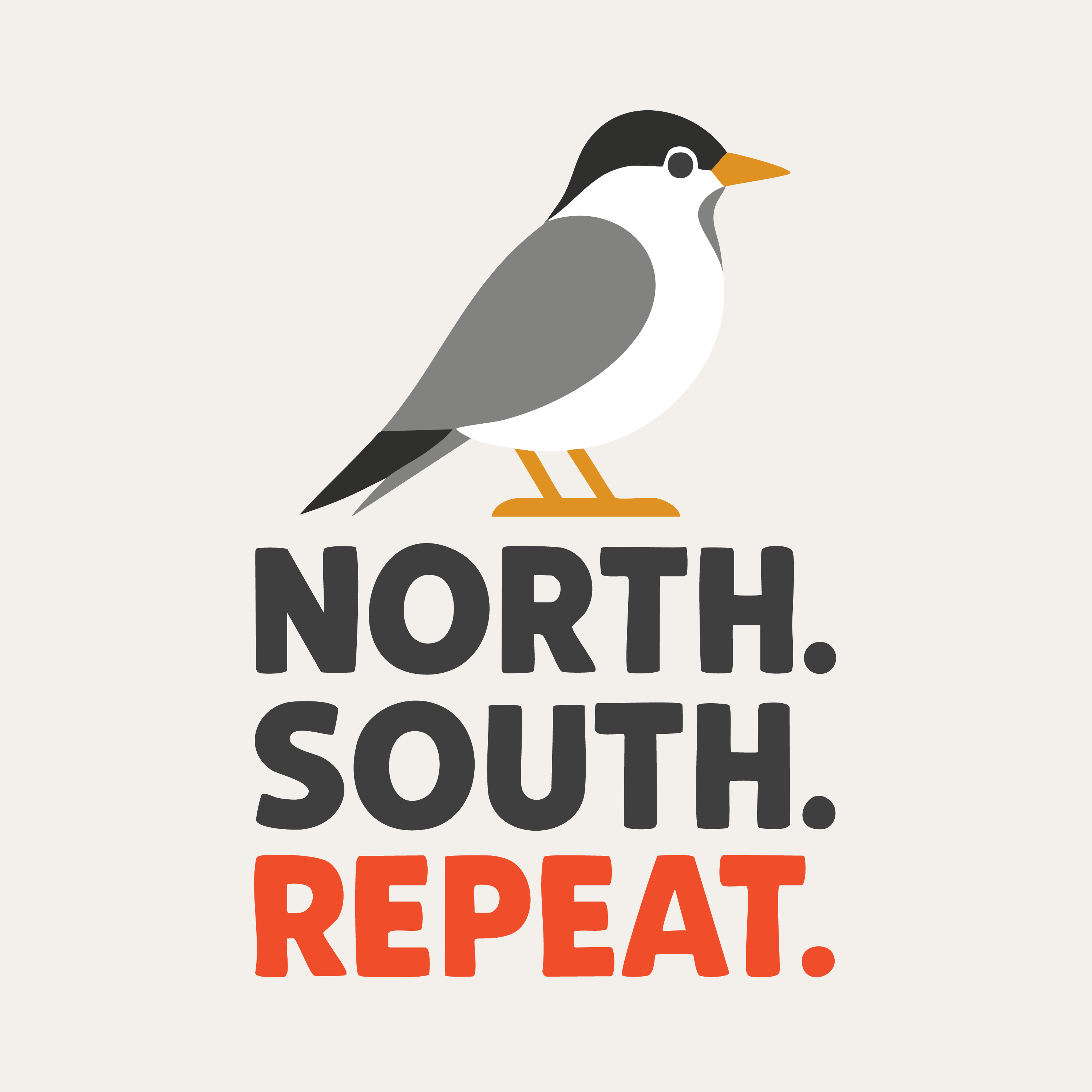
Every spring and fall, billions of birds pull off the most ambitious commutes on Earth. In this episode, host Dr. Scott Taylor is joined by Dr. Nate Senner, Mass Audubon Bertrand Chair for Ornithology in the Department of Environmental Conservation at the UMass Amherst, to break down why birds migrate, how they navigate, and what happens when the world (or the bird) gets thrown off course.In this episode, you’ll hear about:Why birds migrateHow birds navigate long-distance routes, and what’s instinct vs. learnedHow scientists track migration across continents and the wildest journey Nate has followedWhat happens when birds drift off course, and how climate change is reshaping routes and timingIf you enjoy this one, follow Okay, But… Birds and share it with a friend who thinks migration is as simple as just “flying south.”
Bird flu used to sound like a “poultry industry problem.” Now it’s showing up everywhere and rewriting the rules for wild birds, ecosystems, and what “outbreak” even means. In this episode, host Dr. Scott Taylor is joined by Dr. Nichola Hill, disease ecologist and Assistant Professor at UMass Boston, to unpack what’s different about the current H5N1 wave.In this episode, you’ll hear about:How today’s H5N1 differs from past avian flu strains and why this version has scientists so alarmedWhat changed in the virus (and the world) to make outbreaks more frequent, widespread, and severeWhy we’re seeing such intense impacts in wild bird populations right now, not just on farmsThe cautious good news: what vaccines, immunity, resistance, and adaptation might look like and what’s still unknownIf you enjoy this one, follow Okay, But… Birds and share it with a friend who thinks bird flu is only a chicken story.
 1
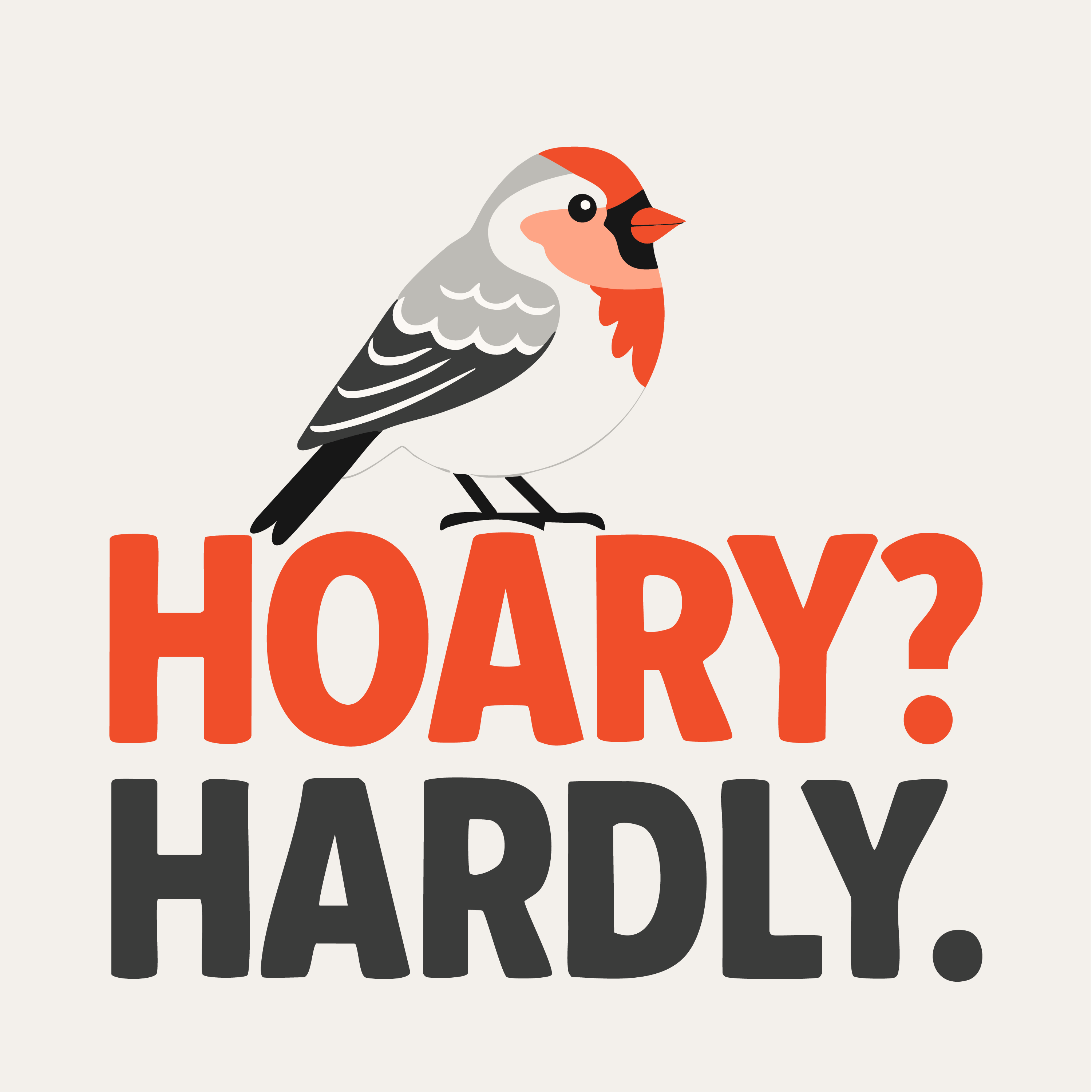
1One day you’re proudly sitting at 312 species… and the next day your list is missing a bird (or two). What happened? In this episode, host Dr. Scott Taylor is joined by Dr. Dave Toews, Assistant Professor at Penn State, to pull back the curtain on bird taxonomy: what a “species” even is, who decides when birds get split or lumped, and why those decisions ripple out into birding, field guides, and conservation.In this episode, you’ll hear about:What “species” means (and why it’s messier than it sounds)The split vs. lump process—and why your life list isn’t safeWho actually makes the call (committees, checklists, and gatekeepers)The kinds of evidence that move the needle (DNA, song, plumage, etc.)If you enjoy this one, follow Okay, But… Birds and share it with a friend who keeps receipts for every rare bird they’ve ever seen.
Bird populations are vanishing—quietly, and fast. In this episode, host Dr. Scott Taylor and Dr. John Fitzpatrick, Director Emeritus of the Cornell Lab of Ornithology, unpack the landmark “3 Billion Birds” study: what it actually showed, how scientists figured it out, and what it means for the birds we thought were common and safe.In this episode, you’ll hear about:What the 2019 “3 Billion Birds” study really revealed, and how researchers combined decades of data to detect the lossesWhich bird groups and regions have been hit hardest and why some familiar species are suddenly in troubleHow policymakers and the public have responded so far, and which conservation actions actually move the needleThe genesis of eBird and how a simple idea became a global tool for tracking birds (and helped make this science possible)If you enjoy this one, follow Okay, But… Birds and share it with a friend who thinks “common” birds will always be here.

Birds “mate for life”… or do they? In this episode, host Dr. Scott Taylor and Dr. Carrie Branch, Assistant Professor at Western University, pull back the curtain on avian relationships and sort out what’s romance, what’s strategy, and what’s just really good PR.In this episode, you’ll hear about:The difference between social and genetic monogamy in birdsWhy “monogamous” birds engage in extra-pair copulations (a.k.a. extra-curricular behavior)How males try to avoid cuckoldry with mate-guarding and other tacticsWhether birds “cheat” in secret or right out in the openHow researchers use DNA and multiple-paternity tests to see who really fathered which chicksIf you enjoy this one, follow Okay, But… Birds and share it with a friend who still thinks swans are relationship goals.
Okay, But... Birds is a weekly science-meets-storytelling podcast hosted by evolutionary biologist Dr. Scott Taylor. Each episode dives into one weird-but-true bird question through smart, funny storytelling and lively interviews with ornithologists, ecologists, artists, and unexpected experts.Follow Okay, But... Birds wherever you get your podcasts. New episodes drop weekly, and yes, we will talk birdie to you.
Comments


Download from Google Play

Download from App Store
 United States